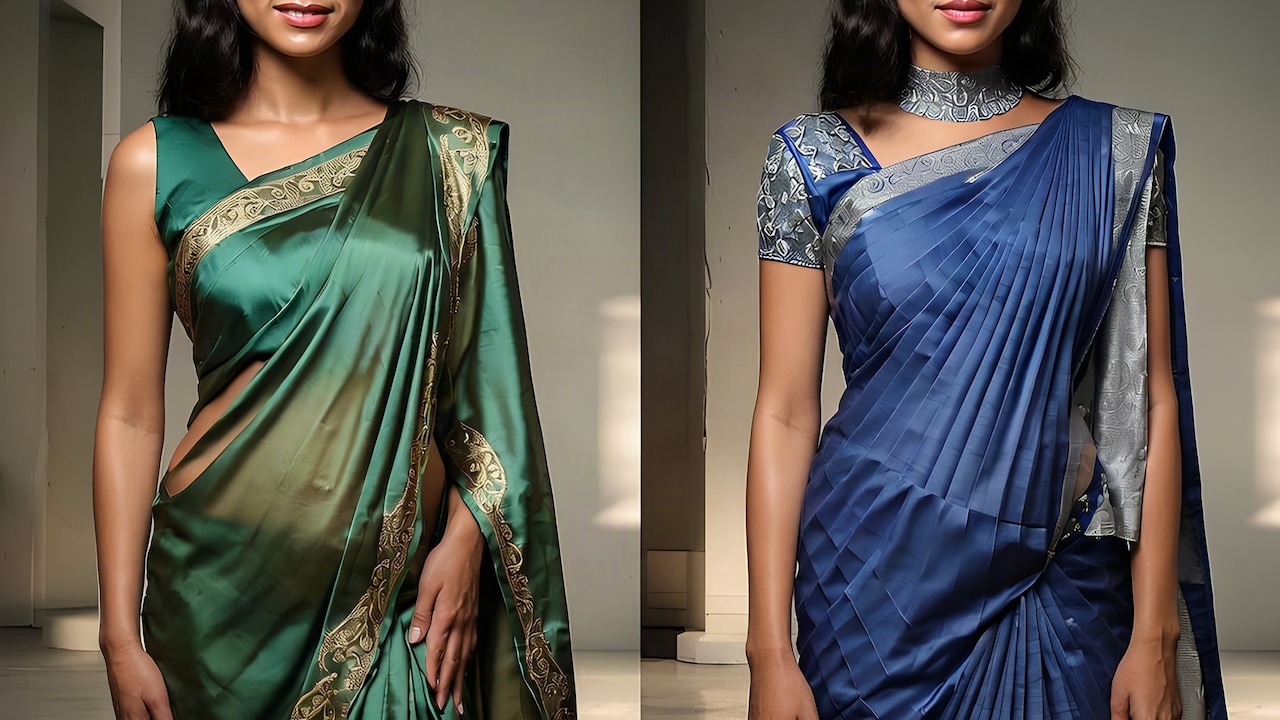
Dupatta In Modern Wardrobes: Timeless Cultural Symbol Or Everyday Fashion Struggle?
The dupatta has long symbolised elegance and tradition, yet modern routines raise a question: does this iconic drape still belong in everyday wardrobes, or has it become an impractical accessory in fast-paced lifestyles?
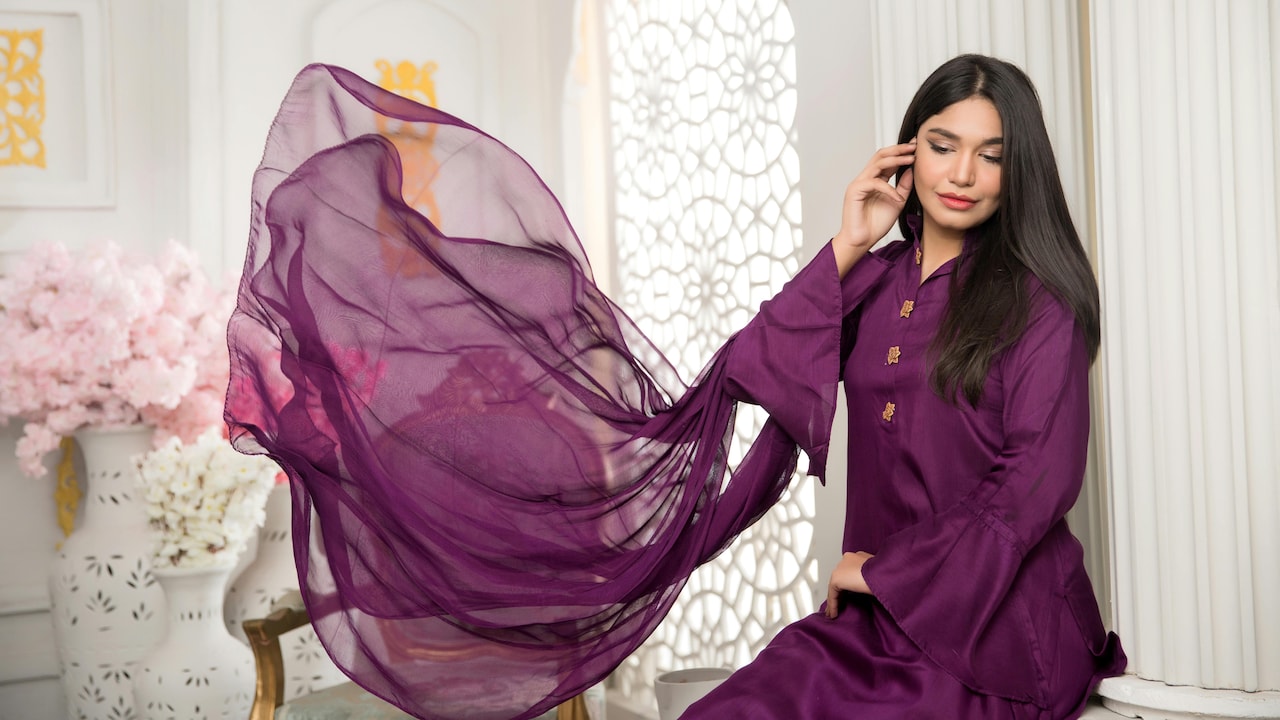
Interesting things that make dupattas relevant for today's fashion
Few garments carry as much quiet symbolism as the dupatta. Draped over a shoulder, wrapped across the chest, or loosely thrown around the neck, this simple piece of fabric has long shaped personal style and cultural expression across the subcontinent. Grandmothers pinned it neatly before leaving home, college students experimented with carefree drapes, and fashion designers transformed it into runway drama.
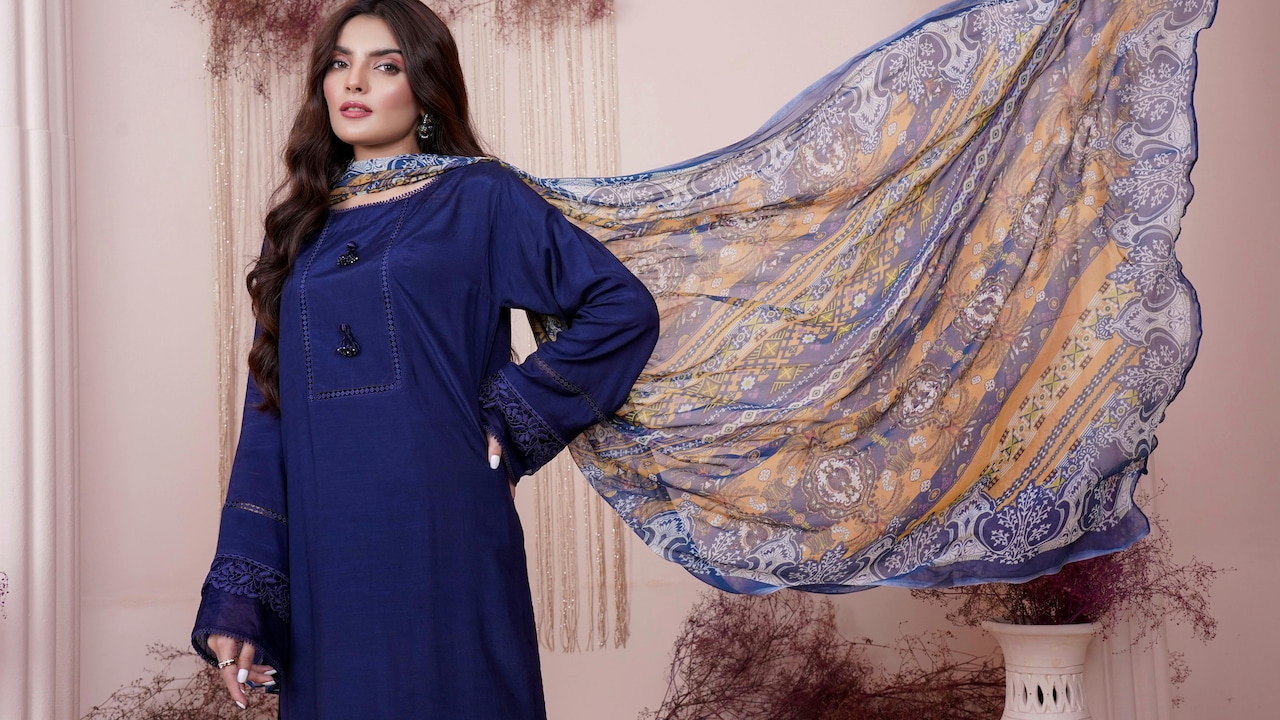
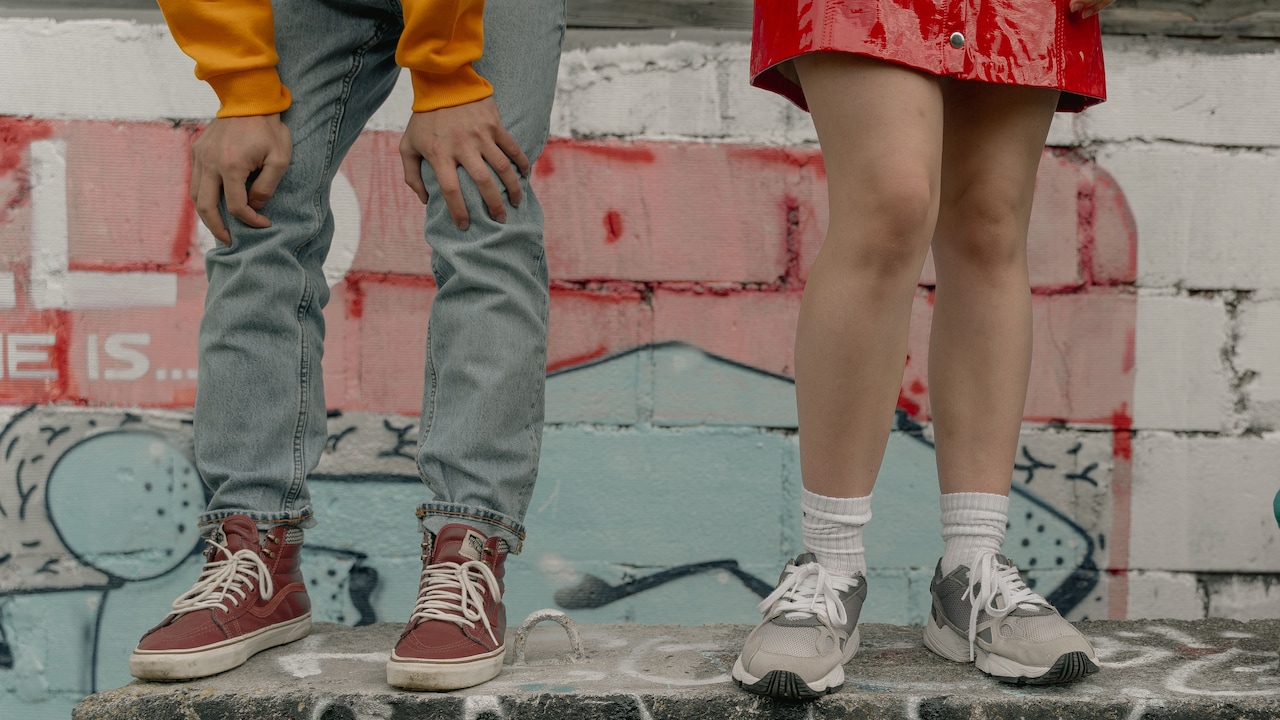
Top things that make dupattas relevant even today; Photo Credit: Pexels
Yet times have changed. Metro trains rush through crowded cities, offices favour practicality, and daily commutes involve backpacks, laptops and hurried schedules. In this context, the dupatta sometimes feels like an elegant guest at a chaotic party. Beautiful, meaningful, but occasionally inconvenient.
The debate has therefore emerged quietly but steadily: does the dupatta remain an essential cultural style statement, or has it evolved into a challenging accessory in modern life?
Conversations about clothing rarely stay limited to fabric alone. They touch identity, comfort, personal freedom and tradition. The dupatta sits right at that intersection. Some view it as grace woven into cloth. Others see it as something that constantly slips, tangles or demands adjustment.
Exploring this debate reveals much more than fashion preferences. It reflects shifting lifestyles, generational perspectives and changing ideas about practicality and expression.
Also Read: Top 10 Dupattas Under 1000: Embroidered, Bandhani To Banarasi, Refresh Any Ethnic Outfit
Tradition, Fashion And Function In Today's Dupatta Conversation
The Dupatta As A Cultural Heirloom
For many households, the dupatta holds emotional value far beyond fashion. A neatly folded silk dupatta in a cupboard often carries memories of weddings, family gatherings and festive evenings. Mothers pass them down like small pieces of heritage.
In traditional celebrations, the dupatta often completes the entire outfit. Without it, a salwar suit or lehenga may appear unfinished. Draping it across the head during rituals adds a layer of respect and symbolism that clothing alone cannot replicate.
Cinema also strengthened this association. Countless classic songs feature flowing dupattas catching the wind, turning ordinary moments into visual poetry. Generations grew up associating that fluttering fabric with romance, grace and elegance.
Even today, festive markets bustle with colourful dupattas during Diwali, Eid and wedding seasons. Shoppers happily spend ₹800 or even ₹4,000 on intricate embroidery or handwoven fabrics. That enthusiasm shows how deeply the garment connects with cultural memory.
The dupatta, therefore, functions as more than an accessory. It acts like a thread connecting generations, reminding wearers of ceremonies, values and shared traditions.
Everyday Practical Struggles With The Dupatta
Despite its charm, the dupatta often tests patience during everyday routines. Anyone navigating crowded buses or metro stations knows how easily it slips off the shoulder or catches on a stranger's bag.
Office environments add another layer of inconvenience. Constantly adjusting fabric while typing emails or attending meetings can become distracting. Some workplaces quietly encourage simpler attire for precisely this reason.
College campuses present similar frustrations. Students juggling books, backpacks and hurried lectures often feel the dupatta turning into an extra responsibility rather than a stylish detail.
Even simple activities like riding a scooter can become tricky. A loose dupatta may flutter into the wind, forcing riders to pin it carefully or wrap it tightly around the neck.
None of these situations erase the garment's beauty. However, they highlight a modern reality: lifestyles have accelerated. When daily schedules already feel overwhelming, clothing that demands frequent adjustment naturally becomes less appealing.
The dupatta's elegance therefore clashes occasionally with practicality, creating the heart of today's debate.
The Fashion Industry's Reinvention Of The Dupatta
Fashion rarely allows traditions to remain static. Designers constantly reinterpret classic garments, and the dupatta has experienced countless reinventions over the decades.
Runways across major fashion weeks often showcase dramatic versions of the dupatta. Some appear oversized and flowing like capes, while others transform into structured scarves or layered accessories.
Designers also experiment with fabrics. Lightweight chiffons reduce the struggle of heavy drapes, while organza and georgette offer volume without weight. Embroidery adds artistry but remains balanced with wearability.
Retail brands now sell stitched dupattas attached directly to kurtas or blouses. This clever design removes the need for constant adjustment while preserving the visual appeal.
Even everyday fashion reflects these changes. Young shoppers browsing malls or online platforms increasingly choose printed stoles or short dupattas that resemble scarves.
Prices vary widely. A casual cotton version might cost around ₹350, while a designer embroidered piece may reach ₹12,000 or more.
Such reinvention shows that fashion does not abandon tradition. Instead, it reshapes it for contemporary lifestyles.
The Influence Of Cinema And Pop Culture
Cinema has long shaped how people perceive clothing, and the dupatta remains one of its most dramatic style elements. From classic romantic scenes to modern dance numbers, filmmakers often use the flowing fabric as a visual storytelling tool.
In older films, heroines frequently hid shy smiles behind dupattas. That gesture symbolised modesty, grace and emotional expression. Audiences associated the fabric with innocence and charm.
Modern cinema offers a slightly different portrayal. Contemporary characters sometimes treat the dupatta as a playful accessory rather than a symbol of restraint. It may fly dramatically during a dance sequence or transform into a stylish scarf paired with jeans.
Music videos and social media trends continue this influence. Fashion bloggers demonstrate creative draping techniques, while styling reels show how one dupatta can transform several outfits.
Young viewers absorb these ideas quickly. A film costume can spark a shopping trend within weeks, especially during wedding season.
Cinema, therefore, keeps the dupatta relevant, not merely as tradition but as a constantly evolving visual statement.
Generational Perspectives On The Dupatta
Clothing often reveals generational differences, and the dupatta illustrates this beautifully. Older generations frequently associate it with dignity, completeness and cultural continuity.
Parents and grandparents sometimes feel that a salwar suit looks unfinished without a dupatta. To them, the garment reflects careful grooming and respect for tradition.
Younger individuals, however, often approach clothing through the lens of convenience and self-expression. Many prefer minimal layers and comfortable silhouettes, especially during long college days or busy office hours.
This difference rarely leads to serious conflict. Instead, it creates gentle household conversations. A mother may suggest carrying a dupatta when visiting relatives, while a daughter quietly leaves it behind during everyday errands.
Interestingly, special occasions often bridge this generational gap. Weddings, festivals and family events still encourage elaborate dupattas, even among those who skip them daily.
This balance shows how traditions adapt over time. Rather than disappearing, the dupatta shifts its role depending on context and lifestyle.
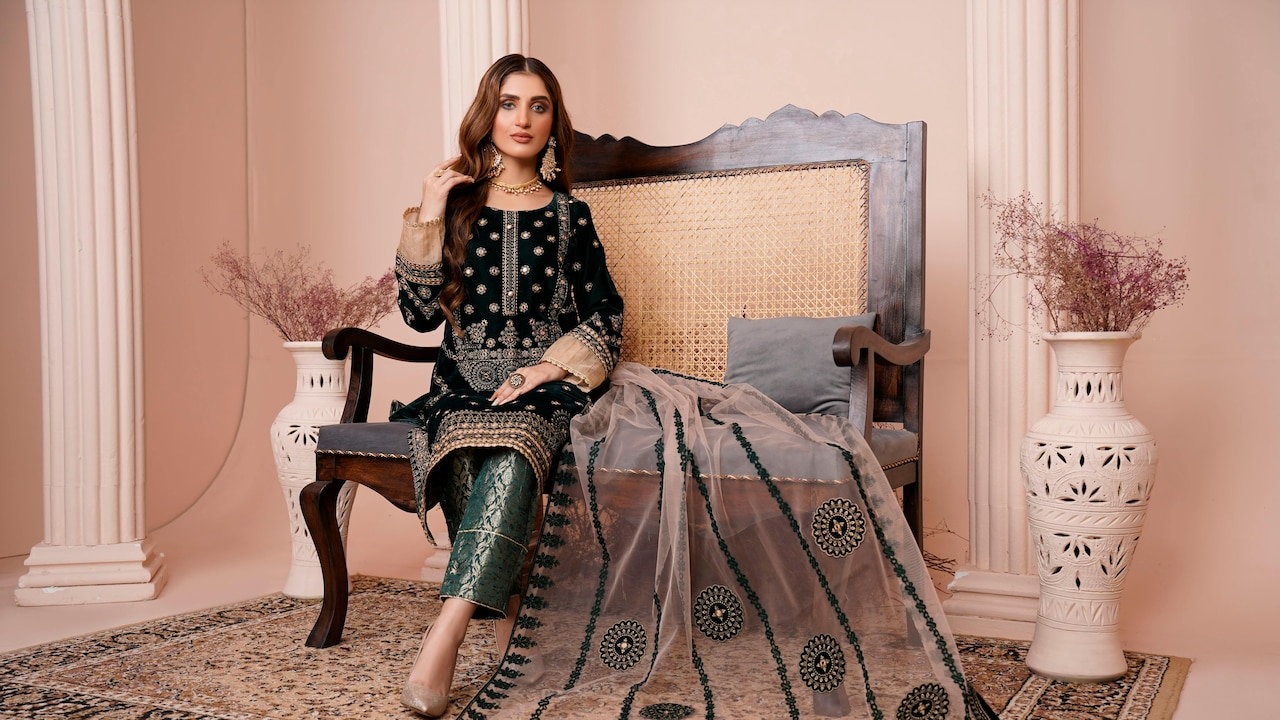
Certain occasions like weddings and festivals still encourage elaborate dupattas; Photo Credit: Pexels
Climate And Comfort Considerations
Weather plays an undeniable role in clothing choices. In many regions, summer temperatures regularly cross 35°C. Under such conditions, an extra layer of fabric can quickly feel uncomfortable.
Light cotton dupattas offer some relief, yet humidity still makes additional draping inconvenient. Many commuters prefer breathable fabrics and minimal layers during scorching afternoons.
Winter tells a different story. A warm shawl-style dupatta becomes surprisingly practical during chilly evenings. Woollen or pashmina pieces add warmth while complementing festive outfits.
Seasonal adaptability, therefore, affects how often people wear dupattas. What feels graceful during a winter wedding may feel exhausting during a humid afternoon commute.
Retailers recognise this pattern. Markets stock airy cotton dupattas before summer and richer embroidered pieces during festive months.
Clothing choices often follow climate logic rather than strict tradition. In that sense, comfort naturally influences how frequently the dupatta appears in daily wardrobes.
The Rise Of Alternative Styling
Modern wardrobes increasingly mix traditional and contemporary pieces. As a result, many outfits no longer rely on the dupatta to appear complete.
Kurtas paired with trousers, palazzos or denim jeans have become widely popular. These combinations often skip the dupatta entirely, creating a simpler silhouette.
Scarves and stoles sometimes replace traditional drapes. They offer similar visual appeal while remaining easier to manage during busy routines.
Fashion designers also introduce layered kurtas, jackets and asymmetrical cuts that eliminate the need for additional fabric.
Even festive wear reflects these changes. Some lehengas now feature attached drapes that mimic the appearance of a dupatta without requiring separate handling.
These alternatives do not erase the dupatta from fashion. Instead, they expand styling options, allowing wearers to decide when elegance outweighs practicality.
Flexibility has therefore become the defining feature of modern wardrobes.
Identity, Expression And Personal Choice
Clothing rarely stays limited to aesthetics alone. It often reflects identity, mood and personal comfort.
For some, wearing a dupatta feels empowering and graceful. The fabric frames the outfit beautifully and adds movement that plain garments sometimes lack.
Others view the same piece of cloth as restrictive or unnecessary. They prefer clothing that allows complete freedom of movement without constant adjustment.
Both perspectives remain valid. Personal style always evolves alongside lifestyle, work environments and individual preferences.
Urban professionals rushing between meetings may prioritise practicality, while artists, performers or cultural enthusiasts may embrace elaborate drapes with enthusiasm.
Interestingly, social media platforms now celebrate both approaches. Some creators showcase intricate dupatta styling tutorials, while others highlight minimalist wardrobes without them.
The conversation, therefore, shifts from obligation to choice. When clothing becomes optional rather than expected, it gains new meaning as a form of self-expression.
The Dupatta In Weddings And Celebrations
Despite debates about practicality, the dupatta remains almost inseparable from wedding fashion. Bridal ensembles often feature richly embroidered dupattas that transform the entire look.
Wedding markets overflow with dazzling options during the festive season. Velvet, silk and net dupattas adorned with zari or mirror work capture attention immediately.
Families often invest generously in these pieces. A bridal dupatta alone may cost anywhere between ₹5,000 and ₹60,000, depending on craftsmanship and fabric.
Ceremonial rituals also highlight their symbolic value. Draping a dupatta over the bride's head carries emotional significance that transcends fashion trends.
Guests also enjoy experimenting with colourful drapes during celebrations. Even those who avoid dupattas in daily life happily embrace them for festive photographs and grand entrances.
These occasions reveal something interesting. The dupatta may struggle in everyday practicality, yet it thrives magnificently in moments of celebration.
Products Related To This Article
1. Komurr Embroidered Dupatta with Sequinned
2. HELLA FASHIONS Bandhani Printed Chiffon Dupatta
3. Dupatta Bazaar Yellow & Green Printed Dupatta
4. Sangria Women Floral Printed Pure Cotton Dupatta
5. Taavi Women Beige & Black Bagru Hand Block Print Cotton Dupatta
6. Dupatta Bazaar Blue & White Ethnic Motifs Printed Dupatta
7. Sangria Floral Printed Solid Border Dupatta
The dupatta debate reflects more than a simple fashion preference. It mirrors changing lifestyles, shifting values and evolving ideas about comfort and identity.
For some wardrobes, the dupatta remains a graceful cultural emblem that completes traditional outfits with elegance. For others, it feels like an extra layer in already hectic routines.
Both perspectives coexist comfortably in modern society. Daily life may favour practicality, while celebrations continue to honour elaborate drapes and timeless fabrics.
Perhaps the dupatta's true strength lies in this flexibility. It adapts to the rhythm of contemporary life without losing its cultural charm.
On a busy weekday, leaving the dupatta at home might feel sensible. On a festive evening filled with music, lights and laughter, the same piece of cloth may suddenly feel essential.
Fashion often works exactly this way. Some garments stay practical, others remain symbolic, and a few manage to balance both worlds.
The dupatta, fluttering somewhere between tradition and convenience, continues its quiet journey through wardrobes and generations.
(Disclaimer: This article may include references to or features of products and services made available through affiliate marketing campaigns. NDTV Convergence Limited (“NDTV”) strives to maintain editorial independence while participating in such campaigns. NDTV does not assume responsibility for the performance or claims of any featured products or services.)