Fitness Band vs Smartwatch: Which Suits A First-Time Buyer?
Looking for a fitness band or smartwatch for your first wearable? Compare battery, fitness tracking, GPS, notifications, comfort and price to find the right fit.
Fitness Band vs Smartwatch: Which Suits a First-Time Buyer?
Wearables have quietly moved from being a niche fitness accessory to an everyday gadget. For someone buying their first one, though, the sheer number of bands and smartwatches can make a simple purchase feel surprisingly complicated. The choice is usually about more than just price. A fitness band can keep things light and focused, while a smartwatch can bring calls, apps, navigation and a larger screen to your wrist. So, which one actually makes more sense for a first-time buyer? This guide breaks down the differences that matter before you spend.
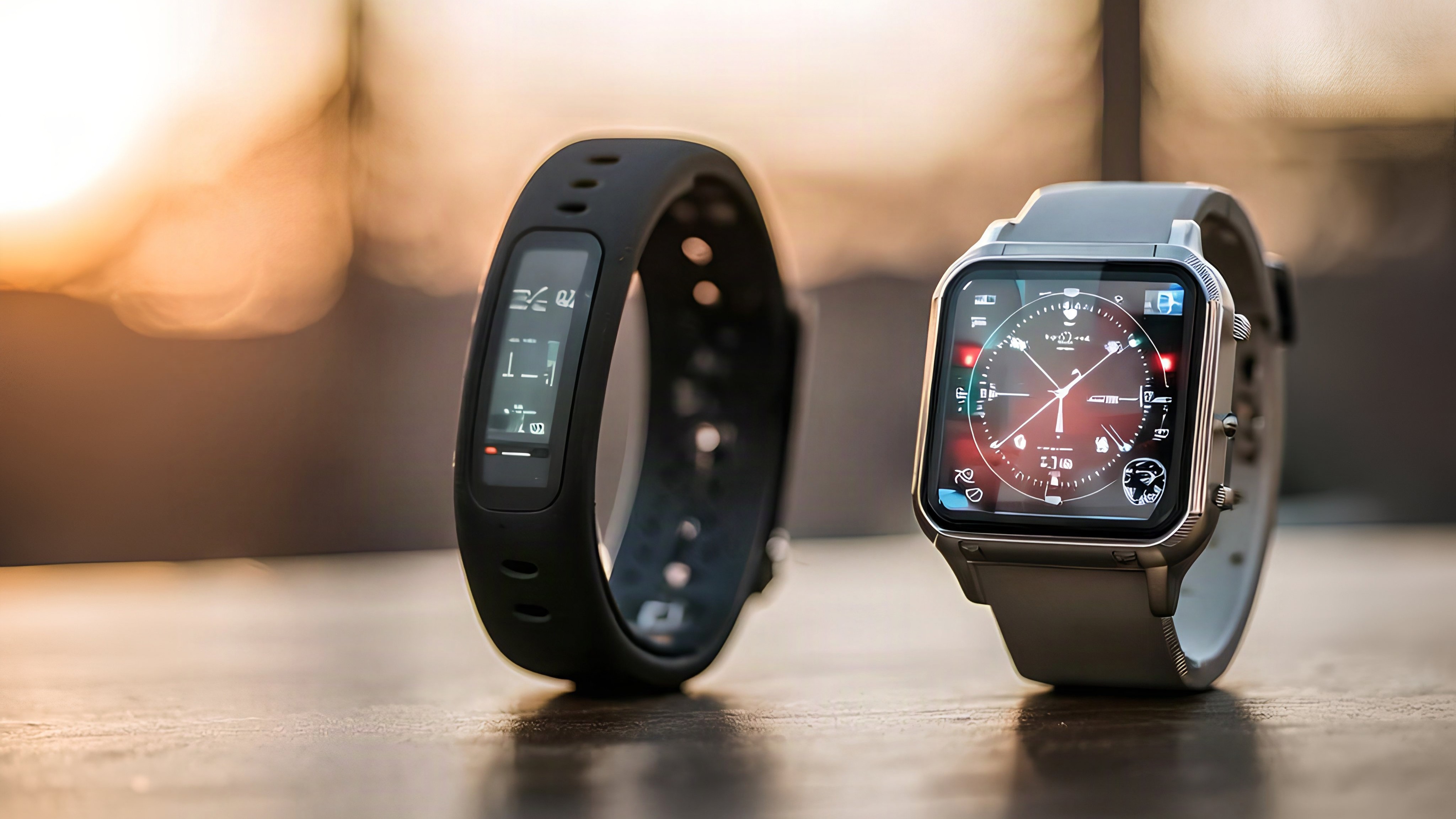
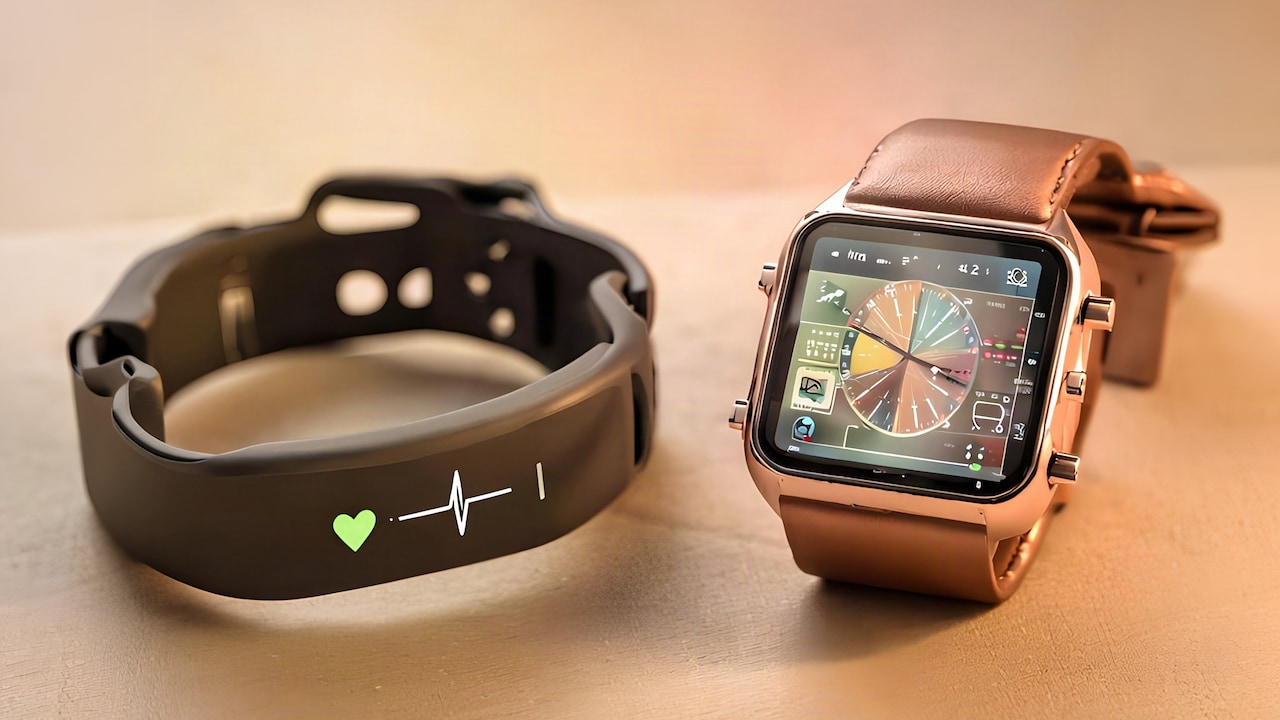
Fitness Band vs Smartwatch: What Is The Real Difference?; Photo Credit: iStock
Fitness Band vs Smartwatch: What Is The Real Difference?
The easiest way to think about the two is by asking how much you want your wearable to do. Fitness bands generally focus on activity and health tracking, while smartwatches combine those features with smartphone-style functions.
A band is usually slimmer, lighter and less demanding on the battery. Smartwatches, meanwhile, tend to offer larger displays, richer notifications, calling, apps and, on many models, built-in GPS.
However, that doesn't automatically mean a smartwatch is the better buy. If your main goal is to count steps, monitor workouts and keep track of sleep, a band may provide everything you need without the added complexity.
Also Read: 5 Popular Fitness Bands Or Smart Wearables You Can Grab
Which Features Matter Most For A First-Time Buyer?
1. Start With Your Main Goal
Before looking at brands or discounts, decide what you expect to do with the wearable. If you mainly want steps, sleep, heart-rate trends and workout tracking, a fitness band is usually enough. If you want calls, music controls, navigation, apps or richer notifications, a smartwatch becomes more useful.
Think about your routine rather than the product's longest feature list. The best first wearable is the one you are likely to wear consistently.
2. Decide How Much Screen You Need
A bigger smartwatch screen makes notifications, workout stats and other info easier to read. It can also make interacting with the device more pleasant, especially when you just want to peek at something without grabbing your phone.
Fitness bands usually come with smaller displays, which do fine for quick glances, but they aren't really built to stand in for your phone. If you only want a glance at your steps or an incoming notification, that smaller screen may actually be enough.
3. Look At Battery Life
Battery life is one of the biggest everyday differences between the two. Many fitness bands can last roughly a week or longer, depending on the model and settings, while mainstream smartwatches commonly need charging every one to several days.
For a first-time buyer, longer battery life can be particularly useful because it makes continuous tracking easier. A device that spends less time on the charger is also less likely to be forgotten in a drawer.
4. Check GPS Requirements
If you regularly run, cycle or hike outdoors, GPS can make a meaningful difference. A smartwatch with built-in GPS can record routes and pace without requiring your phone to provide the location data.
Many entry-level fitness bands instead use connected GPS, which relies on the smartphone. If you always carry your phone during workouts, that may be perfectly adequate; otherwise, built-in GPS is worth prioritising.
5. Compare Health and Fitness Tracking
Most modern wearables cover the basics such as steps, heart rate, sleep and workout tracking. More advanced models can add extra bits like SpO2, ECG, stress measurement, and deeper training metrics, or other subtle readings. Don't pick a wearable just because its specs sheet shows more sensors. Regular consumer wearables usually give estimates and trends, not a true replacement for professional medical equipment, so steadiness and actually useful insights can matter more than having every possible number.
6. Think About Notifications And Calls
This is where smartwatches generally pull ahead. Depending on the model, you can receive richer notifications, control music, answer calls, use apps and perform other tasks directly from your wrist.
A fitness band keeps things simpler. You may still get basic notifications and controls, but the smaller screen and limited software mean you'll usually turn to your phone for anything more involved.
7. Match The Wearable To Your Phone
Make sure compatibility is on your list before you buy it. Apple Watch models are built around the iPhone ecosystem, while a lot of Wear OS watches are mostly aimed at Android phones.
Other brands tend to rely on their companion apps and software, so you should check how well they pair, what features you actually get and if certain functions are limited depending on your phone. Getting a wearable that doesn't play nice with your current smartphone can turn what looked like a fun purchase into something annoyingly frustrating.
8. Set a Realistic Budget
A fitness band generally gives you a lower-cost entry into wearable tracking, while smartwatches can span from affordable models to premium devices costing considerably more.
For your first wearable, don't pay for features you already know you won't use. If you're primarily interested in fitness tracking, putting the extra money toward a better sensor setup or more comfortable design may make more sense than paying for apps and calling.
Fitness Band or Smartwatch: Which One Should You Choose?
There isn't one universal winner. The better choice depends on what you want your wrist to do every day.
Choose a fitness band if you want some basic health and wellness tracking, long battery life, a lightweight design and honestly fewer distractions. Choose a smartwatch if you're after more, like calls, apps, fuller notifications, a bigger display, navigation or even built-in GPS, while still keeping fitness tracking.
For a first-time buyer who simply wants to build better activity and sleep-tracking habits, a fitness band is often the simpler starting point. If you already know you want your wearable to handle smartphone-style tasks, you can save yourself from having to upgrade later by going straight to a smartwatch.
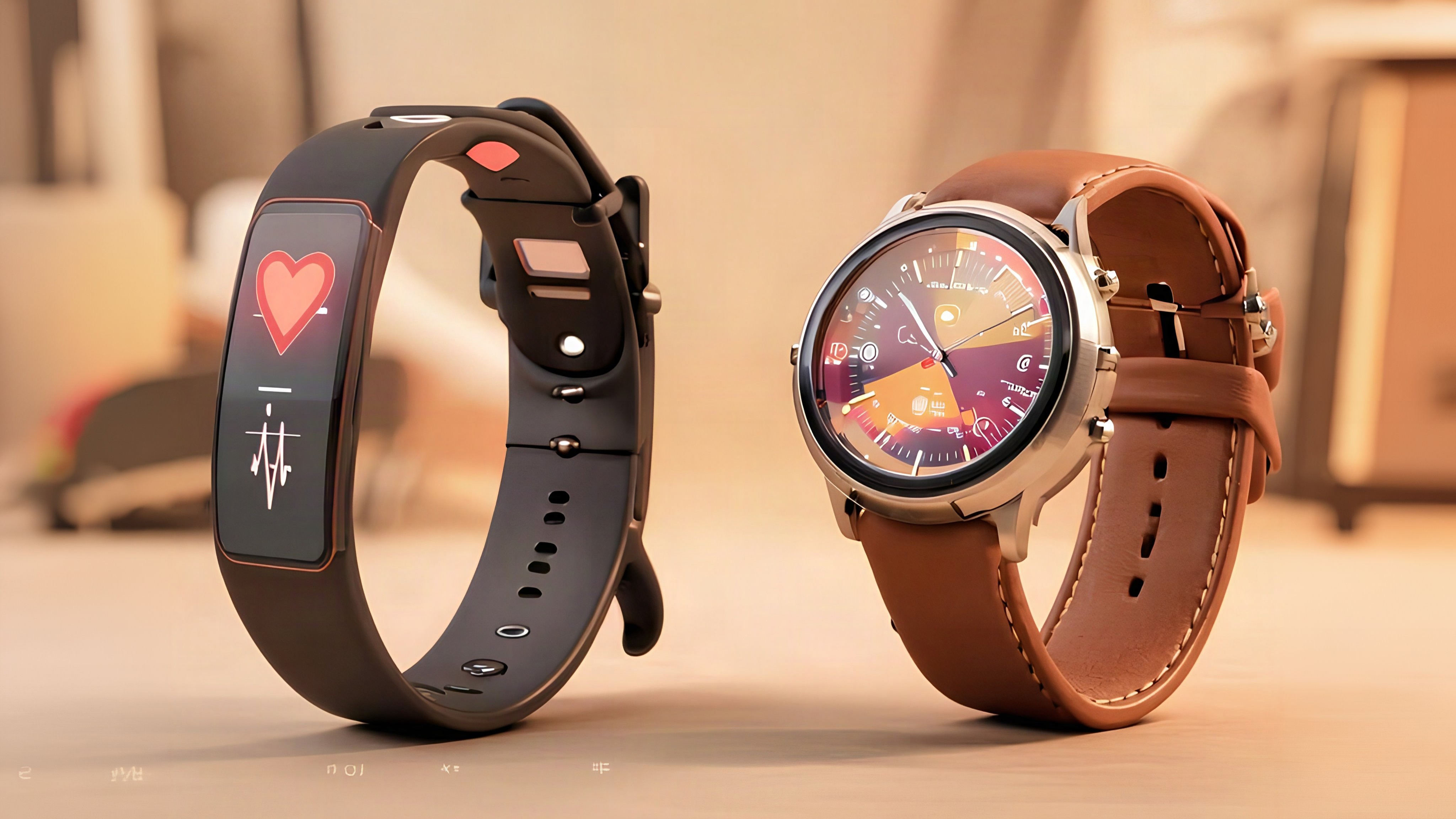
Which Features Matter Most For A First-Time Buyer?; Photo Credit: iStock
Some Fitness Bands And Smartwatches You May Like
1. Samsung Galaxy Fit3: A Light and Sleek Fitness Band
2. Xiaomi Mi Smart Band 6
3. Drumstone M4 Smart Fitness Band
4. Huawei Band 11 Health & Fitness Tracker
5. boAt Wave Call 3 Smartwatch
6. Fastrack Limitless Glide X 1.83" Smart Watch
7. Fire-Boltt Ninja X Ring Smart Watch
8. Noise Twist Go Round Dial Smartwatch
Fitness bands and smartwatches are more than accessories — they're companions for a healthier, smarter lifestyle. From tracking steps and heart rate to monitoring sleep and workouts, these devices blend technology with wellness. Their sleek designs and versatile features make them suitable for both fitness enthusiasts and everyday users. Choosing the right wearable ensures you stay motivated, informed, and connected throughout the day. Ultimately, fitness bands and smartwatches are not just gadgets; they are investments in consistency, health, and convenience, helping you achieve goals while keeping style and practicality at the forefront of your journey. Shop now on Amazon.
Frequently Asked Questions (FAQs)
1. Is a fitness band better than a smartwatch for beginners?
A fitness band can be a better starting point if your priority is basic activity, sleep and workout tracking. A smartwatch makes more sense if you also want calls, apps and richer smartphone integration.
2. What is the main difference between a fitness band and a smartwatch?
A fitness band tends to focus mostly on health monitoring and day-to-day activity tracking, while a fitness band focuses mostly on well-being and activity tracking, but a smartwatch merges that whole thing with features like notifications, applications, calls and guidance.
3. Which lasts longer, a fitness band or smartwatch?
Fitness bands generally offer longer battery life because they have fewer power-hungry features and smaller displays. Many smartwatches need charging every one to several days, but their battery life varies considerably by model and usage.
4. Do fitness bands have GPS?
Some do, but many entry-level bands rely on connected GPS through a smartphone. If you want route tracking without carrying your phone, look specifically for a model with built-in GPS.
5. Should I buy a smartwatch if I only want fitness tracking?
Not necessarily. If you don't need calls, apps, navigation or extensive notifications, a fitness band can provide the core tracking features while being lighter, simpler and generally longer-lasting between charges.
(Disclaimer: This article may include references to or features of products and services made available through affiliate marketing campaigns. NDTV Convergence Limited (“NDTV”) strives to maintain editorial independence while participating in such campaigns. NDTV does not assume responsibility for the performance or claims of any featured products or services.)