Flats That Cause Heel Pain: What Sole Thickness And Arch Support Really Mean
Flats may feel comfortable, but poor sole thickness and weak arch support can trigger heel pain. Learn how the right structure makes all the difference for everyday comfort.
Flats That Cause Heel Pain: What Sole Thickness And Arch Support Mean
Flats hold a special place in everyday wardrobes. Easy to slip on, simple to style, and perfect for everything from office wear to casual outings, they feel like a safe bet. No towering heels, no balancing act, just comfort, or so it seems.
Yet, by mid-week, a dull ache begins to settle in the heel. It lingers during evening walks, grows sharper while climbing stairs, and sometimes refuses to leave even after rest. The confusion deepens. How can something so low and flat cause so much trouble?
The answer lies in the details often overlooked. Sole thickness, arch support, and the way a flat distributes weight play a bigger role than most realise. A stylish pair priced at ₹1,500 may look harmless, but could quietly strain the feet over time.
Understanding what happens beneath the surface transforms the way flats get chosen. It is less about abandoning them and more about choosing wisely, with a sharper eye for structure rather than just style.
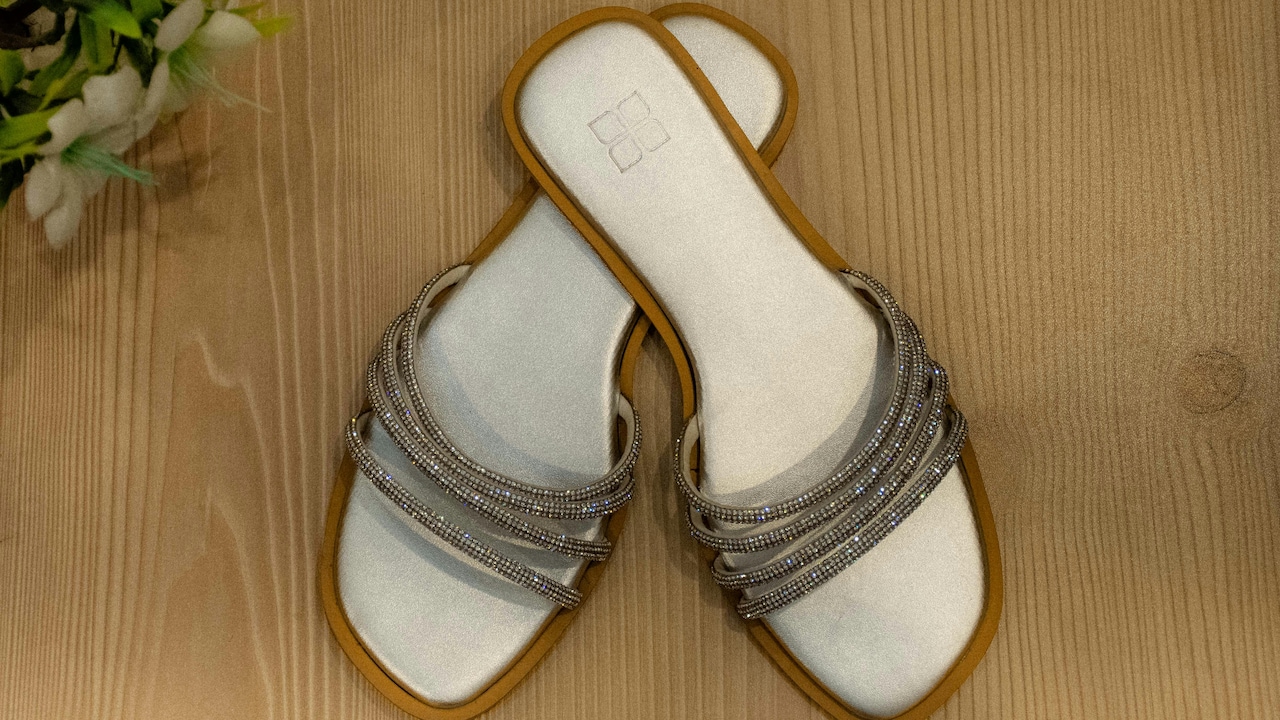
Flats That Cause Heel Pain: What Sole Thickness And Arch Support Really Mean
Photo Credit: Pexels
Understanding How Flats Affect Heel Pain
The Illusion Of Comfort In Flats
Flats often appear as the gentlest option for the feet. Without the elevation of heels, they promise ease and stability. However, that simplicity can be misleading. Many flats lack the structural support required to cushion the foot during daily activities.
Walking on hard surfaces, such as tiled floors in offices or concrete pavements during errands, puts repeated pressure on the heel. When flats come with ultra-thin soles, they fail to absorb this impact. Over time, the heel bears the brunt, leading to discomfort that feels disproportionate to the effort.
The issue becomes more noticeable during long commutes or standing tasks. A day that starts comfortably can end with sore feet, making even short walks feel taxing. The illusion lies in equating flatness with comfort, ignoring the role of support.
Comfort is not just about how a shoe feels when worn for five minutes in a store. It is about how it performs after eight hours of wear, when the feet demand more than just a soft surface.
Why Sole Thickness Matters More Than You Think
Sole thickness does more than define the look of a flat. It acts as a buffer between the foot and the ground. Thin soles, often chosen for their sleek appearance, offer minimal shock absorption.
Each step transfers pressure directly to the heel. Over time, this repeated stress can irritate the tissues around the heel, leading to persistent pain. In contrast, a slightly thicker sole distributes pressure more evenly, reducing strain.
The difference may seem subtle at first. A few extra millimetres of cushioning can significantly improve comfort during long hours. For someone walking through busy markets or navigating office corridors all day, this added support becomes essential.
However, thickness alone is not the solution. A bulky sole without proper structure can feel clumsy and still fail to support the foot correctly. The goal lies in balance, enough thickness to cushion impact without compromising flexibility or movement.
The Hidden Role Of Arch Support
Arch support often gets overlooked when choosing flats. Yet, it plays a critical role in maintaining foot alignment. The arch acts as a natural shock absorber, helping distribute body weight evenly.
When flats lack proper arch support, the foot flattens more than it should during movement. This places additional strain on the heel and surrounding tissues. Over time, the discomfort may extend beyond the foot, affecting the ankles and even knees.
People with naturally low arches may feel this impact sooner, but even those with normal arches are not immune. A long day in unsupported flats can leave the feet feeling tired and strained.
Good arch support does not mean rigid or uncomfortable footwear. It means subtle contouring that supports the natural shape of the foot. This small design feature can transform the wearing experience, turning flats from a source of pain into a reliable companion.
Also Read: Char Dham Yatra: Best Trekking Shoes For Kedarnath 2026
How Hard Surfaces Amplify Heel Pain
Urban life rarely offers soft ground to walk on. From polished office floors to uneven pavements, hard surfaces dominate daily routines. Flats with inadequate cushioning struggle to handle this constant impact.
Each step sends a small shock through the heel. While the body can handle occasional stress, repeated exposure without proper support leads to irritation. The result is a lingering ache that worsens over time.
The problem becomes more pronounced during extended periods of standing. Waiting in queues, attending events, or managing household chores can quietly strain the heel. Without proper sole thickness or arch support, the feet absorb more stress than they should.
Choosing flats designed for such environments can make a noticeable difference. Shoes that account for real-world conditions, rather than just aesthetics, help protect the feet from unnecessary strain.
The Trap Of Style Over Structure
Trendy flats often prioritise design over comfort. Sleek silhouettes, pointed toes, and ultra-thin soles dominate store shelves. While visually appealing, these features rarely support long-term foot health.
A pair that looks perfect with an outfit may not perform well during a full day of wear. The temptation to prioritise style can lead to choices that feel comfortable initially but cause discomfort later.
This trade-off becomes evident during festive seasons or long outings. A stylish pair bought for ₹2,000 may end up sitting unused after a few painful experiences. The disappointment lies not just in the discomfort but also in the wasted purchase.
Balancing style with structure does not mean compromising on appearance. Many brands now offer flats that blend aesthetics with support. The key lies in looking beyond the surface and understanding what truly makes a shoe comfortable.
Why Cushioning Alone Is Not Enough
Soft cushioning often gets mistaken for proper support. While it adds comfort, it does not replace the need for structure. Flats with plush interiors but weak soles can still lead to heel pain.
Cushioning absorbs some impact, but without adequate sole thickness and arch support, the foot lacks stability. This can lead to uneven weight distribution, increasing strain on certain areas.
Over time, excessive softness may even cause the foot to sink, reducing overall support. The result is a paradox: shoes that feel comfortable initially but contribute to discomfort later.
True comfort comes from a combination of cushioning and support. A well-designed flat provides both, ensuring that the foot remains stable while still enjoying a soft landing with each step.
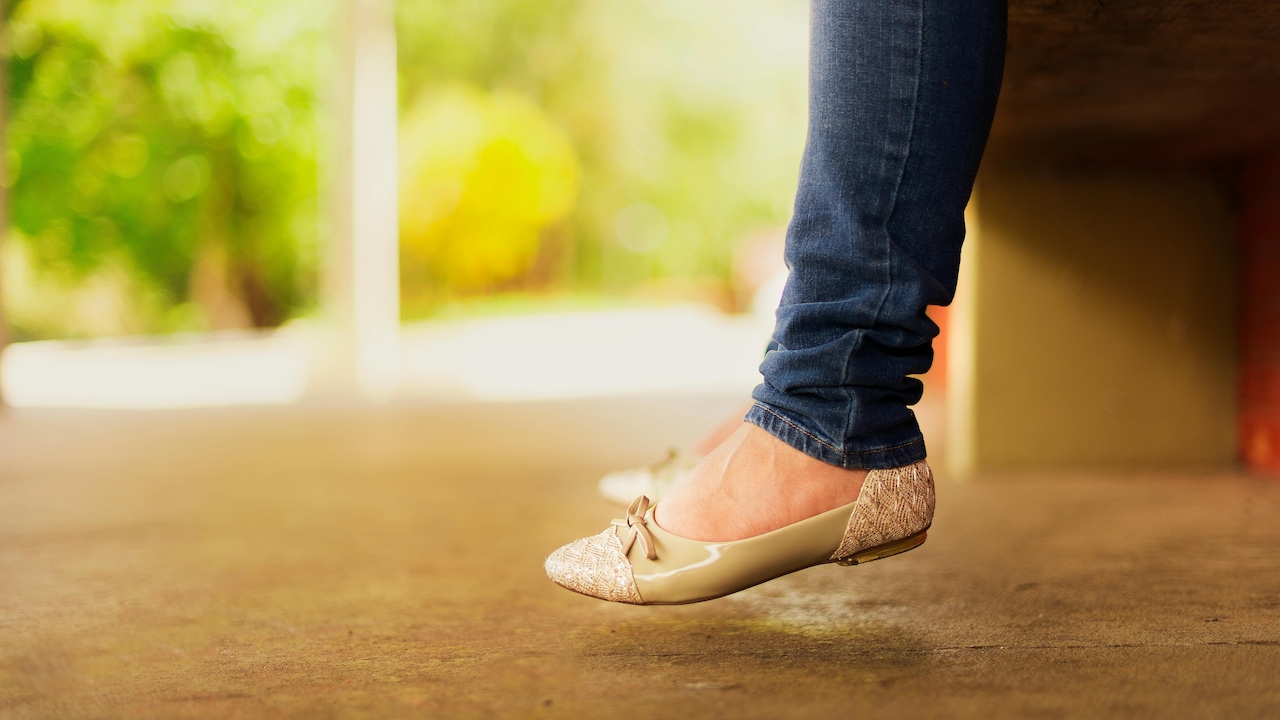
Flats That Cause Heel Pain: What Sole Thickness And Arch Support Really Mean
Photo Credit: Pexels
The Impact Of Daily Habits On Foot Health
Footwear does not exist in isolation. Daily habits influence how flats affect the feet. Long hours of standing, walking on uneven surfaces, and carrying heavy bags all add to the strain.
A person who spends hours commuting or managing tasks at home places significant pressure on the feet. In such cases, poorly designed flats can accelerate discomfort.
Even small habits, like wearing the same pair every day, can contribute to the problem. Shoes need time to recover and maintain their structure. Rotating between pairs helps preserve their support.
Understanding these habits allows for better choices. Flats that suit occasional outings may not work for daily wear. Matching footwear to lifestyle needs ensures better comfort and reduces the risk of heel pain.
Recognising Early Signs Of Trouble
Heel pain rarely appears overnight. It often begins as mild discomfort that gradually worsens. Ignoring these early signs can lead to more persistent issues.
A slight ache after a long day, stiffness in the morning, or discomfort while standing for extended periods may seem harmless. However, these signals indicate that the feet need better support.
Addressing the issue early can prevent long-term problems. Switching to flats with better sole thickness and arch support often brings noticeable relief.
Listening to the body becomes essential. Feet carry the weight of daily life, and their signals should not be dismissed. Paying attention to these cues helps maintain comfort and mobility.
Choosing Flats That Truly Support
Selecting the right pair of flats requires more than a quick glance. It involves understanding how different features affect comfort. Sole thickness, arch support, and overall structure should guide the choice.
Trying on flats and walking in them for a few minutes can reveal a lot. A good pair feels supportive without being restrictive. It should cushion the heel while maintaining stability.
Investing in quality footwear often proves worthwhile. Spending ₹2,500 on a well-designed pair can save discomfort and frequent replacements. Comfort becomes a long-term benefit rather than a short-lived experience.
The right flats do not just complement an outfit; they support the body through daily activities. This shift in perspective transforms footwear from a fashion choice into an essential part of well-being.

Flats That Cause Heel Pain: What Sole Thickness And Arch Support Really Mean; Photo Credit: Pexels
Products Related To This Article
1. El Paso Buckles Open Toe Flats
2. Bata Women Brown Open Toe Flats with Laser Cuts
3. Kenneth Cole Women Leather Open Toe Flats
4. CAI Geometric canvas tan flats
5. Max Women Open Toe Flats with Buckles
6. Ginger by Lifestyle Women Open Toe Flats With Buckle
7. Max Women Flats
Flats remain a staple for good reason. They offer convenience, versatility, and effortless style. Yet, beneath their simplicity lies a complex relationship with foot health.
Heel pain often traces back to overlooked details, thin soles, lack of arch support, and choices driven purely by appearance. Understanding these factors allows for smarter decisions.
Comfort does not require sacrificing style. It requires awareness and a willingness to prioritise structure alongside design. A well-chosen pair of flats can support long days, busy schedules, and countless steps without complaint.
In the end, the goal is not to abandon flats but to embrace them wisely. When chosen with care, they remain not just a wardrobe essential but a reliable partner in everyday life.
(Disclaimer: This article may include references to or features of products and services made available through affiliate marketing campaigns. NDTV Convergence Limited (“NDTV”) strives to maintain editorial independence while participating in such campaigns. NDTV does not assume responsibility for the performance or claims of any featured products or services.)