Flats Vs Heels: What To Wear For A Long Diwali Puja
Choose between flats and heels for a long Diwali puja by comparing comfort, stability and festive style to choose footwear that works with traditional outfits.

Which is better between flats vs heels for Diwali puja
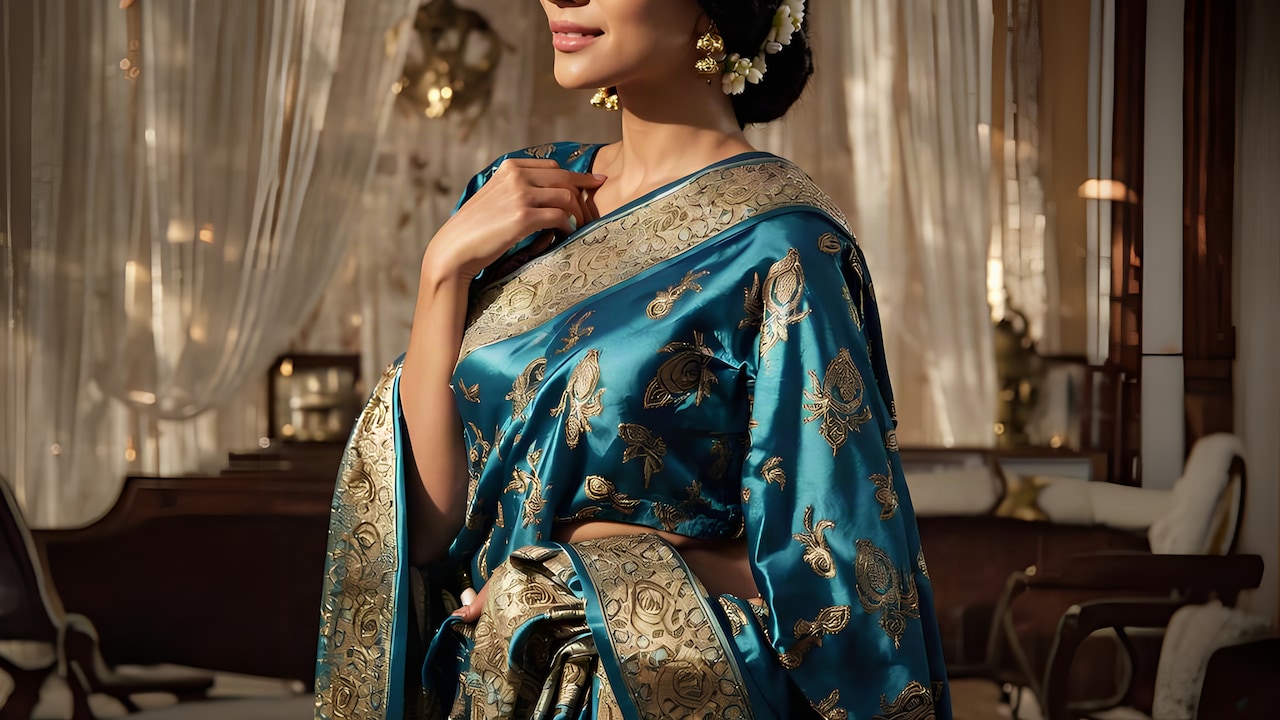
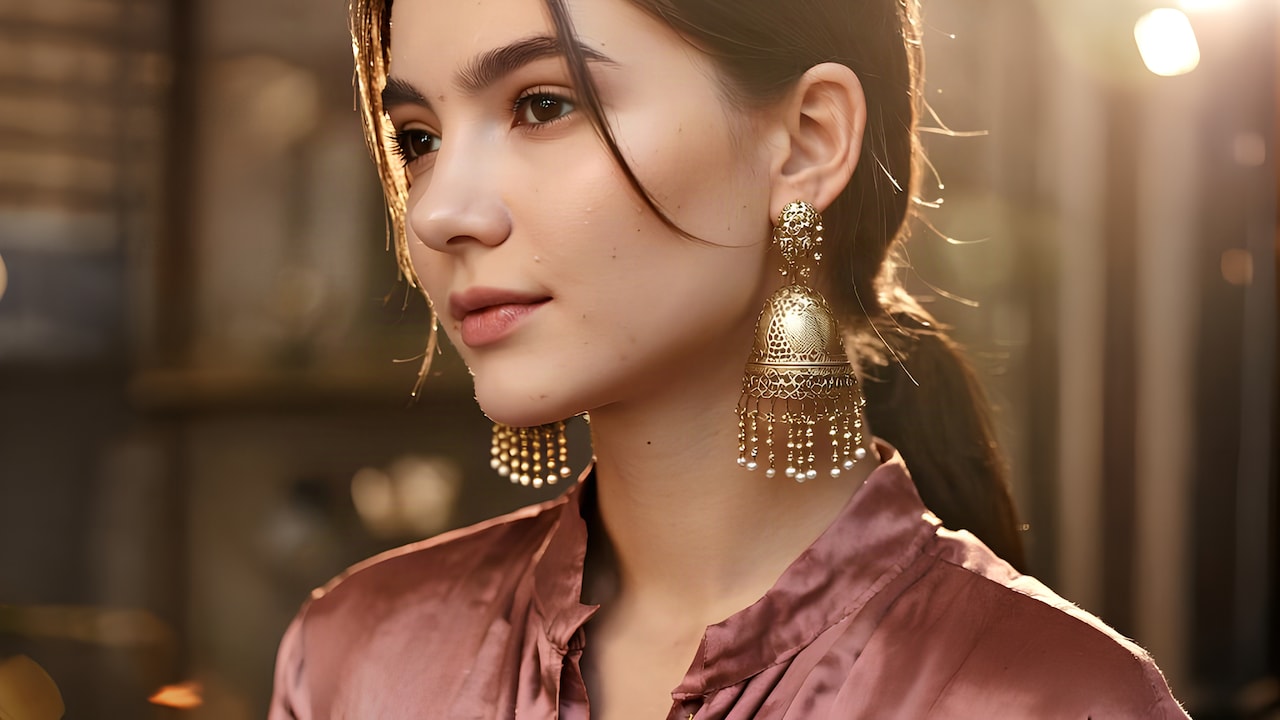
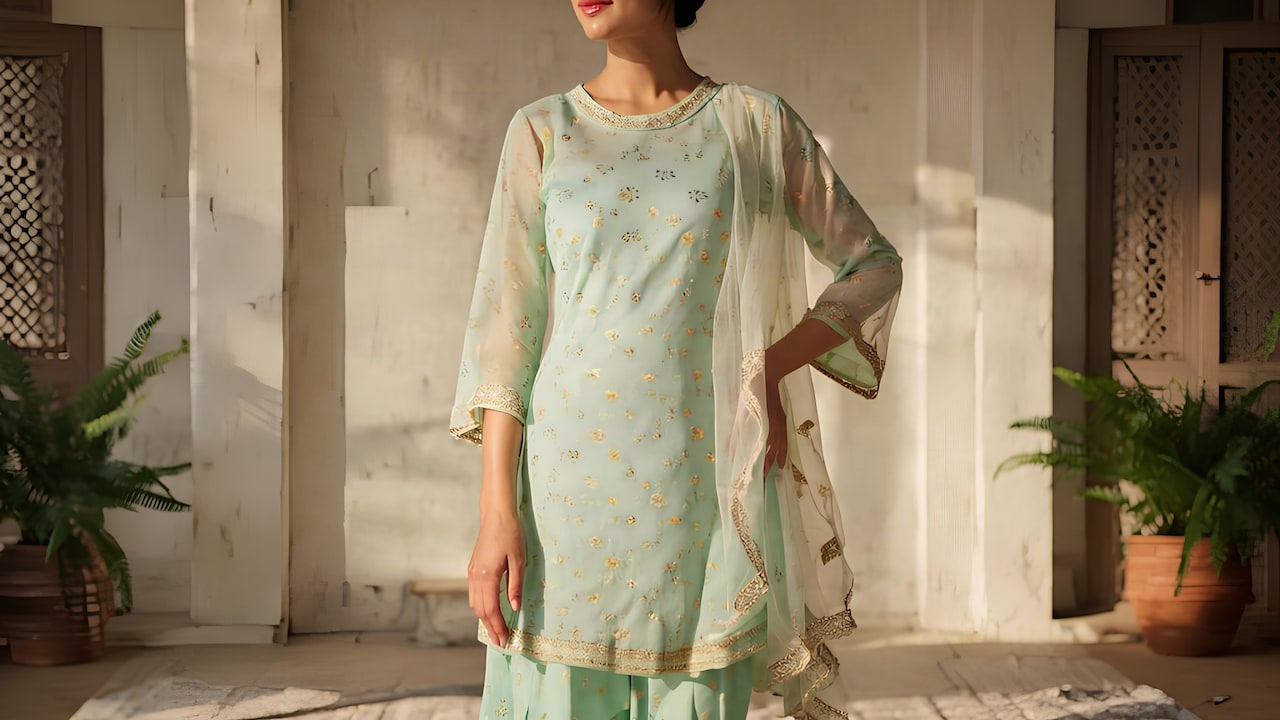
A Diwali puja is often more active than you'd expect. Footwear needs to do more than just complete an outfit, as you get dressed, set up the puja space, greet relatives, help out with preparations, and spend time with family. The right pair needs to be festive and allow you to move comfortably throughout the celebration. Flats and heels can both look good with traditional outfits like sarees, lehengas, salwar suits, and Anarkalis. Embellished flats are a good choice for longer wear, while block heels and wedges add height and create a dressier silhouette.
Are Flats Or Heels Better For A Long Diwali Puja?
Photo Credit: iStock
The best choice depends on how long the event is, what you'll be walking on and personal comfort. Instead of just choosing shoes for their appearance, think about how long you'll wear them and how easy they are to take off. A bit of planning can help keep the focus on the festivities, not sore feet.
Also Read: Must-Try Highlighters For The Festive Season On Amazon Great Indian Festival
Are Flats Or Heels Better For A Long Diwali Puja?
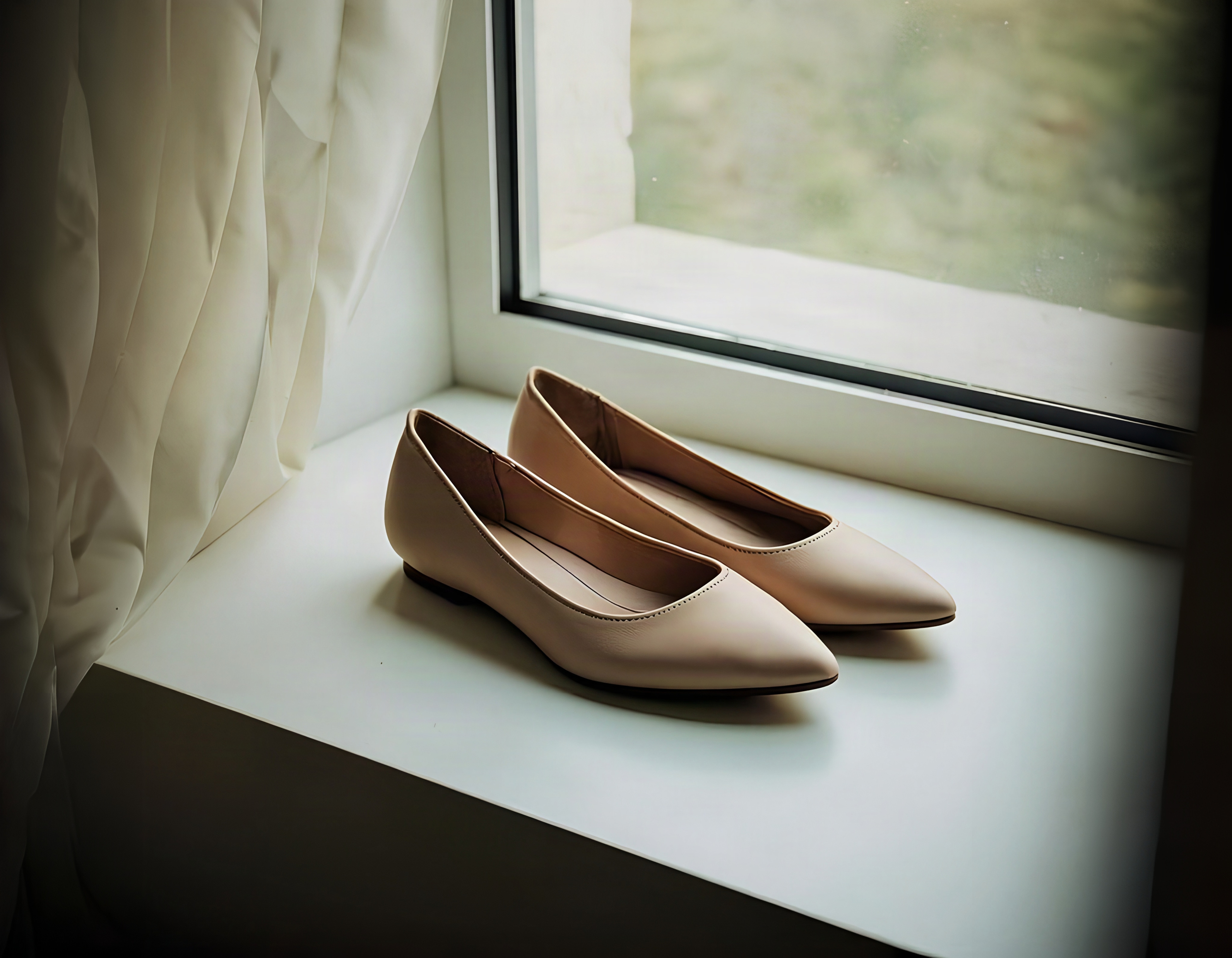
Flats are a practical beginning for most long pujas, as they are generally easy to walk in and convenient to take off. Folk juttis, embellished ballet flats, and ethnic sandals can look festive without the added height, but if they are completely flat and have a thin, hard sole, some people might not find them comfortable to stand in for a long time.
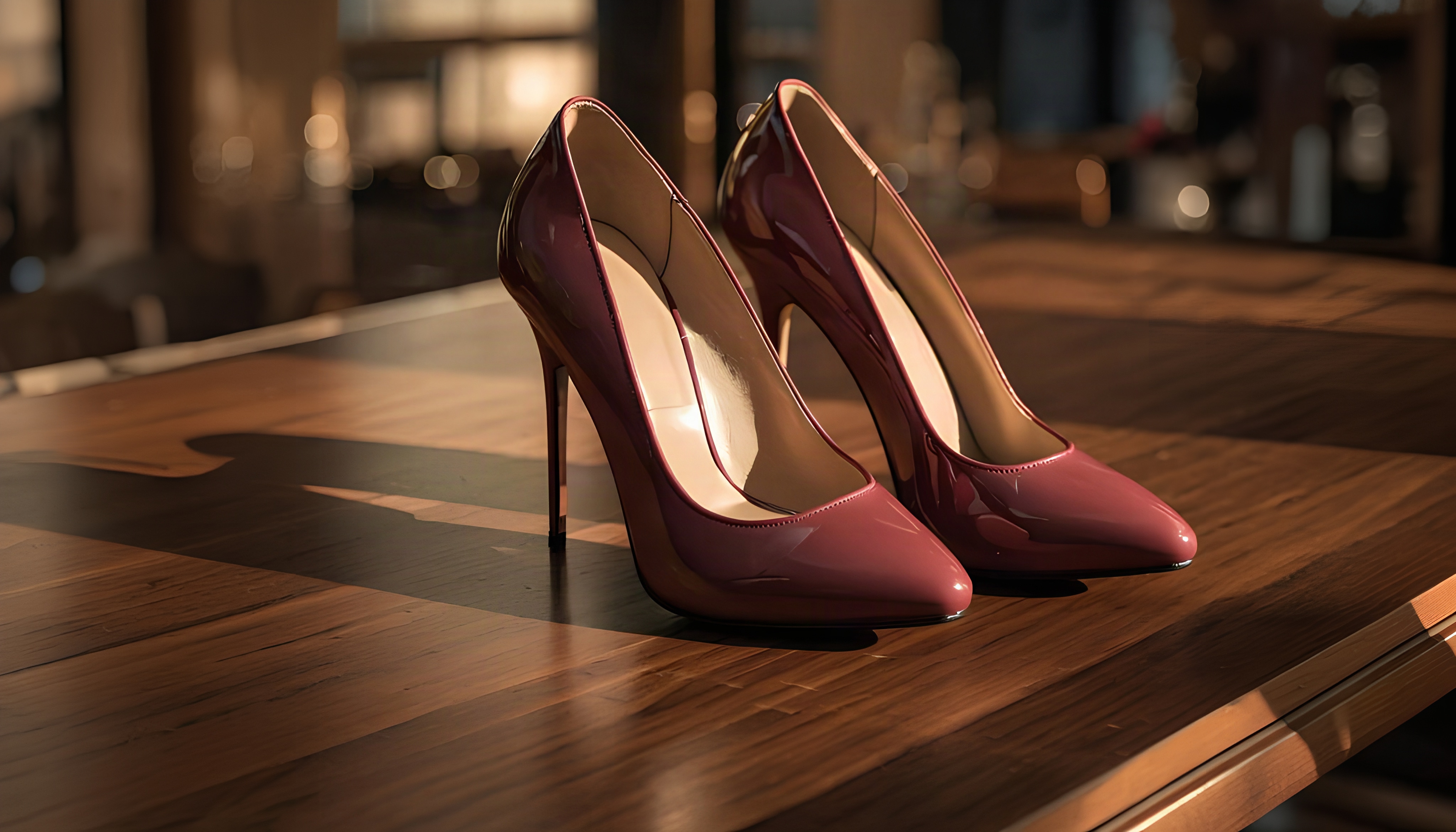
Heels could work for those who wear them regularly and want a little height with their clothing. A low block heel or a stable wedge may feel more secure than a narrow stiletto, although fit, cushioning and individual comfort are just as important as heel shape.
How Should Footwear Match The Festive Outfit?
1: Style Flats With Traditional Details
Embroidered juttis, metallic sandals and embellished ballet flats can bring festive polish to a traditional outfit, and coordinate a detail such as gold embroidery, silver jewellery or a contrasting saree border with the footwear for a balanced look. Choose a secure fit and enough room for the toes, rather than selecting a pair solely for its decoration.
Embellished flats go well with cotton and silk sarees, kurta sets, Anarkalis and lehengas. Gold, silver, bronze and muted metallic shades can work with various festive colours, and embroidered juttis add a traditional detail without making the footwear the centre of attention.
2: Save Your Heels For When They Feel Comfortable
Low block heels, wedges and kitten heels can work for someone who is used to wearing heels and wants a slightly elevated look. They might be especially suited for family photographs or for an evening get-together after the puja. It's smart to switch to a comfortable pair of flats if you start to feel uncomfortable.
If you want to add height to your outfit, go for block heels and wedges with sarees, lehengas and Indo-Western outfits. When selecting a heel, check the hemline, particularly for floor-length outfits. Shoes should help the dress drape well and not trip you up or make walking difficult.
How To Choose Comfortable Footwear Step By Step
Step 1: Think About How Long The Puja Will Be
If you're having a short ceremony and then sitting with family, flats or low, comfortable heels might work. If the event is a several-hour affair that involves standing, helping with setup and walking around the house, choose a pair that is already comfortable rather than something new.
Step 2: Inspect The Sole And Cushioning
Look for a sole that feels stable and has some cushioning. Very thin soles can be uncomfortable on hard floors, and very soft or unstable shoes can be unsuitable for some people. Try walking around in the pair before the event to see if it rubs, slips or presses against the toes.
Step 3: Select A Heel Height That Feels Good
If you're a fan of heels, opt for a sturdy block heel or wedge rather than a very high, thin one. A wider base may be more stable, but no heel shape is completely stable. Also, ensure that the height feels natural when you walk and stand.
Step 4: Ensure Shoes Are Easy To Remove
You will be asked to remove your shoes in some puja settings before you enter the prayer area, and slip-on flats or sandals that are simple to slip off can help with this task.
Mistakes To Avoid With Footwear
1: Wearing Brand-New Shoes For The First Time
New shoes may rub or cause pressure points, particularly when worn for long periods; try the pair indoors before Diwali and see if the fit is right when standing and walking. If you feel pain, it falls off, or it is uncomfortable, choose another option instead of hoping that it will get comfortable during the puja.
2. Stability Over Style
High heels, slippery soles and loose straps can make it harder to get around. Be extra cautious around stairs, uneven surfaces outside, rangoli and where there may be oil from lamps or other spills. Keep shoes away from open flames; avoid long or loose adornments that could snag on objects.
Products To Consider From
Photo Credit: iStock
Products To Consider From
1. Stylestry Women's Ethnic Embroidered Toe Ring Sandals
2. Mochi Women Fashion Flat Sandal
3. Bata Comfit Women's Slip-on Sandal
4. Shoetopia Women Wedge Heel Sandal
5. AROOM Women's One-Toe Block Heels
6. JM LOOKS Women's Textured Pointed-Toe Mules with Gold Buckle & Block Heel
7. Colo Comfortable & Stylish, Cushioned Footbed Block Heel
8. SilverArrow Trendy Fabulous Perfect for Every Occasion Wedge Heel
Frequently Asked Questions
1. Are flats appropriate for a long Diwali puja?
Flats can be a practical option since they're simple to take off and can feel stable when worn for a long time; just choose a pair that fits comfortably and has a good sole for support. Don't assume that all flats are comfortable.
2. Can one wear heels for Lakshmi Puja?
Yes, if they fit the setting and the wearer is okay with them, as very high narrow heels can be hard to cope with for a long event, so low block heels or wedges may be easier.
3. What shoes go best with a saree?
You can pair your sarees with embellished flats, juttis, ethnic sandals and block heels. Just consider the saree length, function length, and how much walking you'll do.
4. Are juttis comfortable enough to stand in for hours?
Comfort is a matter of fit, sole, material and individual foot shape; just make sure you have plenty of space for your toes and avoid shoes that are tight or rub your heels.
5. What is the safest way to select festive footwear?
Get the right size, try the shoes on before the big day and make sure they are secure and have a steady sole; just watch out for stairs, uneven ground, spills and open flames.
(Disclaimer: This article may include references to or features of products and services made available through affiliate marketing campaigns. NDTV Convergence Limited (“NDTV”) strives to maintain editorial independence while participating in such campaigns. NDTV does not assume responsibility for the performance or claims of any featured products or services.)