Foot Pain Causes Explained: Why Flat Footwear Is Not As Comfortable as It Seems
Flat footwear seems comfortable, yet often leads to foot pain. This article explains how lack of support, thin soles, and poor design in everyday flats quietly strain feet and cause long-term discomfort.
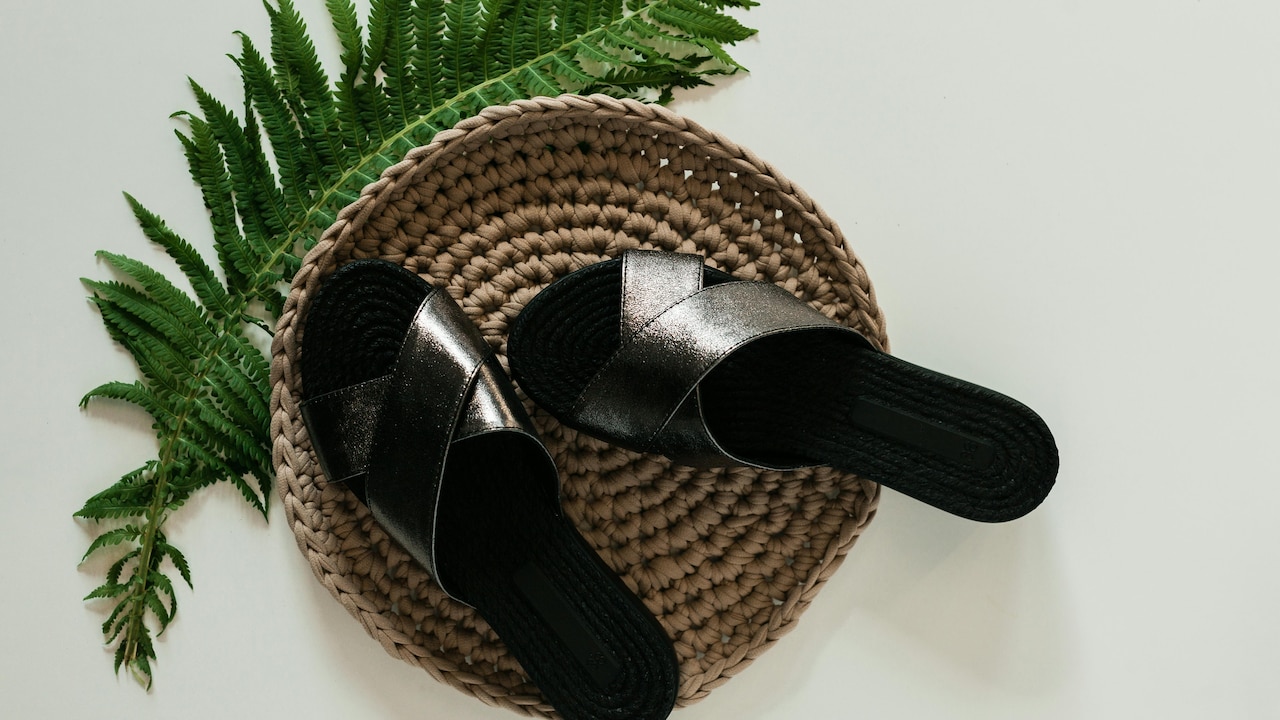
Foot Pain Causes: Reasons Why Flat Footwear Can Still Manage To Hurt Your Feet.
Flat footwear enjoys a near-perfect reputation. From everyday chappals to trendy ballet flats and office loafers, flats promise comfort, balance, and ease. They slip on quickly, suit long commutes, and appear kinder to the feet than high heels ever could.
Yet, reality tells a different story. After hours of walking through crowded streets, standing in long queues, or navigating uneven pavements, that “comfortable” flat often turns into a silent troublemaker. Heels throb, arches complain, and ankles feel oddly tired. Many wonder how something so low to the ground manages to cause so much discomfort.
The answer lies in design, support, and how feet truly work. Flat does not always mean foot-friendly. In fact, some flats challenge the body more than expected. Understanding why helps prevent long-term pain and makes everyday footwear choices smarter, not just stylish.
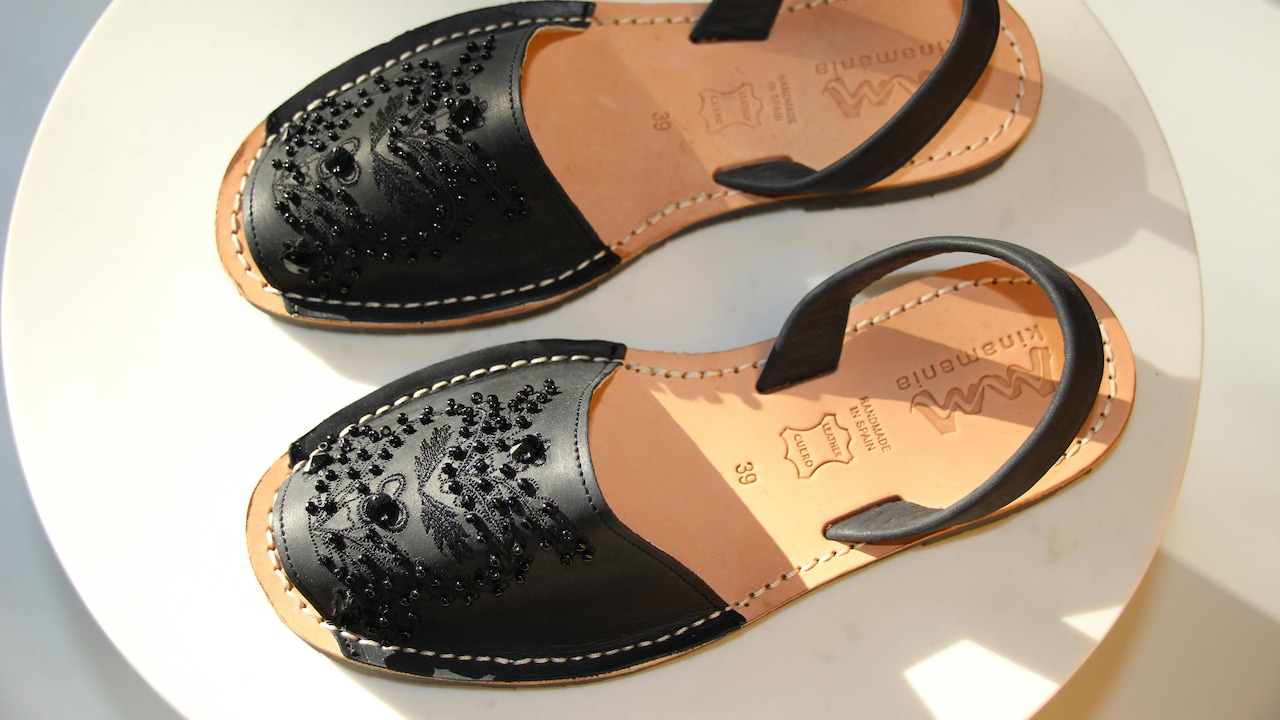
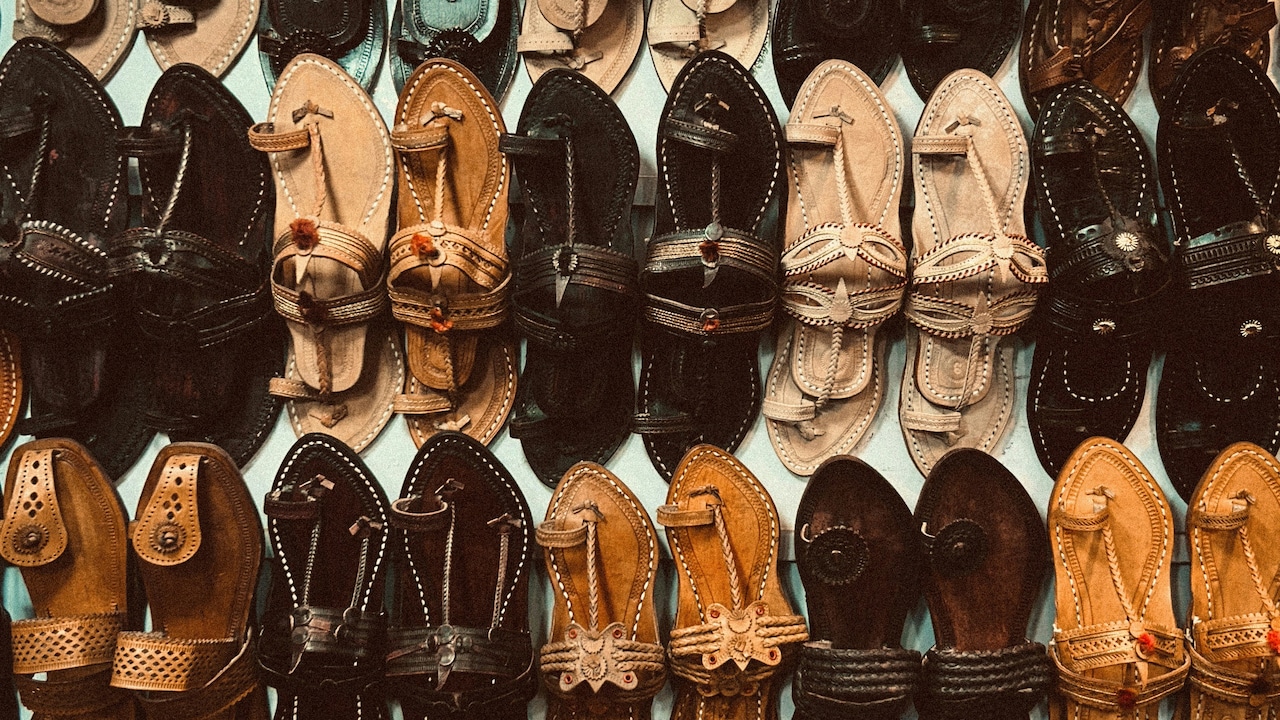
Foot Pain Causes: Why Flat Footwear Still Manages To Hurt Your Feet; Photo Credit: Pexels
Common Reasons Flat Footwear Triggers Foot Pain
1. Lack of Arch Support: The Silent Strain
Feet come with natural arches designed to absorb shock and distribute weight evenly. Many flat shoes ignore this basic structure. Completely flat soles force arches to collapse slightly with every step, especially during long hours of standing or walking.
Over time, this strain triggers soreness along the sole, particularly near the heel or midfoot. People often notice discomfort while climbing stairs or standing after sitting for a while. The pain creeps in slowly, which makes it easy to dismiss at first.
Think of arches like suspension systems on a car. Remove them, and every bump hits harder. Flat footwear without contouring removes that suspension. This issue becomes worse on hard surfaces such as tiled floors, concrete pavements, or office corridors. Without proper arch support, feet work overtime, and pain becomes an unwelcome companion.
2. Thin Soles and Hard Ground Do Not Mix
Many flats focus on minimalism. Thin soles look elegant and feel lightweight, but they offer little protection against impact. Each step on a hard surface sends shock waves straight through the heel and up the leg.
Daily life involves far more standing and walking than realised. Waiting for transport, browsing markets, or standing during social gatherings adds pressure. Thin soles fail to cushion this repeated impact.
Over time, this constant pounding irritates the heel pad, leading to tenderness and even inflammation. The problem worsens for people who walk briskly or carry heavy bags. Feet need a buffer between the bone and the ground. Without it, pain becomes inevitable, no matter how flat or fashionable the shoe appears.
Also Read: Shopping For Flats Footwear? Here are the top 5 Brands in India for Everyday Wear
3. Zero Heel Drop Can Disrupt Natural Movement
A slight heel drop, where the heel sits marginally higher than the forefoot, supports natural walking mechanics. Completely flat footwear removes this subtle balance.
Without that lift, the Achilles tendon stretches more than usual. Calf muscles work harder, especially during long walks. This often leads to stiffness at the back of the ankle or a pulling sensation near the heel.
Many experience this discomfort after suddenly switching from shoes with a slight heel to ultra-flat styles. The body struggles to adjust. While zero-drop footwear suits some, most everyday flats lack the design features needed to support such alignment. The result often includes sore calves, tight ankles, and unexpected fatigue.
4. Poor Shock Absorption Adds Up
Good footwear absorbs shock before it reaches joints. Many flat shoes prioritise appearance over function and skip proper cushioning.
Each step sends a small jolt through the foot. Multiply that by thousands of steps a day, and the effect becomes significant. Knees, hips, and even the lower back feel the strain eventually.
This issue becomes noticeable during long workdays or travel-heavy routines. Feet feel tired far sooner than expected. The absence of shock absorption turns normal movement into repetitive stress. Over time, this contributes to chronic aches rather than short-term discomfort.
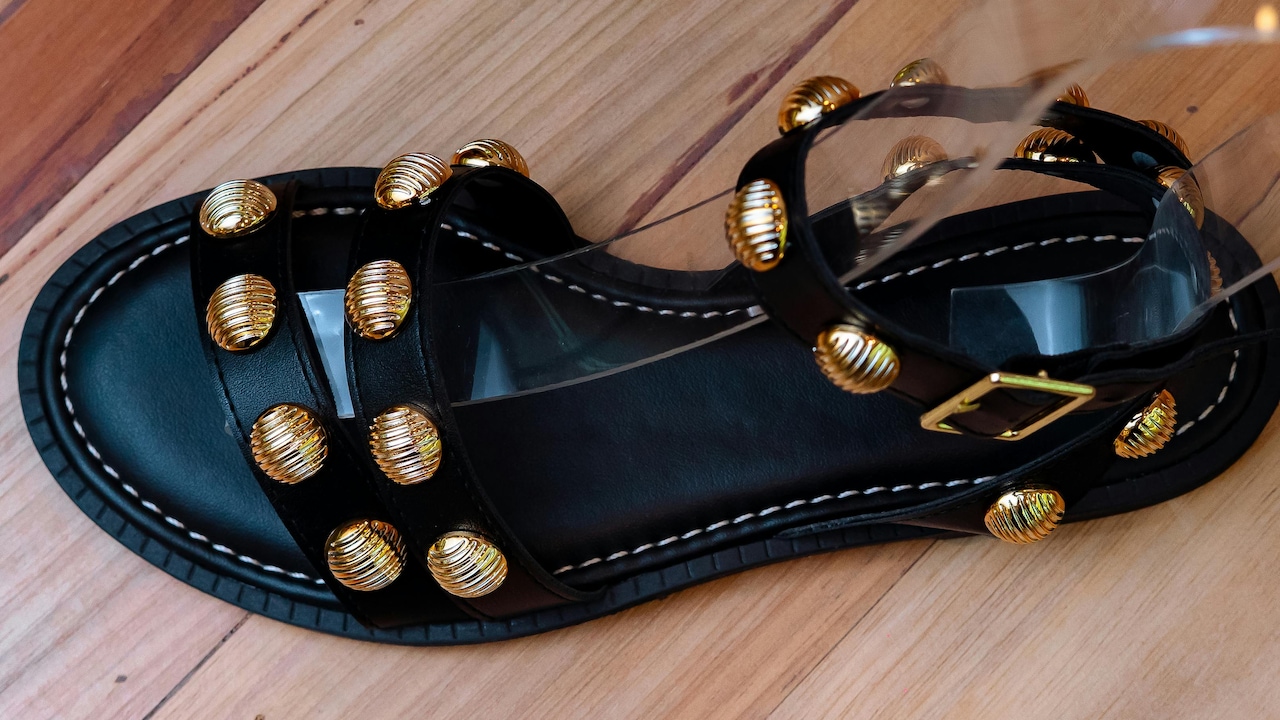
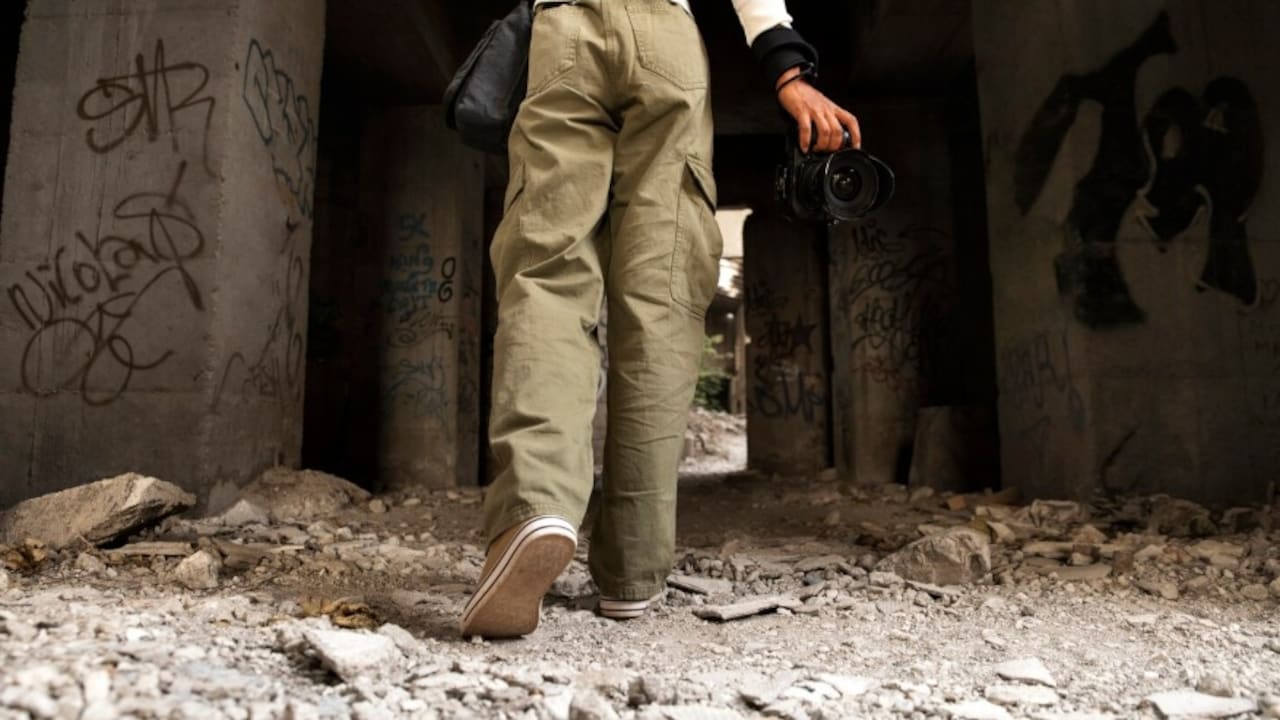
Foot Pain Causes: Why Flat Footwear Still Manages To Hurt Your Feet; Photo Credit: Pexels
5. Flat Shoes Often Encourage Overuse
Flats feel easy, so people wear them everywhere. Errands, office hours, evening walks, and weekend outings all happen in the same pair.
This constant use prevents the feet from experiencing varied support. Muscles and tendons repeat the same movement patterns without rest. Overuse injuries thrive in such conditions.
A familiar example involves slipping into the same pair of flats daily because they “go with everything”. Weeks later, heel pain or arch soreness appears without warning. The problem rarely lies with activity level alone. Repetitive stress combined with poor support creates the perfect storm for foot pain.
6. Inadequate Toe Support Leads to Tension
Many flat shoes narrow towards the front. Style often wins over space. Toes squeeze together, altering natural alignment.
When toes cannot spread properly, balance suffers. Smaller muscles in the foot work harder to stabilise movement. This tension often results in forefoot pain or cramps.
Long-term use of narrow flats may even affect posture. The body compensates for poor balance by shifting weight awkwardly. This subtle adjustment causes fatigue in unexpected places, including the knees and lower back. Comfort starts at the toes, yet many flats ignore this crucial detail.
7. Hard Materials Do Not Adapt to Feet
Foot shape changes slightly during the day. Heat and movement cause mild swelling. Shoes made from rigid materials fail to adapt.
Stiff soles and uppers resist movement, forcing feet to adjust instead. This often results in rubbing, pressure points, and soreness. Leather or synthetic flats without flexibility restrict natural motion.
Many notice that flats feel fine in the morning but become uncomfortable by evening. The issue lies not with the foot, but with the shoe's unwillingness to adapt. Flexible materials reduce this problem, yet many flats prioritise durability or shine over comfort.
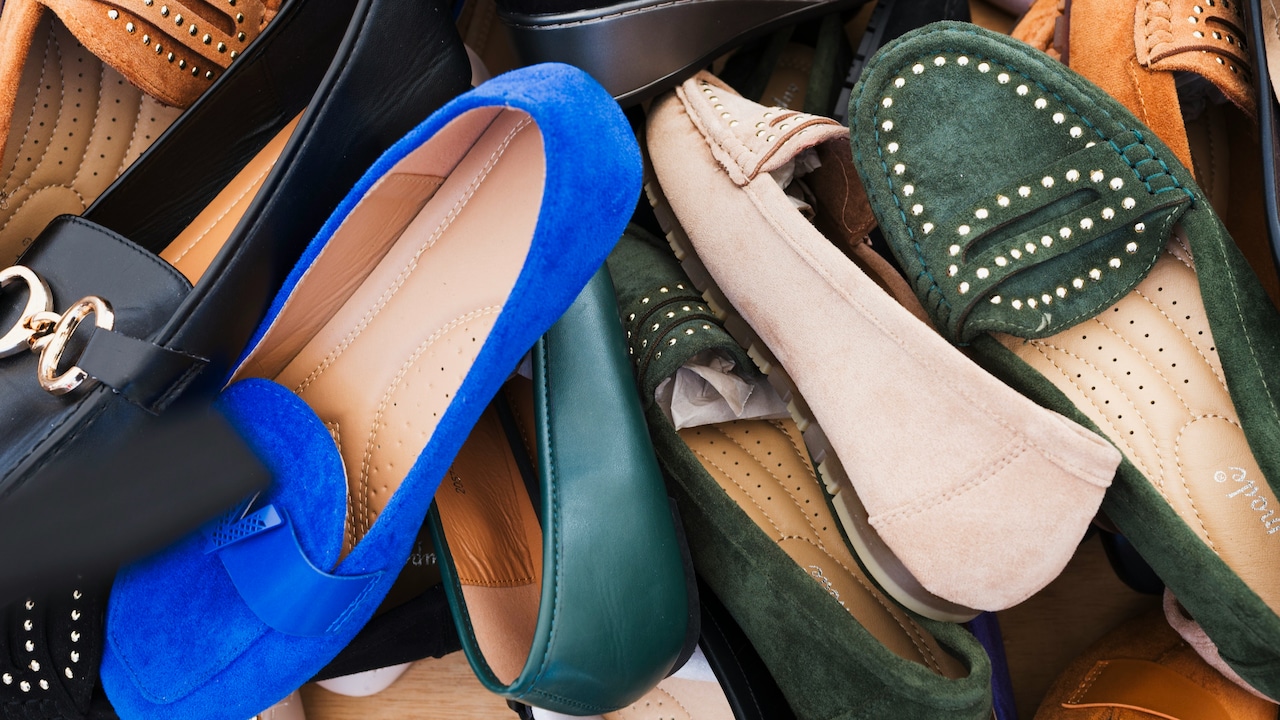
Foot Pain Causes: Why Flat Footwear Still Manages To Hurt Your Feet; Photo Credit: Pexels
8. Standing Still Hurts More Than Walking
Flat footwear performs poorly during prolonged standing. Walking allows muscles to engage and release rhythmically. Standing still keeps muscles tense.
In workplaces or social settings that involve standing for long periods, flat shoes without support amplify discomfort. Heels ache, arches burn, and legs feel heavy.
This explains why foot pain sometimes feels worse at events or gatherings than during walks. Flats often lack features designed for static support. A small amount of cushioning and structure makes a significant difference, yet many styles skip both.
9. Weight Distribution Becomes Uneven
Well-designed footwear distributes body weight evenly across the foot. Poorly designed flats concentrate pressure on specific areas, often the heel or ball of the foot.
This uneven load stresses tissues that should not carry excessive weight. Over time, this leads to soreness and inflammation. People often describe pain that feels sharp at first and dull later.
Weight distribution issues worsen on uneven roads or pavements. Without proper sole design, feet adjust constantly to maintain balance. This extra effort results in fatigue and discomfort that appears disproportionate to activity level.
10. Flats Create a False Sense of Safety
The biggest issue with flat footwear lies in perception. Flats seem harmless. This belief encourages longer wear without breaks or alternatives.
Unlike heels, which prompt caution, flats invite neglect. Pain develops slowly and often goes unnoticed until it interferes with daily routine.
Many realise the problem only when discomfort persists even without shoes. At that point, rest becomes essential. Flats should support, not deceive. Comfort requires thoughtful design, not just the absence of height.
Products Related To This Article
1. LEGANC Women Flats Sandal
2. KILLER Women Flats Sandal
3. FLYING&SAM Women Flats Sandal
4. K' Footlance Women Flats Sandal
5. PZ MIR Women Flats Sandal
Flat footwear holds a strong place in everyday life. It feels practical, accessible, and stylish. Yet, comfort depends on more than how close a sole sits to the ground. Support, cushioning, flexibility, and structure matter just as much.
Foot pain from flats does not appear overnight. It builds quietly through daily habits and overlooked design flaws. Understanding these causes helps make smarter choices and prevents long-term discomfort.
The next time sore feet demand attention after a day in flats, remember this simple truth. Flat does not always mean friendly. Choosing wisely keeps feet happy, steps lighter, and days far more comfortable.
(Disclaimer: This article may include references to or features of products and services made available through affiliate marketing campaigns. NDTV Convergence Limited (“NDTV”) strives to maintain editorial independence while participating in such campaigns. NDTV does not assume responsibility for the performance or claims of any featured products or services.)