High-Waist Jeans Hurting Your Stomach? Try This Simple Fit Test
High-waist jeans shouldn't hurt. Use this simple fit test to check comfort before you buy, and stop waistbands from digging in when you sit, eat or move. Here are top reasons that make high-waist cause discomfort in your stomach.
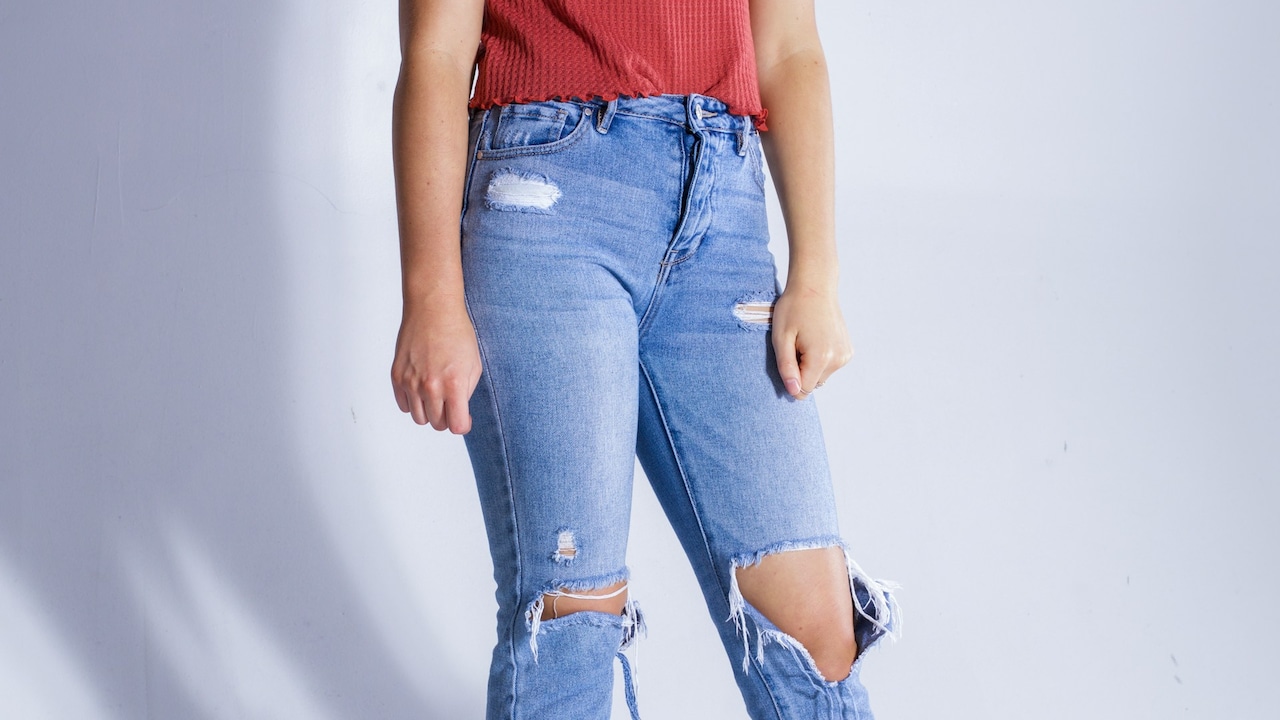
High-Waist Jeans Hurting Your Stomach? Try This Simple Fit Test for Comfortable Wear.
High-waist jeans have become the wardrobe equivalent of chai. Reliable, everywhere, and strangely emotional. Some people swear by them. Others feel personally attacked by a waistband that climbs up like it has a goal.
The problem is not that high-waist jeans are “bad”. The problem is that many pairs sit at the narrowest part of the torso, where breathing, eating, and existing normally should remain non-negotiable. Add a long commute, a heavy lunch, and one slightly bumpy road, and suddenly the jeans feel less like fashion and more like a punishment.
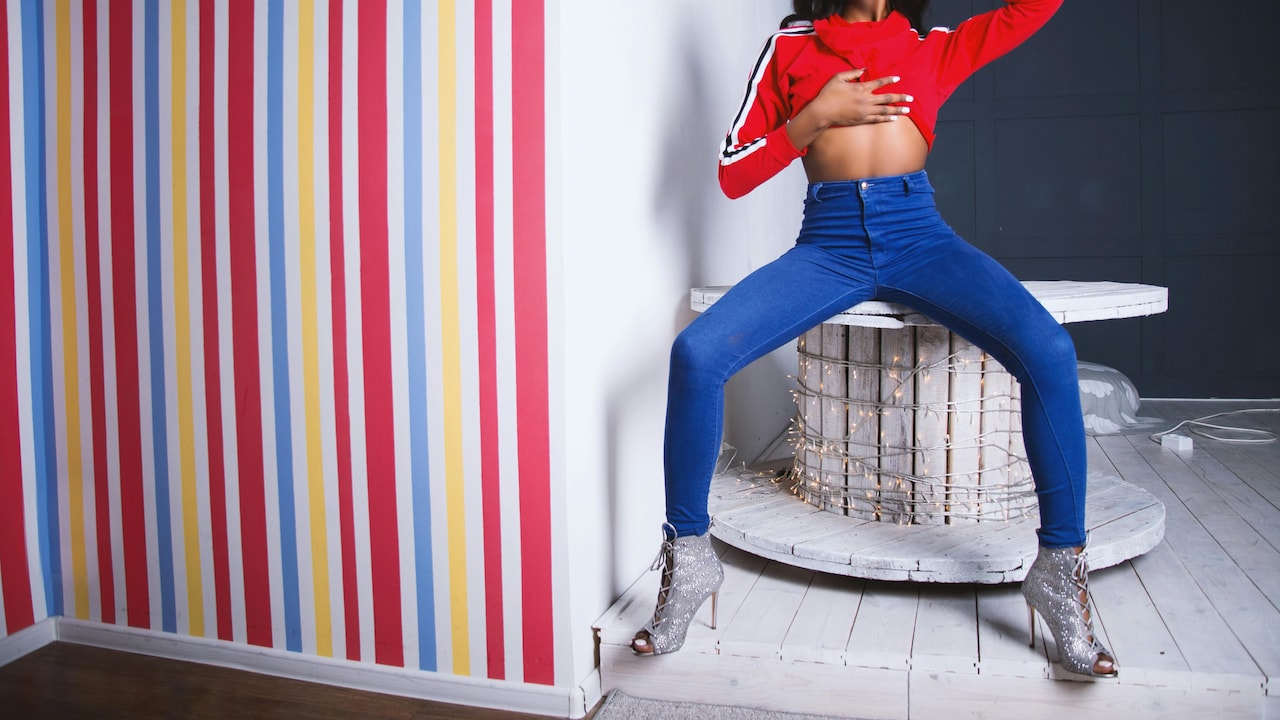
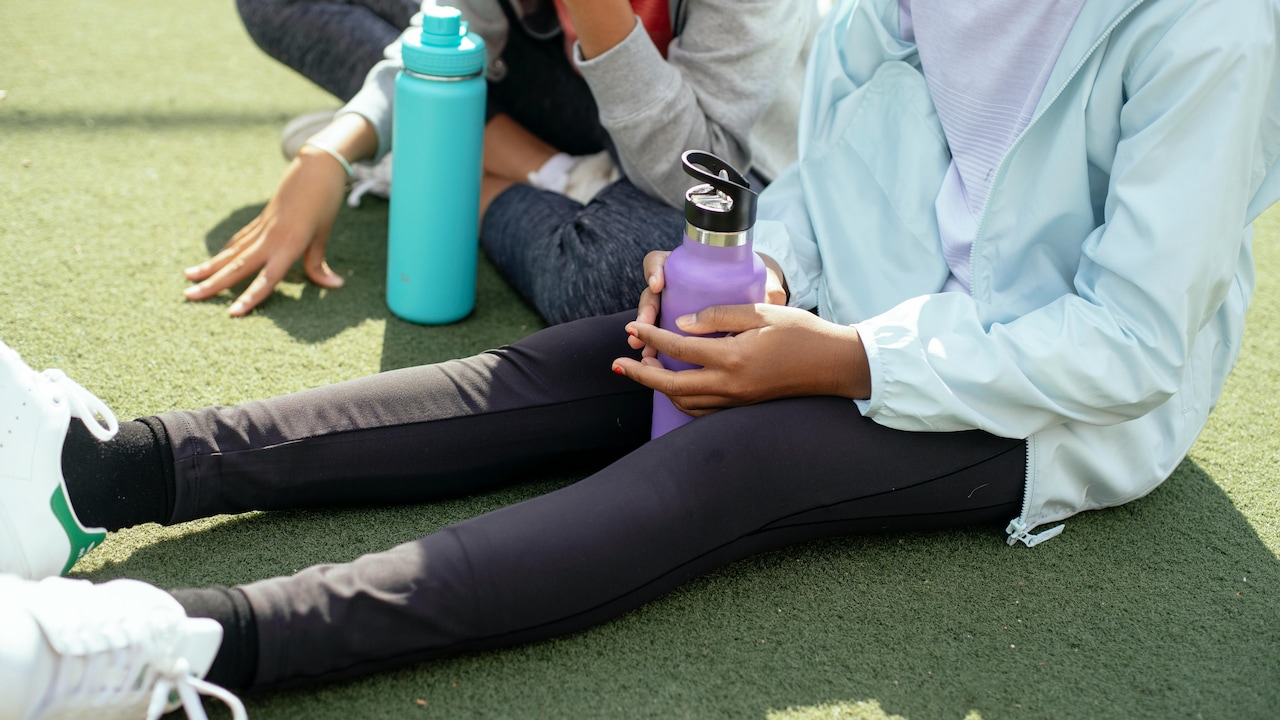
Explore common reasons that make high-waist jeans hurt your stomach; Photo Credit: Pexels
Many people assume discomfort means they need to “get used to it” or “start core workouts”. That's not the point. Clothes should fit life, not the other way around. This article breaks down a simple fit test and ten practical fixes that make high-waist jeans comfortable without sacrificing style.
Also Read: Budget Friendly Picks: Explore Top 10 Trendy Jeans For Women Under ₹2,000
The Simple Fit Test That Makes High-Waist Jeans Comfortable
1) The Two-Finger Fit Test: The Quick Check That Saves Your Day
The easiest way to tell if high-waist jeans will hurt your stomach starts with a test so simple it almost feels silly. Button the jeans, zip them up, and stand normally. Now slide two fingers between your waistband and your stomach, right at the front. The fingers should fit without forcing, and you should still feel the waistband gently holding its shape.
If the fingers don't fit, the jeans are too tight. If the fingers fit but leave deep marks within five minutes, the jeans will still hurt later. If three or four fingers fit comfortably, the jeans may be too loose and might slide down during the day, creating that constant tugging situation.
This test works because your body changes throughout the day. You expand after meals, you swell slightly in humidity, and you sit more than you think. Jeans that feel “snug but fine” at 10 am can turn into a stomach-trapping belt by 4 pm.
The goal is comfort without compromise. If you can breathe deeply, sit, and bend without feeling squeezed, you've found a good baseline fit.
2) The Sit-Down Reality Check: Because Life Happens on Chairs
Many jeans pass the standing test and fail spectacularly the moment you sit. That's because sitting changes the angle of your pelvis and pushes your abdomen forward. High-waist jeans that look perfect while posing in front of the mirror can turn into a pressure cooker on a normal office chair.
The test is simple. Sit down for two minutes. Not a delicate edge-of-the-chair sit, but a normal one. Then lean forward slightly, as if you're picking up your phone or tying your shoe. If the waistband digs in, pinches, or makes you feel like you need to hold your breath, the jeans won't survive a real day.
This is also where many people realise the jeans aren't just “tight”. They may have the wrong size for your torso length. Some bodies need a true high rise. Others do better with a mid-high rise that sits just below the narrowest point.
A good pair should let you sit through a long meeting, a café catch-up, or a metro ride without you quietly planning your escape. If the jeans make sitting feel like a challenge, the fit is the problem, not your body.
3) The Button Lie: When the Waist Fits, But the Belly Doesn't
High-waist jeans can pull off a clever trick. They button up, so you assume they fit. Then, an hour later, the waistband starts pressing into your stomach like it's trying to leave an imprint.
This happens when the jeans fit at the waist but not at the lower abdomen. Many jeans are designed with a sharp taper from the hip to the waist. That works beautifully for some body shapes, but for others, it creates pressure at the front.
A common sign is the “button gap”. You button the jeans, and the waistband sits flush at the sides, but the front looks strained. Another sign is the slight V-shape pulling at the zip area, even when you're not moving.
The fix isn't always sizing up. Sometimes sizing up makes the hips baggy while the waist still pinches. Instead, look for jeans with a curved waistband or a contoured fit. Some brands quietly do this without advertising it, which feels like a personal blessing when you find them.
A good fit should hold you without crushing you. Jeans should feel like support, not a squeeze.
4) The Stretch Myth: “It'll Loosen Up” Is Not a Strategy
Stretch denim sounds like a dream. You hear “stretch” and imagine comfort. But stretch denim can be tricky, especially with high-waist jeans.
Some jeans have stretch in the wrong places. They stretch at the thighs and hips but stay stiff at the waistband. Others stretch too much and lose shape, which leads to constant pulling up and readjusting. Then you tighten a belt, and the belt creates even more pressure. It becomes a full circle of irritation.
A smarter way to judge stretch is to feel the waistband itself. If it feels rigid like cardboard, it won't magically soften into comfort. It might soften slightly, but it will still press into your stomach after meals.
Look for denim that includes a small percentage of elastane and also feels flexible at the top edge. The waistband should bend with your body, not fight it. You want jeans that move with you when you breathe, sit, and walk.
Stretch should feel like freedom, not like a trap that pretends to be friendly for the first ten minutes.
5) The Post-Lunch Test: The One Nobody Does, Yet Everyone Needs
Most people try on jeans in the morning. That's understandable. Malls open early, mirrors look kinder, and your stomach feels flatter. But jeans need to survive lunch.
The post-lunch test is the real proof. After you eat a normal meal, not a diet meal, but something like rice, dal, sabzi, or a decent plate of biryani, your stomach expands. That's normal. Your body isn't being dramatic. It's digesting.
If your jeans start hurting after food, they are not comfortable jeans. They are jeans that demand you stay hungry to look good. That's a terrible deal.
If you're shopping, try jeans after you've eaten, or at least mimic the feeling by sitting and taking deep breaths. If you already own the jeans, wear them on a weekend at home for a few hours. Eat normally. Move around. Sit cross-legged. Climb stairs.
If the waistband starts digging in, you've learned something valuable. The jeans may still work for short outings, but they won't suit long days. Comfort comes from honesty, not wishful thinking.

Avoid choosing high-waist jeans that hurt your stomach post lunch; Photo Credit: Pexels
6) The Waistband Height Problem: High-Rise Isn't One Single Height
Not all high-waist jeans sit at the same point. Some sit above the navel. Some sit exactly on it. Some sit just below. That tiny difference can decide whether you feel chic or crushed.
If the waistband hits the softest part of your stomach, it will press and pinch. If it hits the narrowest part of your torso, it can feel secure and flattering. The issue is that the narrowest part differs from person to person.
Shorter torsos often struggle with very high rises. The waistband can climb too high and fold when you sit. Longer torsos may find the same rise perfect.
The solution is to stop chasing the label and start checking the actual rise measurement. Many brands mention the rise in inches or centimetres. If they don't, you can still compare by holding the jeans up against your body.
High-waist jeans should feel like they belong there. If you keep tugging them down or feel like they're creeping up, the rise is wrong. You don't need to force it. There are plenty of rises out there, and one of them will feel like it was made for you.
7) The Zip and Seam Check: Small Details That Create Big Discomfort
Sometimes the size is correct, the rise is correct, and the jeans still hurt. In that case, the culprit often hides in the construction.
A stiff zip panel can press into the lower abdomen when you sit. Thick seams at the waistband can rub and create irritation. Some jeans have a hard inner band that feels like a plastic strip. That strip might look neat, but it can feel brutal after a few hours.
You can test this quickly. Run your fingers along the inside of the waistband. If it feels sharp, thick, or unusually rigid, it may cause discomfort. Also, check the front seam and the zip area. If the fabric feels bulky there, the jeans may dig in during movement.
These details matter more in humid weather, when the skin becomes more sensitive. A slightly rough waistband can turn into a full irritation situation by evening.
Comfortable jeans feel smooth inside. They don't need to feel luxurious, but they should feel friendly. If the inside feels like it's designed for a mannequin, it will treat your body like an inconvenience.
8) The “Too Tight” Trap: When You Size Down for a Snatched Look
A lot of people size down in high-waist jeans because the mirror rewards them. The waist looks smaller, the hips look lifted, and the overall shape looks sharp. Then reality arrives with a stomach ache.
Jeans are not shapewear. When you size down, the waistband compresses your abdomen. That can cause bloating, discomfort, and even reflux for some people. It can also make you feel tired, because you end up holding your core tense all day without noticing.
A good pair of high-waist jeans should shape you through structure, not through pressure. The fabric should skim your body and hold its form. It should not rely on squeezing you into submission.
If you want a more defined waist, choose jeans with darts, a curved waistband, or a better cut. You can also style with a tucked-in top that creates a clean line without suffocating you.
The snatched look is not worth the stomach pain. The best style always looks relaxed, even when it's polished.
9) The Belt Mistake: The Quick Fix That Often Makes It Worse
When jeans feel uncomfortable, people reach for a belt. It seems logical. If the jeans are sliding down, tighten the belt. If the waist feels loose, cinch it. But with high-waist jeans, belts can turn comfort into chaos.
A belt concentrates pressure at one point. Instead of the waistband distributing tension evenly, the belt presses into the stomach. After a meal, it feels even worse. The belt also creates a hard line that can dig in when you sit.
If you must wear a belt, choose a softer one with a smoother buckle. Avoid thick, rigid belts that behave like armour. Another option is to wear jeans that fit properly at the waist and skip the belt entirely.
Many people also over-tighten their belts out of habit. They tighten until the jeans stop moving, but jeans should move slightly with your body. That movement is normal.
The best belt is the one you don't need. If you need one to survive the day, the jeans are not truly your size.
10) The Long-Day Comfort Formula: Fit, Fabric, and Forgiveness
High-waist jeans can absolutely be comfortable. The key is choosing a pair that understands how bodies work in real life.
The best jeans have three things. Fit that allows breathing, fabric that moves, and forgiveness for daily changes. That means they should feel fine in the morning, still feel fine after lunch, and not feel like a punishment after sitting for hours.
A good trick is to test jeans like you test shoes. Walk around, sit down, bend forward, and take a deep breath. If the jeans demand constant adjustment, they will annoy you all day. If they feel secure without squeezing, you've found a winner.
Comfort also depends on your lifestyle. If your day includes commuting, desk work, and quick errands, choose softer denim and a slightly more relaxed fit. If you wear jeans for short outings, you can handle a more structured pair.
Jeans should support your life, not interrupt it. The goal isn't perfection. The goal is a pair that lets you eat, laugh, and move freely without the waistband becoming the main character.
Products Related To This Article
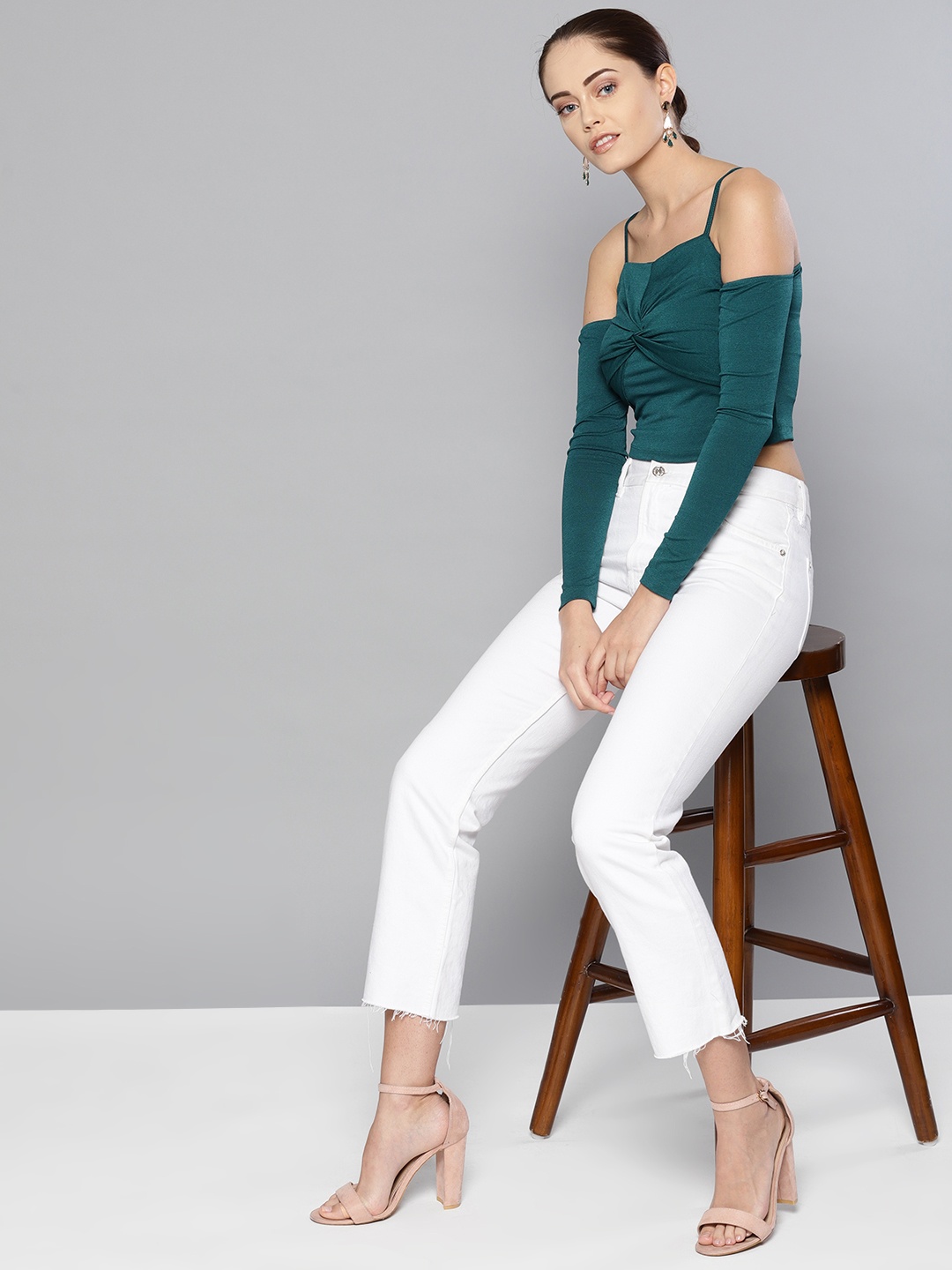
1. H&M Women Flared High Light Fade Jeans
2. Aadvi Fashion Women Comfort High-Rise Light Fade Acid Wash Stretchable Jeans
3. Roadster The Life Co. Women Bootcut High-Rise Stretchable Jeans
4. Miss Chase Women Cotton Bootcut High-Rise Light Fade Stretchable Jeans
5. BAESD Women Bootcut High-Rise Stretchable Jeans
High-waist jeans don't need to hurt your stomach. If they do, something about the fit is off, and it's not a personal failure. Bodies change through the day, and clothes should account for that.
The simplest solution is the two-finger fit test, followed by the sit-down reality check. Those two steps alone can save you from buying jeans that look great for five minutes and feel awful for five hours. Once you start checking rise height, waistband shape, and fabric behaviour, shopping becomes less of a gamble and more of a win.
The best high-waist jeans feel confident, not cruel. They let you breathe properly, enjoy your meals, and still look put-together. Style should feel like freedom. Anything else is just expensive discomfort in denim form.
(Disclaimer: This article may include references to or features of products and services made available through affiliate marketing campaigns. NDTV Convergence Limited (“NDTV”) strives to maintain editorial independence while participating in such campaigns. NDTV does not assume responsibility for the performance or claims of any featured products or services.)