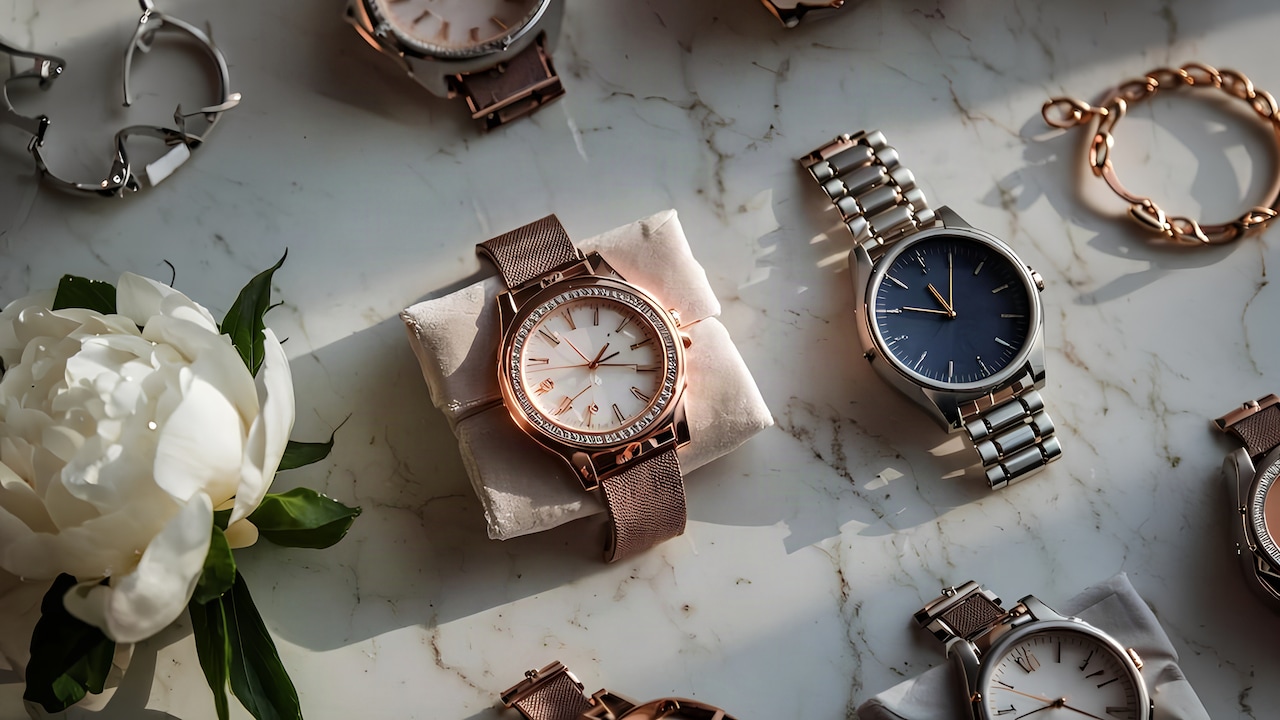
From Starched Shirts To Soft Silhouettes: How Gen Z Is Rewriting Office Fashion Codes
Gen Z is reshaping workplace fashion by prioritising comfort, individuality and flexibility. From wide-leg trousers to relaxed shirts, office dress codes are evolving.
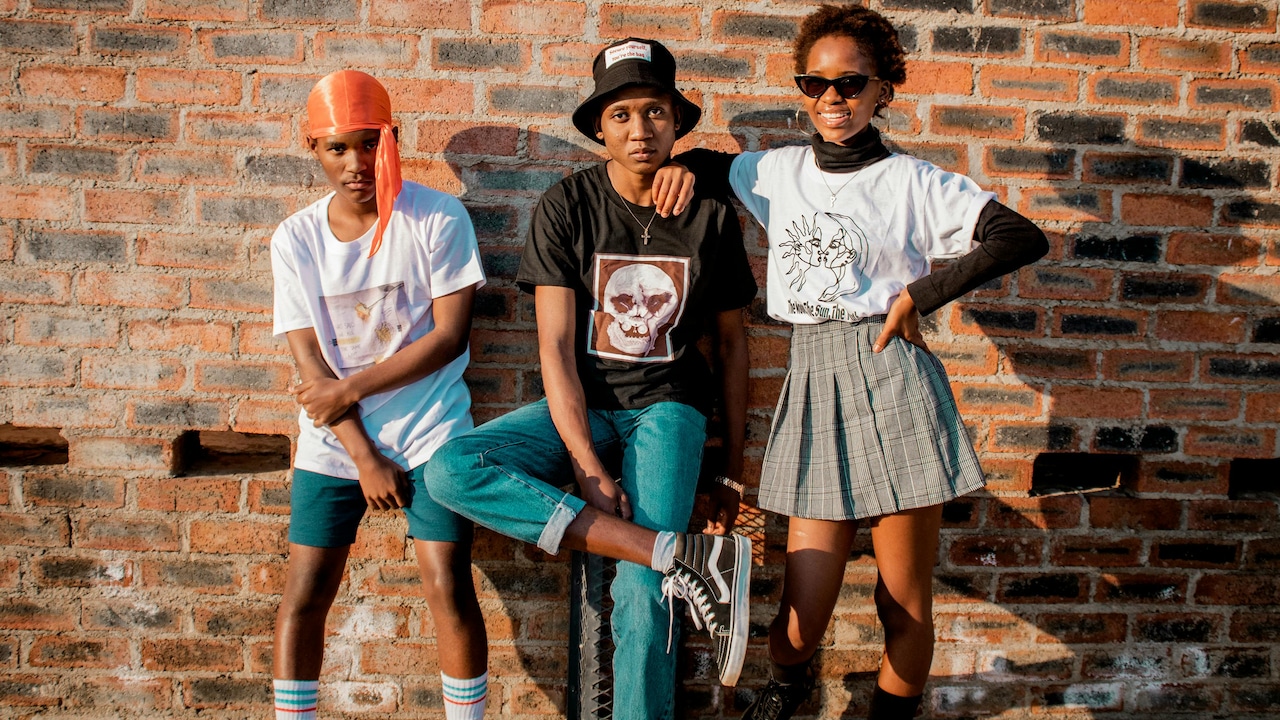
Office style is evolving to reflect modern work culture and values.
For decades, office fashion followed an unspoken rulebook. Tailored trousers, crisp shirts, pointed heels, neutral colours and a general sense of “looking serious” were considered essential to being taken seriously. Personal style was something you saved for weekends, brunches or holidays. Workwear was about blending in, not standing out.
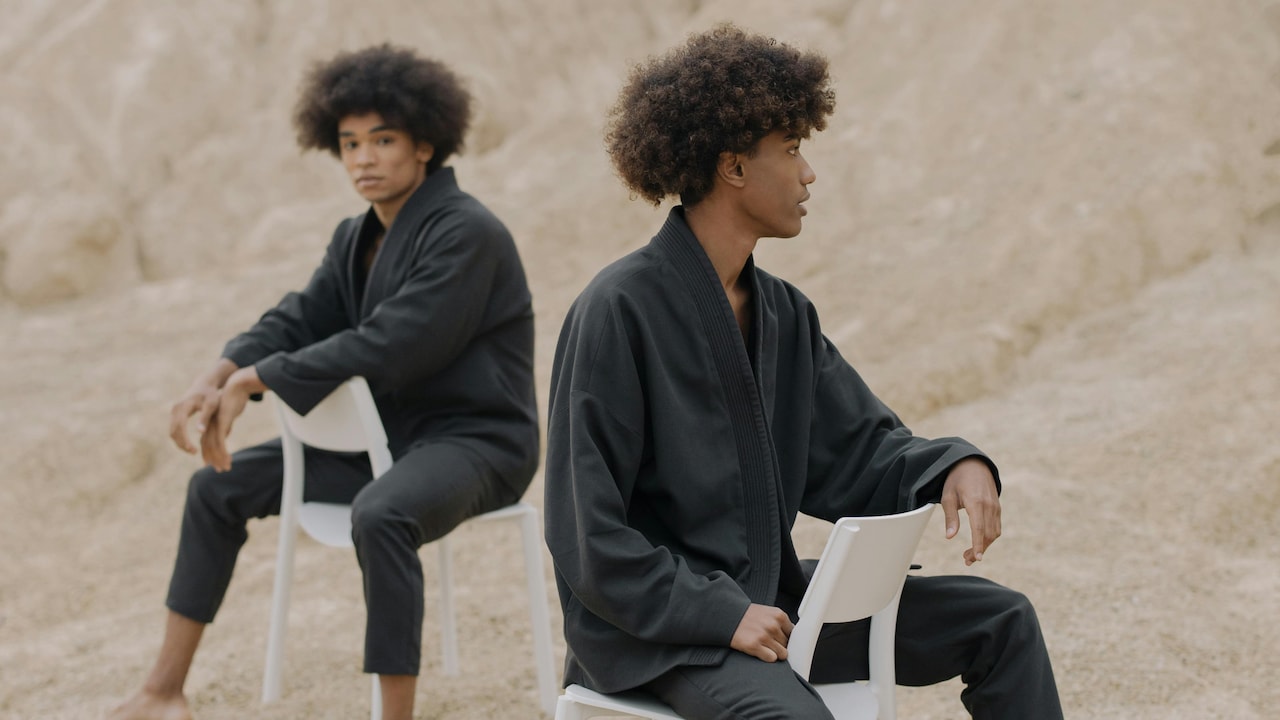
Gen Z measures credibility through work, not wardrobe stiffness.
Photo Credit: Pexels
Then Gen Z entered the picture.
Born between 1997 and 2012, Gen Z now makes up a significant portion of the global workforce. In fact, nearly half of this generation is already working, from interns and fresh graduates to team leads and mid-senior professionals. The oldest Gen Zers are now around 28 or 29, managing projects, teams and even departments. And as they take up more space in offices, they're doing what they've always done best: questioning rules that no longer make sense, especially when it comes to fashion.
Also Read: Top 8 Fashion Moments Spotted At The Oscars 2026
Gen Z has always been known for rewriting style norms. From ditching skinny jeans for wide-leg silhouettes to embracing gender-fluid clothing and thrifted fashion, their approach to dressing has consistently prioritised comfort, authenticity and self-expression. Earlier, these choices were confined to colleges, cafes, concerts and public spaces. Other generations found them unconventional, sometimes even inappropriate, but largely ignored them because they didn't interfere with “professional” environments.
That boundary no longer exists.
As Gen Z becomes an increasingly visible part of corporate life, office fashion itself is being rewritten.
The Shift From Sharp To Comfortable
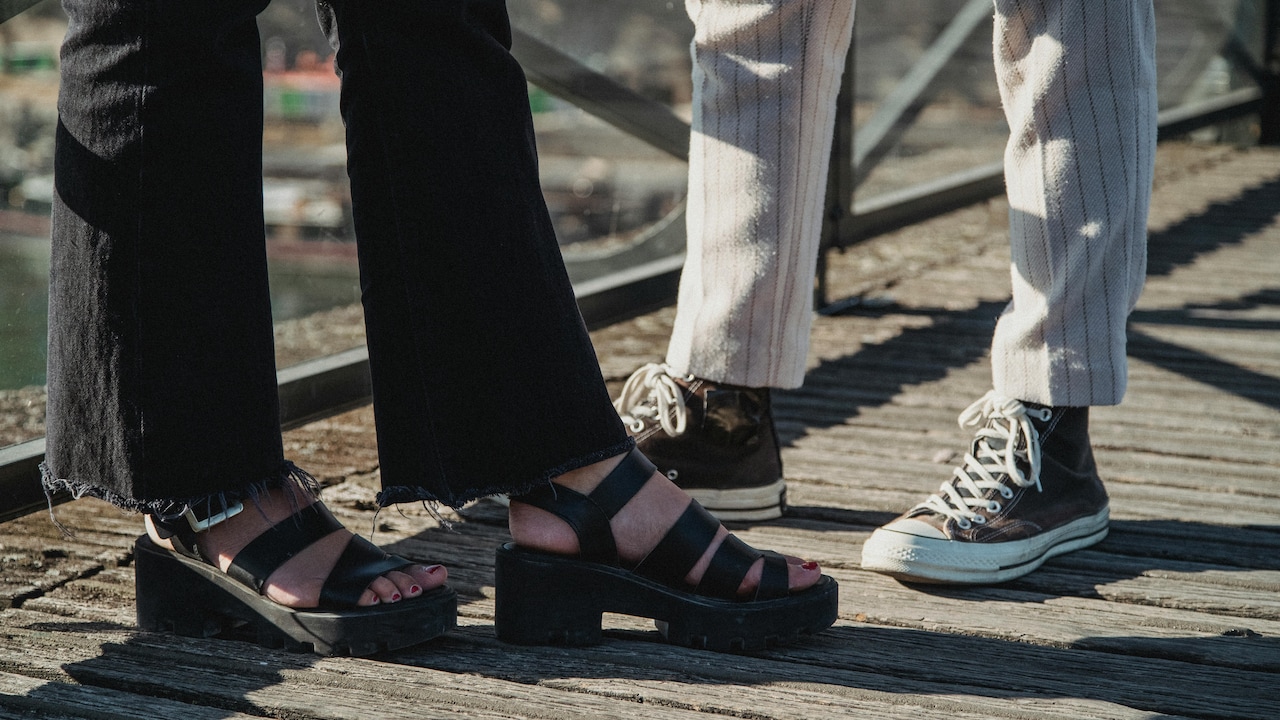
Workplace fashion is shifting from uniformity to individuality.
Photo Credit: Pexels
If you've been to an office recently, or even scrolled through LinkedIn, you may have noticed a subtle but significant shift. The once-dominant tapered trousers have been replaced by wide-leg, relaxed-fit pants. These aren't casual pyjamas or joggers; they're made in professional fabrics, tailored well, and styled thoughtfully. The difference lies in comfort.
For years, corporate fashion equated professionalism with stiffness. Starched shirts, fitted blazers and sharply ironed trousers were the norm. The logic was simple: the more structured your clothes, the more competent you appeared. But Gen Z is challenging this idea at its core.
Why should being professional mean being uncomfortable?
Wide-leg trousers, soft pleats, elasticated waists hidden under clean silhouettes, these elements offer ease without sacrificing polish. The focus has shifted from rigid tailoring to functional elegance. Clothes now move with the body instead of restricting it, making long workdays far more bearable.
Goodbye Stilettos, Hello Practical Footwear
Footwear is another area where Gen Z has drawn a clear line.
The era of mandatory stilettos and painful formal shoes is slowly fading. In their place? Wedges, block heels, loafers, ballet flats and even clean, minimal trainers in some workplaces. The emphasis is no longer on height or drama but on practicality and health.
Gen Z, more than any generation before, openly talks about physical and mental well-being. Wearing shoes that damage posture or cause chronic pain simply doesn't align with that mindset. A pair of comfortable wedges or supportive flats doesn't make someone less professional, and Gen Z is proving that confidence and competence are not measured in inches of heel.
Oversized, Relaxed And Unapologetic
Perhaps the most visible change is in shirts and tops.
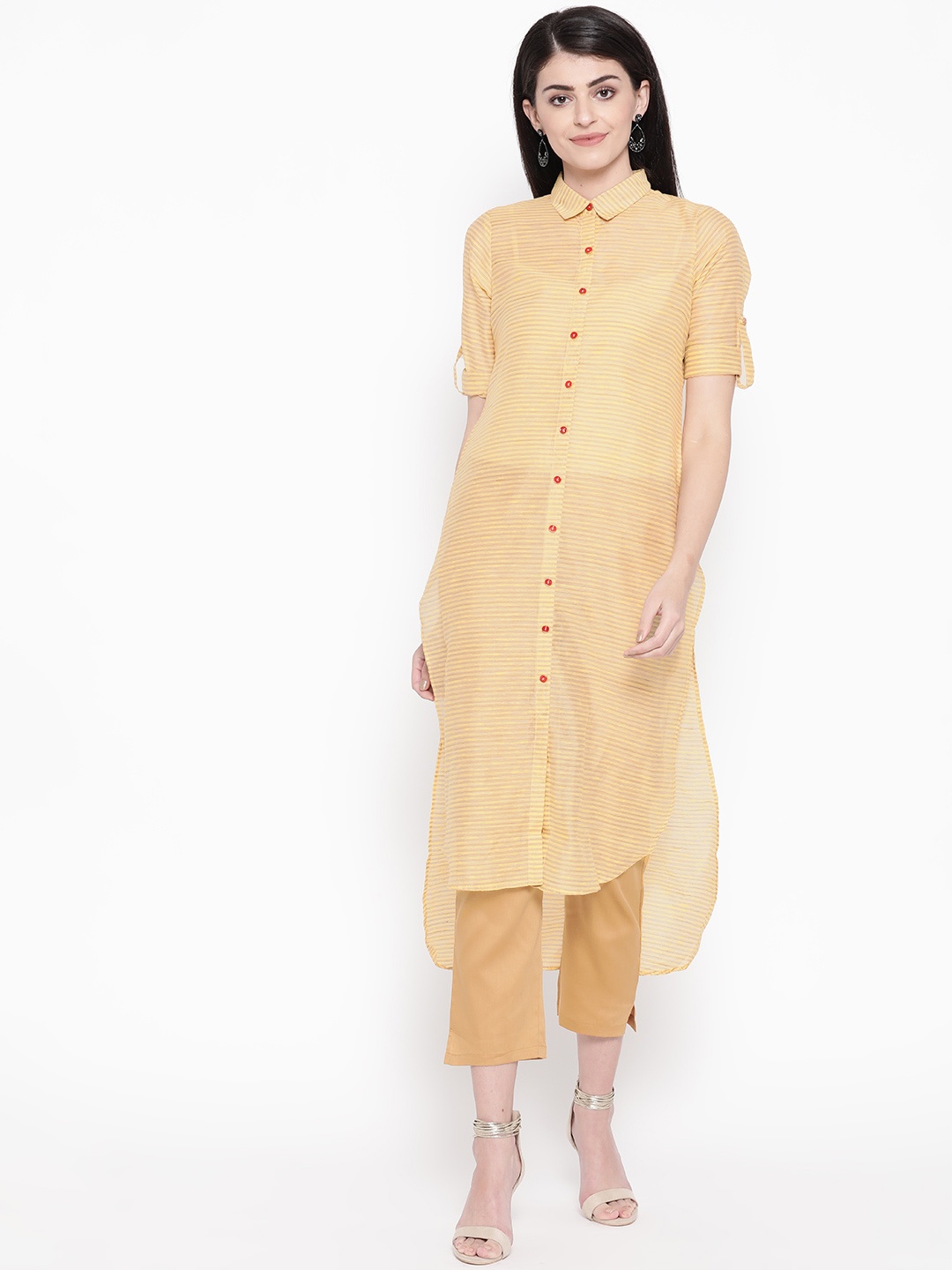
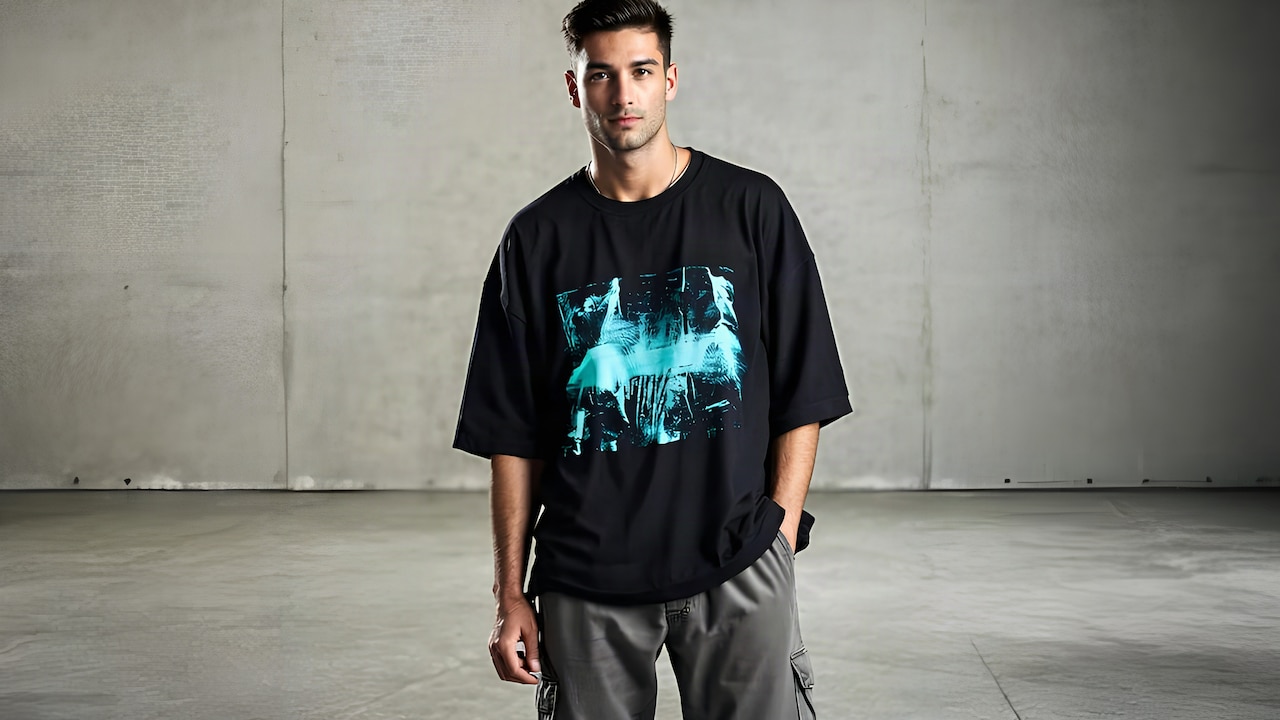
Crisp, fitted, heavily starched shirts once ruled office wardrobes. They looked sharp, yes, but they also felt restrictive, especially in warmer climates or long working hours. Gen Z is embracing oversized silhouettes, breathable fabrics and relaxed fits.
Think oversized linen shirts, boxy cotton tops, soft blouses with dropped shoulders. Yes, they might look slightly crumpled by midday, but that's part of the appeal. Perfection is no longer the goal. Effortless, lived-in style is.
This doesn't signal carelessness. It signals a redefinition of professionalism, one where authenticity matters more than looking overly polished.
Blurring The Line Between Work And Personal Style

Gen Z believes professionalism should never come at the cost of comfort.
Photo Credit: Pexels
One of the biggest contributions Gen Z has made to office fashion is removing the sharp divide between "work clothes" and "real clothes".
Earlier generations often maintained two separate wardrobes: one for the office and one for life outside it. Gen Z prefers versatility. Clothes should transition from meetings to coffee runs, from work desks to dinner plans.
This has led to the rise of elevated basics, neutral co-ords, relaxed blazers, monochrome outfits and statement accessories that feel personal yet appropriate. Instead of dressing for a role, Gen Z dresses as themselves, just slightly refined.
A Cultural Shift, Not Just A Fashion One
It's important to understand that this change isn't just about clothes. It reflects deeper shifts in workplace culture.
Gen Z values flexibility, inclusivity and individuality. They question outdated hierarchies and challenge the idea that authority must look a certain way. If productivity, creativity and leadership aren't affected by relaxed clothing, then why enforce rigid dress codes?
Remote and hybrid work models have also played a role. After years of working from home in comfortable clothes, returning to stiff office wear feels unnecessary, even illogical. Gen Z sees no reason to abandon comfort just to meet aesthetic expectations that don't serve a functional purpose.
Not Rebellion, But Evolution
To older generations, these changes may feel like a rebellion against professionalism. In reality, it's an evolution.
Gen Z isn't rejecting workplace norms entirely. They're refining them. The focus is shifting from appearance as a marker of discipline to performance as a marker of capability. Respect is earned through work, not wardrobe stiffness.
Ironically, many of these changes are being quietly adopted by millennials and even Gen X professionals. Comfort-forward tailoring, breathable fabrics and practical footwear are no longer exclusive to Gen Z, they're becoming mainstream.
What This Means For The Future Of Office Fashion
As Gen Z continues to grow in numbers and influence, office dress codes will likely become more flexible and inclusive. Formalwear won't disappear, but it will adapt. The future of workplace fashion lies in balance, between polish and comfort, individuality and professionalism.
Fashion, after all, has never been static. Every generation reshapes it based on its values and realities. Gen Z is simply doing the same, this time, within office walls.
And perhaps the biggest lesson they're teaching us is this: looking professional doesn't have to come at the cost of being comfortable, confident or yourself.
Top 10 GenZ Coded Workwear Picks
1. All About You Formals Women High-Rise Wrinkle Free Pleated Trousers
2. Globus Self Checked Design Stretchable Mid-Rise Straight Fit Workwear Trousers
3. Stylecast X Slyck Solid Pattern Wide Leg Regular Trouser
4. All About You Women Formals Mandarin Collar Cuffed Sleeves Top
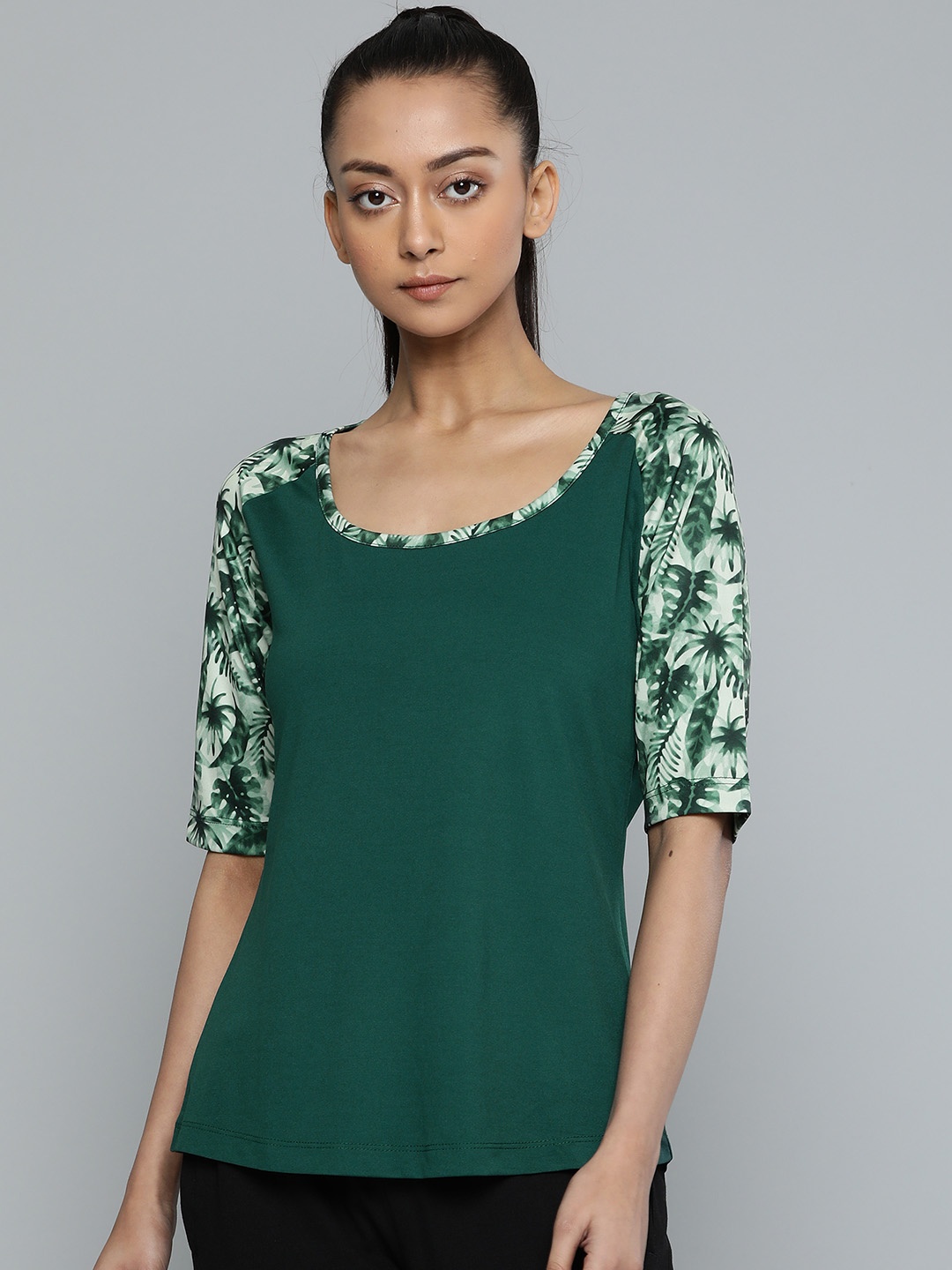
5. COLOR CAPITAL Women Relaxed Fit Linen Shirts
6. Levis Women's Striped Regular Fit Linen Shirts
7. All About You Cotton Linen Floral Printed Casual Shirt
8. Anouk Women Straight Fit Floral Printed Spread Collar Casual Shirt
Frequently Asked Questions(FAQs)
1. Who exactly belongs to Gen Z?
Gen Z includes people born between 1997 and 2012, many of whom are already part of the workforce across entry-level to mid-senior roles.
2. How is Gen Z changing office fashion?
Gen Z is moving away from rigid, formal clothing and embracing comfortable, relaxed silhouettes that still look professional.
3. Why does Gen Z prioritise comfort at work?
This generation values wellbeing and productivity, believing that comfort enhances focus rather than undermines professionalism.
4. Does relaxed clothing mean less professionalism?
Not necessarily. Gen Z defines professionalism through performance, confidence and work quality rather than strict dress codes.
5. Will traditional office wear disappear completely?
No, but it is evolving. Structured clothing is being reimagined with softer fabrics, flexible fits and more personal expression.
(Disclaimer: This article may include references to or features of products and services made available through affiliate marketing campaigns. NDTV Convergence Limited (“NDTV”) strives to maintain editorial independence while participating in such campaigns. NDTV does not assume responsibility for the performance or claims of any featured products or services.)