How To Build Stylish Outfits That Transition From Day To Night Without Changes
A well-planned outfit can carry you from morning meetings to late-night dinners without a wardrobe switch. With clever styling, versatile pieces, and a touch of creativity, dressing becomes effortless, practical, and quietly sophisticated.
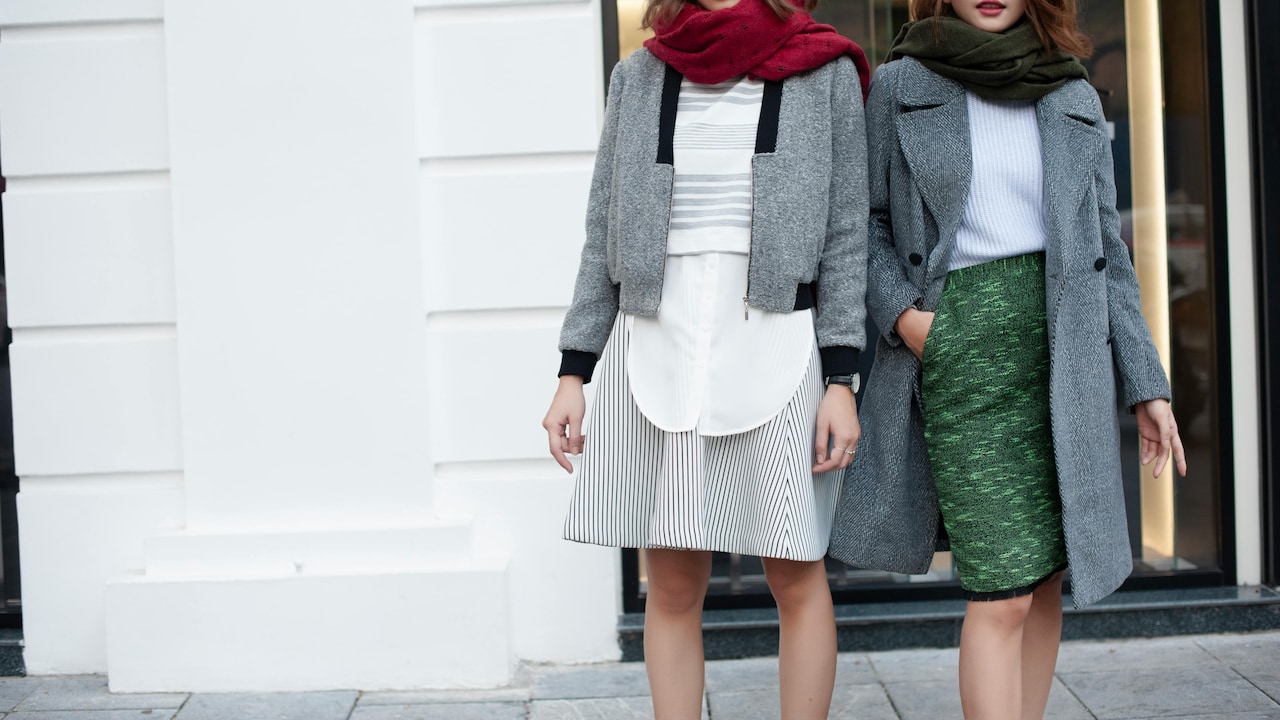
10 easy tips to create outfits that transition easily
Modern routines rarely pause between day and night. A packed calendar may begin with a commute, slide into back-to-back meetings, and end with dinner plans or a last-minute catch-up. In such a rhythm, outfit changes feel impractical, and carrying extra clothes often seems like a burden.
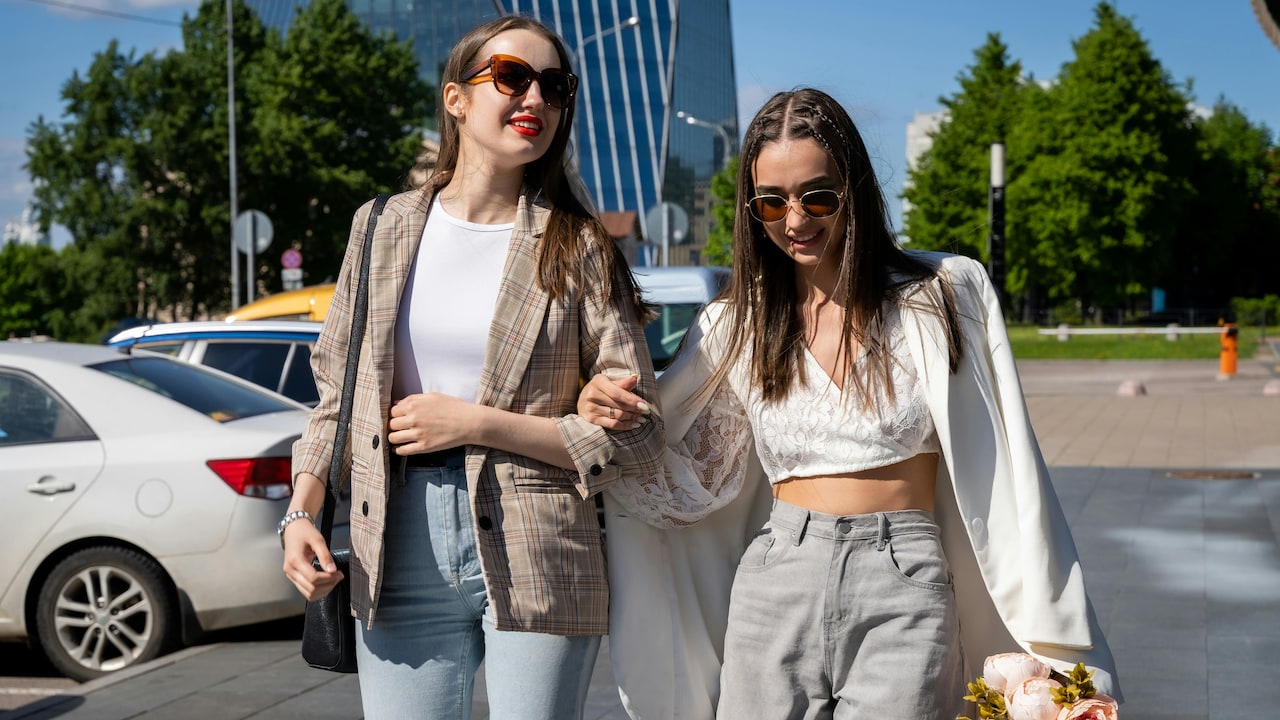
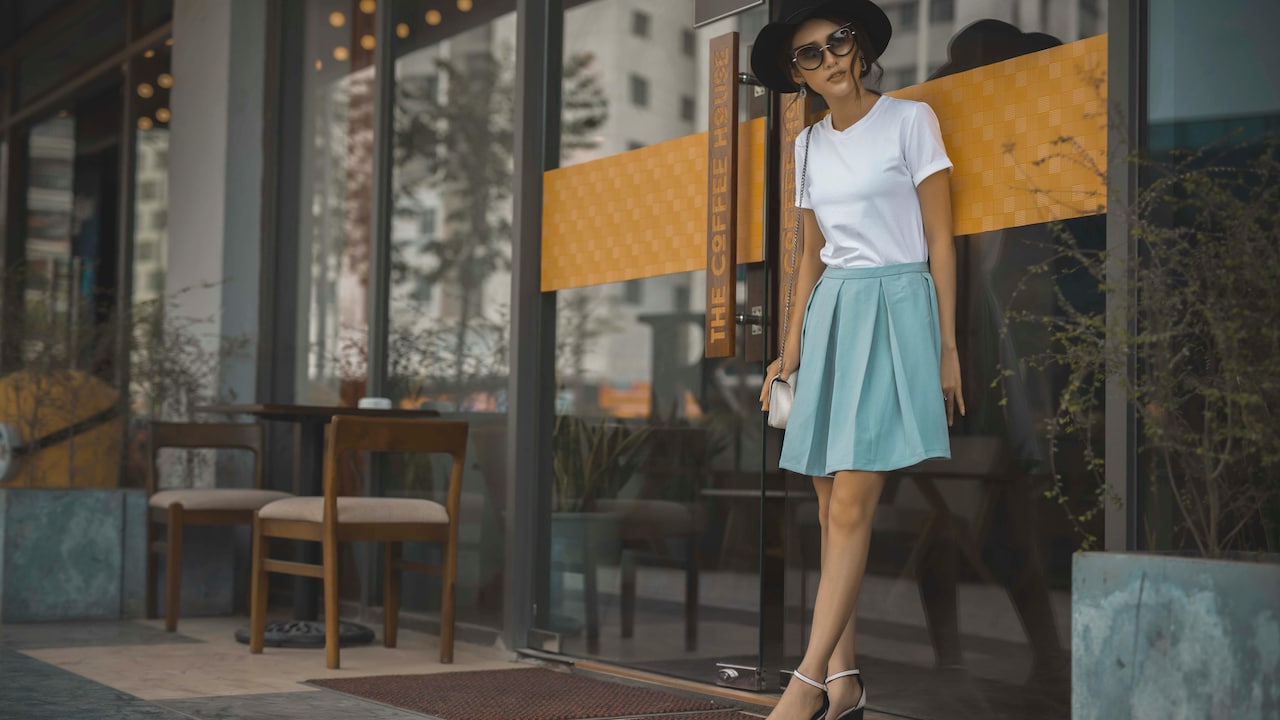
How to make clothes transition from day to night; Photo Credit: Pexels
Yet style need not suffer. The secret lies in building outfits that adapt, pieces that look sharp under daylight and equally striking under evening lights. It is less about owning more clothes and more about choosing wisely, layering thoughtfully, and styling with intention.
Across cities where humidity, traffic, and unpredictable plans shape daily life, clothing must balance comfort and elegance. A kurta that feels breezy at noon should still look polished at 8 pm. A blazer worn to work should not feel out of place at a rooftop café.
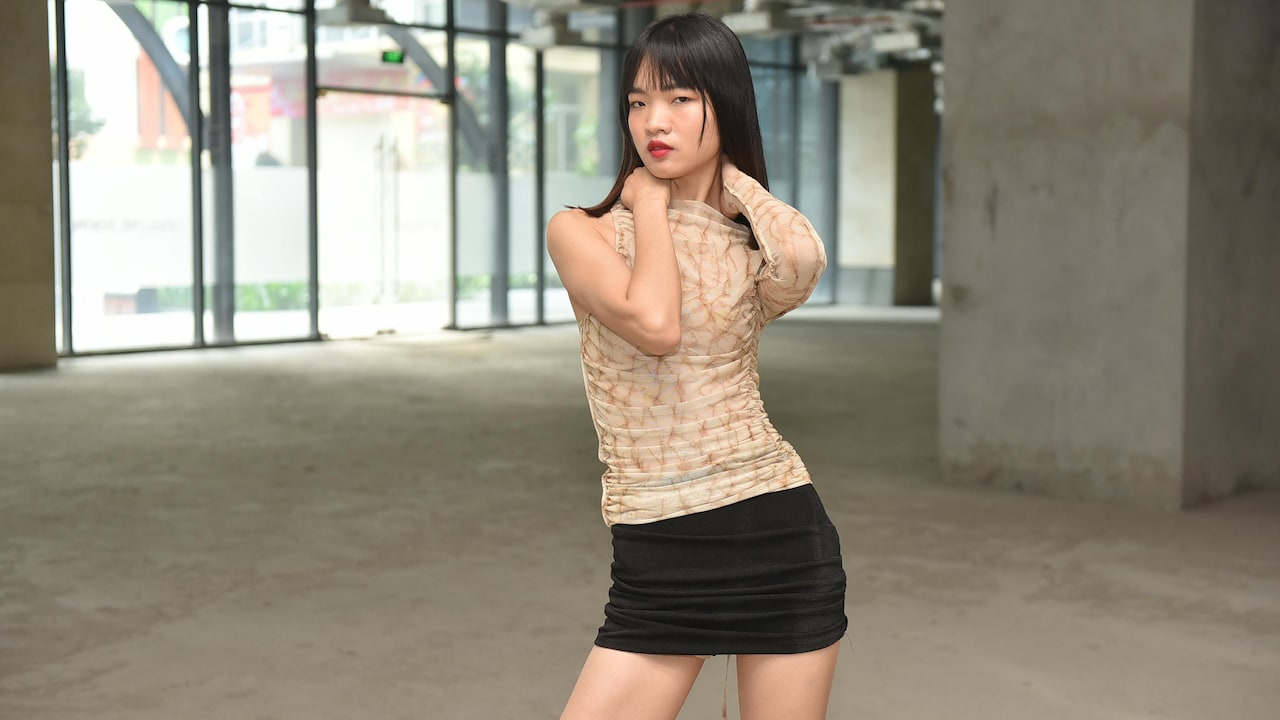
Creating such fluid outfits calls for a blend of practicality and flair. With the right approach, a single look can tell two different stories: professional by day, effortlessly stylish by night, without a single change.
Also Read: Trendy Co-Ord Sets For Women That Transition From Work To Weekend
How To Create Outfits That Work Around The Clock
Choose Fabrics That Adapt To Time And Mood
Fabric quietly determines how an outfit behaves across the day. Light cotton may feel perfect for the afternoon heat, yet it can appear too casual for an evening setting. On the other hand, heavier materials can feel suffocating before sunset.
The balance lies in fabrics that shift mood depending on lighting. Linen blends, soft silks, modal, and breathable crepes strike this balance beautifully. During the day, they appear understated and refined. Under evening lights, they pick up a subtle sheen that adds quiet glamour.
Imagine a soft silk kurta paired with tailored trousers. In daylight, it reads as polished and work-ready. By night, the same fabric catches light gently, creating a more dressed-up appearance without any extra effort.
Comfort matters just as much. In warm climates, breathable materials prevent fatigue and discomfort. No outfit looks stylish if it feels restrictive by mid-afternoon.
A thoughtful fabric choice acts like a silent stylist, ensuring the outfit evolves naturally from day to night.
Build Around Neutral And Versatile Colours
Colour choices influence how easily an outfit transitions. Bright tones often feel cheerful in the morning but can seem too loud at night. Deep shades, however, carry a certain versatility.
Neutrals such as beige, ivory, charcoal, navy, and muted pastels offer flexibility. These tones appear professional during the day and effortlessly elegant after sunset. They also allow accessories to take centre stage later.
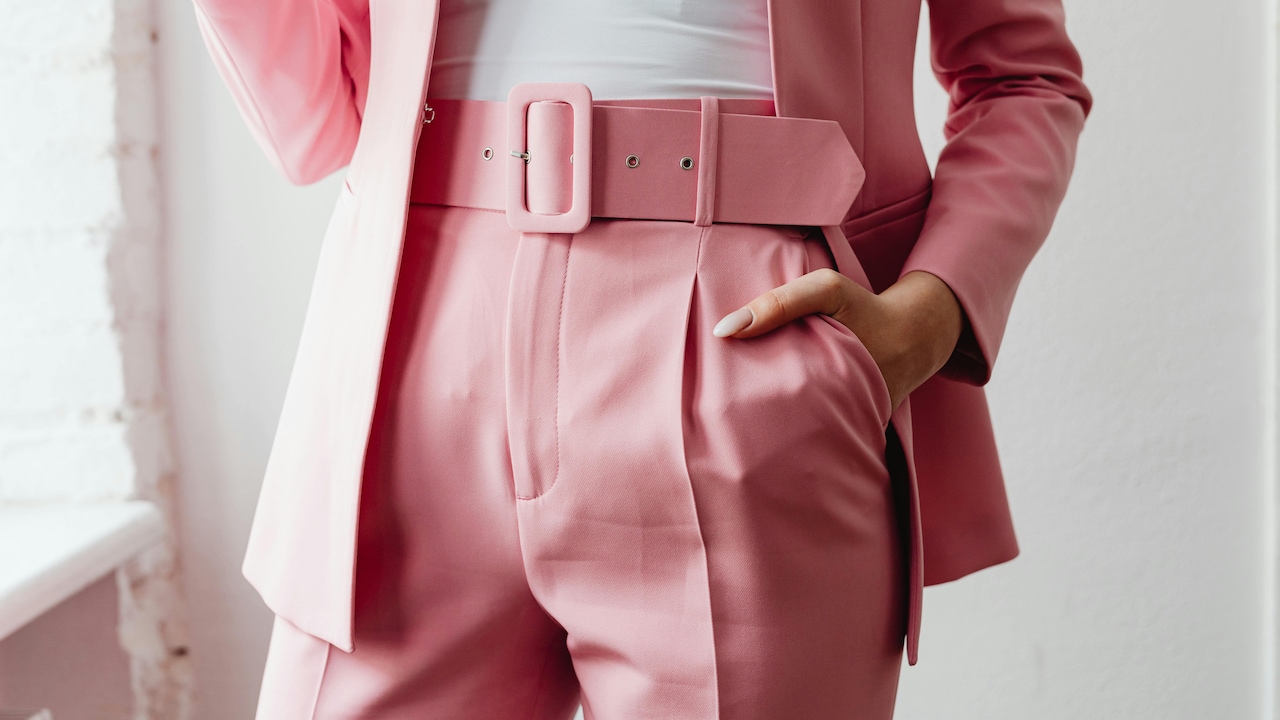
A navy co-ord set, for instance, works beautifully for office hours. Add a bold lip colour or statement earrings in the evening, and the same outfit suddenly feels occasion-ready.
Muted colours also layer well. A soft blush top paired with a darker jacket can shift tone simply by removing or adding layers. This adaptability reduces the need for outfit changes.
Choosing versatile colours does not mean sacrificing personality. Instead, it creates a canvas that can be styled differently as the day unfolds.
Invest In Structured Yet Comfortable Silhouettes
Silhouettes define how an outfit is perceived. Structured pieces create authority during the day, while relaxed shapes feel more suited for evenings. The trick lies in blending the two.
A well-tailored kurta with a slightly relaxed fit offers both comfort and structure. Similarly, high-waisted trousers paired with a tucked-in blouse strike a balance between formal and effortless.
Clothing that hugs too tightly can feel uncomfortable after hours of wear. At the same time, overly loose outfits may appear too casual. A middle ground ensures ease without compromising style.
Consider a midi dress with subtle tailoring at the waist. It looks refined for meetings yet flows comfortably enough for an evening outing.
The right silhouette adapts without effort, allowing movement while maintaining a polished appearance throughout the day.
Layer Smartly For Instant Transformation
Layering remains one of the simplest ways to shift an outfit's mood. A single additional piece can change the entire look without requiring a full outfit change.
A lightweight blazer adds structure during the day. Remove it in the evening, and the outfit instantly feels relaxed. Similarly, a dupatta styled neatly for work can be draped more casually later.
Scarves, shrugs, and jackets act as transitional tools. They allow quick adjustments depending on the setting and time. A neutral dress paired with a tailored jacket looks office-ready. Without the jacket, it becomes perfect for dinner.
Layering also helps manage temperature changes. Air-conditioned offices and warm evenings demand flexibility.
The key lies in choosing layers that complement rather than overpower the base outfit. When done right, layering creates two distinct looks from a single ensemble.
Let Accessories Do The Heavy Lifting
Accessories carry transformative power. A minimal outfit can feel entirely different with a simple switch in styling.
During the day, subtle jewellery works best. Think small studs, a delicate chain, or a simple watch. These pieces add polish without distraction.
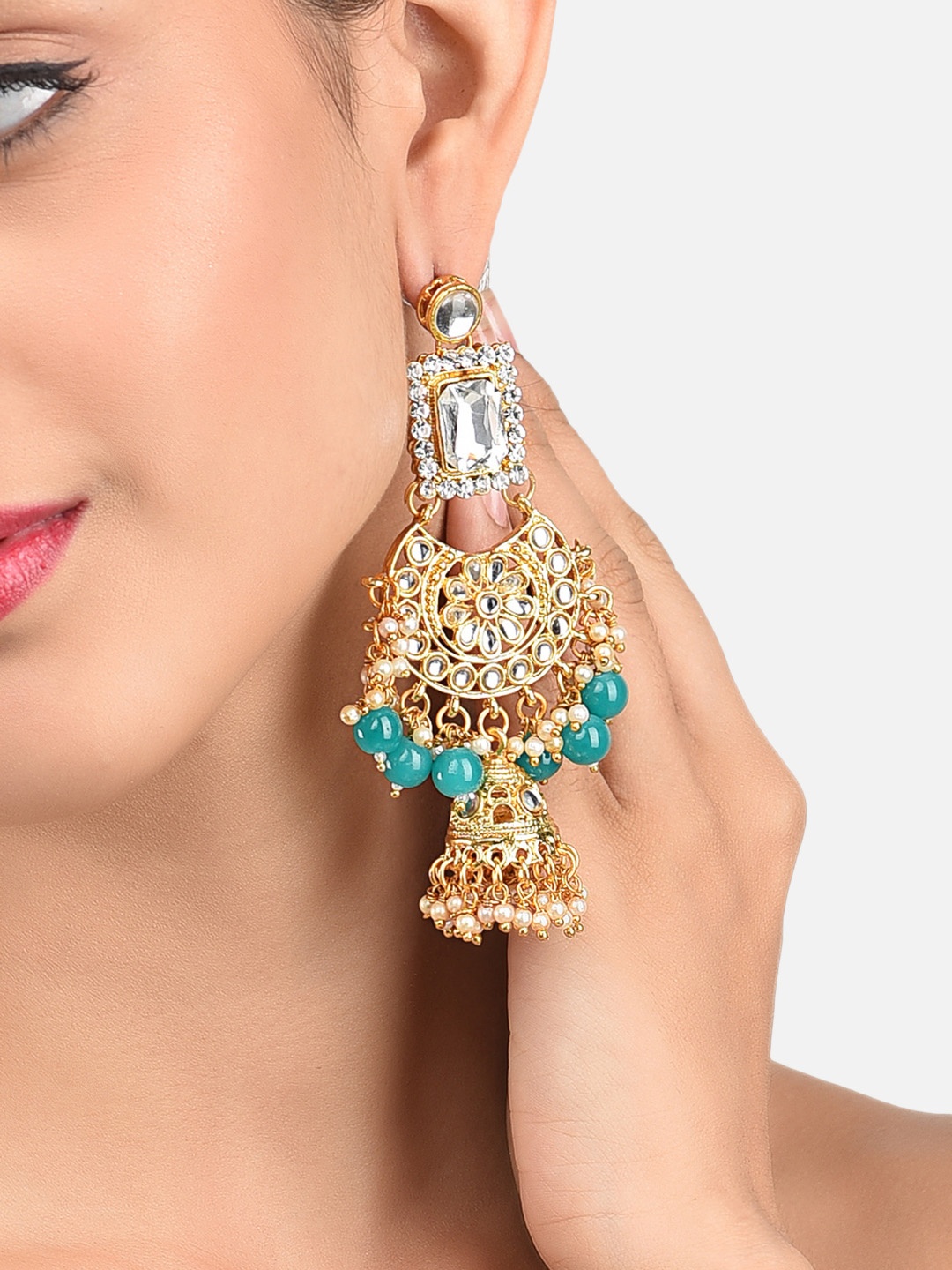
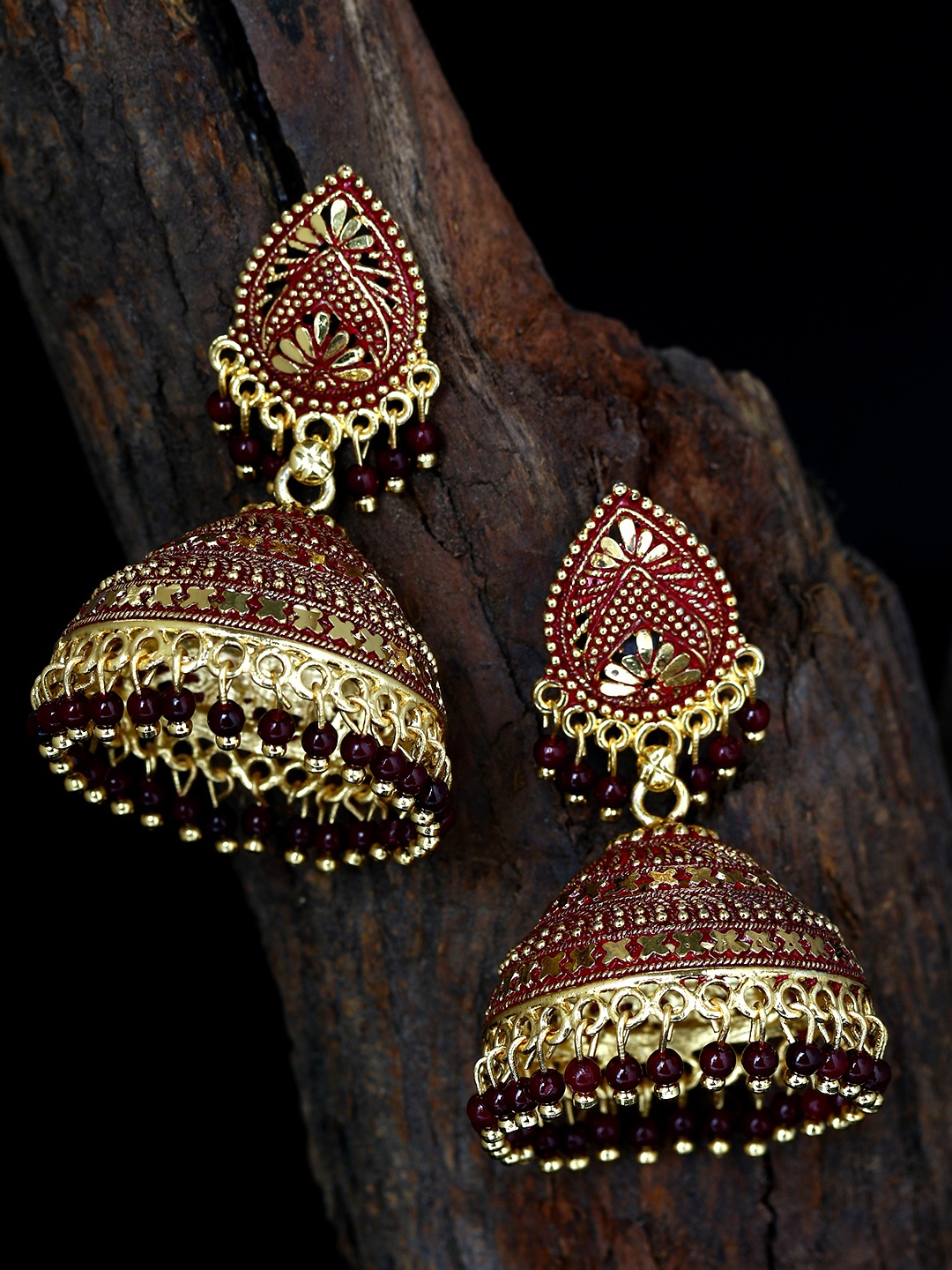
As evening approaches, accessories can take on a bolder role. Swap studs for statement earrings or add a chunky bracelet. Even a single striking ring can shift the outfit's tone.
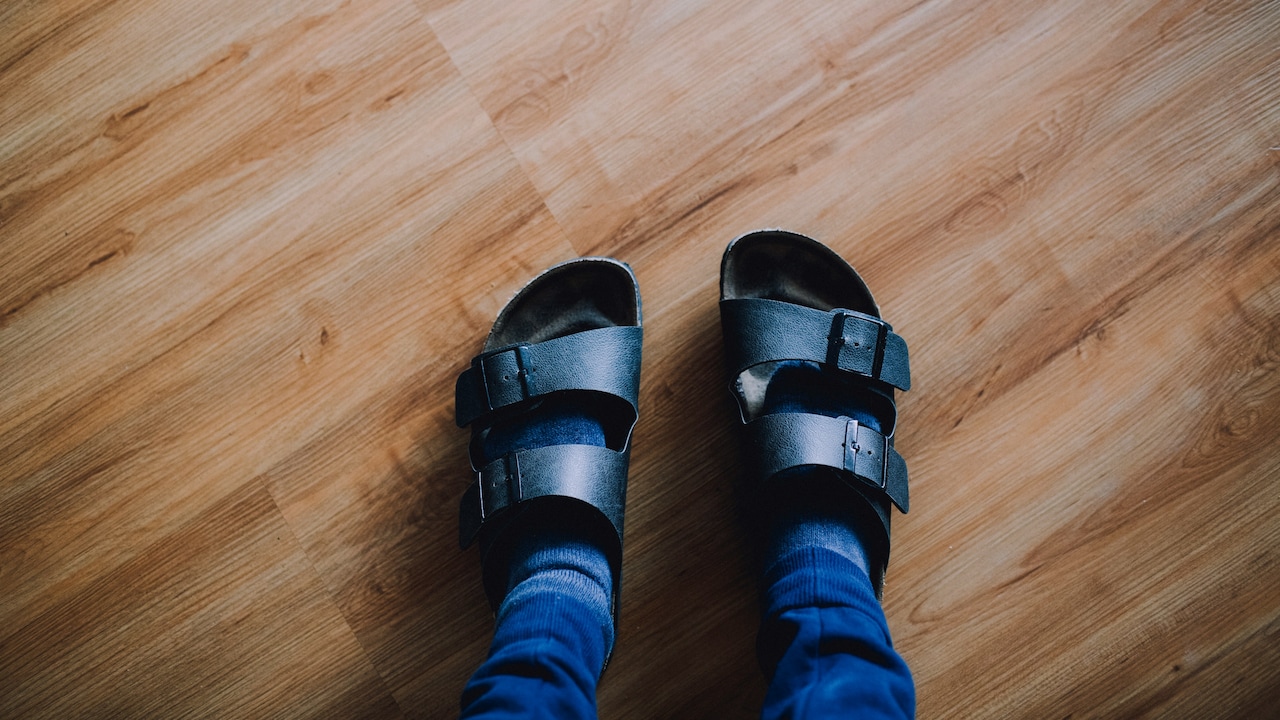
Footwear also plays a crucial role. Comfortable flats or low heels suit daytime activities. Changing into heeled sandals or stylish loafers can instantly elevate the look.
A structured handbag may work well for work hours, while a smaller sling bag or clutch feels more appropriate for evening outings.
Accessories act as quick upgrades, turning simplicity into sophistication within minutes.
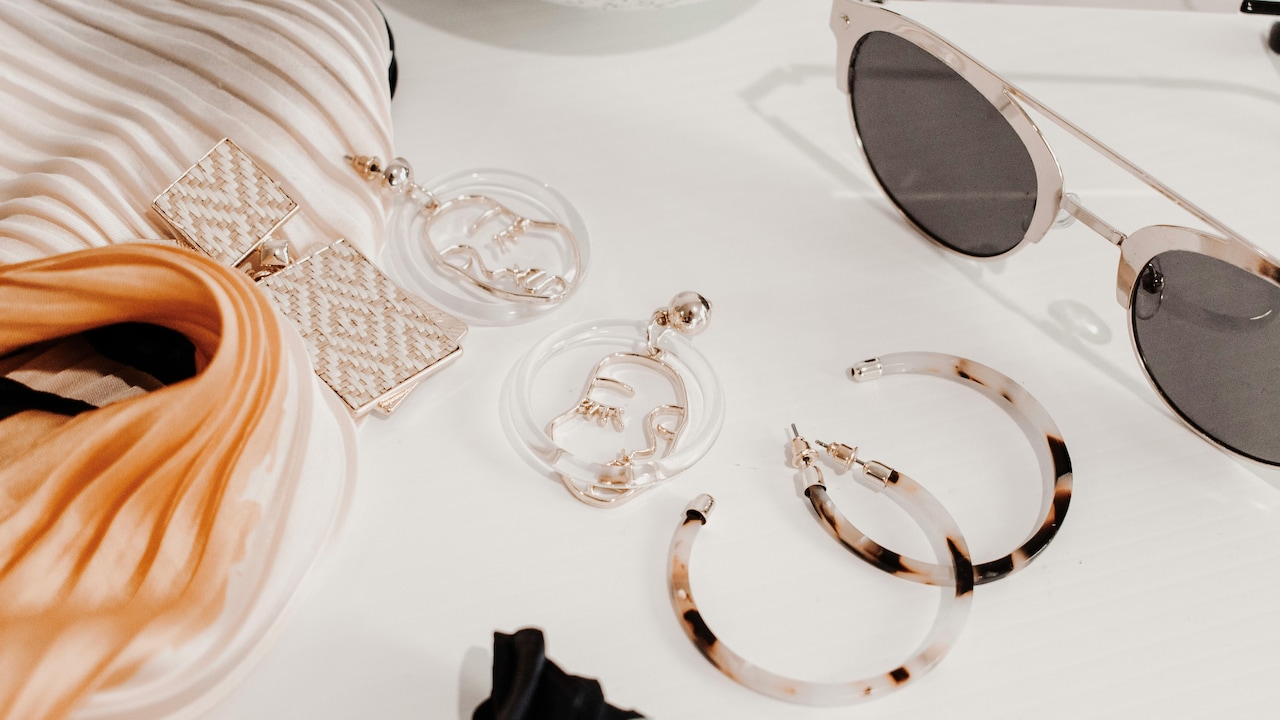
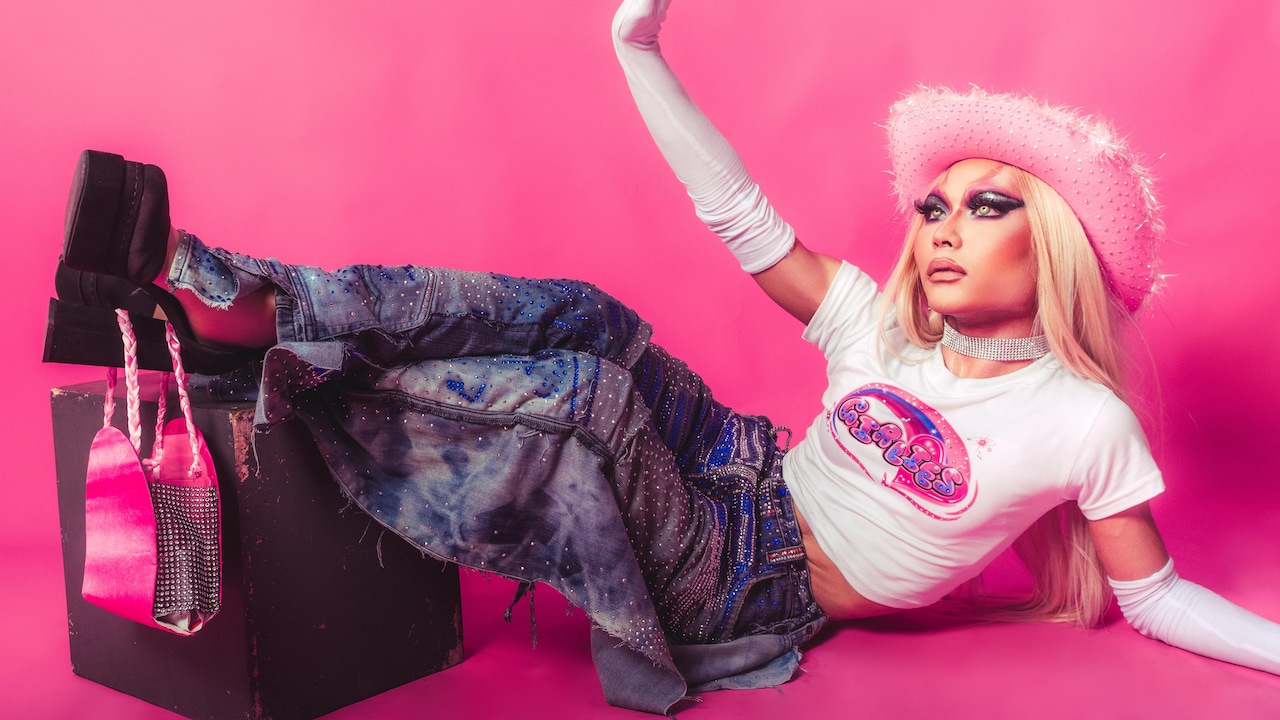
Let your accessories be the showstopper for your transition outfits; Photo Credit: Pexels
Focus On Footwear That Balances Style And Comfort
Footwear often determines how an outfit is perceived. It also affects comfort over long hours. Choosing wisely ensures both practicality and style.
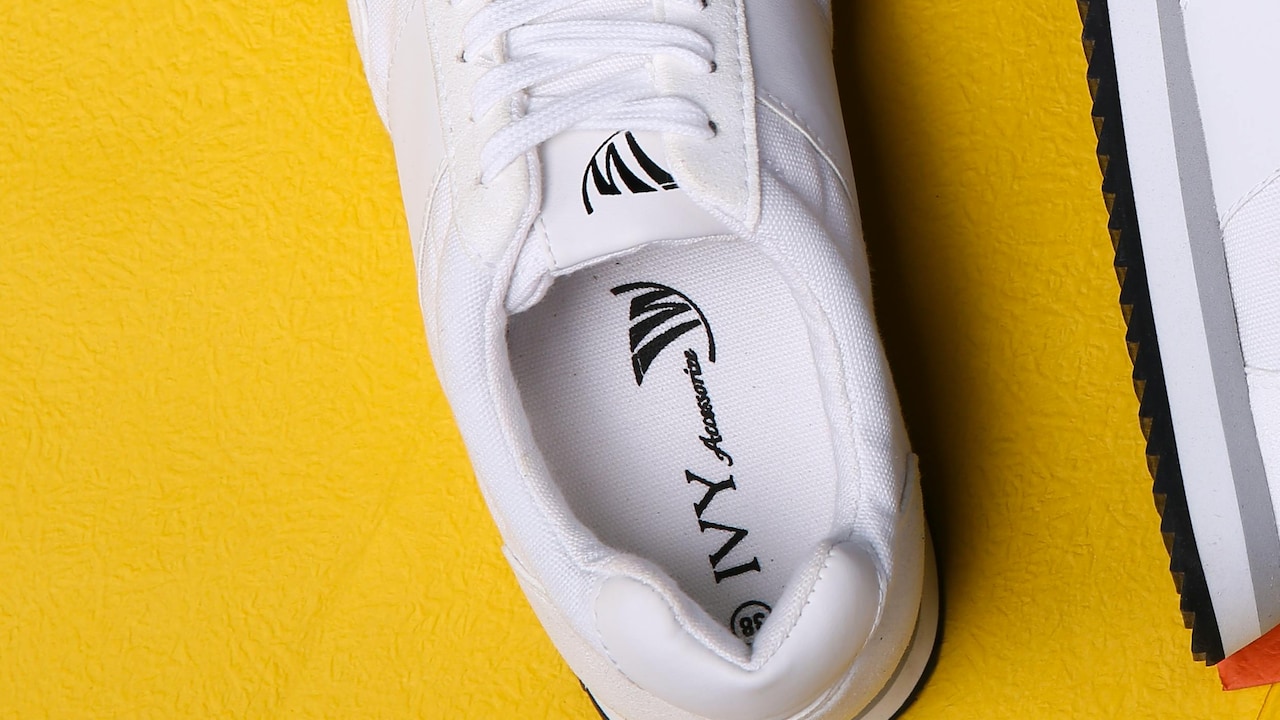
Daytime demands comfort. Walking, commuting, and standing for extended periods require supportive shoes. Stylish flats, block heels, or sleek sneakers fit this need.
Evenings, however, invite a touch of elevation. A modest heel or a polished sandal can enhance the overall look. The challenge lies in selecting footwear that works for both settings.
Neutral-toned shoes offer versatility. A pair of tan or black block heels, for instance, transitions seamlessly from office corridors to evening venues.
Comfort remains essential. Footwear that causes discomfort can overshadow even the most stylish outfit.
A thoughtful choice ensures the outfit remains cohesive and comfortable from morning to night.
Keep Makeup And Grooming Adaptable
While clothing forms the base, grooming completes the transformation. A flexible approach to makeup allows an easy shift in appearance.
Daytime makeup often leans towards minimalism. Light foundation, neutral tones, and a natural finish suit professional environments. As the day progresses, small additions can create a more dramatic look.
A bold lip colour, a touch of highlighter, or defined eyes can instantly elevate the appearance. These changes require minimal effort yet create a noticeable impact.
Hair also plays a role. A neat ponytail or bun during the day can be loosened into soft waves for the evening. Even a simple change in parting can alter the overall look.
Carrying a few essentials in a small pouch ensures readiness for quick touch-ups. These small adjustments enhance the outfit without requiring a complete overhaul.
Choose Statement Pieces That Work Overtime
A single standout piece can anchor an outfit across different settings. Statement items create interest without requiring multiple changes.
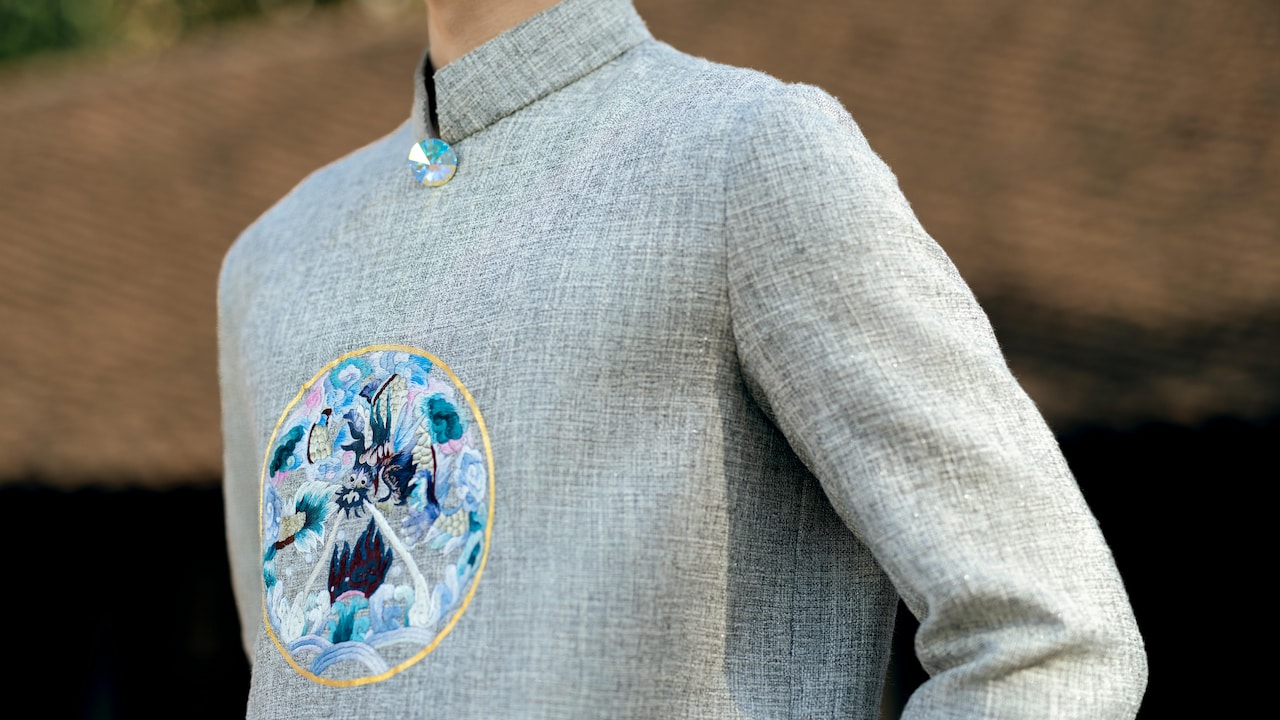
A bold jacket, an embroidered kurta, or a uniquely cut dress can serve this purpose. During the day, it becomes a focal point within a subtle look. At night, it blends seamlessly into a more elevated style.
The key lies in balance. If one element stands out, the rest of the outfit should remain understated. This ensures versatility without overwhelming the look.
Consider a kurta with intricate detailing paired with simple trousers. It appears elegant during work hours. Add statement earrings later, and it becomes perfect for an evening gathering.
Statement pieces simplify styling decisions while ensuring the outfit remains memorable throughout the day.
Prioritise Breathability And Ease For Long Days
Style often fades when discomfort sets in. Long hours demand clothing that feels as good as it looks.
Breathable fabrics, flexible fits, and lightweight layers ensure ease throughout the day. This becomes especially important in warm and humid conditions.
An outfit that allows movement and ventilation prevents fatigue. It also maintains a fresh appearance even after hours of wear.
Wrinkle-resistant fabrics help maintain a polished look. No one enjoys adjusting creased clothing before an evening outing.
Practical choices enhance confidence. When clothing feels comfortable, it reflects in posture and overall presence.
A stylish outfit should not require constant adjustment. Ease and breathability ensure it remains effortless from morning meetings to late-night conversations.
Plan Outfits With Intent, Not Impulse
The most effective transitional outfits rarely happen by chance. They stem from thoughtful planning and an understanding of daily schedules.
Knowing the day's activities helps in selecting the right pieces. A workday followed by dinner calls for a different outfit than one ending at home.
Planning reduces last-minute stress. It also prevents overpacking or unnecessary changes.
Building a wardrobe with versatile pieces simplifies this process. Items that mix and match easily create endless combinations without clutter.
Budget plays a role as well. Investing in quality basics may cost around ₹3,000 to ₹8,000 per piece, but these items last longer and offer greater versatility.
Intentional styling transforms dressing into a seamless experience. It ensures readiness for any plan, whether expected or spontaneous.
Products Related To This Article
1. Anouk Printed Basic Jumpsuit
2. HERE&NOW Women Cable Knit Pullover
3. DressBerry Women Blue Ribbed Pullover
4. AKKRITI BY PANTALOONS Pantaloons Junior Printed A-Line Skirt
5. Glitchez Women Heavy Fade Wide Leg Jeans
6. Selvia Edge A-Line Midi Dress
7. Style Quotient Women White Formal Shirt
Dressing for both day and night without changing outfits is less about complexity and more about smart choices. Fabrics, colours, silhouettes, and accessories work together to create looks that adapt effortlessly.
A well-styled outfit should feel natural during the day and quietly striking at night. It should support comfort, reflect personality, and adjust to changing settings without demanding constant attention.
In fast-paced routines, simplicity becomes powerful. A thoughtfully chosen kurta, a versatile dress, or a tailored co-ord can carry an entire day with ease.
Style, after all, is not about excess. It is about intention, creativity, and the ability to make the most of what is already in the wardrobe.
With a little planning and a touch of imagination, one outfit can tell two stories, each just as compelling as the other.
(Disclaimer: This article may include references to or features of products and services made available through affiliate marketing campaigns. NDTV Convergence Limited (“NDTV”) strives to maintain editorial independence while participating in such campaigns. NDTV does not assume responsibility for the performance or claims of any featured products or services.)