How To Care For Leather Bags And Shoes During Monsoon
Rainy season can ruin leather fast. Here is how to protect, clean, and store your leather bags and shoes so they last through the monsoon and beyond.
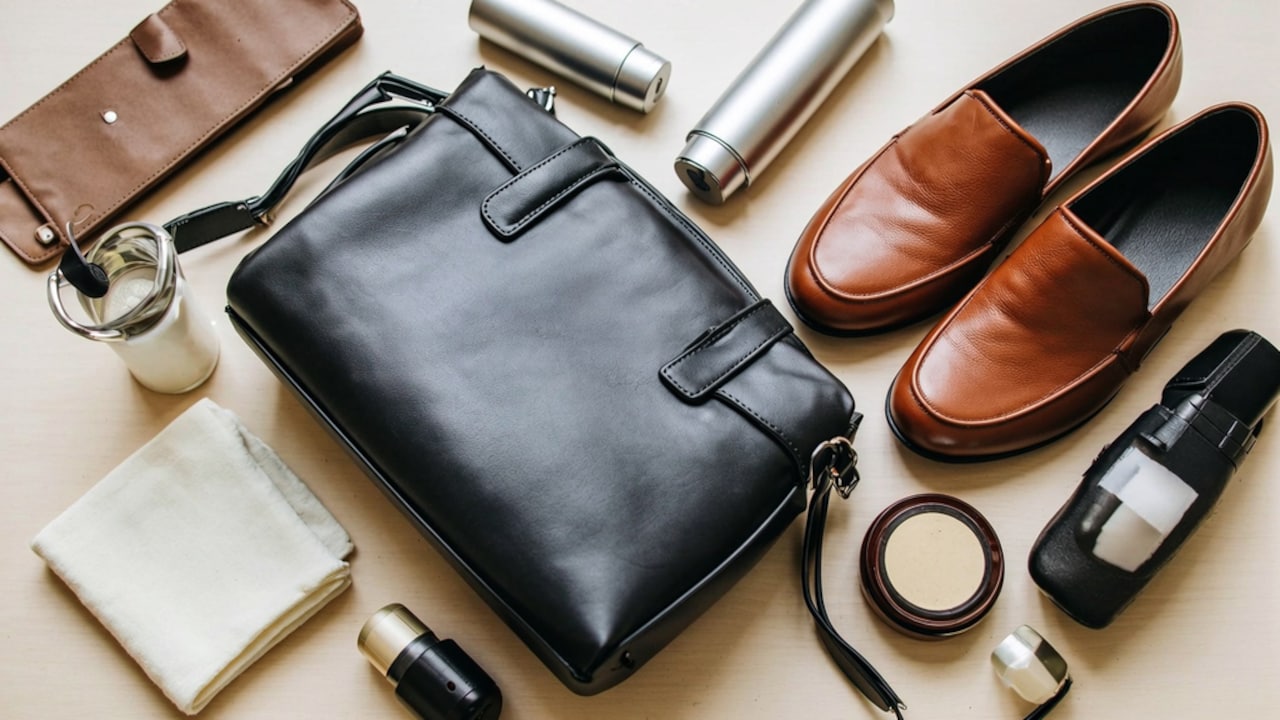
How To Care For Leather Bags And Shoes During Monsoon
Leather and rain have never been a comfortable combination. A sudden downpour on a workday commute, a waterlogged footpath, or even just the persistent humidity of the Indian monsoon can leave leather bags stiff, discoloured, and covered in water marks within a single season if they are not looked after properly.
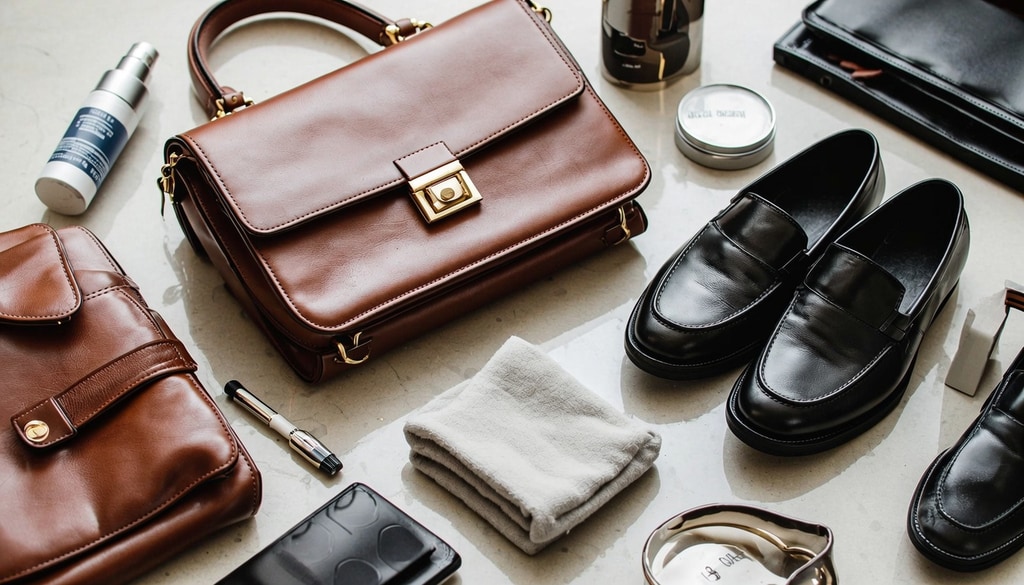
Dry wet leather gently, apply conditioner to prevent cracking, and store in breathable covers away from moisture.
Photo Credit: iStock
The damage is not always dramatic or immediate, which is part of the problem. Leather absorbs moisture slowly, and by the time you notice cracking, peeling, or a white salt bloom on the surface, the material has already been stressed for a while. A little preventive care before the season starts goes much further than trying to fix damage after the fact.
Steps To Care For Leather Bags And Shoes
The core challenge with leather in humid or wet conditions is moisture. When leather gets wet and then dries without conditioning, the natural oils that keep it supple are drawn out with the evaporating water. What is left behind is leather that is drier, stiffer, and more prone to cracking than it was before. The fix is not complicated, but it does need to happen consistently.
Preparation before the rains arrive is the most effective thing you can do. Treating leather with a conditioner and a water-resistant product before the monsoon hits means the material is not starting from a compromised state the first time it gets caught in the rain.
Step 1: Condition Your Leather Before the Monsoon Starts
A leather conditioner replenishes the oils in the material and makes it more resistant to moisture absorption. Apply it with a soft cloth in circular motions, let it absorb for a few minutes, and buff off any excess. Do the process once before the rainy season begins and once or twice during it depending on how often the bag or shoes are getting wet. Conditioners like Leather Honey, Bickmore Bick 4, or even a small amount of coconut oil on less precious pieces work well for Indian conditions.
Step 2: Apply a Water Repellent Spray or Wax
A conditioner softens and nourishes the leather but does not repel water on its own. A separate water repellent spray or cream wax applied over the conditioner creates a surface barrier that causes rain to bead off rather than soak in. Spray-on repellents are easier for bags with hardware and detailing.
What To Do When Leather Gets Wet
Do Not Panic, But Do Not Ignore It Either
Getting caught in the rain does not automatically mean the leather is damaged. What happens in the next few hours matters more than the wetting itself. The worst thing you can do is stuff a wet leather bag into a cupboard, leave wet shoes in a closed shoe rack, or try to speed up drying with a hairdryer or direct sunlight. All of these cause the leather to dry unevenly and lose its shape.
Dry Leather Slowly at Room Temperature
Wipe off surface water with a dry soft cloth as soon as you are indoors. For shoes, stuff them with newspaper or a shoe tree to help them hold their shape while they dry. Empty the bags and loosely stuff them with a clean cloth or white paper to prevent the sides from collapsing inward. Place both in a well-ventilated spot away from direct sunlight, heaters, or air conditioning vents. Let them dry completely before storing, which can take anywhere from a few hours to overnight depending on how wet they got.
Condition Again After the Leather Has Dried
Once the leather is fully dry, apply conditioner again. This is the step most people skip, and it is the reason leather starts cracking after a few monsoon seasons. The drying process draws oils out of the material and conditioning after drying puts them back. It takes five minutes and meaningfully extends the life of the piece.
Dealing With Water Stains and Salt Marks
White marks or tide lines on leather after drying are caused by mineral salts rising to the surface as water evaporates. A damp cloth dampened with a very diluted white vinegar solution (one part vinegar to two parts water) helps lift these marks without damaging the leather when you wipe the whole surface of the bag or shoe. Wipe evenly across the whole piece rather than spot-treating to avoid creating new tide lines. Follow with a conditioner once dry.
Also Read: Top 5 Waterproof Sandals For Monsoon Season Under ₹1000
How To Store Leather During and After the Monsoon
Never Store Leather in Plastic
Plastic bags and airtight boxes trap moisture and create the exact humid environment that causes mould and mildew on leather. Always store leather bags and shoes in breathable dust bags, cotton pillowcases, or open shelving. If mould does appear as a white or greenish powdery bloom on the surface, wipe it off with a cloth lightly dampened with white vinegar and let the piece air out completely before conditioning and storing it again.
Keep Silica Gel Packets in Your Storage Area
Silica gel packets absorb ambient moisture from the air around them and are genuinely useful in Indian monsoon conditions, particularly in shoe racks and wardrobes in coastal or high-humidity cities. Toss two or three packets into a shoe rack or into the shelf where bags are stored. They are inexpensive, widely available, and reusable after drying out in the sun. This is a small habit that makes a real difference over a season.
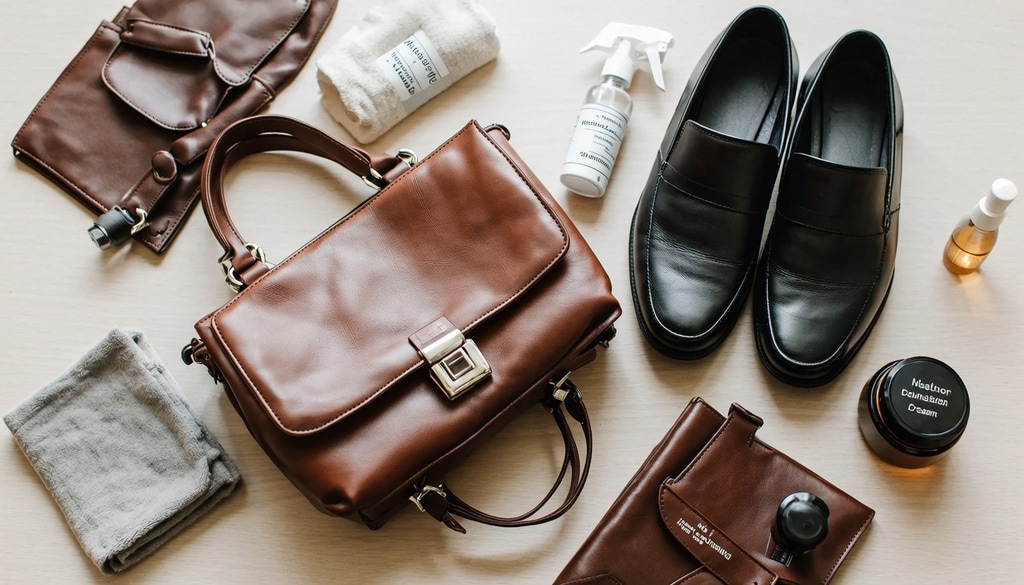
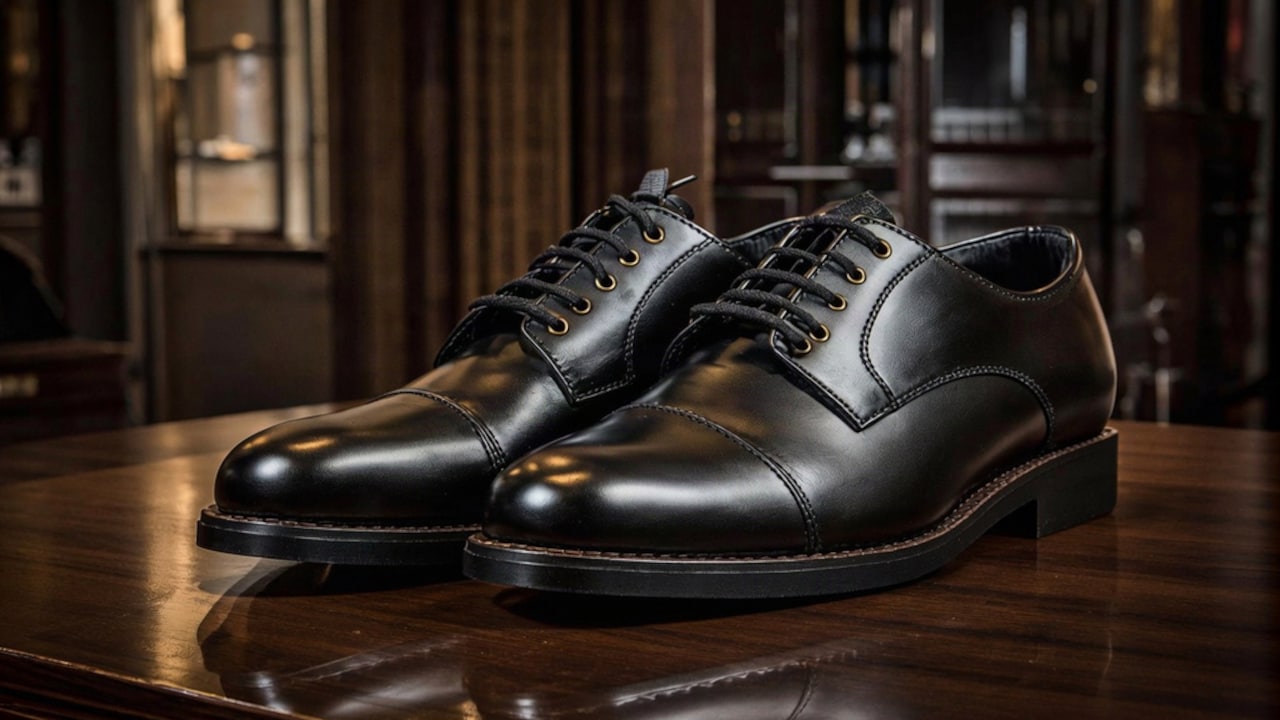
Use waterproof sprays, avoid direct heat when drying, and rotate leather items to extend their monsoon-season lifespan.
Photo Credit: iStock
Some Leather Care Products Worth Considering
1. Helios The Ultimate Leather Care Kit
2. PRO Creme Luxe Smooth Leather | Shoe Moisturizer Cream
3. ETHIEK Leather Cleaner for Bags, Shoes & Jackets
4. SHOEGR Suede Shoe Cleaner Kit
5. 3M Foaming Car Interior Cleaner (580 g)
6. Waxpol Leather Conditioner Cleans, Softens, Moisturises & Preserves Leather
7. M95 Leather Cleaner and Conditioner kit Combo
8. Leather Conditioner & Polish By The Pro Stuff
In conclusion, taking proper care of your leather bags and shoes during the monsoon is essential to maintain their durability and timeless appeal. By keeping them dry, storing them correctly, and using protective products like waterproof sprays and conditioners, you can easily prevent damage caused by moisture and humidity. A little extra attention during rainy days goes a long way in preserving the texture, shine, and longevity of your leather essentials ensuring they stay stylish and functional season after season.
Frequently Asked Questions (FAQs)
1. Can I use any oil to condition leather in the rainy season?
Coconut oil works as a temporary conditioner for everyday leather but should be used sparingly, as it can darken the material and go rancid over time. For leather bags or shoes you care about, a purpose-made leather conditioner is worth the investment. Avoid olive oil, as it tends to attract mould in humid conditions.
2. My leather shoes got soaked completely. Can they be saved?
Usually yes, if you act quickly. Wipe off surface water, stuff with newspaper, and let them dry slowly at room temperature. Once fully dry, condition generously. If the leather has stiffened or cracked after drying, multiple rounds of conditioning over a few days can restore some suppleness, though deep cracks are difficult to reverse completely.
3. How do I remove mould from a leather bag?
Take the bag outside or to a well-ventilated area before doing anything. Mould spores spread when disturbed, so you do not want to be wiping them around in an enclosed room.
4. Does waterproofing spray change the look or feel of leather?
Most spray repellents are invisible once dry and do not significantly alter the texture or colour of smooth leather. On suede or nubuck, some sprays can slightly darken the material, so test on a small hidden area first. Wax-based products can add a subtle sheen to smooth leather, which some people prefer and others do not.
5. How often should I condition leather during the monsoon?
Once before the season, once midway through if the pieces are getting regular exposure to rain or humidity, and once after a thorough soaking. For bags or shoes stored away during the monsoon, a single application before storing and one when taking them out again is sufficient.
(Disclaimer: This article may include references to or features of products and services made available through affiliate marketing campaigns. NDTV Convergence Limited (“NDTV”) strives to maintain editorial independence while participating in such campaigns. NDTV does not assume responsibility for the performance or claims of any featured products or services.)