How To Choose An Ethnic Kurta That Does Not Shrink, Fade Or Lose Shape After A Few Washes
A well-chosen kurta should survive every wash cycle without shrinking, fading or turning into a shapeless mystery. This guide simplifies the art of picking a long-lasting kurta that keeps its colour, fit and charm intact.
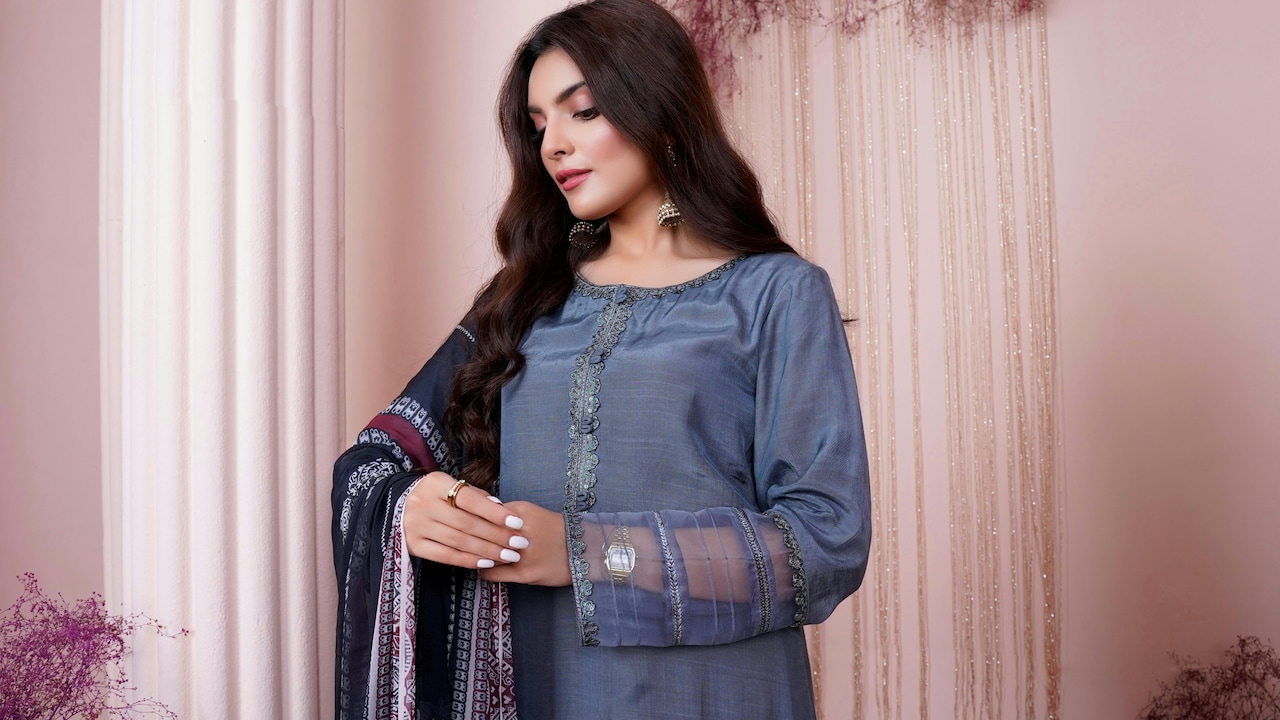
How To Choose A Durable Ethnic Kurta That Will Not Shrink, Fade Or Lose Shape.
A favourite kurta has a strange kind of power. It can turn a dull morning into a good one, it can make festival days feel a bit more festive, and it can become a go-to outfit for everything from office Fridays to family gatherings. Yet many people have experienced that moment of heartbreak when a kurta looks perfect at the store… only to shrink after its first wash, bleed colour all over the bucket, or hang like a stretched-out bag a month later.
Choosing a kurta that lasts is not luck. It's a mix of fabric knowledge, good craftsmanship, and a few small checks most shoppers forget to do. This piece unpacks all of it, 10 practical, relatable, and easy-to-apply ways to pick a kurta that survives wash after wash without losing its shape, color, or dignity. So, don't wait, just check out how to choose an ethnic kurta that does not shrink, fade or even lose shape once you start washing it.
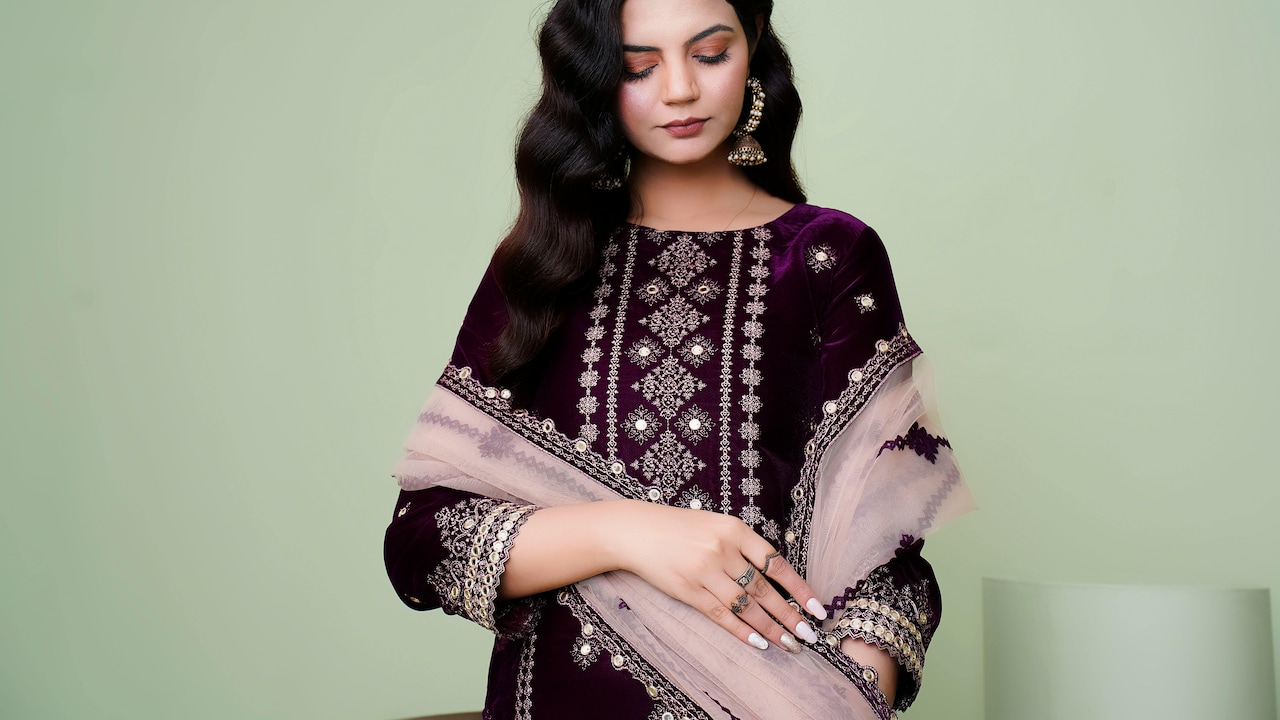
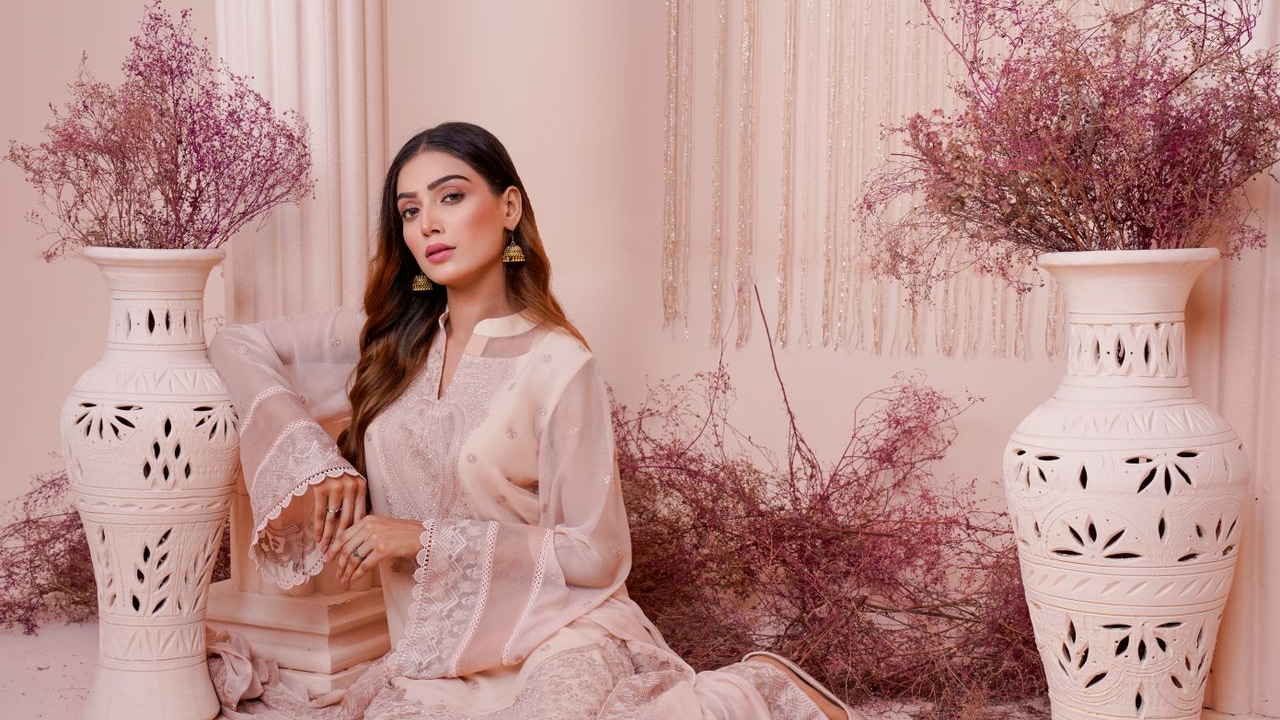
How To Choose A Durable Ethnic Kurta That Won't Shrink Or Fade; Photo Credit: Pexels
Simple Checks To Ensure Your Kurta Doesn't Shrink, Fade, Or Lose Shape
1. Check the Fabric Quality Before Anything Else
Fabric decides the fate of a kurta. Natural fibres like cotton, linen and viscose blends tend to breathe better and feel softer, but quality varies widely. Hold the kurta up to the light; if the weave looks patchy, too thin or uneven, it may not survive even a handful of washes. Gently stretch the fabric between your fingers. Good cloth returns to its original form without wrinkling or distorting.
For everyday wear, combed cotton is a dependable option because it resists pilling and feels smooth on the skin. For festive wear, high-quality silk blends offer durability without demanding delicate handling every week. Shoppers often fall for shine or prints but ignore the fabric's strength. That's where trouble begins. A strong, tightly woven fabric keeps its shape and stays bright even after regular washing.
A small test also helps: rub the fabric lightly against itself. If you see fluff coming off, the kurta may start looking worn out too soon. A little patience during purchase saves a lot of post-wash regret later.
2. Opt for Pre-Shrunk or Pre-Washed Fabrics
A major reason kurtas shrink is that the fabric wasn't treated before stitching. Many manufacturers now offer pre-shrunk or pre-washed cloth that has already gone through the initial shrinking process. This helps the garment maintain its original size even after multiple washes.
Look for labels that mention “pre-washed”, “pre-shrunk” or “sanforised”. These may sound like fancy industry terms, but they make a real difference. When unsure, ask the salesperson. Shops in markets like Lajpat Nagar or Commercial Street are used to customers asking about this.
Cotton has a habit of reducing a size or two if not treated beforehand, leaving shoppers wondering whether the kurta shrank or they grew. Pre-treated fabric eliminates that worry. Even handloom brands often mention whether their cloth has been washed before stitching. Choosing these ensures the kurta remains the same size from day one.
This one step alone saves tailoring alterations, frustration and the familiar post-wash sigh many families know all too well.
Also Read: How To Style Kurta-Salwar Sets For Office: Expert Tips For A Sharp, Professional Look
3. Examine the Stitching and Overall Construction
Even the best fabric fails if the stitching is weak. Run your fingers along the seams; they should feel smooth, firm and even. Loose threads or gaps between stitches are signs that the kurta may stretch out of shape. High-quality kurtas have double-stitched or interlocked seams, especially around shoulder joints, sleeves and slits, areas that face the most tension.
Flip the garment inside out for a moment. Well-made kurtas look neat inside as well as outside. Lining pieces, especially around the neck and buttons, should sit flat without puckering. When seams twist or don't align with the design, the kurta might lose shape after washing.
Good tailoring ensures the garment holds its structure. Poor stitching lets the kurta sag at the sides or widen at the sleeves. A few seconds of checking can save you from watching your beautiful kurta slowly morph into something your tailor struggles to rescue.
A well-constructed kurta not only lasts longer but also feels more polished when worn, an underrated but important detail.
4. Pay Attention to Colour Fastness
A bright kurta turning dull after two washes is a common complaint. To avoid this, test colour fastness in-store with a simple trick: lightly dampen one corner of a white handkerchief and rub it on the inside of the kurta. If colour transfers, fading is almost guaranteed.
Many shops now include care instructions on tags like “colour may bleed” or “wash separately”. It's tempting to ignore these warnings, but they often explain why the kurta ends up fading. Opt for pieces that specifically mention fast colours or azo-free dyes, which are gentler and more stable.
Dark shades, navy, maroon, black, are especially vulnerable to fading when low-quality dyes are used. Prints should also feel integrated with the fabric rather than sitting stiffly on top; poorly printed designs crack and lose colour quickly.
When vibrant tones stay vibrant, the kurta continues looking festive and fresh. No one wants a ₹2,000 outfit that fades into a worn-out version within weeks. Checking colour fastness helps keep the charm alive.
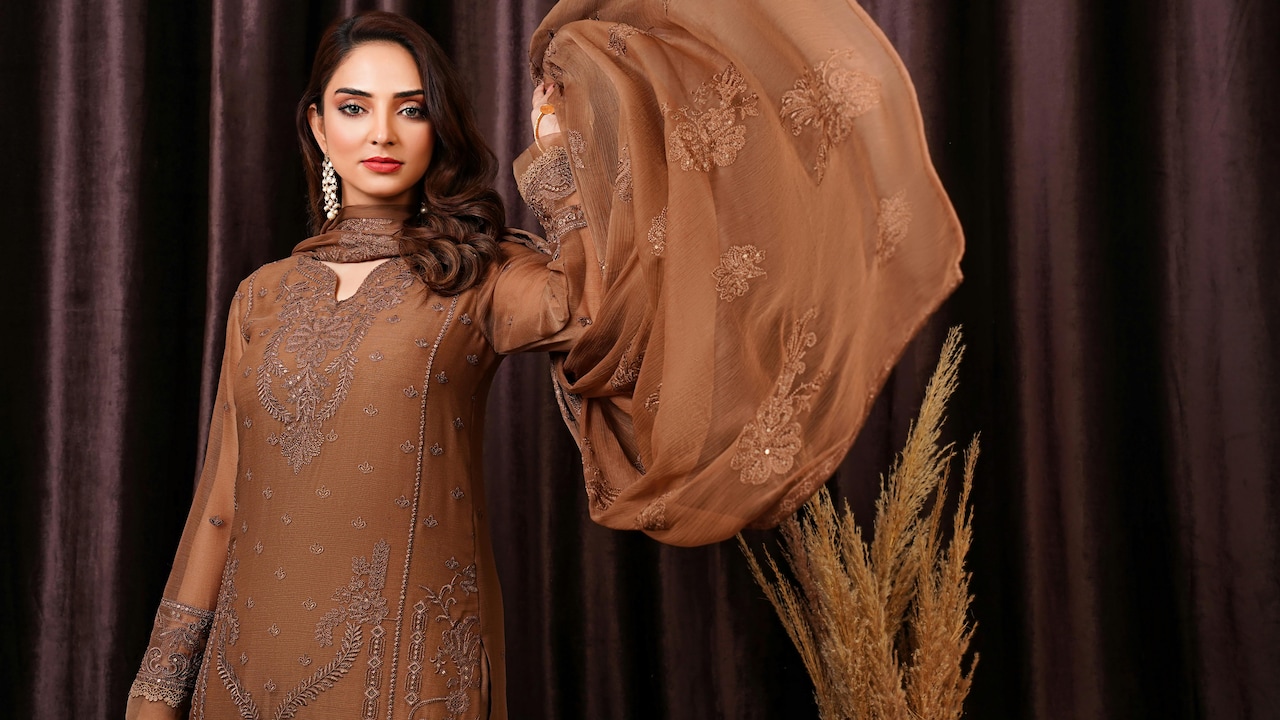
How To Choose A Durable Ethnic Kurta That Won't Shrink Or Fade; Photo Credit: Pexels
5. Choose the Right Fit to Maintain Shape After Washing
A great fit is not only about style; it helps the kurta withstand washing and regular use. When a kurta is too tight, especially around the shoulders or chest, it faces unnecessary stress during wash cycles and can stretch or tear. On the other hand, overly loose kurtas may lose structure and start hanging awkwardly.
Look for a comfortable fall that allows movement without pulling at seams. Armholes should not feel restricted, and the side slits should lie flat. A little ease ensures the kurta retains its shape even when washed frequently.
Try sitting, bending and lifting your arms while trying the outfit. This reduces surprises later when the garment behaves differently in daily life. A well-fitted kurta also keeps the fabric from warping after drying.
Fit plays a quiet but powerful role in longevity. The right size allows the kurta to undergo washing without getting distorted, stretched or sagging in unwanted places.
6. Understand Different Fabric Blends and What Works Best
Pure cotton feels fabulous but may shrink if not treated. Linen looks classy but wrinkles easily. Silk blends shine but require mild handling. Choosing the right blend makes a kurta last longer and behave better after washing.
Cotton-poly blends resist wrinkles and shrinking while still feeling breathable. Rayon-cotton blends drape beautifully without clinging. High-quality silk-cotton options offer a festive look with enough durability for occasional machine washes.
Fabric blends often combine strengths and reduce weaknesses. They also keep the kurta looking fresh with less ironing and fewer complaints from laundry services. When the purpose is everyday wear, office, college or casual outings, blends offer better longevity.
Understanding blends helps shoppers pick a kurta that aligns with their lifestyle. A commuter travelling daily in humid weather may prefer breathable, low-maintenance blends. A festive wardrobe piece may lean toward luxurious but sturdy silk mixes. The right blend goes a long way in keeping a kurta in top shape.
7. Observe the Feel and Weight of the Cloth
Cloth weight says a lot about durability. Extremely light, flimsy fabrics often lose shape faster because they cannot handle washing agitation. On the other hand, very thick fabrics may become heavy and stiff after drying.
Aim for a medium weight, the kind that feels soft but holds structure. A slightly heavier cotton often survives repeated washing and still drapes well. Touch matters too. Good-quality fabric feels smooth without roughness or excessive stiffness.
Run your hand across the kurta. If it feels scratchy, the fibres may be short-staple cotton or mixed with lower-grade elements. Such fabrics tend to age poorly. A supple, sturdy feel suggests long-lasting material.
Balanced-weight fabric keeps its form, doesn't cling awkwardly and stays comfortable in warm weather. It also holds embroidery or print work better, reducing sagging or distortion.
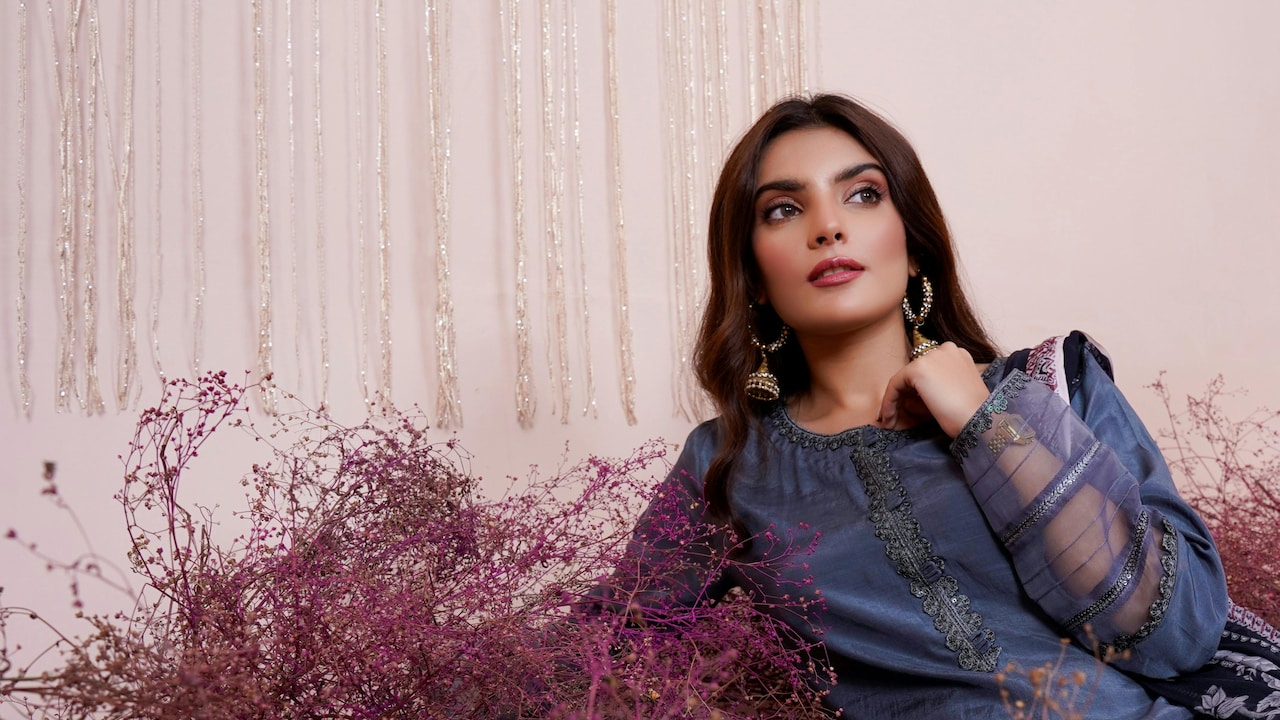
How To Choose A Durable Ethnic Kurta That Won't Shrink Or Fade; Photo Credit: Pexels
8. Inspect the Neckline and Detailing Quality
Necklines often reveal the finishing standard of a kurta. A well-made neckline stays flat, doesn't wrinkle and remains symmetrical even after washing. If the neckline already looks puckered or uneven on display, it won't improve at home.
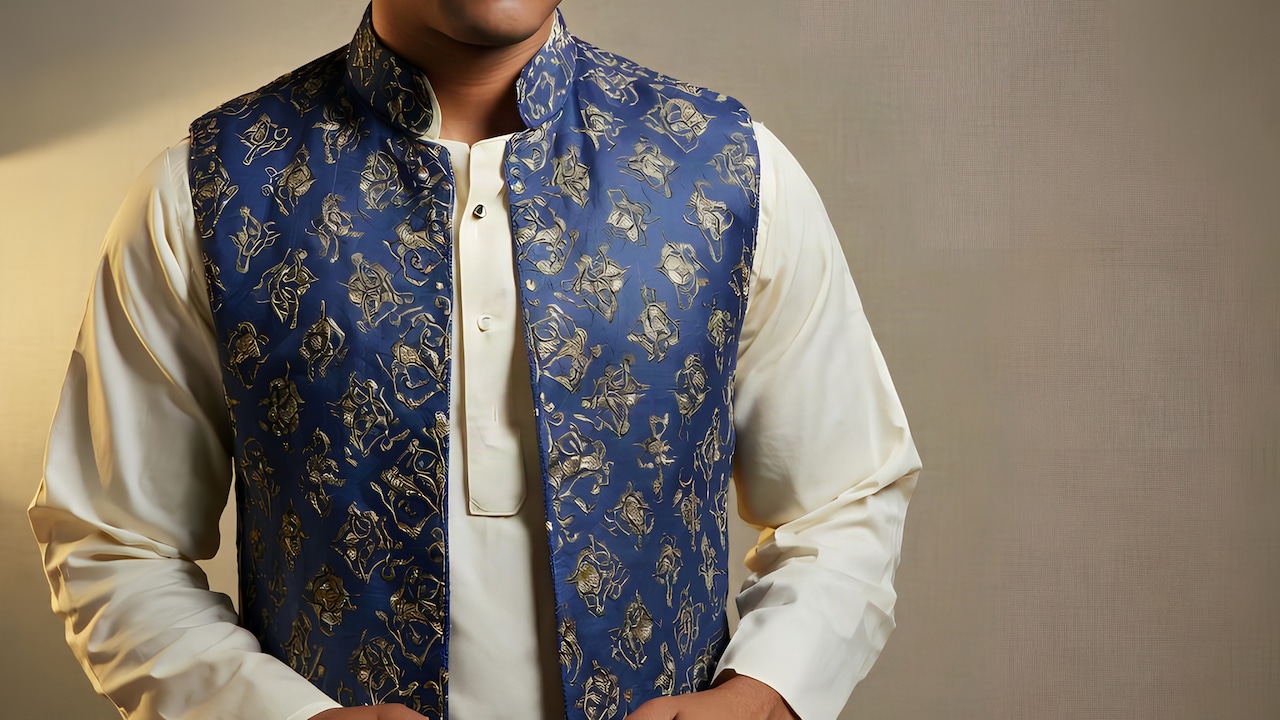
Detailing, buttons, tassels, piping and embroidery should feel secure. Tug lightly at them; if anything feels loose, it may fall off within a few washes. Embroidery threads should not snag easily. Metallic work must sit softly against the fabric without weighing it down or pulling it out of shape.
Many kurtas lose their charm because small details fade, break or detach. Strong, neat detailing ensures the garment remains attractive and structured. Shoppers often focus on prints but forget that finishing around the neckline and placket affects durability the most.
A stable neckline keeps the kurta looking crisp and polished, even when worn frequently.
9. Consider Washing Instructions Before Buying
Some fabrics look appealing but demand high maintenance, dry cleaning, gentle detergents or hand washing in cold water. If the kurta requires more care than your weekly routine allows, chances are it won't last long.
Check the wash label before purchasing. Kurtas meant for everyday use should handle regular washing without fuss. Avoid fabrics that shrink unless treated with care. If the label mentions “wash separately”, be prepared for colour bleeding in early washes.
A kurta that fits easily into your laundry routine stays fresh longer. When the care instructions match your habits, the garment remains vibrant and well-shaped without extra effort or expense.
Choosing based on practicality ensures the kurta survives both the wardrobe and the washing machine.
10. Buy from Trusted Brands or Sellers Known for Quality
Reliable sellers understand fabric construction, dye quality and finishing. They often use better raw materials and follow consistent stitching standards. Even in street markets, certain stalls have loyal customers simply because their products last.
Trusted brands usually test fabrics for shrinkage and colour bleed, giving shoppers more assurance. They also offer better return policies if something goes wrong. While these kurtas may cost slightly more, say ₹200–₹400 extra, the durability makes the investment worthwhile.
Look for sellers who willingly explain fabric types, washing methods and pre-treatment processes. This transparency often signals good craftsmanship.
A dependable seller becomes a long-term wardrobe ally. The kurtas bought from them stay in shape, maintain colour and offer value far beyond their price tag.
Products Related To This Article
1. Anouk Women Pathani Kurta
2. Sangria Women Lavender Blended Kurtas
3. Rangriti Mandarin Collar Three-Quarter Sleeves Regular Straight Kurta
4. KALINI Women Embroidered Thread Work Kurta
5. True Shape Embroidered Maternity Flared Kurta
6. MORDEN MUSE Women Floral Printed Anarkali Kurta
7. R&B Ethnic Motifs Embroidered Mandarin Collar Thread Work A-Line Kurta
A kurta that retains its colour, shape, and size is not a matter of luck; it's the result of smart choices in a kurta while shopping. Paying attention to fabric quality, stitching, fit, colour fastness, and detailing helps you pick a piece that stays beautiful even after repeated washing. When the right blend, weight, and care instructions align with your lifestyle, the kurta becomes more than clothing; it becomes a dependable companion for workdays, festive evenings, and everything in between.
Choosing wisely ensures every wash brings the kurta back to life instead of wearing it down. And that is the secret to building a wardrobe full of favourites that look just as stunning months later as they did on day one.
(Disclaimer: This article may include references to or features of products and services made available through affiliate marketing campaigns. NDTV Convergence Limited (“NDTV”) strives to maintain editorial independence while participating in such campaigns. NDTV does not assume responsibility for the performance or claims of any featured products or services.)