How To Choose Best Touchscreen Gloves: Snug Fits For Smartphone Precision
Struggling to use your phone in winter? This guide explains how to choose touchscreen gloves with the right fit, fabric and sensitivity for accurate swipes and comfortable everyday use. Use these simple tips to buy the best pair of touchscreen gloves for winter.

How To Choose Touchscreen Gloves That Offer Warmth, Comfort And Smartphone Precision.
Chilly weather has a way of exposing small irritations. One of them appears the moment a phone buzzes outdoors. Bare hands go numb within seconds, while ordinary gloves turn screens stubbornly unresponsive. Touchscreen gloves entered the scene as a modern solution, yet choosing the right pair feels surprisingly tricky. Some look stylish but fail at scrolling. Others work well on screens but feel loose or bulky. The perfect pair should feel like a second skin, warm, responsive, and comfortable enough for daily use. Whether commuting on a crowded metro, riding a scooter at dawn, or strolling through a winter market, the right gloves make life easier.
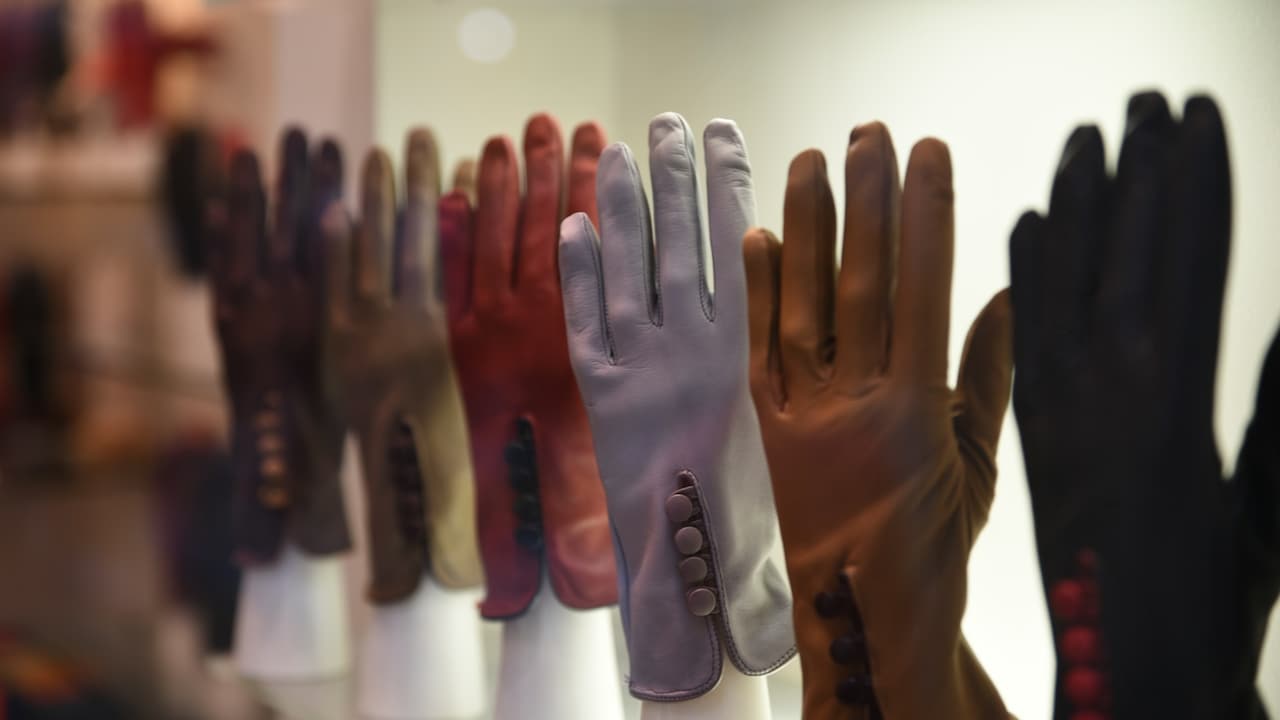
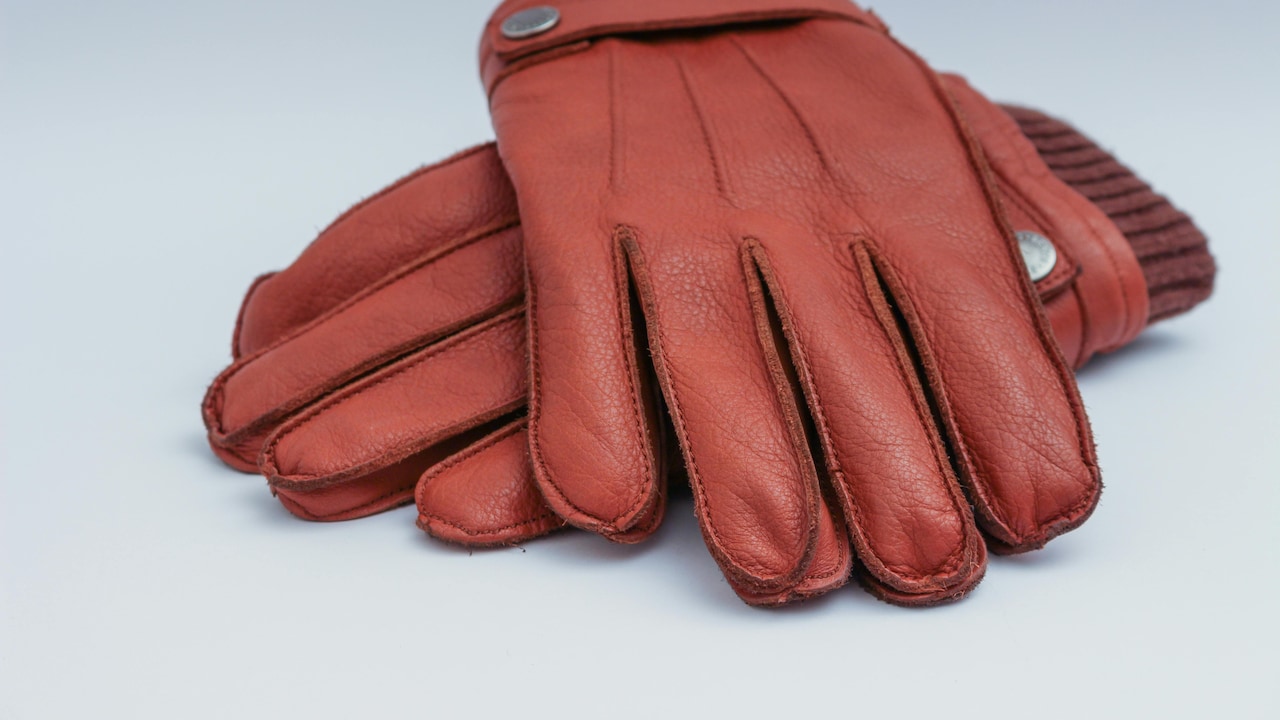
How to choose the best touchscreen gloves in simple steps; Photo Credit: Unsplash
This article breaks down everything that matters, from fit and fabric to durability and price. With a little guidance, winter smartphone use can feel effortless rather than frustrating.
Also Read: Stay Cosy And Connected With Touch Screen Winter Gloves In India
Key Factors To Consider Before Choosing Touchscreen Gloves
1. Understand Why Fit Matters More Than Style
Fit determines whether touchscreen gloves feel delightful or disappointing. A snug fit ensures that fingertips align properly with the conductive areas of the glove. Loose gloves may look cosy, but excess fabric at the tips leads to missed taps and accidental swipes. Anyone who has tried typing a quick message with floppy gloves knows the pain of endless typos.
A well-fitted glove hugs the fingers without cutting off circulation. It should feel firm around the knuckles and flexible at the joints. While trying on gloves, opening and closing the fist helps reveal whether the movement feels natural. Gloves that resist motion often cause hand fatigue during longer use.
Sizing charts vary across brands, so relying solely on “small” or “medium” can mislead. Measuring hand circumference provides better accuracy. Stretchy materials help accommodate slight size differences, but too much stretch reduces precision over time. The goal remains simple: gloves that move when fingers move, without delay or drag.
2. Check the Touchscreen Technology Used
Not all touchscreen gloves work the same way. Most rely on conductive materials woven into the fingertips. These materials mimic the electrical charge of skin, allowing screens to respond. However, the quality of this technology varies widely.
Some gloves coat only the tips with conductive threads. These often wear out quickly, especially after repeated washing. Others integrate conductive fibres throughout the fabric, offering more consistent performance. Gloves that support multi-finger gestures feel smoother when zooming maps or scrolling social feeds.
Testing responsiveness before purchase saves frustration. A quick swipe or pinch test reveals how accurately the glove communicates with the screen. If taps register only at odd angles, precision suffers. Reliable touchscreen gloves respond instantly, without pressure or repeated attempts. In everyday life, that difference feels enormous.
3. Choose the Right Fabric for Climate and Comfort
Fabric choice shapes warmth, breathability, and durability. Wool blends offer excellent insulation and a soft feel, making them popular for mild winters. However, pure wool may feel itchy or lose shape over time. Adding synthetic fibres improves stretch and longevity.
Fleece gloves feel cosy and lightweight, ideal for short outdoor activities. Yet fleece struggles against the wind, making it less suitable for long rides or open spaces. For colder conditions, gloves with a thermal lining provide extra warmth without bulk.
Water-resistant fabrics help during foggy mornings or unexpected drizzles. Nobody enjoys damp gloves that refuse to dry. Breathability also matters, especially during long commutes. Sweaty hands feel uncomfortable and reduce touchscreen accuracy. The best fabric balances warmth with airflow, keeping hands dry, responsive, and comfortable throughout the day.
4. Prioritise Dexterity Over Excessive Warmth
Thick gloves promise warmth but often sacrifice control. Touchscreen gloves should allow fingers to move freely, whether adjusting earphones or handling small objects. Excess padding reduces sensitivity and makes phone use clumsy.
Daily routines rarely involve standing still in extreme cold. Walking, travelling, or shopping generates natural warmth. In such cases, lightweight gloves with good insulation outperform bulky alternatives. Layered gloves also work well, thin touchscreen gloves worn alone or under heavier mittens when needed.
Dexterity becomes especially important for tasks like typing messages or navigating maps. Gloves that maintain finger shape and flexibility offer a better experience. Warmth matters, but not at the cost of usability. After all, gloves that stay on hands rather than pockets serve their purpose best.
5. Look for Grip and Anti-Slip Features
Smooth gloves and slippery phones make a risky combination. Grip features prevent accidental drops, especially when hands feel numb. Silicone patterns or textured palms improve hold without adding weight.
These features prove useful beyond phone use. Holding a travel mug, gripping scooter handles, or carrying shopping bags feels more secure. Subtle grip enhancements blend function with style, avoiding an overly sporty look.
However, excessive rubber may feel stiff or reduce comfort. Balance matters. Light grip patterns on the palm and fingers usually suffice. Testing grip by holding the phone at different angles gives a clear idea of performance. Gloves that feel secure inspire confidence, especially during rushed mornings or crowded commutes.
Look for gloves with a good grip and anti-slip features; Photo Credit: Pexels
6. Consider Durability and Daily Wear
Touchscreen gloves face constant friction. Keys, bags, screens, and steering handles wear them down quickly. Durability ensures value for money, particularly when prices range from ₹500 to ₹2,000.
Stitching quality reveals how well gloves will age. Loose threads or uneven seams signal trouble ahead. Reinforced fingertips extend lifespan, especially for frequent phone users. Washability also matters. Gloves that lose shape or conductivity after one wash cause disappointment.
Checking care instructions helps manage expectations. Some gloves prefer hand washing, while others handle machine cycles. Choosing a pair that fits easily into daily routines saves effort. Durable gloves reduce the need for frequent replacements, making them a practical investment rather than a seasonal gamble.
7. Balance Style With Practical Design
Gloves form part of everyday attire. A sleek pair complements workwear, while sporty designs suit casual outings. Neutral colours like black, grey, or navy pair well with most outfits, offering versatility.
Design details influence usability, too. Extended cuffs provide extra warmth around the wrists, preventing cold air from sneaking in. Minimal seams reduce irritation during long wear. Some gloves include reflective accents, adding safety during evening walks.
Fashion trends come and go, but practical design endures. Choosing gloves that suit multiple settings maximises value. After all, gloves worn confidently and comfortably see more use than those saved for special occasions.
8. Test Compatibility With Different Devices
Not all screens respond identically. Phones, tablets, and car infotainment systems vary in sensitivity. Gloves that work well on one device may struggle on another.
Testing gloves across devices ensures consistent performance. Multi-touch gestures, scrolling, and typing should feel smooth everywhere. Gloves that require heavy pressure strain fingers and reduce accuracy.
For those juggling work and personal devices, compatibility matters even more. Reliable gloves eliminate the need to remove them repeatedly, saving time and warmth. Seamless interaction across screens transforms gloves from a novelty into a daily essential.
9. Think About Price Versus Value
Price alone does not define quality. Affordable gloves around ₹600 can perform admirably, while expensive pairs sometimes disappoint. Value lies in the balance of comfort, responsiveness, and durability.
Setting a realistic budget helps narrow choices. Paying slightly more for better materials often pays off over time. Frequent replacements add up, making sturdy gloves more economical in the long run.
Reading reviews and checking return policies reduces risk. Gloves that feel right on paper may differ in reality. Choosing value over hype ensures satisfaction. A dependable pair that lasts several winters always feels like money well spent.
10. Factor in Lifestyle and Usage Patterns
Lifestyle shapes glove requirements. Commuters need gloves that handle phones quickly during short stops. Outdoor enthusiasts may prefer water resistance and added warmth. Office-goers often value sleek designs that transition indoors smoothly.
Usage frequency matters too. Occasional phone checks demand less precision than constant messaging or navigation. Matching gloves to habits improves satisfaction. There is no universal “best” pair, only the best fit for specific needs.
Thinking through daily routines clarifies priorities. Gloves tailored to real-life use feel intuitive rather than awkward. When gloves align with lifestyle, winter days feel simpler and more comfortable.
Products Related To This Article
1. zaysoo Waterproof Winter Outdoor Gloves Athletic Touch Screen Gloves Riding Gloves
2. pericat Winter Riding Gloves for Men and Women Thermal Fleece Touch Screen Riding Gloves
3. Steelbird Adventure A-2 Full Finger Bike Riding Gloves with Touch Screen Sensitivity Riding Gloves
4. DreamPalace India Full Finger Gloves with Touch Screen Feature With Reflector Riding Gloves
5. Steelbird Adventure A-1 Full Finger Bike Riding Gloves with Touch Screen Sensitivity Riding Gloves
Choosing the best touchscreen gloves goes beyond chasing trends. Fit, fabric, responsiveness, and durability shape the experience far more than flashy designs. A snug pair that responds accurately transforms winter phone use from frustration to ease.
By focusing on practical details and personal habits, finding the right gloves becomes straightforward. The ideal pair keeps hands warm, fingers agile, and screens obedient. With thoughtful selection, winter no longer interrupts daily connections, it simply adds a cosy layer of comfort.
(Disclaimer: This article may include references to or features of products and services made available through affiliate marketing campaigns. NDTV Convergence Limited (“NDTV”) strives to maintain editorial independence while participating in such campaigns. NDTV does not assume responsibility for the performance or claims of any featured products or services.)