Juttis vs Kolhapuris: Which Should You Choose To Pair With Festive Kurtas?
Confused between juttis and Kolhapuris for your next festive kurta? Here's a simple breakdown of style, comfort, versatility and colour to help you decide.
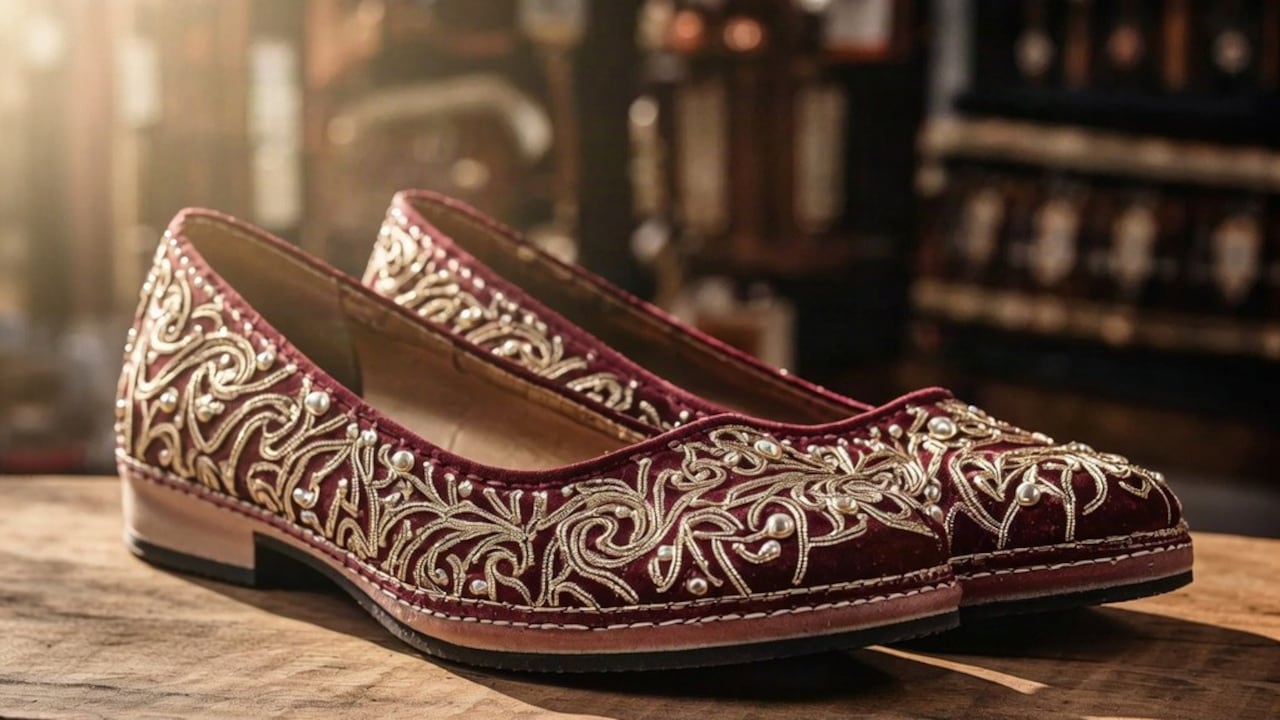
How to make the right choice between juttis vs kohlapuris
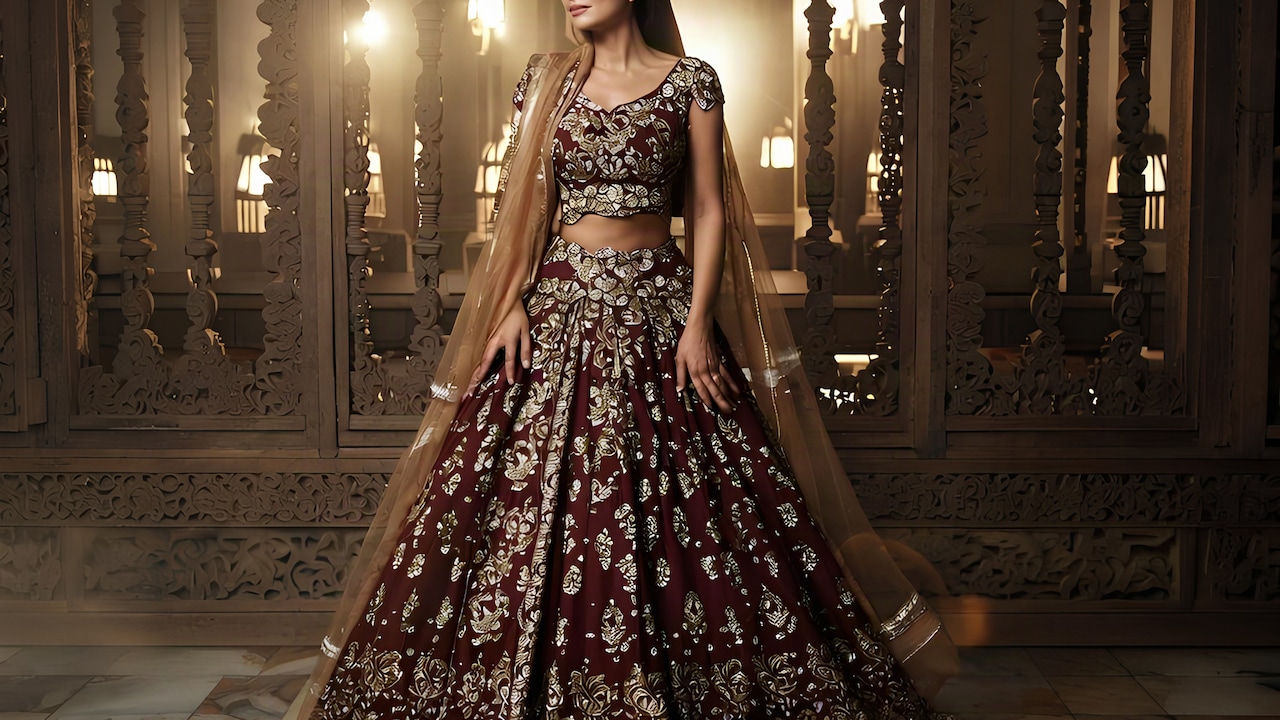
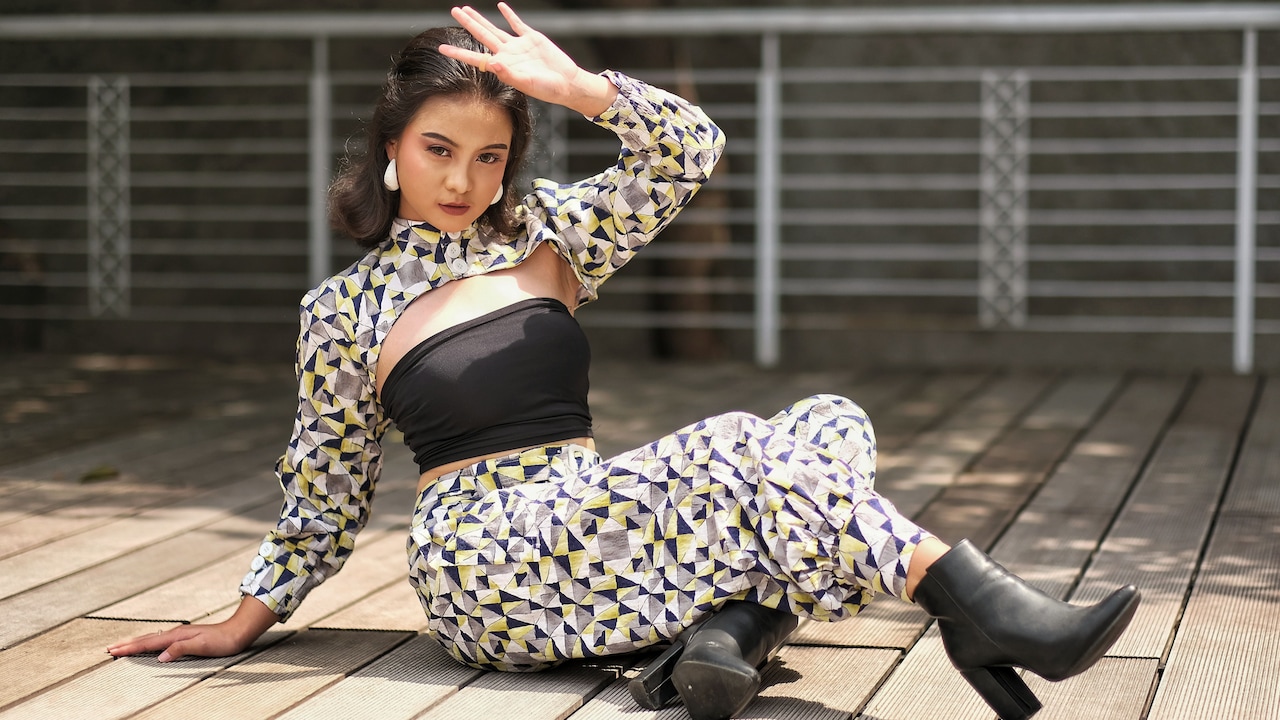
The right footwear can completely change the way a festive kurta looks. Juttis have that polished, traditional feel, instantly making the outfit look a little more dressed up. Kolhapuris, meanwhile, are more relaxed and earthy, making them a natural choice for a casual daytime function rather than a big evening celebration. Both go well with ethnic outfits, but they give the overall look a very different feel.
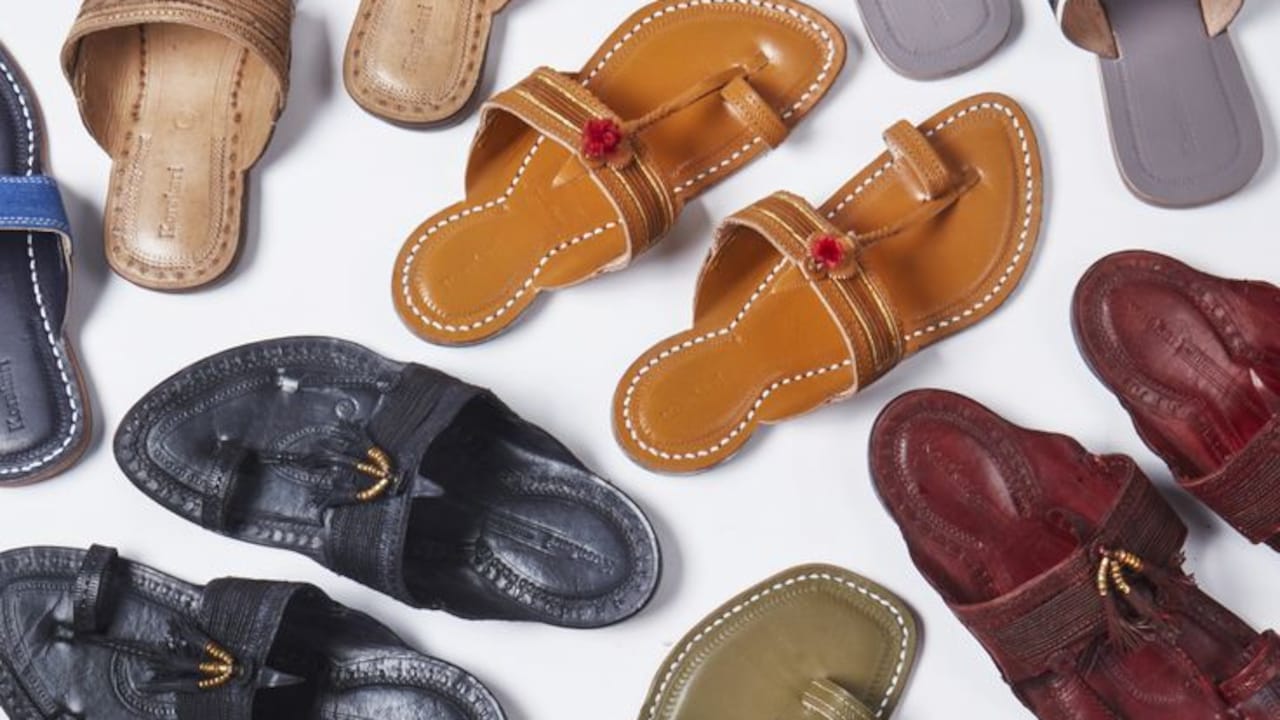
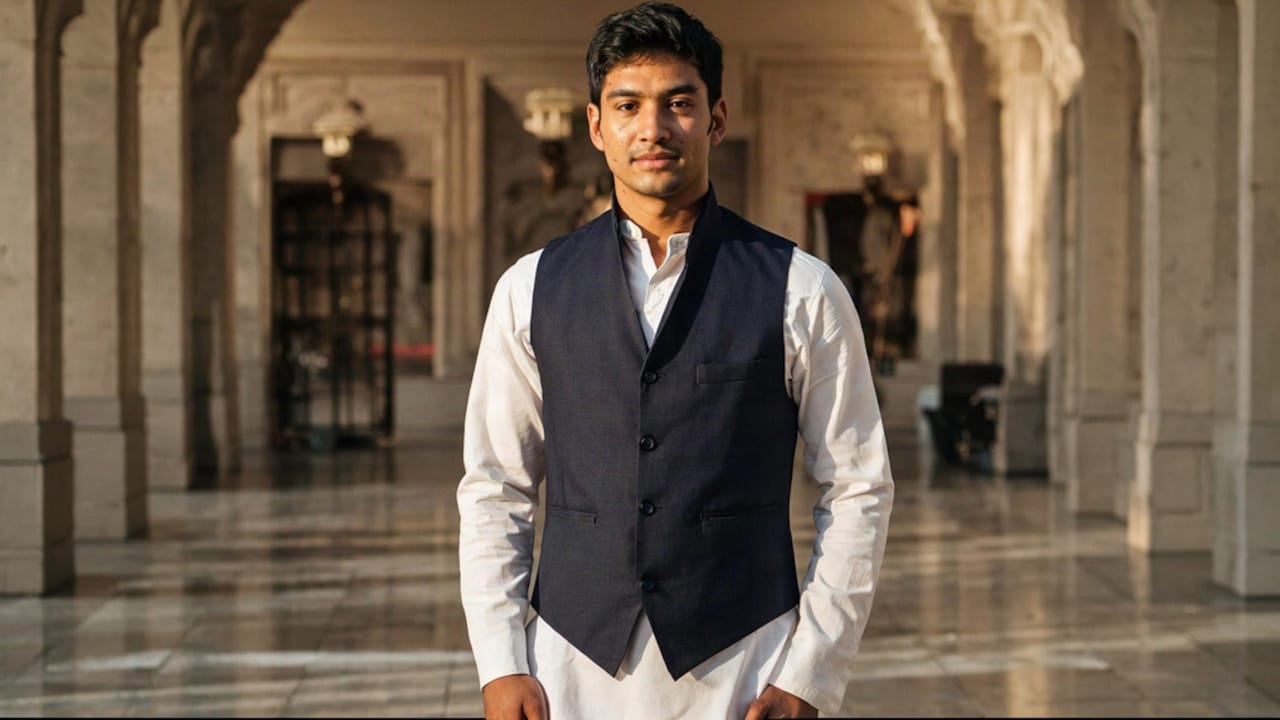
Which is a better choice between juttis and kohlapuris for kurtas; Photo Credit: Pexels
At the end of the day, it really comes down to three things: the kurta you are wearing, the occasion, and how dressed up you want to look. As a simple rule, juttis go especially well with embroidered, festive kurtas, adding a little shine and detail to the look. Kolhapuris work better with relaxed cotton or linen pieces, keeping things comfortable while still giving the outfit a traditional touch. Of course, there is no strict rule. To help you decide, we have picked eight festive footwear options on Amazon that cover both styles.
Also Read: Festive Footwear Edit: Discover Styles That Pair Perfectly With Sarees, Suits And More
Why Juttis And Kolhapuris Create Different Looks
1. Juttis Have A More Traditional Finish
Closed-toe and usually finished with embroidery or metallic threadwork, juttis add a certain polish the moment you put them on. That structured shape gives them a more formal presence, which is a big part of why they work so well with festive kurtas when you want the outfit to feel finished rather than half done.
2. Kolhapuris Keep Things More Relaxed
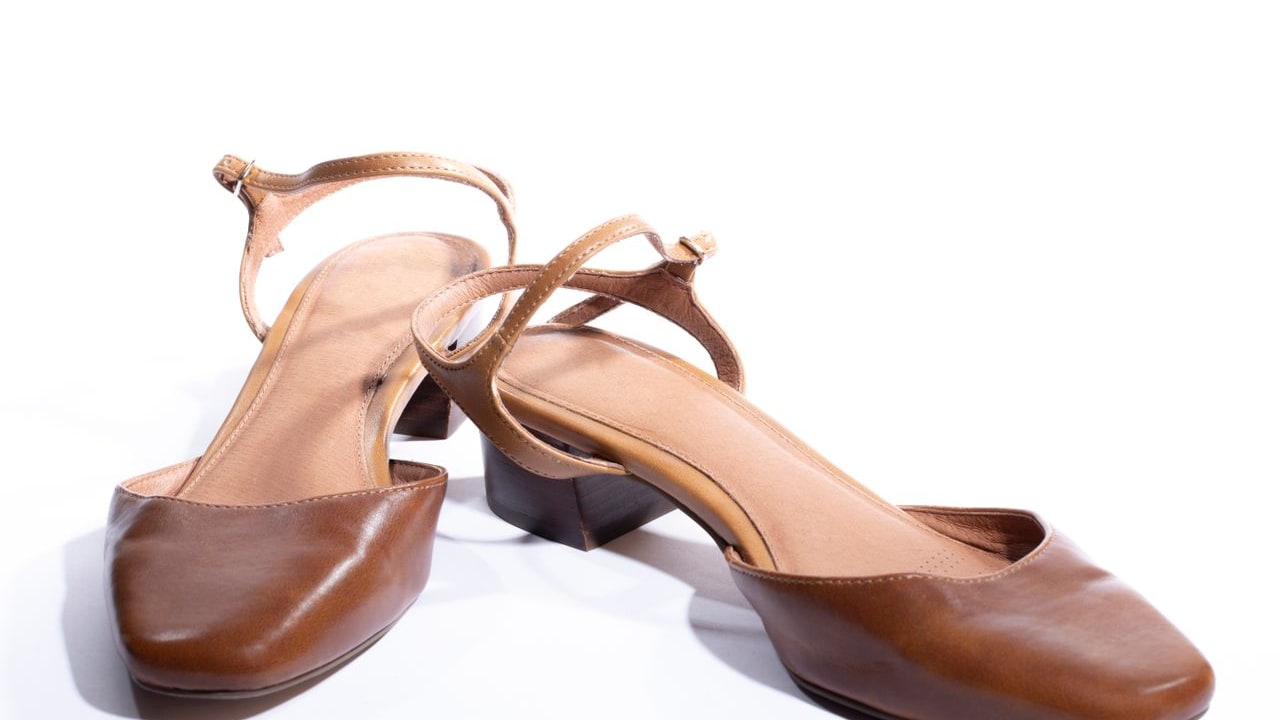
Kolhapuris, with their open and simple silhouette, bring an effortless, unfussy energy to ethnic outfits. The leather-like texture and earthy colours make them an effortless match for everyday kurtas, and since they are open-toed and less structured, they tend to feel more casual even when paired with something dressier.
When To Choose Juttis Or Kolhapuris
1. Pair Juttis With Embroidered Kurtas
If your kurta already has embroidery, mirror work or sequins, juttis usually complement those details rather than fighting with them. An embellished pair can even make a plain kurta look more festive. If the kurta is already fairly busy, a simpler jutti in a tying-in colour tends to look more put together than two heavily worked pieces worn at once.
2. Save Juttis For Dressier Occasions
Weddings, Diwali, and festive dinners are the occasions when juttis really shine, as they already call for a bit more shine and formality. Gold, ivory, beige and jewel tones tend to be the safest, most versatile choices, as they sit well next to almost any kurta colour without clashing.
3. Wear Kolhapuris With Simple Kurtas
Cotton, linen and lightly printed kurtas suit Kolhapuris particularly well, since both have that same relaxed, unstructured feel. Together, they look traditional without tipping into overdressed, which makes the combination handy for occasions that feel festive but aren't formal.
4. Pick Kolhapuris for Daytime Events
Whether it's a daytime puja, a college celebration, a family lunch or a casual get-together, Kolhapuris keep you comfortable while still giving the outfit that ethnic touch. Daytime events usually involve more standing and walking, so the practicality matters here too.
5. Rich Fabrics Work Well With Juttis
Silk blends, brocade and heavily embroidered fabrics naturally lean toward the polish juttis bring, since both already have a dressed-up quality. Just make sure the pair you pick complements the fabric rather than competing with it. If the fabric already has a lot of shine or texture, a solid, muted jutti balances things out better than another decorated pair.
6. Cotton and Linen Suit Kolhapuris
Lightweight cotton and linen kurtas have a relaxed quality that pairs naturally with simple tan or brown Kolhapuris. These combinations work especially well for warm-weather celebrations, partly because Kolhapuris are more breathable than a closed-toe jutti.
7. Tan And Brown Kolhapuris Are Very Easy To Style
Tan and brown are probably the most versatile Kolhapuri shades you can go for, working well with white, cream, beige, blue, green and most other earthy tones. Being so neutral, they rarely clash with prints or patterns.
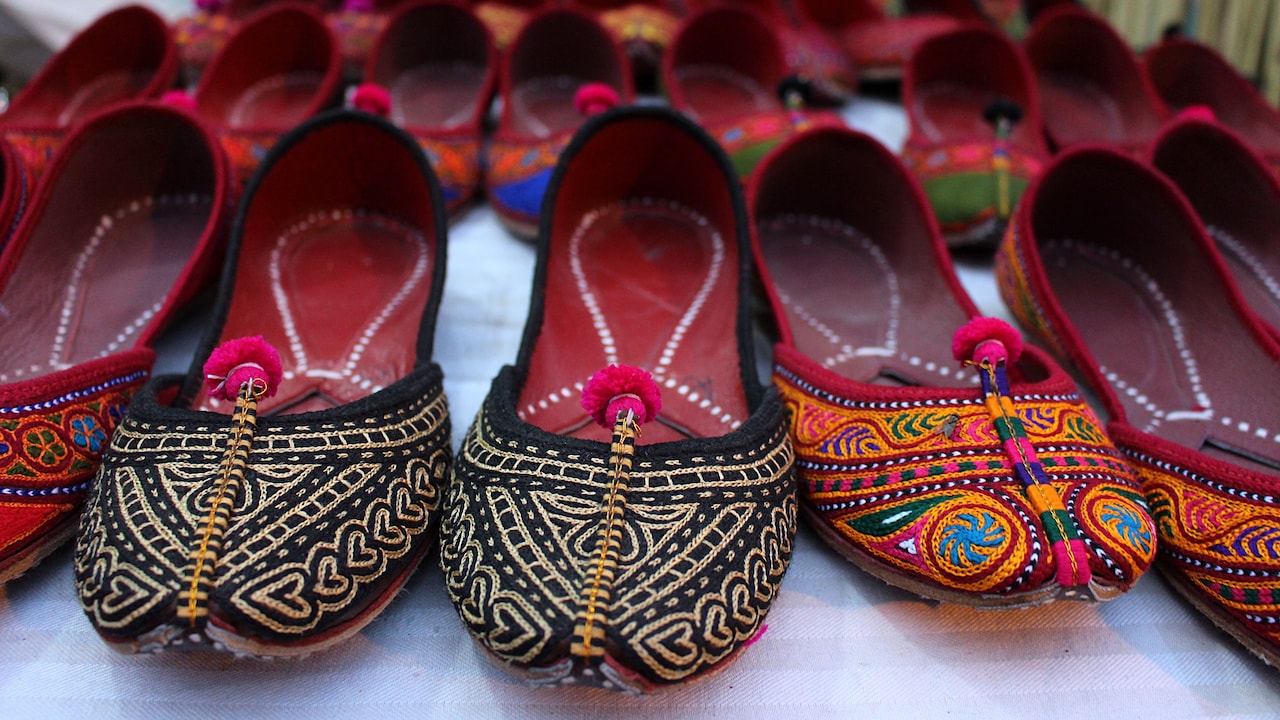
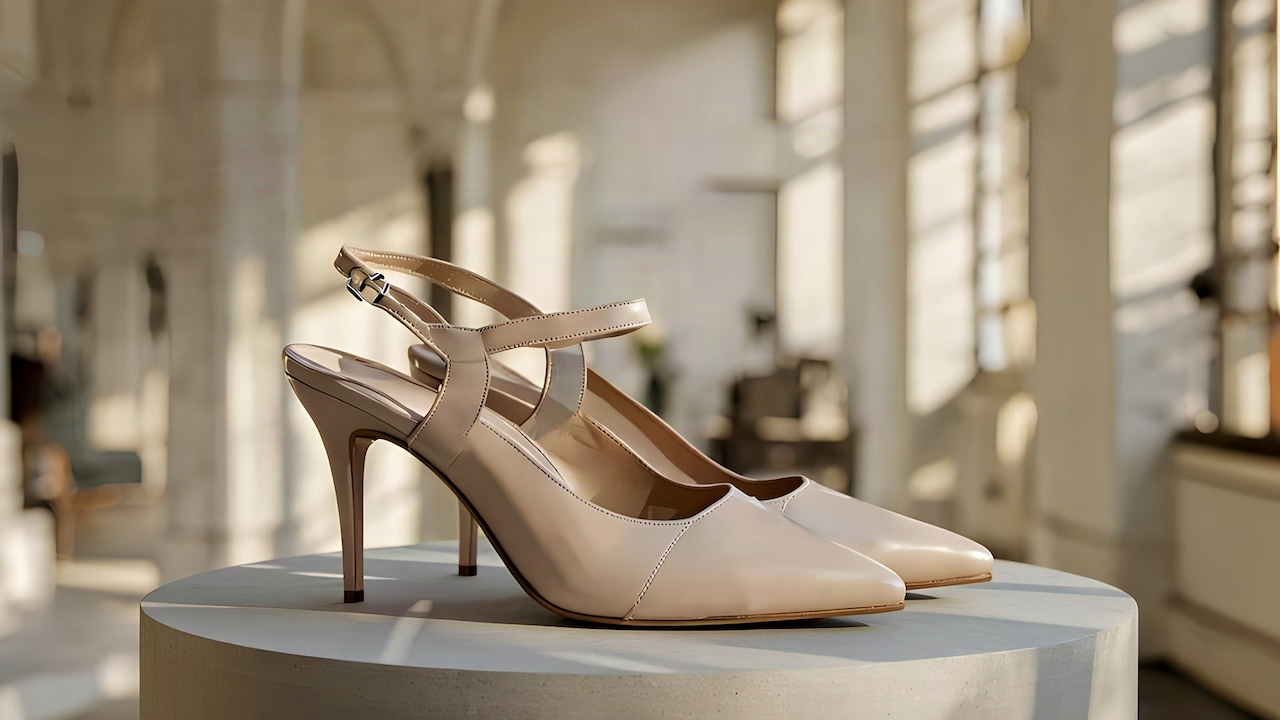
Some Festive Footwear Options You May Like; Photo Credit: Pexels
Comfort And Styling Tips
1. Consider How Long You Will Be Wearing Them
Festive events often mean hours on your feet, whether standing through a ceremony or moving around at a reception, so choose footwear you can actually get through the day in, not just something that photographs well.
2. Break In New Footwear Before The Event
Don't save brand-new juttis or Kolhapuris for the day of the event itself. Wear them around the house beforehand to catch any rubbing or tight spots early, so you aren't surprised when it actually matters.
3. Keep Juttis Coordinated But Not Identical
Your juttis don't need to match your kurta or dupatta exactly. Picking up just one shade or detail from the outfit usually looks more intentional than going for a perfect match, and it lets you reuse the same pair with other outfits later.
4. Let Kolhapuris Add Contrast
A plain brown or tan Kolhapuri really stands out against a colourful kurta, especially if you keep the rest of the outfit fairly simple. That kind of contrast often looks more deliberate than a perfectly colour-matched outfit would.
Common Festive Footwear Mistakes
1. Avoid Overmatching
When your footwear, kurta, dupatta and accessories are all the exact same shade, it can look a little too coordinated. Complementary tones usually feel more natural.
2. Do Not Ignore The Occasion
Ornate juttis can feel out of place with a casual cotton kurta, and basic Kolhapuris can look too plain next to a heavily embellished festive outfit. Always weigh the formality first.
Some Festive Footwear Options You May Like
1. SKOLL Women's Stone Work Embroidery Ethnic Juttis
2. XE Looks Handcrafted Embellished Green Jutti
3. DFR Women Ethnic Cushioned Brown Juttis
4. Shoetopia Women's Kolhapuri Flats
5. Shoestail Women's Ethnic Flats Sandals
6. IndieStride Women's Rajasthani Embroidered Jutti With Payal
7. FOMO Women's Embellished Ethnic Flats
8. Priyansh Enterprises Women's Ethnic Embroidered Flat Footwear
Frequently Asked Questions (FAQs)
1. Are juttis or Kolhapuris better with a festive kurta?
Juttis generally work better with dressier, embroidered festive kurtas. Kolhapuris are the better fit for simpler kurtas and more casual, daytime settings.
2. Can I wear Kolhapuris to a wedding?
Yes, especially for daytime or lower-key wedding events. If it's a more elaborate affair, embellished juttis will probably feel more appropriate.
3. What colour do Kolhapuris go with most kurtas?
Tan and brown. They are the easiest to match across colours, prints and fabrics.
4. Can I wear juttis with a simple cotton kurta?
Absolutely. In fact, a metallic, embroidered or colourful pair can add a festive lift to an otherwise simple cotton kurta.
5. Which is more comfortable, juttis or Kolhapuris?
Honestly, it comes down to the specific pair and the design, material and fit all matter more than the category itself. Either way, it's a sensible idea to break in new footwear before wearing it for hours.
(Disclaimer: This article may include references to or features of products and services made available through affiliate marketing campaigns. NDTV Convergence Limited (“NDTV”) strives to maintain editorial independence while participating in such campaigns. NDTV does not assume responsibility for the performance or claims of any featured products or services.)