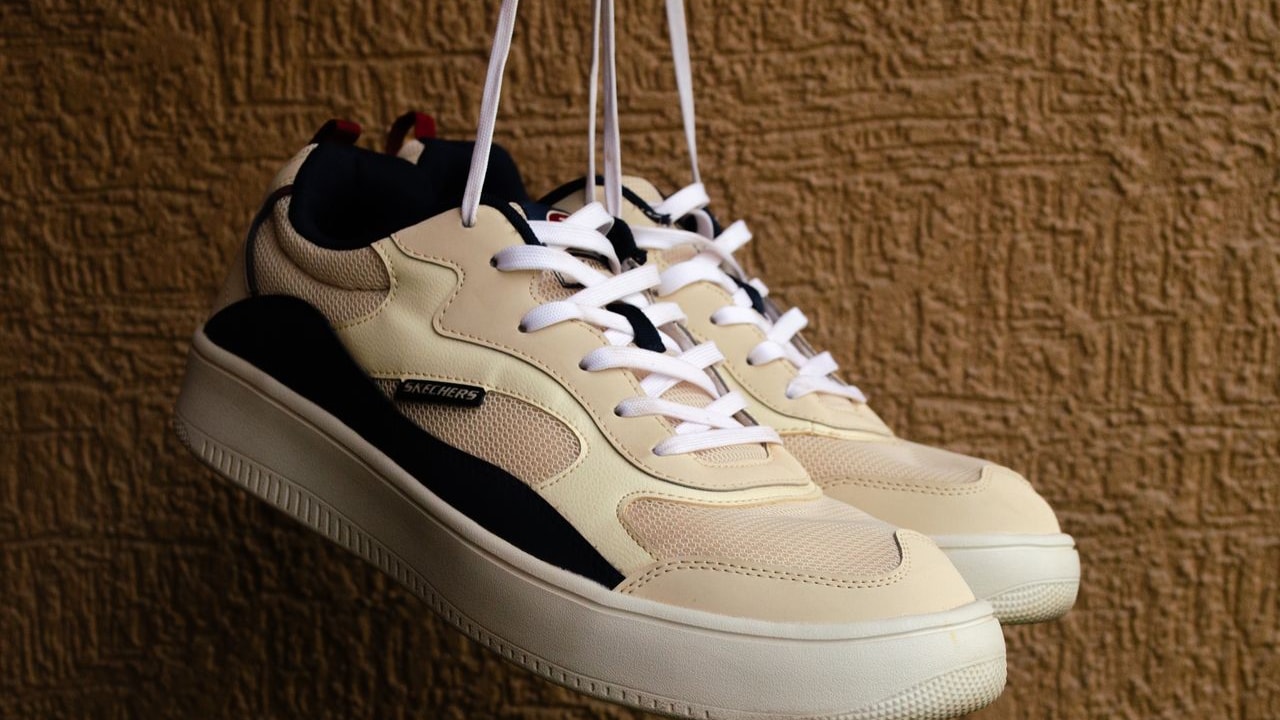
How To Choose Comfortable Shoes For All-Day Wear And Avoid Foot Pain
Learn how to choose comfortable shoes for all-day wear. This guide explains fit, cushioning, materials and support to help prevent foot pain and stay comfortable throughout long days.
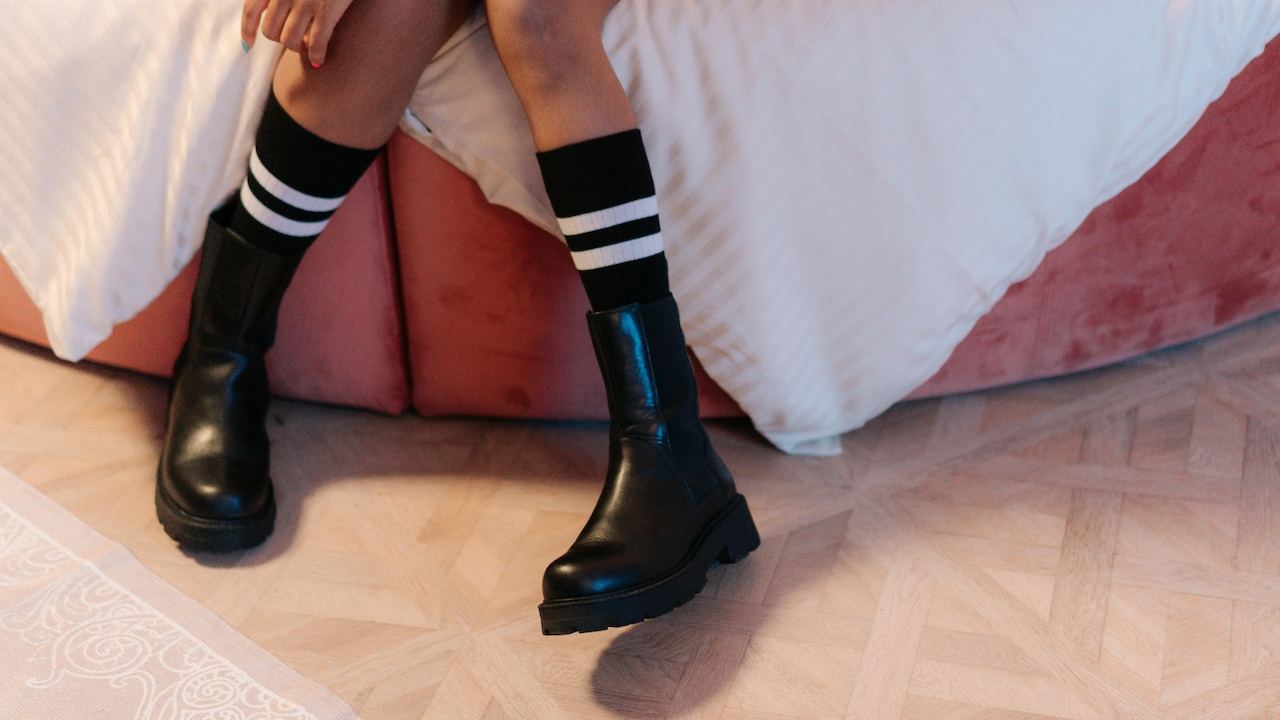
How To Choose Comfortable Shoes For All-Day Wear Without Foot Pain Or Discomfort.
Shoes rarely get the attention they deserve. They slip on in a hurry, carry the body through endless hours, and often get blamed only when something goes wrong. Foot pain creeps in slowly. First, a dull ache near the heel. Then a pinch across the toes. By evening, even a short walk feels like a task. All-day comfort comes from smart choices, not expensive labels. A pair that feels fine in an air-conditioned showroom may struggle through heat, dust, and long walks. With the right knowledge, shoes can support posture, boost energy, and even lift mood. We reveal how to choose comfortable shoes for all-day wear and to avoid foot pain. This article breaks down the essentials, one step at a time.

How To Choose Comfortable Shoes For All-Day Wear And Avoid Foot Pain
Photo Credit: Pexels
Key Factors To Consider When Choosing Shoes For Long Hours
1. Start With the Right Fit, Not the Size Number
Size numbers offer a starting point, not a guarantee. Feet change over time due to age, weight shifts, and daily strain. Many people walk around in shoes that feel “good enough” but never truly fit. That compromise leads to pressure points and soreness by midday.
The best time to try on shoes comes later in the day. Feet swell slightly after hours of movement, giving a more realistic fit. There should be space at the front, about a thumb's width, so toes can move freely. Heels must sit snug without slipping. A quick test helps: stand, walk, and turn. Any rubbing now will worsen later.
Different brands shape shoes differently. Some run narrow, others wide. Comfort depends on matching the foot's natural shape. Ignoring width causes bunions and cramped toes. Choosing fit over fashion saves money in the long run, as fewer replacements become necessary.
2. Understand Foot Type and Arch Support
Every foot tells a story. Some arches rise high, others lie flatter. This structure affects how weight is distributed while walking. Shoes that ignore this detail often cause fatigue in unexpected places, such as knees or the lower back.
Flat feet need firm support to prevent overpronation, where the foot rolls inward too much. High arches need cushioning to absorb shock. A simple wet-foot test on the floor can reveal the arch type. Footwear should then match that profile.
Good arch support feels natural, not intrusive. It should cradle the foot without poking. Removable insoles offer flexibility, especially for those who prefer custom inserts. Paying attention to arches may seem technical, yet it plays a huge role in comfort across long hours of standing or walking.
3. Prioritise Cushioning Without Losing Stability
Soft soles feel wonderful at first touch, but too much softness creates instability. Feet sink, muscles overwork, and fatigue sets in quickly. Balance matters more than bounce.
Look for midsoles that absorb shock yet spring back. Materials like EVA foam often strike that balance. Press the sole gently. It should compress slightly and recover its shape. Stability comes from a firm heel counter that holds the rear foot steady.
Uneven roads demand shoes that handle impact well. Cushioning reduces stress on joints, especially during long commutes. Stability keeps steps confident. Together, they create comfort that lasts from morning rush to evening stroll.
4. Choose Breathable Materials for Long Hours
Heat and moisture cause more discomfort than many realise. Sweaty feet soften skin, invite blisters, and create unpleasant odours. Breathable materials solve this quietly.
Natural fabrics like leather allow air circulation while adapting to foot shape. Mesh panels work well for casual and sports shoes. Avoid thick synthetic linings that trap heat, especially in warm weather.
Breathability also keeps shoes fresher for longer. Less moisture means fewer bacteria. That translates to better hygiene and fewer replacements. Comfortable shoes should feel light and airy, even after hours of wear. Feet deserve space to breathe as much as they deserve support.
Also Read: How To Balance Acid Wash Denim With Tops, Shoes And Colours
5. Pay Attention to the Sole and Grip
The sole does more than separate foot from ground. It determines balance, safety, and ease of movement. Slippery soles turn simple walks into cautious exercises.
Rubber soles offer good traction on wet or dusty surfaces. Patterns on the bottom matter. Deep grooves grip better than flat designs. Flexibility also counts. The sole should bend near the toes, not in the middle.
Hard soles last longer but can feel unforgiving. Softer ones feel pleasant but may wear quickly. The ideal sole blends durability with comfort. It supports natural walking while protecting from rough surfaces encountered daily.
6. Heel Height Matters More Than Style Trends
Heels change posture. Even a slight elevation shifts body weight forward. Over time, this strains the calves and lower back. Completely flat shoes, on the other hand, offer little support.
A small heel, around one to two centimetres, often works best for all-day wear. It supports natural alignment without forcing muscles to compensate. Broad heels provide more stability than narrow ones.
Fashion trends come and go, but comfort stays relevant. Shoes can look elegant without towering heels. Choosing a sensible height keeps feet relaxed and energy levels steady through long days.
7. Break Shoes In Gradually
New shoes need time to adapt. Wearing them for an entire day straight out of the box invites blisters. Start slow. Short walks at home help materials soften and mould to the foot shape.
Thick socks can ease the process for closed shoes. Flexing the sole gently with hands also helps. Patience here prevents pain later.
Breaking shoes in creates familiarity. Once adjusted, they feel like an extension of the foot. This small step ensures long-term comfort and avoids unnecessary discomfort during busy schedules.
8. Match Shoes to Daily Activities
A single pair rarely suits every purpose. Office days, errands, and social events all demand different features. Understanding daily routines guides smarter choices.
Those who stand for hours need extra cushioning and arch support. Frequent walkers benefit from lightweight shoes with good grip. Desk-based roles may allow slightly dressier options, provided comfort remains intact.
Owning two or three well-chosen pairs and rotating them helps feet recover. Shoes last longer, too. Matching footwear to activity reduces strain and keeps steps comfortable throughout varied days.

How To Choose Comfortable Shoes For All-Day Wear And Avoid Foot Pain
Photo Credit: Pexels
9. Do Not Ignore Signs of Discomfort
Feet communicate clearly, yet many ignore the signals. Persistent pain, numbness, or redness indicates problems. Shoes should never need “getting used to” beyond minor stiffness.
Discomfort often starts small. Addressing it early prevents bigger issues like corns or plantar pain. Switching insoles or adjusting laces sometimes solves the issue. Other times, a different pair works better.
Listening to feet shows respect for the body. Comfort should feel consistent, not occasional. When shoes cause pain, replacing them becomes an investment in health, not an indulgence.
10. Balance Budget With Quality
Comfort does not demand luxury pricing. Many affordable brands offer excellent support and materials. The key lies in evaluating construction, not labels.
Check stitching, sole attachment, and material thickness. Poorly made shoes wear out fast and lose shape. Spending ₹2,500 on a durable pair often saves money compared to replacing ₹1,200 shoes twice.
Sales and seasonal offers help find quality within budget. Investing wisely ensures feet stay comfortable without straining finances. Shoes support daily life, so they deserve thoughtful spending.
Products Related To This Article
1. Froh Feet Women Textured Loafers
2. Puma Skyrocket Lite Women Running Shoes
3. Duke Men Clogs Sandals
4. Stylestry Women Perforations Loafers
5. Yoho Men Textile Running Shoes
6. Froh Feet Women Mules with Bows Flats
7. El Paso Men Slip-On Comfort Sandals
8. HRX by Hrithik Roshan Women Colourblocked Sneakers
Comfortable shoes shape daily experiences more than expected. Choosing wisely means understanding fit, support, materials, and lifestyle needs. It also means listening to feet and respecting their limits. A good pair feels almost invisible. With thoughtful choices and a bit of patience, foot pain becomes optional.
(Disclaimer: This article may include references to or features of products and services made available through affiliate marketing campaigns. NDTV Convergence Limited (“NDTV”) strives to maintain editorial independence while participating in such campaigns. NDTV does not assume responsibility for the performance or claims of any featured products or services.)