How To Choose Kids' Dresses That Don't Ride Up While Running
Stop the tugging and fidgeting. Learn how to choose kids’ dresses that stay in place while running, jumping and playing, using the right fit, fabric, length and smart design details.
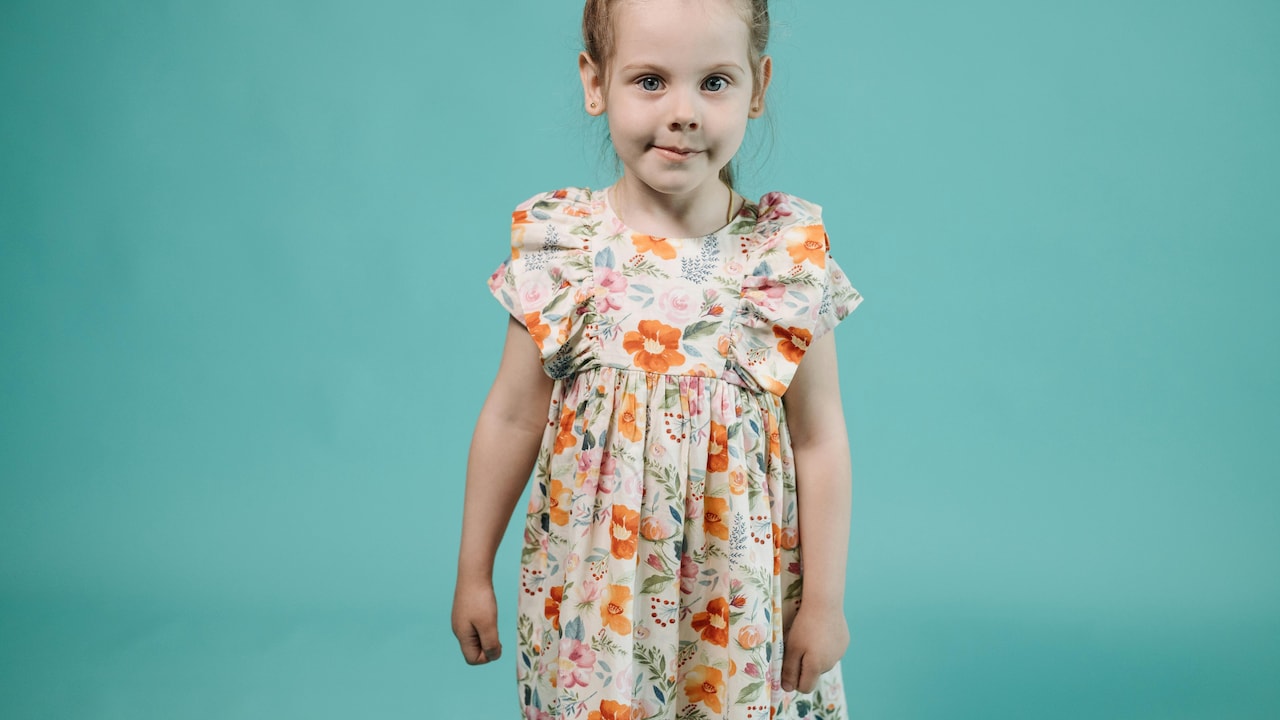
Some of the top things to look for in kids' dresses that prevent them from riding up.
There's a particular kind of chaos that only happens when a child wears a dress outdoors. One moment, they're standing sweetly, looking like a catalogue photo. The next moment, they're chasing a balloon, racing cousins, climbing a bench, and somehow turning into a blur of elbows and giggles. And that's when the dress starts misbehaving.
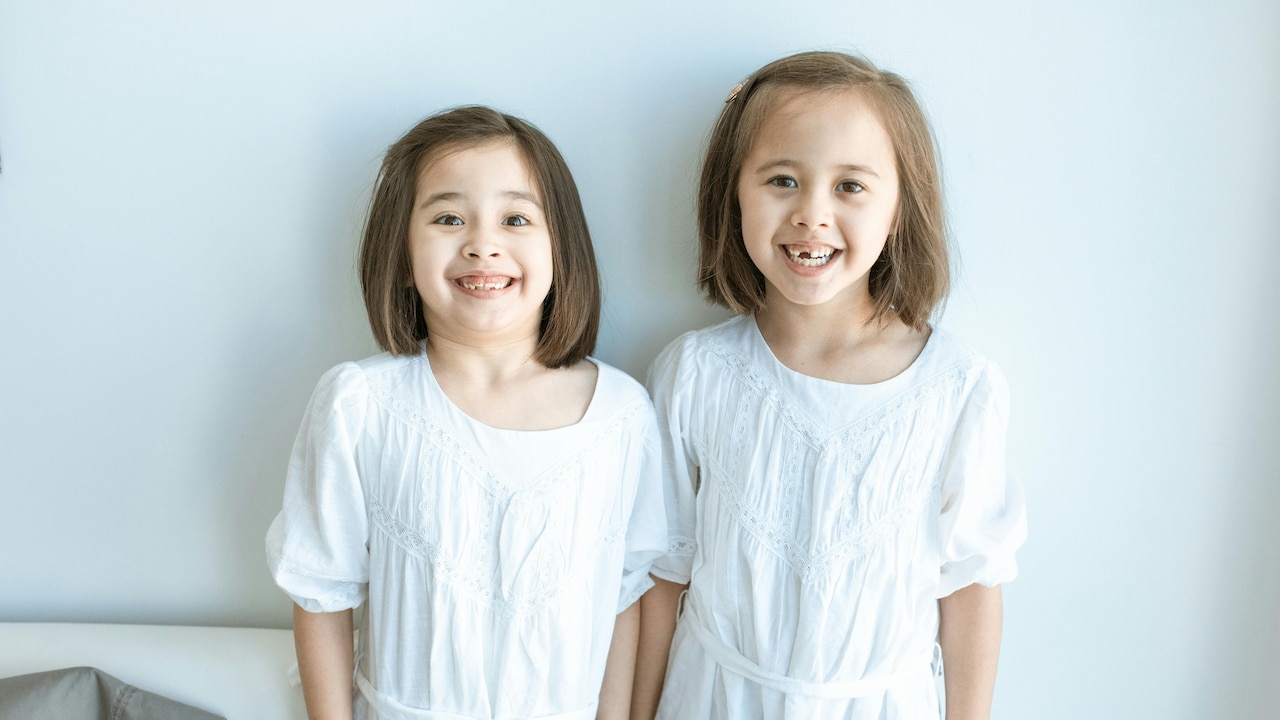
Try these tips to find the right dress length, fabric, and fit for your little ones; Photo Credit: Pexels
A dress that rides up while running is more than just a “small annoyance”. It distracts the child, makes them tug at the hem constantly, and can lead to awkwardness during play. Some kids even stop running altogether, not because they're tired, but because the outfit is. That's heartbreaking in the quietest way.
The good news? This is not a mystery problem. It comes down to fit, fabric, and construction. Choose wisely, and the dress will stay where it belongs, no tugging, no fidgeting, no “cover your legs” panic. Just freedom, comfort, and a child who can run like the wind.
Also Read: Cute And Affordable: Top 5 Gowns For Kids Under ₹1,000 You Must Check Out
What Actually Causes Kids' Dresses To Ride Up?
Choose A Fit That Allows Real Movement
The first thing to understand is that “cute fit” and “play-friendly fit” are not always the same. Many dresses are designed to look neat when the child is standing still. But kids don't live life standing still. They bend, squat, leap, sprint, and sit on the floor like it's a throne.
A dress rides up most often when the hip and thigh area doesn't have enough ease. When a child lifts a leg to run, the fabric pulls upward because it has nowhere else to go. This is especially common in fitted frocks, pencil-style cuts, and dresses that taper at the bottom.
Look for shapes that naturally give space: A-line, fit-and-flare, or gently gathered skirts. These cuts let the fabric swing instead of climbing. Also, check the armholes and chest. If the top is too tight, the whole dress gets dragged upward during movement.
A quick trick that saves heartbreak: ask the child to do a squat and a small run indoors while trying it on. If the hem jumps up like it's excited, that dress will cause trouble outside.
Pick The Right Dress Length For Running
Length sounds simple, but it's where many parents get tricked. Knee-length dresses look perfect in photos, but some of them behave like mini dresses the moment running begins. A child's stride lifts the fabric, and suddenly the hem is far higher than expected.
A good running-friendly dress usually hits slightly below the knee when standing. That extra length gives a cushion for movement. It also reduces the chances of the child feeling exposed during play, which is a real issue once kids become more aware of how they look.
On the other hand, very long dresses can create a different problem: they tangle around legs or get stepped on. That's when the child trips, or the dress tears, or both. So the sweet spot is a length that covers enough but stays clear of the ankles.
For everyday use, especially for school events, park visits, or family gatherings where kids will definitely run, the most practical length is mid-knee to just-below-knee. It's the Goldilocks zone, neither too short nor too dramatic.
Choose Fabrics That Glide Instead Of Cling
Fabric is where the real magic happens. Some materials are naturally cooperative. Others behave like they're in a personal feud with movement. When a dress rides up, it's often because the fabric clings to the skin or sticks to itself.
Cotton, cotton blends, soft rayon, and lightweight jersey tend to move well. They let air pass, they don't trap heat, and they don't cling as much. On the other hand, stiff polyester, thick satin-like fabrics, and anything with a plasticky finish often ride up because it grips the skin when the child sweats even a little.
There's also the issue of static. Some fabrics create that annoying cling that makes the skirt stick to the legs. It looks uncomfortable because it is uncomfortable.
The best test is a simple pinch-and-release. If the fabric springs back softly and drapes naturally, it's likely to behave well. If it stays stiff, holds creases, or feels slippery in a way that clings, it may not be ideal for running.
A dress should flow like a happy song, not behave like a stubborn curtain.
Look For A Skirt Shape That Doesn't Pull Up
Skirt construction matters more than most people realise. Two dresses can be the same length and fabric, yet one stays put while the other climbs up. The difference often lies in how the skirt is shaped and attached.
A skirt that is too narrow at the hem restricts stride. When a child runs, their legs need room. If the skirt doesn't allow that, the fabric pulls upward as the easiest escape route. That's why bodycon styles and straight-cut skirts are risky for active kids.
Instead, look for skirts with flare, pleats, or gathers. These add width without making the dress bulky. Circular skirts are especially good because they move with the body rather than against it.
Another detail: the waist seam. If the skirt is attached in a way that creates tension, it will shift upward with motion. Dresses with a slightly raised waist or gentle elastic at the waist often sit better during running because they anchor without squeezing.
The goal is simple: the skirt should swing, not fight. When a child runs, the dress should look like it's joining the fun.
Check Waist Design And Elastic Placement
Waists can be the silent villains. A poorly designed waistline can make even a good dress ride up. If the waist is too tight, the child's movement causes the dress to shift upwards. If it's too loose, the dress can twist and slide, again causing the hem to creep up in weird ways.
Elastic waists are popular, but not all elastic is equal. Hard elastic can dig into the skin and make kids constantly adjust their outfits. Soft elastic with a wide band tends to stay in place and feels gentler.
Another thing to watch is where the waist sits. A waistline that sits too high can make the skirt start too early, leaving less length for the lower half. A waistline that sits too low can make the dress feel heavy and pull oddly.
The best waist for active wear is one that sits naturally at the child's waist and stays stable without pinching. It should feel secure but not restrictive, like a good hug rather than a tight belt.
If the waist keeps shifting when the child raises their arms or bends down, the hem will follow. Stability is everything.
Look for dresses consisting of soft elastic that don't tug into their skin and feels comfortable; Photo Credit: Pexels
Prioritise Comfortable Linings And Slips
Lining can be a blessing or a curse. A well-made lining helps the dress sit smoothly and reduces friction. A poorly made lining, however, can bunch up, stick to the skin, and drag the outer layer along with it. That's a direct recipe for ride-up.
Some dresses have partial linings that end mid-thigh. These can roll up when a child runs, especially if the lining fabric is synthetic. Once the lining rolls, the outer skirt often follows, and suddenly the child is doing the “hem rescue” dance every few minutes.
Look for linings made from soft cotton or breathable blends. Avoid stiff netting or scratchy layers unless it's a special occasion dress meant for limited wear.
If the dress has no lining, pairing it with soft cotton shorts can help a lot. It reduces skin-to-fabric friction and makes movement feel smoother. It also gives kids that extra confidence while running and climbing.
A good dress should not feel like it has hidden traps inside. Linings should support comfort, not sabotage it.
Avoid Heavy Embellishments That Pull The Dress Up
Decorations are lovely, but they can turn into a physics problem. When a dress has heavy embellishments, big bows, thick embroidery panels, sequins, chunky lace, or beadwork, it changes how the fabric hangs. Weight can cause the dress to shift and pull in strange directions, especially during running.
Sometimes the weight is uneven. For example, a dress with a heavy front panel can pull forward. A dress with a large back bow can tug backwards. The child runs, the dress shifts, and the hem rides up because the garment is no longer balanced.
There's also the comfort issue. Heavy embellishments often come with stiff backing, which makes the dress less flexible. When a child moves, the stiff section resists and forces the rest of the dress to adjust, usually upward.
For everyday wear, simple is smarter. Small embroidery, light prints, and soft trims are safer than dramatic decorations. If the dress is for a party, it can still look festive without feeling like a costume.
Kids should sparkle because they're happy, not because the dress is covered in sequins.
Pay Attention To Seams, Stitching, And Side Slits
Seams are not glamorous, but they decide whether a dress feels good or feels like a battle. When a dress rides up, sometimes the issue is hidden in the stitching. Tight seams restrict movement, and when the child moves, the fabric gets pulled upward.
Side seams that are too straight can limit stride. Dresses with tiny side slits may look stylish, but if the slit is too short, it can actually make the skirt tighter and more likely to ride up.
Also, check the inside of the dress. Rough seams, thick overlocking, or scratchy tags can cause irritation. When kids feel discomfort, they start tugging at the dress. And once the tugging begins, the dress shifts more and more.
Look for flat seams, soft finishing, and minimal scratchy elements. Many better kidswear brands now use tagless prints or soft labels, which makes a surprising difference.
A good dress should feel smooth inside, like it was designed by someone who has actually met a child. If the inside feels harsh, the outside will not behave either.
Choose Stretch Where It Helps, Not Where It Clings
Stretch can be fantastic, but only when it's used in the right places. A bit of stretch in the bodice allows breathing room and movement. Stretching the waist can help the dress stay anchored. But too much stretch in the skirt can cause it to cling to the legs and ride up.
Some stretchy fabrics also have a “snap-back” quality. When the child runs, the fabric clings and rebounds, and the hem ends up creeping upward. It's especially common in thin knit fabrics that are not designed for active play.
The best approach is balanced construction: a slightly stretchy top with a woven or flowy skirt. That combination gives flexibility where it's needed and drape where it matters.
Also consider the child's sensitivity. Some kids dislike clingy fabric because it feels warm and sticky. In humid weather, cling is worse, and ride-up becomes more frequent.
Stretch should support play, not turn the dress into a rubber band. The goal is ease, not tightness.
Test The Dress Like A Child Would
This might be the most important point, and it's also the one people skip. A dress can look perfect under showroom lights and still fail in the real world. The best way to prevent ride-up is to test it properly before committing.
Ask the child to do three things: run a few steps, sit cross-legged, and climb onto a chair. These are normal kid movements. If the hem rides up dramatically, twists, or feels restrictive, it will only get worse outdoors.
Also, watch how the child reacts. Kids often communicate discomfort without words. They might pull the skirt down repeatedly, fidget at the waist, or look annoyed in a quiet way. That's valuable feedback.
A good dress should disappear from their mind. When a child forgets what they're wearing, it means the outfit is working. When they keep adjusting it, the outfit is stealing their fun.
If the dress passes the “mini obstacle course” at home, it has a much better chance of surviving the park, a birthday party, or a family function where cousins treat the lawn like a cricket pitch.
Products Related To This Article
1. BAESD Polka Dot Printed Fit & Flare Dress
2. Marks & Spencer Girls Striped Fit and Flare Dress
3. BABY GO Infant Girls Pack Of 2 Pink Solid Fit and Flare Dress
4. Vero Moda Girls Self Design Fit & Flare Mini Dress
5. Nauti Nati Checked Peter Pan Collar Fit & Flare Dress
6. YK Girls Girls Self Design Printed Pinafore Dress
7. U.S. Polo Assn. Kids Graphic Printed Shoulder Straps Cotton Pinafore Dress
A dress that doesn't ride up while running is not a luxury. It's basic comfort. It lets kids play without distraction, and it saves parents from constant outfit adjustments that somehow feel like a full-time job.
The secret is not one single trick. It's a combination of smart fit, the right length, breathable fabrics, friendly linings, and construction that respects movement. Dresses made for real life will always win over dresses made only for photos.
When choosing kidswear, the best question is not “Does it look cute?” but “Can a child run in it like they're chasing pure joy?” If the answer is yes, that dress deserves a place in the wardrobe. If not, it can stay on the hanger and live out its runway dreams elsewhere.
(Disclaimer: This article may include references to or features of products and services made available through affiliate marketing campaigns. NDTV Convergence Limited (“NDTV”) strives to maintain editorial independence while participating in such campaigns. NDTV does not assume responsibility for the performance or claims of any featured products or services.)