How To Choose Leggings That Do Not Lose Shape After Washing
Choose leggings that stay firm after every wash. Learn how fabric, stretch, stitching, waistband and fit affect shape retention, so you can avoid sagging knees, loose waists and frequent replacements.
How To Choose Leggings That Do Not Lose Shape After Washing
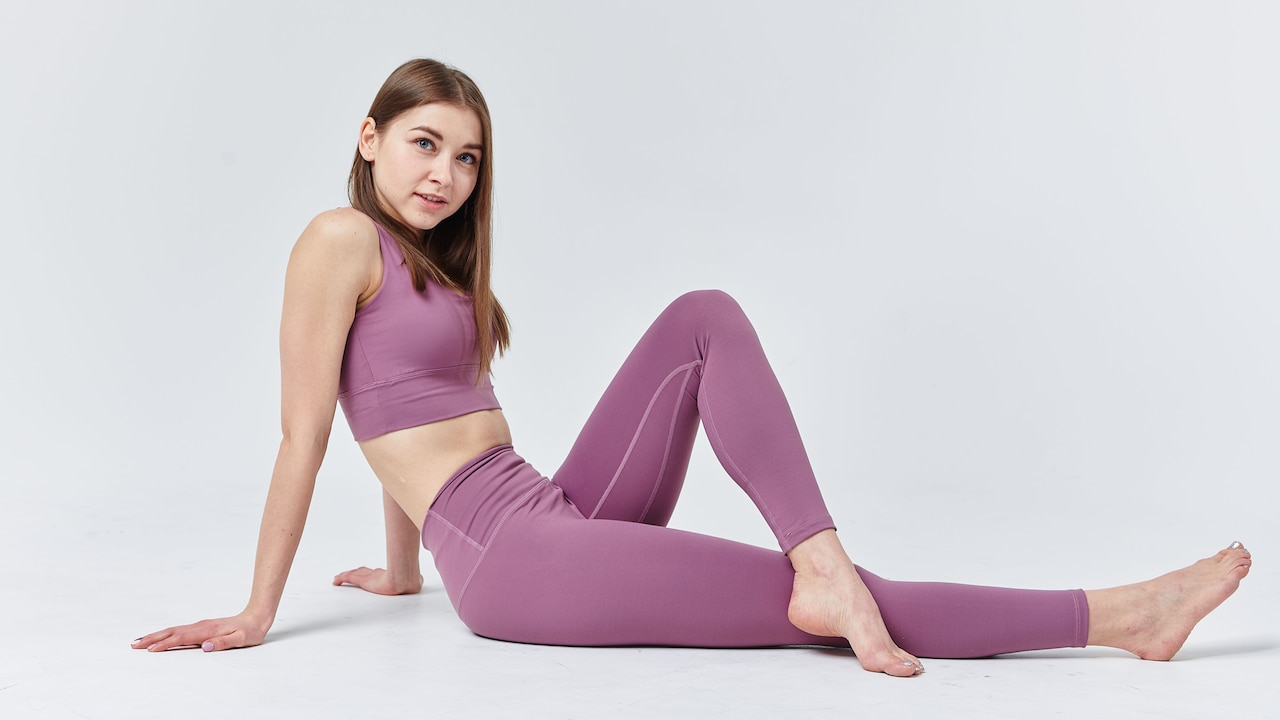
Leggings often begin life with great promise. They fit neatly, stretch comfortably and make almost every kurta, tunic or oversized shirt look effortlessly put together. Then laundry day arrives. After a few washes, the waistband starts rolling, the knees develop little fabric bubbles, and the once-sleek pair begins to resemble tired pyjamas. This problem rarely comes down to washing alone. The real story starts at the shop, where fabric blends, stitching quality and fit determine how well leggings will recover after repeated wear. A bargain pair priced at ₹299 may seem irresistible, but it can become expensive when it needs replacing every few months. Meanwhile, a thoughtfully chosen pair may cost more at first yet stay dependable for years.
How To Choose Leggings That Do Not Lose Shape After Washing; Photo Credit: Pexels
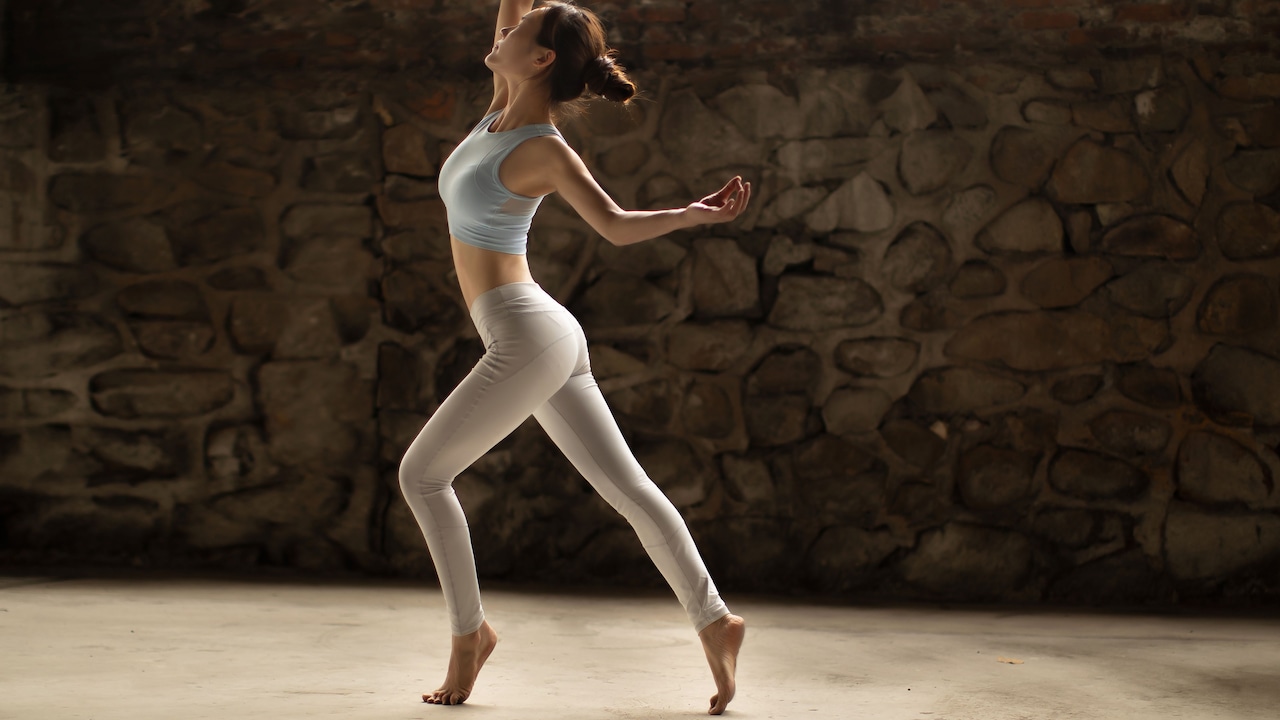
Shape retention means that the fabric stretches while worn and returns to its original form afterwards. High-quality leggings should hug the body without becoming permanently loose. They should also handle regular washing without shrinking, twisting or losing support.
Finding such a pair does not require a degree in textile science. A few simple checks can reveal a great deal. From reading the fabric label to testing the waistband, these ten tips will help separate long-lasting leggings from those destined for the back of the cupboard.
What To Look For Before Buying Shape-Retaining Leggings
Check The Fabric Composition Carefully
The fabric label may look less exciting than the colour or price tag, but it tells the most important story. Leggings made entirely from cotton often feel soft and breathable, yet pure cotton tends to stretch during wear and recover slowly. That familiar bagginess around the knees usually begins here.
Look for a blend that combines cotton with elastane, spandex or Lycra. Around 5 to 10 per cent stretch fibre often gives everyday leggings enough flexibility and recovery. Polyester or nylon blends can also hold their shape well, particularly in activewear. These synthetic fibres add strength and help the garment dry quickly.
The right blend depends on how the leggings will be used. Cotton-rich styles work well under kurtas during warm weather, while nylon or polyester blends suit workouts and travel. The goal is balance. Too little elastane may lead to sagging, while an extremely stretchy pair can feel slippery or overly tight.
Avoid labels that provide vague descriptions such as “stretch fabric” without percentages. Clear fibre information usually suggests better manufacturing standards. A reliable pair should feel soft, supportive and springy rather than thin, limp or rubbery.
Also Read: Best Seamless Leggings For Workouts Under ₹1500
Choose Four-Way Stretch Over Basic Stretch
Not all stretches behave in the same way. Some leggings stretch only from side to side, while better ones stretch both horizontally and vertically. This is known as four-way stretch, and it makes a noticeable difference to comfort and shape retention.
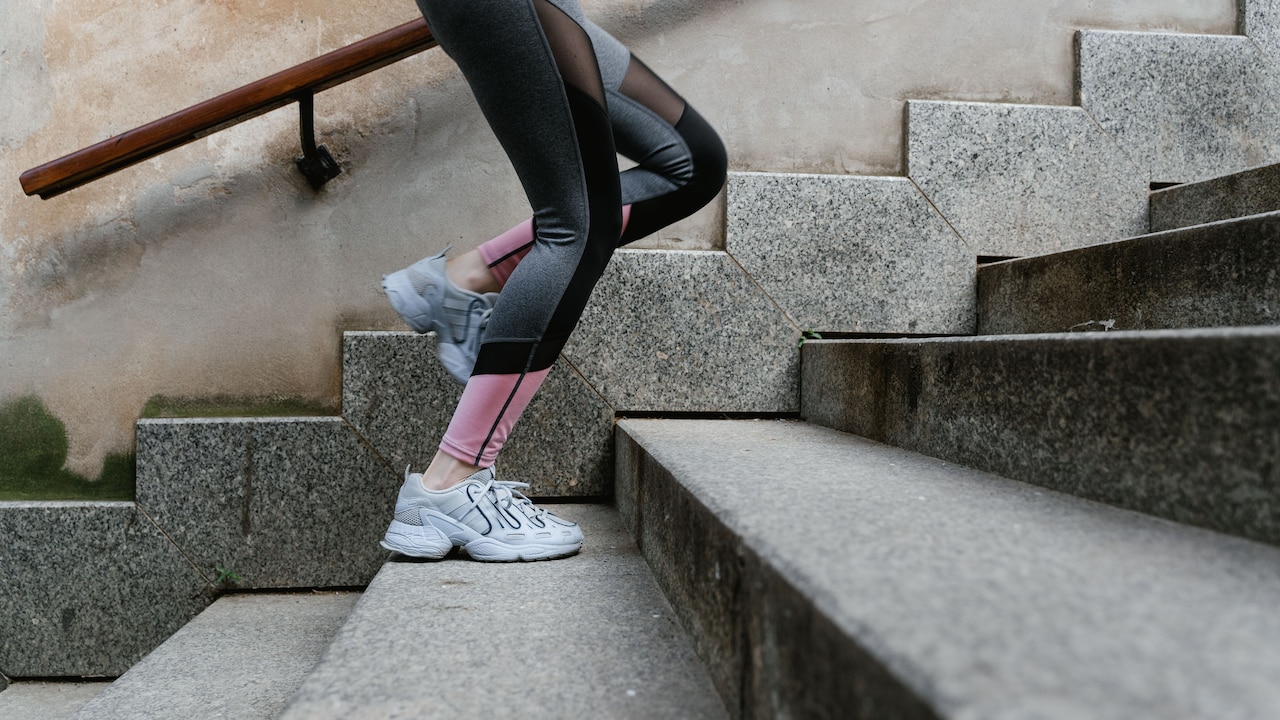
Four-way stretch allows the fabric to move naturally when walking, sitting, climbing stairs or folding into a cross-legged position during a long train journey. It also distributes pressure more evenly. Instead of one area taking all the strain, the fabric moves with the whole body and then returns to shape.
A quick shop-floor test can reveal the difference. Hold a small section of fabric and gently stretch it across its width. Then stretch it lengthways. The material should move smoothly in both directions and spring back without rippling. Do not tug aggressively; the aim is to test recovery, not begin a wrestling match with the garment.
Two-way stretch leggings may work for occasional use, but they often become loose around high-movement areas. Four-way stretch usually costs slightly more, yet it provides better freedom, fewer fabric bulges and a longer polished appearance after repeated washing.
Test The Fabric Recovery Before Buying
Stretch alone does not guarantee durability. The fabric must also recover quickly. Recovery refers to how well the material returns to its original size after being pulled. Poor recovery creates saggy knees, a loose seat and ankle openings that gradually widen.
To test recovery, gently stretch the fabric for a few seconds and release it. Good-quality material should snap back smoothly. If it remains wavy, looks slightly larger or takes time to settle, repeated washing may make the problem worse.
Pay attention to how the leggings feel on the hanger as well. A dense, resilient fabric usually hangs neatly, while weaker material may droop or curl at the edges. Thinness does not always mean poor quality, but extremely flimsy fabric often lacks the structure needed for long-term shape retention.
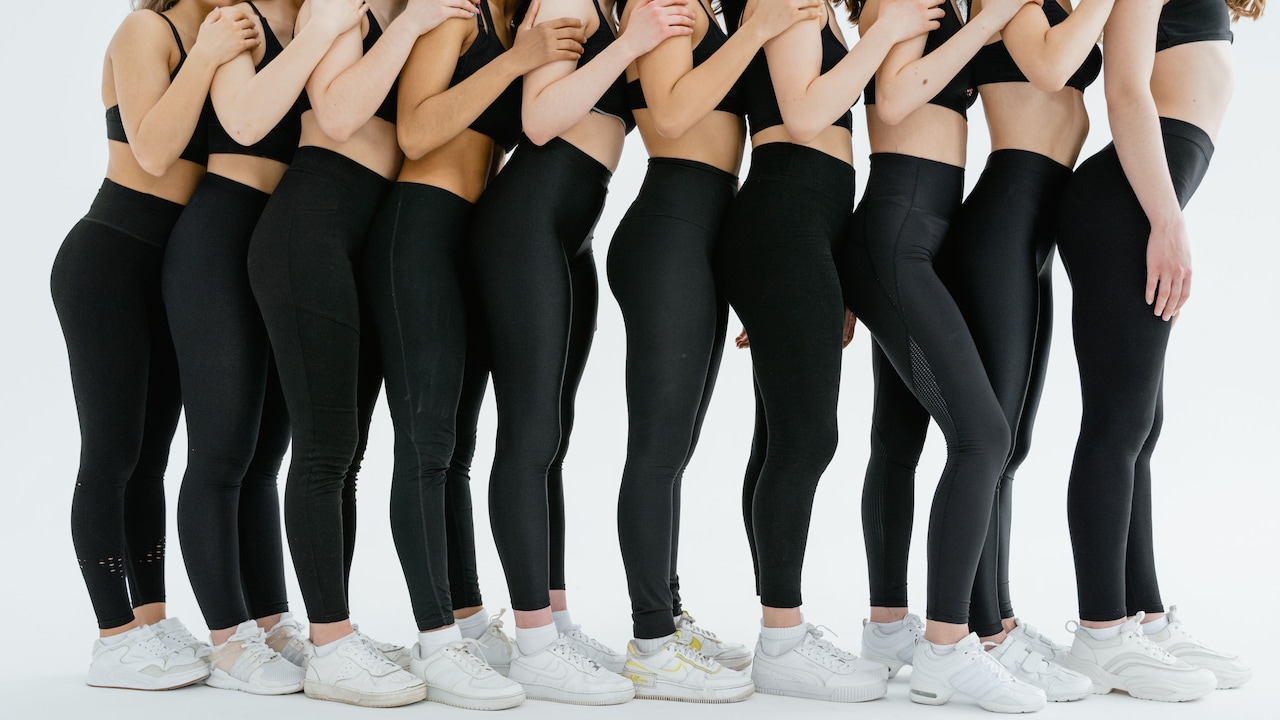
Trying the leggings on offers an even clearer answer. Sit down, bend the knees and stand again. The fabric should return to the body without gathering behind the knees. Check the mirror after moving around for a minute. A pair that already looks tired inside the trial room will not become more disciplined after ten washes.
How To Choose Leggings That Do Not Lose Shape After Washing; Photo Credit: Pexels
Look For A Dense And Even Knit
The way fabric gets knitted affects how well leggings survive stretching and washing. A dense, even knit gives the garment structure, reduces transparency and helps prevent permanent distortion. Loosely knitted material may feel wonderfully soft at first, but it often loses firmness faster.
Hold the fabric up towards a light source. A well-made pair should show a consistent texture without random thin patches. Then stretch it gently. If large gaps appear between the threads, the knit may not provide enough support. This test also helps identify leggings that could become unexpectedly transparent in bright sunlight.
Check both legs carefully. The colour and thickness should look even from waist to ankle. Uneven knitting can cause one section to stretch more than another, leading to twisted seams or oddly shaped knees after washing.
Dense fabric does not have to feel heavy or suffocating. Modern blends can feel light while maintaining a close, stable knit. For hot weather, choose a breathable cotton blend with a smooth finish rather than an extremely thin fabric. A pair that costs ₹799 and keeps its shape often offers better value than three flimsy pairs bought during a sale.
Examine The Waistband Construction
A waistband often reveals the overall quality of leggings. When it loses elasticity, the entire garment starts slipping, folding or gathering in awkward places. No amount of stylish layering can rescue leggings that need constant pulling up.
Choose a waistband that feels broad, firm and evenly stitched. Wide waistbands distribute pressure better and tend to keep their shape longer than narrow elastic strips. They also sit more comfortably during long office hours, festive meals or extended journeys.
Stretch the waistband gently and release it. It should return immediately without making crackling sounds or developing folds. Run a finger along the inside to check whether the elastic sits flat. Twisted or loosely attached elastic may shift during washing and create an uneven fit.
Some leggings use a double-layer fabric waistband instead of exposed elastic. This design can offer a smoother look and better comfort, provided the fabric contains enough elastane. Avoid waistbands that already curl at the top edge.
A dependable waistband should hold the leggings in place without digging into the skin. Firm support feels secure; excessive tightness feels like punishment for enjoying an extra plate of biryani.
Inspect The Seams And Stitching
Strong fabric cannot perform well when weak seams pull it out of shape. Since leggings stretch frequently, their stitching must move without snapping, puckering or twisting. Neat construction also helps both legs maintain an even shape after washing.
Turn the garment inside out and inspect the seams. Look for small, even stitches with no loose threads. Flatlock or reinforced seams usually provide better durability because they spread tension across a wider area. They also reduce rubbing during workouts or long walks.
Gently stretch the fabric near a seam. The stitches should move with the material and return smoothly. If the thread looks strained or tiny gaps appear, the seam may weaken quickly. Check the crotch area with extra care, as it experiences the greatest pressure during movement.
Also compare the side seams. They should run straight from hip to ankle. Curved or twisting seams may indicate poor cutting, and washing can make the distortion more obvious.
Loose threads may appear harmless, but pulling them can unravel an entire section. Quality stitching rarely attracts attention, which is exactly the point. It quietly keeps the garment looking neat while everything else gets on with the day.
Select The Right Size Rather Than Sizing Down
Some shoppers choose a smaller size because tighter leggings seem more likely to hold their shape. In reality, excessive stretching places constant strain on the fibres. The leggings may look sleek for the first few wears, then lose elasticity far sooner than expected.
The right size should sit close to the body without creating shiny, overstretched patches. The waistband should stay secure without rolling, and the seams should lie flat. When bending or sitting, the fabric should move comfortably rather than pulling sharply across the thighs or knees.
Check the brand's size chart instead of relying only on familiar labels such as medium or large. Sizing varies widely between manufacturers. Measurements offer a more reliable guide, particularly when shopping online.
Avoid choosing a larger size for extra comfort unless the fit genuinely requires it. Excess fabric can gather at the knees and ankles, which may worsen after washing. Leggings should feel supportive, not restrictive or loose.
A useful trial-room test involves taking a few steps, sitting briefly and lifting one knee. If the waistband slips or the fabric feels stretched to its limit, try another size. Comfort and durability usually live in the same fitting room.
Avoid Excessively Thin Or Brushed Fabrics
Ultra-soft leggings can feel luxurious on first touch, especially when the surface has a brushed, peachy finish. However, softness alone does not indicate strength. Some heavily brushed fabrics lose fibres, develop pills and relax after repeated washing.
Thin leggings may also stretch unevenly because they contain less material to support the garment's structure. They can become transparent, cling awkwardly or form loose areas around the knees. This does not mean every lightweight pair will fail. The fabric simply needs enough density and elastane to recover properly.
Rub two sections of the material together for a few seconds. If the surface becomes fuzzy immediately, pilling may become a problem. Examine the fabric under bright light for uneven patches, tiny fibres or rough areas.
For daily wear, choose a smooth or lightly brushed finish with a substantial feel. Activewear should feel sleek and resilient, while cotton-rich leggings should feel soft but not fragile.
Seasonal comfort also matters. Thick fleece-lined leggings may work during cold hill-station trips, but they can feel impractical in warmer cities. Choose fabric weight according to climate, then judge whether the material still feels structured enough to retain its form.
How To Choose Leggings That Do Not Lose Shape After Washing; Photo Credit: Pexels
Read The Care Label Before Paying
A pair of leggings may look perfect, yet complicated care instructions can turn it into a wardrobe headache. The care label explains how much heat, agitation and chemical treatment the fabric can tolerate. Ignoring it may damage even well-made leggings.
Look for garments that allow regular machine washing at a cool or moderate temperature. “Hand wash only” does not always mean poor quality, but it may prove inconvenient for everyday clothing. If the label requires dry cleaning, the leggings probably do not belong in a practical daily-wear collection.
Heat poses one of the biggest threats to elastane. Hot water and high-temperature tumble drying can weaken stretch fibres, causing them to lose recovery. Bleach and strong fabric softeners may also damage elasticity. A care label that recommends cool washing and line drying usually signals a stretch-sensitive blend.
Consider whether the instructions match the household laundry routine. Nobody wants to conduct a special washing ceremony for one pair of black leggings every Tuesday.
After purchase, wash leggings inside out with similar colours and avoid overcrowding the machine. Good washing habits support durability, but choosing a garment with realistic care requirements makes those habits much easier to maintain.
Consider Brand Consistency And Customer Reviews
A recognised label does not automatically guarantee lasting quality, and an unfamiliar one does not always mean disappointment. However, consistent sizing, clear fabric details and genuine customer reviews can reduce the risk of buying leggings that lose shape quickly.
When shopping online, search reviews for specific words such as “sagging”, “waistband”, “knees”, “stretch” and “after washing”. Comments written after several months of use often provide more value than first-day praise. A review that says “looks amazing” may describe the colour, while “still fits well after fifteen washes” speaks directly about durability.
Photographs from customers can reveal fabric thickness, seam quality and fit across different body shapes. Look for repeated patterns in the feedback. One complaint may reflect personal preference, but dozens of similar comments deserve attention.
Price can offer clues, though it should never act as the only guide. A ₹1,499 pair with strong stitching and reliable recovery may outperform a premium-looking pair priced at ₹2,999. Equally, a well-reviewed ₹599 option could become a wardrobe favourite.
Once a brand, fabric blend and size work well, note the details. Repeating a successful purchase saves time and prevents another round of laundry-related heartbreak.
Products Related To This Article
1. LYRA Women Maroon Solid Churidar-Length Leggings
2. Trend Level Women Cotton Leggings
3. Go Colors Women Black Solid Ankle Length Leggings
4. TWIN BIRDS Women White Solid Ankle-Length Leggings
5. De Moza Ankle Length Leggings
6. Max Women Off-White Solid Leggings
7. Biba Black Ankle Length Leggings
Leggings that hold their shape do not rely on luck. Their durability begins with a balanced fabric blend, strong recovery, dense knitting and thoughtful construction. A secure waistband, reinforced seams and the correct size also protect the garment from unnecessary strain.
The best choice should feel comfortable from the first wear yet structured enough to spring back after movement. It should also suit everyday washing habits without demanding delicate treatment worthy of an heirloom silk saree.
Before buying, take a moment to stretch the fabric, inspect the seams and read the label. These small checks can prevent saggy knees, rolling waistbands and frequent replacements. They can also save money over time, even when the initial price looks slightly higher.
A dependable pair of leggings earns its place in the wardrobe. It handles rushed mornings, packed metros, long meetings, market trips and quiet evenings without losing its composure. Choose carefully, wash gently and the right pair will keep returning to shape, ready for yet another busy day.
(Disclaimer: This article may include references to or features of products and services made available through affiliate marketing campaigns. NDTV Convergence Limited (“NDTV”) strives to maintain editorial independence while participating in such campaigns. NDTV does not assume responsibility for the performance or claims of any featured products or services.)