How To Choose Polo T-Shirts That Do Not Lose Collar Structure
Choose polo T-shirts with strong collars by focusing on fabric quality, stitching, fit, and construction. Smart buying decisions help maintain shape, style and durability wash after wash.

Best Tips To Buy Polo T-Shirts That Do Not Lose Collar Structure
A polo T-shirt sits in that sweet spot between casual comfort and polished style. It works beautifully for office-casual dressing, family outings, dinner plans, and even those endless summer getaways. Yet many wardrobes share the same frustrating story. A brand-new polo starts strong, with a neat collar that frames the neckline perfectly. Then, after a few washes, the collar begins to sag, curl, or fold like yesterday's newspaper. That droopy collar can make even an expensive T-shirt look tired. The good news is that choosing a polo with a lasting collar structure does not require fashion expertise. It simply demands attention to the right details before purchase. Fabric composition, collar construction, stitching, and fit all play a role.

Best Tips To Buy Polo T-Shirts That Do Not Lose Collar Structure
Photo Credit: Pexels
With countless options available in shopping malls, online stores, and local markets, selecting wisely can save both money and wardrobe disappointment. Spending ₹800 on a durable polo often proves smarter than replacing ₹400 options every few months. A little knowledge goes a long way.
Here is how to choose polo T-shirts that keep their collar shape and continue looking fresh, refined, and reliable.
Also Read: Shopsy Sale Alert!: Top 10 Men T-Shirts You Can Grab Under ₹1000
Key Factors To Consider Before Buying A Polo T-Shirt
Fabric Quality Makes All The Difference
Fabric forms the backbone of any polo T-shirt. When collar structure matters, material choice becomes crucial. Premium cotton piqué remains one of the strongest options because of its textured weave, which offers both breathability and firmness. Unlike thin jersey fabrics, piqué naturally supports the collar better and resists early sagging.
Blended fabrics can also work well, especially when cotton includes a small percentage of polyester or elastane. These blends often improve shape retention without sacrificing comfort. However, overly synthetic materials may feel stiff or uncomfortable in warm weather.
When shopping, touch the fabric carefully. A substantial yet breathable texture usually signals better quality. If the shirt feels too flimsy, chances are the collar may weaken quickly. A good polo should feel sturdy without becoming heavy.
Think of fabric like the foundation of a house. No matter how attractive the exterior appears, poor construction underneath leads to trouble. Investing in quality fabric ensures the collar remains structured while the entire garment enjoys a longer lifespan.
Examine The Collar Material Closely
Not all collars are created equally. Some brands cut corners by using soft, single-layer collars that quickly curl after washing. Strong polo collars often feature ribbed construction, thicker interlining, or reinforced stitching.
A rib-knit collar generally performs better because it maintains elasticity while preserving shape. Collars with fused or double-layered fabric often stand up better over time. Checking the collar's thickness can reveal a lot. If it feels overly floppy on the rack, it may not improve later.
Gently fold the collar and observe how it bounces back. A resilient collar should recover its shape instead of collapsing. Small details matter here.
A well-built collar should frame the neck neatly, much like a good blazer lapel. That polished edge separates a refined polo from one that looks careless. Choosing collars designed with structural integrity can prevent the all-too-common “bacon collar” effect that appears after repeated laundry cycles.
Prioritise Stitching Strength Over Branding
Large logos and flashy labels often distract shoppers from what truly matters. Stitching quality deserves far more attention than brand hype. Strong, even stitching along the collar seam provides essential support and prevents warping.
Inspect seams carefully. Loose threads, uneven stitches, or puckering indicate weaker construction. Double stitching or reinforced seams around the collar and shoulder area often signal better durability.
Many shoppers assume premium labels guarantee quality, but that is not always true. Sometimes, a lesser-known brand delivering excellent craftsmanship offers better value than a heavily marketed alternative priced at ₹2,500 or more.
Reliable stitching acts like silent armour for a polo. It holds shape through wear, washing, and stretching. Paying attention to these finer details may not feel glamorous in the fitting room, but it often determines whether the shirt remains wardrobe-ready six months later.
Style fades quickly when structure disappears. Stitching keeps that structure intact.

Best Tips To Buy Polo T-Shirts That Do Not Lose Collar Structure
Photo Credit: Pexels
Choose The Right Fit For Collar Longevity
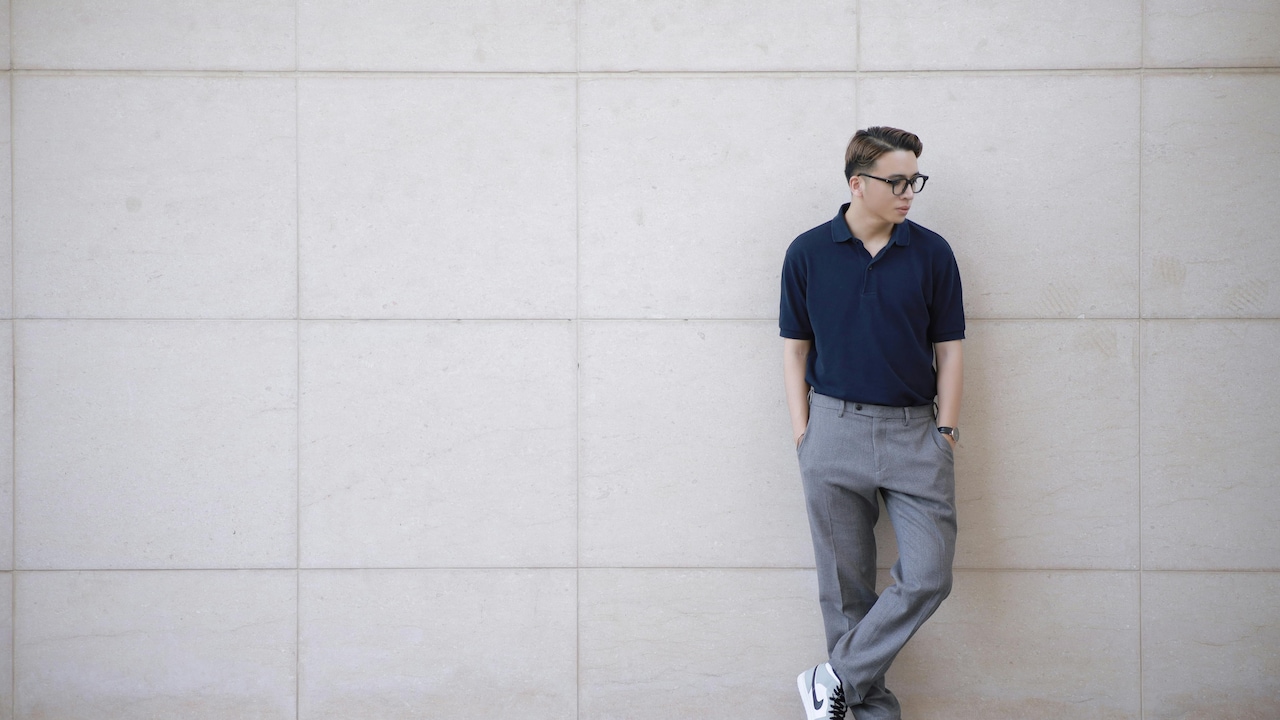
Fit impacts more than appearance. A polo that fits poorly can strain the collar unnecessarily. Shirts that are too tight around the chest or neck often pull the collar out of shape, while oversized fits may encourage excessive folding and drooping.
A well-fitted polo should sit comfortably across the shoulders, skim the torso, and allow easy movement without stretching. The collar should lie flat without tension around the neck.
Trying on different sizes helps identify the sweet spot. Many people focus solely on body fit while ignoring collar positioning. That mistake can lead to disappointment later.
Imagine wearing a polo to a family barbecue or office lunch. Constant tugging or awkward collar curling can quickly become irritating. A balanced fit preserves both comfort and presentation.
Proper sizing supports the garment's natural structure, reducing unnecessary pressure and extending its lifespan. In fashion, comfort and durability often work hand in hand.
Pay Attention To Wash Care Labels
Even the best polo can lose its collar structure if maintenance proves difficult. Before purchasing, checking the wash instructions offers practical insight into long-term care.
Polos requiring delicate handwashing or dry cleaning may not suit busy lifestyles. Machine-washable options with durable construction often serve better for regular use. Clothes should fit daily routines, not complicate them.
Shrinkage also affects collar shape. Fabrics prone to excessive shrinking may twist or warp after washing. Pre-shrunk cotton or stable fabric blends reduce this risk.
A shirt may look perfect under showroom lighting, but if one hot wash turns it into a misshapen mess, regret arrives swiftly. Sensible care requirements matter.
Choosing low-maintenance yet high-quality polos ensures the collar remains crisp without constant fuss. Practicality deserves a seat at the style table, especially when balancing modern schedules and laundry realities.
Inspect Placket Construction Carefully
The placket, where the buttons sit, often influences collar support more than shoppers realise. A structured placket reinforces the front neckline and helps the collar stay upright.
Strong plackets feature neat stitching, quality interfacing, and sturdy buttons. Weak plackets may sag, causing the collar to collapse inward over time.
Button placement matters too. Well-positioned buttons maintain shape, while poor spacing can distort the neckline. Checking this area carefully can reveal hidden quality differences.
The placket functions almost like scaffolding. Without proper support, the upper structure loses form.
A polished collar paired with a flimsy placket creates an imbalance. Both elements must work together. Choosing polos with strong front construction adds another layer of durability, helping maintain that freshly pressed appearance.
Attention to these structural details transforms shopping from guesswork into a smart style investment.
Darker Shades Often Hide Wear Better
While collar quality remains essential, colour choice can subtly influence how long a polo appears sharp. Lighter shades tend to reveal wrinkles, curling, and wear more quickly, while darker tones often maintain a polished look longer.
Navy, charcoal, maroon, and forest green can disguise minor collar fatigue better than pale colours. This does not mean avoiding whites or pastels altogether, but practical wardrobe planning helps.
For frequent wear, darker shades often offer better value. They transition easily from casual to semi-formal settings while maintaining a cleaner appearance.
Picture monsoon commutes, crowded public transport, or long weekend outings. Darker polos generally handle visible wear more gracefully.
Style involves both construction and presentation. Selecting colours strategically can enhance the longevity of a shirt's visual appeal, even as natural wear occurs.
Trusted Brands Often Offer Better Fabric Engineering
Though logos alone should not dictate purchases, established brands with strong reputations often invest more in fabric technology and construction standards.
Brands known for premium casualwear frequently use better ribbing, collar reinforcement, and shrink-resistant materials. Spending ₹1,500 on a dependable polo may outperform buying multiple cheaper alternatives.
Researching reviews can prove useful, especially feedback mentioning collar durability after repeated washes. Customer experiences often reveal truths glossy advertisements skip.
That said, expensive does not always equal superior. Mid-range brands sometimes deliver excellent craftsmanship at more accessible prices.
Smart shopping means balancing reputation with hands-on quality checks. A trusted label can provide reassurance, but personal inspection remains essential.
The goal is not status. It is a lasting style that survives beyond the first few outings.
Seasonal Fabric Selection Matters
Climate plays a surprisingly large role in collar longevity. In hot, humid conditions, lightweight breathable fabrics offer comfort, but excessively thin materials may weaken faster.
For warmer months, medium-weight cotton piqué often strikes the ideal balance. During cooler seasons, slightly heavier blends may provide better structure.
Humidity, perspiration, and frequent washing can all affect collar shape. Choosing seasonally appropriate fabrics reduces stress on the garment.
A practical wardrobe accounts for real-world conditions, not just changing trends. Selecting polos suited to local weather patterns helps preserve quality while improving wearability.
Fashion should support everyday life, whether navigating summer heat or festive gatherings. Seasonal awareness ensures polos remain functional, stylish, and structurally sound.
Best Tips To Buy Polo T-Shirts That Do Not Lose Collar Structure
Photo Credit: Pexels
Small Details Signal Big Quality
Often, the smallest design elements reveal the biggest differences. Features like reinforced side vents, taped neck seams, collar stays, and quality buttons all contribute to overall durability.
Well-finished interiors usually indicate thoughtful craftsmanship. Brands that pay attention to hidden details often build garments that last longer.
Checking these subtle features may feel meticulous, but they often separate an ordinary polo from an exceptional one.
Think of it like buying a reliable vehicle. Performance depends on engineering, not just paint colour.
A strong collar reflects comprehensive quality, not isolated design. Every detail contributes to the bigger picture.
When choosing a polo, looking beyond surface aesthetics can lead to smarter purchases and a more dependable wardrobe.
Products Related To This Article
1. Campus Sutra Men Self Design Polo Collar Cotton T-shirt
2. Roadster The Lifestyle Co Women Mauve Polo Collar T-shirt
3. MODALEN Men Polo Collar T-shirt
4. LASOON Women Polo Collar T-shirt
5. Lux Cozi Polo Collar Lounge Tshirts
6. Glitchez Women Typography Printed Polo Collar Oversized T-shirt
7. Campus Sutra Men Self Design Polo Collar Cotton T-shirt
A polo T-shirt should offer effortless sophistication, not post-wash disappointment. Choosing one that maintains collar structure requires thoughtful attention to fabric, stitching, fit, collar design, and practical maintenance.
Rather than chasing trends or oversized branding, focusing on construction quality delivers better long-term value. A well-made polo can remain a wardrobe staple for years, holding its shape through countless outings, washes, and everyday adventures.
Whether browsing premium stores or exploring budget-friendly options, understanding what truly matters helps avoid limp collars and wasted money.
Smart choices create lasting style. And when a collar stays crisp, the entire outfit carries that subtle confidence every great wardrobe deserves.
(Disclaimer: This article may include references to or features of products and services made available through affiliate marketing campaigns. NDTV Convergence Limited (“NDTV”) strives to maintain editorial independence while participating in such campaigns. NDTV does not assume responsibility for the performance or claims of any featured products or services.)