How To Pick Shrugs That Add Shape Instead Of Hiding It
Shrugs can flatter or flatten your look. Discover how to choose styles that define your shape, balance proportions, and elevate everyday outfits without adding bulk.
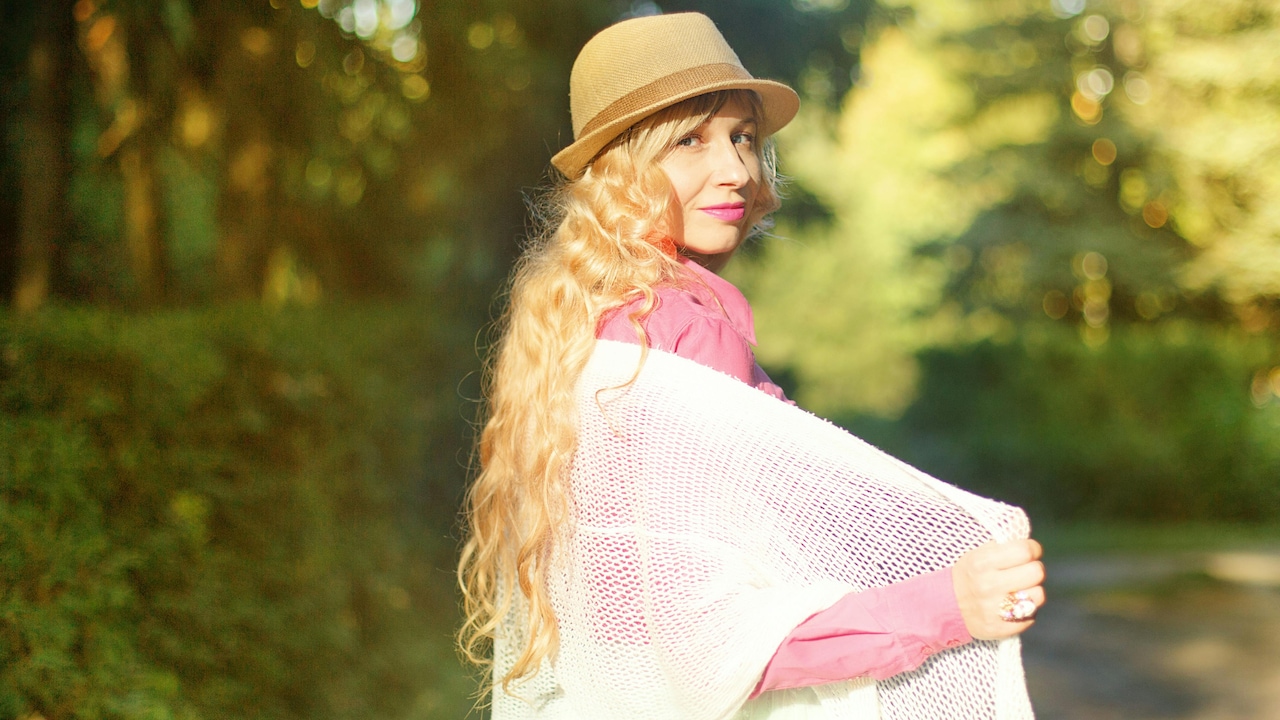
How to choose shrugs that don't hide your body in layers of fabric
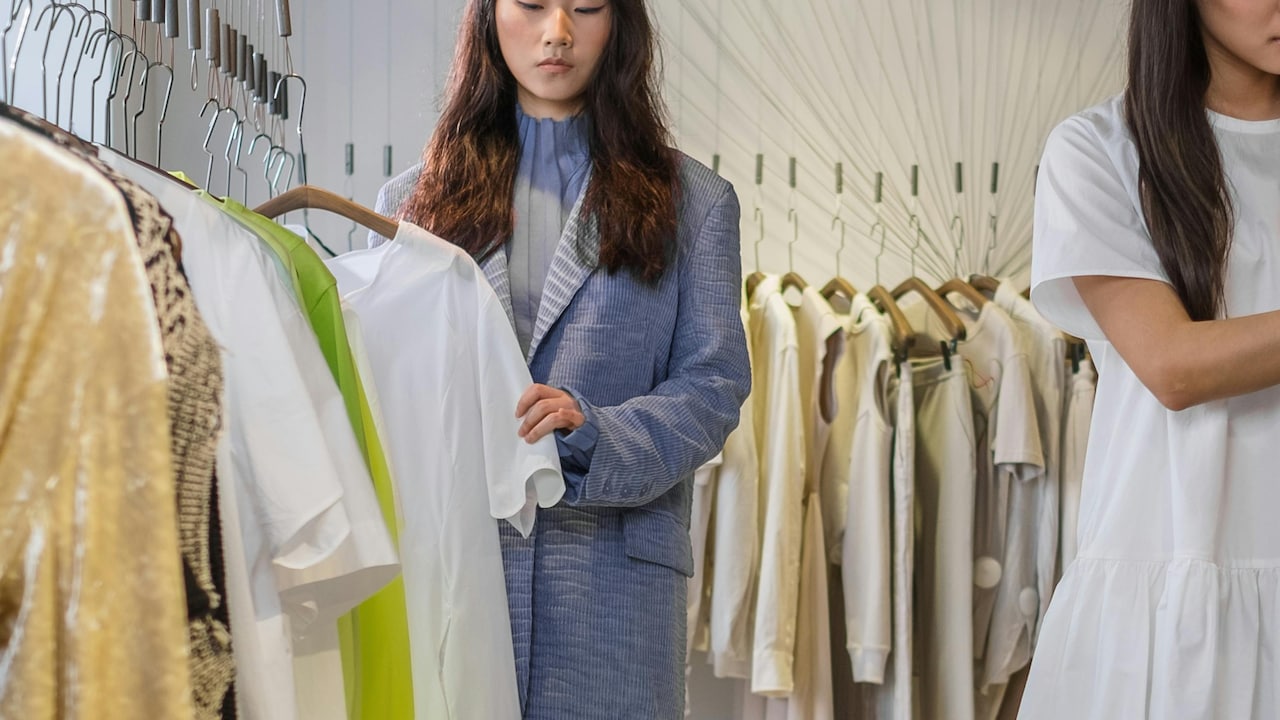
Shrugs sit quietly in wardrobes, often underestimated. They slip on easily, work across seasons, and rescue outfits that feel incomplete. Yet, many end up doing more harm than good. Instead of enhancing shape, they blur it. Instead of adding polish, they create bulk. The issue rarely lies with the shrug itself. It lies in the choice. Length, fabric, fit, and styling all play a role. A shrug can either sharpen a look or soften it too much. The difference comes down to understanding how it interacts with body lines and proportions.
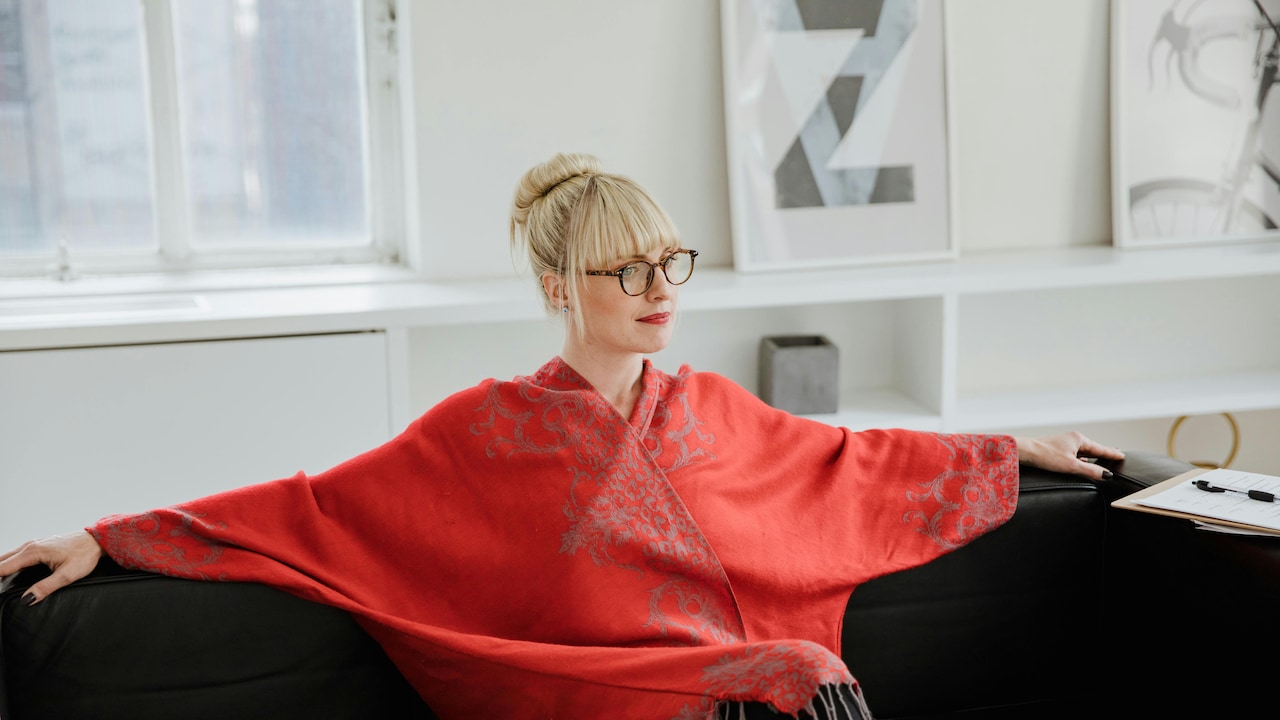
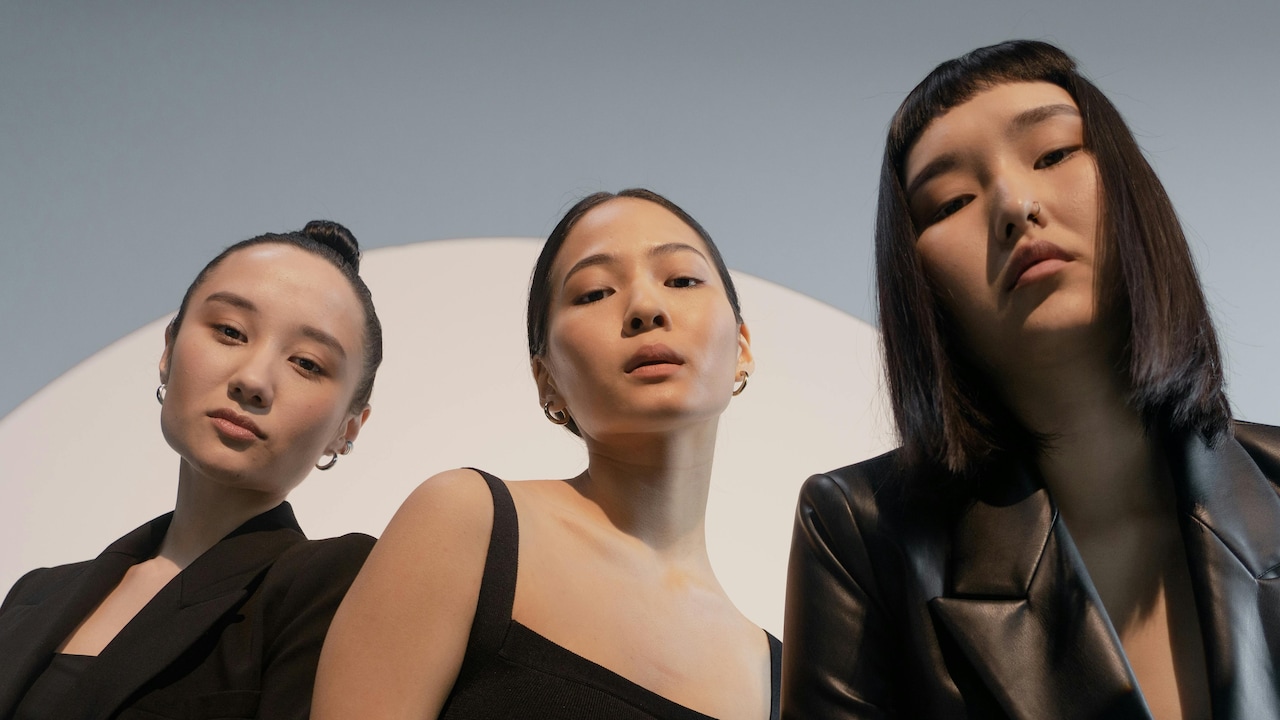
Beginner's guide to finding shrugs that accentuate your body rather than hiding it; Photo Credit: Pexels
Fashion need not feel complicated or exclusive. With a few thoughtful tweaks, shrugs can become powerful tools rather than afterthoughts. Whether dressing for a breezy evening, a long commute, or a festive gathering, the right shrug can add that finishing touch without hiding the outfit underneath.
This guide explores how to choose shrugs that bring out shape, not bury it. Expect practical advice, relatable examples, and a fresh perspective on a wardrobe staple that deserves more attention.
Also Read: Top 5 Shrugs Under ₹1,000 That Are Perfect For Layering With Casual Outfits
Smart Styling Tips To Make Shrugs Work For Your Shape
Choose The Right Length For Your Frame
Length changes everything. A shrug that ends at the wrong spot can cut the body awkwardly, making the torso look shorter or wider. A well-chosen length, however, creates clean lines and balance.
Cropped shrugs work brilliantly with high-waisted trousers or skirts. They draw attention upward and highlight the waist. This combination suits days when a polished yet effortless look feels right, such as brunches or casual office settings.
Longline shrugs, on the other hand, elongate the frame. They flow vertically, creating a streamlined effect. When paired with fitted inner layers, they avoid bulk and add movement. Think of them as a soft frame rather than a cover-up.
Mid-length shrugs often fall into tricky territory. If they hit at the widest part of the hips, they can disrupt proportions. The solution lies in pairing them with structured outfits or belts that restore definition.
Ultimately, the goal is simple. Let the shrug complement natural proportions rather than compete with them.
Pay Attention To Fabric And Fall
Fabric dictates how a shrug behaves. Some materials cling, others drape, and a few hold structure. Each brings a different effect.
Lightweight fabrics such as cotton blends or fine knits offer a gentle fall. They skim the body without adding volume. These options suit humid weather and long days out, where comfort matters as much as style.
Heavier fabrics, like wool blends or thick knits, create bulk if not chosen carefully. They can overwhelm smaller frames or layered outfits. However, when structured well, they provide warmth and polish during cooler evenings.
Fluid fabrics such as chiffon or modal add elegance. They move with the body, creating a soft silhouette. These work beautifully over fitted dresses, especially for festive occasions.
Avoid fabrics that stiffen awkwardly or bunch up. They create unwanted folds that hide shape. Instead, choose materials that flow naturally and sit comfortably. A shrug should feel like an extension of the outfit, not an added burden.
Focus On Fit, Not Just Size
A shrug may not have buttons or zips, yet fit still matters. A loose shrug can quickly turn shapeless, while one that feels too tight restricts movement. Balance sits somewhere in between.
Well-fitted shrugs follow the natural line of the shoulders. They do not droop or pull. Sleeves should sit comfortably without bunching at the elbows. Even slight adjustments in fit can change the overall impression.
Oversized shrugs have their place, especially in relaxed settings. However, they require careful styling. Pairing them with fitted innerwear ensures the outfit retains structure. Without this contrast, the look risks appearing bulky.
Tailored shrugs, with subtle shaping or darts, enhance curves gently. They offer a refined appearance without feeling restrictive. These options work well for professional settings or evening gatherings.
Fit often gets overlooked because shrugs seem forgiving. Yet, the right fit transforms them from casual add-ons into intentional style choices.
Use Colour To Define Shape
Colour influences perception. Dark shades tend to recede, while lighter ones draw attention. Understanding this helps in choosing shrugs that flatter.
A darker shrug over a lighter outfit creates a slimming effect. It frames the body and adds depth. This combination works well for long days when comfort and confidence both matter.
Monochrome styling also plays a powerful role. Wearing similar shades from top to bottom creates an unbroken line, making the body appear taller and more streamlined. A shrug in the same colour family blends seamlessly into the outfit.
Bright or contrasting colours bring focus. When used thoughtfully, they highlight specific areas. A vibrant shrug over a neutral outfit can become the centrepiece without overwhelming the look.
Avoid combinations that feel too heavy or cluttered. The aim lies in enhancing the silhouette, not masking it. Colour, when used wisely, becomes a subtle yet effective styling tool.
Play With Sleeves And Structure
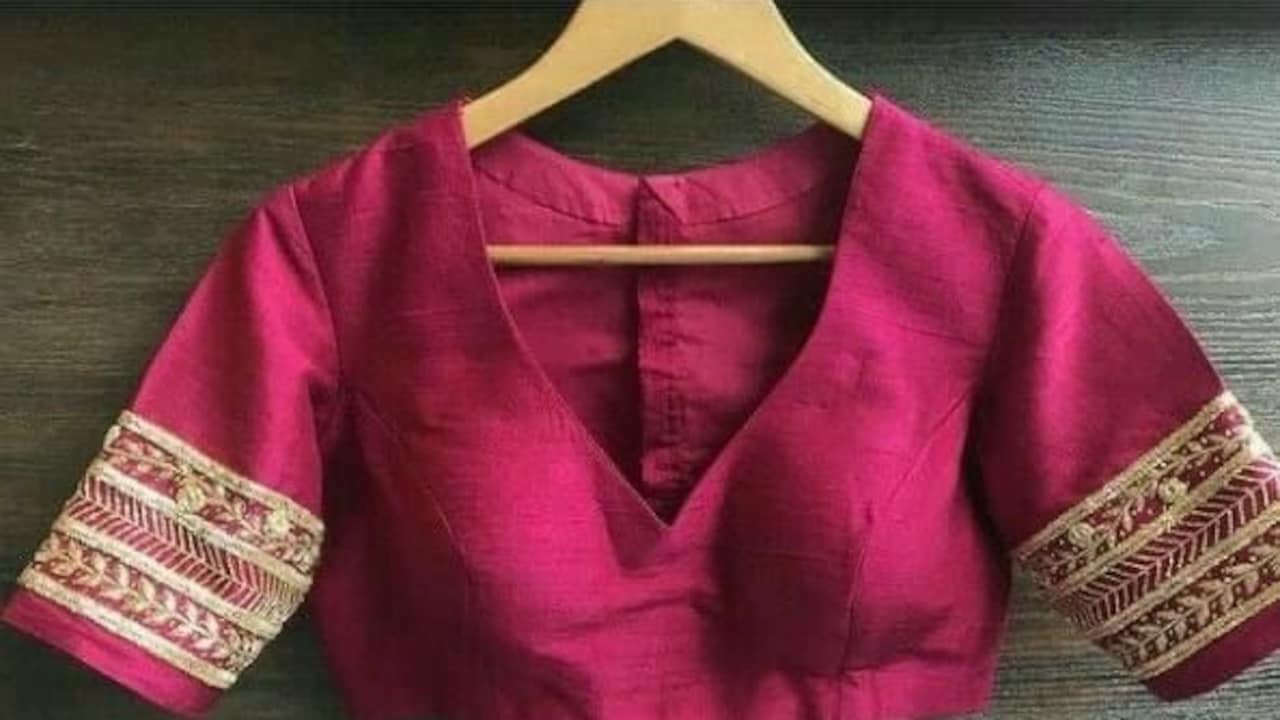
Sleeves often go unnoticed, yet they influence the overall shape significantly. The cut, length, and structure of sleeves affect how a shrug frames the upper body.
Three-quarter sleeves strike a perfect balance. They show a hint of the arm, creating a lighter appearance. This style works across seasons and suits various outfits.
Full sleeves offer coverage and elegance. When tailored well, they create a clean, polished look. However, overly loose sleeves can add unnecessary bulk.
Kimono-style sleeves bring drama and movement. They feel relaxed and artistic, ideal for casual outings or creative settings. Pairing them with fitted clothing ensures the look remains balanced.
Structured sleeves, with defined seams or slight padding, add sharpness. They enhance posture and give a refined finish. This style works well for formal occasions or workwear.
Small details in sleeve design can transform the overall outfit. Paying attention to these elements ensures the shrug adds character rather than confusion.
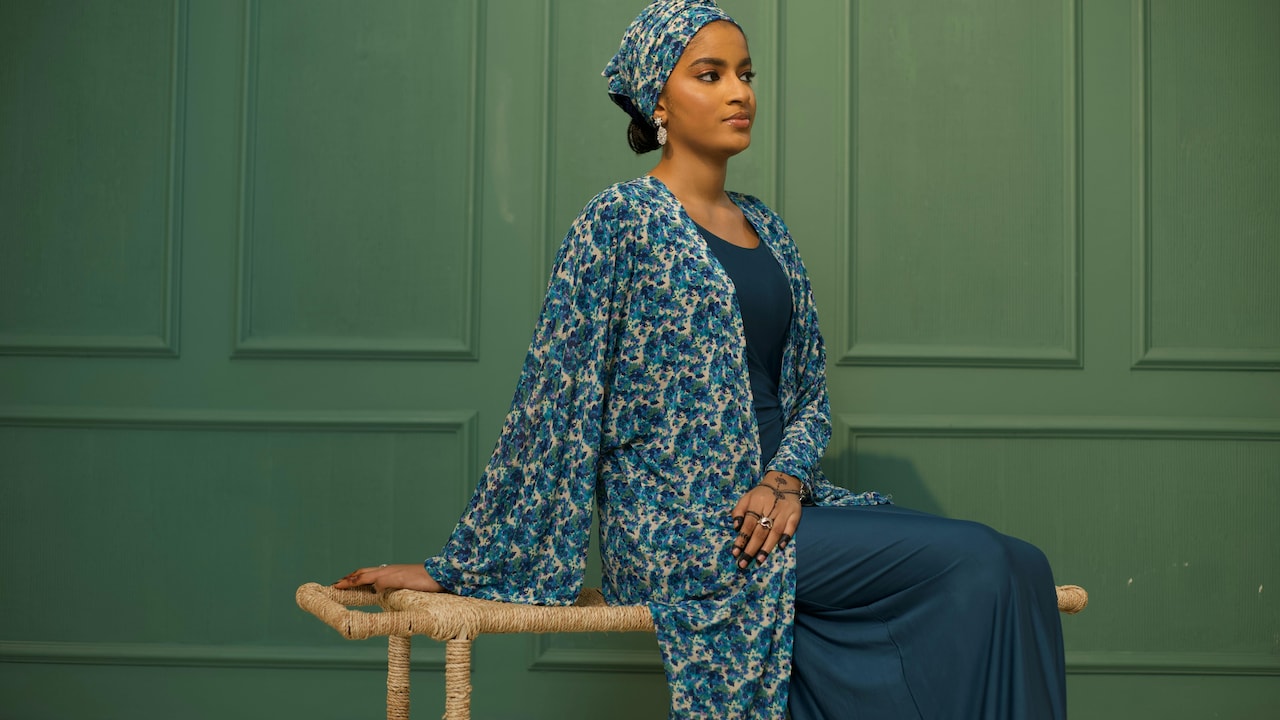
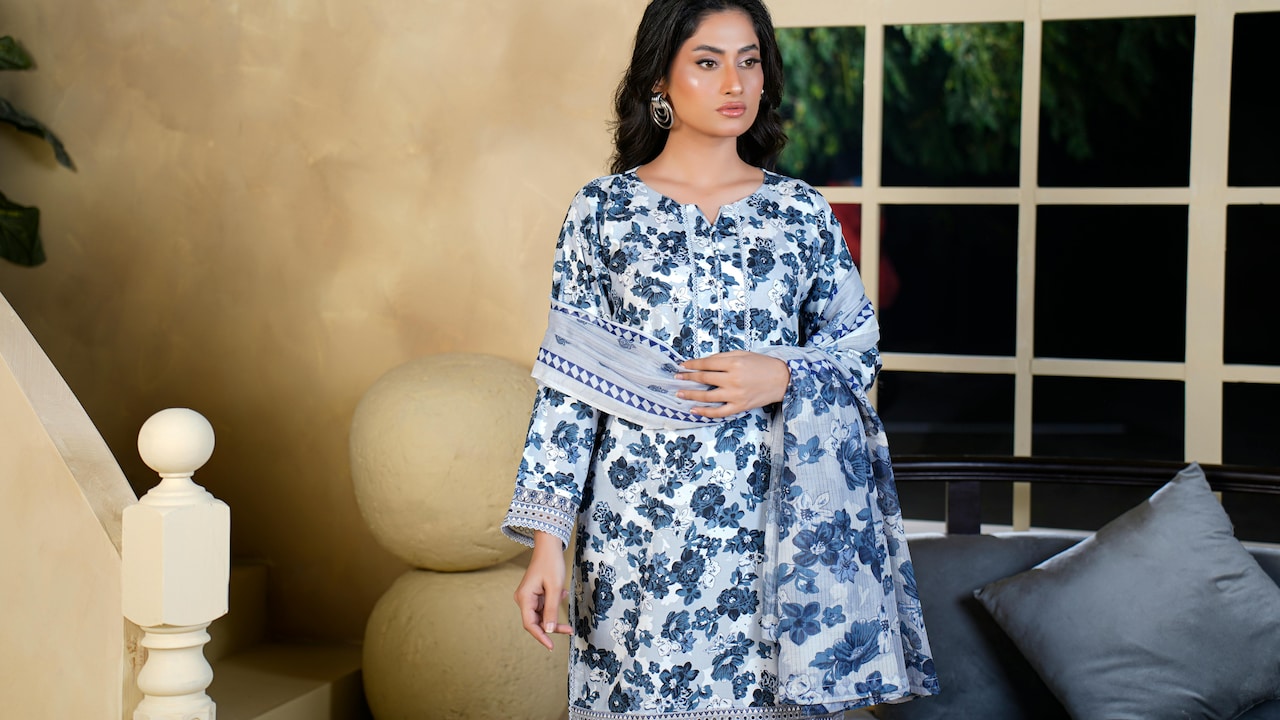
Experiment with different sleeves to find something that flatters your body; Photo Credit: Pexels
Layer Smartly To Avoid Bulk
Layering can elevate an outfit or weigh it down. With shrugs, the difference lies in thoughtful combinations.
Start with a fitted base. A well-cut top or dress creates a clear silhouette. Adding a shrug over this base enhances the look without hiding it.
Avoid layering multiple loose pieces together. This creates volume without structure. Instead, balance loose and fitted elements. A flowy shrug pairs well with a structured inner layer.
Length also plays a role in layering. A long shrug over a shorter top creates vertical lines, adding height. Conversely, mismatched lengths can disrupt proportions.
Accessories can refine layered looks. A slim belt over a shrug adds definition, especially for longer styles. It transforms the outfit from casual to polished within seconds.
Layering should feel intentional, not accidental. When done right, it enhances shape while keeping the outfit comfortable and stylish.
Highlight The Waist When Needed
The waist often defines the body's natural shape. Shrugs can either hide it or highlight it, depending on styling.
Cropped shrugs naturally draw attention to the waist. Pairing them with high-waisted bottoms enhances this effect. The result feels balanced and flattering.
For longer shrugs, adding a belt creates instant structure. It gathers the fabric and emphasises the waistline. This trick works well for both casual and semi-formal outfits.
Open-front shrugs can also highlight the waist indirectly. Wearing a fitted top underneath creates contrast, allowing the natural shape to stand out.
Avoid styles that hang loosely without any definition, especially when aiming for a structured look. They tend to blur the silhouette.
Highlighting the waist does not mean sacrificing comfort. Simple styling tweaks can achieve both ease and elegance effortlessly.
Consider Occasion And Setting
A shrug that works for a coffee run may not suit a festive evening. Choosing the right style for the occasion ensures the outfit feels cohesive.
For everyday wear, lightweight and breathable shrugs offer comfort. They pair well with jeans, kurtas, or casual dresses. These styles prioritise ease without compromising on style.
Workwear calls for structured shrugs. Clean lines, neutral colours, and tailored fits create a professional appearance. They add polish without feeling overdone.
Festive occasions invite experimentation. Embellished or textured shrugs bring character to simple outfits. A well-chosen piece can transform a basic dress into something memorable.
Travel outfits benefit from versatile shrugs. Neutral shades and comfortable fabrics allow easy pairing with multiple looks.
Understanding the setting helps in making smarter choices. A shrug should feel appropriate and effortless, blending seamlessly into the moment.
Avoid Overly Busy Designs
Patterns and embellishments can enhance a shrug, but excess detail often distracts. The key lies in balance.
Subtle prints add interest without overwhelming the outfit. They work well when paired with solid inner layers. This keeps the look grounded and cohesive.
Heavy embellishments, such as sequins or embroidery, suit special occasions. However, they can add bulk if not chosen carefully. Keeping the rest of the outfit simple ensures the shrug remains the highlight.
Busy designs with multiple elements can create visual clutter. They draw attention in too many directions, making the silhouette less defined.
Minimalist designs often prove more versatile. Clean lines and simple details allow the shrug to complement rather than dominate.
Choosing designs thoughtfully ensures the outfit feels balanced and refined, rather than chaotic.
Trust Comfort Without Compromising Style
Comfort often gets mistaken for loose or oversized clothing. In reality, comfort comes from the right fit and fabric.
A comfortable shrug moves with the body. It does not restrict or require constant adjustment. This ease translates into confidence, which naturally enhances style.
Breathable fabrics suit long days and changing weather. They keep the outfit practical without sacrificing elegance.
Style and comfort need not compete. A well-chosen shrug offers both. It supports the outfit while allowing freedom of movement.
Trusting personal comfort preferences leads to better choices. Trends come and go, but ease remains timeless.
When comfort meets thoughtful design, the result feels effortless and authentic.
Products Related To This Article
1. SZN Open Front Cotton Longline Shrug
2. Sangria Ethnic Embroidered Mandarin Collar Sequinned Detail Tie-Up Shrug
3. PURYS Women Printed Tasselled Shrug
4. Style Quotient Women Crop Shrug
5. BoheeWohee Women Printed Embellished Longline Shrug
Shrugs hold quiet potential. They can elevate an outfit or quietly undermine it. The difference lies in how they get chosen and styled.
From length and fabric to fit and colour, each element plays a role. Small adjustments create noticeable changes. A shrug that once felt shapeless can become a defining piece with the right approach.
Fashion does not demand perfection. It thrives on understanding and experimentation. Trying different styles, observing what works, and refining choices over time leads to a wardrobe that feels both functional and expressive.
The next time a shrug comes off the hanger, consider its purpose. Let it frame the outfit, not hide it. With a little attention and creativity, this simple layer can become a powerful style ally.
(Disclaimer: This article may include references to or features of products and services made available through affiliate marketing campaigns. NDTV Convergence Limited (“NDTV”) strives to maintain editorial independence while participating in such campaigns. NDTV does not assume responsibility for the performance or claims of any featured products or services.)