How To Choose Leggings For Kurtas, Workouts And Everyday Wear
Choose the right leggings for kurtas, workouts and daily wear by comparing fabric, fit, length, opacity, waistbands and durability for lasting comfort and effortless style.
How To Choose Leggings For Kurtas, Workouts And Everyday Wear
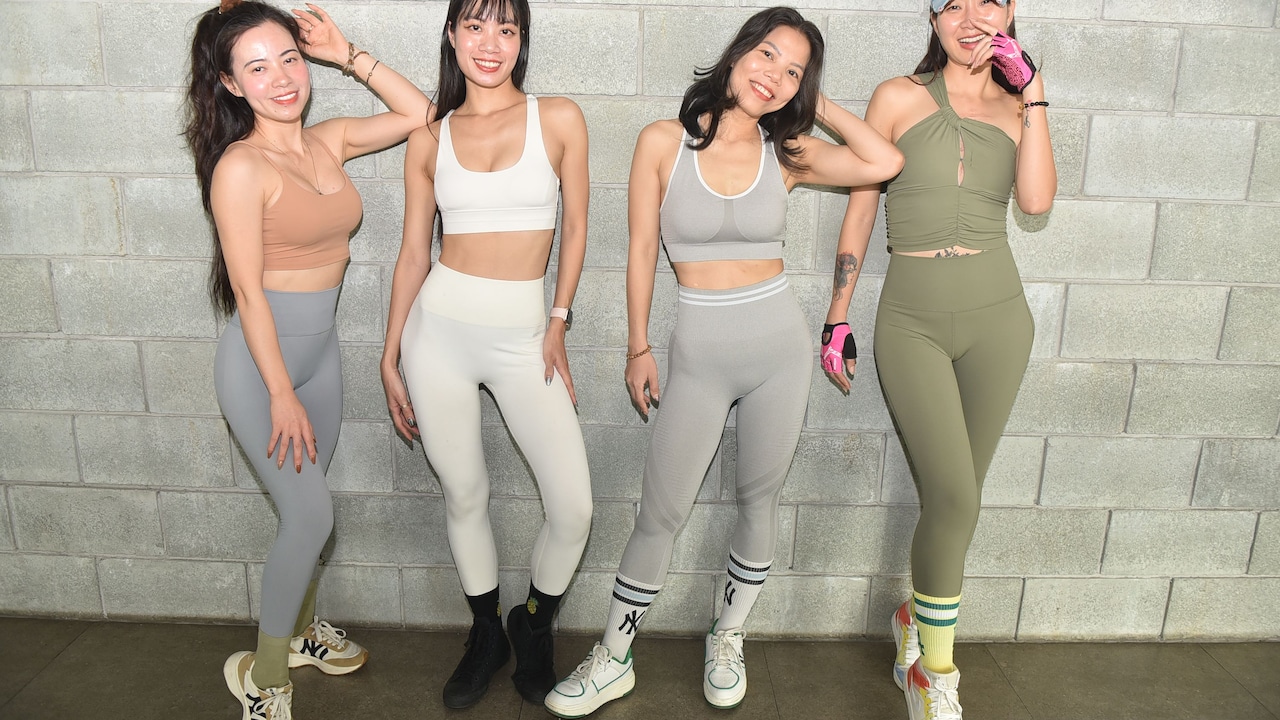
Leggings have quietly become one of the hardest-working pieces in modern wardrobes. They appear at family lunches, morning walks, office commutes, airport queues, grocery runs and spontaneous evening chai plans. Few garments move so easily between traditional outfits, activewear and casual dressing. That versatility, however, can be misleading. A pair that looks elegant beneath a kurta may feel too restrictive during squats. Workout leggings may have seams or panels that look awkward under a long tunic. Thin everyday leggings might seem perfectly fine indoors but turn unexpectedly transparent in daylight, creating the sort of fashion emergency nobody wants outside a crowded metro station.
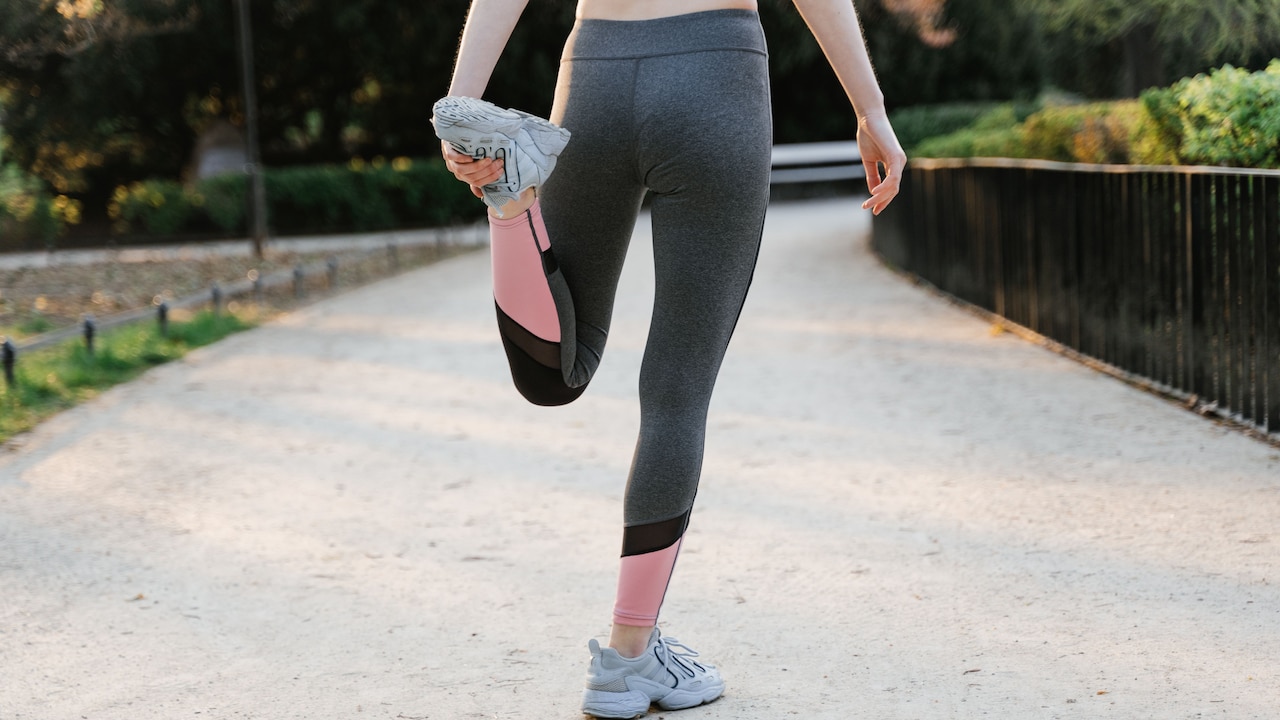
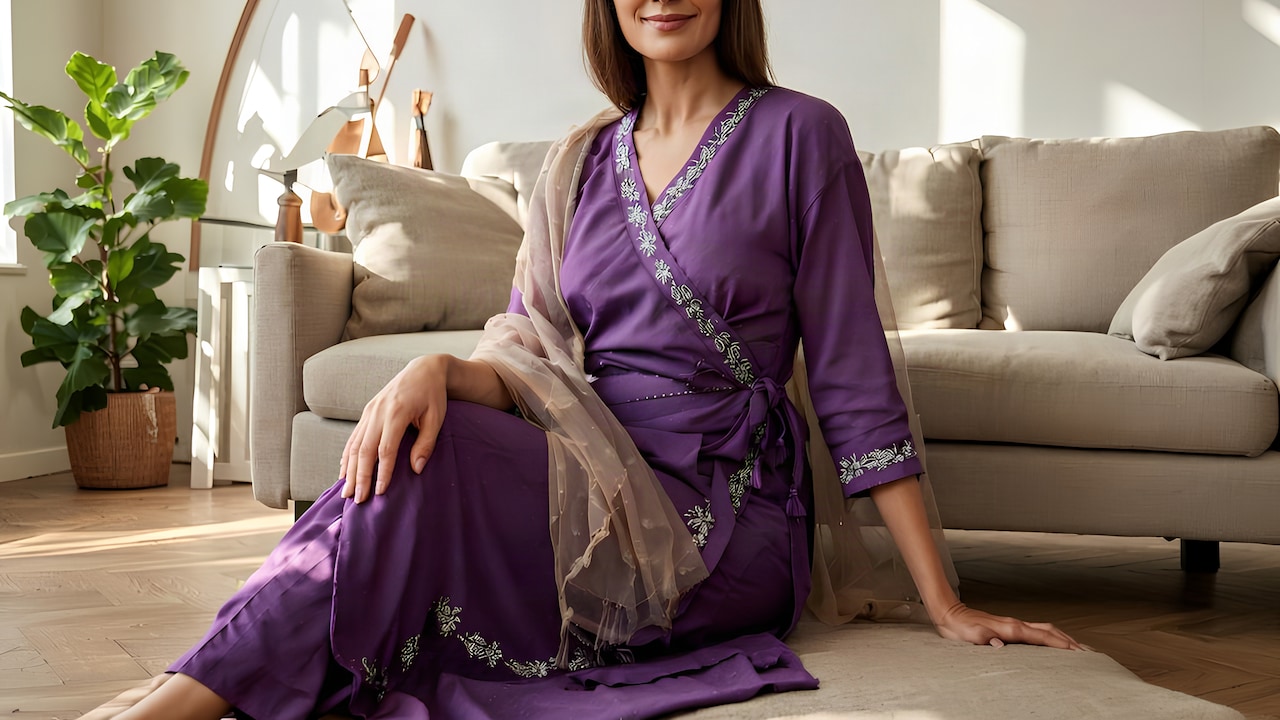
How To Choose Leggings For Kurtas, Workouts And Everyday Wear; Photo Credit: Pexels
The right pair depends on fabric, fit, waistband, length, opacity and purpose. Price also matters, though expensive leggings do not automatically guarantee better quality. A thoughtful purchase at ₹700 may prove more useful than a fashionable pair costing ₹2,500. The following ten points simplify the process, helping you choose leggings that work with kurtas, workouts and the beautiful unpredictability of everyday life.
Key Factors To Consider When Choosing Leggings
Start With The Purpose
Before checking colours or discounts, decide where the leggings will be worn most often. Purpose shapes almost every other choice, including fabric, thickness, stretch and design.
Leggings for kurtas usually need a smooth finish and a neat silhouette. They should sit comfortably beneath cotton, silk-blend or embroidered garments without creating visible lines. Workout leggings need stronger stretch, moisture control and secure waistbands. Everyday pairs sit somewhere in between. They should feel soft enough for long hours yet structured enough for errands, travel and casual outings.
Trying to make one pair perform every role often leads to compromise. Soft cotton leggings may look lovely with a printed kurta but become heavy after a sweaty workout. Compression leggings may support lunges and brisk walks, though they can feel unnecessarily tight during a relaxed Sunday lunch.
Think of leggings like footwear. Juttis, trainers and everyday sandals all serve different needs, even when each feels comfortable. Building a small, purposeful collection works better than buying several similar pairs simply because they came in a tempting “three for ₹999” offer.
Also Read: Beyond Everyday Basics: Bottomwear Styles That Can Refresh Your Wardrobe Instantly
Choose Fabric That Matches The Activity
Fabric determines how leggings feel, stretch and hold their shape. Cotton-rich leggings remain a popular choice for kurtas and everyday wear because they feel breathable and familiar. They work especially well during warm weather, long commutes, and occasions that involve sitting for hours.
However, pure cotton can lose shape around the knees and waist. A small percentage of elastane or spandex helps the fabric recover after movement. For regular wear, cotton blended with around 5 to 10 per cent stretch fibre often provides a useful balance between softness and flexibility.
Workout leggings require a different approach. Polyester, nylon and performance blends manage sweat better than cotton. They dry faster and usually offer stronger support. Nylon blends often feel smoother, while polyester options may prove more durable and affordable.
For humid weather, lightweight moisture-wicking fabric can feel far more comfortable than thick jersey. For cooler evenings, brushed or slightly heavier material offers warmth. Always touch and stretch the fabric before buying. Good leggings should feel resilient, not flimsy, stiff or suspiciously similar to costume material from a school annual day.
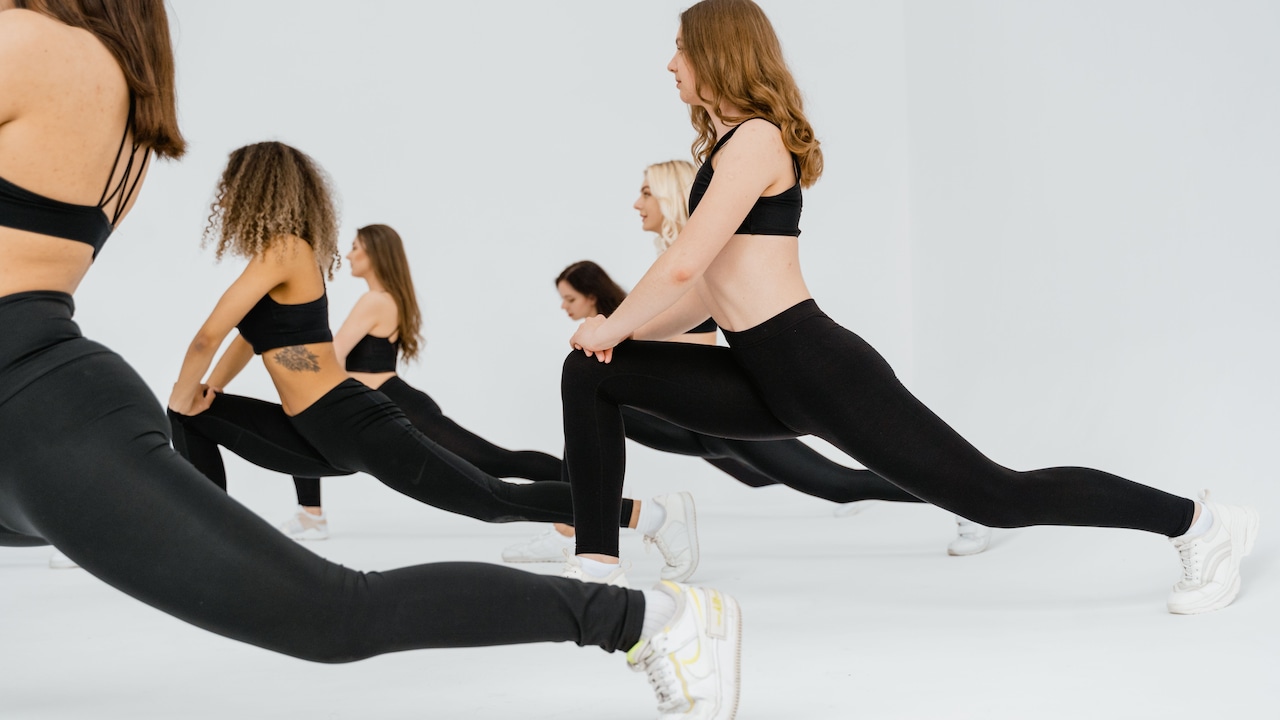
How To Choose Leggings For Kurtas, Workouts And Everyday Wear; Photo Credit: Pexels
Check Opacity Before Stepping Outside
Opacity deserves serious attention because leggings stretch across the hips, thighs and knees. Fabric that looks solid while hanging on a rack may become transparent once worn.
The simplest test involves stretching the material firmly under bright light. When shopping in a store, hold the fabric against the light or bend slightly in front of a trusted mirror. At home, check the leggings near a window rather than relying on forgiving bedroom lighting. Workout pairs should also pass the squat test, especially if they will be worn to a gym or yoga class.
Dark colours do not always guarantee coverage. A poorly woven black fabric may reveal more than a dense navy or maroon pair. Printed leggings can sometimes disguise mild sheerness, though prints should never replace proper opacity.
For kurtas, slightly thinner leggings may work when the garment falls below the knee. Even then, adequate coverage matters around the calves and ankles. For short tops or activewear, choose denser fabric with four-way stretch. Peace of mind adds more confidence to an outfit than any trendy logo printed dramatically across the waistband.
Find A Waistband That Stays Comfortable
A waistband can decide whether leggings become a favourite or remain folded at the back of a cupboard. It should feel secure without digging into the stomach, rolling down or shifting during movement.
For kurtas and everyday wear, a medium-rise waistband usually offers comfort and a smooth shape. It sits naturally around the waist and works well during long periods of sitting. High-rise leggings provide more coverage and support, making them useful beneath shorter kurtas, crop tops and activewear.
Workout leggings benefit from wide waistbands. A broad band distributes pressure more evenly and tends to stay in place during squats, stretches and quick movements. Some designs include internal drawstrings, which help during running or high-intensity sessions.
Avoid overly narrow elastic that twists inside the fabric. It may feel acceptable during a two-minute trial but become irritating after lunch. Also check whether the waistband creates a visible ridge under fitted kurtas.
Comfort should remain the priority. Leggings are not supposed to feel like a punishment for enjoying an extra gulab jamun. A supportive waistband should hold its position while still allowing easy breathing, bending and everyday movement.
Get The Length Right
Legging length changes the balance of an outfit. Full-length leggings usually finish at or slightly below the ankle. They pair well with long kurtas, straight-cut styles and winter layers. Ankle-length versions create a cleaner, more contemporary look and suit most casual kurtas, tunics and oversized shirts.
Churidar-style leggings gather gently near the ankle and complement traditional silhouettes. They work beautifully with anarkali kurtas, festive sets and garments with dramatic hems. Too much fabric, however, can bunch awkwardly and create a heavy appearance.
For workouts, seven-eighth-length leggings remain a practical option. They finish just above the ankle, reduce excess fabric and suit yoga, strength training and brisk walks. Capri leggings may feel cooler during summer workouts, though they can visually shorten the legs.
Height matters as much as the label. A full-length pair designed for a taller frame may wrinkle around the ankles on someone petite. Likewise, ankle-length leggings may resemble capris on a taller person. Whenever possible, try the pair with the footwear and kurta length you expect to wear. Hem placement may seem minor, yet it can make the whole outfit look deliberate rather than hurried.
Pay Attention To Fit Around The Knees
A good pair of leggings should follow the body without sagging, twisting or forming loose pockets around the knees. This area reveals fabric quality quickly because it experiences constant bending and stretching.
Cotton leggings often develop “baggy knees” after several hours, especially when the material lacks enough elastane. The problem becomes more visible under shorter kurtas and during travel. Look for fabric that returns to its original shape after being stretched by hand.
The fit should remain close but not restrictive. Excessively tight leggings may create horizontal lines across the thighs or pull uncomfortably at the knees. A size that looks smooth while standing should also feel comfortable while sitting cross-legged, climbing stairs or getting into an auto-rickshaw.
Workout leggings need enough flexibility for deep bends and lunges. Four-way stretch fabric moves both vertically and horizontally, making it more suitable for exercise than basic two-way stretch.
Never depend entirely on the size printed on the label. Sizing varies widely between brands. One brand's medium may fit like another brand's small. Choose the pair that moves well with the body, even when the label challenges the ego.
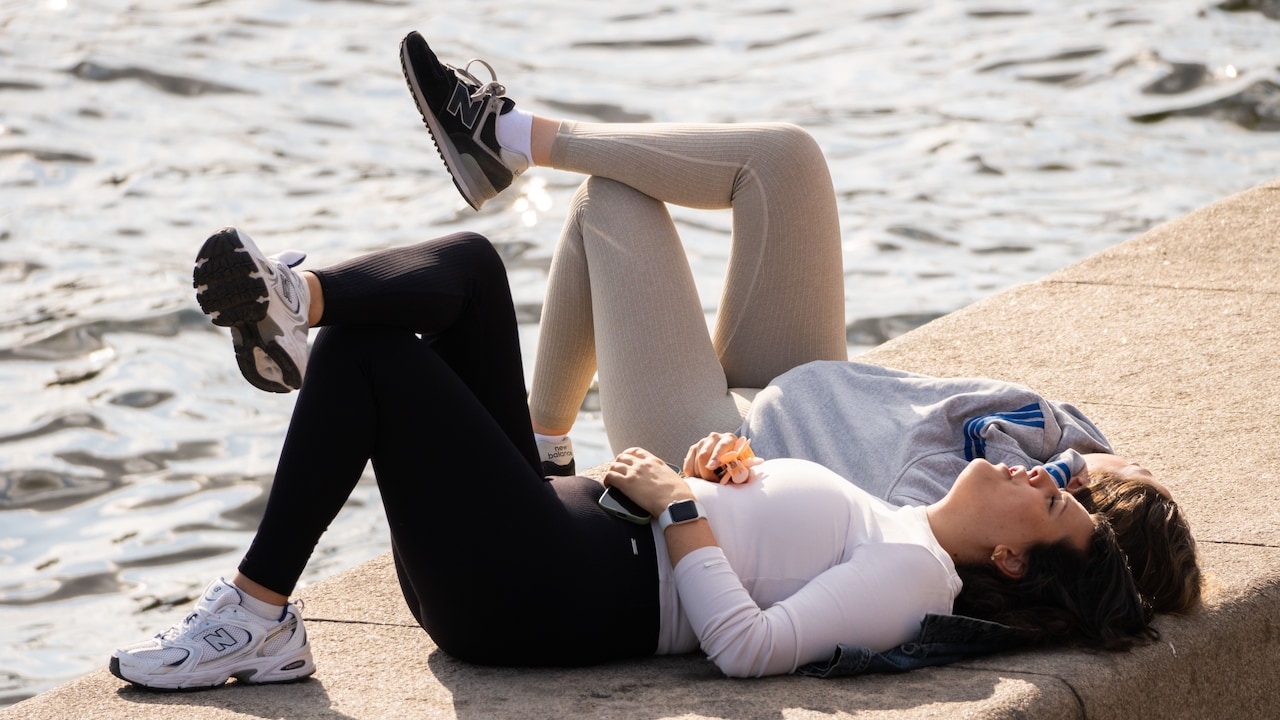
How To Choose Leggings For Kurtas, Workouts And Everyday Wear; Photo Credit: Pexels
Match Colours With Your Wardrobe
Black leggings remain a classic for good reason. They pair easily with colourful kurtas, printed tops and everyday layers. Yet relying only on black can make the wardrobe feel repetitive.
Neutral shades such as navy, charcoal, brown, beige and off-white offer greater variety. Navy works particularly well with white, mustard, pink and green kurtas. Deep brown complements earthy prints, rust tones and cream outfits. Maroon and bottle green can add richness to festive or semi-formal looks without appearing too loud.
Light-coloured leggings require careful fabric selection. White, cream and pastel shades show seams, undergarments and transparency more easily. Choose thicker material and wear seamless, skin-toned innerwear for a cleaner finish.
Workout colours depend on personal preference, though darker shades tend to hide sweat marks better. Prints can add energy to gym outfits, but large patterns may feel difficult to style outside the workout setting.
Before buying a colour, picture at least three garments already in the wardrobe that will match it. This small habit prevents impulse purchases. A bright purple pair may look delightful under store lighting, but usefulness matters more once the excitement of the sale has faded.
Look Closely At Seams And Stitching
Seams affect both appearance and comfort. Poor stitching can scratch the skin, unravel after washing or create bulky lines beneath kurtas. Turn the leggings inside out and inspect the construction before buying.
Flat seams work well for workouts because they reduce friction during repeated movement. They feel smoother against the skin and help prevent irritation during long walks, cycling or gym sessions. Reinforced stitching around the inner thighs also improves durability, especially in areas that experience regular rubbing.
For kurta leggings, minimal seams create a polished silhouette. Side seams should lie flat rather than twist around the leg. Avoid decorative zips, mesh panels or raised details unless the leggings are meant to be visible as part of a casual outfit.
Check the waistband stitching too. Loose threads may signal weak construction. Stretch the seam gently; it should move without making alarming cracking sounds.
A well-finished pair does not need to cost a fortune. Many reliable options sit between ₹600 and ₹1,500. The important detail lies in how neatly the garment has been made. Strong stitching may not attract attention in a fitting room, but it certainly earns appreciation after the twentieth wash.
Consider Pockets And Practical Features
Pockets may seem unnecessary until there is nowhere to keep a phone, key or metro card. For workouts and walks, side pockets can be extremely useful. They should feel deep and firm enough to hold a phone without bouncing or sliding out.
Hidden waistband pockets work well for small items such as keys or folded cash. They maintain a clean appearance and reduce distraction during exercise. However, bulky objects can press against the waist, so these pockets suit lighter essentials.
Leggings worn with kurtas rarely require visible pockets because most kurtas already include them. When pockets are present, check whether they create bumps beneath the fabric. Sleek, pocket-free designs often look better for office wear, festive outfits and more formal occasions.
Other practical features include reflective details for evening runs, breathable mesh zones and adjustable drawstrings. These additions can help during specific activities, though they should serve a real purpose. More features do not always mean better value.
A basic pair used for errands does not need the engineering of professional athletic gear. Choose useful details rather than paying an extra ₹800 for a tiny zip pocket that barely fits a coin and seems designed mainly to test patience.
Check Care Instructions And Durability
Leggings face frequent washing, stretching and friction, so care requirements matter. A beautiful pair that needs delicate handwashing after every wear may not suit a busy routine.
Read the label before purchasing. Most cotton and performance leggings last longer when washed in cold water with a mild detergent. Hot water can weaken elastic fibres and cause fading. Fabric softener may reduce the moisture-wicking ability of workout leggings, so it is best avoided for activewear.
Turn leggings inside out before washing to protect the surface. Air-drying usually works better than high heat, which can damage stretch fibres. Avoid ironing unless the label specifically allows it.
Durability also depends on fabric density and construction. Check for pilling around the inner thighs and seat area. Very soft fabric may feel luxurious in the shop but wear out quickly after repeated use.
Think in terms of cost per wear. A ₹1,200 pair worn twice a week for a year offers better value than a ₹450 pair that loses shape after six washes. Reliable leggings should not demand constant adjustment, replacement or emotional negotiation every laundry day.
Build A Small Collection For Different Needs
The most practical wardrobe does not require dozens of leggings. A small, thoughtful collection can cover most situations with ease.
Start with two or three dependable pairs for kurtas. Black, navy and one lighter neutral usually handle office days, family gatherings and casual outings. Add a churidar-style pair when traditional outfits feature regularly.
Keep one or two performance leggings for exercise. A full-length or seven-eighth black pair works across several workouts. Another pair in a deep colour or subtle print can add variety. For everyday wear, soft cotton-blend leggings in versatile shades offer comfort during travel, errands and relaxed weekends.
Replace pairs when the waistband loosens, the knees sag or the fabric becomes thin. Sentimental attachment has its limits, especially when a pair has begun revealing more history than intended.
Shopping slowly also helps. Instead of buying several pairs during one sale, test a single option through regular wear and washing. Return to the brand only when the fabric, fit and colour remain reliable. A good leggings collection should make dressing easier, not create another crowded shelf full of “almost right” choices.
Products Related To This Article
1. BOLDFIT Women Cotton Ankle Length Tights
2. ZAYANQA Women Green Cotton Leggings
3. HRX by Hrithik Roshan Women Printed Detail Slim Fit 3/4th Training Tights
4. Blissclub High-waisted Flare Pants with 1 Back Pocket
5. FANEX FITNESS Private Limited Ankle-Length Tights
6. HRX by Hrithik Roshan Women Rapid-Dry Running Tights
7. POOJARAN SAREE Pack Of 2 Running Ankle-Length Tights
Choosing leggings becomes much simpler when purpose comes first. Kurta leggings need smooth fabric, flattering lengths and clean finishes. Workout leggings require secure waistbands, strong stretch, sweat control and reliable opacity. Everyday pairs should balance softness, durability and easy styling.
The perfect option does not need an impressive price tag or a fashionable label. It needs to fit well, stay in place and support the day ahead. Check the fabric under bright light, move around during the fitting and pay attention to the waistband, seams, and knees. Those small checks prevent uncomfortable surprises later.
A few carefully selected pairs can support countless outfits, from crisp workwear kurtas to rushed morning walks and late-night snack runs. Leggings may be simple, but the right ones bring comfort, confidence and welcome ease to everyday dressing. That is quite an achievement for a garment that folds into such a tiny corner of the wardrobe.
(Disclaimer: This article may include references to or features of products and services made available through affiliate marketing campaigns. NDTV Convergence Limited (“NDTV”) strives to maintain editorial independence while participating in such campaigns. NDTV does not assume responsibility for the performance or claims of any featured products or services.)