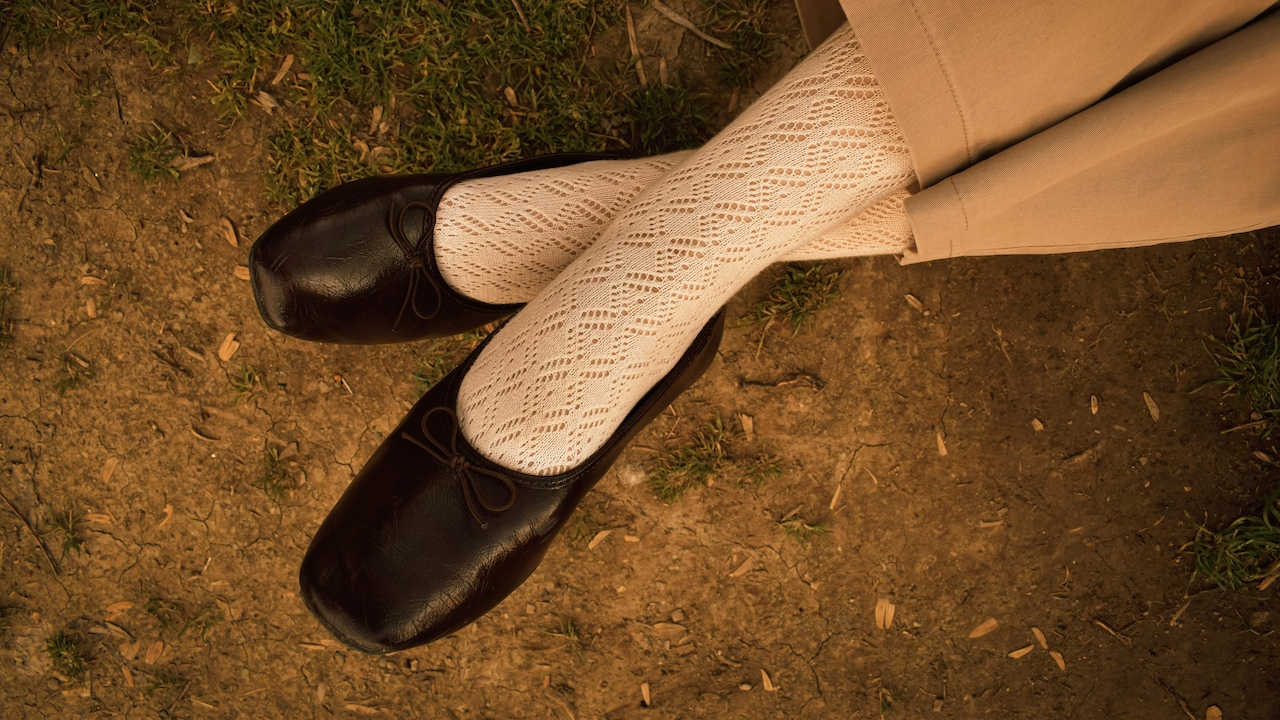
How To Choose Boots That Work In Cold Weather, Not Just Styling Reels
Winter boots should do more than look good. This guide helps you choose pairs that keep feet warm, dry, and comfortable in real conditions, not just on styling reels.
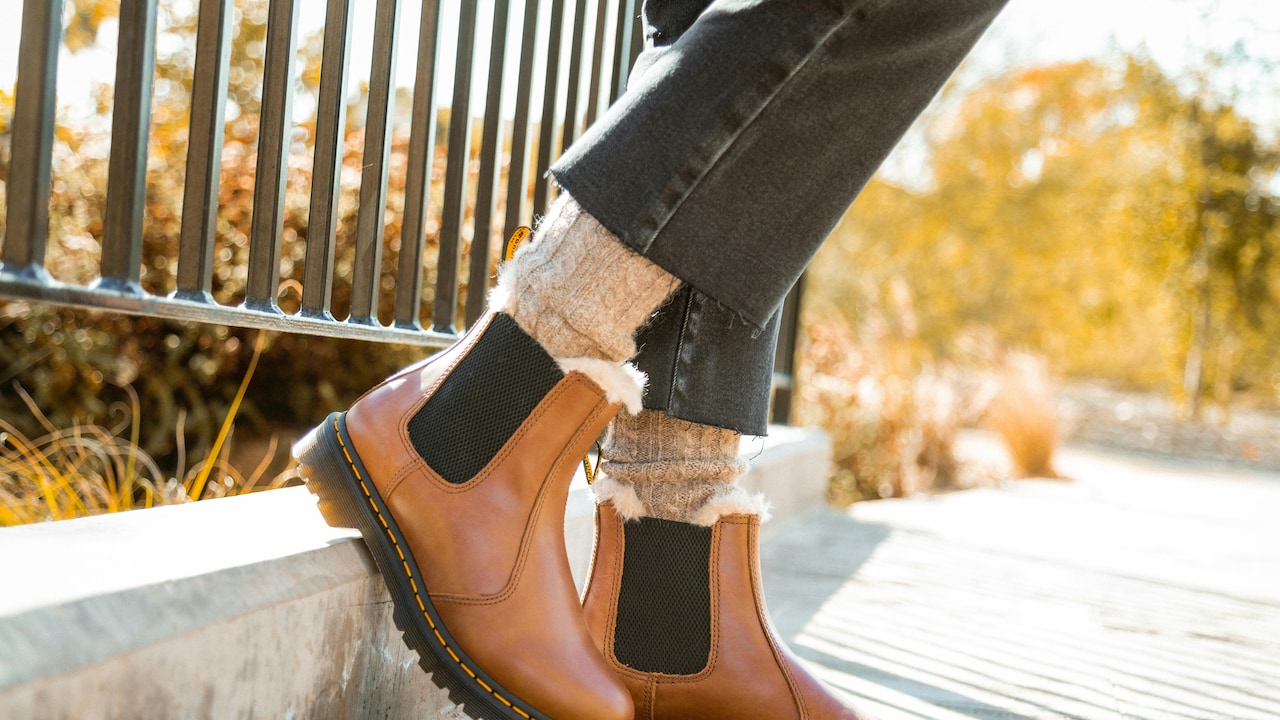
Keep your toes warm and snuggly in winter with these boot buying tips to find the right pair
Cold weather arrives quietly in some places and dramatically in others, but the need for reliable footwear remains the same. Social media overflows with glossy winter looks, chunky boots paired with oversized coats, perfect for a quick photo and a warm cup of chai indoors. Yet, step outside into an early morning fog, a slippery pavement, or a biting wind, and reality feels quite different. Boots that work in cold weather must do more than complete an outfit. They need to keep their feet warm during long commutes, handle unexpected drizzle, and stay comfortable through hours of walking. Many people learn this the hard way, investing ₹5,000 or more in a trendy pair that looks fantastic but leaves toes freezing after ten minutes outdoors. Choosing the right boots is less about trends and more about thoughtful decisions. From materials to sole grip, every detail plays a role. The goal is simple: boots that feel like a reliable companion, not just a styling prop. Here's how to make that choice wisely.
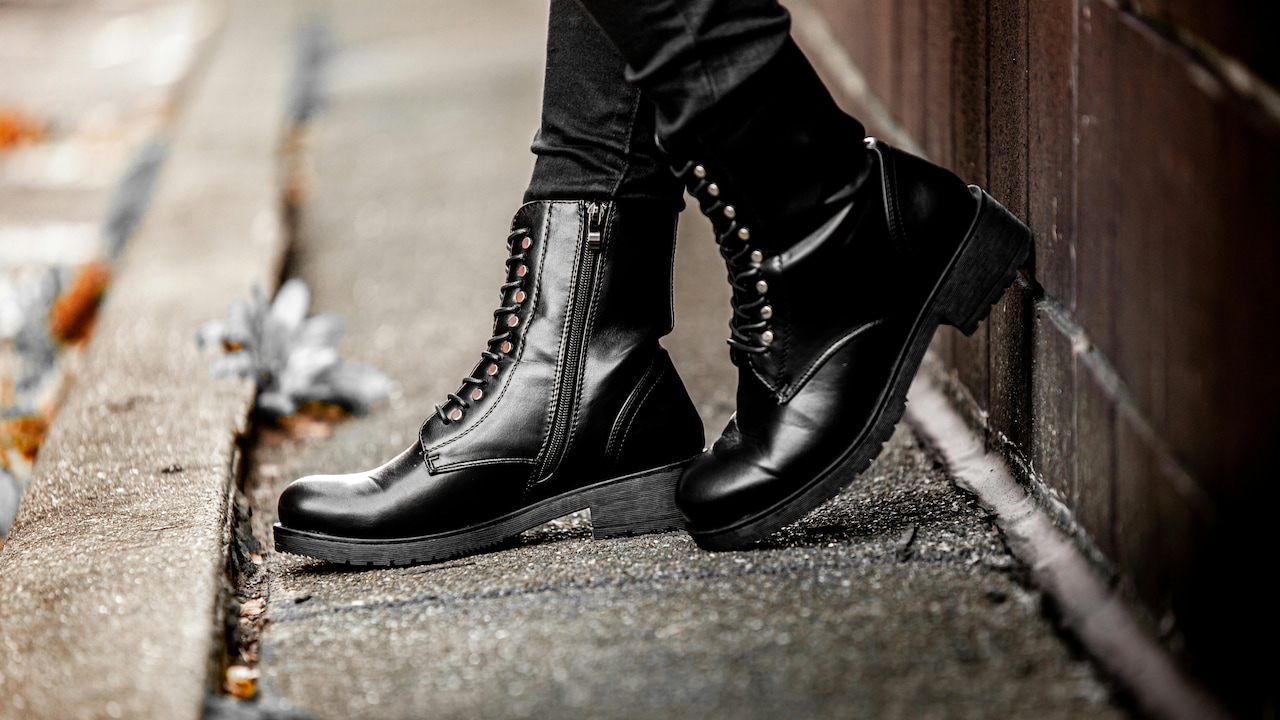
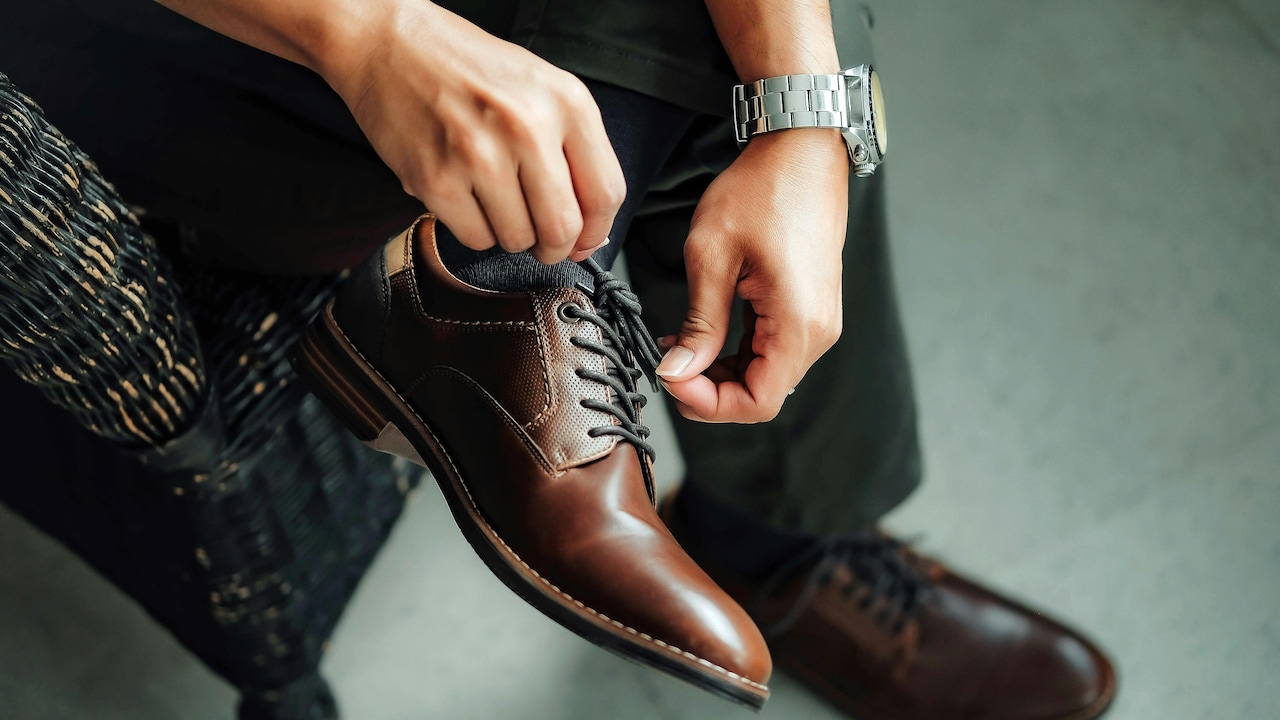
Top buying tips to find boots that actually keep you warm and comfy; Photo Credit: Pexels
Also Read: 7 Lightweight Boots for Women That Stay Comfortable All Day Without Feeling Heavy
What Actually Makes A Boot Winter-Ready
Understanding Insulation Beyond The Label
A boot labelled “winter-ready” does not always guarantee warmth. Insulation matters, but not all insulation performs equally. Materials like fleece lining or faux fur can feel cosy at first touch, yet they may fail to retain heat over time, especially in damp conditions. Real performance lies in how well the boot traps warmth without making feet sweat.
Temperature control becomes crucial. Feet that sweat quickly lose heat, leading to discomfort. Breathable insulation helps regulate this balance. Look for boots that combine warmth with ventilation rather than thick padding alone. A lighter, well-designed lining often performs better than bulky interiors.
Think of early morning metro commutes or long walks through misty streets. Boots should maintain warmth without turning into a sauna. A good test involves wearing them indoors for an hour. If feet feel too hot quickly, the insulation may not suit longer outdoor use. Comfort should feel steady, not overwhelming.
Choosing The Right Outer Material
The outer material acts as the first defence against cold and moisture. Leather remains a popular choice for a reason. It offers durability, some level of water resistance, and the ability to mould to the shape of the foot over time. However, untreated leather can absorb moisture, which becomes a problem in damp weather.
Synthetic materials have improved significantly. Many modern boots use treated fabrics that repel water while remaining lightweight. These often suit urban use where heavy snow is rare, but occasional rain or fog is common.
Suede, though stylish, demands caution. It stains easily and struggles with moisture. Without proper care, a ₹7,000 pair can lose its charm within weeks. For those who love suede, protective sprays become essential.
Ultimately, the choice depends on daily conditions. Boots should match the environment rather than just the wardrobe. A practical outer layer ensures longevity and keeps feet dry without constant maintenance.
Prioritising Sole Grip And Traction
A beautiful boot loses its appeal the moment it slips on a wet surface. Traction often goes unnoticed until it fails. Winter mornings bring dew, fog, and occasionally icy patches in colder regions. Smooth soles may look sleek, but offer little stability.
Rubber soles with defined patterns provide better grip. Deep treads help maintain balance on uneven or slippery surfaces. Walking confidently matters more than maintaining a polished appearance.
Consider daily routes. Uneven pavements, damp tiles, or crowded streets require a reliable footing. Boots should support natural movement rather than force cautious steps.
Trying boots on different surfaces, even inside a shop, can reveal subtle differences. A firm grip underfoot builds confidence. Over time, this feature becomes indispensable, especially during long days outdoors.
Getting The Fit Right For Layering
Cold weather often means thicker socks, which changes how boots fit. A pair that feels perfect with thin socks may feel tight when layered properly. Comfort begins with enough room for movement without causing friction.
Toes should have space to wiggle slightly. Tight boots restrict circulation, making feet colder rather than warmer. On the other hand, overly loose boots can lead to blisters during extended wear.
Trying boots with the type of socks intended for winter use offers a realistic sense of fit. Walking around for a few minutes helps identify pressure points.
Foot shape also plays a role. Some boots cater to narrow fits, while others suit wider feet. Choosing the correct fit prevents discomfort and enhances warmth. A well-fitted boot feels supportive without feeling restrictive.
Waterproofing Is Not Optional
Cold weather often comes with moisture, fog, drizzle, or unexpected puddles. Wet feet quickly turn cold, regardless of insulation. Waterproofing becomes essential, not a luxury.
Boots labelled water-resistant can handle light exposure, but they may fail under sustained moisture. Waterproof boots offer better protection, especially for longer outdoor use.
Simple tests can reveal effectiveness. Water should bead on the surface rather than soak in. Protective sprays can enhance performance, but they should not replace built-in resistance.
Daily life often involves unpredictability. A sudden downpour during an evening commute should not lead to discomfort. Investing in proper waterproofing saves both money and frustration in the long run.
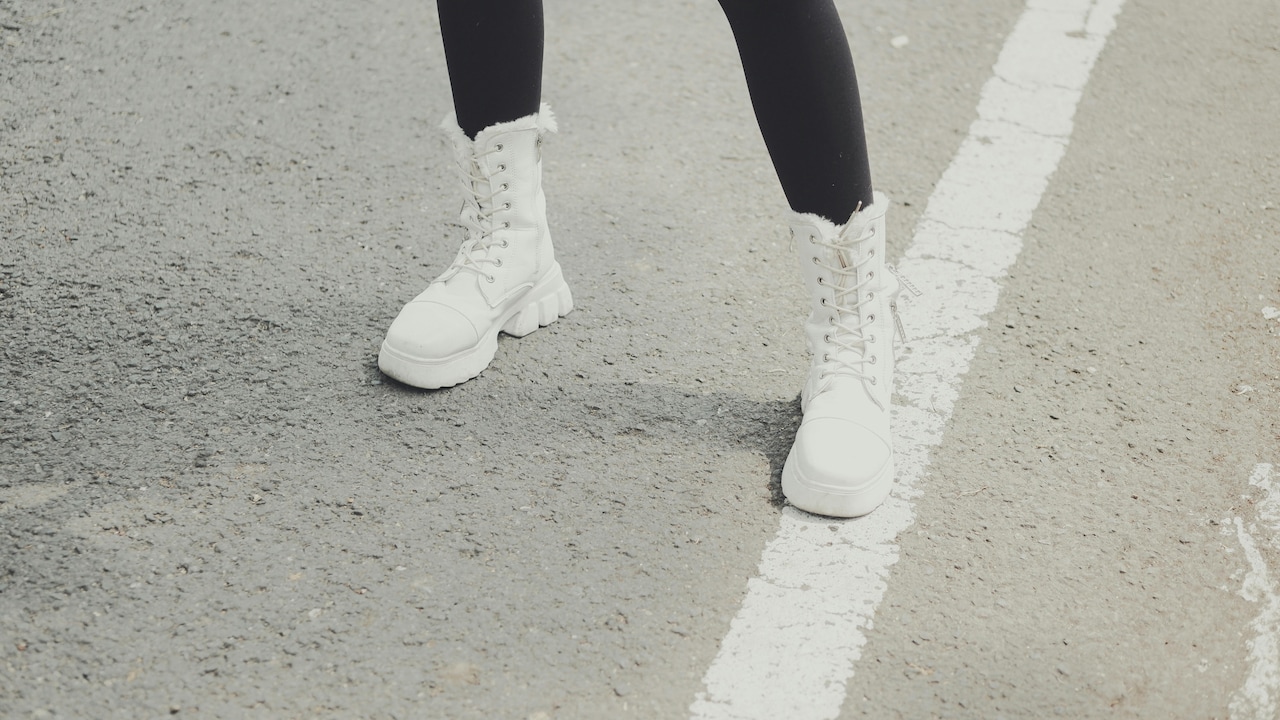
Always consider waterproof boots to tackle moisture, fog, drizzle, or unexpected puddles; Photo Credit: Pexels
Balancing Style With Practical Design
Style matters, but practicality defines long-term satisfaction. Chunky soles, high shafts, and bold colours often dominate fashion trends. However, these features should not compromise comfort or usability.
A sleek design may look elegant, but might lack insulation or grip. Similarly, overly bulky boots can feel heavy during extended wear. The ideal balance lies somewhere in between.
Neutral colours often work better for daily use. They pair easily with different outfits while maintaining a timeless appeal. This reduces the need for multiple pairs.
Fashion trends change quickly, but functionality remains constant. Choosing boots that combine subtle style with strong performance ensures they stay relevant beyond a single season.
Considering Weight And Comfort
Heavy boots may offer durability, but they can also lead to fatigue. Walking long distances in bulky footwear can strain legs and reduce overall comfort.
Lightweight boots provide ease of movement, especially during daily commutes. Advances in materials have made it possible to create sturdy boots without excessive weight.
Comfort also depends on cushioning. Insoles should support the foot and absorb impact. Standing for long hours becomes more manageable with proper support.
Trying boots for a longer duration before purchasing can help assess comfort. A pair that feels good after ten minutes may feel different after an hour. True comfort reveals itself over time.
Checking Stitching And Build Quality
Durability often lies in the details. Stitching, seams, and overall construction determine how long boots last. Poor stitching can lead to early wear, especially in areas exposed to moisture.
Inspecting seams closely helps identify quality. Strong, even stitching indicates better craftsmanship. Reinforced areas around the toe and heel add extra durability.
Zippers and laces should also feel sturdy. Weak components can fail quickly, affecting usability. A well-built boot withstands daily use without frequent repairs.
Spending ₹6,000 on a reliable pair often proves more economical than replacing cheaper boots repeatedly. Quality construction ensures long-term value.
Understanding Temperature Needs
Not all winters feel the same. Some regions experience mild chill, while others face biting cold. Boots should match the level of exposure rather than follow a generic label.
Light insulation works well for moderate temperatures. Heavier insulation suits colder climates or extended outdoor activities. Over-insulated boots can feel uncomfortable in milder conditions.
Daily routines also influence choices. Short outdoor trips require less insulation compared to long walks or outdoor work.
Matching boots to actual needs prevents discomfort. The right pair feels appropriate in every situation, not excessive or insufficient.
Investing Smartly Instead Of Following Trends
Trends often drive impulsive purchases. A viral pair of boots may look appealing, but may not suit practical needs. Thoughtful investment focuses on long-term use rather than momentary appeal.
Price does not always guarantee quality, but extremely low prices often indicate compromises. Balancing a budget with features ensures better value.
Reading reviews, trying different options, and considering daily use patterns help make informed decisions. A well-chosen pair can last multiple seasons, making the investment worthwhile.
Ultimately, boots should serve a purpose. They should feel dependable, comfortable, and suited to real conditions, not just curated images.
Products Related To This Article
1. Roadster The Lifestyle Co Men Round Toe Lace-Ups Biker Boots
2. Truffle Collection Black Suede Block Heeled Boots
3. Knoos Men Casual Block-Heeled Chelsea Boots
4. Truffle Collection Women Solid Calf-Length Winter Boots
5. EMPENO Men Round Toe Lace-Ups Boots
Cold weather demands more from footwear than any styling reel can capture. Boots must handle moisture, maintain warmth, provide grip, and remain comfortable through long days. While trends offer inspiration, practical choices define satisfaction.
The right pair becomes part of daily life, trusted during early morning errands, evening walks, and everything in between. They protect, support, and adapt without drawing attention to themselves.
Choosing wisely means looking beyond appearance. It involves understanding materials, fit, and function. When all these elements come together, boots stop being just another purchase. They become a reliable companion through every winter step. And that is when style truly meets substance.
(Disclaimer: This article may include references to or features of products and services made available through affiliate marketing campaigns. NDTV Convergence Limited (“NDTV”) strives to maintain editorial independence while participating in such campaigns. NDTV does not assume responsibility for the performance or claims of any featured products or services.)