How To Choose The Perfect Shoes For Comfort, Style And Everyday Life
Shoes influence comfort, confidence, and daily energy more than we realise. This guide explains how to choose footwear that matches lifestyle, mood and movement, so every step feels balanced, comfortable and intentional.

How To Find The Perfect Pair Of Shoes To Match Your Energy: Check This Footwear Guide Now.
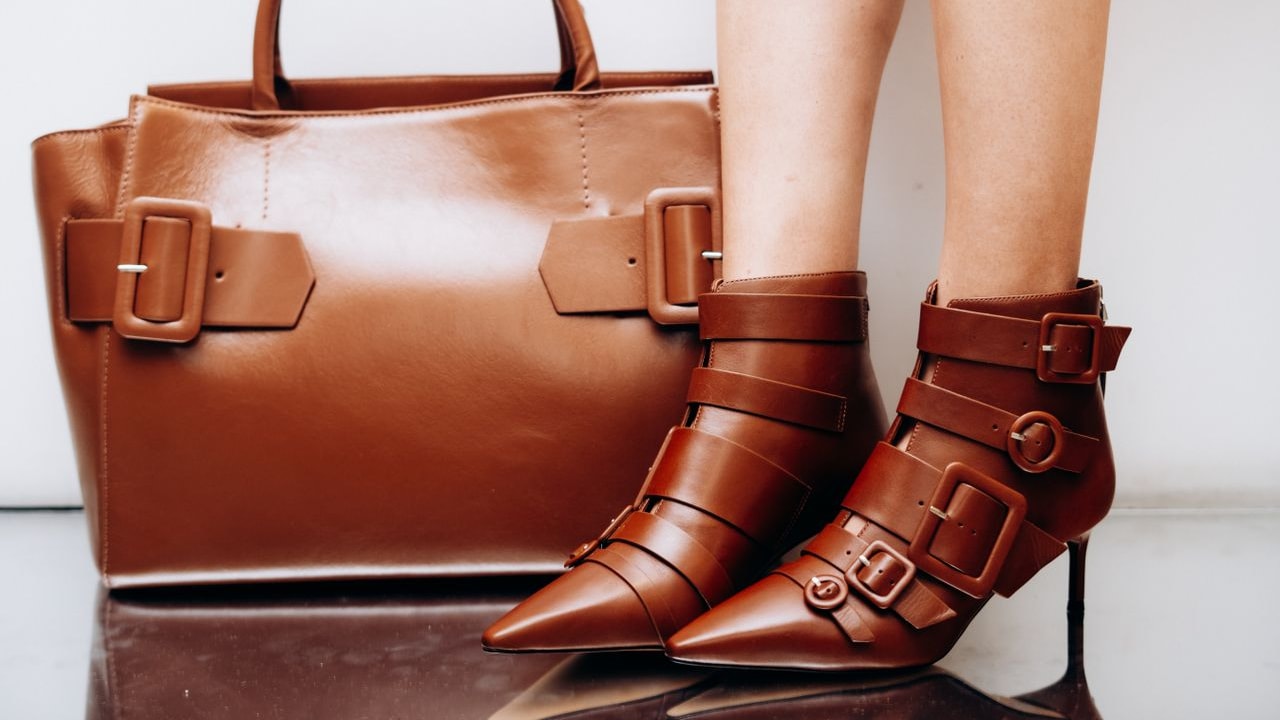
Footwear speaks a silent language. A crisp pair of sneakers suggests momentum. Handcrafted juttis hint at rooted elegance. Heels announce confidence, while worn-out sandals whisper comfort and familiarity. Shoes match not just outfits, but inner energy. Choosing footwear, then, becomes more than a style decision. It turns into an act of self-awareness. This guide breaks down how to choose the perfect shoes for comfort, style and everyday life. These shoes will align with personal energy, physical, emotional, and social.
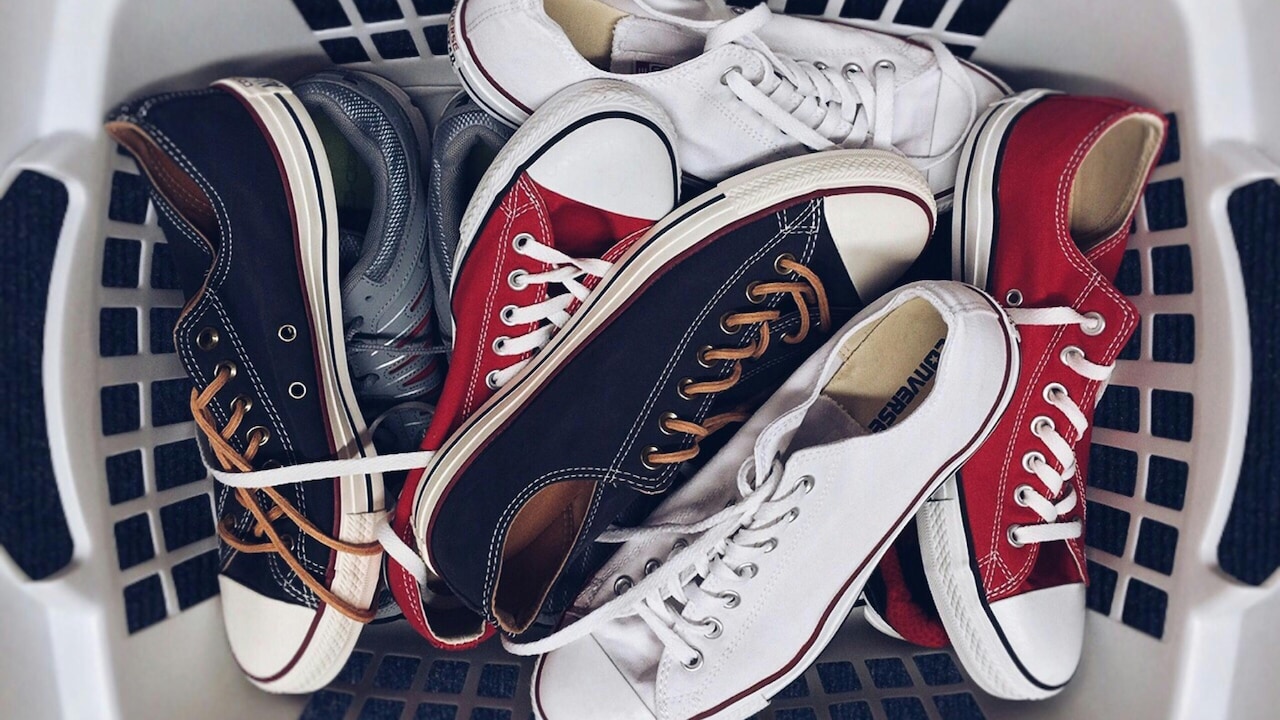
How To Choose The Perfect Shoes For Comfort, Style And Everyday Life
Photo Credit: Pexels
Choosing Footwear That Keeps Up With Everyday Life
1. Understand Personal Energy Before Shopping
Energy sets the tone for every choice, including footwear. Some days feel charged and ambitious, others calm and reflective. Recognising this rhythm helps narrow options even before entering a store.
High-energy personalities often stay in motion. Fast walkers, multitaskers, and spontaneous planners usually benefit from shoes that keep up. Lightweight trainers, cushioned soles, and flexible materials support this pace. On the other hand, grounded energy leans towards comfort and stability. Think broader soles, softer leathers, and relaxed silhouettes.
Weekdays and weekends also carry different moods. Office hours demand focus and structure, while evenings invite ease. Buying shoes without considering these shifts often leads to regret. That ₹3,500 pair of stiff formal shoes may look sharp, but sit unused if daily life prefers comfort.
Before shopping, pause and reflect. Does the day involve standing for hours, hopping between meetings, or strolling through markets? Matching shoes to these realities ensures harmony between body and mind. When energy and footwear align, movement feels natural rather than forced.
2. Let Lifestyle Shape Shoe Choices
Lifestyle dictates shoe needs more than trends ever will. A professional juggling long commutes and meetings needs dependable footwear. Someone working from cafés and shared spaces might value versatility. Social calendars packed with weddings and celebrations call for festive yet wearable options.
Footwear should support daily routines rather than complicate them. Slip-on loafers suit busy mornings. Breathable sandals work well in warmer months. Structured shoes fit formal environments but need cushioning for extended wear.
Ignoring lifestyle often leads to overflowing shoe racks filled with impractical pairs. That glossy pair purchased for ₹4,000 during a sale might shine once a year and gather dust thereafter. Smart choices prioritise frequency of use.
Observe patterns. How many hours involve walking? How often does rain disrupt plans? Do social events lean traditional or modern? Answering these questions helps shortlist shoes that feel like natural companions. When footwear blends seamlessly into daily life, it amplifies energy instead of draining it.
3. Comfort Is a Non-Negotiable Energy Booster
Comfort affects mood more than expected. Pinching toes, stiff soles, or poor arch support drain enthusiasm faster than a missed bus. Shoes that feel good encourage confidence and positivity throughout the day.
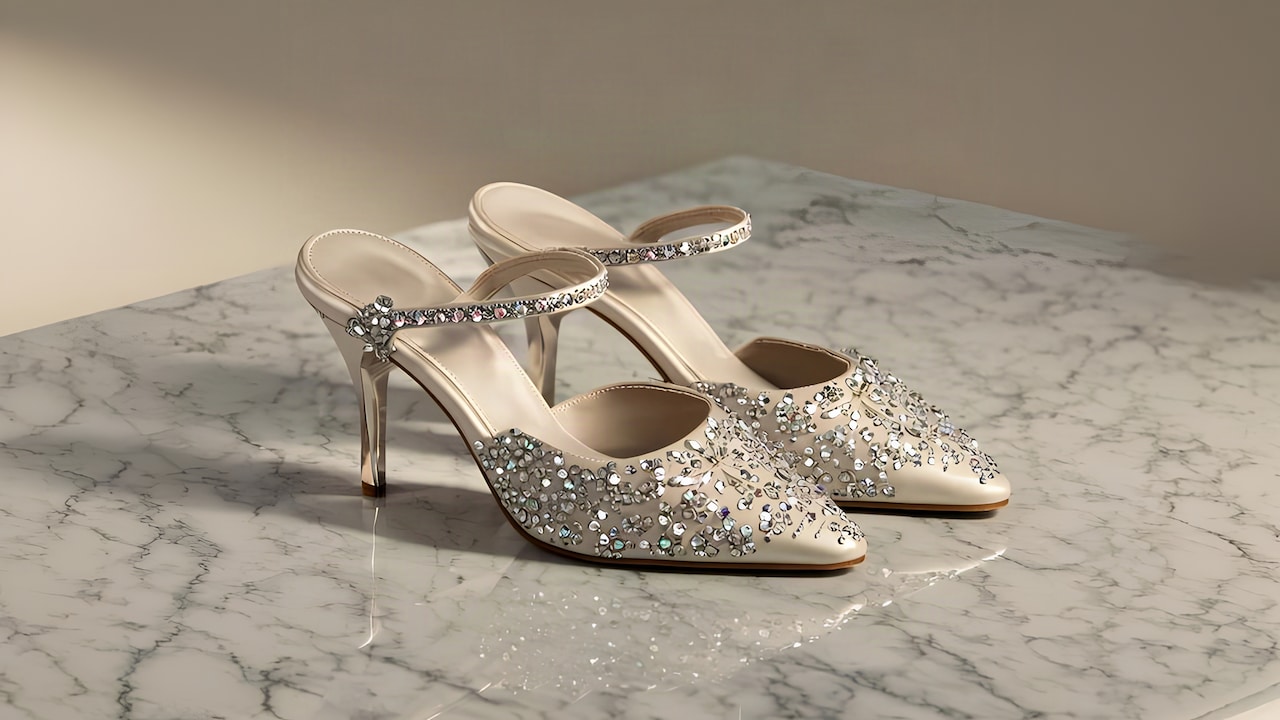
Comfort does not mean compromising on style. Many brands now balance aesthetics with ergonomic design. Cushioned insoles, breathable fabrics, and flexible soles make long days manageable. Even festive footwear now includes padded bases and adjustable straps.
Ignoring comfort often stems from short-term thinking. A quick trial in-store rarely reveals how shoes behave after eight hours. Walking around, bending slightly, and checking pressure points helps avoid discomfort later.
Feet swell as the day progresses, especially in warmer weather. Trying on shoes in the evening gives a more accurate fit. Spending a little extra, say ₹1,000 more, on comfort-focused designs often saves money otherwise spent on replacements or doctor visits.
When feet feel supported, posture improves, steps lighten, and energy flows freely. Comfortable shoes do not shout for attention; they quietly empower.
Also Read: How To Balance Acid Wash Denim With Tops, Shoes And Colours
4. Match Footwear to Emotional Mood
Emotions influence style choices, often subconsciously. Some days call for bold colours and sharp silhouettes. Others favour neutral tones and familiar shapes. Recognising this connection helps build a footwear collection that supports emotional wellbeing.
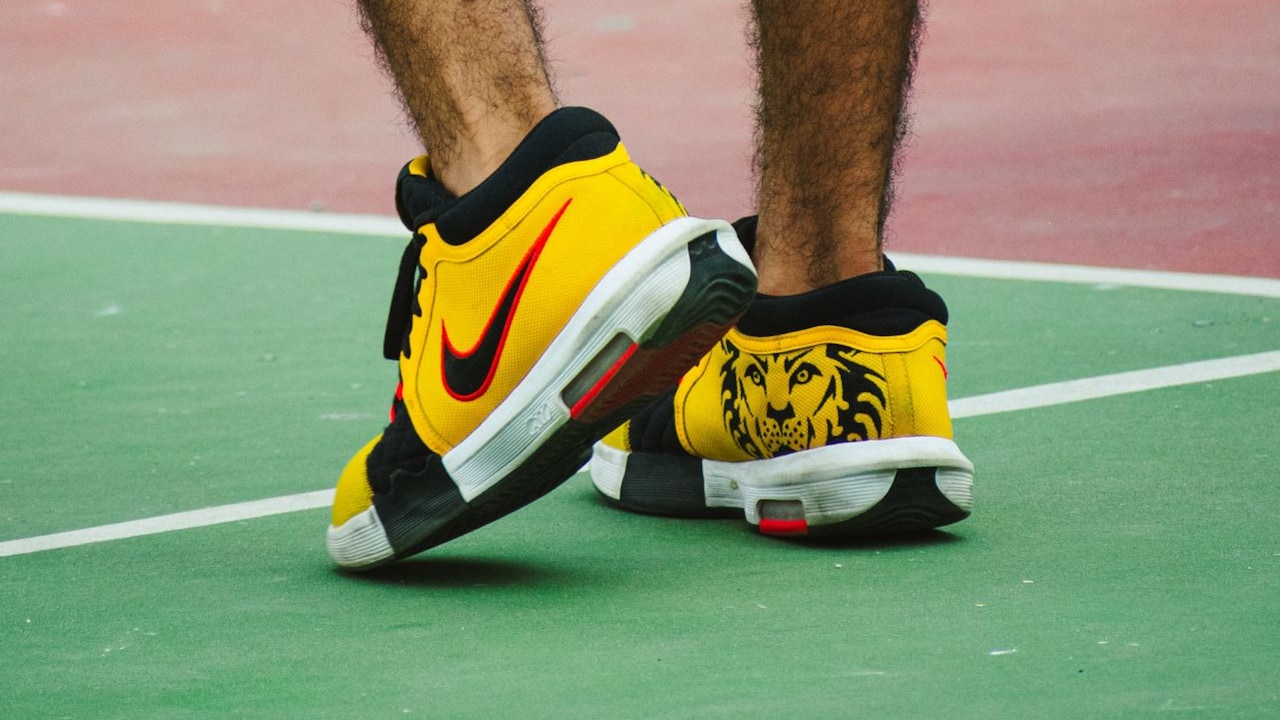
Bright sneakers or patterned flats can lift spirits on dull mornings. Soft leather sandals provide reassurance during stressful periods. Festive mojris often evoke nostalgia and warmth during celebrations.
Shoes act like emotional armour. Wearing something trusted can ease anxiety before presentations or social gatherings. That reliable pair of shoes, worn during past successes, carries positive associations.
Avoid buying footwear solely to impress others. Shoes chosen without emotional resonance often remain unused. Instead, notice which pairs get repeated wear. They reveal emotional preferences.
Seasonal moods also matter. Monsoons demand practical yet cheerful options. Winters invite layered textures and richer tones. Aligning shoes with emotional needs creates balance. When footwear resonates emotionally, it strengthens confidence from the ground up.
5. Cultural Context Matters More Than Trends
Global trends flood social media, but local context shapes real-life wearability. Cobblestone streets, uneven pavements, and bustling markets demand sturdier soles than glossy runways suggest.
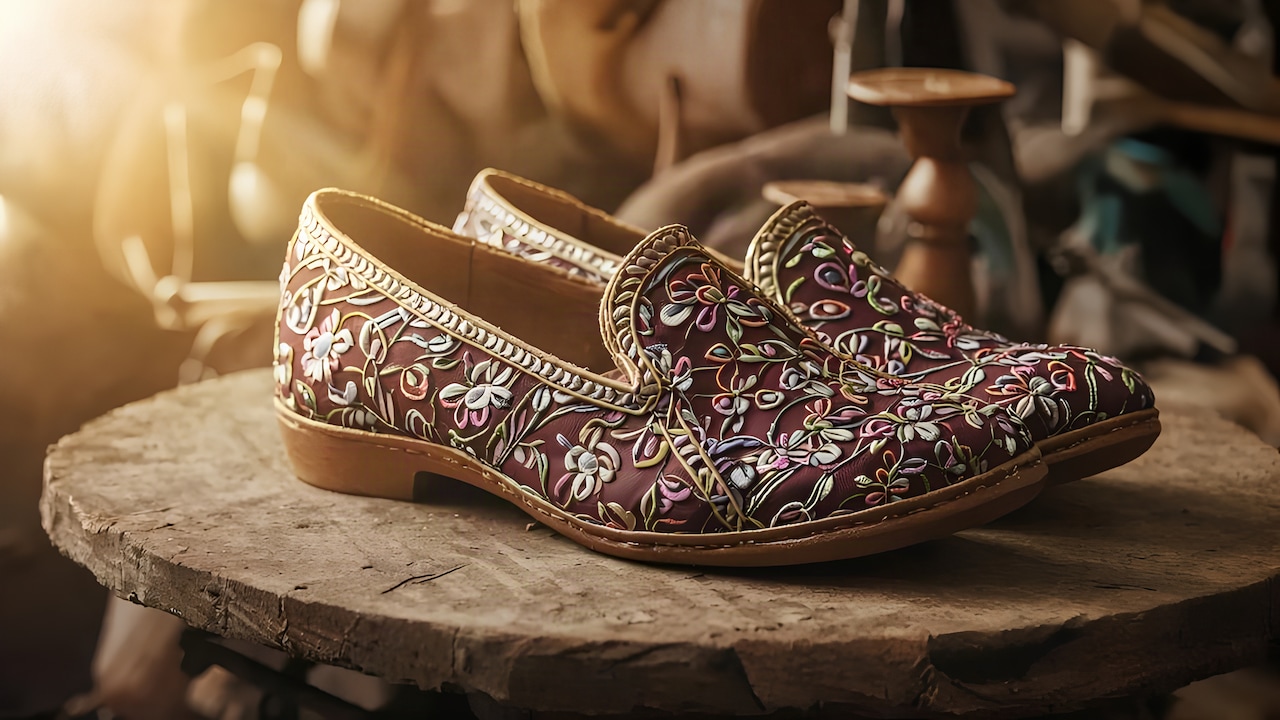
Traditional footwear holds cultural wisdom. Kolhapuri chappals, for instance, offer breathability and durability suited to the climate and terrain. Juttis blend artistry with comfort when crafted well. These designs evolved through generations of practical use.
Blindly following trends often leads to discomfort or impracticality. Ultra-thin soles might look sleek, but struggle on daily routes. Heavy boots may feel excessive in warmer weather.
Balancing tradition and modernity works best. Pair ethnic footwear with contemporary outfits or choose modern designs inspired by classic forms. Prices vary widely, from ₹1,200 for handcrafted pieces to premium versions costing ₹6,000, allowing flexibility.
Respecting cultural context ensures shoes feel appropriate and authentic. When footwear aligns with surroundings, it enhances presence rather than distracting from it.
6. Colour and Texture Reflect Inner Energy
Colours influence perception and mood. Neutral shades like tan, black, and beige offer stability and versatility. Brighter hues signal playfulness and confidence. Textures add another layer of expression.
Suede feels relaxed and approachable. Polished leather conveys formality. Canvas suggests ease. Mixing textures within a collection allows adaptation to different energies.
Colour choices often reveal personality. Earthy tones resonate with grounded energy. Reds and yellows energise and draw attention. Blues and greens calm and centre.
Practical considerations matter too. Lighter colours show dirt easily during monsoons. Darker shades handle daily wear better. Investing ₹2,500 in a versatile neutral pair often proves smarter than chasing seasonal colours.
Choosing colours and textures thoughtfully ensures footwear complements the mood and environment. When shoes visually align with inner energy, they feel like an extension of the self rather than an accessory.
7. Fit Shapes Confidence and Movement
Perfect fit transforms walking experience. Shoes too tight restrict movement. Loose ones cause instability. Both affect posture and confidence.
Feet differ in width, arch height, and shape. Standard sizes do not always accommodate these variations. Trying multiple brands helps identify better fits, as sizing varies.
Pay attention to toe space. A thumb's width between the longest toe and the shoe tip allows natural movement. Heel grip matters too; slipping indicates poor fit.
Custom or semi-custom options cost more, often ₹5,000 and above, but offer unmatched comfort for those with specific needs. Even off-the-shelf shoes can fit well with minor adjustments, like insoles.
Proper fit reduces fatigue and prevents long-term issues. When shoes fit right, walking feels effortless. Confidence rises naturally, without conscious effort.
8. Occasion-Specific Shoes Preserve Energy
Wearing the wrong shoes for an occasion drains energy quickly. Formal events demand structure. Casual outings allow flexibility. Matching footwear to the occasion preserves comfort and confidence.
Office environments often require closed shoes. Choosing breathable materials prevents discomfort. Social gatherings invite experimentation but still need practicality, especially when standing for hours.
Weddings and festivals involve long days. Ornate footwear looks appealing but should include padding and secure straps. Spending ₹3,000 on comfortable festive shoes proves wiser than enduring pain in cheaper options.
Travel requires versatility. Lightweight shoes that transition between walking and dining save space and effort. Occasion-appropriate footwear reduces stress and enhances enjoyment.
Planning footwear alongside outfits ensures readiness. When shoes suit the occasion, energy stays focused on experiences rather than discomfort.
9. Sustainability Aligns with Conscious Energy
Awareness around sustainability influences purchasing decisions. Shoes made responsibly align with the values of care and mindfulness. Ethical production, durable materials, and local craftsmanship contribute to this balance.
Fast fashion offers low prices but often sacrifices quality. Shoes priced at ₹800 may wear out quickly, leading to repeated purchases. Investing in durable pairs reduces waste and saves money long-term.
Supporting local artisans preserves skills and traditions. Handcrafted shoes often last longer and age gracefully. Repairing rather than replacing footwear extends lifespan and reduces environmental impact.
Sustainable choices create positive emotional energy. Wearing shoes with a story adds depth and meaning. Conscious consumption turns footwear into a statement of values rather than fleeting trends.
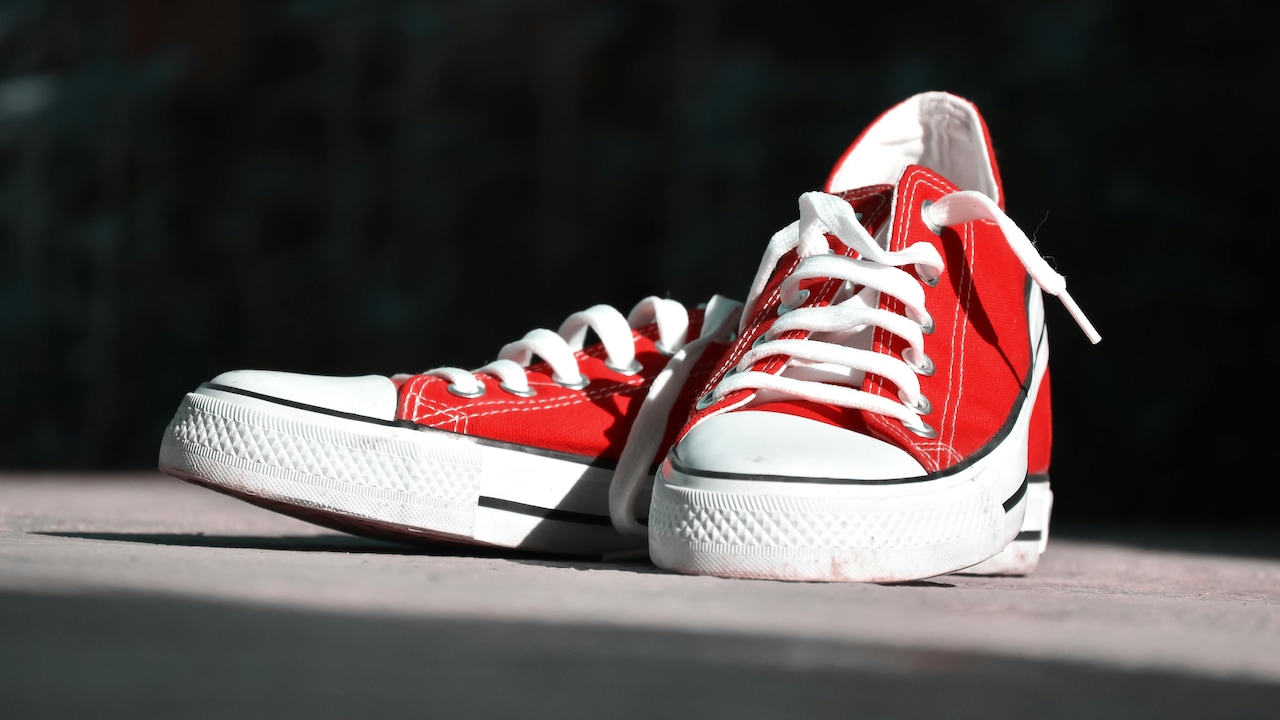
How To Choose The Perfect Shoes For Comfort, Style And Everyday Life
Photo Credit: Pexels
10. Trust Instincts Over Opinions
Advice helps, but instincts guide best. Shoes that feel right often get worn the most, regardless of external opinions. Comfort, confidence, and joy matter more than validation.
Friends may praise a trendy pair, yet personal discomfort tells another story. Listening to body signals prevents regret. If shoes cause hesitation, reconsider.
Trying on shoes at home with different outfits helps gauge versatility. Walking around for a while reveals true comfort. Trusting instinct avoids impulse buys.
Personal style evolves. Allow footwear choices to reflect growth rather than trends. When shoes resonate instinctively, they become reliable companions.
Confidence stems from authenticity. Shoes chosen with trust enhance energy naturally. Walking in alignment with instincts creates ease and assurance.
Products Related To This Article
1. Puma Carina Slim Perf Women Sneakers
2. Nike Men Legend Essential 3 Next Nature Workout Shoes
3. HRX by Hrithik Roshan Unisex Mesh Running Non-Marking Shoes
4. ASIAN Men Colourblocked Round Toe Mid-Top Sneakers
5. JQR Men RUMBA Color Blocked Sneaker
Shoes carry more than feet; they carry stories, moods, and momentum. Choosing the right pair involves understanding energy, lifestyle, emotions, and environment. Thoughtful footwear choices enhance daily experiences. They support long hours, celebrate special moments, and provide quiet confidence. Ultimately, the perfect pair feels like an extension of oneself.
(Disclaimer: This article may include references to or features of products and services made available through affiliate marketing campaigns. NDTV Convergence Limited (“NDTV”) strives to maintain editorial independence while participating in such campaigns. NDTV does not assume responsibility for the performance or claims of any featured products or services.)