How To Choose The Right Bracelet Size To Stop Sliding, Pinching And Tan Lines
Bracelets shouldnt slide, pinch or leave tan lines. This guide explains bracelet sizing, fit and comfort so every piece sits right, feels easy and looks good all day.
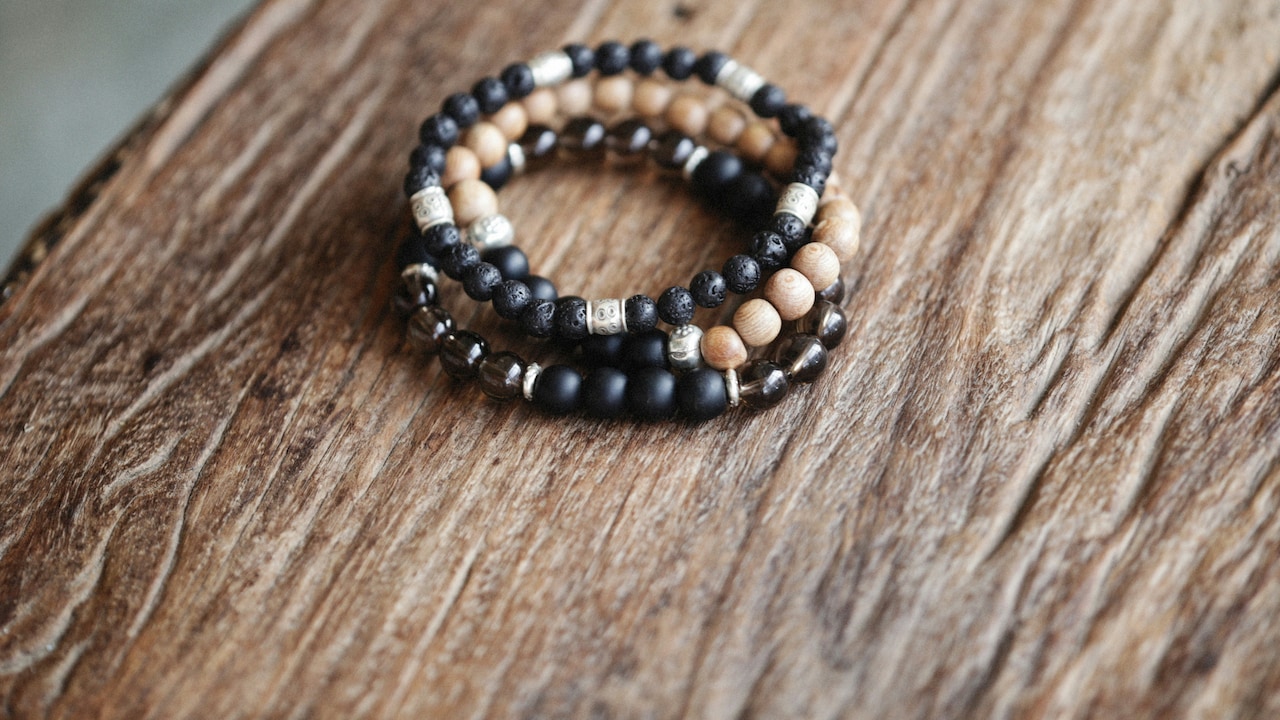
How To Avoid Bracelets Sliding, Pinching Or Leaving Tan Lines: Sizes Explained.
Bracelets carry meaning beyond fashion. They mark milestones, reflect personality, and often arrive as thoughtful gifts. Yet even the most beautiful piece of jewellery can turn frustrating if it refuses to sit right. A bracelet that keeps sliding during meetings. One that pinches can leave red marks by lunchtime. Another might quietly create a stubborn tan line after a day in the sun. These issues rarely stem from bad luck. Most arise from sizing misunderstandings or lifestyle mismatches. Wrists swell in heat, shrink in cooler weather and change shape through the day.
This article unpacks bracelet sizing in a clear, conversational way. It explores how to avoid sliding, pinching and tan lines without sacrificing style.
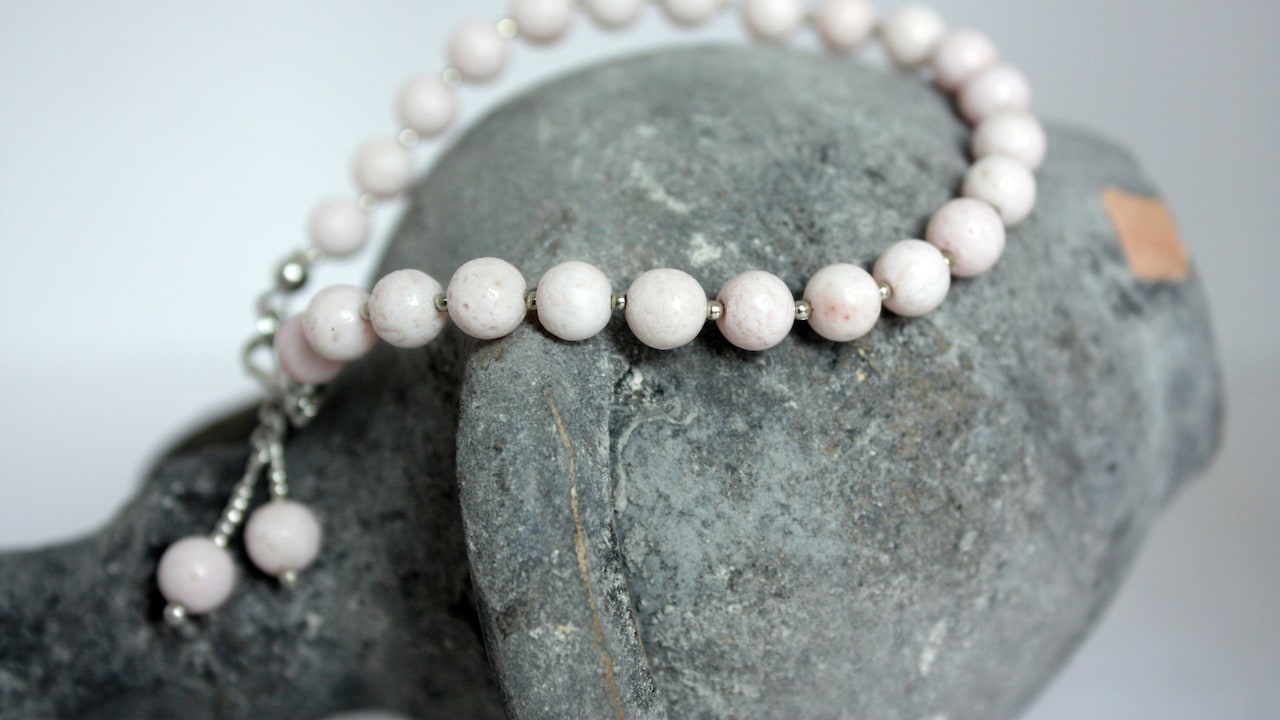
How To Avoid Bracelets Sliding, Pinching Or Leaving Tan Lines: Sizes Explained.; Photo Credit: Pexels
Common Fit Mistakes That Cause Sliding, Pinching and Tan Lines
1. Understand the Natural Shape of the Wrist
Wrists are rarely perfectly round. Some taper sharply, others stay straight, and many widen slightly toward the hand. Ignoring this shape often leads to bracelets that slide endlessly or dig in at odd angles. A bracelet sized only by circumference may look right on paper, but behave badly in daily wear.
The trick lies in observing where a bracelet naturally rests. Most wrists have a subtle indentation just above the wrist bone. Bracelets that sit here tend to stay put without pressure. Pieces that are too large slip past this point, while tighter ones fight against the bone.
Pay attention during everyday tasks. If a bracelet slides while typing or cooking, it likely exceeds the wrist's resting zone. If it presses during simple movements, the shape has not been considered. Choosing styles that match wrist contours makes a noticeable difference. Oval bangles, adjustable chains and softly curved cuffs often adapt better than rigid circles.
2. Measure at the Right Time of Day
Bracelet sizing changes with time, temperature and activity. Measuring first thing in the morning often leads to disappointment by afternoon. Heat, hydration and movement cause wrists to swell slightly as the day progresses.
The most reliable time to measure falls is mid-afternoon, when the body has settled into its natural rhythm. After a typical day of walking, working and commuting, wrists reflect their true average size. Measuring at this point prevents tightness later on.
The weather also plays a role. During humid months, wrists expand more than expected. Choosing a size with minimal allowance avoids pinching without causing excess sliding. A simple fabric tape works best, wrapped snugly but not tight. Adding 1–1.5 cm allows comfortable movement without constant slipping.
This small timing adjustment often solves issues that seem mysterious at first.
Also Read: 5 Best Silver Bracelets for Women: Top Everyday Designs That Never Go Out of Style
3. Leave Room for Movement, Not Excess
Bracelets need breathing space, but too much room creates chaos. The ideal fit allows gentle movement while staying within a controlled range. A well-sized bracelet should glide slightly when the arm moves, then settle back into place.
Excess space causes sliding, clanking and accidental knocks against desks or door frames. Over time, this also increases wear and tear. On the other hand, a fit with no allowance restricts blood flow and causes pinching during simple actions like bending the wrist.
A useful test involves slipping one finger between the bracelet and wrist. If the finger fits comfortably without force, the size usually works well. If two fingers slide in easily, the bracelet may be too loose. If none fit, discomfort likely follows.
Balance matters more than precision. A bracelet that feels forgettable during wear has usually hit the sweet spot.
4. Choose Adjustable Designs for Daily Wear
Life rarely follows a fixed pattern. Commutes run longer, meals vary and weather shifts unexpectedly. Adjustable bracelets adapt to these changes without fuss. Chains with extender links, sliding knots or open cuffs offer flexibility that fixed sizes lack.
These designs work especially well for long days. A bracelet can sit snug during work hours, then loosen slightly for evening comfort. This adaptability prevents pinching and reduces tan line intensity, as the bracelet can shift position subtly.
Adjustable styles also suit gifting. Since wrist sizes differ widely, flexibility removes guesswork. Instead of worrying about exact measurements, the focus stays on design and sentiment.
For everyday wear, adjustability often proves more practical than rigid perfection. It quietly adapts, much like a favourite pair of sandals that feels right no matter where the day leads.
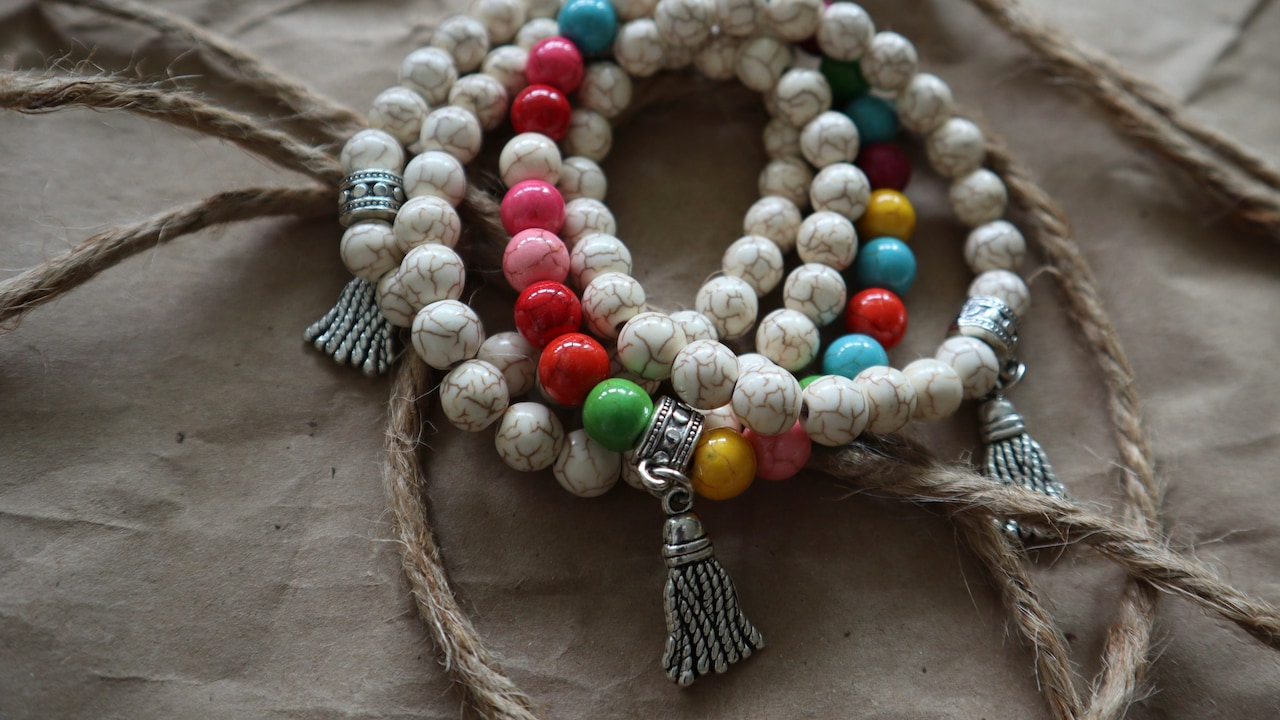
How To Avoid Bracelets Sliding, Pinching Or Leaving Tan Lines: Sizes Explained.; Photo Credit: Pexels
5. Match Bracelet Width to Wrist Size
Width influences comfort more than expected. A slim bracelet on a broad wrist may slide excessively, while a wide cuff on a delicate wrist can feel overwhelming and restrictive.
Wider bracelets distribute pressure evenly, reducing pinching. They also tend to stay in place better due to increased surface contact. Slim designs, while elegant, require precise sizing to avoid constant movement.
Stacking adds another layer. Multiple thin bracelets together behave differently from a single piece. They often stay put better as a group, though individual movement still occurs. Choosing a slightly tighter fit for stacks prevents noise and slipping.
Matching width to wrist proportions creates visual harmony and physical comfort. When both align, the bracelet feels intentional rather than awkward.
6. Be Mindful of Metal and Material
Materials react differently to heat and moisture. Metals expand subtly in warmth, while leather and fabric respond to sweat. Ignoring this can lead to sudden tightness or unexpected sliding.
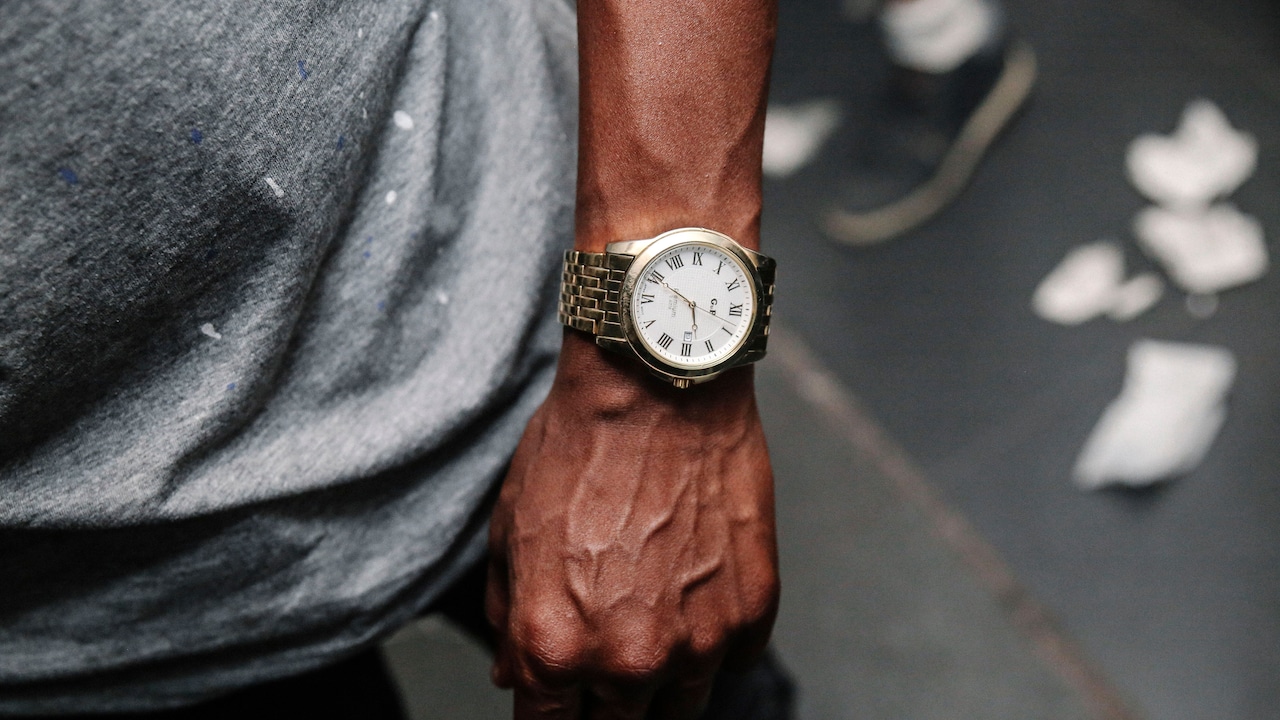
Metal bracelets worn outdoors during hot afternoons may feel snug by evening. Leather bands can stiffen with sweat, causing pinching. Fabric styles absorb moisture and stretch slightly, leading to gradual loosening.
Choosing materials based on usage helps. Metal suits office settings and evenings. Fabric and thread work well for casual wear but benefit from adjustable closures. Leather pairs best with moderate climates or shorter wear periods.
Rotating bracelets prevents material fatigue and skin irritation. Giving each piece a break extends its life and keeps it fit consistently.
7. Prevent Tan Lines with Smart Positioning
Tan lines form when bracelets stay fixed in one spot for hours under strong sunlight. Even a perfect fit can cause this if worn daily without adjustment.
Shifting the bracelet slightly throughout the day spreads exposure. Removing it during peak sun hours also helps. Opting for looser fits during summer allows subtle movement, reducing sharp tan edges.
Lighter materials reflect heat better than dark metals, minimising skin contrast. Wearing bracelets occasionally rather than constantly keeps skin tone even.
Tan lines fade, but prevention saves time and effort. Small habits make a visible difference over weeks of sunshine.
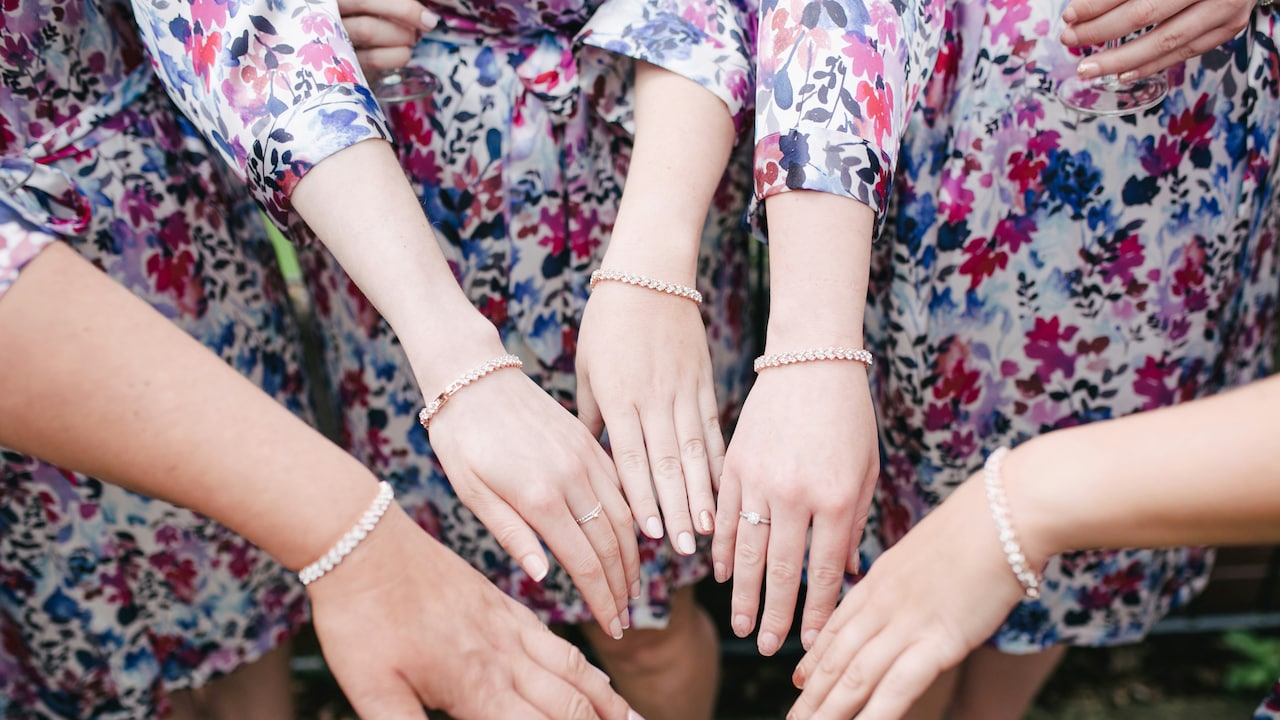
How To Avoid Bracelets Sliding, Pinching, Or Leaving Tan Lines: Sizes Explained; Photo Credit: Pexels
8. Factor in Daily Activities
Bracelets behave differently during various tasks. Typing, driving, cooking and commuting all influence movement and pressure. A size that feels fine at rest may become irritating during repetitive actions.
For desk-heavy days, bracelets that sit just above the wrist bone avoid keyboard contact. During active errands, snugger fits prevent sliding and knocking. Removing bracelets during workouts protects both skin and jewellery.
Understanding daily routines helps in selecting the right size and style. A single bracelet may not suit every activity. Keeping options allows comfort without compromise. Comfort often comes from planning, not sacrifice.
9. Avoid Pinching with Rounded Edges and Proper Fit
Pinching often results from sharp edges combined with tight sizing. Even slight pressure becomes noticeable over time. Rounded edges and smooth interiors reduce friction and pressure points.
Cuffs with gently curved ends adapt better to wrist movement. Chains with flexible links move with the skin rather than against it. Avoid designs that taper sharply at closure points, as these tend to dig in.
Ensuring the correct size remains essential. No design compensates for a bracelet that is simply too small. Comfort should never feel like an afterthought.
A bracelet should enhance confidence, not demand endurance.
10. Recheck Size Over Time
Bodies change subtly. Weight fluctuations, climate shifts and ageing affect wrist size. A bracelet that once fit perfectly may behave differently a year later.
Rechecking size annually prevents surprises. Adjusting or resizing early avoids damage and discomfort. Many bracelets allow minor alterations that restore comfort without altering appearance.
Seasonal checks work well. What fits in winter may feel tight in summer. Having slight variations in size across a collection ensures comfort year-round.
Jewellery evolves with its wearer. Staying attentive keeps the relationship effortless.
Products Related To This Article
1. Accessorize London Women's Gold-Plated & White Crystals Dragonfly Clasp Charm Bracelet
2. Iga collection Bracelet Kada
3. Jewels Galaxy Women 5 Gold-Toned & White Gold-Plated Cuff Bracelet
4. Jewels Galaxy Set Of 5 Gold-Plated Charm Bracelets
5. Bohey by KARATCART Men Leather Handcrafted Multistrand Bracelet
6. DressBerry Women Brass Gold-Plated Cuff Bracelet
7. Shining Diva Fashion Set Of 3 Gold-Plated Bangle-Style Bracelet
8. SOHI Women Gold-Toned Gold-Plated Cuff Bracelet
Top Bracelets deserve more thought than a quick clasp and hope for the best. Sliding, pinching and tan lines rarely happen without reason. They signal mismatches in size, shape, material or routine. Understanding these factors transforms how bracelets feel and function.
The right fit balances movement and stability. It adapts to daily life, weather and personal style without demanding attention. When sized thoughtfully, bracelets fade into the background, allowing their beauty to shine. Comfort and style do not compete. With mindful sizing and a little observation, bracelets become companions rather than distractions.
(Disclaimer: This article may include references to or features of products and services made available through affiliate marketing campaigns. NDTV Convergence Limited (“NDTV”) strives to maintain editorial independence while participating in such campaigns. NDTV does not assume responsibility for the performance or claims of any featured products or services.)