How To Choose The Right Rain Boots For Indian Weather And Terrain
Know how to pick the right rain boots for Indian weather and terrain. From grip and waterproof materials to fit and maintenance, here is what to look for before buying.
How To Choose The Right Rain Boots For Indian Weather And Terrain
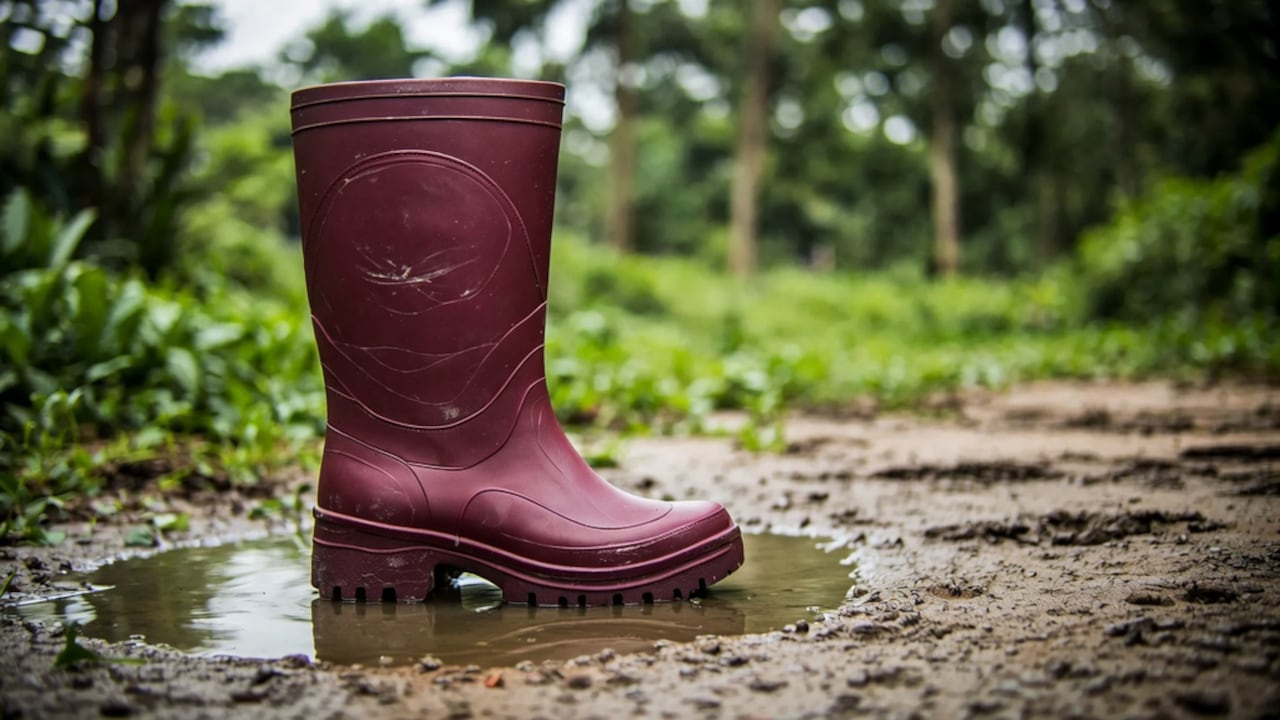
The monsoon season presents both advantages and challenges. The rain cools things down after weeks of heat, but it also brings flooded streets, muddy paths and slippery pavements. A short walk to the shop can become a battle against puddles and wet feet. Many people focus on umbrellas and raincoats when the rainy season arrives, yet footwear is often overlooked. The wrong pair of shoes can leave your feet damp for hours, while the right rain boots can make daily travel far more comfortable.
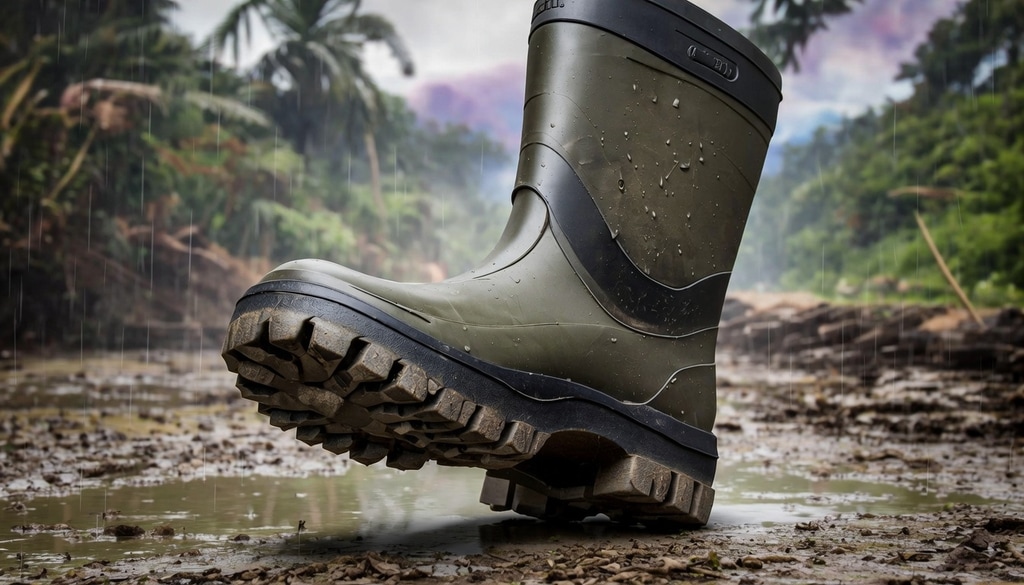
Choose durable water-resistant boots with excellent traction to navigate tricky terrains during Indian monsoons.
Photo Credit: iStock
If you are planning to invest in a pair this season, it is worth taking a little time to understand what separates a quality rain boot from one that spends most of its life gathering dust in a corner.
Why Rain Boots Matter During the Monsoon?
Anyone who has spent a day in soaked trainers knows how unpleasant it can be. Wet shoes feel heavy, take ages to dry and often end up smelling less than fresh. During the monsoon, that problem can become a daily occurrence.
Rain boots are designed to deal with conditions that ordinary footwear struggles to handle. They help keep water out, provide better protection from mud and allow you to move around without worrying about every puddle in your path.
They are best for cities where roads become waterlogged after a heavy downpour. In rural areas, they can also make walking through muddy ground much easier.
What Kind Of Material Handles Rain Best?
1. Rubber material
Rubber is a wonderful choice when it comes to rain boots. It is waterproof, simple to clean and able to cope with regular exposure to rain. A quick rinse is all you need to get rid of dirt and mud.
2. PVC boots
PVC boots are commonly seen during the monsoon because they are lightweight and usually cheaper. They do a good job of keeping water out and can be practical for everyday use.
3. Waterproof Leather
Some folks love footwear that looks less like a traditional rain boot. Waterproof leather boots are a popular option for office attire or smart-casual ensembles. But they need more care than rubber boots and may require occasional waterproof treatments.
4. Materials To Avoid
Canvas and other fabric-based shoes are rarely a good choice in heavy rain. They absorb moisture quickly and can stay damp long after the weather has improved.
Why The Sole Matters More Than You Think?
Many people buy rain boots based on appearance alone. The problem is that a boot can be completely waterproof and still perform poorly on slippery surfaces.
1. Deep Tread Improves Grip
Check the bottom of the boot. Deep grooves and textured patterns on the sole help improve grip on wet roads.
2. Flat Soles Can Be Risky
Boots with very smooth soles may struggle to gain traction on wet ground. Heavy rain can increase the chances of slipping.
3. Good Grip Builds Confidence
When you know your shoes can cope with puddles, muddy roads and slick footpaths, you naturally move around with more confidence. It's a small detail that can make a big difference.
Features Worth Checking Before You Buy
1. Waterproof Construction
This advice may sound obvious, but not all rain footwear gives the same level of protection. Always see if the entire boot is waterproof rather than simply water-resistant.
2. Comfortable Footbed
You might only plan to wear the boots when it rains, but that could still mean several hours at a time. A cushioned footbed can make walking far more comfortable.
3. Adjustable Fit
Incredible features like buckles, straps or adjustable openings can help create a more secure fit. This feature becomes useful when wearing thicker socks.
4. Durable Build Quality
Rain boots often face rough conditions. Strong stitching, quality materials and a sturdy sole usually mean that the boots are built to last.
How To Choose The Right Rain Boots For Indian Weather
Step 1: Think About Where You Will Actually Wear Them
Start with your daily routine. Someone who spends most of the day walking through city streets has different needs than a person travelling through muddy village roads. Think about the conditions you face most often rather than buying for the occasional extreme weather day.
Step 2: Match The Material To Your Lifestyle
In case practicality is your main issue, rubber is the right option. If you need something that works for both rainy commutes and office wear, waterproof leather might be worth considering. The best choice depends on how and where you plan to use the boots.
Step 3: Turn The Boot Over And Check The Sole
Many buyers never look underneath the boot before purchasing it. That is a mistake. The tread pattern can tell you a lot about how the footwear will perform on wet surfaces. A sole with deeper grooves generally has better grip.
Step 4: Find The Right Height
Ankle-length boots may be adequate for light rain and short trips. Mid-calf boot styles provide additional splash protection. If you are in a flood-prone area, taller styles are usually the best option.
Step 5: Try Them On Properly
A rain boot should not pinch your toes, but it should not feel loose either. Walk around for a few minutes if possible. Pay attention to how your heel feels and whether your foot slides around inside the boot.
Step 6: Think Beyond The First Rainy Day
Before choosing, always see how easy the boots will be to clean and maintain. A pair that looks good in the shop but becomes difficult to care for after a few weeks may not be the best investment.
How To Maintain Rain Boots During Monsoon
1. Wash Off Mud Before It Dries
Fresh mud is simple to remove. Once it dries and hardens, cleaning becomes much more difficult. A quick rinse after use can save time later.
2. Let Them Dry Naturally
Don't place your boots next to heaters or let them dry with strong heat. Let them dry naturally.
3. Store Them Upright
Keeping rain boots upright takes care of their shape. It also prevents unnecessary creases from forming over time.
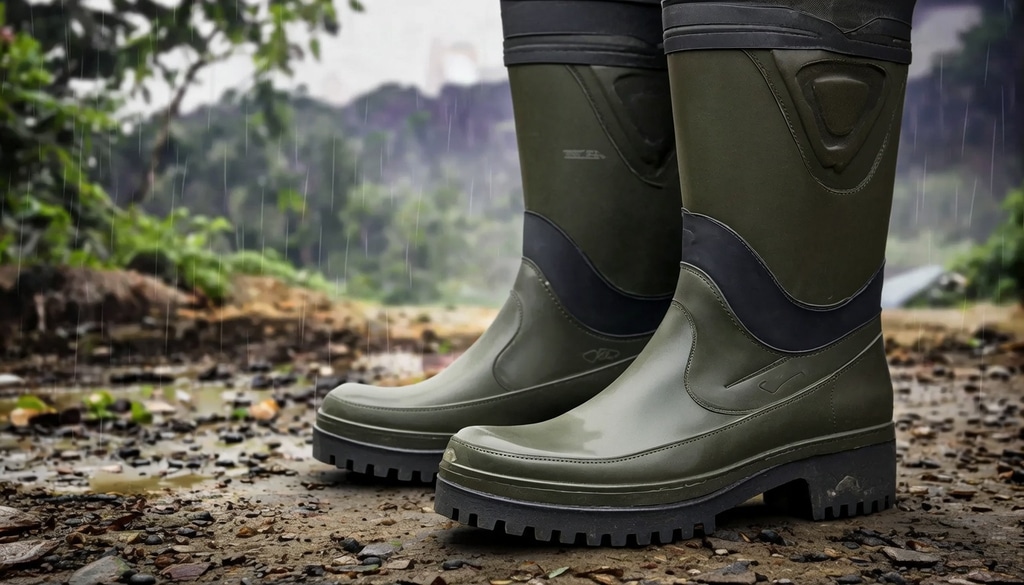
Evaluate the fit, material, and sole grip before purchasing rain boots for Indian weather.
Photo Credit: iSTock
Some Rain Boot Products You May Like
1. PVC Black Waterproof Boots
2. Generic Waterproof Tread Pattern Rubber Rain Boots
3. MERISHOPP Women's Rain Boots Waterproof
4. HILLSon MERICOM M1-M6 Fashion Rain Gumboots
5. Lyla Women Rain Boots Waterproof
6. Robustt Steel Toe Boots
7 HILLSON DESI Girls' Fashion Boots
8. MYADDICTION Women Rain Boots
In conclusion, choosing the right rain boots for Indian weather and terrain comes down to balancing comfort, durability, and practicality. With unpredictable monsoons, waterlogged streets, and slippery surfaces being common across cities and rural areas alike, investing in waterproof, anti-slip, and breathable boots is essential. Opt for lightweight designs that are easy to clean and suitable for long hours of wear, especially if you commute daily. By focusing on quality materials and a secure fit, you can stay comfortable, stylish, and protected throughout the rainy season without compromising on ease or functionality.
Frequently Asked Questions (FAQs)
1. Are rain boots suitable for everyday use during the monsoon?
Yes. People usually love to wear rain boots daily during the rainy season.
2. Which material is best for rain boots?
Rubber is the nice choice, as it is waterproof, durable and easy to maintain.
3. Should rain boots fit tightly?
No. Your boots should feel secure while also allowing enough room for free movement.
4. Can I wear rain boots for long walks?
Yes. But this is only true if the rain boots provide enough support and cushioning.
5. How often should rain boots be cleaned?
Ideally, they should be wiped after use, mainly when exposed to mud and dirty water.
(Disclaimer: This article may include references to or features of products and services made available through affiliate marketing campaigns. NDTV Convergence Limited (“NDTV”) strives to maintain editorial independence while participating in such campaigns. NDTV does not assume responsibility for the performance or claims of any featured products or services.)