How To Choose Wool Kurtas That Don't Itch Or Feel Bulky
Wool kurtas dont have to itch or feel heavy. Learn how to choose the right fabric, weave and fit to stay warm, comfortable and stylish throughout winter without sacrificing ease of movement. Explore expert tips to buy wool kurtas that don't feel itchy.
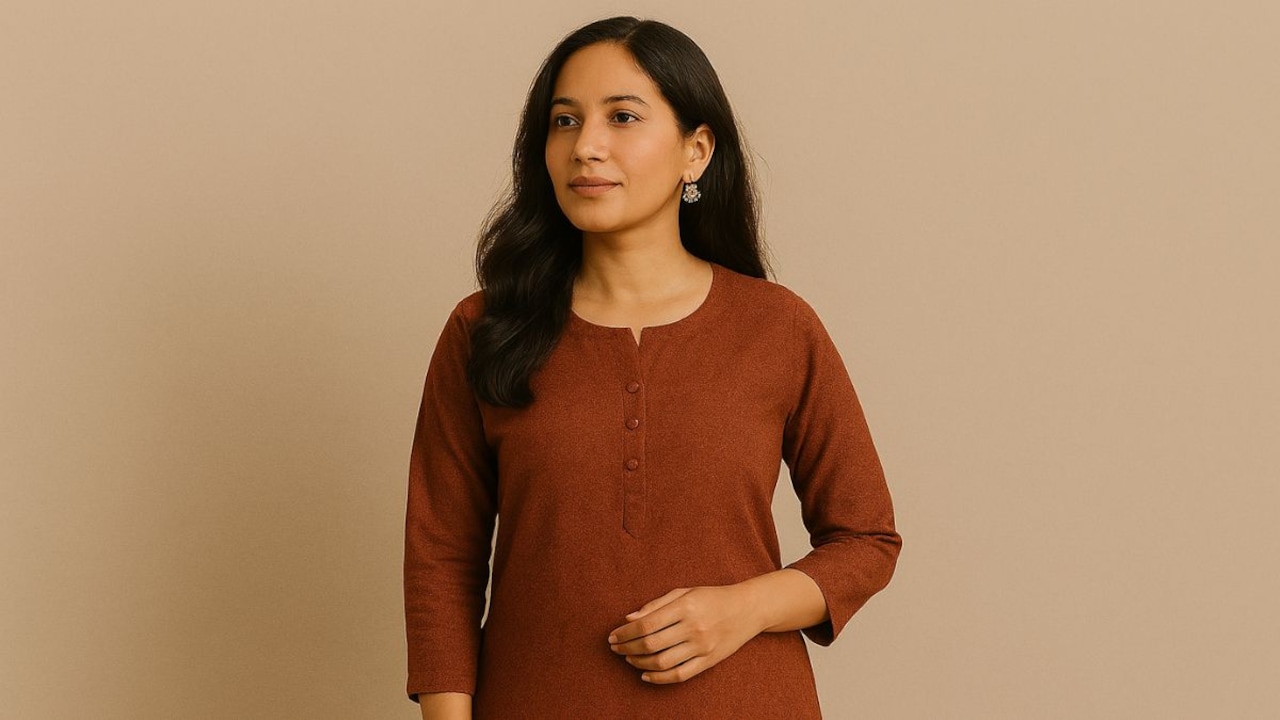
Buying Wool Kurtas For Winter: How To Avoid Itchiness and Bulk.
Winter dressing often feels like a balancing act. Staying warm matters, but comfort matters just as much. Wool kurtas sit right at the centre of this struggle. They promise warmth and elegance but sometimes deliver itchiness, stiffness and an unflattering bulk. However, modern weaving, better yarn selection and smarter tailoring have transformed wool garments. A well-chosen wool kurta now feels cosy without suffocating the body. It drapes well, looks refined and works for daily wear as easily as festive evenings.
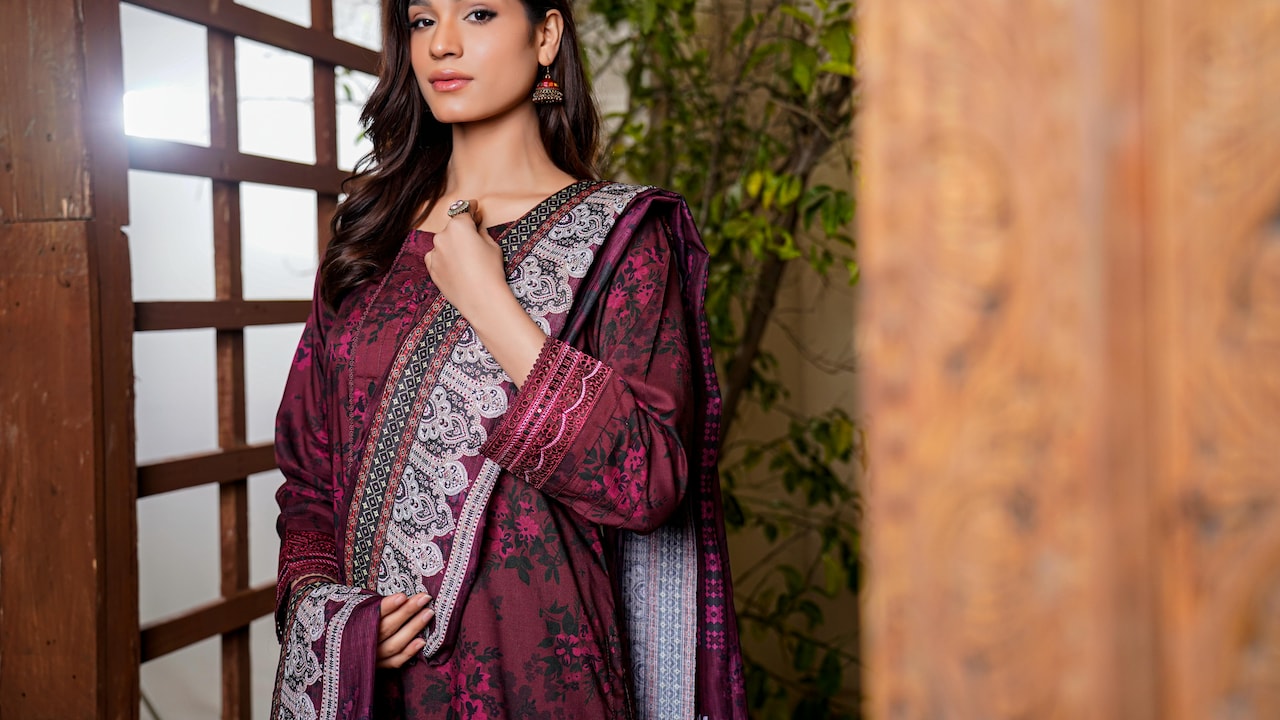
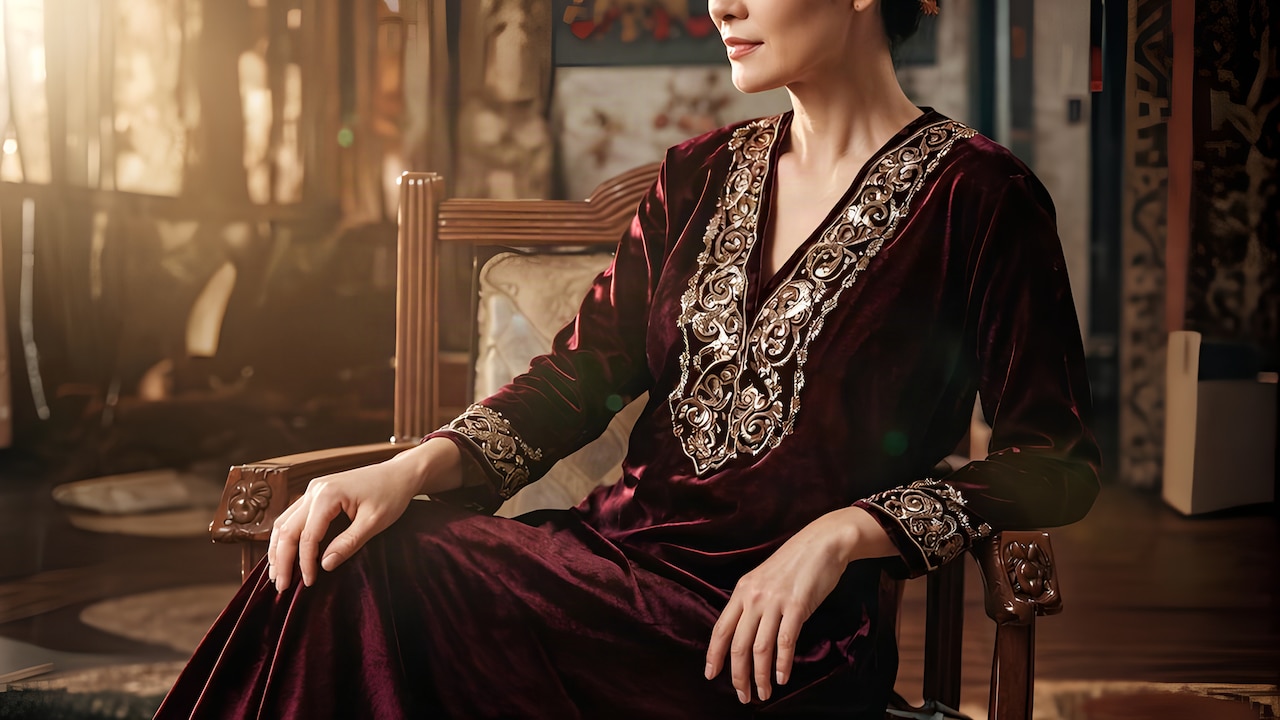
Buy the wool kurta of your dreams with these easy shopping tips; Photo Credit: Pexels
Choosing the right one still needs care. Wool varies widely in texture, weight and quality. A small detail, like the type of wool or the lining inside, can decide whether the kurta feels luxurious or unbearable.
This guide explores practical, easy-to-follow tips to help pick wool kurtas that feel gentle on skin and light on the body. From fabric choices to fit, every point focuses on comfort without sacrificing style.
Also Read: How To Wear Wool Kurtas In Mild Winters: Dos And Don'ts
A Practical Guide to Picking Wool Kurtas That Actually Feel Good
1. Understand the Type of Wool Used
Not all wool behaves the same way. Some varieties feel soft and breathable, while others feel coarse and heavy. The itch usually comes from thicker fibres that rub against the skin. Fine wool fibres bend easily and feel smoother.
Merino wool stands out as a top choice. It feels soft, regulates temperature well and suits long hours of wear. Cashmere blends also offer warmth without weight, though they sit at a higher price point. Lambswool works well too, provided it undergoes proper processing.
Labels often mention “pure wool” without detail. That term alone does not guarantee comfort. Look for finer wool descriptions or blended options. Blends with cotton or modal reduce itch and improve breathability.
When shopping locally, touch the fabric. Rub it gently against the wrist or neck. If it feels scratchy there, it will feel worse after hours of wear. Good wool should feel calm and smooth, not aggressive.
2. Choose Lightweight Weaves Over Thick Knits
Bulky kurtas often result from heavy knitting rather than wool quality alone. Thick, chunky weaves trap heat but also restrict movement. They add unnecessary volume, especially around shoulders and sleeves.
Lightweight wool weaves work better for kurtas. They retain warmth while allowing airflow. These fabrics drape naturally and flatter most body types. Fine twill or plain weaves feel less rigid and look polished.
Winter in most regions rarely demands extreme insulation indoors. A lighter kurta paired with a shawl or jacket offers more flexibility. It allows adjustment through the day without discomfort.
Hold the kurta up to light if possible. A slight translucence indicates a lighter weave. It still keeps warmth when layered correctly. Heavy fabrics feel stiff even before wearing them.
Comfort comes from balance, not excess. Lightweight wool keeps the body warm while letting it breathe.
3. Pay Attention to the Inner Lining
An inner lining can make or break a wool kurta. Unlined wool touches skin directly and often causes irritation. A soft lining creates a protective barrier and improves comfort instantly.
Cotton linings work best. They feel breathable and absorb moisture, preventing sweat build-up. Silk blends also work well for festive kurtas, adding smoothness and subtle luxury.
Check that the lining covers key contact areas like shoulders, chest and arms. Partial linings leave exposed wool patches that cause itching later in the day.
Poorly stitched linings bunch up and feel uncomfortable. Smooth seams and neat finishing matter. A good lining should feel invisible once worn.
Many people skip this detail while shopping. Yet lining determines whether a kurta feels wearable for hours or becomes unbearable after thirty minutes.
4. Avoid Overly Tight Fits
A snug fit may look sharp, but it rarely feels comfortable in wool. Tight kurtas press the fabric against skin, increasing friction and itch. They also restrict airflow, making the body feel overheated.
Opt for relaxed yet structured silhouettes. A well-fitted kurta should skim the body, not cling to it. Slight ease around the chest and arms improves movement and comfort.
Tailoring plays a crucial role here. Off-the-rack pieces often aim for a slim look. Minor alterations can improve fit without changing style. Loosening sleeves or shoulders can make a big difference.
Wool behaves differently from cotton. It needs space to breathe and settle. Giving it that space ensures warmth without discomfort.
Style never needs suffering. Comfort always enhances confidence.
5. Check the Weight Before Buying
Fabric weight often goes unnoticed. Yet it decides how bulky a kurta feels. Wool measured in grams per metre gives a clearer idea of heaviness.
Medium-weight wool works best for kurtas. It offers insulation without stiffness. Heavy wool suits, coats and shawls are better than daily garments.
Lift the kurta and feel its weight in hand. A good wool kurta should feel substantial but not exhausting. Wearing it should not feel like carrying extra layers.
Heavier fabrics also fatigue the shoulders over long hours. That discomfort creeps in slowly and ruins the experience.
When warmth feels excessive, the body sweats. That moisture makes itchiness worse. Lighter wool prevents that cycle.
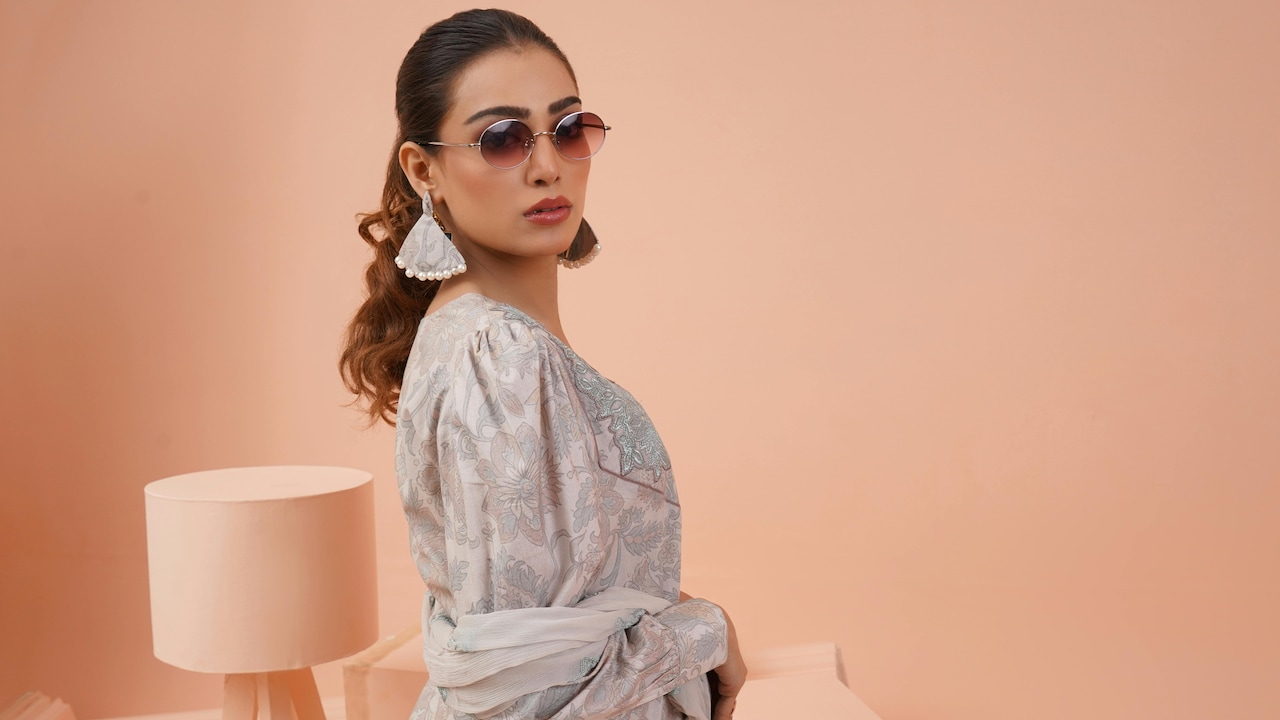
Opt for medium-weight wool kurtas that don't add extra bulk; Photo Credit: Pexels
6. Look for Blended Wool Fabrics
Pure wool sounds appealing, but blended fabrics often feel better. Wool blended with cotton, viscose or acrylic softens the texture and reduces itch.
Cotton blends improve breathability. Viscose adds fluid drape. Acrylic keeps the fabric lightweight while retaining warmth. These blends also cost less, making them practical for daily wear.
Blends suit fluctuating temperatures well. They adapt to indoor heating and outdoor chill without discomfort.
Some purists avoid blends, assuming they reduce quality. That belief no longer holds true. Modern blends combine durability with comfort.
Check fabric composition tags carefully. A blend does not mean compromise. It often means comfort.
7. Feel the Fabric Finish and Treatment
Wool undergoes various treatments during production. Poor finishing leaves fibres rough and prickly. Good finishing smooths the fibres and improves softness.
Look for terms like “pre-shrunk”, “enzyme-washed” or “soft-finished”. These indicate extra processing that improves feel.
Run fingers across the fabric surface. It should feel even, not fuzzy or spiky. Excess fuzz often signals loose fibres that irritate skin.
Quality finishing also improves longevity. Well-treated wool pills less and holds shape longer.
A kurta may look good on the hanger but feel unpleasant after wear. Fabric finish reveals its true quality.
8. Choose the Right Neck and Sleeve Design
Design details affect comfort more than expected. High collars, tight cuffs and narrow sleeves trap heat and cause friction.
Opt for open necklines or soft band collars. They allow airflow and reduce direct contact with wool around the neck.
Sleeves should allow movement. Three-quarter sleeves or slightly wider cuffs feel more comfortable than tight full sleeves.
Design elements should enhance ease, not restrict it. Wool kurtas work best when they flow with the body.
Comfort hides in these small details.
9. Test Breathability Before Buying
Breathability determines long-term comfort. Wool should regulate temperature, not trap heat excessively.
A simple test helps. Hold the fabric close to the mouth and breathe through it. Air should pass through easily. If breathing feels blocked, the fabric may trap heat.
Breathable wool prevents sweating. Sweat combined with wool causes itch and discomfort.
Good breathability also makes the kurta suitable for day-long wear. From morning errands to evening gatherings, it adapts smoothly.
Winter clothing should feel cosy, not suffocating.
10. Care Instructions Matter More Than Expected
Even the best wool feels uncomfortable if cared for poorly. Incorrect washing stiffens fibres and increases itch.
Always follow care labels. Hand wash or dry clean as recommended. Use mild detergents designed for wool.
Avoid wringing or twisting. Gently press out water and dry flat. Harsh handling damages fibres permanently.
Proper storage also matters. Fold wool kurtas instead of hanging them. Hanging stretches the fabric and alters the drape.
Good care preserves softness and shape. A well-maintained wool kurta improves with time instead of worsening.
Products Related To This Article
1. FAMBEE Women Woollen Kurta
2. SUTI Turtle Neck Long Sleeves Woollen Long Tunic
3. Trend Level Women Embroidered Woollen Kurta
4. Myplusfashion Women Floral Printed Handloom Woollen Kurta
5. ROSARY Winter Women Acrylic Kurta
6. Vastraa Fusion Women Floral Printed Straight Kurta
7. Myplusfashion Women Floral Printed Gotta Patti Handloom Woollen Kurta
Wool kurtas no longer deserve their old reputation. With thoughtful choices, they feel soft, light and comfortable throughout winter. Comfort and style can coexist easily. A well-chosen wool kurta keeps warmth in check while allowing freedom of movement and breathability. Winter dressing should feel reassuring, not restrictive. The right wool kurta turns cold days into an excuse to dress well and feel good at the same time.
(Disclaimer: This article may include references to or features of products and services made available through affiliate marketing campaigns. NDTV Convergence Limited (“NDTV”) strives to maintain editorial independence while participating in such campaigns. NDTV does not assume responsibility for the performance or claims of any featured products or services.)