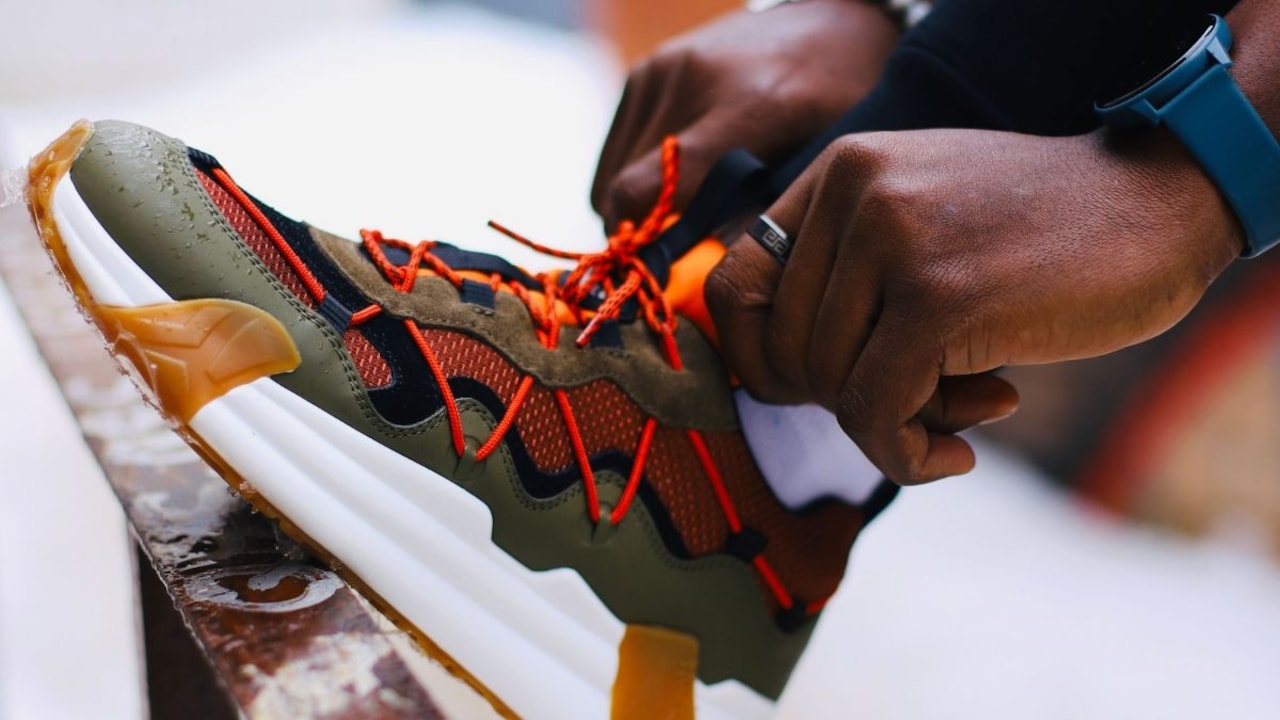
How To Clean White Sneakers At Home Without Ruining Them
Want to clean white sneakers at home without ruining them? Here are safe, simple methods for every material, plus tips to keep them looking fresh longer.
How To Clean White Sneakers At Home Without Ruining Them
White sneakers have a way of looking brilliant for exactly one week before the world gets to them. A single rainy commute, a dusty footpath, or just regular daily wear is enough to dull that crisp brightness. And while the damage looks discouraging, most of it is surprisingly fixable at home with things you probably already own.
The catch is that cleaning white sneakers incorrectly can leave them worse off than before. Bleach that yellows the fabric, heat that warps the sole, and rough scrubbing that frays the mesh: these are real and common outcomes when people go in without a plan. Having a basic understanding of the materials used in your sneakers can significantly improve their care.
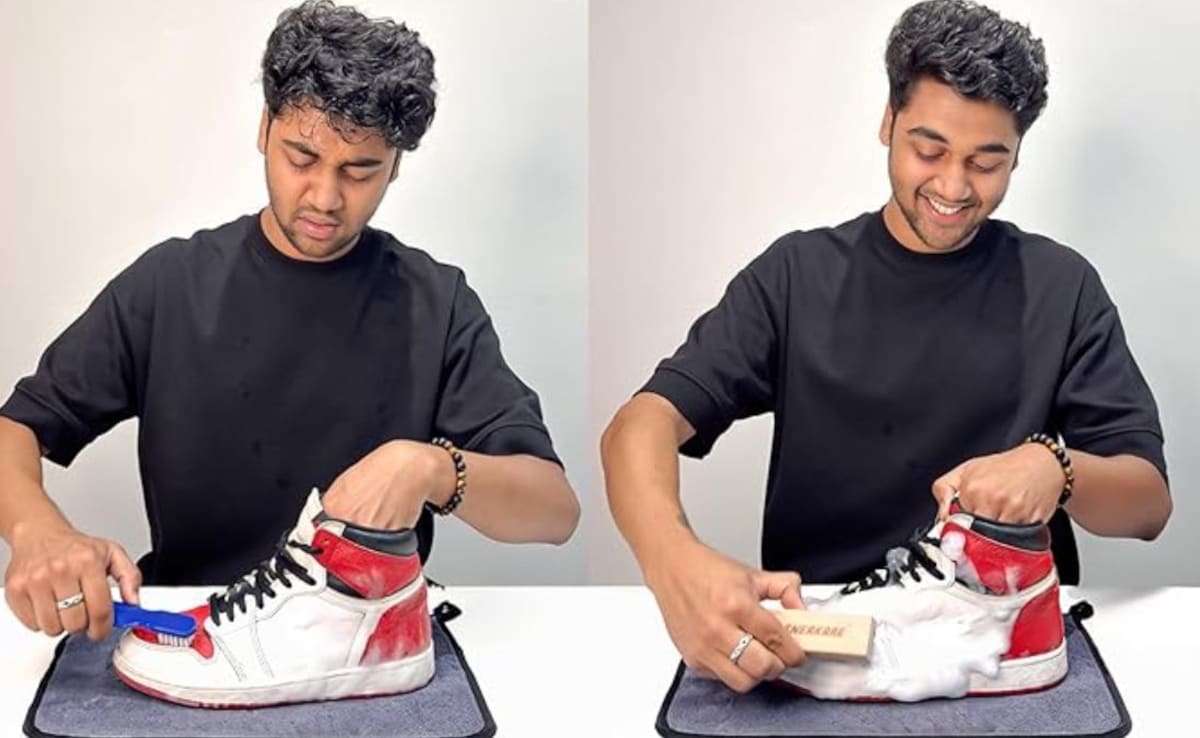
Discover easy ways to wash white sneakers properly and keep them fresh for longer.
Photo Credit: Amazon
How To Clean White Sneakers At Home
The first thing worth knowing is that white sneakers are not all the same. Canvas behaves differently from mesh, and leather from synthetic. Water that is perfectly safe on one material can stain or stiffen another. So before you reach for any cleaner, take thirty seconds to figure out what you are actually dealing with.
Once you know the material, the actual cleaning process is quite manageable. Most households already have what is needed: baking soda, mild dish soap, white vinegar, an old toothbrush, and a few clean cloths. No specialist products required, though those certainly exist if you want them.
Step 1: Pull The Laces Out And Clear Off Loose Dirt
Laces should come out first. Drop them in a bowl of warm water with a small squeeze of dish soap and let them soak while you work on the rest. Before applying anything wet to the shoe, use a dry brush or old toothbrush to knock away dried mud and surface dust. Skipping this step means you will just be working dirt deeper into the material when you start scrubbing.
Step 2: Match Your Cleaning Method To The Material
Canvas and mesh sneakers handle moisture well and respond nicely to a baking soda and dish soap paste. Leather and faux leather are more sensitive, since too much water can cause watermarks, so a barely damp cloth is better than anything wet. Synthetic materials usually fall somewhere in the middle and can handle gentle scrubbing without issue.
Easy Methods To Clean White Sneakers Without Damage
Step 1: Use Baking Soda And Dish Soap For Canvas Sneakers
Mix one tablespoon of baking soda with about half a tablespoon of dish soap and enough water to make a thick paste. Work it into the fabric with an old toothbrush using small circular motions. Let it sit for three to five minutes, then wipe it away with a damp cloth. For particularly stubborn patches, a second pass usually does the trick.
Step 2: Use White Vinegar For Yellowing And Set-In Stains
Yellowing is one of the more frustrating issues with white sneakers, especially after washing. Diluted white vinegar works surprisingly well here. Mix it with an equal amount of water, dab it onto the affected area with a cloth, and let it sit for a few minutes before wiping off. Do not apply undiluted vinegar directly, as the concentration is strong enough to break down fabric over time.
Step 3: Use A Damp Cloth And Mild Soap For Leather Sneakers
Leather needs a lighter touch. A cotton pad with a few drops of micellar water or a cloth dampened with very diluted dish soap is usually all it takes to lift surface marks and scuffs. Wipe along the grain rather than against it, and always finish with a dry cloth to absorb any remaining moisture before the surface has a chance to watermark.
Also Read: Top 5 Summer Sneakers For Women Under ₹2000
Step 4: Scrub The Rubber Sole Separately
The rubber sole is actually the most forgiving part of the shoe and can handle more aggressive cleaning than the upper. A magic eraser works brilliantly on yellowed rubber edges. So does a toothbrush dipped in soapy water, scrubbed in short, firm strokes. For really deep discolouration, a paste of baking soda and hydrogen peroxide applied to the rubber and left in indirect sunlight for 30 minutes can noticeably brighten things up.
Keep this mixture on the soles only. It is not suitable for fabric or mesh uppers.
Step 5: Dry Them Properly After Cleaning
This step is where a lot of people go wrong. Stuffing the sneakers loosely with white paper towels helps them hold their shape as they dry. Place them somewhere with good airflow but away from direct sunlight or any heat source. A dryer, a radiator, or even leaving them on a sunny windowsill can shrink the material, break down the adhesive, and cause the exact yellowing you were trying to fix.

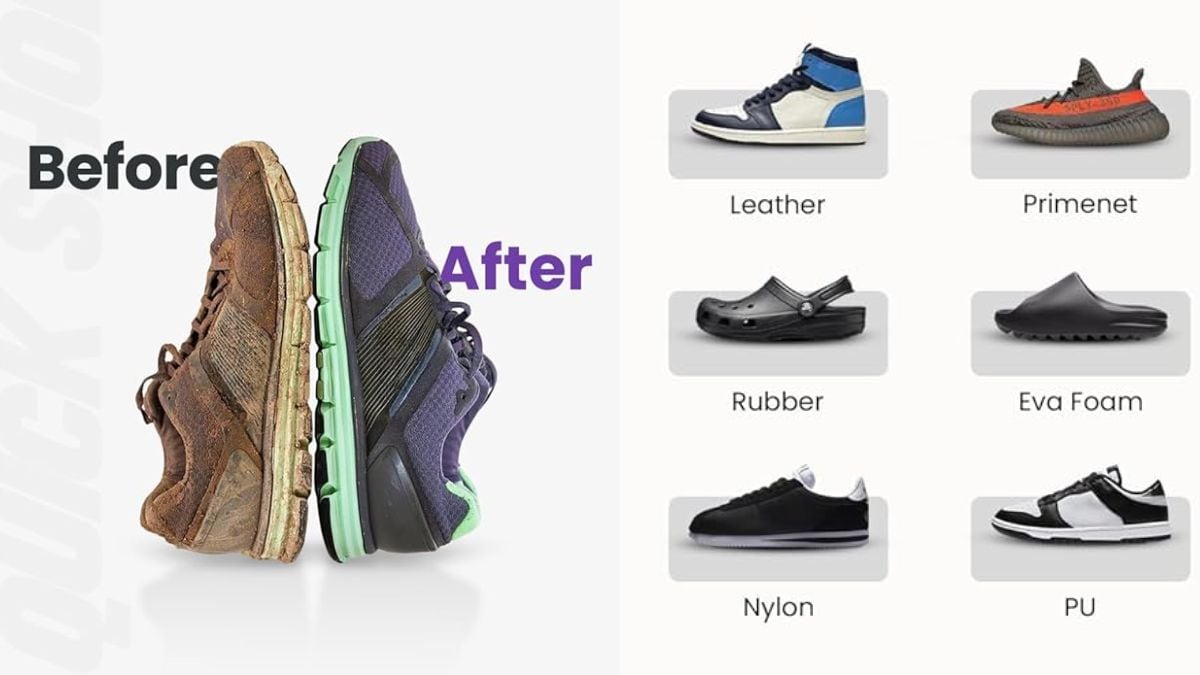
Master the best techniques for cleaning white sneakers of any material safely at home.
Photo Credit: Amazon
How To Keep White Sneakers Clean For Longer
Cleaning is easier when you do not let things build up. A quick wipe down after wearing, especially after dusty or wet conditions, takes about a minute and removes most of what would otherwise set into a stain over the coming days.
Common White Sneaker Cleaning Mistakes To Avoid
Machine washing is the most common one. It feels like the easy option, but repeated machine washing causes soles to separate and fabric to fray. If the machine is the only option, use a cold delicate cycle inside a mesh laundry bag with no spin, and do not make it a regular habit. Using bleach directly is another frequent mistake; it can yellow white fabric rather than whiten it, especially at higher concentrations.
A Simple Routine Makes White Sneakers Last Much Longer
The pairs that stay white longest tend to belong to people who treat them as a small ongoing task rather than an occasional deep-clean project. Shoe spot cleaning after a few wears, storing them away from dust, and applying a sneaker protector spray after each clean creates enough of a barrier that serious stains become much less frequent.
None of it is complicated. It just needs to be consistent.
Some White Sneaker Cleaning Products You May Like
1. SNEAKARE Quick Shoe Cleaning Kit Shoe Cleaner
2. White Shoe Cleaning Cream 260g With 5 pcs Shoes Bag
3. SHOEGR Instant Shoe Cleaning Kit
4. SNEAKARE 100ml Shoe Cleaner & Yellow Stain Remover for Shoes
5. Helios Sneaker Cleaning Kit with Brush
6. urbanWipe Eco-Friendly Sneakers & Sports Shoe Cleaner
7. SNEAKARE Shoe Cleaning Multipack Wipes
8. Cleno Shoe Cleaner Wet Wipes For Shoes
Frequently Asked Questions (FAQs)
1. Can I put white sneakers in the washing machine?
You can, but it is not ideal for regular use. If you do, cold water only, inside a mesh laundry bag, on the most gentle cycle available. Skip the spin and always air dry. Doing these steps repeatedly will shorten the life of the shoe considerably.
2. Why do white sneakers turn yellow after I clean them?
Usually it is one of two things: leftover soap residue that was not fully rinsed out or drying in direct sunlight or heat. Both cause oxidation that shows up as yellow tinting. Rinse thoroughly and always dry in shade.
3. What is the best home remedy for cleaning white sneakers?
For canvas and mesh, a baking soda and dish soap paste applied with a toothbrush is impossible to beat. For leather, a barely damp cloth with a drop of mild soap is safer and plenty effective. The right answer depends on the material.
4. How often should I clean white sneakers?
A light wipe after every few wears keeps things manageable. A proper cleaning every two to four weeks is reasonable for daily wear. The less you let dirt settle, the easier each cleaning becomes.
5. Does toothpaste actually work on white sneakers?
White non-gel toothpaste can be useful on rubber soles, where it works similarly to a mild abrasive paste. Apply with a toothbrush, scrub gently, and wipe clean. Avoid putting it on fabric uppers, as it tends to leave a filmy residue behind that is harder to remove than the original scuff.
(Disclaimer: This article may include references to or features of products and services made available through affiliate marketing campaigns. NDTV Convergence Limited (“NDTV”) strives to maintain editorial independence while participating in such campaigns. NDTV does not assume responsibility for the performance or claims of any featured products or services.)