How To Dress Comfortably For Air-Conditioned Offices Without Heavy Layers
Struggling with freezing office air-conditioning? Learn how to dress smartly for cold workplaces using breathable fabrics, light layers and clever styling, without bulky sweaters or sacrificing comfort.

How To Dress Comfortably In Air-Conditioned Offices Without Wearing Heavy Layers.
Modern offices love their air-conditioning. Productivity rises, servers stay cool, and everyone pretends the chill feels refreshing. Yet, for many professionals, that icy blast turns the workday into a test of endurance. Shivering through meetings while colleagues type away unfazed feels frustrating. Carrying thick sweaters feels awkward, and blasting the AC down sparks silent desk wars.
Comfort does not need to come at the cost of style or simplicity. Dressing cleverly helps regulate body temperature without looking overdressed or weighed down. Fabric choices, smart layering, and thoughtful styling make all the difference. The goal stays simple: remain warm enough indoors, cool enough outdoors, and polished all day.
This article breaks down practical, everyday solutions that fit seamlessly into office wardrobes. No dramatic fashion statements, no unnecessary bulk. Just thoughtful dressing strategies that work across seasons, commutes, and long work hours.

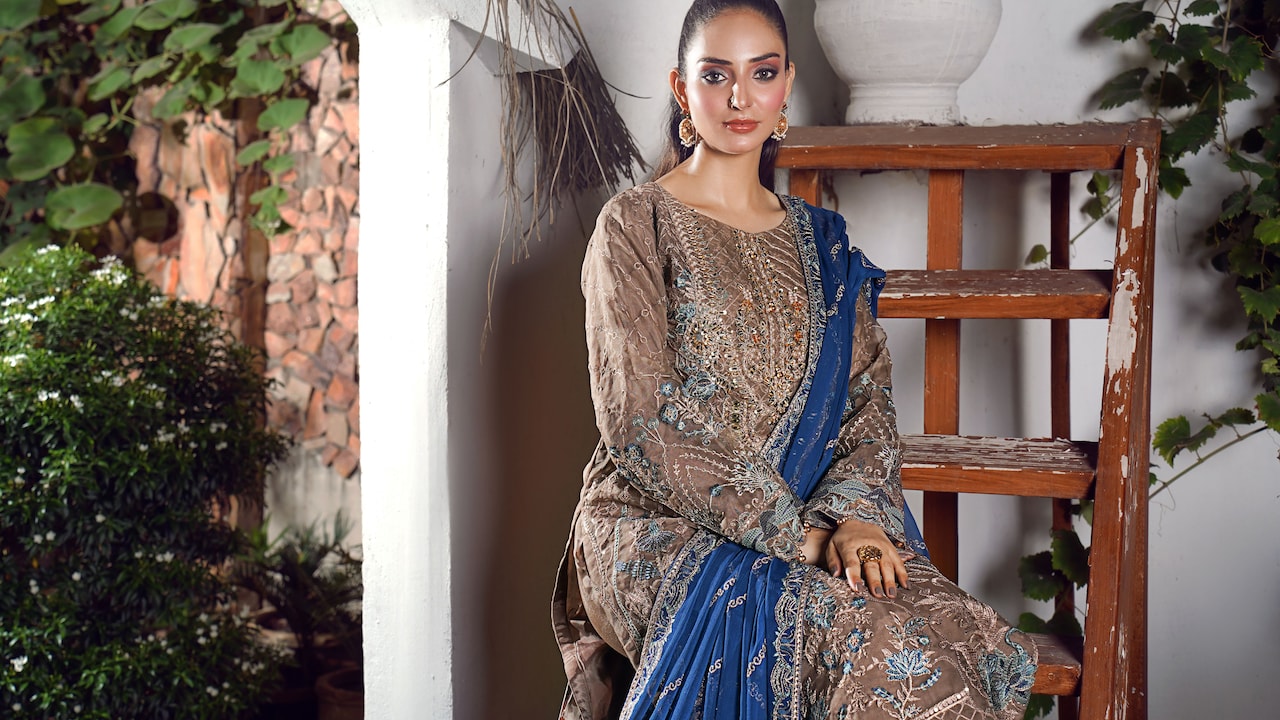
How To Dress Comfortably For Air-Conditioned Offices Without Heavy Layers; Photo Credit: Pexels
Smart Styling Strategies For Chilly Office Spaces
1. Choose Breathable Yet Insulating Fabrics
Fabric choice sets the foundation for comfort in air-conditioned spaces. Many assume warmth comes only from thickness, but that belief often backfires. Heavy fabrics trap heat unevenly and feel stifling during short walks outside or crowded lifts.
Natural fibres like cotton blends, bamboo fabric, and lightweight wool regulate temperature beautifully. They trap just enough warmth indoors while allowing airflow. Modal and Tencel also deserve attention, as they feel soft against the skin and adapt well to fluctuating temperatures.
Synthetic fabrics may look sleek, but often trap cold air close to the body. That explains why some outfits feel colder despite looking layered. Knit cotton tops, fine-gauge wool trousers, and lined skirts strike a smart balance.
Office wear benefits from fabrics that breathe and insulate subtly. A cotton-viscose shirt paired with tailored trousers keeps the chill away without screaming “winter wear”. Comfort begins with what touches the skin, so thoughtful fabric choices matter more than piling on layers.
2. Master the Art of Light Layering
Layering does not require bulky cardigans or heavy jackets. The trick lies in thin, functional layers that work together. Think of layering as building a quiet shield rather than armour.
A sleeveless or short-sleeved inner layer forms a great base. Over that, add a lightweight shirt, blouse, or kurta-style top. Finish with a thin shrug, open-front jacket, or soft stole that can come on and off easily.
Office AC often targets shoulders and arms, so focusing layers there helps. Cropped jackets, half-sleeve blazers, or breathable shrugs protect without adding weight. For men, a fine cotton waistcoat or unlined blazer works wonders.
Light layering offers flexibility. A quick walk outside feels comfortable after removing one piece. Back at the desk, warmth returns without fuss. The result feels polished, intentional, and adaptable to unpredictable office temperatures.
Also Read: 7 Lightweight Winter Accessories For Warmth Without Heavy Layers
3. Opt for Smart Silhouettes Instead of Bulk
Comfort does not require oversized clothing. In fact, excessively loose garments allow cold air to circulate freely, making the chill worse. Well-fitted silhouettes trap warmth better and look sharper.
Tailored trousers, structured skirts, and fitted tops create a streamlined profile while maintaining comfort. Clothes that skim the body rather than cling or billow work best in air-conditioned spaces.
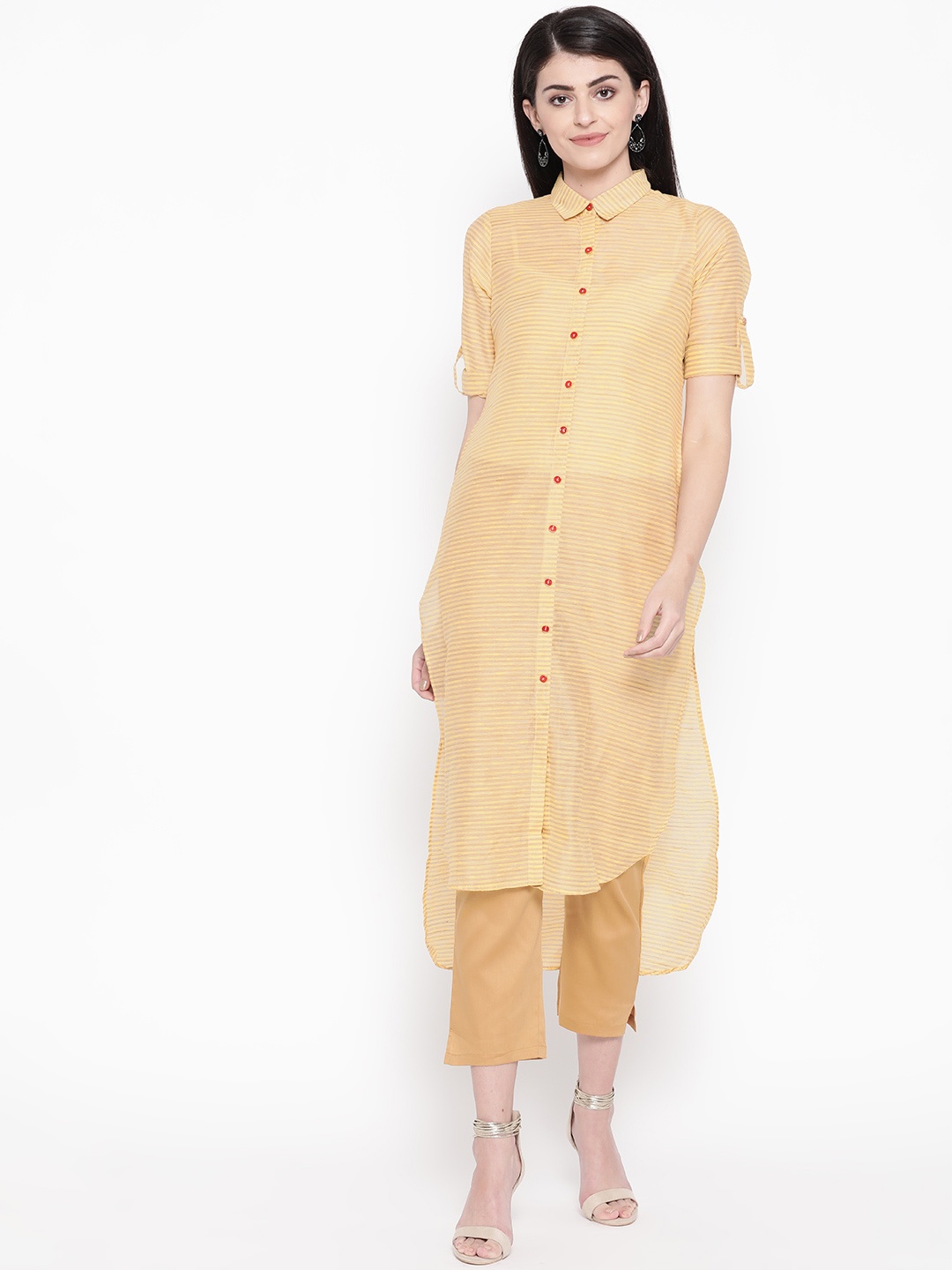
Longline shirts, midi dresses, and straight-cut kurtas provide coverage without heaviness. Pairing them with fitted bottoms balances warmth and movement. Avoid extremely wide sleeves or open backs that invite cold air in.
Structured clothing also layers better. A fitted dress under a light jacket feels warmer than a loose dress with a heavy shawl. Smart silhouettes keep warmth close, reduce reliance on extra layers, and elevate overall office style effortlessly.
4. Pay Attention to Necklines and Sleeves
Small design details influence how warm or cold an outfit feels. Necklines and sleeves play a surprisingly big role in temperature control.
High necks, mock necks, and boat necklines offer more coverage than deep cuts. They help retain warmth without needing scarves or mufflers. Shirts with collars also provide subtle insulation around the neck.
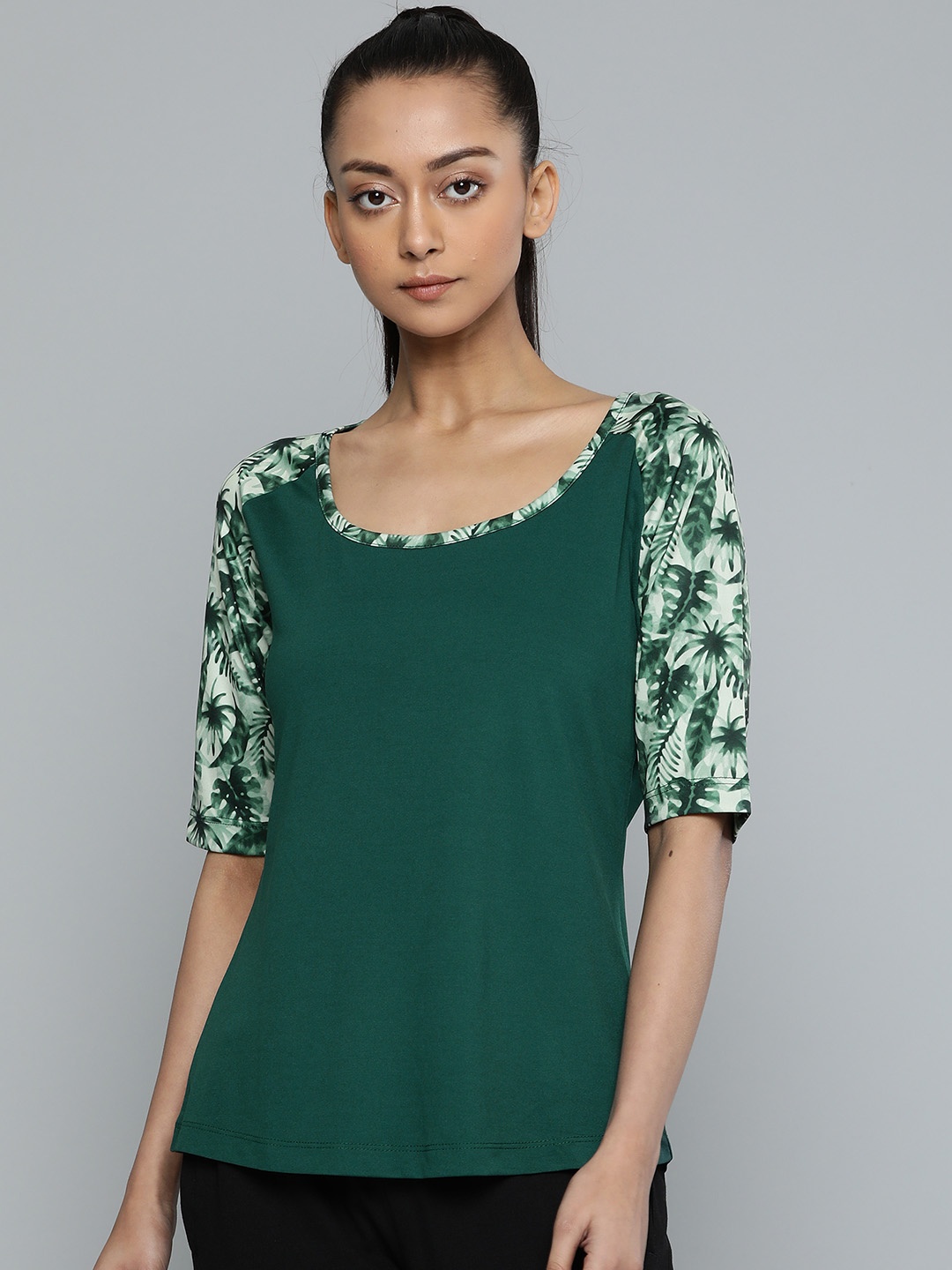
Sleeves matter even more. Three-quarter sleeves, elbow-length cuts, or full sleeves prevent cold air from hitting the arms directly. For warmer months, breathable full sleeves feel better than sleeveless styles in freezing offices.
Layering sleeveless inner tops under full-sleeve shirts also works well. This approach keeps the core warm while maintaining airflow. Choosing the right neckline and sleeve length reduces discomfort significantly, often eliminating the need for additional layers.

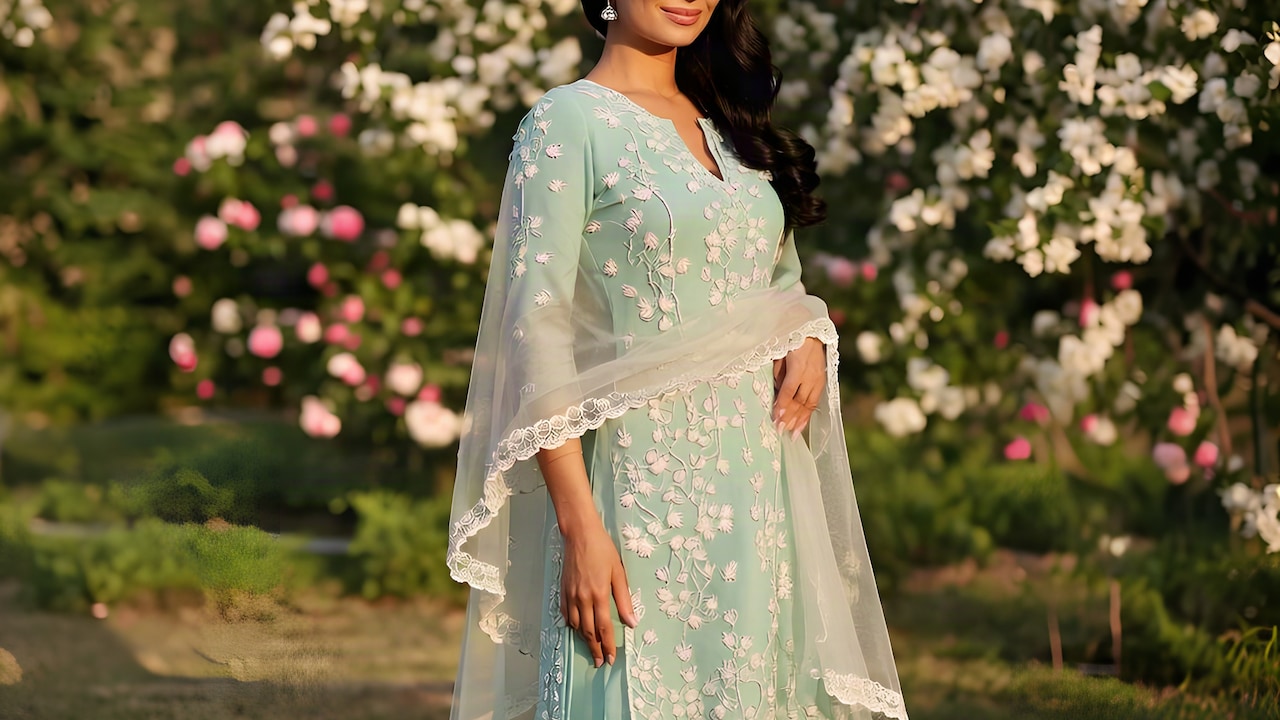
How To Dress Comfortably For Air-Conditioned Offices Without Heavy Layers; Photo Credit: Pexels
5. Use Accessories as Temperature Regulators
Accessories often get labelled as decorative, but in chilled offices, they become functional tools. A lightweight stole, scarf, or dupatta works like magic.
Soft cotton or silk-blend stoles provide warmth around the shoulders and neck without bulk. They fold easily into bags and adapt to outfit colours. Draped loosely, they look elegant rather than defensive.
Socks also deserve attention. Cold floors contribute heavily to feeling chilled. Thin cotton or bamboo socks under formal shoes help retain warmth without discomfort. Closed footwear generally feels warmer than open sandals in AC-heavy spaces.
Belts, watches, and jewellery may not add warmth, but they complete outfits that rely on lighter layers. When accessories carry some functional warmth, outfits stay stylish and practical without screaming “office survival kit”.
6. Choose the Right Footwear for Cold Floors
Cold air sinks, making floors noticeably chilly. Footwear choices often get overlooked, yet they influence overall comfort more than expected.
Closed shoes like loafers, ballerinas, or formal shoes protect feet from constant exposure. Breathable materials prevent overheating during commutes while keeping warmth indoors. Avoid thin soles that transfer cold directly from tiled floors.
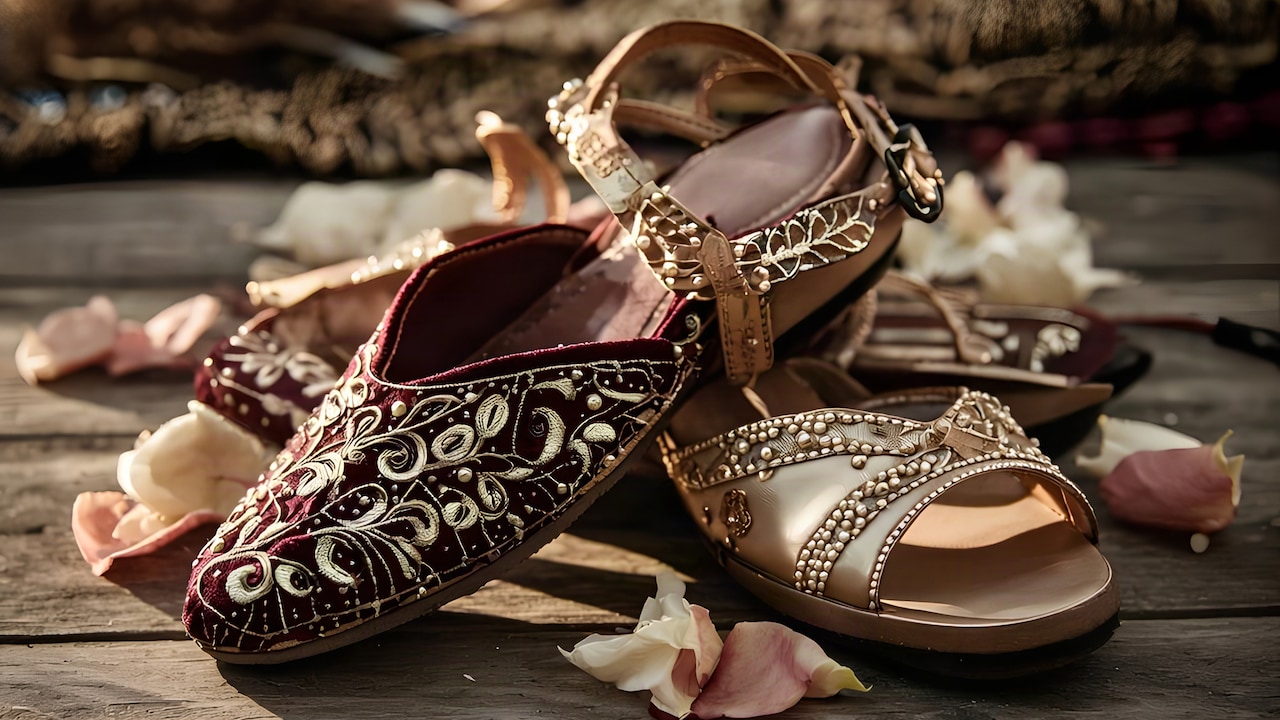
For those who prefer traditional wear, juttis or closed flats lined with soft fabric feel far warmer than sandals. Even men benefit from choosing leather shoes with cushioned insoles over ultra-thin dress shoes.
Warm feet keep the body comfortable. That explains why even a well-layered outfit feels cold when footwear fails. Investing in comfortable, closed shoes ensures warmth from the ground up, making long office hours far more bearable.
7. Balance Office Dress Codes with Comfort
Office dress codes sometimes complicate comfort. Formal environments discourage casual layers, while creative spaces allow flexibility. Finding the sweet spot matters.
Formal offices benefit from breathable blazers, fine-knit waistcoats, and lined dresses. Unlined jackets may look crisp but fail against cold air. Opt for pieces that hold shape while offering subtle insulation.
Semi-formal settings allow experimentation. Shirt dresses with belts, layered kurtas, or smart co-ord sets offer warmth without stiffness. Creative offices invite playful layering through scarves, light jackets, and textured fabrics.
Comfort should never clash with professionalism. Smart choices within dress codes prevent constant adjustments and distraction. When clothing aligns with workplace expectations and personal comfort, confidence naturally follows.

How To Dress Comfortably For Air-Conditioned Offices Without Heavy Layers; Photo Credit: Pexels
8. Focus on Core Warmth
Keeping the core warm helps the entire body feel comfortable. When the torso stays insulated, arms and legs tolerate cooler temperatures better.
High-waisted trousers, layered tops, and tucked-in shirts trap warmth around the midsection. Long inner camisoles under shirts or kurtas create an extra barrier against cold air.
Avoid cropped tops or low-rise bottoms in heavily air-conditioned spaces. Even slight exposure around the waist leads to persistent chill. Dresses with lining or thicker weaves offer excellent core protection without bulk.
Core-focused dressing feels subtle yet effective. It reduces the need for additional layers and allows freedom of movement. When warmth starts at the centre, the rest of the outfit works harder with less effort.
9. Plan Outfits Around the Daily Commute
Office dressing rarely happens in isolation. The commute influences comfort just as much as the workplace environment. Stepping out into heat, crowds, or public transport demands breathable choices.
Light layers that remove easily work best. A thin jacket or shrug comes off during travel and returns once inside. Breathable inner layers prevent sweating outdoors and chilling indoors.
Fabrics that resist creasing also help. Constant removal and wearing of layers wrinkles delicate materials. Choosing resilient fabrics keeps outfits presentable all day.
Planning outfits with both commute and office in mind saves time and discomfort. Dressing becomes proactive rather than reactive, eliminating the daily struggle between the heat outside and the cold inside.
10. Build a Thoughtful Office Wardrobe
Long-term comfort starts with a well-curated wardrobe. Random purchases lead to mismatched layers and constant discomfort. Thoughtful planning simplifies daily dressing.
Invest in versatile basics: breathable shirts, structured trousers, lined dresses, and lightweight layers. Neutral colours mix easily, allowing creative combinations without excess items.
Seasonless pieces work best. Fine wool trousers, cotton blazers, and adaptable kurtas transition smoothly between weather changes. Avoid buying items meant only for extreme cold or heat.
A functional wardrobe reduces reliance on emergency layers kept at desks. Dressing becomes intuitive, stress-free, and comfortable. Over time, understanding what works best for air-conditioned environments leads to smarter choices and effortless office style.
Products Related To This Article
1. Roadster The Lifestyle Co Hooded Front-Open Zipper Sweatshirt
2. NOBERO Nobero Men Zipper Hooded Sweatshirt
3. PYRO SPIRIT Women Woollen Cardigan
4. H&M Loose Fit Zip-Through Hoodie
5. HRX by Hrithik Roshan Men Black Solid Bomber
6. StyleCast x Revolte Women Pullover Sweater
7. Chemistry Women Lavender Solid Textured Knitted Pullover
Air-conditioned offices need not feel like daily endurance tests. Comfort comes from understanding fabrics, silhouettes, and smart layering rather than heavy clothing. Small details such as sleeves, footwear, and accessories influence warmth more than expected.
Dressing thoughtfully allows professionals to stay comfortable without sacrificing style or practicality. The right choices eliminate the need for bulky sweaters and awkward desk blankets. Instead, confidence grows from feeling at ease throughout the day.
With mindful planning and simple wardrobe adjustments, office dressing becomes seamless. The chill fades into the background, allowing focus to return where it belongs, on work, creativity, and that well-earned cup of afternoon chai.
(Disclaimer: This article may include references to or features of products and services made available through affiliate marketing campaigns. NDTV Convergence Limited (“NDTV”) strives to maintain editorial independence while participating in such campaigns. NDTV does not assume responsibility for the performance or claims of any featured products or services.)