How To Tell When A Shoe Insole Has Lost Support: 10 Signs To Check
Worn-out insoles can make every step harder. Learn 10 clear signs that your shoe insoles have lost support, from flattened cushioning and foot fatigue to heel pain, slipping and uneven wear.
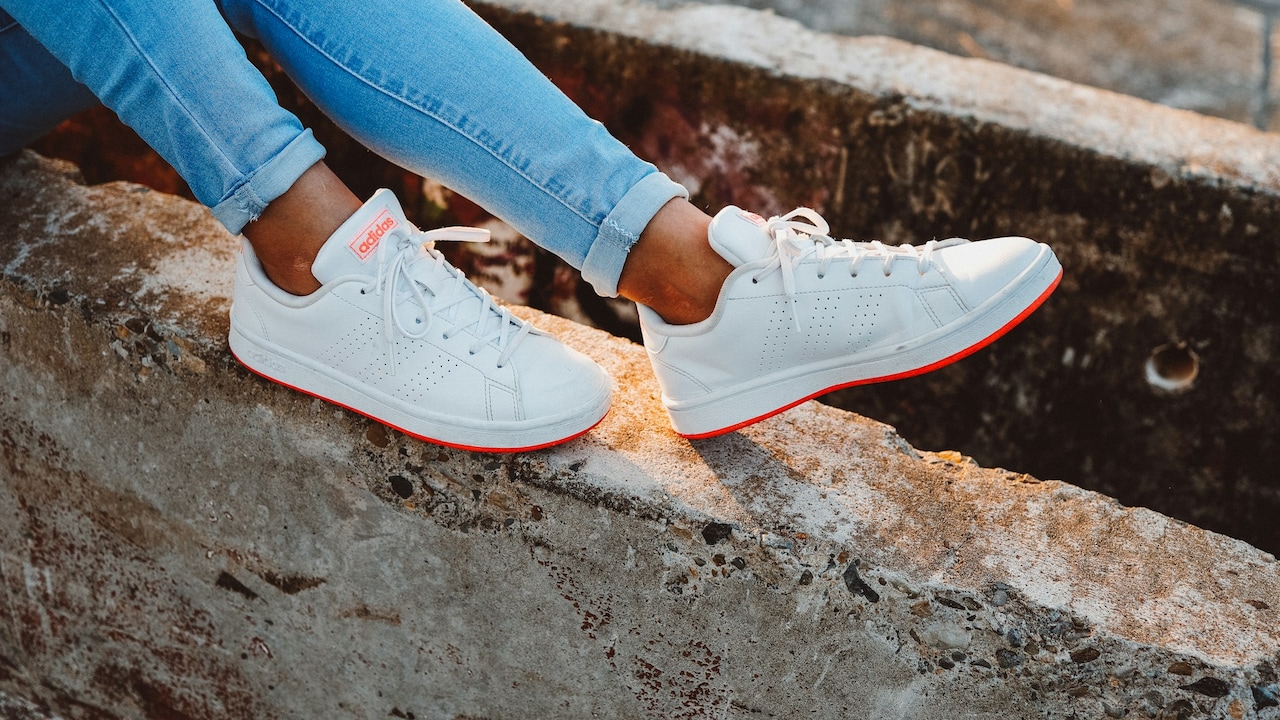
Here's why some shoe insoles need replacement after a few years
Shoes rarely announce that their insoles have reached retirement age. There is no warning light, dramatic crack or polite little note saying, “Support officially ended last Tuesday.” Instead, the change happens gradually. A comfortable pair begins to feel slightly harder. The feet seem more tired after a normal commute. Perhaps the heels start aching after standing through a long metro journey or spending an afternoon wandering through a crowded market.
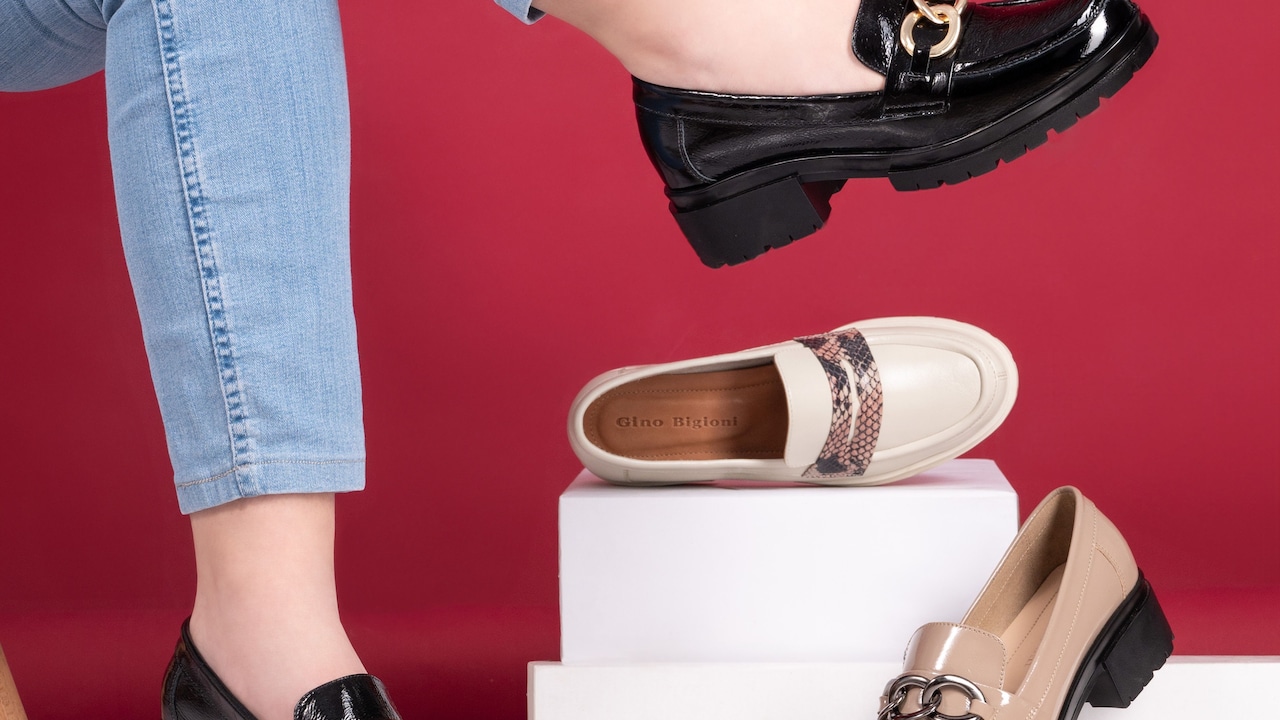
Signs your shoe insoles need a quick replacement
Photo Credit: Pexels
Because the decline happens slowly, many people blame the shoe, the road, the weather or simply a tiring day. Yet the insole may be the real culprit. A good insole helps distribute pressure, cushions repeated impact and supports the foot inside the shoe. Once that structure flattens or shifts, comfort can disappear surprisingly quickly. Fortunately, worn support usually leaves clues. Here are ten practical signs that suggest a shoe insole may have lost its support.
10 Signs Your Shoe Insole Has Lost Its Support
1. The Insole Looks Noticeably Flattened
A healthy insole usually has some visible shape. The heel area feels cushioned, the arch section has definition, and the surface springs back after pressure. Once those features begin looking flat and lifeless, the insole may no longer provide the support it once did.
Take the insole out and place it on a flat surface. Compare the heel and arch areas with how they looked when new, if possible. Deep compression marks are common after regular use, but permanently flattened foam deserves attention.
The heel often gives the game away first. Repeated walking compresses the material under the body's weight, especially during long commutes, shopping trips or standing-heavy workdays. Eventually, what once felt soft can resemble a thin piece of cardboard.
Age alone does not determine whether an insole needs replacing. Some lose shape quickly under heavy daily use, while others last much longer. The important question is whether the material still returns to its original form. If it stays compressed even after the shoes have rested overnight, the cushioning has probably lost much of its resilience.
2. Your Feet Feel More Tired Than Usual
Not every warning sign appears inside the shoe. Sometimes the feet complain first.
Suppose a regular day involves walking from home to the station, climbing a few flights of stairs and standing during the journey. If that routine suddenly leaves the feet unusually tired, the insole deserves a closer look. The shoe may feel familiar, yet the cushioning underneath could have weakened.
Supportive insoles help spread pressure across the foot rather than allowing a few areas to absorb most of the load. Once the foam compresses or the arch structure loses strength, the feet work harder with every step. That effort may show up as heaviness, general fatigue or an urge to remove the shoes much earlier than usual.
This change can be easy to ignore because it develops gradually. One tiring evening becomes three, then suddenly even a short supermarket run feels surprisingly uncomfortable.
Try wearing another pair of well-supported shoes during a similar routine. If the feet feel noticeably fresher afterwards, the old insole could be contributing to the problem. Shoes should not make an ordinary day feel like an endurance event.
3. The Arch Support No Longer Feels Supportive
Arch support is one of the easiest features to notice when an insole is new. There is usually a gentle raised section beneath the middle of the foot. Over time, however, that structure can compress until it feels almost flat.
A worn arch section may make the foot feel as though it is sinking deeper into the shoe. Some people notice that their feet seem to roll inward more than before. Others simply feel that something underfoot is missing, even if they cannot immediately identify what changed.
Remove the insole and press the arch area with a thumb. Compare it with the heel and forefoot sections. If the arch feels unusually soft, collapsed or thin, it may no longer provide meaningful support.
Rigid or semi-rigid insoles can also weaken. Their support shell may bend more easily after months of repeated movement.
This matters during everyday activities such as standing at work, walking through large railway stations or spending hours at a family function. Good arch support should feel subtle rather than intrusive. When it disappears, though, the difference often becomes clear after several hours on the feet.
4. New Heel Pain Starts Appearing
Heel discomfort can have many causes, so an old insole should never receive automatic blame. Still, new or increasing heel soreness can be an important clue, particularly when the shoes once felt comfortable.
The heel absorbs considerable impact while walking. A supportive insole provides a layer between the foot and the harder structure of the shoe. As that cushioning becomes compressed, more force reaches the heel with each step.
The change may first become noticeable on hard surfaces such as tiled offices, concrete pavements or station platforms. A pair that feels acceptable during the first ten minutes may become uncomfortable after an hour.
Examine the heel section of the insole closely. A deep footprint, thinning material or a visible depression suggests repeated compression. Press down with a finger as well. Fresh cushioning tends to have some spring, while worn foam may feel dense and stubborn.
Persistent or severe heel pain deserves professional attention rather than guesswork. However, when mild discomfort appears alongside visible insole wear, replacing the insole can be a sensible first step towards restoring everyday comfort.
5. The Ball Of The Foot Feels Less Cushioned
The front of the foot takes plenty of punishment, especially during brisk walking, climbing stairs or spending long periods standing. When the insole loses cushioning beneath this area, the ball of the foot may begin feeling more pressure than usual.
This can create a sensation that the ground has suddenly become harder, even though nothing outside the shoe has changed. Thin-soled formal shoes often make the difference particularly obvious. What once felt manageable during a wedding reception or office day may start feeling uncomfortable before lunchtime.
Check the forefoot section for compressed foam and smooth, shiny patches. These areas often show where repeated pressure has gradually packed the material down.
Another clue is reduced shock absorption. Walk a short distance on a hard indoor floor while paying attention to how much impact reaches the front of the foot. Compare the experience with a newer pair of shoes if available.
An insole does not need to feel marshmallow-soft to work properly. It simply needs enough structure to soften repeated impact. Once every step begins feeling sharper beneath the forefoot, the cushioning may have reached the end of its useful life.
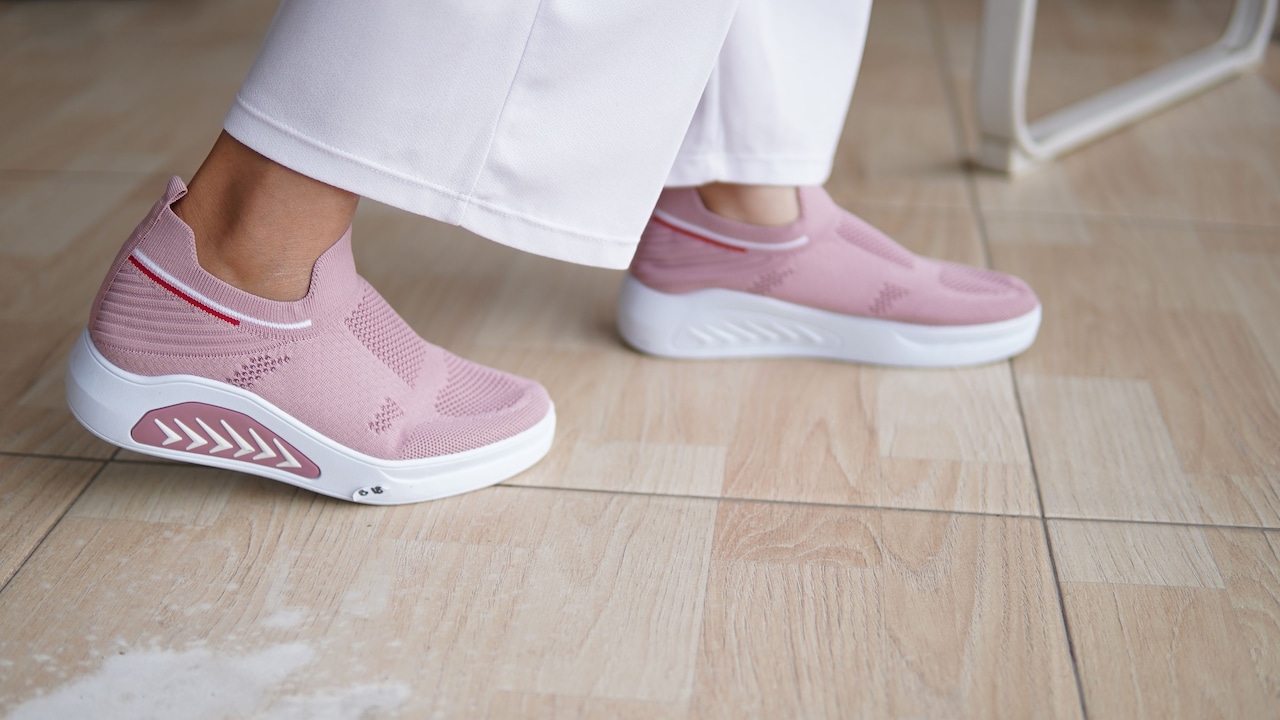
Your shoe insole may need a replacmeent if the ball feels less cushioned than before
Photo Credit: Pexels
6. Your Foot Starts Sliding Inside The Shoe
A worn insole can change how the entire shoe fits. As cushioning compresses, extra space may develop inside. The foot can then slide forward, backward or sideways more than it did when the shoe was newer.
This problem often appears gradually. At first, the laces may need tightening a little more. Later, the toes may begin hitting the front of the shoe during downhill walks or stair descents. Some people also notice the heel lifting with every step.
The temptation is to blame stretched shoe material, and sometimes that is indeed the cause. However, a flattened insole can reduce internal volume enough to alter the fit noticeably.
Take both insoles out and inspect their thickness. If the worn pair appears dramatically thinner than expected, the missing cushioning may explain the extra movement.
Excessive sliding is more than an annoyance. Friction can encourage blisters, hot spots and sore toes. Constantly curling the toes to keep the shoe in place can also make walking tiring.
When a once-snug shoe suddenly feels roomy without any obvious damage to the upper, the ageing insole deserves serious suspicion.
7. The Insole Shows Uneven Wear Patterns
Insoles rarely wear perfectly evenly. Most people place slightly more pressure on certain parts of the foot, so mild differences are normal. Pronounced wear, however, can reveal that the material has broken down enough to affect support.
Look for areas that have become much thinner than their surroundings. The inside edge of the heel, outer forefoot or region beneath the big toe commonly develops visible compression. Torn fabric or exposed foam can make these pressure zones even easier to spot.
Uneven deterioration may cause the foot to sit differently inside the shoe. Instead of resting on a balanced surface, it starts leaning towards the softer or more compressed section.
Imagine sitting on a cushion with one corner permanently squashed. The seat technically still exists, but the support is hardly equal.
The same principle applies inside footwear.
Compare the left and right insoles as well. If one looks dramatically more compressed, the shoes may be responding to differences in walking pattern or repeated loading. A new pair of insoles can restore a more consistent surface, although extreme or recurring uneven wear may be worth discussing with a qualified foot-care professional.
8. The Insole Has Cracks, Creases Or Tears
Visible damage is one of the clearest signs that an insole has seen better days. Cracked foam, deep creases, peeling fabric and torn edges all suggest that the material has been through thousands of repeated steps.
Minor surface wear may not affect support immediately. Once the damage reaches deeper layers, though, the insole can lose its ability to distribute pressure properly.
Pay particular attention to cracks around the heel cup and arch. These areas rely on structure to maintain shape. A split can allow the material to bend in ways it was never designed to bend.
Creases also matter when they remain permanently folded. A raised wrinkle under the foot can create pressure or rubbing, while a deep fold may weaken cushioning along that line.
Some people try to keep damaged insoles going because replacements seem like an unnecessary expense. Yet a basic replacement may cost far less than abandoning an otherwise perfectly good pair of shoes.
If the upper, sole and stitching remain in good condition, changing the insole can give footwear a useful second chapter rather than sending it straight to the back of the cupboard.
9. The Shoes Feel Harder On Familiar Routes
Routine can be surprisingly useful for judging footwear.
Walking the same road to work, taking the usual evening stroll or making the regular trip to the local shops creates a natural comparison. When familiar ground suddenly feels harder beneath the feet, the shoe's cushioning may have changed.
A supportive insole reduces some of the repeated impact that travels through the foot during walking. As the foam breaks down, hard surfaces become more noticeable. Concrete, paving stones and tiled corridors can start feeling particularly unforgiving.
The sensation often appears before dramatic visual damage. An insole might still look acceptable yet have lost much of its internal resilience. Foam can become denser over time without completely collapsing.
Try pressing several areas with a thumb. Healthy cushioning usually gives slightly and returns to shape. Worn material may feel stiff or remain indented.
The comparison becomes clearer when alternating between old and newer footwear over similar routes. If one pair consistently leaves the feet feeling battered while another feels comfortable, the difference may lie beneath the foot rather than in the kilometres walked.
10. Replacing The Insole Immediately Improves Comfort
Sometimes the simplest test provides the clearest answer.
If the shoe itself remains structurally sound, place a fresh, suitable insole inside and walk around for a while. A noticeable improvement in cushioning, stability or general comfort strongly suggests that the previous insole had lost support.
The contrast can be surprisingly dramatic. A shoe that seemed ready for retirement may suddenly feel familiar again. That does not mean every old shoe can be rescued with new cushioning, of course. Worn outer soles, damaged midsoles, broken heel counters and stretched uppers can cause problems that an insole cannot fix.
Still, replacing the removable layer first can be a practical and economical experiment. There is little reason to spend ₹3,000 or ₹5,000 on another pair immediately when a suitable replacement insole might solve the comfort problem for a fraction of that amount.
Choose an insole that suits the shoe's available space. An excessively thick option can make the fit too tight.
The best sign of success is straightforward: the feet stop drawing attention to themselves. Comfortable footwear should let the day carry on without every step becoming part of the conversation.
Products Related To This Article
1. DressBerry Women Woven Design Loafers
2. HRX by Hrithik Roshan Men Comfortable Walking Shoes
3. Skechers Women GO WALK FLEX Walking Shoes
4. Puma Conduct Pro Unisex Lace-Ups Running Shoes
5. Moda Rapido Women Embellished Ethnic Mules with Embroidered Flats
6. Bata Women Casual Ballerinas
7. Roadster Men Colourblocked Sneakers
A worn shoe insole rarely fails overnight. Support usually fades quietly through compressed foam, flattened arches, reduced cushioning and changes in fit. That slow decline explains why discomfort can creep into everyday routines without an obvious cause.
Checking an insole takes only a few minutes. Look for flattened areas, cracks, uneven compression and lost shape. Pay attention to changes in the feet too, including tiredness, heel soreness, forefoot pressure and slipping inside the shoe.
Most importantly, trust comparison. If familiar shoes feel harder than before and a fresh insole quickly improves them, the old support has probably reached the finish line.
Replacing an insole at the right time can extend the useful life of good footwear and make everyday walking considerably more pleasant. After all, shoes may carry the outfit, but the humble insole carries much of the pressure.
(Disclaimer: This article may include references to or features of products and services made available through affiliate marketing campaigns. NDTV Convergence Limited (“NDTV”) strives to maintain editorial independence while participating in such campaigns. NDTV does not assume responsibility for the performance or claims of any featured products or services.)