How To Layer Ethnic Wear For Cooler Post-Monsoon Evenings?
Learn how to layer ethnic wear for cooler post-monsoon evenings with lightweight jackets, stoles, shawls and easy styling ideas for the unpredictable weather.
How To Layer Ethnic Wear For Cooler Post-Monsoon Evenings?
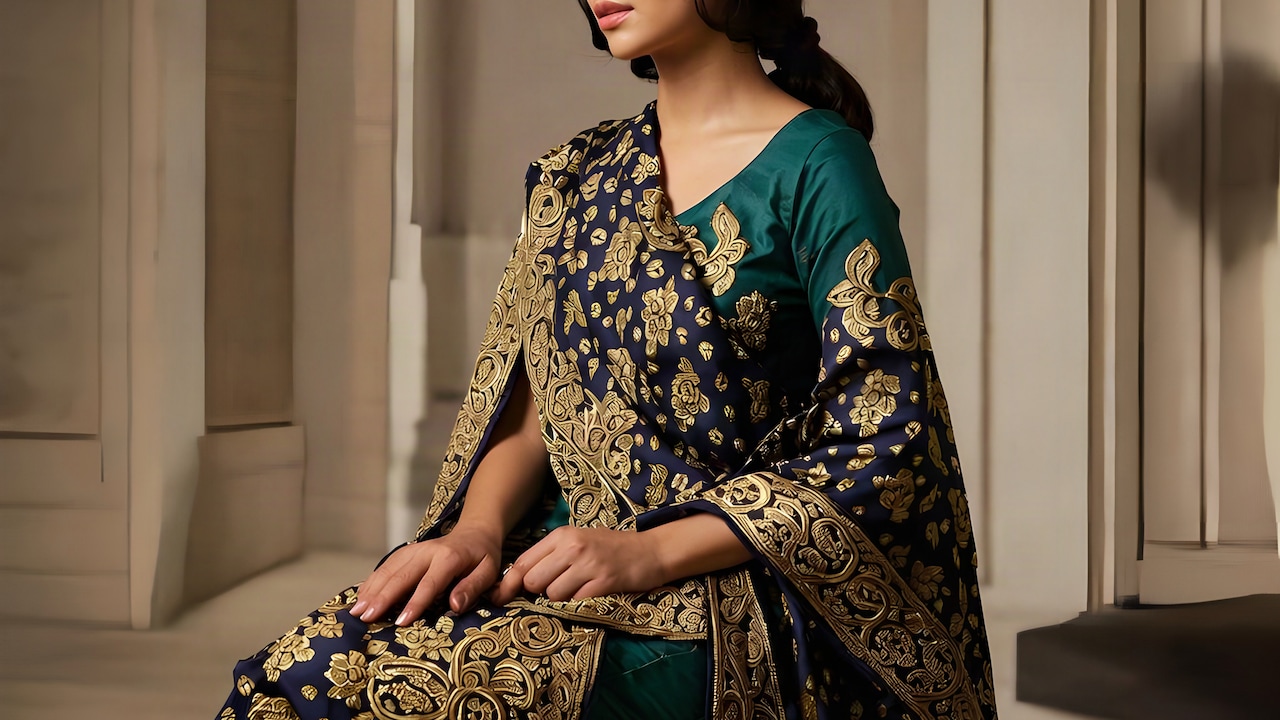
The monsoon may be on its way out, but the evenings can still have that slight chill in the air. One minute you're comfortable in a kurta, and the next you're looking for something to throw over it before heading out. This is where how to layer ethnic wear becomes useful. You don't really need a heavy winter jacket yet. A shawl, stole, sleeveless jacket or even a well-chosen dupatta can add just enough warmth without making your festive outfit look bulky.
Start With A Light Ethnic Base
Photo Credit: iStock
For ethnic wardrobes, this in-between weather is actually quite easy to dress for. You already have plenty of traditional layers sitting around, from Banarasi dupattas to woollen shawls. The trick is knowing what goes over what and how much layering is actually needed. So, in this guide, we'll give you some expert tips on how you can do that.
Start With A Light Ethnic Base
Your first layer decides how comfortable the entire outfit will feel. Since post-monsoon weather is usually not cold enough for proper winter clothing, start with breathable fabrics and then build upwards.
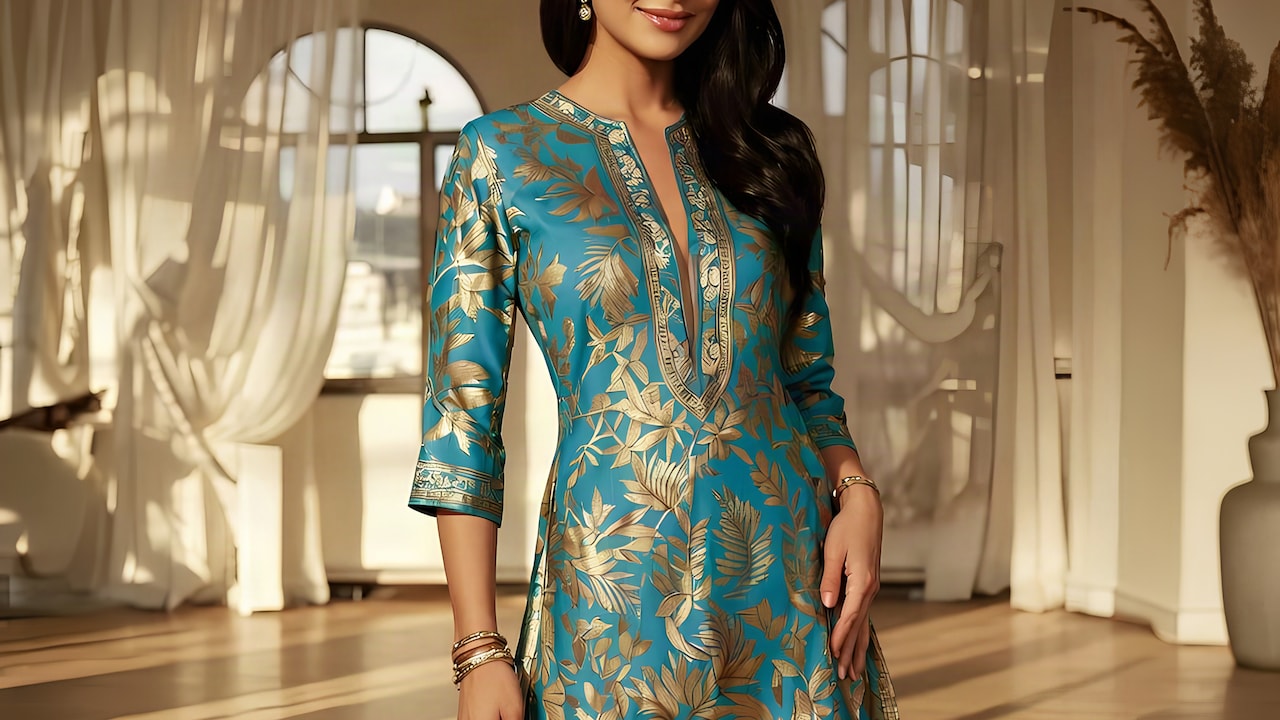
A cotton kurta, silk-blend kurta, saree or salwar suit can work well as the base. If your outfit already has embroidery or a lot of print, keep the next layer simpler. Otherwise, the whole look can start feeling too busy.
1. Choose Breathable Fabrics First
Cotton, cotton blends and lighter silk blends are useful for this season because they don't feel too heavy indoors. If you're going from a warm afternoon into a cooler evening, this matters quite a lot.
For sarees, a blouse with slightly longer sleeves can also give you some extra coverage. With a kurta set, you can simply add a layer later instead of wearing something warm from the start.
2. Keep The Base Layer Comfortable
Don't make the base too fitted if you know you'll be adding a jacket or shawl. A little room around the shoulders and arms makes layering easier and also keeps the outfit from looking squeezed together.
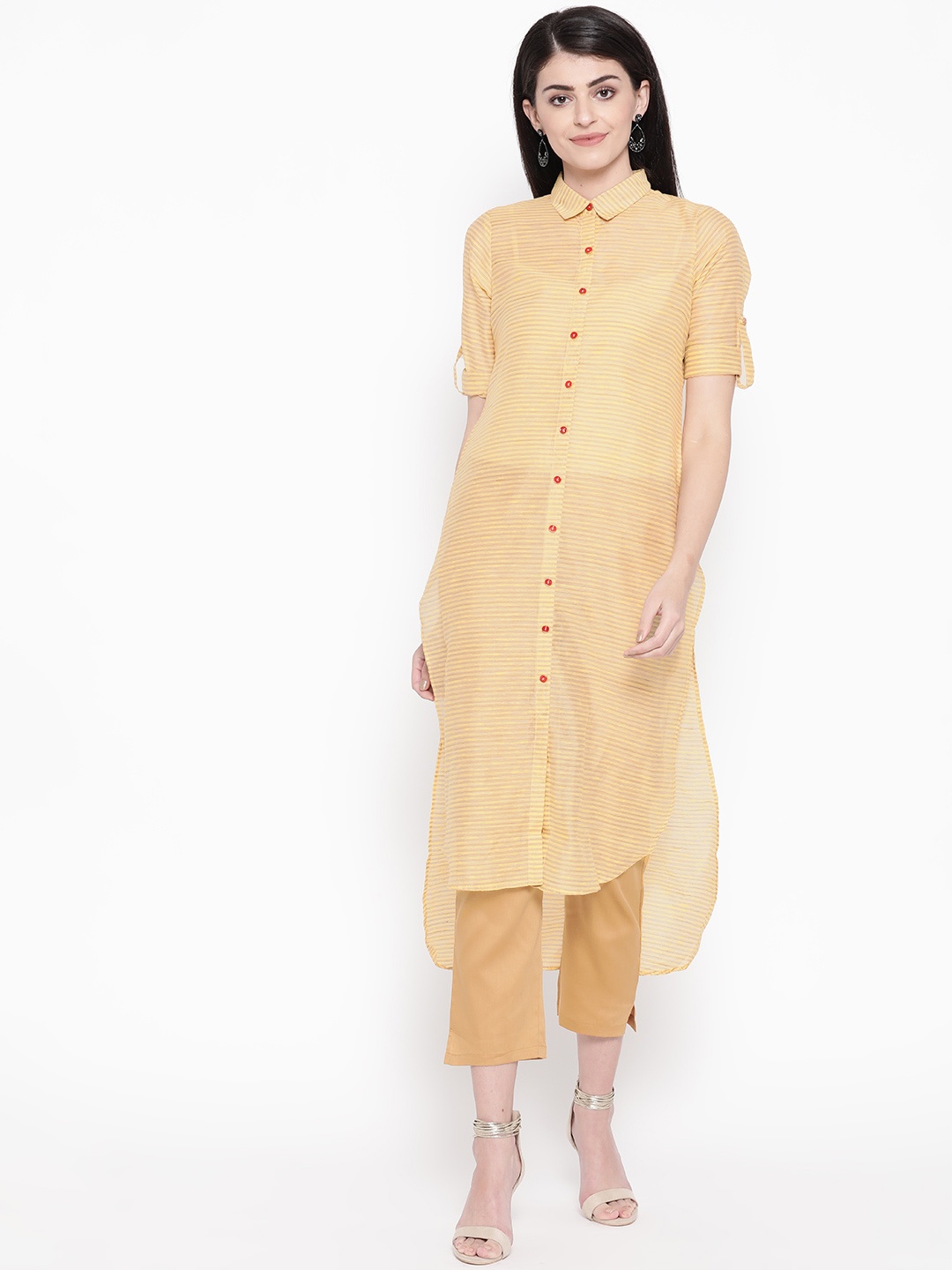
For men, a straight kurta with comfortable pyjamas or trousers works well under a Nehru jacket. For women, a straight kurta, Anarkali or saree gives enough space for a stole or shawl to sit naturally.
Also Read: A New Take On The Cropped Jacket: Explore 5 Micro-Crop Styles To Pick At Myntra
Use Shawls And Stoles When The Evening Gets Chilly
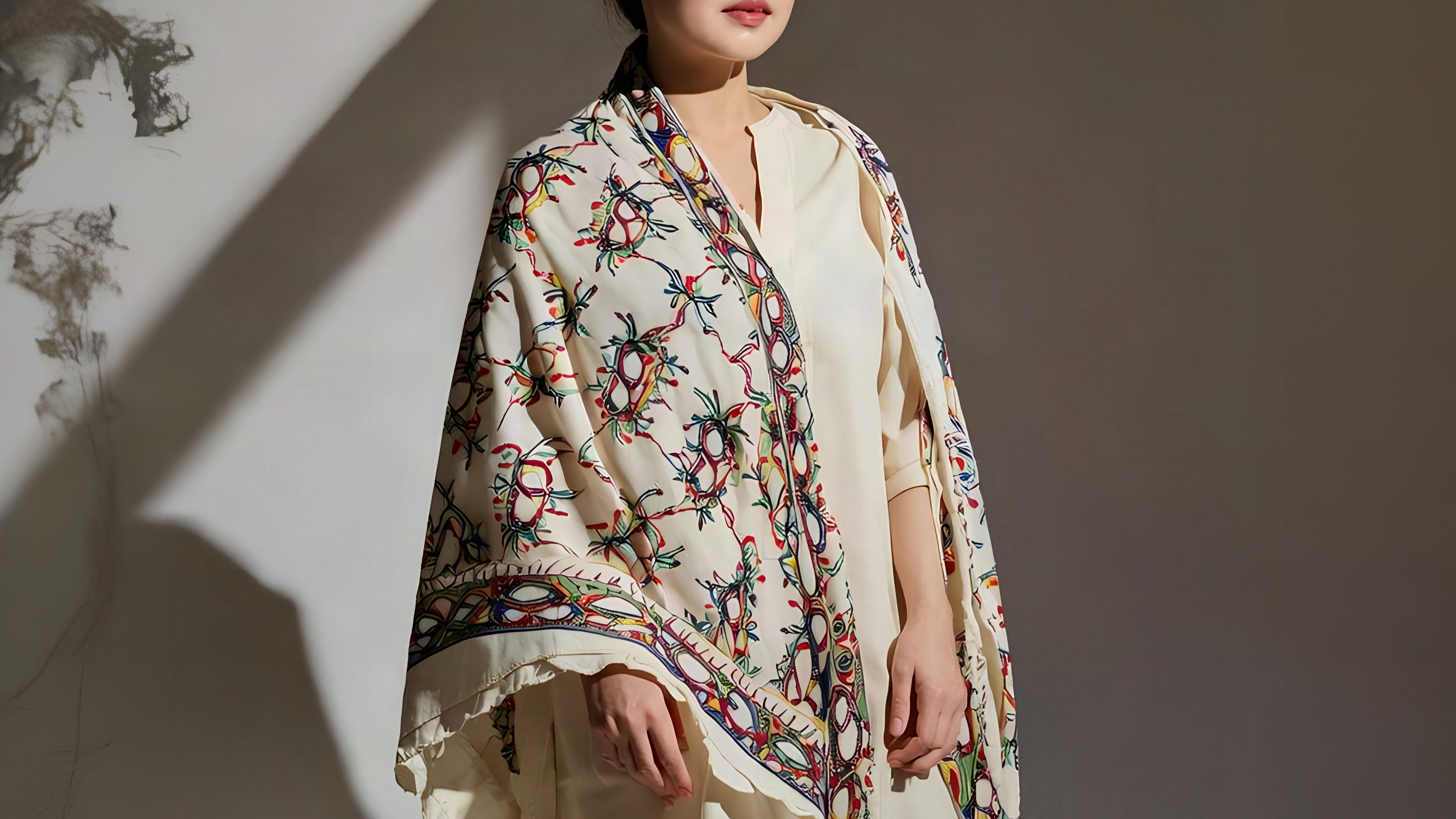
A shawl is probably the easiest ethnic layer to reach for. It doesn't need much planning, and you can remove it when you move indoors. For post-monsoon evenings, choose lighter wool, pashmina-style or blended options instead of very thick winter wraps.
The drape also changes the whole appearance. A shawl casually placed over both shoulders looks relaxed, while wrapping it around the neck gives more warmth and a slightly sharper finish.
1. Drape a Shawl Over One Shoulder
This is especially useful when your kurta, saree or lehenga already has some detail. Let the shawl fall over one shoulder and keep the other side relatively clean.
A patterned shawl can work beautifully with a plain kurta. If the outfit is already heavily embroidered, however, a solid-coloured shawl will usually look better. You don't want every layer fighting for attention.
2. Try A Stole With A Saree Or Kurta
A narrower stole is easier to manage if you don't need much warmth. You can let it fall over both shoulders, loop it loosely around your neck or pin one side near the shoulder.
For a saree, a contrasting stole can create a more contemporary look. With a plain kurta, you can also use a printed or woven stole as the main colour accent.
Add Structure With Ethnic Jackets
When you want something more polished than a shawl, an ethnic jacket is a good middle ground. It gives the outfit structure while still keeping the traditional feel.
Nehru jackets work particularly well with men's kurtas, while women can experiment with sleeveless long jackets, embroidered shrugs or short ethnic jackets over kurtas and dresses.
1. Layer A Nehru Jacket Over A Kurta
A Nehru jacket is one of the easiest ways to make a basic kurta look more dressed-up. Cotton or lightweight versions are particularly useful during the post-monsoon transition.
Try a solid kurta with a printed jacket if you want some colour. For a festive dinner, you can reverse the combination and use a simple jacket over a more detailed kurta.
2. Try a Long Jacket Over A Kurta Set
A long ethnic jacket works nicely when the weather is only mildly cool. It adds length and movement, instead of creating the stiff appearance that sometimes comes with heavier outerwear.
For a printed kurta set, choose a jacket in one of the quieter colours from the print. This small trick keeps the layers looking connected rather than randomly put together.
Let Dupattas Do More Than Just Complete The Outfit
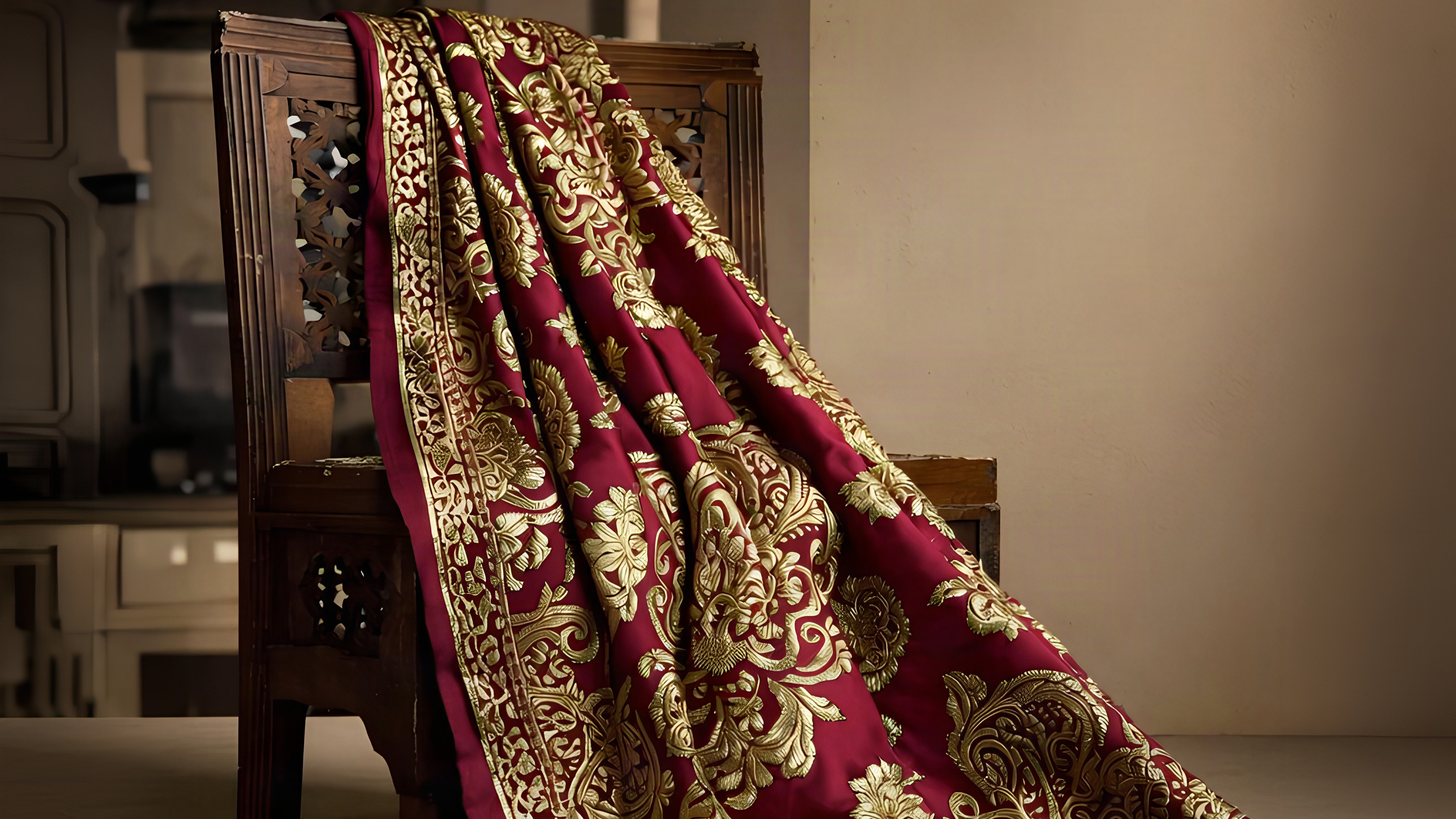
A dupatta isn't only for finishing a salwar suit. In cooler weather, it can become the layer that changes the outfit completely. You can even use a richer Banarasi or woven dupatta with a plain kurta when you want something festive without adding a jacket.
The important thing is to avoid piling one bulky layer over another. One statement textile is usually all you need.
1. Use A Rich Dupatta With A Plain Outfit
A Banarasi-style dupatta can instantly make a simple kurta look more festive. The woven texture also gives the outfit a little more visual depth, which works well for evening occasions.
Try a deep red, wine, green, navy or mustard dupatta with a neutral kurta. These colours feel especially suitable as the weather shifts away from the brighter monsoon wardrobe.
2. Pin The Dupatta For Better Warmth
If you're going to be outside for a few hours, don't leave the dupatta constantly slipping off your shoulders. A small safety pin at the shoulder can keep it in place and make the layer more useful.
For a more relaxed look, keep the front open and let both ends fall naturally. To add warmth around the neck, simply bring one side across the front and tuck it loosely.
Some Ethnic Layering Products You May Like
Photo Credit: iStock
Some Ethnic Layering Products You May Like
1. Weavers Villa Women's Pashmina Shawl
2. KRITI Premium Woollen Shawl for Women
3. Verbier Winter Wear Warm And Soft Woollen Shawl For Women
4. Women's Art Silk Woven Banarasi Jacquard Dupatta
5. DEVANGI Women's Woven Banarasi Silk Zari Dupatta
6. Studio Shringaar Women's Chanderi Silk Blend Handloom Dupatta
7. BE ACTIVE Cotton Nehru Jacket For Men
8. WINTAGE Mens Tweed Wool Nehru Jacket
As the post-monsoon chill begins to set in, layering your ethnic wear is a stylish way to stay comfortable without compromising on elegance. From pairing sarees with jackets to adding shrugs, capes, or lightweight shawls to your outfits, the right layers can enhance both warmth and style. By choosing complementary fabrics, colours, and accessories, you can create festive-ready looks that feel cozy and fashionable. Experiment with different combinations to make your traditional outfits stand out during cooler evenings while staying effortlessly comfortable. Shop now on Amazon.
Frequently Asked Questions (FAQs)
1. What is the best layer for ethnic wear in post-monsoon weather?
A lightweight shawl, stole or ethnic jacket usually works best. You can add or remove it depending on how cool the evening gets.
2. Can you wear a shawl with a saree?
Yes, a shawl can look elegant with a saree, especially during cooler evenings. Drape it over one shoulder or around the upper body without covering the saree completely.
3. Can a Nehru jacket be worn over any kurta?
A Nehru jacket works with most straight and traditional kurtas. For a cleaner look, keep either the kurta or jacket relatively simple instead of making both heavily patterned.
4. How do you layer ethnic wear without looking bulky?
Start with one breathable base and add only one substantial outer layer. Lighter shawls, stoles and sleeveless jackets are usually easier to manage than thick winter jackets.
5. Which colours work well for post-monsoon ethnic outfits?
Deep green, wine, navy, mustard, beige and earthy brown tones work particularly well for evening dressing. You can also use a brighter dupatta with a neutral kurta if you want more colour. Shop now on Amazon.
(Disclaimer: This article may include references to or features of products and services made available through affiliate marketing campaigns. NDTV Convergence Limited (“NDTV”) strives to maintain editorial independence while participating in such campaigns. NDTV does not assume responsibility for the performance or claims of any featured products or services.)