Layering Necklaces Without Looking Overdone: A Science-Based Guide
Layering necklaces is about balance, not excess. This guide breaks down simple, science-backed ways to stack pieces with clarity, proportion and style, so every layer feels intentional, never overdone.
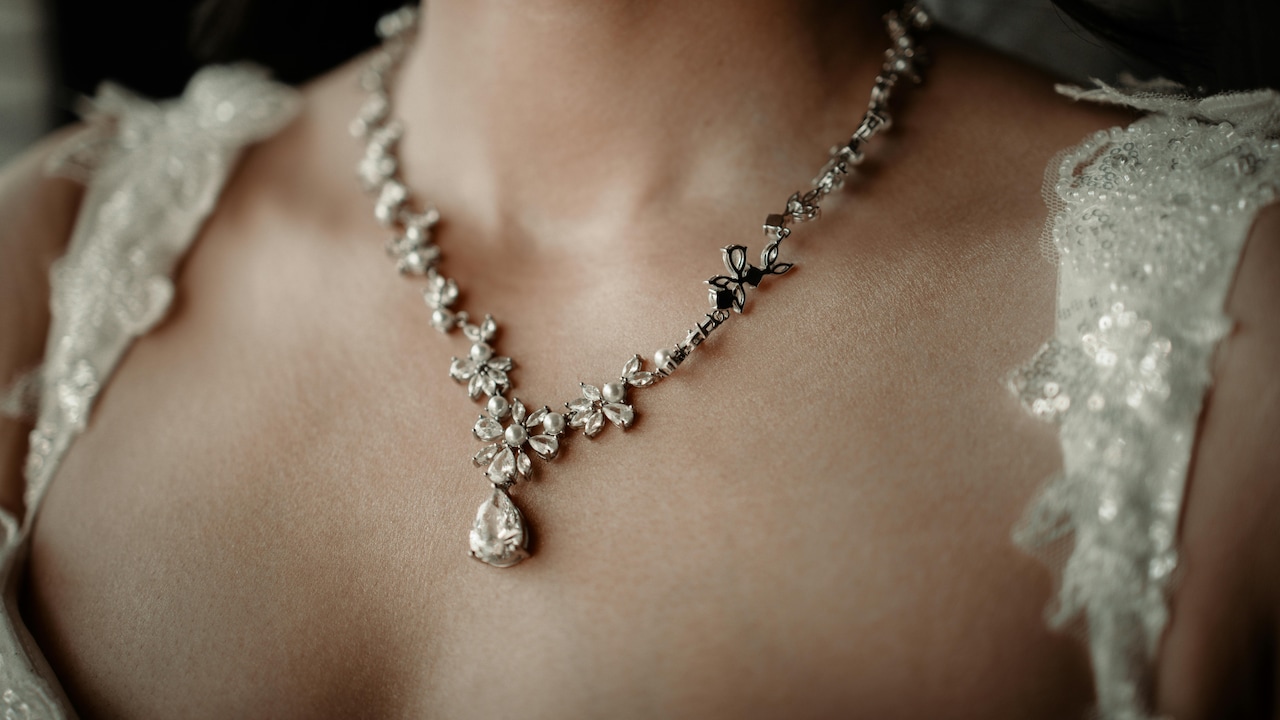
Layering Necklaces Without Looking Overdone: A Science-Based Guide
Jewellery often speaks before words do. A well-layered necklace arrangement can suggest confidence, creativity, and a keen eye for detail. Yet, achieving that “just right” balance is surprisingly tricky. Too little, and the look feels unfinished. Too much, and it risks becoming overwhelming.
The secret lies not in following trends blindly, but in understanding a few core principles rooted in design, perception, and even psychology. Think of necklace layering as a form of visual storytelling; each piece contributes, but none should shout over the others.
From bustling street markets to festive gatherings where gold and sparkle dominate, layering has long been part of personal outfit style. But modern styling asks for restraint and intention. This guide breaks down the art into ten thoughtful principles, blending science with everyday practicality. The aim is simple: create layers that feel curated rather than crowded.
Layering Necklaces Without Looking Overdone: A Science-Based Guide; Photo Credit: Pexels
The Science Behind Effortless Necklace Layering
Start With A Focal Point
Every well-layered look begins with a hero piece. This focal necklace acts as the anchor, guiding the rest of the layers. Without it, the eye wanders without direction, creating visual confusion.
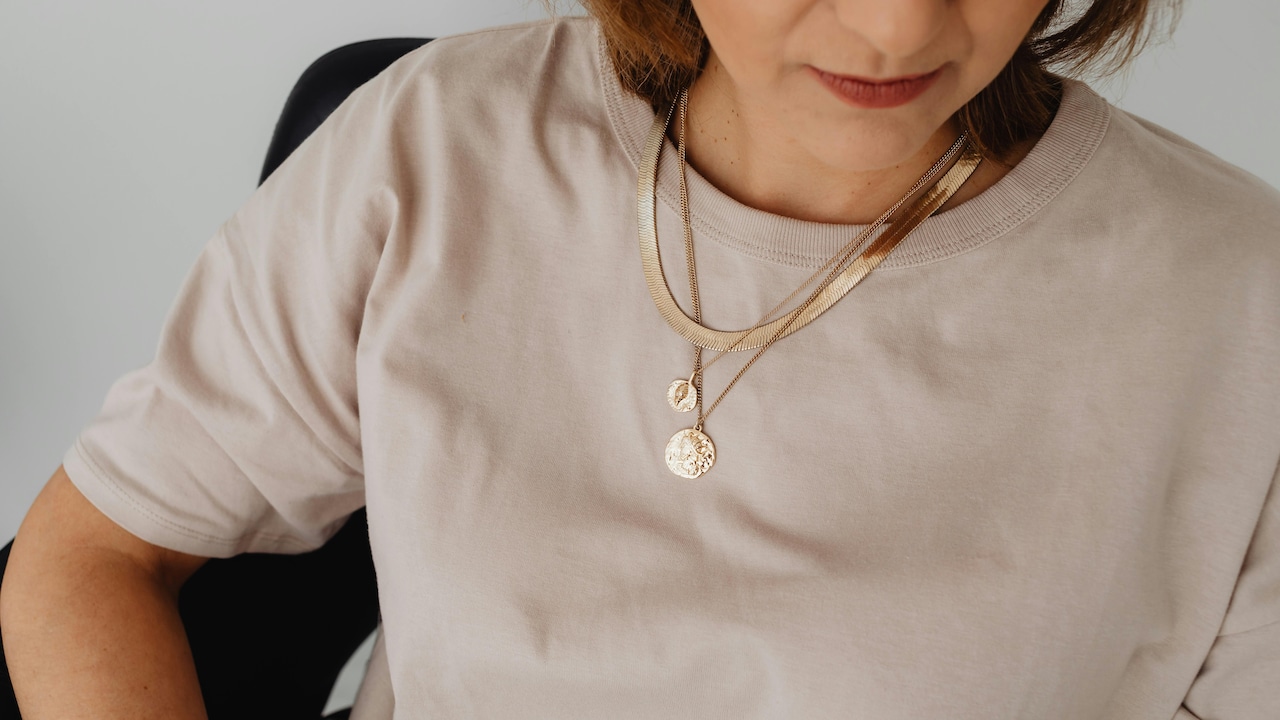
A pendant with a meaningful charm, a bold coin necklace, or even a delicate locket can serve this purpose. The key lies in choosing something that naturally draws attention without overwhelming the neckline. Once this piece sits in place, other necklaces should complement rather than compete.
This principle mirrors basic visual hierarchy; the brain prefers to process information with a clear starting point. In practical terms, it means resisting the urge to make every necklace equally bold. A simple gold chain paired with a standout pendant often works better than three heavy pieces stacked together.
Picture attending a wedding reception where jewellery already plays a major role. A focal piece ensures elegance without excess. It also makes styling quicker, especially when dressing for occasions that demand both flair and finesse.
Play With Different Lengths
Uniformity rarely excites the eye. When necklaces sit at the same length, they overlap awkwardly, creating a tangled appearance. Varying lengths, however, introduce rhythm and flow.
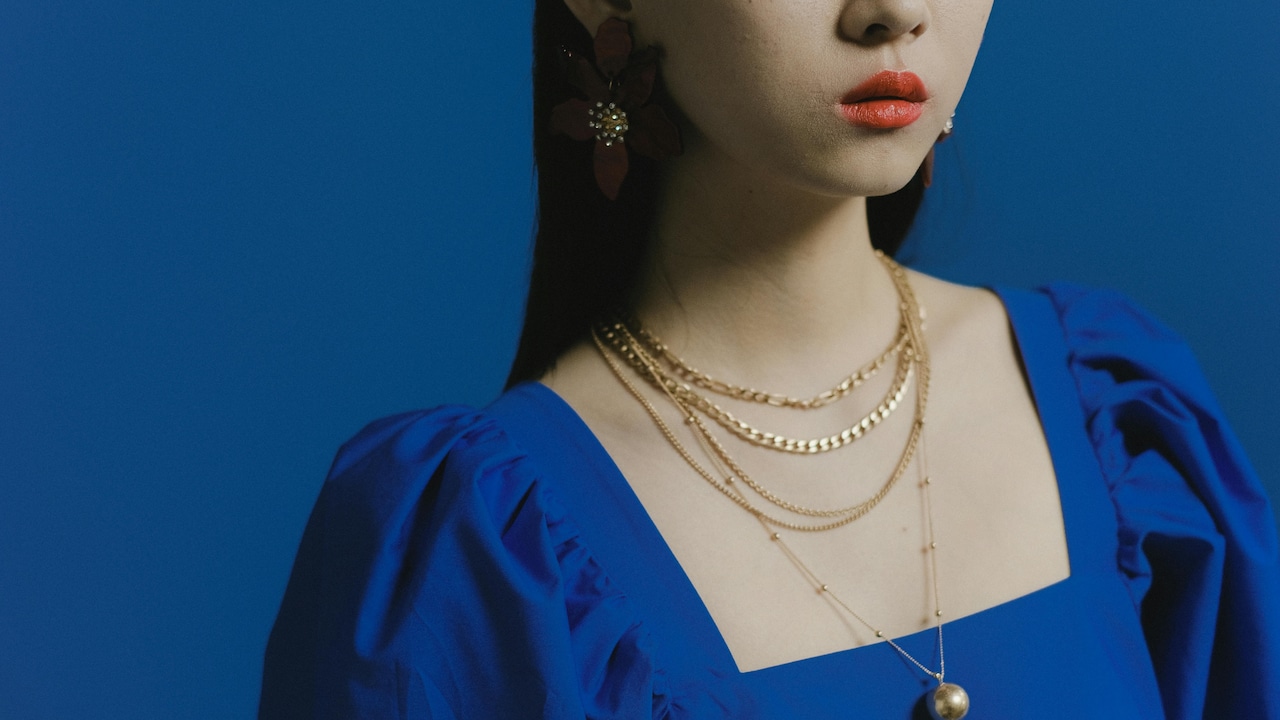
Short chokers, mid-length chains, and longer pendants naturally create vertical spacing. This spacing allows each piece to breathe. The result feels layered yet organised, rather than cramped.
The science behind this lies in spatial distribution. When objects occupy distinct zones, the brain processes them as separate yet connected elements. In styling, this translates to clarity and elegance.
For instance, pairing a 14-inch choker with an 18-inch chain and a 22-inch pendant creates a cascading effect. Each layer becomes visible without competing for space.
This approach also suits different necklines. A kurta with a deeper neckline benefits from longer layers, while a high-neck blouse pairs well with shorter stacks. Adjusting lengths ensures harmony between the outfit and jewellery.
Also Read: From Minimal Pearls To Bold Designs: Explore Necklace Sets Under ₹600 For Ethnic Looks
Mix Textures, Not Just Metals
While mixing metals has become widely accepted, texture often remains overlooked. Yet, texture adds depth in ways colour alone cannot.
A smooth chain beside a twisted rope design or a beaded strand introduces contrast without visual chaos. This contrast keeps the arrangement interesting while maintaining balance.
Texture variation works because the eye craves diversity within limits. Too much similarity feels dull; too much difference feels chaotic. The sweet spot lies somewhere in between.
Consider pairing a sleek gold chain with a slightly oxidised silver piece. Add a necklace with tiny stones or pearls, and the entire look gains dimension. It feels layered not just in quantity, but in character.
In everyday styling, this approach allows flexibility. Jewellery purchased over time, perhaps from local markets or small boutiques, can blend seamlessly without appearing mismatched.
Layering Necklaces Without Looking Overdone: A Science-Based Guide; Photo Credit: Pexels
Respect The Rule Of Three
Odd numbers often appear more appealing in visual compositions. This principle, known in design as the “rule of three,” applies beautifully to necklace layering.
Three necklaces create a balanced yet dynamic arrangement. Two may feel incomplete, while four or more can quickly look excessive unless styled very carefully.
The reason lies in how the brain processes patterns. Odd numbers feel more natural and less predictable. They create subtle asymmetry, which adds interest without confusion.
Imagine stepping out for a casual brunch. A choker, a mid-length chain, and a longer pendant create a polished look without effort. Add a fourth piece, and suddenly the focus shifts from style to clutter.
That said, rules are meant to guide, not restrict. Special occasions may call for more layers, especially with traditional attire. Still, keeping the rule of three in mind ensures a strong foundation.
Balance Weight And Scale
Not all necklaces carry the same visual weight. Some appear heavier due to thickness, design, or detailing. Balancing these elements prevents the arrangement from looking lopsided.
A chunky chain paired with two delicate ones often works better than stacking multiple heavy pieces together. This balance ensures that no single area feels overcrowded.
Scale also matters. Large pendants should not sit too close to equally bold designs. Instead, they should be offset with finer elements that allow them to stand out.
This principle echoes basic physics: balance distributes weight evenly. In styling, it translates to visual comfort.
For example, wearing a heavy statement necklace worth ₹5,000 alongside lighter chains creates contrast without overwhelming the neckline. The result feels intentional rather than excessive.
Consider Neckline Geometry
Clothing and jewellery share a relationship that often goes unnoticed. The shape of a neckline influences how necklaces sit and appear.
A V-neck naturally guides layered chains into a flattering formation. A round neckline benefits from curved arrangements, while high necklines work best with longer pieces that break the vertical space.
Ignoring this relationship can disrupt the overall look. Even well-chosen necklaces may appear awkward if they clash with the outfit's structure.
Geometry plays a key role here. The brain seeks alignment between shapes. When jewellery mirrors or complements clothing lines, the result feels harmonious.
Think of pairing layered necklaces with a festive blouse. Aligning the layers with the neckline ensures elegance without effort. It also enhances the outfit rather than competing with it.
Layering Necklaces Without Looking Overdone: A Science-Based Guide; Photo Credit: Pexels
Leave Breathing Space
Crowding is the quickest way to make layering look overdone. Leaving small gaps between necklaces allows each piece to shine.
This concept, often referred to as “negative space,” plays a crucial role in design. Empty space gives the eye a place to rest, making the overall composition more appealing.
In practical terms, this means avoiding tightly stacked layers. Adjusting clasps or choosing varying lengths can create subtle spacing that elevates the look.
Imagine wearing multiple necklaces during a festive evening. When each piece sits too close, the result feels heavy. Introduce spacing, and suddenly the same pieces look refined.
Breathing space also prevents tangling, making the arrangement more comfortable for long hours.
Stick To A Cohesive Theme
While mixing styles adds personality, a completely random combination can feel disjointed. A cohesive theme ties everything together.
This theme could be minimal gold, vintage-inspired pieces, or even a mix of traditional and modern designs. The key lies in maintaining a subtle connection between all elements.
The brain prefers patterns and consistency. When jewellery shares a common thread, whether in colour, style, or mood, it feels intentional.
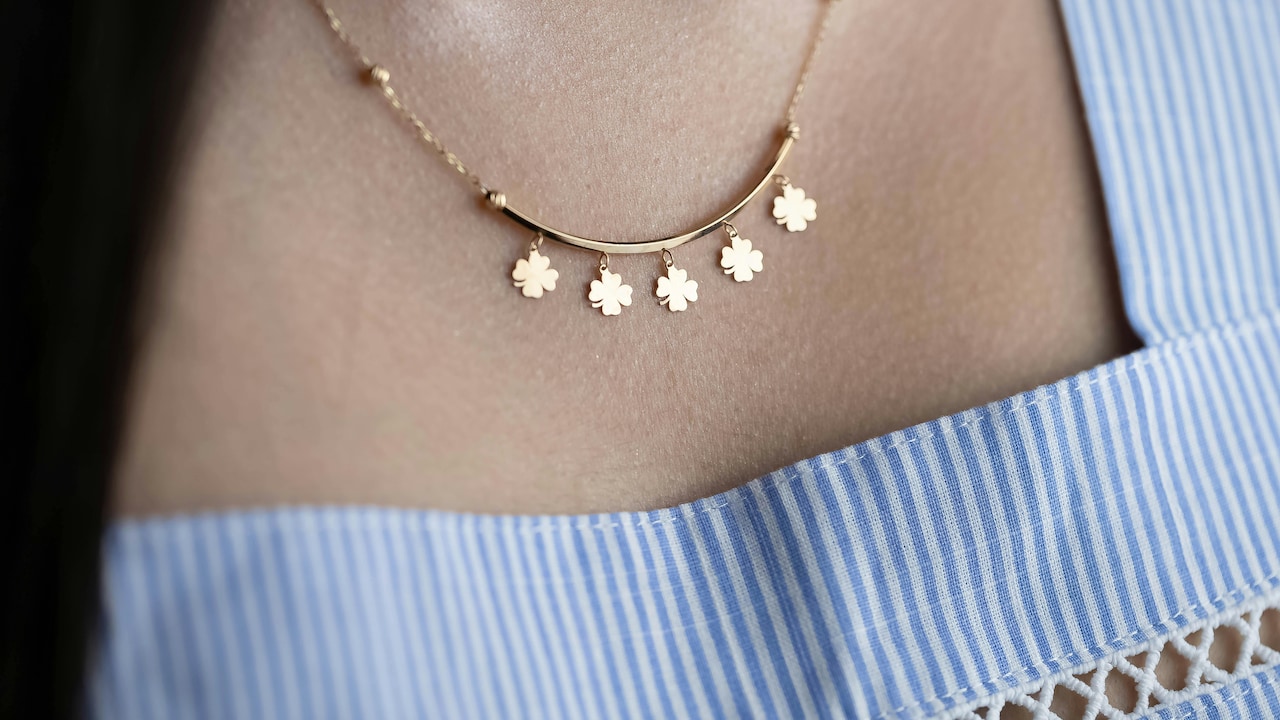
For instance, pairing delicate chains with small charms creates a soft, everyday look. Mixing them with bold tribal pieces may disrupt harmony unless done thoughtfully.
Cohesion does not mean uniformity. It simply ensures that every piece belongs in the same story.
Adapt To Occasion And Time Of Day
Layering that works for a daytime coffee run may not suit an evening celebration. Context matters more than often acknowledged.
Daytime looks benefit from lighter, simpler layers. They feel effortless and practical. Evening events allow for bolder combinations, where shine and detail can take centre stage.
This adaptability reflects social cues. Subtle jewellery suits relaxed settings, while statement pieces align with celebratory moods.
Consider heading to work versus attending a festive gathering. The same three necklaces can be styled differently, with minimal spacing for day, richer layering for night.
Understanding this shift ensures versatility. It also prevents the look from feeling inappropriate or excessive.
Trust Personal Comfort And Movement
Style should never compromise comfort. Necklaces that feel heavy or restrict movement can quickly ruin even the most polished look.
Layering should allow natural movement. Chains should not tangle with every step, nor should they feel like a burden.
Comfort also influences confidence. When jewellery sits well, posture improves, and the overall presence feels more relaxed.
Testing combinations before stepping out can make a difference. Walking around, adjusting lengths, and ensuring ease helps avoid mid-day adjustments.
This principle may sound simple, yet it often gets overlooked in the pursuit of style.
Products Related To This Article
1. Accessorize London Blue & Gold-Toned Beaded Layered Necklace
2. Zaphariq Silver Three Layered Heart Lock Chain Necklace
3. I Jewels Men Gold-Plated Layered Necklace
4. Qiroko Set Of 2 Pearls Beaded Minimal Layered Necklace
5. MEIRA JEWELLERY Gold-Plated Layered Necklace
Layering necklaces is both an art and a subtle science. It blends design principles with personal expression, creating looks that feel curated rather than chaotic.
By focusing on balance, spacing, texture, and context, layering becomes less about trial and error and more about thoughtful styling. Each necklace plays a role, contributing to a cohesive story rather than competing for attention.
In a world where trends change quickly, these principles remain timeless. They allow creativity without excess, ensuring that every layered look feels elegant, intentional, and uniquely expressive.
A well-layered necklace arrangement does more than complete an outfit. It reflects an understanding of harmony, where less is often more, and every detail matters.
(Disclaimer: This article may include references to or features of products and services made available through affiliate marketing campaigns. NDTV Convergence Limited (“NDTV”) strives to maintain editorial independence while participating in such campaigns. NDTV does not assume responsibility for the performance or claims of any featured products or services.)