How To Layer Woollens In Winter: Stay Warm Outside And Comfortable Indoors
Winter dressing can feel like a daily math problem, too cold outside, too warm once indoors, and a constant struggle between comfort and style. To stay warm outside and comfortable indoors, here is everything you need to learn about how to layer woollens in winter

Winter Layering Guide: Style Woollens To Stay Cosy Outdoors, Avoid Overheating Indoors.
Every winter brings that routine moment. A cold breeze outside convinces people to bundle up in bulky sweaters, mufflers, gloves, and sometimes two jackets. Then comes the shock: after climbing into a metro or visiting a café, the body feels overheated. Suddenly, that stylish sweater seems like a portable oven. Winter dressing needs finesse, not just fabric. It works best as a thoughtful mix of layers, textures, and breathable woollens that look smart while letting the body adapt to different temperatures. With a few clever tricks, winter clothes can work like a team rather than a pile, keeping warmth controlled and comfort intact. From choosing the right base to pairing stylish jackets, there's an art to cosy dressing that never feels stuffy.
Here is everything you need to learn about how to layer woollens in winter to stay warm outside and comfortable indoors too.

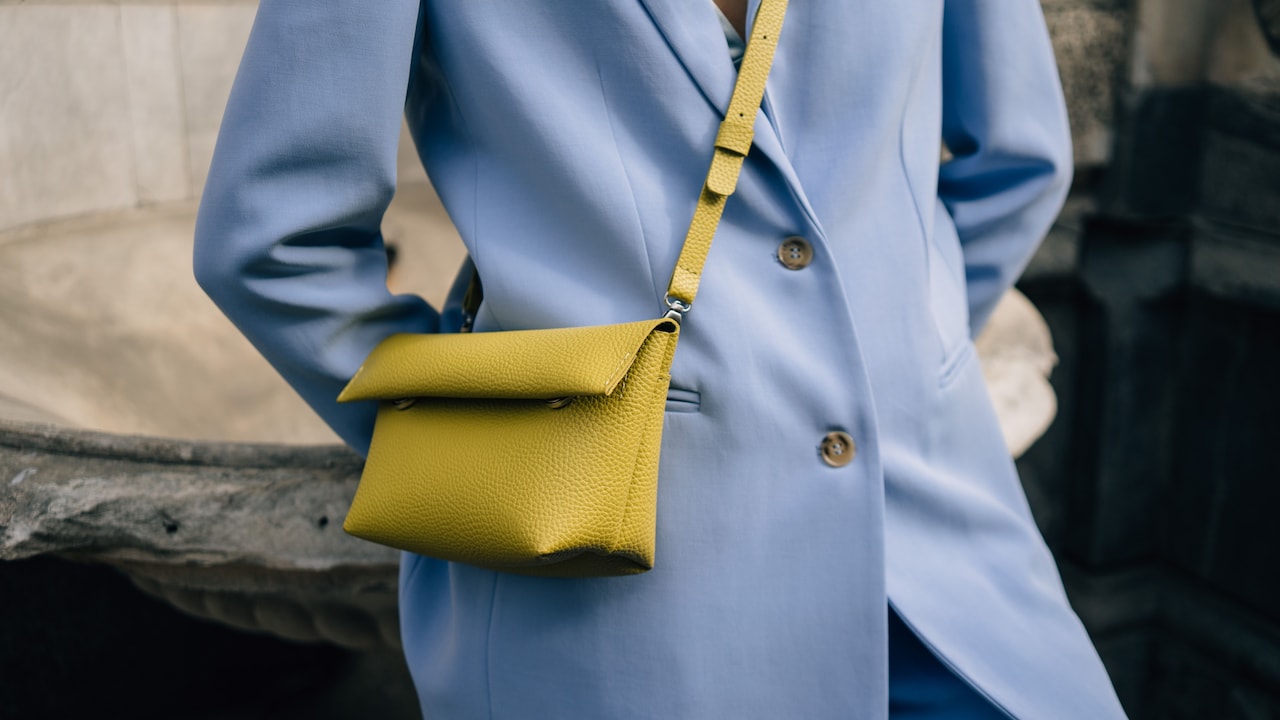
Here's how to layer light woollens in winter; Photo Credit: Unsplash
Smart, Stylish Layering That Works Indoors And Outdoors
1. Start With a Breathable Base Layer
Warmth begins with what sits closest to the skin. A breathable, thin base layer keeps sweat away and regulates temperature better than piling up thick woollens at once. Cotton thermals are common, yet many trap moisture and feel damp after a stroll or a metro ride. Lightweight wool-blend thermals or moisture-wicking fabrics work smarter, offering insulation without wetness. A seamless fit also keeps movement easy, especially for those hopping between office desks and outdoor markets. Think of this layer not as extra clothing, but as a steady guard against fluctuating temperatures, quiet, effective, and invisible under everything else. When the foundation is right, the rest of the layers fall into place beautifully.
2. Add Light Knitwear Instead of Thick Jumpers
There's charm in chunky sweaters, but they trap more heat than needed when the sun peeks through or when indoors, warm up. Light knitwear, cardigans, fine wool pullovers, or even cotton-wool blends strike a perfect balance. They insulate without suffocating the body. This layer can be slipped off easily when switching to warmer surroundings like cafes or buses. A buttoned cardigan also offers flexibility; it opens up to release heat instead of clinging like a blanket. Choosing seasonal colours like rust, olive, charcoal, or deep red adds style without overwhelming the outfit. A light knit is the harmony in a song of winter clothing, noticeable, yet never loud.
3. Use Outerwear as a Removable Shield
Overcoats, puffer jackets, trench coats, and wool long coats serve as the first defence against cold winds. Unlike sweaters, they work best as removable outer shields. A cardigan inside and a stylish coat outside give more control over warmth than wearing a heavy pullover alone. Once indoors, simply unbutton or remove the coat to cool down gradually. It's much like entering a house during monsoon with an umbrella; you don't wear it inside, you keep it handy. For daily travel, opt for coats with pockets and hoods to stay practical. Neutral colours like camel, navy, and grey match most outfits, helping one invest in pieces that work across different winters without looking repetitive.
Also Read: Explore 6 Easy Tips On How To Choose Thermals For Winter
4. Choose Woollens Based on Activity
A street vendor making chai at a stall needs thicker clothing than a college student walking between classrooms. The body heats up while moving and cools down while sitting. Winter dressing should suit the routine. Those who cycle, walk long distances, or commute should layer lightly yet flexibly. Office goers can choose breathable thermals with structured blazers or long coats. At weddings or family gatherings, where celebrations bring dancing and bustling food stalls, mixing light knits with shawls works wonders. Clothes feel more comfortable when they match lifestyle, not just temperature. Winters don't demand bulk; they demand awareness of how the day flows.
5. Play With Texture for Style and Warmth
Winter fashion thrives on texture. A simple combo, ribbed cardigan with a smooth overcoat or a chunky muffler over sleek knitwear, adds sophistication without effort. Textures help retain warmth differently, so mixing them smartly builds layers that look stylish while protecting against the weather. Pair soft wool with denim, corduroy trousers with puffer jackets, or a silk scarf with a wool coat for an elegant contrast. Textures also help break the monotony of plain winter outfits. Instead of hiding behind bulky, shapeless sweaters, using different fabrics feels playful and grounded. It's like seasoning food, not too much, just enough to make it flavourful.
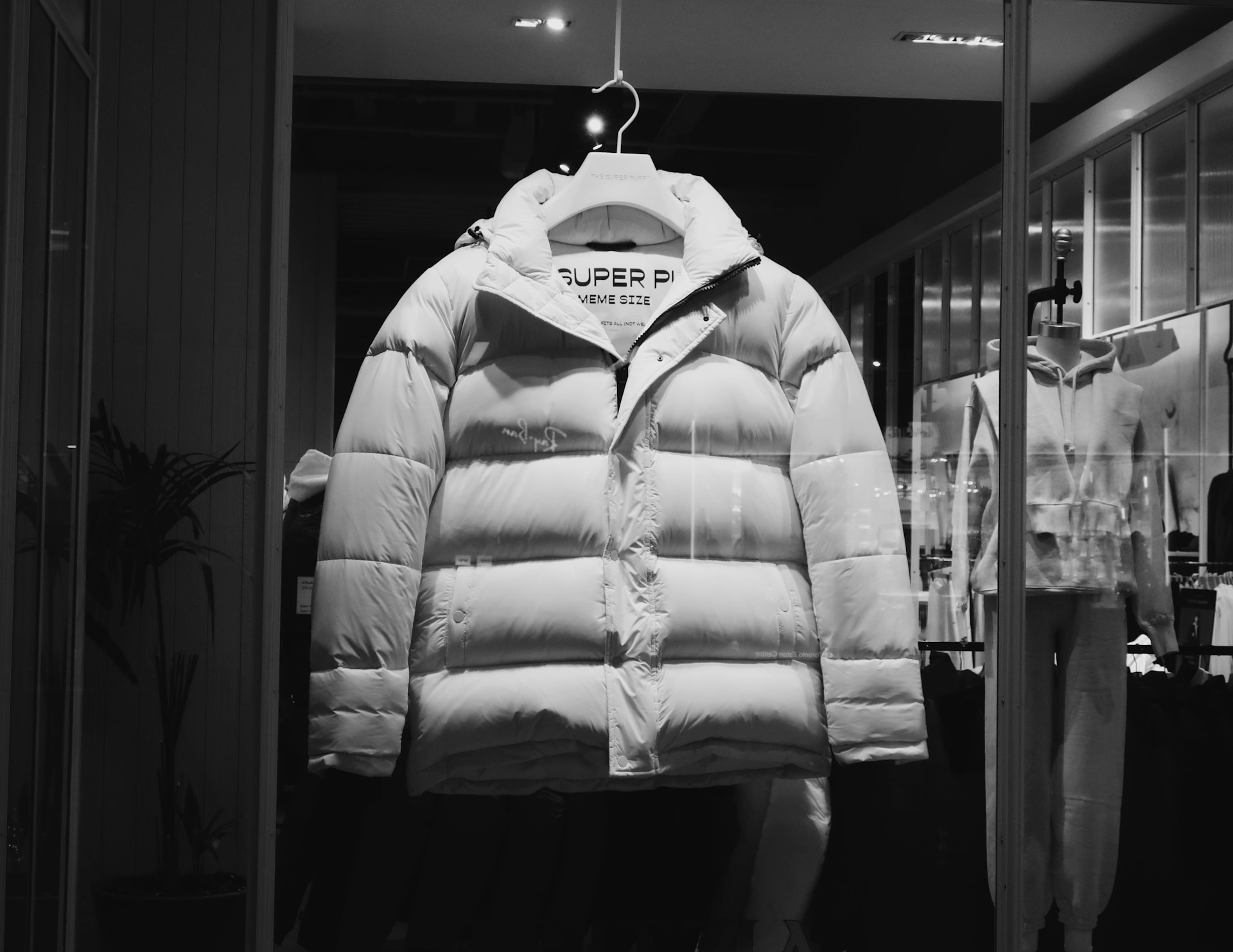
Feel free to experiment with different textures for style; Photo Credit: Unsplash
6. Avoid Overstuffing With Accessories
Scarves, beanies, gloves, and mufflers often get tossed into the outfit without much thought. Winter accessories shouldn't overload the look or trap unnecessary heat. Pick breathable woollen scarves, half-gloves for phone-friendly tasks, and lightweight caps that cover without suffocating. Layer one or two essentials depending on the weather. A good rule, if stepping indoors for an hour or more, remove accessories to avoid sweat. A stylish muffler tied neatly adds personality, but doubling it around the neck can feel choky. Accessories must elevate an outfit, like the garnish on a good plate of biryani, not steal the show or make it uncomfortable.
7. Balance Warmth With Smart Footwear
Feet tend to lose heat faster, and many people assume heavy boots or thick socks are mandatory. Yet, wearing padded boots all day can cause sweating, making the feet cold later. Breathable wool-blend socks paired with ankle boots, leather loafers, or even fabric sneakers on mild days offer the right balance. Moisture-wicking socks prevent dampness, especially for those walking to offices or markets. In colder areas, insulated boots work well, but choose ones with a removable lining. A removable layer means the warmth can be customised like a winter jacket. Footwear doesn't just protect, it completes a winter outfit, adding structure and confidence to every step.
8. Use Layer-Friendly Bottom Wear
Many focus only on the upper layers, ignoring trousers. Jeans feel cold when temperatures dip, trapping chill against the skin. Pairing them with leggings or thermal inners solves this without looking bulky. Wool-blend trousers, corduroy, and fleece-lined leggings work beautifully with winter wear, making legs feel comfortable without looking stuffed. Consider trousers with stretch, especially for long commutes or office hours. Bottom wear needs to move with the body, not fight against it. Styling skirts for winter? Pair warm tights under them, add boots, and one gets a chic yet practical winter look. Staying cosy isn't only about sweaters and coats; legs deserve warmth too.
9. Keep Colours Warm and Versatile
Winter wardrobes love earthy, rich, and timeless colours. Shades like maroon, mustard, forest green, and charcoal grey not only match the season but also blend easily with multiple layers. Bright neon hues may look interesting online, yet they rarely pair well with winter textures or repeated outfits. Sticking to a warm colour palette makes it easy to mix and match between coats, cardigans, and scarves without overthinking. Neutral tones feel classy for offices, while deeper shades look perfect for weddings or chilly evening outings. Dressing with colour sensibly keeps the wardrobe versatile and prevents unnecessary spending. Less confusion, more style.
10. Invest in Quality Woollens, Not More Woollens
A cupboard full of sweaters doesn't guarantee warmth. One well-made wool coat or a premium shawl can outperform five random pieces picked impulsively from street markets. Quality woollens regulate heat, last longer, and stay breathable. It doesn't mean everything must be expensive; choose wisely. A soft merino scarf, a sturdy coat, a comfortable thermal, and a neutral cardigan can cover most winter needs. Spending ₹1,500 on a high-quality piece is better than buying three uncomfortable woollens that sit unused after a season. Winter clothing should feel like a cosy friend, not a forced relationship that itches, overheats, or irritates the skin.
Products Related To This Article
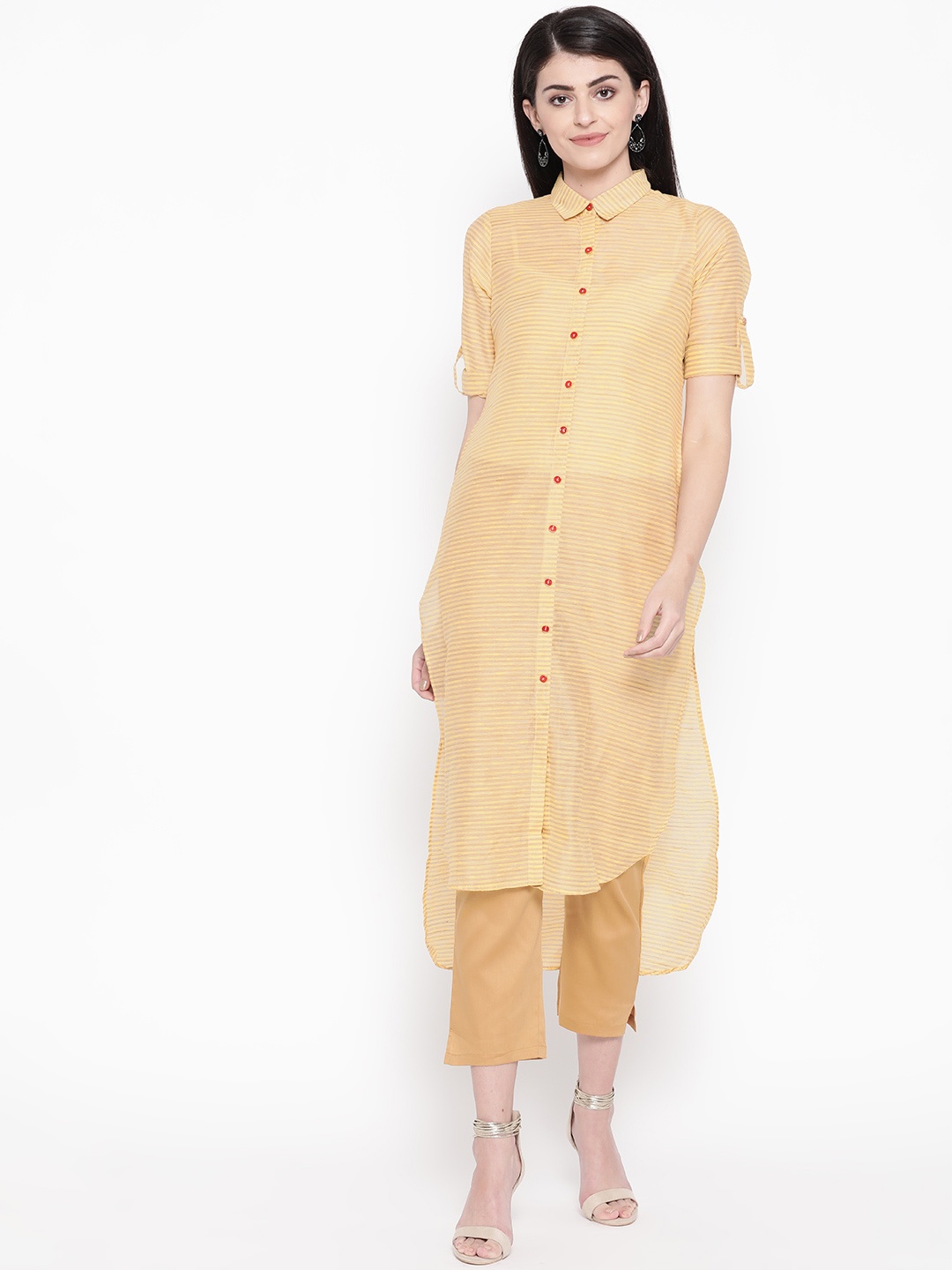
1. maddy Women Calf Length
2. Agnix Woven Beanie
3. AMOLDO Printed Beanie
4. WildCard India Beanie
5. VR Designers Self Design Beanie
6. GlamSmart Beanie
Winter layering isn't about stuffing the body with clothes; it's about letting layers work together, adjusting effortlessly between outdoor chill and indoor warmth. Each piece, base layer, knitwear, outerwear, or accessory, should offer flexibility, breathability, and style. Choosing the right textures, colours, and fits turns winter dressing into something elegant, not exhausting. When woollens feel light, adaptable, and personal, winter becomes less about surviving the cold and more about enjoying the season comfortably. Dress warm enough to adore the foggy mornings and relaxed evenings, yet smart enough to stay cool when life moves indoors. Winter fashion thrives not on bulk, but on balance.
(Disclaimer: This article may include references to or features of products and services made available through affiliate marketing campaigns. NDTV Convergence Limited (“NDTV”) strives to maintain editorial independence while participating in such campaigns. NDTV does not assume responsibility for the performance or claims of any featured products or services.)