How To Pick A-Line Dresses For Long Workdays That Do Not Crease
Struggling with wrinkled workwear by mid-day? This guide explains how to choose A-line dresses that stay crease-free through long office hours, focusing on fabric, fit, and everyday practicality.
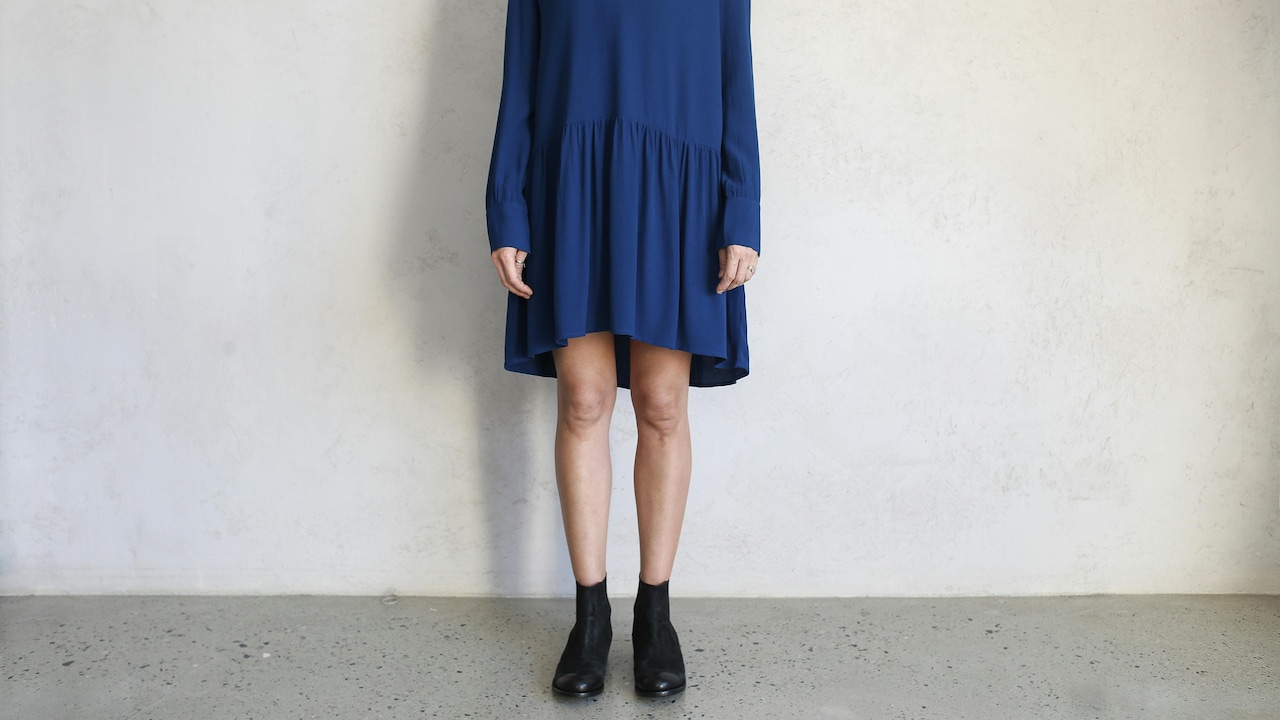
Here Is A Complete Guide To Choosing A-Line Dresses That Don't Crease At Work.
There is something deeply reassuring about slipping into an A-line dress on a busy weekday morning. It feels easy, dependable, and polished without trying too hard. Yet many professionals know the frustration of looking crisp at 9 am and slightly crumpled by lunch. Creases have a way of appearing just when they are least welcome, especially during long hours spent at desks, in traffic, or darting between meetings.
Choosing the right A-line dress for extended workdays is less about chasing trends and more about understanding fabric, fit, and function. When selected thoughtfully, these dresses can stay neat, breathable, and flattering from the first cup of chai to the last email of the day. This article breaks down practical, experience-backed tips to help build a work wardrobe that looks as good at 6 pm as it did at 9 am, with no constant tugging, steaming, or stress involved.
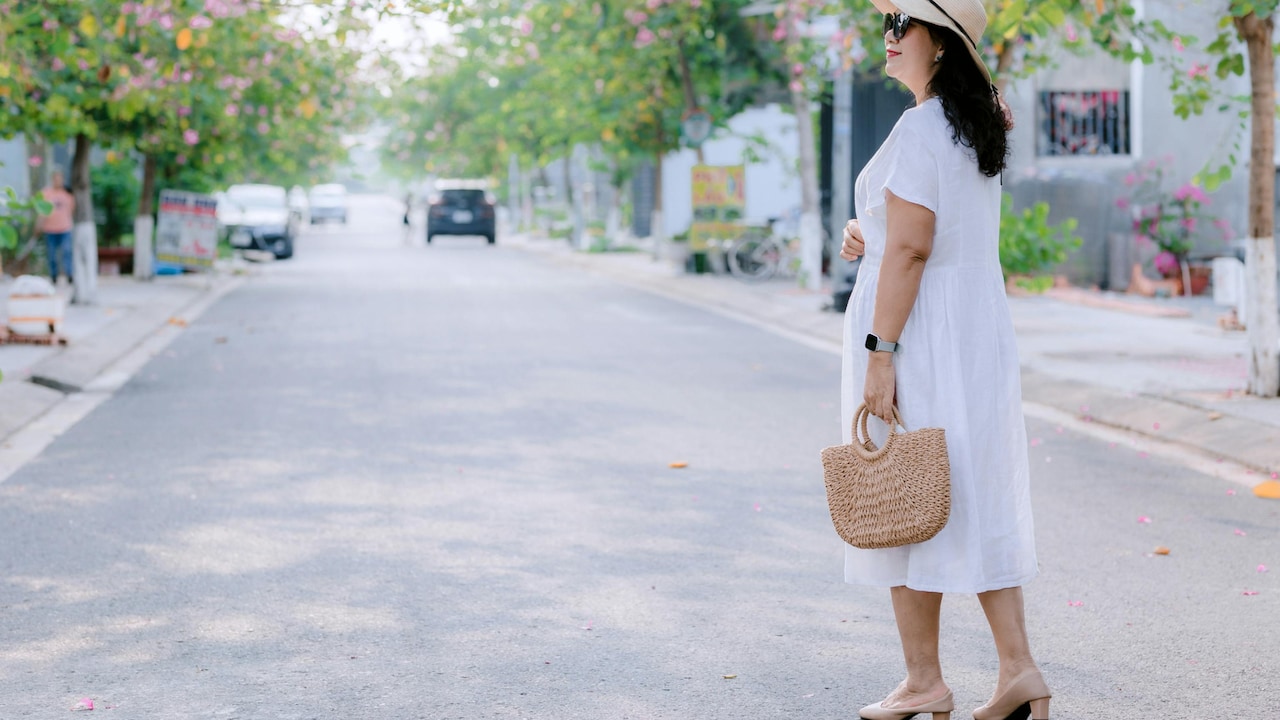
How To Pick A-Line Dresses For Long Workdays That Do Not Crease; Photo Credit: Pexels
What To Look For In An A-Line Dress That Survives Long Office Hours
1. Start with Fabric That Works Overtime
Fabric is the quiet backbone of any crease-resistant dress. Natural fibres like pure cotton and linen may feel breathable, but they tend to wrinkle the moment one sits down. For long workdays, blended fabrics offer a smarter alternative. Look for cotton blends with polyester, rayon, or elastane. These mixes balance comfort with structure and bounce back better after hours of wear.
A good test is the pinch check. Scrunch a small part of the fabric in your hand for a few seconds and release it. If the fabric smooths out quickly, it is likely to behave well through the day. Ponte knit, crepe, and matte jersey are also reliable options. They drape well, resist creases, and maintain a professional finish. Fabric choice may not be glamorous, but it is often the difference between looking composed or slightly undone by mid-afternoon.
2. Choose Structured A-Line Silhouettes
Not all A-line dresses are created equal. Some are too flowy, while others lack enough structure to hold their shape through long hours. For workwear, structured A-line silhouettes work best. These dresses gently skim the body without clinging, which reduces stress points where creases usually form.
Look for darts at the bust or waist, subtle panelling, or tailored seams. These design elements help the dress maintain its form while allowing comfortable movement. A slightly thicker fabric with clean lines tends to crease less than very soft, floppy materials. Structure does not mean stiffness. It simply means the dress knows how to hold itself together, even after a long day spent sitting through meetings or navigating crowded lifts.
Also Read: Top 7 Dresses That Don't Ride Up Or Need Constant Adjusting
3. Pay Attention to Length and Proportion
Length plays a surprising role in crease management. Very short A-line dresses often ride up when seated, causing fabric to bunch and wrinkle. On the other hand, overly long hemlines may crumple around the knees or ankles, especially during commutes.
A hemline that falls just at or slightly below the knee often strikes the right balance. It allows ease of movement while reducing friction points. Proportion matters too. Dresses that fit well at the shoulders and gradually flare out are less likely to crease compared to those that are tight at the hips. When fabric moves freely, it wrinkles less. A well-proportioned dress not only looks more professional but also ages better through the workday.
4. Look for Wrinkle-Resistant Weaves
Beyond fabric type, the weave also influences how a dress handles creasing. Tightly woven fabrics generally resist wrinkles better than loosely woven ones. Crepe weaves, for instance, have a slightly textured surface that disguises minor creases. Twill and ponte knits are other dependable choices.
Avoid very thin, flat weaves that show every fold and line. While they may look elegant on the hanger, they rarely survive a full workday unscathed. Subtle texture is your friend. It adds visual interest while cleverly hiding signs of wear. A dress that looks smooth but forgiving will save time, energy, and the constant worry of finding a mirror between meetings.

How To Pick A-Line Dresses For Long Workdays That Do Not Crease; Photo Credit: Pexels
5. Mind the Fit Around Stress Areas
Creases usually appear where fabric is under the most pressure. Common stress areas include the waist, hips, lower back, and behind the knees. When choosing an A-line dress, ensure it does not cling too tightly in these zones.
A slightly relaxed fit at the waist allows the fabric to sit comfortably when seated. Dresses with elasticated backs or gentle pleats can adapt better to long hours of wear. It is tempting to size down for a sharper look, but a dress that fits just right will always crease less than one that is constantly stretched. Comfort and polish often go hand in hand, especially during demanding workdays.
6. Opt for Darker or Mid-Tone Colours
Colour may not prevent creasing, but it certainly hides it better. Very light shades tend to highlight every wrinkle, while darker or mid-tone colours disguise minor imperfections. Navy, charcoal, olive, wine, and deep teal are reliable workwear colours that age well through the day.
That does not mean bright colours are off-limits. Muted versions of brighter shades often work better than very bold ones. Prints can also be useful. Small, subtle patterns distract the eye from creases far more effectively than solid colours. Choosing the right colour palette is a simple way to look fresher for longer without changing anything about the dress itself.
7. Consider Lining and Inner Construction
A lined A-line dress often performs better over long hours. Linings add weight and structure, helping the outer fabric fall smoothly. They also reduce friction between the dress and the body, which can minimise wrinkling caused by movement.
However, linings should feel breathable and comfortable. Avoid heavy synthetic linings that trap heat and cause discomfort. A lightweight lining can improve both appearance and durability. Inner construction details, such as facing at the neckline or reinforced seams, also contribute to how well a dress holds up. These elements may not be visible, but they quietly support the overall look throughout the day.
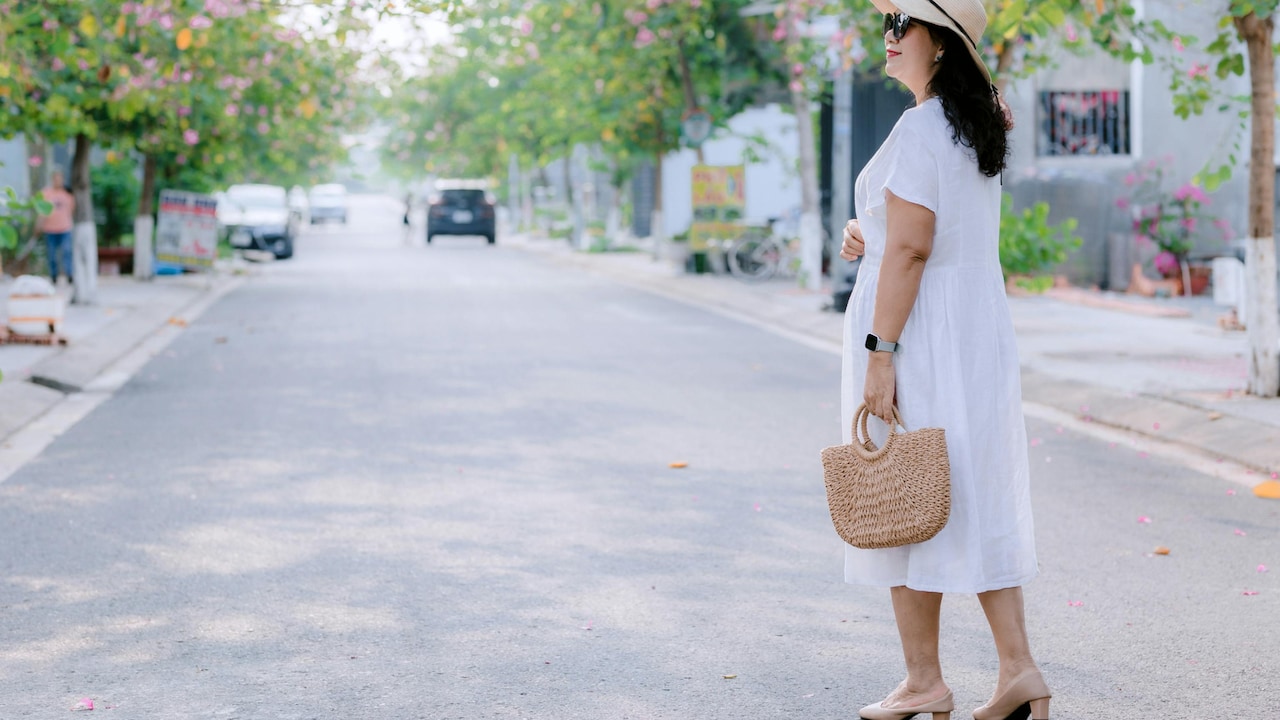
How To Pick A-Line Dresses For Long Workdays That Do Not Crease; Photo Credit: Pexels
8. Think About Your Daily Routine
A dress that works for long workdays should match the rhythm of daily life. Consider how much sitting, walking, and commuting the day involves. If the day includes long hours at a desk, choose fabrics that recover quickly from creases caused by sitting. If there is frequent movement, flexibility becomes more important.
Commutes matter too. Dresses that survive crowded buses or long car rides without looking rumpled are worth their weight in gold. Practicality does not dull style. It simply ensures the dress works as hard as the person wearing it. Clothing that fits into daily routines with ease often becomes a favourite without much effort.
9. Care Instructions Matter More Than Expected
Even the best crease-resistant dress can disappoint if it is not cared for properly. Always check care labels before buying. Dresses that require constant dry cleaning may not suit everyday workwear. Machine-washable fabrics with low-maintenance instructions are often more practical for regular use.
Proper storage also helps. Hanging A-line dresses rather than folding them reduces the chances of deep-set creases. When ironing is needed, a quick steam usually works better than heavy pressing. Caring for dresses thoughtfully extends their life and keeps them looking work-ready with minimal fuss. A little attention goes a long way in maintaining that crisp appearance.
10. Build a Small but Reliable Collection
Rather than filling the wardrobe with many options, building a small collection of dependable A-line dresses often works better. Each piece should earn its place by being comfortable, crease-resistant, and versatile. Dresses that can be styled with different shoes or layers offer more value and reduce decision fatigue on busy mornings.
Rotating dresses also allows fabrics to rest between wears, which helps them retain their shape. Over time, it becomes clear which dresses truly hold up through long days. Those are the ones worth investing in. A reliable work wardrobe is less about quantity and more about trust. When clothes perform well, the day feels just a little easier.
Products Related To This Article
1. Varanga A-Line Maxi Dress
2. Sixth House Floral Print Halter Neck A-Line Midi Dress
3. EASY MOM Round Neck Belted Cotton Denim Casual A-Line Midi Dress
4. all about you Green A-Line Dress
5. SASSAFRAS Floral Printed Square Neck A-Line Dress
A-line dresses remain a timeless choice for long workdays because they balance ease, elegance, and practicality. Choosing styles that resist creasing is not about perfection but about thoughtful decisions. Fabric, fit, structure, and routine all play a role in how a dress behaves from morning to evening.
When the right A-line dress is found, it quietly supports the day without demanding attention. It allows focus to stay on work, conversations, and moments that matter. With a little care and awareness, workwear can feel less like a daily challenge and more like a reliable companion. After all, confidence often begins with clothes that stay composed, no matter how long the day stretches.
(Disclaimer: This article may include references to or features of products and services made available through affiliate marketing campaigns. NDTV Convergence Limited (“NDTV”) strives to maintain editorial independence while participating in such campaigns. NDTV does not assume responsibility for the performance or claims of any featured products or services.)