How To Pick Trousers That Don't Dig In When You Sit All Day
Long hours of sitting demand smarter trousers. Learn how to choose the right rise, fabric, fit, and waistband, so your trousers stay comfortable, supportive, and dig-free throughout the day. Find easy tips that help choose the most comfortable pair of trousers for everyday use.
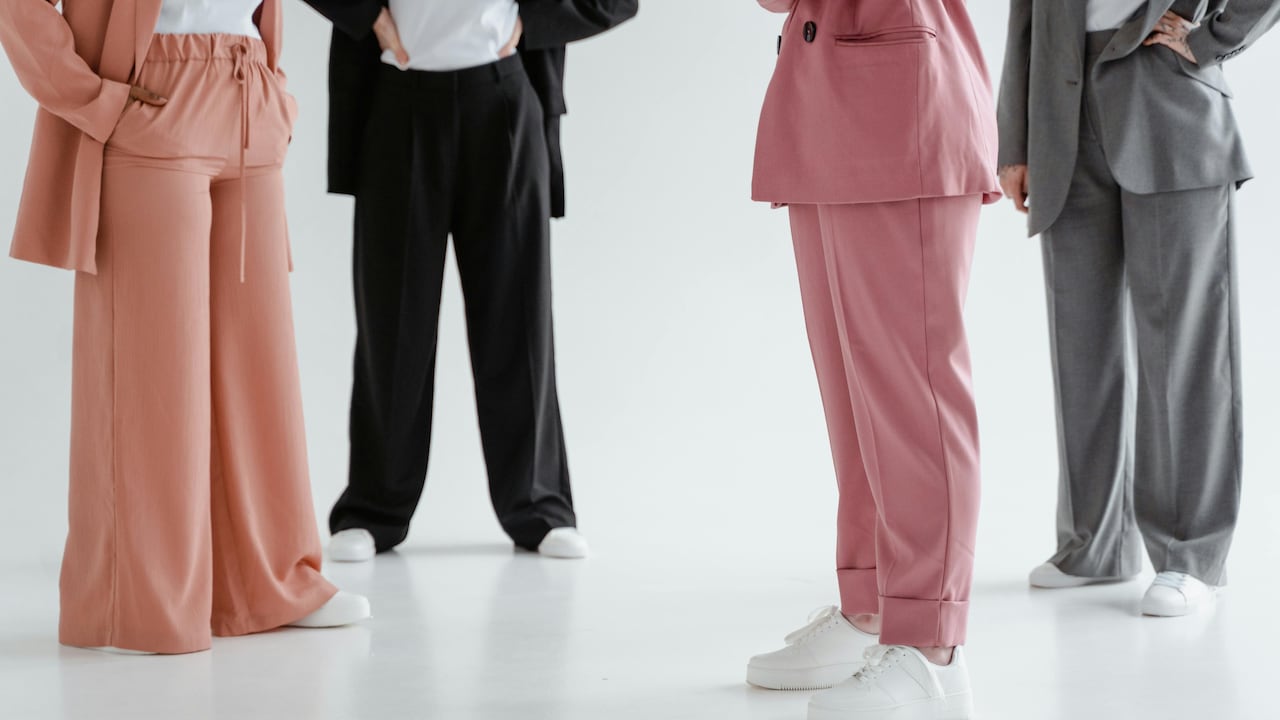
Trouser Buying Guide: How To Avoid Tight Waistbands And Sitting Discomfort.
Sitting has become a full-time activity. Office chairs, dining seats, cabs, sofas, and even park benches witness long hours spent in trousers that promise style but often deliver discomfort. A waistband that feels fine while standing can turn into a silent enemy once seated. That constant urge to adjust, loosen, or discreetly unbutton deserves better solutions. So, choose all-day trousers with a mid-rise, flexible waistband and sufficient hip-thigh space, preventing digging and discomfort when seated for long office hours.

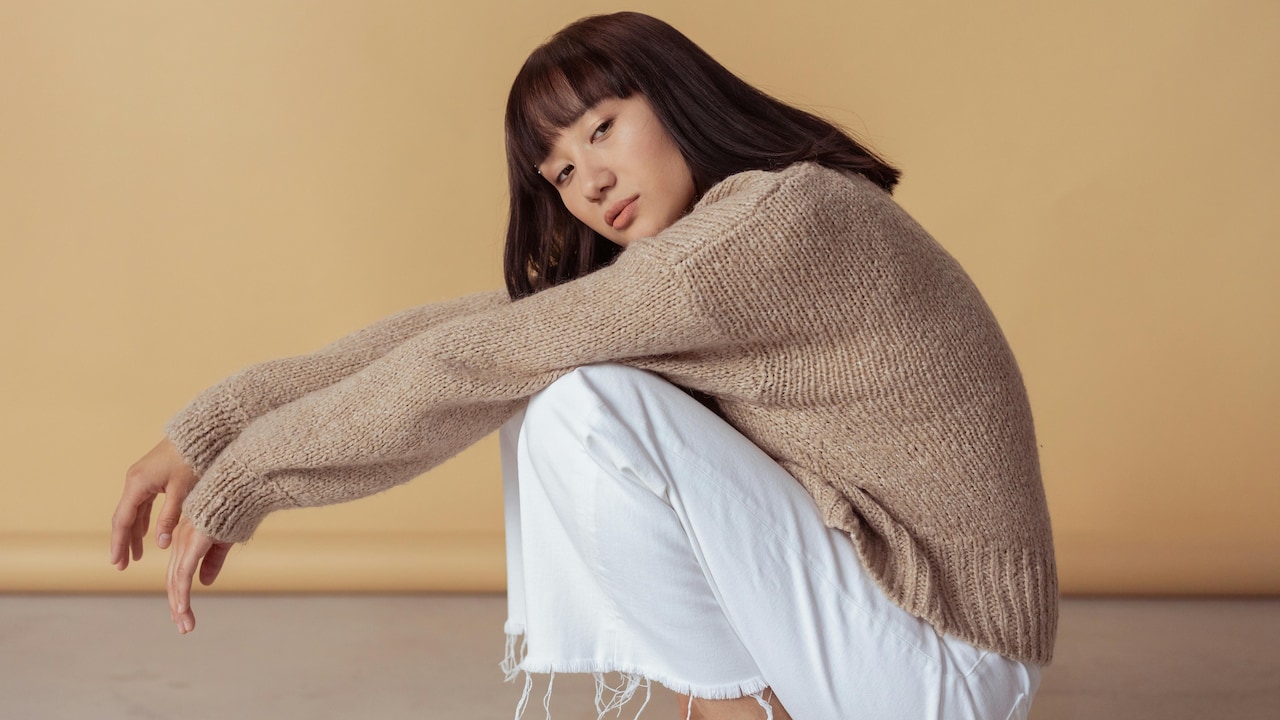
Learn how you can choose trousers that don't dig into your skin when sitting; Photo Credit: Pexels
Comfort no longer sits at odds with sharp dressing. Fabric innovation, smarter tailoring, and thoughtful design now make it possible to wear trousers that feel good all day. The trick lies in knowing what to look for before heading to the checkout counter. Waistbands, rises, fabrics, and cuts matter more than brand names or fleeting trends.
This article breaks down practical, everyday advice. Each point focuses on real-life situations, from office desks to long train journeys. The goal stays simple: trousers that support the body instead of fighting it.
Also Read: Best Men's Trousers To Buy On Myntra: Chinos, Cargos And Slim Fits
Best Trousers For Long Sitting Hours: Fit, Fabric And Waistband Tips
1. Choose the Right Waist Rise
The rise of trousers determines how they behave while sitting. Low-rise trousers often slide down and press into the stomach, especially after meals. High-rise options can feel restrictive if cut poorly. A mid-rise usually offers the safest balance.
Mid-rise trousers sit just below the natural waist. This position reduces pressure on the belly when seated. The waistband stays stable without digging in. Many people overlook rise measurements, yet they shape overall comfort more than expected.
During trials, sitting down in the fitting room matters. A mirror may show sharp lines while standing, but chairs reveal the truth. If the waistband curls, presses, or demands constant adjustment, the rise likely fails the test.
For daily wear, trousers with a slightly higher back rise help. They prevent that awkward pulling sensation when leaning forward. Long meetings and extended commutes feel far easier when trousers move with the body instead of against it.
2. Prioritise Flexible Waistbands
Rigid waistbands belong to formal occasions, not everyday sitting marathons. Elasticated or partially elastic waistbands offer welcome relief. They expand gently when seated and return to shape while standing.
Modern designs hide elastic panels well. From the front, the trousers look tailored and crisp. From the inside, they behave like quiet problem-solvers. This design suits office wear, travel days, and long events alike.
Another smart option includes side adjusters. These allow subtle loosening without drawing attention. Buttons or tabs at the side maintain structure while offering flexibility.
Avoid waistbands that rely solely on stiff interfacing. Such designs press hard into the stomach during seated hours. Comfort-friendly waistbands respect natural body movement and daily fluctuations, especially after heavy lunches or late dinners.
3. Fabric Makes or Breaks Comfort
Fabric choice decides how trousers feel after hours of sitting. Stiff materials trap heat and restrict movement. Breathable, stretch-friendly fabrics change the game.
Cotton blends with elastane offer softness and flexibility. Linen blends work well for warmer climates, provided they include stretch. Wool blends suit formal settings and regulate temperature better than synthetic-heavy options.
Pure polyester often feels unforgiving. It lacks breathability and flexibility. Over time, discomfort builds, especially during long seated periods. Fabrics that stretch in two or four directions adapt better to posture changes.
Running fingers along the fabric helps. If the material feels harsh or plasticky, chances are the sitting experience will disappoint. Comfort begins with fabric that understands daily wear demands.
4. Get the Waist Size Exactly Right
Many people try to avoid tightness. Others size down, hoping trousers will stretch. Both approaches backfire. The correct waist size supports comfort and appearance.
Trousers should sit snugly without squeezing. Two fingers should slide comfortably between the waistband and the body while standing. While seated, the waistband should feel present but not intrusive.
Avoid relying on belts to fix sizing issues. Belts add pressure and worsen digging when seated. A well-fitted waist removes the need for constant belt adjustments.
Weight fluctuates naturally. Choosing trousers with a bit of stretch allows for these changes. Comfort-focused sizing respects the body instead of forcing it into fixed measurements.
5. Pay Attention to the Front Closure
Buttons, hooks, and zippers all play a role in seated comfort. Bulky closures press into the stomach and cause irritation over time. Flat-front designs reduce pressure points.
Multiple hooks or oversized metal buttons often cause discomfort during long sitting hours. A clean, minimal closure works best. Hidden buttons or reinforced plackets offer support without bulk.
Zipper length also matters. Very short zippers create tension at the crotch when seated. Adequate length allows fabric to move freely.
During fittings, bending forward reveals closure comfort. Any sharp pressure signals trouble ahead. A smooth front keeps focus on work, conversations, and meals rather than constant readjustment.
Go for trousers with buttons, hooks, and zippers for a comfortable fit; Photo Credit: Pexels
6. Opt for a Relaxed Yet Polished Cut
Skin-tight trousers rarely stay comfortable while sitting. Extremely loose cuts, however, bunch up awkwardly. A tailored, relaxed cut strikes the perfect balance.
Straight-leg or gently tapered trousers offer room around the thighs and hips. This space prevents fabric from pulling upwards while seated. Movement feels natural rather than restricted.
Avoid trousers that cling tightly across the lap when sitting. That tension causes waistbands to dig in. A slight allowance in the seat area improves comfort significantly.
Tailoring can fine-tune fit. A skilled tailor adjusts thighs, seat, and rise without compromising style. Small changes often deliver big comfort upgrades.
7. Check the Seat and Crotch Depth
The seat depth determines how trousers behave while sitting. Shallow seats pull fabric tightly across the body. Deeper seats allow ease of movement.
When trying on trousers, sitting and leaning forward offer clues. Excessive pulling at the crotch or waistband signals inadequate seat depth. Comfortable trousers maintain shape even during movement.
Designers often compromise seat depth for a slim look. Unfortunately, this sacrifices comfort. Everyday wear demands practical design over runway trends.
Proper seat depth also reduces wear and tear. Fabric experiences less stress, leading to longer-lasting trousers. Comfort and durability often go hand in hand.
8. Mind the Lining and Inner Finishes
Inner construction influences comfort more than visible design. Rough seams, thick linings, or poor finishing irritate skin during long sitting hours.
Lightweight linings feel smoother and reduce friction. Partial linings allow airflow and prevent overheating. Fully lined trousers work well in cooler months but need soft materials.
Inspect seams inside the waistband. Thick stitching or exposed tags cause discomfort over time. Quality trousers pay attention to hidden details.
Comfort lives in these unseen elements. A polished exterior means little if the interior causes constant irritation. Good inner finishes elevate the entire wearing experience.
9. Consider Lifestyle and Daily Routine
Trousers should match daily movement patterns. Desk jobs demand different features than fieldwork or frequent travel. Understanding lifestyle helps narrow choices.
For long office hours, stretch fabrics and elastic waistbands work best. For travel, wrinkle-resistant materials add convenience. Social events require trousers that balance comfort with style.
Climate also plays a role. Breathable fabrics suit warmer regions, while heavier blends suit cooler months. Seasonal rotation keeps comfort consistent year-round.
Choosing trousers without considering routine leads to disappointment. The best pairs feel invisible during the day, allowing focus on tasks rather than discomfort.
10. Never Skip the Sit Test Before Buying
The final test always involves sitting. Standing mirrors deceive. Chairs reveal reality. Any trial should include sitting, bending, and walking.
Spend a few minutes seated in the trial room. Notice pressure points. Observe how the waistband behaves. Comfort should remain steady, not worsen with time.
If online shopping appeals, choose brands with clear size guides and easy returns. Trying at home offers the best test environment. Sitting on familiar chairs reveals true comfort levels.
Trust physical signals. Discomfort rarely improves with wear. Comfortable trousers feel right immediately. The sit test remains the most reliable judge.
Products Related To This Article
1. VASTRADO Men Straight Fit Corduroy Trousers
2. Style Go Women Textured Trousers
3. Moda Rapido Men Straight Fit Wrinkle Free Trousers
4. Selvia Edge Women High-Rise Wrinkle Free Trousers
5. Roadster Men Budford Satin Stretch Chinos
Comfortable trousers transform daily life. They remove distractions, boost confidence, and support long hours of sitting without complaint. Choosing the right pair requires attention to details often overlooked: rise, fabric, waistband, and cut. The next time trousers pinch while seated, remember that better options exist. A little patience during selection saves countless hours of discomfort. The least trousers can do is stay kind throughout the day.
(Disclaimer: This article may include references to or features of products and services made available through affiliate marketing campaigns. NDTV Convergence Limited (“NDTV”) strives to maintain editorial independence while participating in such campaigns. NDTV does not assume responsibility for the performance or claims of any featured products or services.)