10 Reasons Canvas Shoes Lose Their Shape After Washing And How To Prevent Distortion
Discover why canvas shoes lose their shape after washing and learn simple ways to prevent shrinking, warping and creasing while keeping them looking neat for longer.
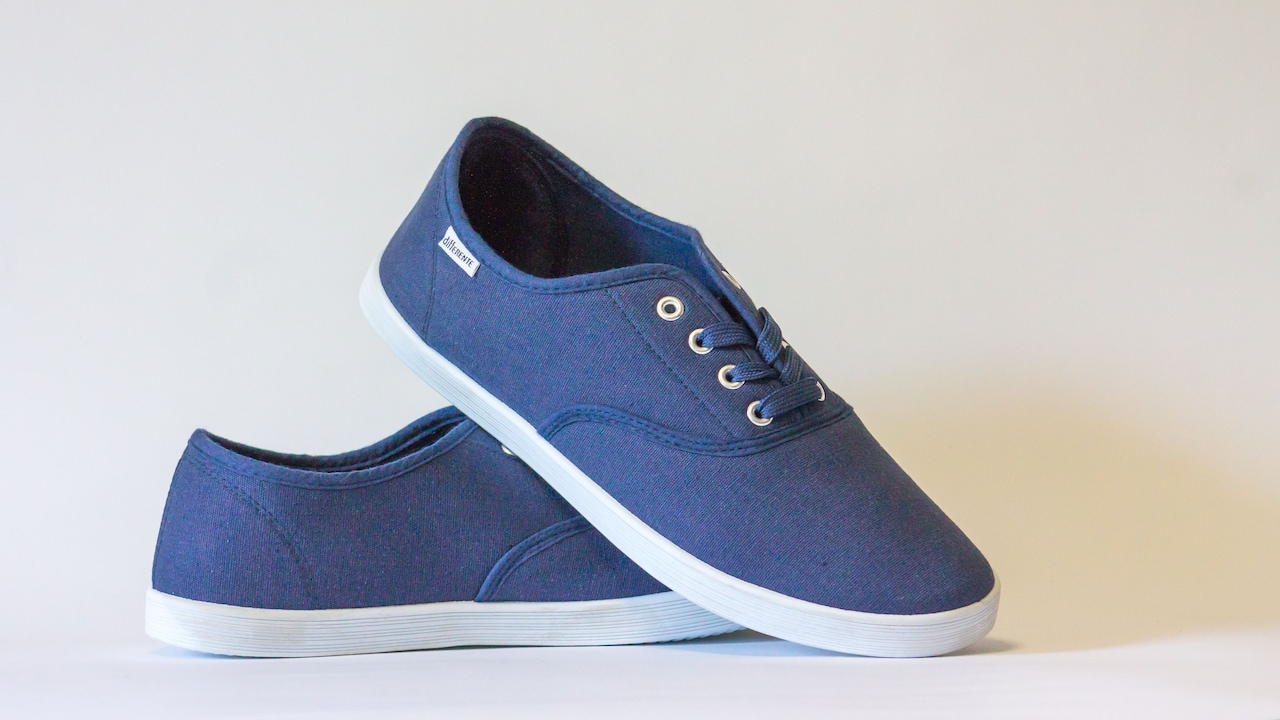
10 Reasons Canvas Shoes Lose Shape After Washing And How To Fix It
Canvas shoes have a certain everyday charm. They work with jeans, cotton trousers, shorts and even a relaxed kurta-and-denim combination. They survive crowded commutes, college corridors, weekend markets and those surprise puddles that seem to appear five minutes after the road looked perfectly dry. Then comes the washing. A perfectly respectable pair goes into the wash looking dusty but well-shaped and comes out resembling something that spent the afternoon arguing with a washing machine. The toe box may curl upwards. One side can collapse. The sole might feel oddly bent, while the fabric develops stubborn wrinkles that refuse to disappear. Fortunately, canvas shoes usually lose their shape for understandable reasons. Canvas fabric, adhesive, rubber, stitching and internal supports all react differently to water, heat and movement. Treating the entire shoe like an ordinary cotton T-shirt can therefore cause trouble. The good news is that distortion is often preventable. A few simple changes in washing and drying habits can help canvas shoes keep their original structure for much longer.
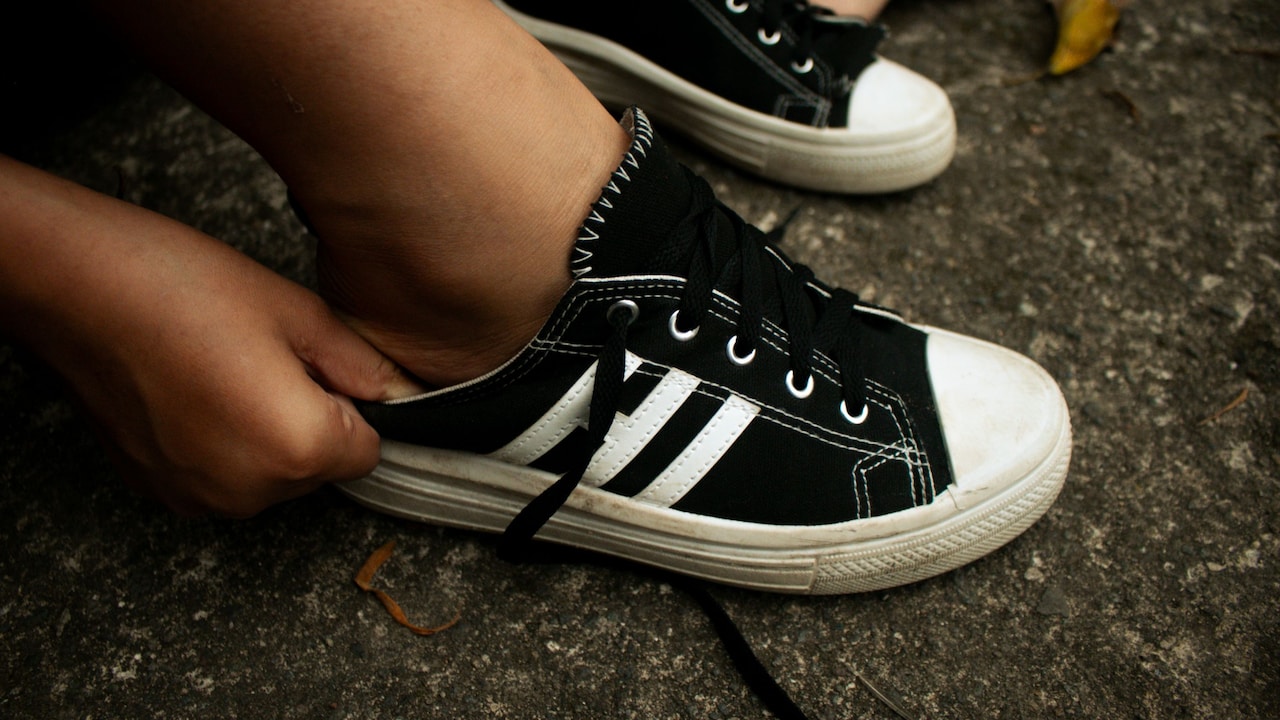
10 Reasons Canvas Shoes Lose Shape After Washing And How To Fix It; Photo Credit: Pexels
Why Canvas Shoes Lose Their Shape After Washing
1. Soaking Canvas Shoes For Too Long
Canvas handles water fairly well, but that does not mean shoes enjoy spending half the afternoon in a bucket. Long soaking periods allow water to penetrate every layer, including the lining, stitching, cushioning and adhesive around the sole. Once thoroughly saturated, the shoe becomes softer and loses much of its temporary structural strength.
That is when bending begins. A wet shoe placed awkwardly against the side of a bucket can slowly take on that curved position. The toe area may flatten, while the heel counter can become softer and easier to crush. Prolonged soaking may also weaken certain adhesives over repeated washes.
Instead of leaving shoes submerged while finishing tea, lunch and three episodes of a series, keep washing time controlled. Remove loose dirt first with a dry brush. Then clean the canvas using a damp cloth or soft brush with mild soapy water.
If soaking becomes necessary because the shoes are particularly dirty, keep it brief. Once cleaned, rinse away soap promptly and support the shoes before drying.
Also Read: Top Casual Canvas Sneakers for Men in Multiple Colours Under Rs. 1600
2. Washing With Hot Water
Hot water might seem like the quickest route to spotless shoes, especially when mud has settled deeply into pale canvas. Unfortunately, high temperatures can create several problems at once.
Canvas fibres may tighten or shrink slightly when exposed to excessive heat. Meanwhile, rubber components and adhesives can respond differently. When one part contracts while another remains relatively stable, the shoe may develop warping, puckering or uneven tension.
Heat can also make some glued sections more vulnerable. The result may not appear dramatic after one wash, but repeated exposure can gradually affect the bond between the upper and sole.
Cool or lukewarm water provides a much safer option for routine cleaning. Mild temperatures still loosen everyday dirt when paired with gentle detergent and a soft brush.
Think of canvas shoes less like kitchen cleaning cloths and more like a structured fabric accessory. Their job involves keeping a particular form around the foot. Clean water does not need to be hot enough to tackle a greasy kadai.
Gentler temperatures protect both the fabric and the construction holding everything together.
3. Putting Shoes Through An Aggressive Machine Cycle
A washing machine offers convenience, but convenience can become chaos when shoes begin bouncing around the drum.
During a strong cycle, canvas shoes experience repeated spinning, knocking, twisting and compression. The fabric upper might survive, yet softer areas can fold under pressure. Toe boxes can collapse. Heel sections may crease, and the shoe can emerge looking slightly different from its partner.
Machine washing can be especially harsh when shoes tumble alongside heavy garments such as jeans or towels. A wet denim leg repeatedly landing on a softened canvas shoe is hardly a spa treatment.
Hand washing remains the safer choice when shape preservation matters. It allows better control over pressure and prevents unnecessary twisting.
When manufacturer instructions specifically allow machine washing, choose a gentle cycle with cool water. Place the shoes inside a laundry bag or pillowcase and add lightweight towels to reduce violent movement.
Most importantly, check the care label first. Canvas shoes may look similar from the outside, but their adhesives, linings and internal construction can vary considerably.
10 Reasons Canvas Shoes Lose Shape After Washing And How To Fix It; Photo Credit: Pexels
4. Scrubbing The Fabric Too Aggressively
A stubborn stain can trigger impressive determination. Before long, the poor shoe is being scrubbed as though it personally caused the stain.
Heavy scrubbing may weaken the weave, stretch wet canvas and distort sections around the toe or sides. Since damp fabric becomes more flexible, repeated pressure in one direction can pull fibres out of their natural position.
Hard-bristled brushes make the problem worse. They can roughen the surface and leave lighter patches, particularly on coloured shoes. Aggressive rubbing along seams may also place unnecessary stress on stitching.
A soft toothbrush or shoe-cleaning brush gives much better control. Work on dirty areas with small, gentle movements instead of pressing hard. Give the cleaning solution a few minutes to loosen stubborn grime before brushing again.
For everyday dust, a surprisingly small amount of effort often works. Removing dry mud before introducing water also makes washing easier.
The aim is to lift dirt without reshaping the upper. When cleaning starts to feel like a gym session for the wrist, the pressure has probably gone too far.
5. Using Too Much Detergent
More detergent does not automatically produce cleaner canvas shoes. In fact, an enthusiastic splash of washing liquid can create an entirely new problem: residue.
Canvas absorbs soapy water easily. When too much detergent enters the fibres, rinsing it out requires more water and longer handling. Shoes stay saturated for longer, increasing the chance of losing their form.
Strong detergents can also affect colour and make the fabric feel stiff once dry. Certain formulas may be unnecessarily harsh on adhesive, rubber trims or decorative details.
A small amount of mild detergent diluted in water is usually enough. For one pair, there is rarely any reason to create a bucket overflowing with foam like a television advertisement.
Apply the solution mainly where dirt appears rather than flooding the entire shoe. Afterwards, wipe or rinse carefully until no slippery soap remains.
Gentle cleaning may take slightly more patience, but it reduces stress on the shoe. Canvas rarely needs industrial-strength treatment to recover from bus-stop dust, playground dirt or a splash from the neighbourhood chai stall.
6. Twisting Or Wringing Shoes To Remove Water
Wet canvas shoes can hold an impressive amount of water. The temptation to squeeze, twist or wring them is understandable. Unfortunately, this is one of the easiest ways to deform them.
Twisting places force on multiple parts of the shoe at once. The canvas upper stretches in one direction while the sole resists underneath. Stitching, seams and adhesive joints absorb the tension. Even when nothing tears, the shoe may dry with a crooked upper or permanently creased side panels.
Pressing the toe box flat to push out water causes similar trouble.
A gentler method works better. Hold the shoes upright and allow excess water to drain naturally. Then press a clean towel around the exterior and inside accessible areas. The towel absorbs moisture without forcing the structure into an unnatural position.
Patience matters here. Wet footwear cannot be rushed into becoming dry simply through muscle power.
Once excess moisture has gone, reshape the shoe with the hands before placing support material inside. Those two minutes of careful handling can make a noticeable difference after drying.
7. Drying Shoes In Harsh Direct Sunlight
A bright afternoon seems ideal for drying freshly washed canvas shoes. Strong sunlight certainly works quickly, but speed can come at a cost.
Intense heat can dry different parts of the shoe at different rates. Thin canvas may dry before padded sections, while the rubber sole remains warm and flexible. Uneven drying can encourage curling, tightening and distortion. Strong sunlight may also fade coloured canvas over time.
This becomes particularly relevant during hot weather, when a balcony floor or terrace can become surprisingly warm by midday. Leaving wet shoes there for several hours exposes both the fabric and adhesive to unnecessary heat.
Choose a shaded, airy location instead. Good ventilation removes moisture without cooking the footwear.
Place shoes where air can circulate around them and turn them occasionally if one side remains damp. Avoid trapping wet shoes inside a closed bathroom or cupboard, as slow drying can produce unpleasant odours.
A breezy shaded balcony often provides the right balance. Drying may take longer, but the shoes are far more likely to retain their colour and familiar shape.
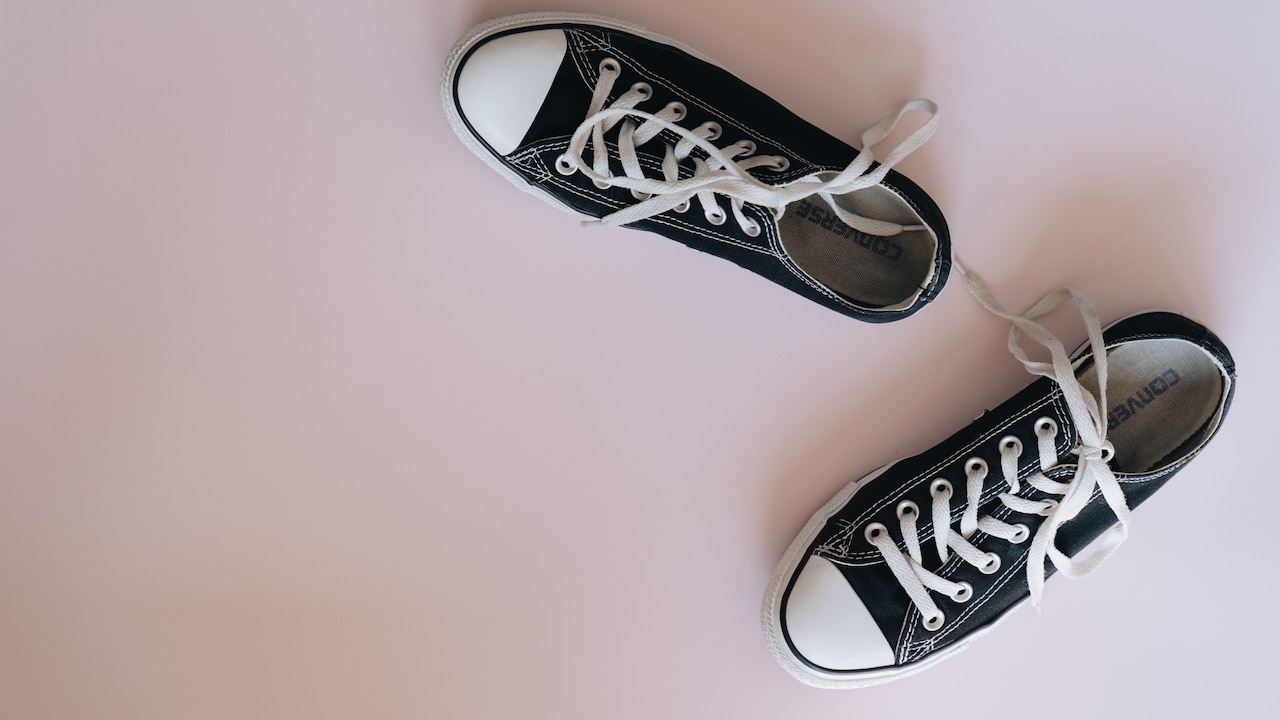
10 Reasons Canvas Shoes Lose Shape After Washing And How To Fix It; Photo Credit: Pexels
8. Drying Shoes Without Stuffing Them
Canvas becomes soft after washing. Without internal support, gravity gets an opportunity to redesign the shoe.
The upper can sink inward while drying, particularly around the toe box and sides. Once the fibres dry in that collapsed position, wrinkles and dents become harder to remove. The pair may still fit, but it can look noticeably older.
Stuffing provides a simple solution.
After removing excess water, gently reshape each shoe and fill it with clean, dry paper or plain absorbent cloth. The material should support the toe and sides without stretching them outward. Replace damp stuffing when necessary so moisture does not remain trapped inside.
Avoid tightly packing the shoes. The purpose is to recreate their natural form, not turn them into overfilled cushions.
Plain paper works better than heavily printed newspaper for light-coloured interiors because wet ink may transfer. Clean old cotton cloths are another useful household option.
This small step often creates the biggest visual improvement. Shoes dry around the support rather than folding into themselves, helping the original silhouette survive wash day.
9. Placing Wet Shoes Near A Heater Or Using A Hair Dryer
When shoes need to be ready for the next morning, natural drying can feel painfully slow. A heater or hair dryer might appear to offer a clever shortcut.
Unfortunately, concentrated heat can affect canvas, rubber, foam and adhesive at different speeds. The upper may tighten while the sole warms and bends. Adhesive can soften, and rubber components may become distorted. A hair dryer held close to one section also encourages uneven drying.
The result can be a shoe that looks fine from one angle and oddly curled from another.
Room-temperature airflow works more safely. After towel drying and stuffing the shoes, place them near a fan or in a naturally ventilated area. Moving air speeds evaporation without exposing materials to damaging temperatures.
Planning helps too. Washing canvas footwear the evening before an important outing is risky, particularly during humid monsoon weather. Clean them when there is enough time for gradual drying.
A pair of shoes is easier to protect when it does not face an emergency deadline at 11 pm.
10. Wearing Canvas Shoes Before They Are Completely Dry
Partially dry shoes can feel tempting to wear. The outside may seem ready even though the lining, toe area or cushioning remains damp.
This is precisely when canvas is easier to stretch.
Walking places repeated pressure on softened fabric. The upper begins moulding around the foot while still wet, and certain sections may stretch more than others. Creases can deepen around the toes, while the heel may lose its crisp shape.
Damp interiors also create another unwelcome guest: odour. Warm feet inside moist shoes provide excellent conditions for unpleasant smells, turning an innocent shortcut into tomorrow's problem.
Allow shoes to dry completely before wearing them. Check deeper areas with the fingers rather than judging only by the surface. The toe lining and insole area often retain moisture longest.
If removable insoles were washed separately, make sure they are fully dry before putting them back.
Waiting a little longer protects the structure and makes the first wear after cleaning considerably more comfortable. Nobody wants freshly washed shoes accompanied by suspicious squelching during the morning commute.
Products Related To This Article
1. Theater Wicked Brothers Lace-Up Sneakers for Women
2. TUFF Classic Canvas Lace-up School Shoes, Black
3. Sparx Women Mesh Walking Shoes
4. Marswalk Mens Kosa Canvas Shoes, Slip-On Half Foot Design
5. Theater Fuji Casual Sneakers in Suede for Women
6. U.S. Polo Assn. Men's Shoe |Drew 2.0|Black Stylish Casual Sneaker
7. Women's Canvas Running Walking Casual Hook and Loop Tape Sneakers Shoes
Canvas shoes may look simple, but they combine several materials that respond differently to washing. Water softens the fabric, heat affects adhesives and rubber, while rough handling can change the structure before the shoes have a chance to dry properly.
Fortunately, keeping them in shape does not require expensive equipment or complicated routines. Mild detergent, cool water, gentle brushing and careful drying do most of the work. Avoiding aggressive machine cycles, twisting, direct heat and premature wearing protects the shoe further.
Perhaps the most useful habit is supporting the shoes while they dry. Once the canvas has been gently reshaped and stuffed, it has a much better chance of returning to its familiar form.
Clean canvas shoes should emerge from wash day looking refreshed rather than emotionally exhausted. Treat them with the same care given to any structured fabric item, and they can survive many more dusty pavements, sudden showers, crowded trains and spontaneous weekend plans without losing their shape.
(Disclaimer: This article may include references to or features of products and services made available through affiliate marketing campaigns. NDTV Convergence Limited (“NDTV”) strives to maintain editorial independence while participating in such campaigns. NDTV does not assume responsibility for the performance or claims of any featured products or services.)