Struggling With Shrinking Cotton Dresses? Pre-Wash Labels You Should Actually Care About
Cotton dresses shrinking after one wash? The real problem might be those ignored care labels. Learn which pre-wash instructions actually matter to keep your clothes fitting perfectly for longer.

Cotton Dress Shrinking? 10 Pre-Wash Tips To Protect Your Clothes
Cotton dresses hold a special place in everyday wardrobes. They feel breathable in the summer heat, look effortlessly elegant, and often become go-to outfits for everything from office hours to weekend brunches. Yet, nothing frustrates quite like pulling a freshly washed cotton dress from the machine only to discover it has shrunk just enough to ruin the fit.
That moment usually leads to two reactions: confusion and regret. Confusion about what went wrong, and regret about not checking the label more carefully. Those tiny tags stitched into seams often seem like an afterthought. They itch, they fade, and most people ignore them completely. But those labels quietly carry crucial instructions that can make or break the life of a garment.
Cotton, by nature, behaves differently from synthetic fabrics. It reacts to heat, water, and agitation in ways that demand attention. Ignoring pre-wash instructions can turn a ₹2,000 dress into something suitable only for a younger sibling or a disappointing donation pile.
Understanding these labels does not require expertise in textile science. It simply requires curiosity and a willingness to slow down for a minute before tossing clothes into the wash. This article explores the key pre-wash label instructions that actually matter, explained in a way that feels relatable and easy to follow.

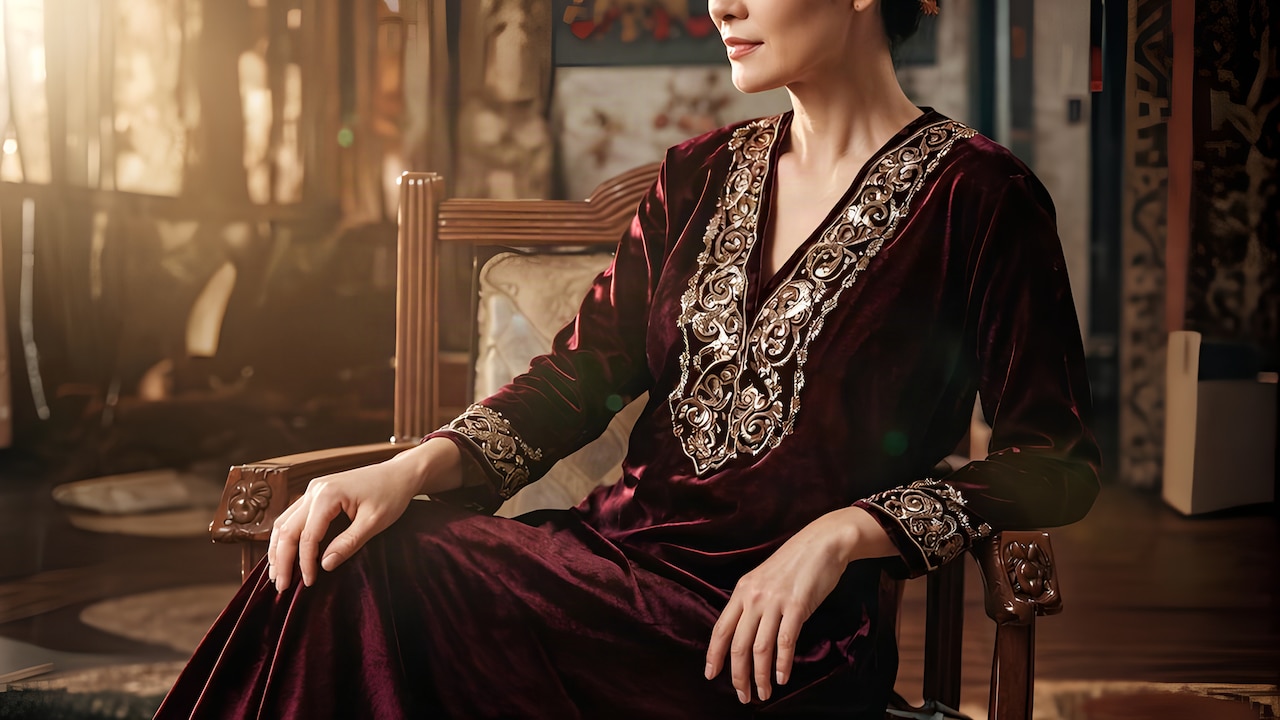
Cotton Dress Shrinking? 10 Pre-Wash Tips To Protect Your Clothes; Photo Credit: Pexels
Before You Hit ‘Wash': Labels That Deserve A Second Look
Understanding What “Pre-Shrunk” Really Means
The term “pre-shrunk” often creates a false sense of security. It sounds reassuring, almost like a guarantee that the dress will stay exactly as it is. In reality, pre-shrunk cotton only means the fabric has undergone a process to reduce shrinkage, not eliminate it.
Cotton fibres naturally tighten when exposed to water and heat. Even after pre-shrinking, a small degree of contraction remains possible, especially if washing instructions are ignored. A hot wash or aggressive spin cycle can undo the benefits of pre-shrinking quite quickly.
Think of it like buying a ready-to-eat meal that still needs reheating. The groundwork has been done, but careless handling can still spoil the result. That is why labels still matter, even on garments that promise minimal shrinkage.
Many people assume that paying ₹3,000 or more guarantees durability against shrinking. Price does not always reflect fabric treatment. High-end cotton can shrink just as easily if mishandled.
A glance at the label can reveal whether the garment needs cold washing or gentle drying. Ignoring that small detail often leads to disappointment after just one wash.
Also Read: Janasya To Ziva, Top 5 Cotton Maxi Dresses Under ₹1,500 That You Can Wear All Day
Why Cold Water Is Your Best Friend
Cold water washing often appears on labels, yet it remains one of the most ignored instructions. There is a common belief that hot water cleans better. While that may hold for heavily soiled items, cotton dresses rarely need such harsh treatment.
Cold water helps maintain the structure of cotton fibres. Heat causes fibres to contract, leading to shrinkage. A simple switch to cold water can significantly extend the life of a dress.
There is also a practical benefit. Cold washes consume less electricity, which reflects in lower utility bills. Over time, this small change can save a noticeable amount, especially in households where laundry runs frequently.
Picture a favourite summer dress worn to a festive gathering. After a hot wash, it suddenly feels tighter across the shoulders. That slight discomfort can make the dress unwearable, even though it still looks fine.
Cold water washing prevents that scenario. It protects both fit and fabric, ensuring that the dress feels just as comfortable after multiple washes as it did on the first day.
The Hidden Impact Of Spin Cycles
Spin cycles often go unnoticed, yet they play a major role in fabric care. High-speed spins may seem efficient, but they can stress cotton fibres and contribute to shrinkage.
Labels that recommend “gentle cycle” or “low spin” are not being overly cautious. Cotton fibres swell when wet and become more vulnerable. Aggressive spinning forces water out quickly but also distorts the fabric structure.
Imagine twisting a wet cloth repeatedly. Over time, it loses shape and becomes uneven. The same principle applies to cotton dresses in a washing machine.
Lower spin speeds may leave clothes slightly wetter, but they preserve the integrity of the fabric. Air drying can easily handle the extra moisture without causing damage.
Choosing a gentle cycle feels like a small compromise, but it prevents long-term wear and tear. It also keeps the dress looking newer for longer, which matters when every purchase carries value.

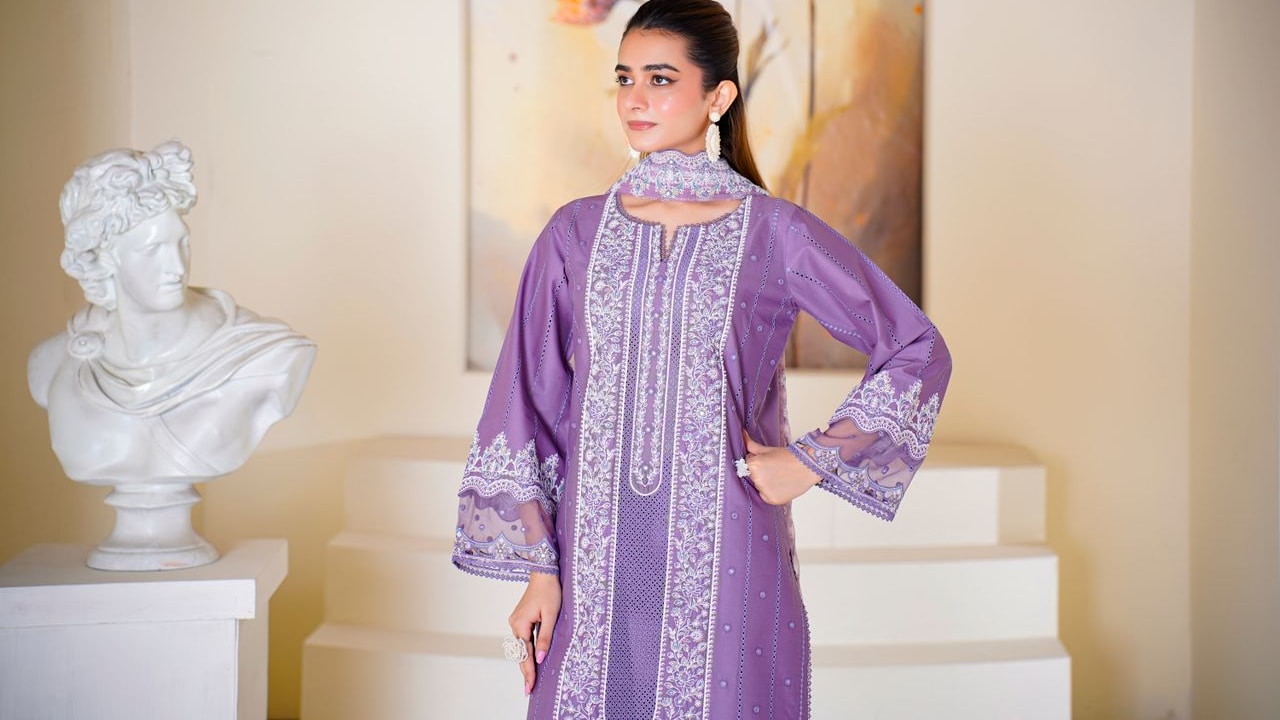
Cotton Dress Shrinking? 10 Pre-Wash Tips To Protect Your Clothes; Photo Credit: Pexels
Decoding “Do Not Tumble Dry”
Tumble dryers offer convenience, especially during the monsoon season. However, labels that say “Do not tumble dry” deserve attention. Heat from dryers accelerates shrinkage in cotton fabrics.
Dryers combine heat and movement, a combination that cotton does not handle well. Even a single cycle can cause noticeable shrinkage, particularly in lightweight dresses.
It is tempting to ignore this instruction when time feels limited. Yet, the cost of replacing a damaged dress often outweighs the convenience. A ₹1,500 dress ruined in one drying cycle serves as an expensive reminder.
Air drying, though slower, allows the fabric to settle naturally. Hanging the dress properly also helps maintain its shape.
A simple habit, such as drying clothes on a balcony or near a window, can make a significant difference. It may take longer, but the result preserves both comfort and fit.
The Role Of Fabric Blends
Not all cotton dresses are made of pure cotton. Many include blends such as cotton-polyester or cotton-elastane. These blends affect how the fabric reacts to washing.
Labels often indicate the percentage of each material. This information helps determine the best washing method. Blended fabrics may resist shrinkage better, but they still require care.
For instance, cotton with elastane offers stretch. Heat can damage that elasticity, leading to misshapen garments. Polyester blends may handle heat slightly better, but can still suffer from improper washing.
Understanding fabric composition adds context to washing instructions. It explains why certain dresses feel more forgiving while others shrink quickly.
A quick look at the label can reveal this detail. It may seem minor, but it provides valuable insight into how to treat the garment.
Why Hand Wash Recommendations Matter
“Hand wash only” often gets dismissed as inconvenient. Washing machines feel faster and easier, especially during busy schedules. Yet, this instruction exists for a reason.
Hand washing offers greater control over temperature and movement. It reduces stress on delicate cotton fabrics and prevents excessive shrinkage.
The process does not need to feel tedious. A simple soak in cold water with mild detergent, followed by gentle rinsing, can clean the dress effectively.
Consider a delicate cotton dress worn to a special occasion. Machine washing may seem harmless, but repeated cycles can weaken the fabric over time.
Hand washing preserves both texture and shape. It feels like a small effort that protects something valuable.

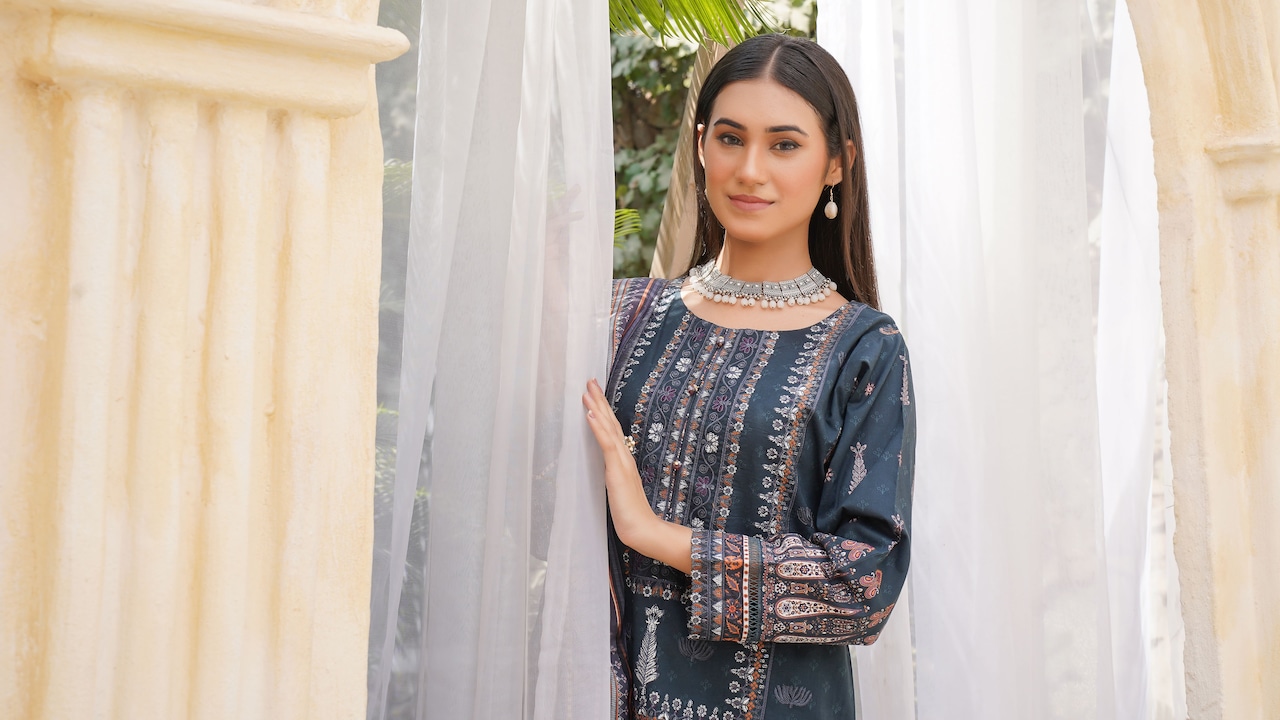
Cotton Dress Shrinking? 10 Pre-Wash Tips To Protect Your Clothes; Photo Credit: Pexels
The Importance Of Drying Position
Labels rarely emphasise drying position, but it matters more than expected. Hanging a wet cotton dress incorrectly can stretch or distort its shape.
Some labels suggest drying flat. This method works well for heavier garments that may lose shape when hung.
Lightweight dresses, on the other hand, can be hung carefully using padded hangers. This prevents shoulder marks and maintains structure.
Imagine a dress that fits perfectly but develops uneven shoulders after drying. That small flaw can affect the overall appearance.
Paying attention to the drying position ensures that the dress retains its original design. It also reduces the need for ironing, saving time and effort.
Reading Symbols Instead Of Words
Laundry labels often use symbols instead of text. These symbols can feel confusing at first glance, leading many to ignore them completely.
However, these icons provide quick guidance once understood. A small bucket symbol indicates washing instructions, while a square with a circle relates to drying.
Learning these symbols takes only a few minutes but offers long-term benefits. It removes guesswork and ensures proper care.
Think of it as learning basic traffic signs. Once familiar, they become second nature and guide everyday decisions.
Keeping a simple reference chart nearby can help initially. Over time, recognising these symbols becomes effortless.
Avoiding Overloading The Machine
Overloading the washing machine may seem efficient, but it can harm cotton dresses. Limited space prevents proper movement, leading to uneven washing and increased friction.
This friction can damage fibres and contribute to shrinkage. Clothes also fail to rinse properly, leaving detergent residue behind.
Labels may not explicitly mention load size, but following general washing guidelines makes a difference.
A crowded machine often results in tangled clothes. Untangling them after washing can stretch or distort delicate fabrics.
Washing smaller loads ensures better care. It may require more cycles, but it preserves the quality of each garment.
The Long-Term Value Of Paying Attention
Ignoring labels often leads to repeated mistakes. Over time, this results in a wardrobe filled with ill-fitting clothes.
Paying attention to pre-wash instructions may feel tedious initially, but it becomes a habit with practice. It saves money, reduces waste, and keeps clothes looking new.
Consider the cumulative cost of replacing shrunk dresses. Even losing two or three garments a year can add up to ₹5,000 or more.
Proper care extends the life of each piece, making every purchase more worthwhile. It also reduces the frustration of unexpected shrinkage.
In the long run, those tiny labels prove to be surprisingly valuable guides.
Products Related To This Article
1. MANISUKMI FASHION Women Fit and Flare White, Pink Ankle Length Dress
2. MANOJAVA Women Fit and Flare Black Below Knee Dress
3. TiRoPatifab Women Fit and Flare Yellow Midi/Calf Length Dress
4. NWH Women Gown Orange Maxi/Full Length Dress
5. Shiv Homiefix Women Gathered Multicolor Midi/Calf Length Dress
Cotton dresses offer comfort and style, but they demand a little care in return. Shrinkage rarely happens by accident. It usually results from overlooked instructions and rushed laundry routines.
Pre-wash labels may appear insignificant, yet they hold the key to preserving both fit and fabric. From choosing cold water to avoiding tumble drying, small changes can make a noticeable difference.
Adopting these habits does not require extra effort, just a shift in awareness. Taking a moment to read a label can prevent disappointment later.
Clothes often carry memories, festivals, gatherings, and everyday moments. Keeping them in good condition ensures those memories remain wearable.
Next time a cotton dress heads for the wash, those tiny instructions deserve a second glance.
(Disclaimer: This article may include references to or features of products and services made available through affiliate marketing campaigns. NDTV Convergence Limited (“NDTV”) strives to maintain editorial independence while participating in such campaigns. NDTV does not assume responsibility for the performance or claims of any featured products or services.)