Layered Necklaces That Tangle Instantly: How To Choose Tangle-Free Designs
Layered necklaces promise effortless elegance, yet often deliver a frustrating knot of chains. This guide explores how to pick designs that stay neat, stylish and tangle-free, blending fashion insight with practical wisdom for everyday wear.
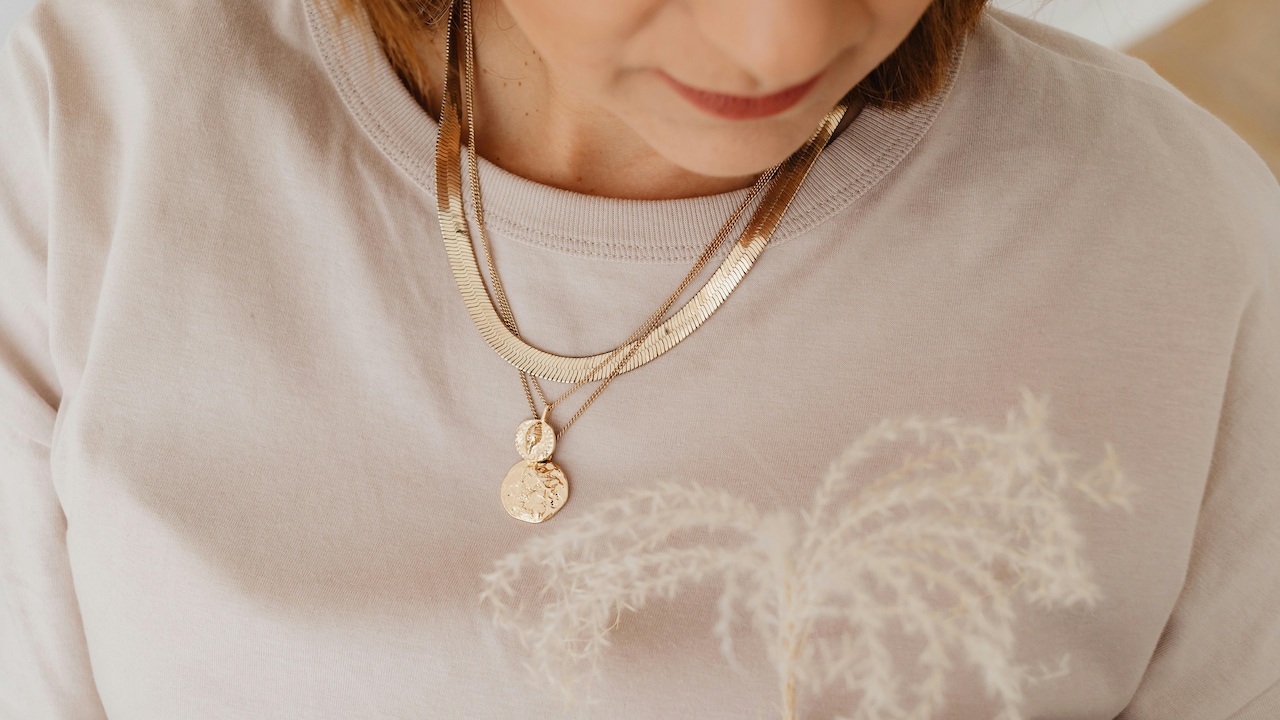
Common reasons behind tangled necklaces and how to pick ones that don't
Layered necklaces have become a quiet staple in modern wardrobes. A simple kurta, a crisp shirt, or even a festive saree transforms instantly with the right stack of chains. Yet, the romance fades the moment those delicate strands twist into stubborn knots. What begins as a carefully curated look often ends in a hurried untangling session, usually five minutes before stepping out.
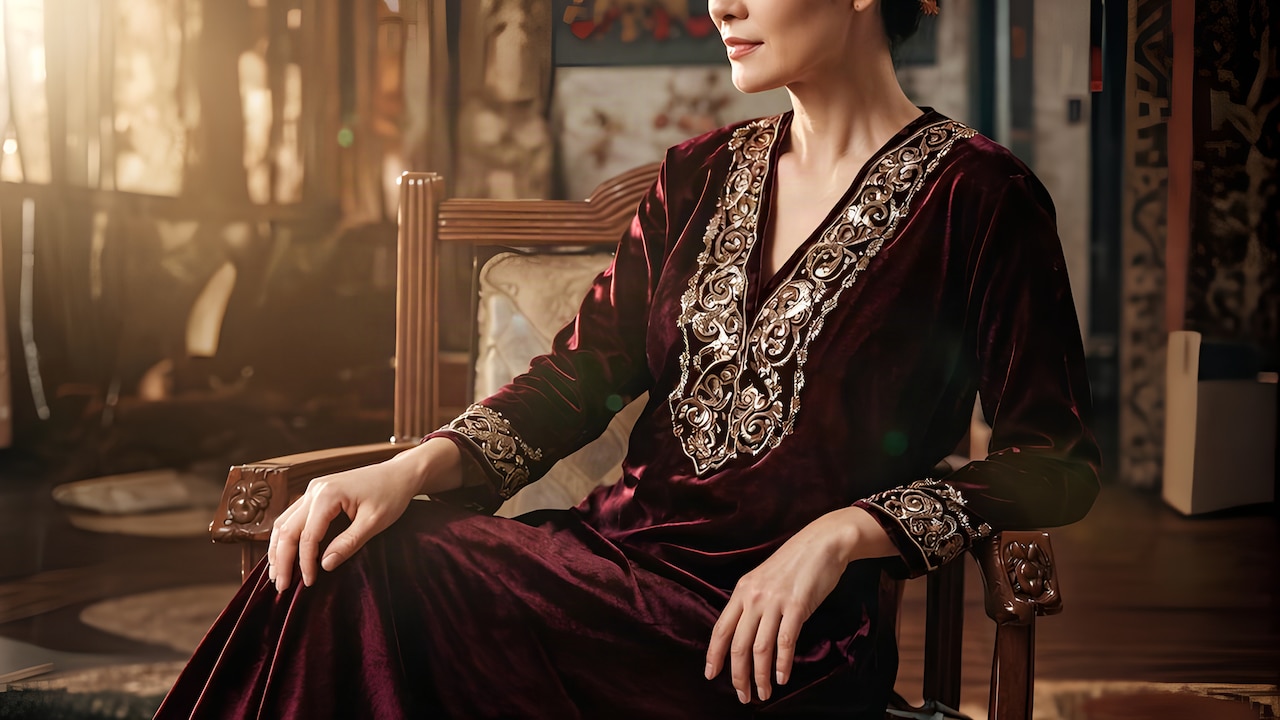
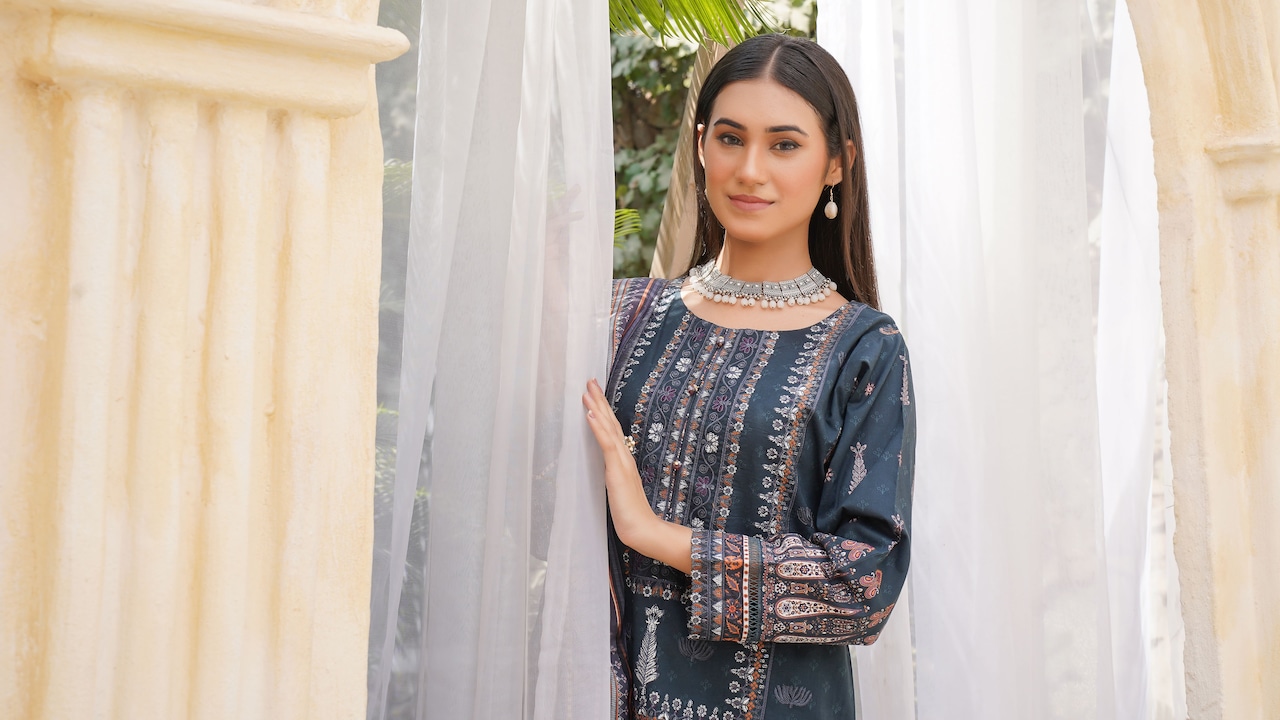
Explore why layered necklaces tangle easily; Photo Credit: Pexels
The issue rarely lies in layering itself, but in how those pieces are chosen. Certain designs invite tangles, while others glide effortlessly together. Understanding the difference can save both time and patience, not to mention prevent accidental breakage of favourite pieces.
Choosing tangle-free layered necklaces is less about luck and more about intention. From chain textures to clasp placement, small details shape the overall experience. With thoughtful selection, layered jewellery can feel as effortless as it looks, no last-minute detangling required.
Also Read: From Minimal Pearls To Bold Designs: Explore Necklace Sets Under ₹600 For Ethnic Looks
Key Considerations For Choosing Tangle-Free Layered Necklaces
Chain Lengths That Complement Rather Than Clash
The foundation of a good layered look lies in varied chain lengths. When necklaces sit too close together, they compete for space and inevitably twist into each other. A common mistake involves choosing pieces that differ only slightly in length, creating overlap rather than flow.
A well-layered combination usually follows a clear progression. For instance, pairing a choker with a mid-length chain and a longer pendant allows each piece to breathe. This spacing prevents constant contact between chains, reducing friction and tangling.
Visual harmony also plays a role. Each necklace should occupy its own space on the neckline, almost like a well-planned seating arrangement at a wedding. When done right, the layers cascade naturally, adding depth without chaos.
In bustling daily routines, especially during commutes or long workdays, this separation becomes even more important. Movement increases the chances of tangling, so thoughtful spacing ensures the look remains intact from morning to evening.
Mixing Chain Textures For Stability
Uniform chains may look appealing at first glance, but they often slide over each other too easily. This constant movement creates the perfect conditions for knots. Mixing textures, however, introduces subtle resistance that keeps each piece in place.
Consider pairing a fine cable chain with a slightly thicker rope or box chain. The difference in texture reduces slipping, allowing the necklaces to settle rather than shift constantly. This balance creates both visual interest and functional stability.
Texture also influences how light interacts with jewellery. A mix of finishes, matte, polished, or hammered, adds dimension without overwhelming the look. More importantly, it ensures the layers do not behave like identical strands competing for dominance.
In everyday scenarios, such as navigating crowded markets or hopping onto public transport, these small design choices make a noticeable difference. The necklaces stay aligned, saving the wearer from constant adjustments throughout the day.
Choosing The Right Pendant Placement
Pendants can either anchor a layered look or contribute to its chaos. When multiple necklaces feature pendants of similar size and placement, they tend to collide, twist, and tangle.
A smarter approach involves staggering pendant positions. A short chain might remain minimal, while a longer one carries a statement piece. This arrangement distributes weight evenly and prevents clustering at a single point.
Pendant weight also matters. Heavier pendants stabilise longer chains, reducing movement and tangling. However, pairing multiple heavy pieces can pull chains together, creating the opposite effect.
Think of pendants as focal points rather than fillers. Each one should have its moment without interfering with others. Whether it's a delicate charm or a bold motif, placement determines how smoothly the layers coexist.
Opting For Quality Clasps And Fastenings
Clasps often go unnoticed, yet they play a crucial role in preventing tangles. Poorly designed fastenings allow chains to rotate freely, leading to knots at the back of the neck.
High-quality clasps, such as lobster clasps or magnetic closures, offer better security and alignment. They keep necklaces facing forward, reducing unnecessary twisting. Some designs even include adjustable sliders, allowing quick length customisation without removing the piece.
Investing in reliable clasps may seem minor, but it pays off over time. Frequent detangling weakens chains, leading to breakage and costly repairs. A sturdy fastening ensures longevity and ease of wear.
For those juggling busy schedules, convenience becomes key. A necklace that fastens easily and stays in place eliminates the morning struggle, making layering feel effortless rather than tedious.
Avoiding Overcrowding The Neckline
Less often achieves more when it comes to layering. Overloading the neckline with too many chains increases the likelihood of tangling. Each additional piece introduces another variable, complicating the arrangement.
A balanced look usually involves two to three necklaces. This number provides enough depth without overwhelming the space. Beyond that, the layers begin to compete rather than complement each other.
Style also benefits from restraint. A thoughtfully curated trio of necklaces appears more refined than a chaotic cluster. The focus remains on elegance rather than excess.
Daily wear demands practicality. In humid weather or during long hours outdoors, fewer layers feel more comfortable and manageable. This simplicity ensures the jewellery enhances the outfit without becoming a distraction.
Selecting Chains With Anti-Tangle Design Features
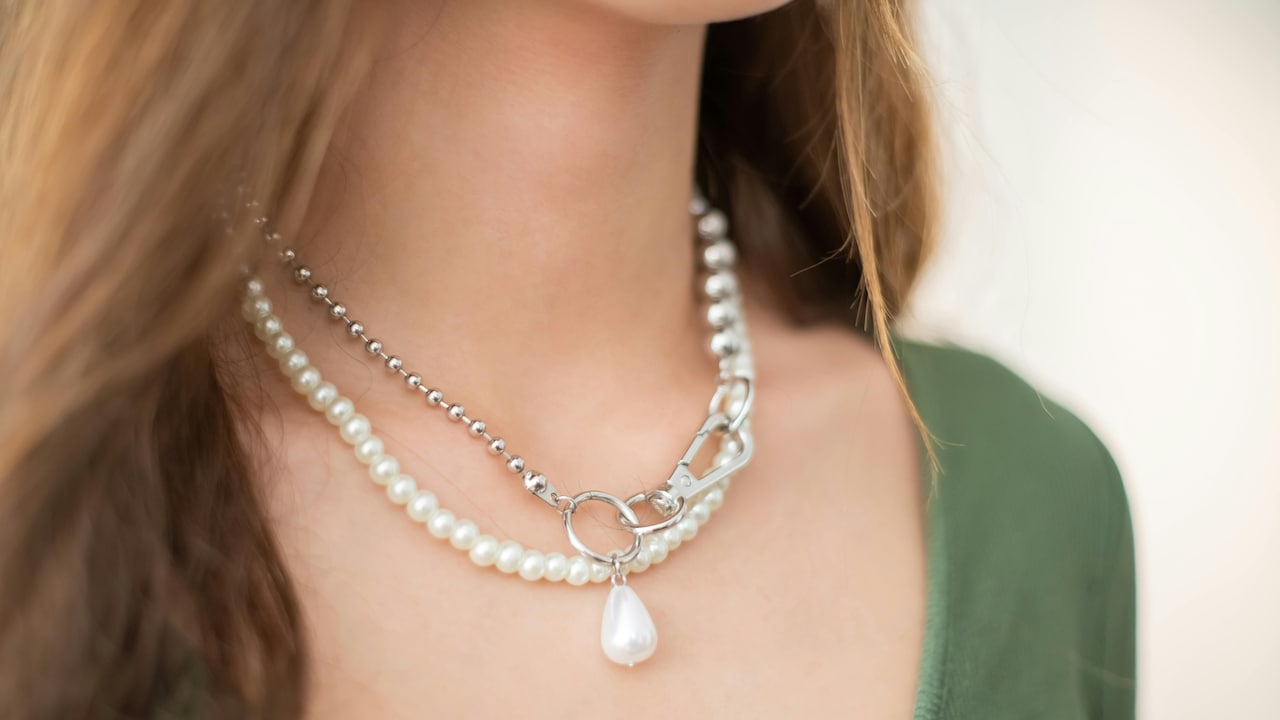
Modern jewellery design has evolved to address common frustrations, including tangling. Some layered necklaces now feature built-in spacers or connectors that keep chains separated.
These innovations act like invisible organisers, maintaining consistent distance between layers. They prevent chains from overlapping, even during movement. For those who love the layered look but dislike the hassle, such designs offer a practical solution.
Integrated designs also save time. There's no need to mix and match separate pieces each morning. A single necklace delivers the layered effect without the risk of knots.
While these pieces may come at a slightly higher cost, often around ₹1,500 to ₹5,000, they offer long-term convenience. The investment pays off in reduced maintenance and a consistently polished appearance.
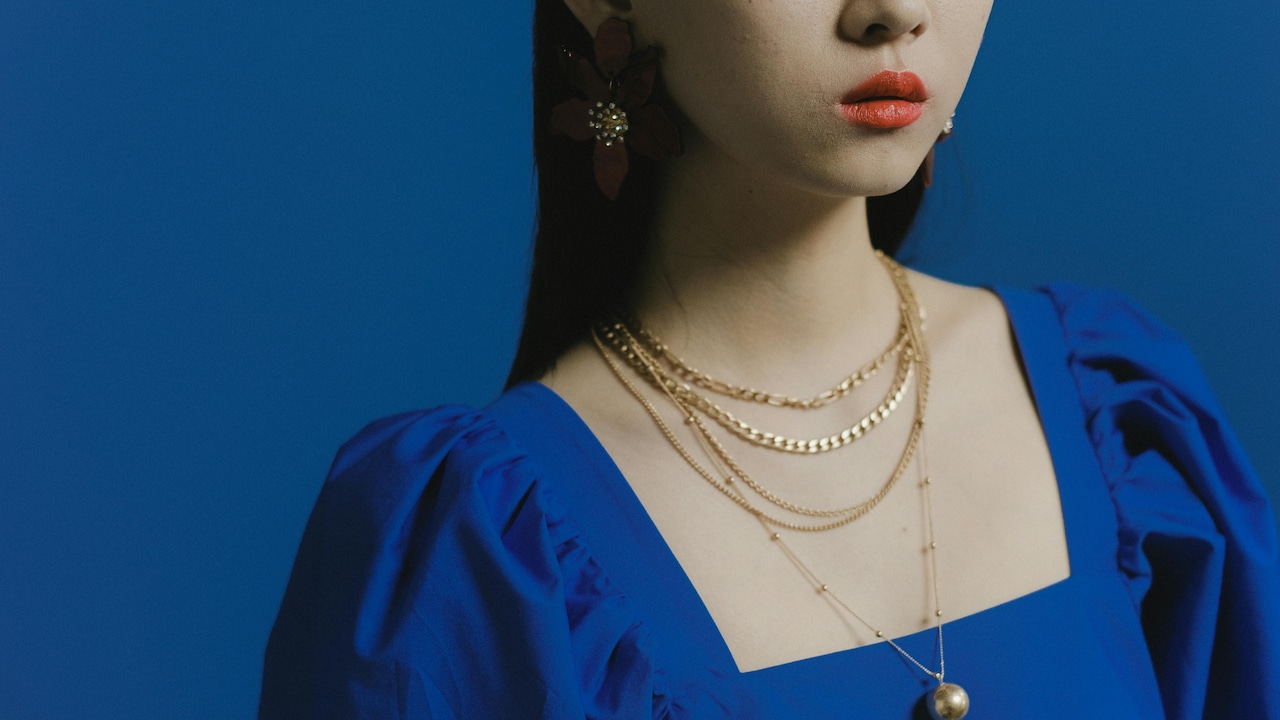
Choose necklaces with built-in spacers or connectors to prevent them from tangling; Photo Credit: Pexels
Understanding The Impact Of Hair And Clothing
External factors often contribute to tangling more than expected. Loose hair, scarves, and high-neck clothing can interfere with necklaces, causing them to twist and knot.
Long hair tends to wrap around chains, especially during windy days or busy commutes. Similarly, fabrics like chiffon or wool create friction, pulling necklaces out of alignment.
Choosing the right combination of jewellery and outfit can minimise these issues. For instance, pairing layered necklaces with open necklines reduces interference. Tying hair back or opting for shorter layers also helps maintain order.
Awareness of these subtle interactions transforms the wearing experience. Instead of constant adjustments, the necklaces remain neatly arranged, allowing focus to stay on the day ahead.
Prioritising Chain Thickness And Weight Balance
Balance is key when layering necklaces. Chains that are too similar in thickness tend to intertwine, while those with extreme differences may pull awkwardly against each other.
A mix of medium and fine chains often works best. This combination creates contrast without imbalance. The slightly heavier chain acts as an anchor, while lighter ones add delicacy.
Weight distribution also affects comfort. Uneven layering can cause chains to shift constantly, increasing the chances of tangling. A well-balanced set stays in place, requiring minimal adjustment.
This principle becomes especially important during long wear. Whether attending a celebration or navigating a busy workday, balanced necklaces ensure both style and ease.
Storing Layered Necklaces The Right Way
Tangles often begin before the necklaces are even worn. Improper storage allows chains to knot, making them difficult to separate later.
Hanging necklaces individually or using compartmentalised organisers prevents this issue. Even a simple solution, like storing chains in separate pouches, can make a significant difference.
Avoid tossing jewellery into a single box. This habit creates a tangled mess that takes time to undo. Instead, treat each piece with care, ensuring it remains ready to wear.
Proper storage also preserves the condition of the jewellery. It prevents scratches, maintains shine, and extends the lifespan of each piece. A few extra seconds spent organising can save considerable effort later.
Embracing Minimalist Layering For Everyday Ease
Minimalist layering offers a practical alternative to elaborate stacks. It focuses on simplicity, using a few well-chosen pieces to create a refined look.
This approach reduces the risk of tangling while maintaining style. A delicate duo of necklaces can achieve the same elegance as a more complex arrangement, without the hassle.
Minimalism also aligns with modern lifestyles. Quick mornings, busy commutes, and long days demand jewellery that complements rather than complicates. A streamlined layered look fits seamlessly into this rhythm.
There's also a certain charm in understated elegance. It feels intentional, effortless, and timeless. Instead of chasing trends, minimalist layering celebrates versatility and ease.
Products Related To This Article
1. Rubans Voguish 18K Gold plated Crystal Studded Stunning layered Y Necklace
2. SOHI Gold-Plated Artificial Stones Studded Layered Necklace
3. Accessorize London Blue & Gold-Toned Beaded Layered Necklace
4. Zaveri Pearls White & Gold-Plated Layered Necklace
5. Kushal's Fashion Jewellery Gold-Plated Zircon Studded Layered Necklace
Layered necklaces hold undeniable appeal. They add depth, personality, and a touch of sophistication to any outfit. Yet, without thoughtful selection, they can quickly become a source of frustration.
The secret lies in understanding design elements that prevent tangling. From choosing varied lengths and textures to considering external factors like clothing and storage, each detail contributes to a smoother experience.
A well-curated layered look feels effortless. It moves with ease, stays in place, and enhances style without demanding constant attention. With the right approach, those dreaded knots become a thing of the past.
Ultimately, jewellery should bring joy, not inconvenience. Choosing tangle-free designs ensures that layered necklaces remain what they were meant to be, a simple pleasure that elevates everyday moments.
(Disclaimer: This article may include references to or features of products and services made available through affiliate marketing campaigns. NDTV Convergence Limited (“NDTV”) strives to maintain editorial independence while participating in such campaigns. NDTV does not assume responsibility for the performance or claims of any featured products or services.)