The Hardware Test: How To Identify Cheap-Quality Bags Online Before You Add To Cart
Shopping bags online? Hardware reveals quality fast. Learn how to spot cheap zips, clasps, chains, and rings before checkout, so you don't end up with a bag that flakes, squeaks, or breaks in weeks. Always look for these features to identify a cheap-quality bag like a pro.
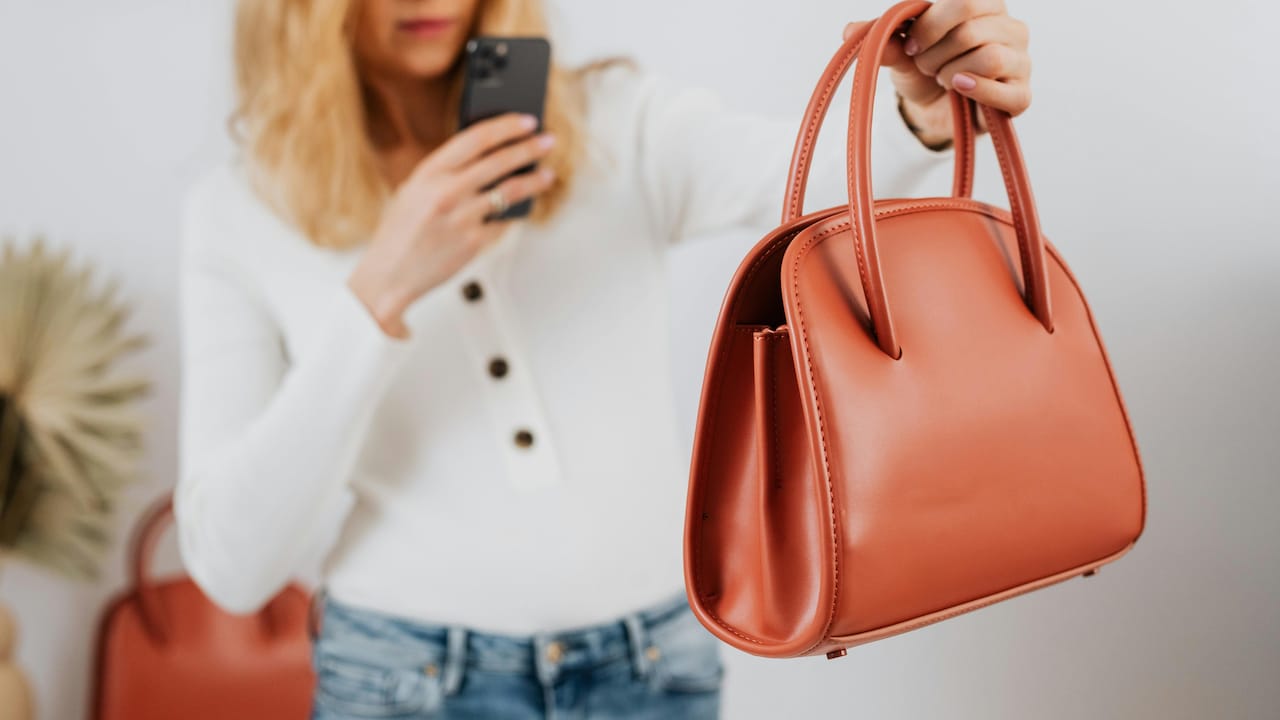
How To Spot Cheap-Quality Bags Online: The Hardware Test For Zips, Clasps And Chains.
Online bag shopping has become a national sport. There's the late-night scrolling, the “just one more” filter, and the sudden confidence that a ₹1,299 bag can look like a ₹12,999 one. And honestly, sometimes it can. But there's one detail that rarely lies: hardware.
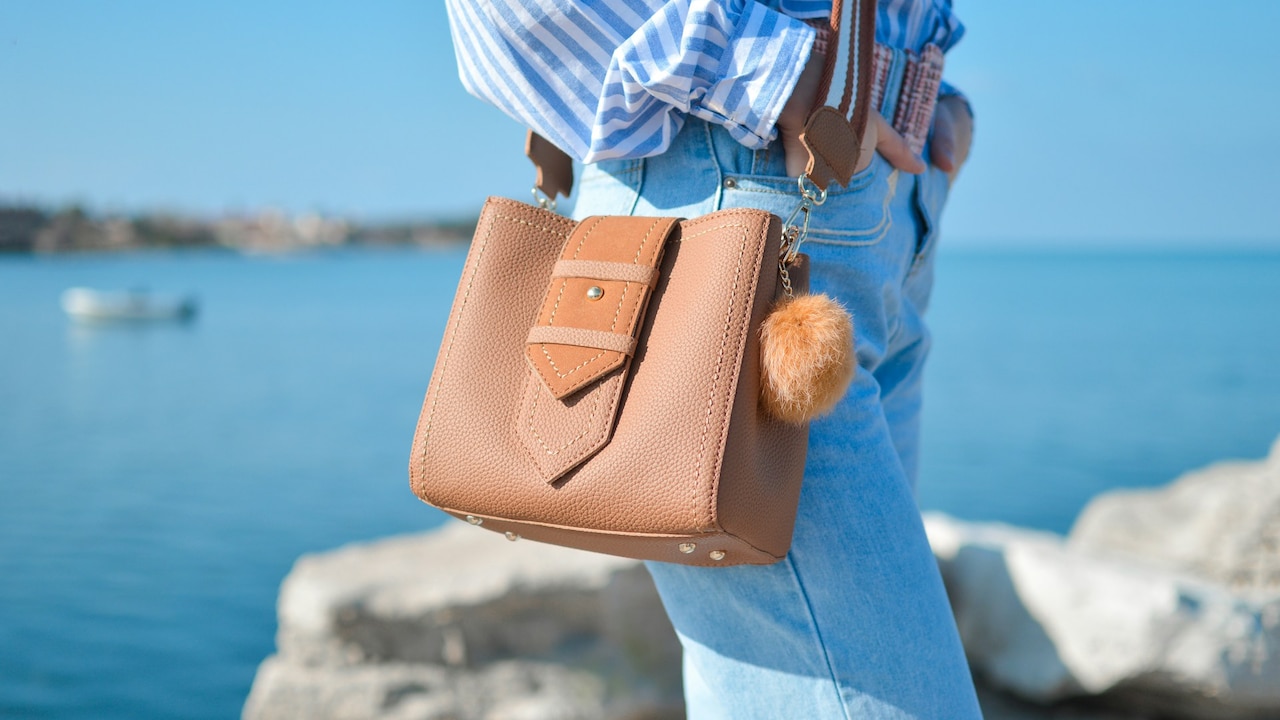
Learn the art of identifying cheap-quality bags when shopping online; Photo Credit: Unsplash
Hardware is the bag's backbone. It's the zip that opens a hundred times. The buckle that holds the strap. The ring that takes the daily tug of a commute. When hardware is cheap, everything else becomes irrelevant, even if the faux leather looks decent and the silhouette feels trendy.
The problem is that most product photos are designed to flatter. Hardware gets edited, over-lit, and posed at angles that hide its worst habits. But cheap hardware has patterns. It shows up in the shine, the shape, the colour, and even in the way the listing avoids certain words.
This is a practical, no-drama guide to reading those patterns. No magnifying glass required, just sharper eyes and a slightly suspicious mindset.
Also Read: Best Handbags for Women: Must-Haves that Elevate Any Outfit, From Puma to Van Heusen
Before You Buy: The Hardware Checks That Matter Most
1) The Zip Puller Tells The Truth
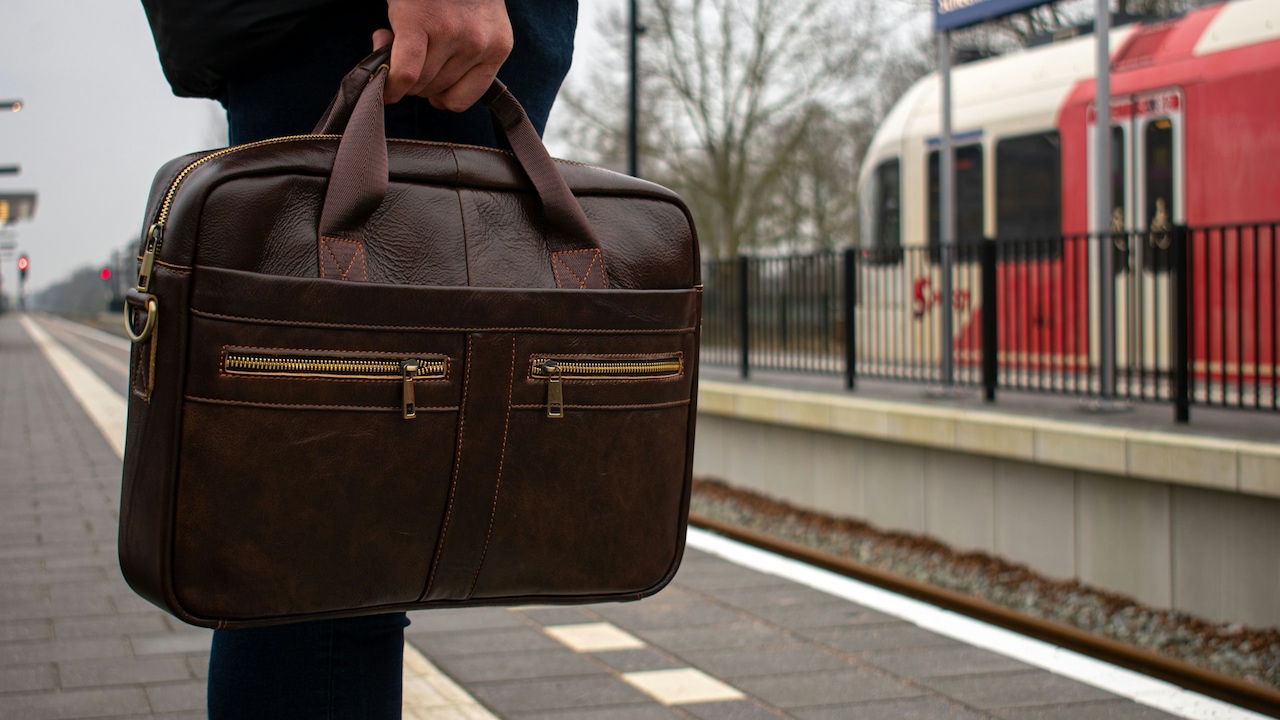
If there's one piece of hardware that betrays a cheap bag quickly, it's the zip puller. It's handled constantly, so brands that cut corners often cut them here. Online, look for zip pullers that appear paper-thin, oddly lightweight, or shaped like a flat coin with a tiny hole. That design looks neat in photos but bends like a biscuit in real life.
A good zip puller has a confident shape. It looks solid, not stamped like a token. It should also have smooth edges, not sharp corners that feel like they could slice a nail. The photo trick to watch out for is the “zip puller hidden behind the flap” pose. If the listing never shows the puller clearly, that's not accidental.
Another clue is size. Very small pullers on medium or large bags are often a cost-saving choice. They also make daily use irritating, especially when rushing for the metro or trying to unzip with one hand while balancing a coffee.
When the zip puller looks sturdy, the bag usually lasts longer. When it looks flimsy, the bag's countdown has started.
2) Over-Shiny Metal Usually Means Trouble
That mirror-like shine looks premium on screen. In real life, it often means cheap plating. The kind that scratches if a keychain looks at it too hard. The kind that starts turning patchy after a few humid days.
Online, high-quality hardware tends to have a softer finish. It can still be glossy, but it won't look like a chrome bumper. Many well-made bags use brushed or satin metal because it hides micro-scratches and ages gracefully. Cheap hardware goes for maximum shine because it photographs well.
Also check whether the metal looks slightly “yellow” when it's meant to be gold. True gold-tone hardware has warmth, not a loud mustard tint. The same goes for silver hardware that looks bluish or icy in a strange way. That colour often comes from low-grade plating.
There's also the jewellery effect: if the bag hardware resembles costume earrings from a street stall, it will probably behave like them too. Gorgeous for a week, moody forever after.
A bag should sparkle a little, not scream for attention.
3) Inconsistent Hardware Colour Is A Red Flag
A well-made bag keeps its metal tones consistent. If the zip, logo, rings, and clasp are all “gold,” they should match. Not mostly match. Actually match.
When browsing online, zoom in and compare. Does the chain strap look like a different shade than the buckle? Does the zip look brighter than the logo plate? That mismatch usually means the brand sourced parts from different suppliers. It's not always disastrous, but it's rarely a sign of careful quality control.
Inconsistent hardware colour also hints at future fading. If the tones already clash in fresh photos, they'll look worse after a few weeks of use. One part will stay shiny, another will dull, and suddenly the bag looks older than it is.
This is especially important for gold-tone bags. Gold plating can vary wildly. A good brand picks one tone and sticks to it across the whole bag. A rushed brand throws in whatever was available that day.
If the metal can't agree with itself in the listing photos, it won't suddenly become harmonious after delivery.
4) Weak Clasps Give Themselves Away
Magnetic snaps, turn locks, push locks, lobster clasps, these tiny pieces do heavy lifting. And cheap ones have a habit of failing at the worst possible moment. Like when stepping out of an auto, or when a phone slips and the clasp decides it's done with responsibility.
Online, look closely at how clasps sit. Do they align neatly? Do they look slightly crooked or off-centre? Misalignment in photos often means poor fitting. That can cause clasps to loosen quickly.
Also watch for clasps that look hollow. Some locks look chunky but are actually thin shells. Brands use angles to make them look solid. A good clue is shadow: hollow hardware often shows weird internal darkness around edges.
Magnetic closures deserve extra suspicion. If a bag is large and the only closure is a tiny magnet, that's a design choice made for cost, not security. A stronger bag will use either a bigger magnet or a secondary closure.
Hardware should feel like it wants to protect your stuff, not like it's negotiating with gravity.
5) D-Rings And O-Rings Reveal Durability
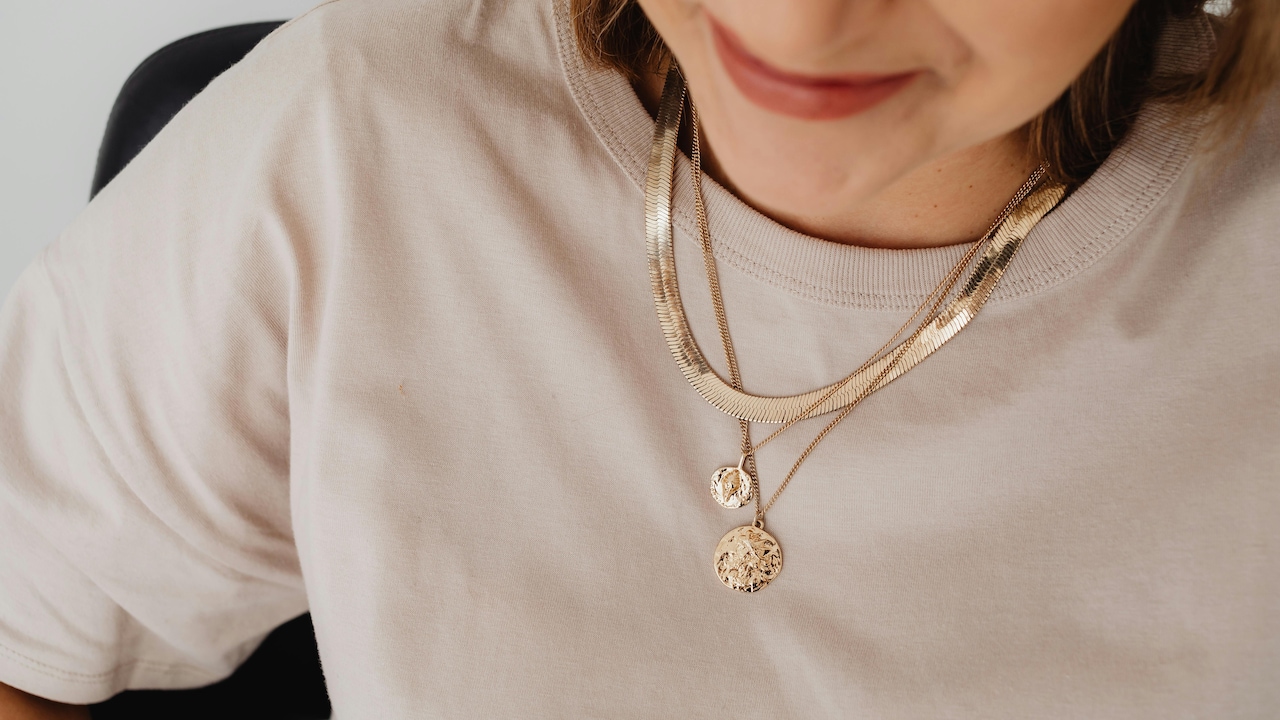
D-rings and O-rings are the unsung heroes of a bag. They hold straps, support weight, and survive daily tugging. Cheap rings are often made from low-grade alloy, thinly plated, and shaped badly. They bend, squeak, and sometimes snap.
Online, a good ring looks thick. It has depth. It doesn't look like it was cut from a thin metal sheet. Check the connection point too. If the ring attaches to a tiny loop of faux leather with one stitch line, that's a weak structure. A sturdy bag usually has reinforced stitching or a thicker attachment tab.
Also, check for sharp edges. Rings should look smooth. Rough edges suggest poor finishing and can damage straps over time. Some bags come with chain straps, and cheap rings can grind against chain links until the plating wears off.
A small but telling detail: if the listing avoids showing strap attachments up close, it's often because they're not proud of them.
Strong rings make a bag feel dependable. Weak rings make it feel like a risk.
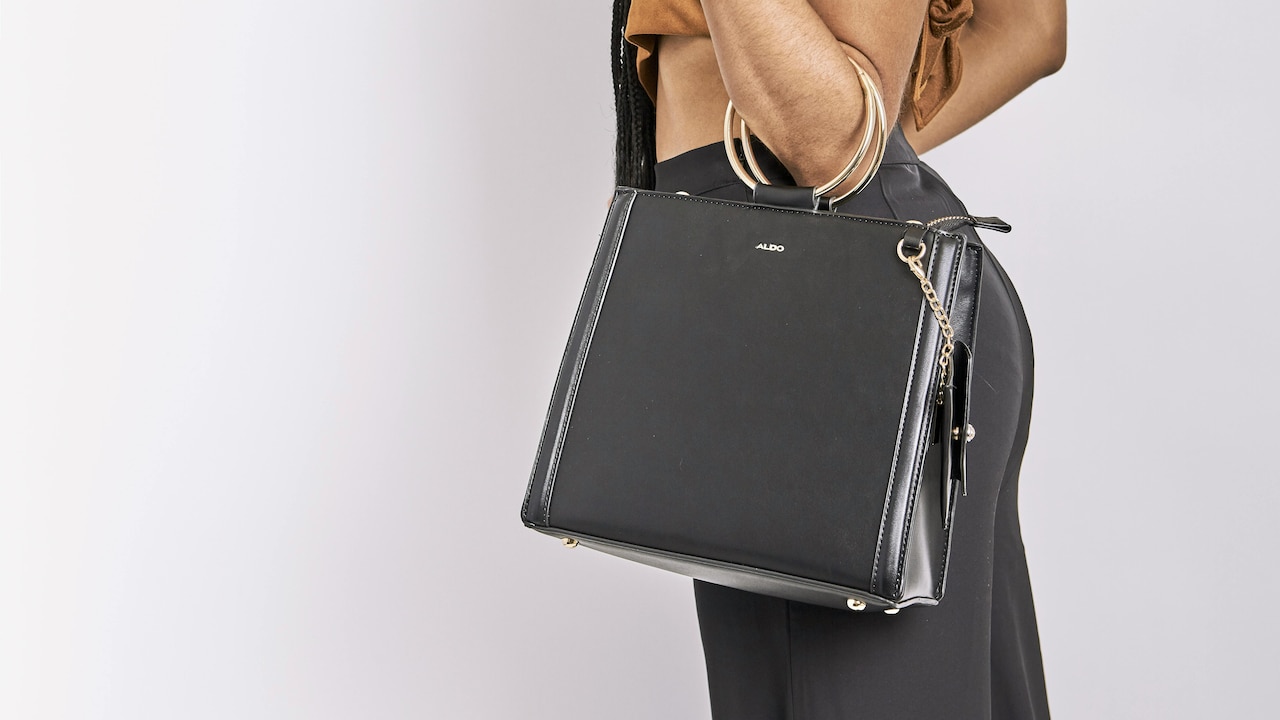
Look for bags with D-rings and O-rings that support weight and survive daily tugging; Photo Credit: Pexels
6) Chain Straps Can Look Fancy And Still Be Cheap
Chain straps are the biggest optical illusion in bag shopping. They can look luxurious in photos and still feel like a school craft project in hand. The trick is weight, finish, and link quality.
Online, look at how the chain hangs. Does it drape naturally, or does it look stiff like plastic? Cheap chains often don't flow well. They sit awkwardly, with links that don't move smoothly. Also, check the link thickness. Thin links can look elegant, but if they look too thin for the bag's size, they'll dig into the shoulder and stretch over time.
Another giveaway is plating. Cheap chains often have uneven shine. Some links look brighter than others. That happens when plating is inconsistent. If the chain looks slightly “striped” under light, it may wear out quickly.
Also, check where the chain meets the bag. If it attaches to a tiny ring, that's stress on a small point. A better bag distributes weight with larger rings and reinforced tabs.
A chain strap should feel like jewellery. Cheap ones feel like costume drama.
7) Logo Plates And Name Engravings Are Not Just Decoration
Logo hardware is more than branding. It's a quality signal. Cheap bags often use logo plates that look like they were glued on in a hurry. They sit unevenly, the edges lift, or the font looks oddly stretched.
Online, zoom in on any name engraving. Is it crisp or blurry? Cheap engraving often looks shallow, like it could rub off. Good engraving has clean lines and consistent depth.
Also pay attention to the font itself. When a brand uses a logo plate, it should look deliberate and balanced. Cheap copies often have slightly awkward spacing. Letters may look too close together or uneven.
Another detail: screws. Some logo plates use visible screws, and that's not automatically bad. But if the screws look mismatched or sit crooked, it's a sign of careless assembly. A well-made plate has aligned screws, and they sit flush.
If a bag is shouting its name but can't even do it neatly, the rest of the hardware is unlikely to be better.
8) The Zip Track Matters More Than The Zip Pull
Many shoppers check the zipper and stop there. But the zip track is where the real drama happens. A bag can have a decent puller attached to a cheap zip track. And that track will snag, split, or jam after a month.
Online, look for close-ups of the zip teeth. Do they look uniform? Are the teeth small and tightly aligned? Cheap zip tracks often have slightly uneven teeth spacing. In photos, they can look rough along the edges.
Also, consider the zip type. Nylon coil zips can be great when well-made. Metal zips can be great too. The problem is not the material, but the quality. Cheap metal zips often have teeth that look too sharp or irregular. Cheap coil zips look flimsy and overly thin.
If the listing only shows the zip code closed, that's suspicious. A confident brand will show it is open and in use. Some even show a hand pulling it. That's the dream.
A smooth zip is not a luxury. It's basic respect for your daily life.
9) Buckles Should Look Like They Mean Business
Buckle hardware on straps often gets ignored because it feels like a “belt thing.” But buckle quality decides whether the strap stays the right length or slowly slips until the bag sits at your knees like a bad joke.
Online, check buckle thickness. Cheap buckles look flat. They have a thin profile and sharp corners. Better buckles look slightly rounded and solid. They also sit neatly against the strap without gaps.
Another clue is the strap hole finishing. If the bag has an adjustable strap with holes, look for reinforcement. Are the holes clean and even? If they look ragged even in product photos, that strap will tear quickly.
Also look for buckle pins. A flimsy pin bends easily. In photos, cheap pins look skinny and slightly off-centre.
If the buckle looks like it came from a toy belt, it will behave like one. And the strap will start misbehaving soon after.
A good buckle is boring. And boring is excellent.
10) Product Photos And Descriptions Reveal What Brands Hide
Sometimes the best hardware test isn't the hardware itself. It's the way the brand presents it.
If a listing has ten photos but none of them zoom into the metal parts, that's a signal. If the bag is styled with hair covering the chain or the model's hand covering the clasp, that's also a signal. Good hardware deserves close-ups. Cheap hardware needs camouflage.
Now check the description. Does it mention “high-quality metal hardware,” “anti-rust finish,” “YKK zipper,” or “premium alloy”? Brands that invest in hardware often talk about it. Brands that don't will use vague words like “stylish,” “trendy,” or “elegant” and hope nobody asks questions.
Also watch for oddly specific claims without proof. Phrases like “imported hardware” can mean anything. It could be premium. It could also be the cheapest bulk metal on the planet.
Finally, check reviews. Not the star rating. The words. If multiple buyers mention zips breaking, clasps loosening, or colour fading, believe them.
Hardware fails loudly. Reviews remember.
Products Related To This Article
1. Legal Bribe Women Brown Tote
2. Fastrack Women Tan Sling Bag
3. Lavie Women Pink Tote
4. Zebco Bags Women Multicolor Handbag
5. Van Heusen Women Beige Handbag
A bag is not just a shape and a colour. It's a daily companion. It sits beside you in cafés, squeezes into metro crowds, survives sudden rain, and carries your essentials like a loyal sidekick. And in that everyday chaos, hardware becomes the deciding factor.
Cheap-quality hardware leaves clues long before checkout. It shines too hard, mismatches its own colour, hides from close-ups, and avoids clear descriptions. It also shows up in the small details: thin rings, stiff chains, flimsy buckles, and zips that look like they'll argue with you.
The best part? Once these signs become familiar, online shopping gets easier. The scroll becomes smarter. The “Add to Cart” button stops feeling like a gamble. And the next delivery has a better chance of feeling like a proper purchase, not a lesson.
Because a bag doesn't need to be expensive to be good. But it does need hardware that's built for real life, not just for photos.
(Disclaimer: This article may include references to or features of products and services made available through affiliate marketing campaigns. NDTV Convergence Limited (“NDTV”) strives to maintain editorial independence while participating in such campaigns. NDTV does not assume responsibility for the performance or claims of any featured products or services.)