How To Stop Cotton Kurtas From Losing Fit: 10 Washing, Drying And Fabric-Care Mistakes To Avoid
Cotton kurtas can shrink, stretch or lose shape due to common laundry mistakes. Avoid these 10 washing, drying and fabric-care habits to help preserve their fit, softness and everyday comfort.
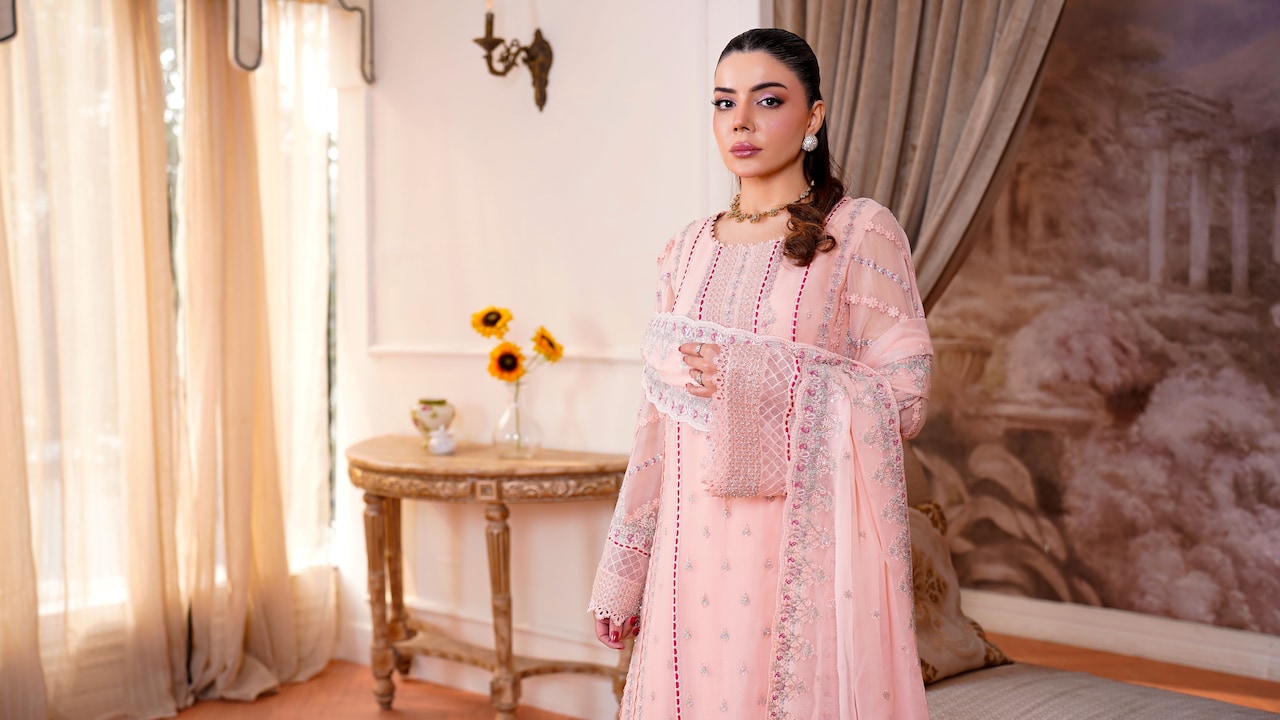
Easy tips to care for your cotton kurta on every laundry day
Few wardrobe pieces work as hard as a cotton kurta. It can handle a rushed office morning, a family lunch, a market run, a college day and an evening chai stop without looking out of place. That easy versatility is exactly why discovering that a favourite kurta has suddenly become two inches shorter can feel mildly tragic. Cotton is comfortable because its natural fibres breathe well and absorb moisture. Those same fibres, however, can react to heat, water, friction and rough handling. A kurta that once skimmed the shoulders beautifully may start pulling across the chest. Sleeves can creep upwards. Side seams may twist. The hem can lose its clean fall.
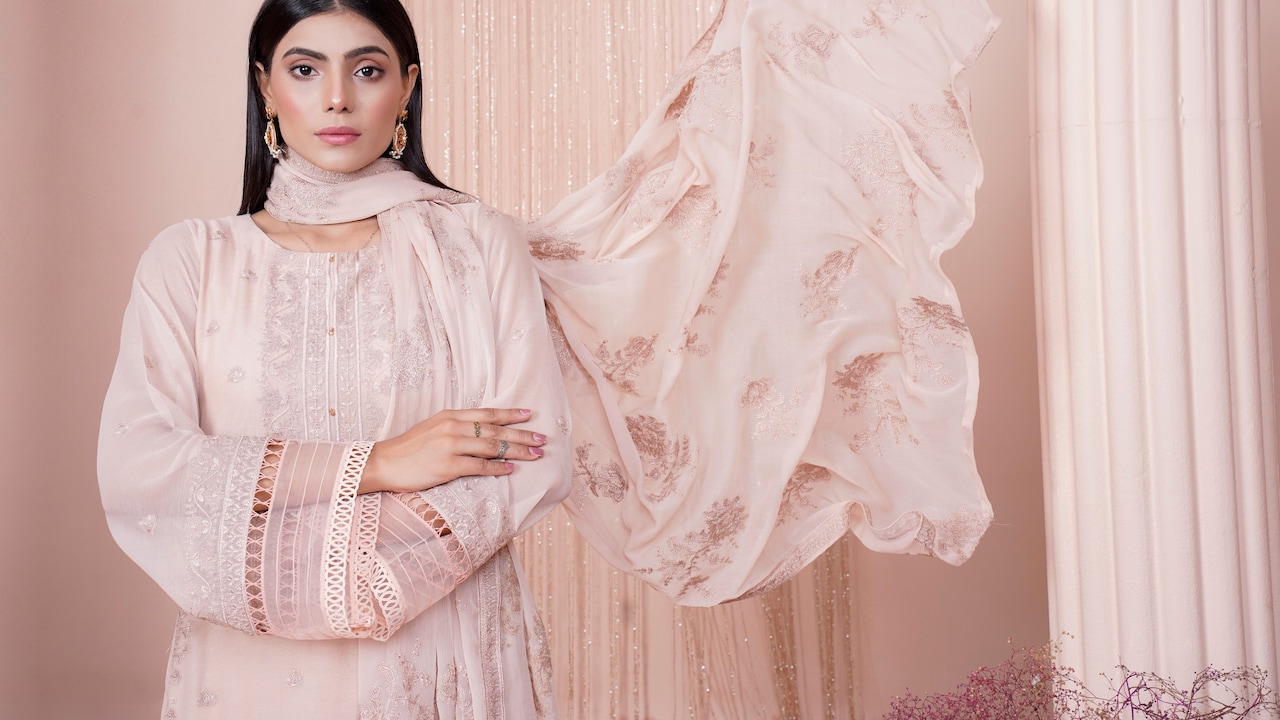
Common mistakes to avoid when washing cotton kurtas on laundry day
Photo Credit: Pexels
The trouble usually does not come from one dramatic laundry disaster. More often, several small habits gradually affect the garment. A hotter wash here, a strong spin cycle there, an afternoon roasting on the clothesline, and the fit begins to change.
Also Read: Top 5 Breathable Cotton Kurtas Under ₹1,000 That Beat The Humidity
Keeping cotton kurtas in shape does not require elaborate products or precious handling. It simply means avoiding a few surprisingly common mistakes.
10 Common Cotton Kurta Care Mistakes That Can Ruin The Fit
1. Washing Cotton Kurtas In Hot Water
Hot water may seem like the answer when a kurta has picked up sweat, dust or a stubborn food mark, but cotton often disagrees. Heat can encourage natural cotton fibres to contract, especially when the garment has not been thoroughly pre-shrunk during manufacturing. The result may be a kurta that looks noticeably shorter after washing or feels tighter around the shoulders and chest.
Lukewarm or cool water usually works better for everyday washing. It cleans regular dirt without putting unnecessary stress on the fabric. This matters even more for lightweight cottons, handloom fabrics and kurtas with delicate surface details.
Imagine a comfortably loose kurta worn to work every Friday. After a few hot washes, the easy fit suddenly starts resembling an accidental slim cut. No tailoring mystery is involved; the fibres have simply tightened.
Cool water also tends to be kinder to colour, which is useful for deep maroons, indigos and bright festive shades. Unless the care label specifically recommends warmer temperatures, restraint wins. Cotton does not need a boiling-water interrogation to come clean.
2. Ignoring The Care Label Before The First Wash
The tiny care label tucked inside a kurta is easy to dismiss, especially when laundry has become a familiar routine. Yet that little strip often contains the most useful clues about how the garment will behave.
Not every cotton kurta is made from the same fabric. One may contain pure cotton, while another blends cotton with viscose, linen or synthetic fibres. Some fabrics tolerate machine washing. Others retain their shape better with a gentle hand wash. Embroidery, prints, dyes and decorative trims can also change the recommended care method.
Skipping the label can lead to unnecessary shrinkage, colour bleeding or distortion. A machine cycle that works beautifully for a sturdy everyday kurta might leave a softer mulmul piece looking tired and stretched.
The first wash deserves particular attention because that is when some cotton garments experience their most noticeable dimensional change. Following the recommended temperature and washing method helps reduce surprises.
Think of the care label as the garment's instruction manual rather than an irritating tag. Reading it takes ten seconds. Trying to convince yourself that three-quarter sleeves were always meant to sit near the elbows takes considerably longer.
3. Using Too Much Detergent
More detergent does not automatically mean cleaner clothes. In fact, pouring in an enthusiastic extra capful can leave cotton kurtas feeling stiff, dull and strangely heavy.
Excess detergent may remain trapped between fibres when it does not rinse away properly. Over time, this residue can change how the fabric drapes. A kurta that once fell softly may begin to feel rigid around the sleeves, placket or hem. Repeated residue build-up can also make fabric seem rougher against the skin.
Strong detergent formulas create another problem. Cotton fibres can gradually weaken when exposed to harsh cleaning agents too frequently. This becomes especially relevant for fine cotton, hand-block prints and garments worn regularly.
Use the recommended quantity for the load size and level of soiling. A lightly worn kurta rarely needs the same detergent dose as a load containing muddy trousers and kitchen towels.
For delicate cotton garments, a mild liquid detergent often distributes more evenly and rinses away easily. The objective is clean fabric, not a foam party inside the washing machine. When clothes emerge smelling overpoweringly of detergent, that is not necessarily a victory. Sometimes it is simply residue wearing perfume.
4. Scrubbing Stains Too Aggressively
A splash of dal lands on a pale kurta during lunch and panic immediately takes charge. The natural reaction is often vigorous rubbing, as though the stain can be frightened into leaving.
Unfortunately, aggressive scrubbing can distort cotton fibres. Concentrating friction on one spot may stretch the fabric, roughen its surface or leave the stained area looking different from the rest of the garment. Repeated rubbing around the neckline, cuffs and underarms can also weaken these high-contact areas.
Treat stains quickly but gently. Blot excess liquid rather than rubbing it deeper into the cloth. Apply a small amount of suitable mild detergent to the affected area and allow it a little time to work before washing.
Printed and dyed kurtas need extra caution because forceful rubbing may fade colour unevenly. Embroidered sections should also stay away from vigorous scrubbing.
Patience often works better than muscle. A ten-minute pre-treatment can achieve more than two minutes of furious rubbing.
There is also something deeply unfair about successfully removing a chutney stain only to discover a fuzzy, stretched patch where it once lived. Save the elbow grease for opening stubborn pickle jars.
5. Choosing A Harsh Machine Cycle
The washing machine has made laundry easier, but the most powerful cycle is rarely the best choice for cotton kurtas.
Heavy-duty programmes use stronger agitation and may run for longer periods. That constant tumbling and pulling can stress seams, stretch necklines and distort the garment's overall shape. Long kurtas are particularly vulnerable because their length gives the fabric more opportunity to twist around other clothes.
A gentle or delicate cycle usually provides enough cleaning for everyday wear. Turning kurtas inside out before washing can also reduce friction on prints, embroidery and the outer surface.
Avoid overcrowding the drum. A machine packed tightly with jeans, towels, bedsheets and kurtas creates unnecessary rubbing and tangling. Cotton garments need room to move without being dragged through a textile wrestling match.
Fast spin speeds can add another layer of strain, especially for softer fabrics. A moderate spin is often sufficient.
Machine washing itself is not the villain. The problem appears when delicate everyday clothing receives the same treatment as heavily soiled household laundry. A cotton kurta may be practical, but that does not mean it wants boot-camp training every Sunday morning.
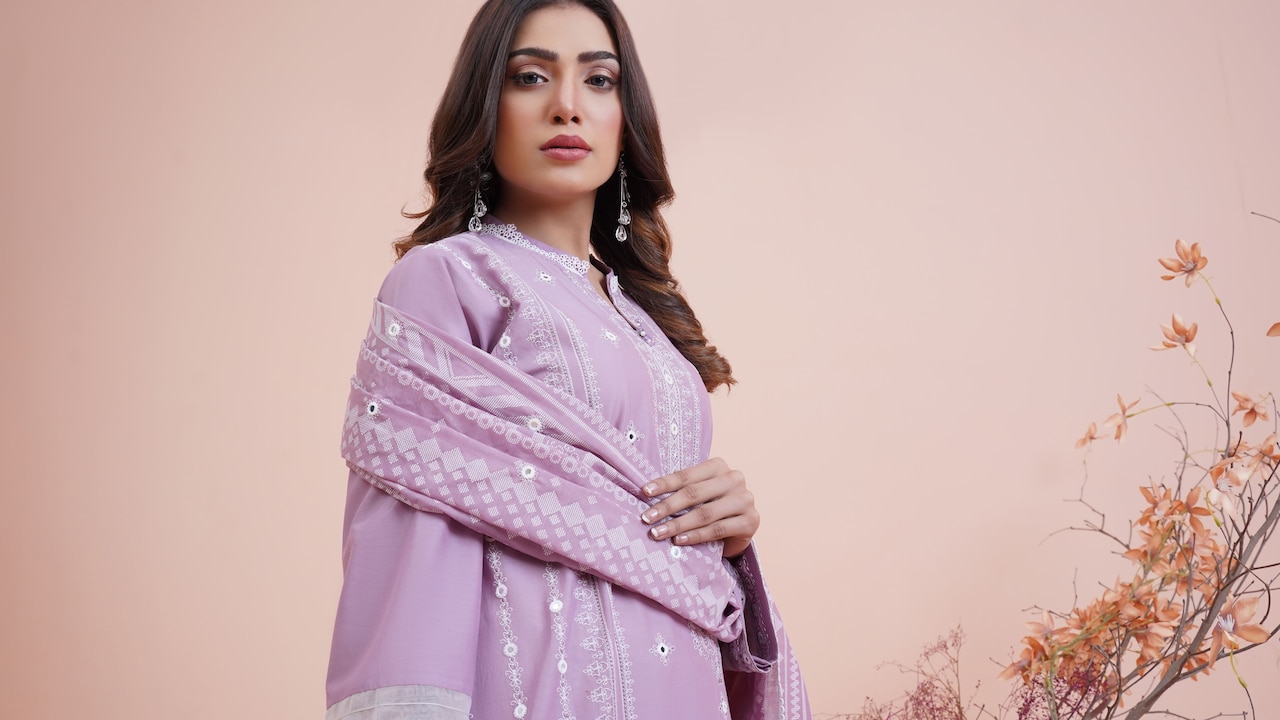
Do not wash the kurta using a harsh machine cycle
Photo Credit: Pexels
6. Wringing The Kurta After Washing
Hand-washed cotton kurtas often meet their greatest enemy immediately after rinsing: the dramatic twist-and-wring.
Twisting wet fabric tightly may remove water quickly, but it also puts considerable pressure on cotton fibres and seams. Wet cotton becomes heavier and more vulnerable to stretching. Wringing can pull the kurta out of alignment, distort sleeves and even encourage side seams to twist.
Instead, press excess water out gently. The kurta can be placed between clean towels and lightly rolled if it holds a large amount of moisture. This removes water without forcing the fabric into unnatural shapes.
Afterwards, reshape the garment with the hands. Smooth the shoulders, straighten the placket, align the side seams and lightly pull the hem back into position before drying.
This small step matters because cotton often dries in roughly the shape in which it has been left. A twisted kurta may therefore set into an awkward fall.
The temptation to wring is understandable, especially during the monsoon when clothes already seem determined to remain damp until next Tuesday. Still, gentler water removal gives the garment a much better chance of keeping its original fit.
7. Hanging Heavy Wet Kurtas From The Shoulders
A hanger feels like the neatest drying solution, but hanging a soaking-wet cotton kurta from its shoulders can quietly change its proportions.
Water makes cotton heavier. When that weight pulls downward for hours, the shoulders and neckline can stretch. Longer kurtas may become particularly vulnerable because the wet lower half creates additional tension at the top.
Thin wire hangers make matters worse. They concentrate pressure on a narrow section of the shoulder and may leave bumps or stretched points behind.
Whenever possible, allow delicate or heavier cotton kurtas to dry flat on a clean surface with good airflow. If space makes flat drying impractical, drape the garment evenly across a drying rack so its weight remains supported.
For lighter kurtas that can safely go on hangers, choose broad, smooth hangers and remove as much excess water as possible first.
Drying technique can affect fit just as much as washing technique. A garment does not need to shrink to lose its shape; stretching can be equally frustrating.
A kurta that suddenly develops droopy shoulders may look as though it has had a very long week. Supporting the fabric while wet helps prevent that tired silhouette.
8. Drying Cotton Kurtas In Fierce Direct Sunlight
Strong sunshine gets laundry dry quickly, which makes it wonderfully tempting. Yet leaving cotton kurtas under fierce afternoon sun for hours can be hard on both colour and fabric.
Prolonged heat can encourage additional shrinkage in some cotton garments. Intense sunlight may also fade dyes, particularly darker colours and printed fabrics. Over time, repeated exposure can make fibres feel drier and less supple.
A shaded, airy area usually offers a better balance. Good ventilation allows moisture to escape without effectively baking the garment. When direct sunlight is unavoidable, removing the kurta as soon as it dries is better than leaving it outside for the entire afternoon.
Turning coloured kurtas inside out before drying can also help protect the visible surface from fading.
The hottest terrace spot may seem efficient in May, when clothes can dry at astonishing speed, but efficiency is not always fabric care. A favourite black kurta slowly becoming charcoal grey is rarely part of the style plan.
Gentler drying takes slightly longer, yet it helps preserve the fabric's colour, softness and intended measurements, three things worth waiting for.
9. Using A Tumble Dryer On High Heat
A tumble dryer can be useful, particularly during humid weather, but high heat and cotton are not always comfortable companions.
The combination of heat and tumbling may cause cotton fibres to contract. Even garments that survive several washes without obvious shrinkage can lose length or width after repeated high-temperature drying. The effect may appear gradually, which makes the dryer an easy culprit to overlook.
If the care label allows tumble drying, choose a low-heat setting. Removing the kurta while it is still slightly damp can also help. Reshape it gently and allow the remaining moisture to air-dry.
For treasured kurtas, air-drying remains the safer option when practical.
High dryer temperatures can also affect prints, elastic details, decorative trims and some embroidery threads. What begins as a shortcut may therefore shorten the garment's lifespan as well.
During weeks of endless rain, the dryer can feel like household royalty. It simply needs sensible boundaries. Cotton kurtas do not require tropical heat to become wearable again. Treat low heat as the default rather than the compromise, and the familiar fit is far more likely to survive laundry day.
10. Ironing On Very High Heat Or Storing Kurtas Carelessly
Fabric care does not end when a kurta becomes dry. Ironing and storage can also influence how well it keeps its shape.
Cotton generally tolerates ironing well, but maximum heat is not automatically necessary. Excessive heat can scorch fibres, flatten textured weaves and damage prints or embellishments. Slightly damp cotton often responds beautifully to a moderate-to-high setting recommended on the care label, without repeated pressing over the same area.
Avoid pulling the garment aggressively while ironing. Stretching a warm, damp section and pressing it flat can distort its original dimensions.
Storage deserves attention too. Cramming kurtas into an overstuffed cupboard creates stubborn creases and puts pressure on collars, shoulder seams and decorative work. Heavy garments should not hang for months from weak or narrow hangers either.
Fold everyday cotton kurtas neatly once they are completely dry. Give embellished pieces enough breathing space and make sure no moisture remains before storage, especially during humid weather.
A tidy cupboard may not feel like fabric science, but it helps. The goal is simple: allow the kurta to rest in its natural shape instead of emerging from the wardrobe looking like it spent the night underneath a suitcase.
Products Related To This Article
1. Anouk X fwd Floral Printed Round Neck Cotton Straight Kurta
2. Rimeline Floral Printed Notch-Neck Straight Kurta
3. Anouk Women Ethnic Motifs Embroidered Thread Work Kurta
4. Indo Era Floral Embroidered Kurta
5. Royal Export Floral Printed Cotton V-Neck Straight Kurta
6. Max Ethnic Motifs Woven Design Pleated V-Neck Straight Kurta
7. Varanga Women Ethnic Motifs Embroidered Thread Work Grandeur & Majestic Artwork Kurta
Keeping cotton kurtas from losing their fit is less about expensive fabric-care products and more about ordinary laundry decisions. Water temperature, detergent quantity, machine settings, drying methods and storage habits all influence how cotton behaves over time.
The safest approach is gentle rather than fussy. Wash in cool or lukewarm water, treat stains without attacking the fabric, avoid excessive twisting and support wet garments properly. Keep intense heat to a minimum and give every kurta enough space to dry and rest in its natural shape.
A little care becomes especially worthwhile when a wardrobe favourite fits exactly right. Everyone knows the disappointment of pulling on a much-loved kurta and discovering that the hem now sits suspiciously higher or the sleeves have developed ambitions of becoming three-quarter length.
Cotton will always change slightly with wear and washing; that is part of the character of a natural fabric. Careful handling, however, can keep those changes small.
Treat the kurta kindly on laundry day, and it is far more likely to return the favour every time the cupboard door opens.
(Disclaimer: This article may include references to or features of products and services made available through affiliate marketing campaigns. NDTV Convergence Limited (“NDTV”) strives to maintain editorial independence while participating in such campaigns. NDTV does not assume responsibility for the performance or claims of any featured products or services.)