How to Stop Shawls From Slipping: Tips to Choose Drapes That Stay in Place
Constantly adjusting your shawl? The right fabric, weight, and draping style can keep it in place for hours. Learn how to choose supportive shawls that stay put without pins or fuss.
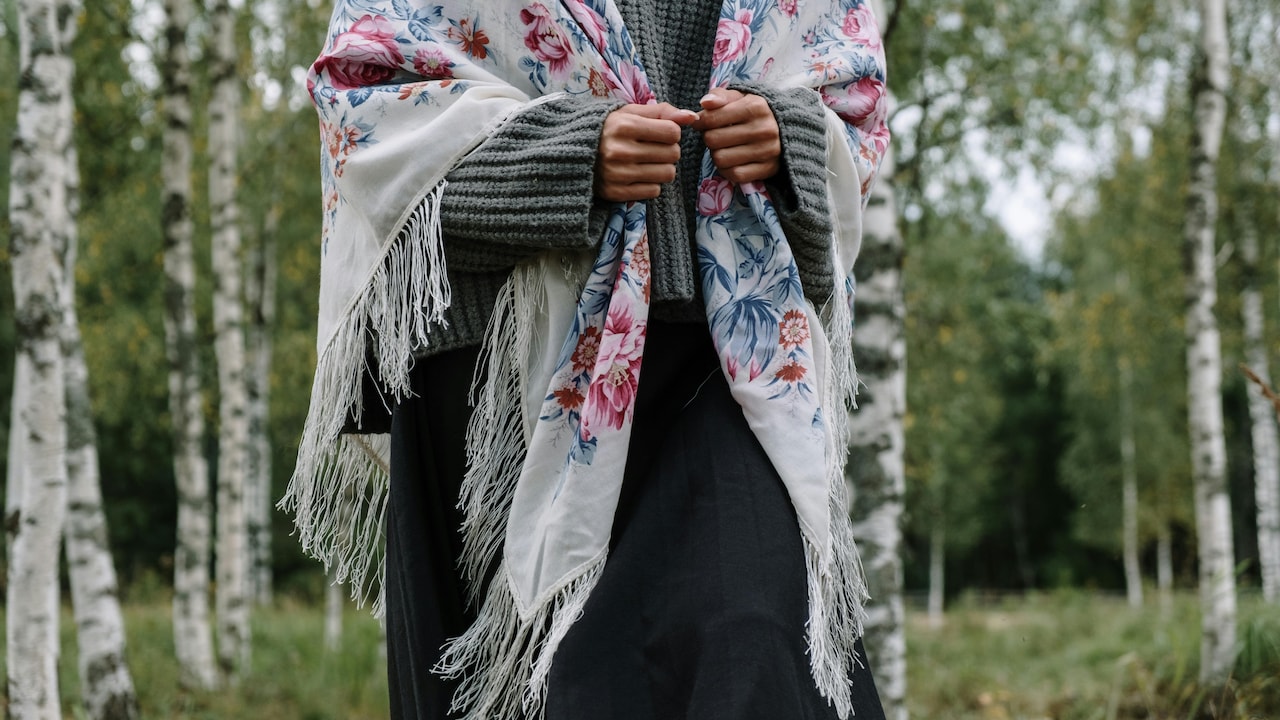
Stop Shawls Slipping: Choose Supportive Drapes That Stay Put Gracefully For Hours.
A shawl carries more than warmth. It brings comfort, tradition, and personality into an outfit. Draped over shoulders during winter walks, wrapped around the neck at work, or styled carefully for weddings, shawls hold a special place in everyday wardrobes. Despite their charm, they often misbehave. A smooth fabric slides off. A loose weave refuses to cooperate. Hands stay busy fixing folds instead of enjoying the moment.
This article speaks to anyone who has balanced a cup of cutting chai in one hand and a slipping shawl in the other. It looks at why shawls slide and how to choose supportive drapes that behave better. No stiff rules appear here. Instead, expect friendly advice, familiar situations, and solutions that suit daily life as well as celebrations. Shawls deserve to feel reliable, not rebellious.
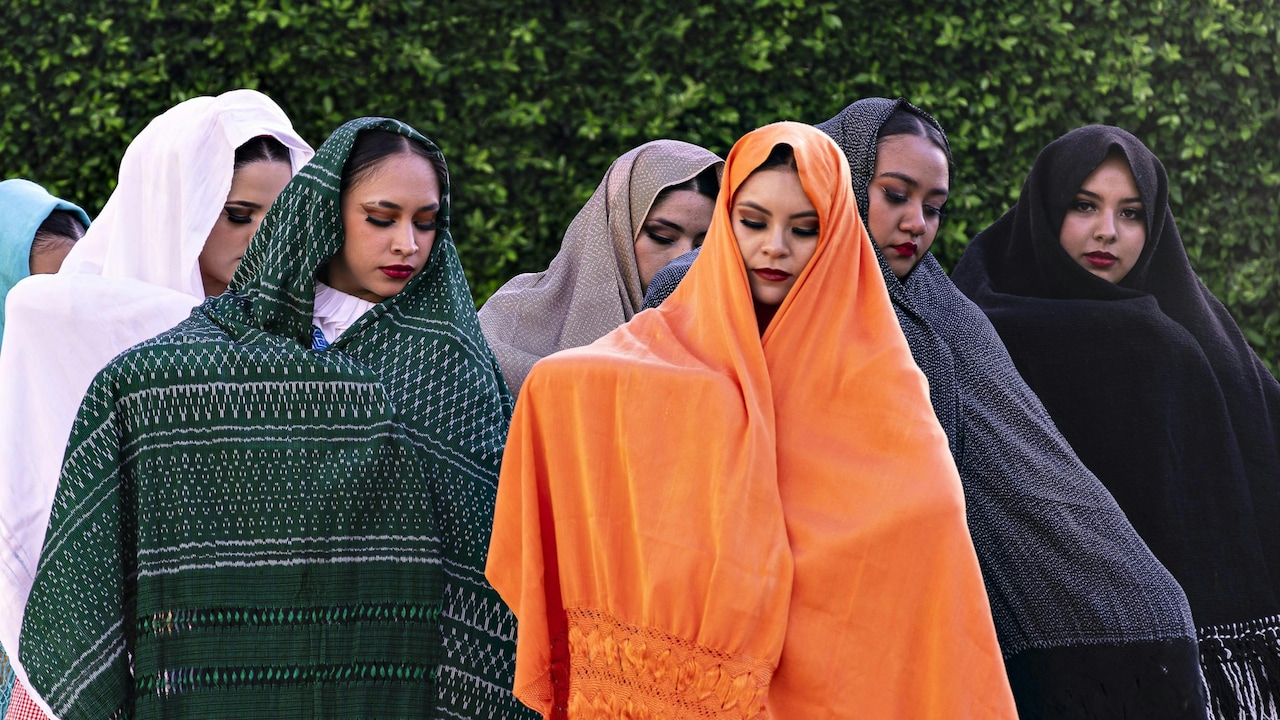
Why Shawls Slip and How to Choose the Right Drapes That Stay Secure; Photo Credit: Pexels
Simple Style Choices That Keep Shawls Secure and Comfortable
1. Fabric Matters More Than Expected
Fabric decides how a shawl behaves on the body. Some materials cling gently, while others slide at the first movement. Wool blends, pashmina-style weaves, and textured cotton tend to grip clothing better. These fabrics create subtle friction, which helps the shawl stay put. Smooth silks and satins look luxurious but often slip without warning.
During colder months, medium-weight wool offers warmth and structure. It drapes well without feeling bulky. Cotton shawls suit milder weather and everyday wear. They breathe easily and respond well to folding. Lightweight synthetics may tempt with bright colours and low prices, yet they often lack grip and stability.
Touch also matters. A fabric that feels slightly rough against the fingers usually behaves better on the shoulders. That faint texture works quietly, holding the drape in place. Choosing fabric with intention saves hours of readjusting later. Comfort improves, posture relaxes, and confidence grows when the shawl cooperates instead of slipping away.
2. The Power of Weight and Balance
Weight plays a quiet but powerful role in keeping shawls steady. Very light shawls float beautifully but refuse to stay still. Heavy shawls, on the other hand, may stay put but feel tiring after a while. Balance sits somewhere in between.
A well-weighted shawl settles naturally on the shoulders. It responds to movement without sliding off. Look for shawls that feel substantial when held yet flexible when draped. Borders with slight thickness help anchor the fabric. Tassels or woven edges also add gentle weight, encouraging the shawl to fall neatly.
Even distribution matters as well. Uneven weight causes one side to slip faster than the other. When trying on a shawl, drape it fully and move around. Turn, bend, and walk a few steps. A balanced shawl stays calm during these small tests. The right weight feels supportive, almost reassuring, like a trusted layer that understands the rhythm of the day.
Also Read: 5 Shawls That Transition Effortlessly From Ethnic To Western Wear
3. Shape and Size: Not One Style Fits All
Shawls arrive in many shapes, and each behaves differently. Rectangular shawls offer flexibility. They wrap, fold, and layer with ease. Square shawls provide symmetry but may require careful folding. Oversized shawls double as wraps, while smaller ones suit quick outings.
Size affects grip. Very large shawls look dramatic but may slip due to excess fabric. Very small ones struggle to stay on the shoulders. A medium-sized rectangular shawl often works best for daily wear. It provides enough length to wrap securely without overwhelming the frame.
Personal build also matters. Sloping shoulders may need slightly longer shawls that cross over the body. Straighter shoulders handle shorter styles with ease. Choosing the right shape and size turns styling into a pleasure rather than a puzzle. A shawl that fits well feels intentional, not accidental, and stays in place with minimal effort.
4. Texture Is a Hidden Hero
Texture often goes unnoticed, yet it makes a real difference. A textured shawl grips clothing better than a smooth one. Think of subtle weaves, ribbed patterns, or handloom finishes. These details create friction without compromising softness.
Texture also adds character. A lightly textured shawl looks rich and interesting even in neutral shades. It pairs well with plain outfits and adds depth without loud patterns. During long days, textured shawls resist slipping because they catch gently on fabric underneath.
Layering texture with texture works especially well. A woollen shawl over a cotton kurta or a knit top stays more secure than silk over satin. Mixing surfaces creates balance. Texture works quietly in the background, solving a common problem while enhancing style. It proves that beauty and practicality often walk hand in hand.
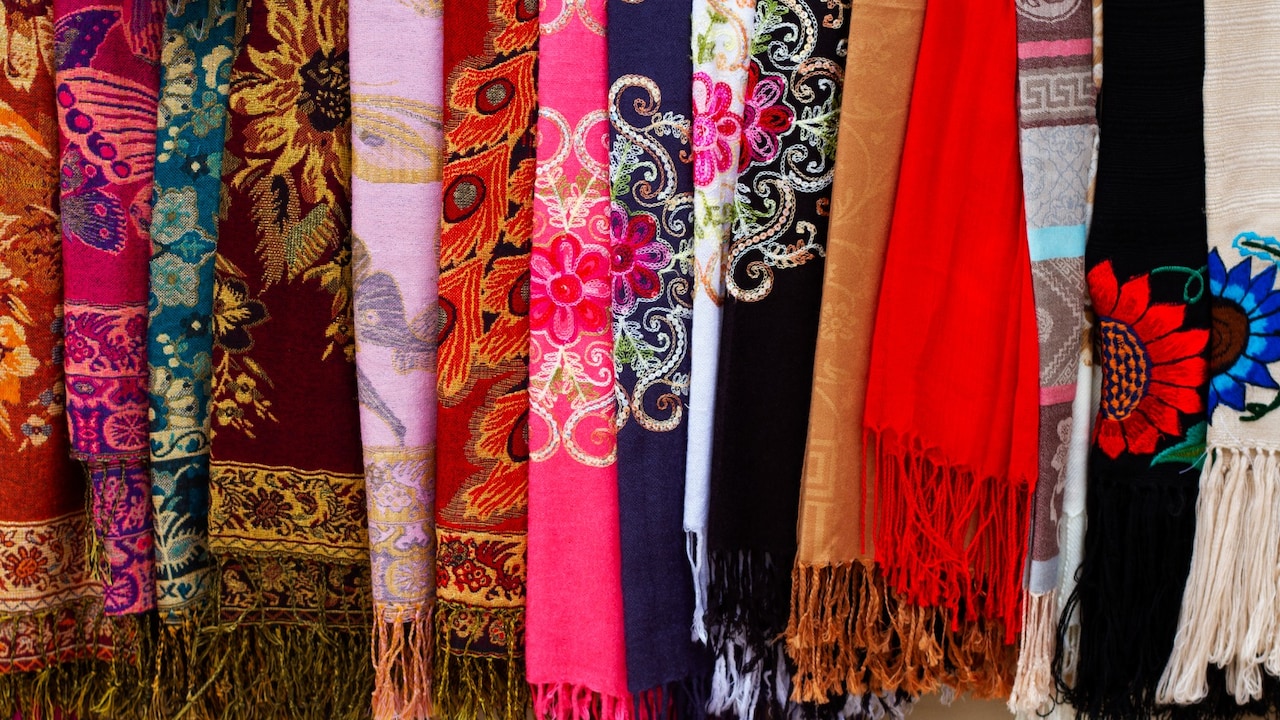
Why Shawls Slip and How to Choose the Right Drapes That Stay Secure; Photo Credit: Pexels
5. Draping Techniques That Actually Work
A supportive shawl still needs a smart drape. The way it sits on the body affects how long it stays put. One simple method involves placing the shawl evenly across the shoulders, then crossing the ends loosely at the front. Tucking one end over the opposite shoulder adds security without stiffness.
Another approach works well for busy days. Drape the shawl, bring both ends forward, and tie a loose knot near the waist. This style keeps hands free and looks relaxed. For formal settings, a neat fold along the shoulders with one end pinned subtly works wonders.
Practising a few reliable drapes builds confidence. It removes guesswork during rushed mornings. A good drape feels natural and looks effortless. When the shawl stays in place, attention shifts from adjusting folds to enjoying the day.
6. Pins, Brooches, and Smart Accessories
Accessories offer quiet support when used thoughtfully. A small pin or brooch can secure a shawl without drawing attention. Choose lightweight options that hold fabric gently. Heavy pins may damage delicate weaves or cause sagging.
Placement matters. Pinning near the shoulder seam or close to the collarbone offers stability while allowing movement. Decorative brooches serve a dual purpose. They hold the shawl in place and add a touch of personality. Traditional motifs, minimal designs, or even heirloom pieces work beautifully.
Invisible solutions exist as well. Magnetic pins provide hold without piercing fabric. They suit fine materials and frequent use. Accessories should feel like allies, not obstacles. When chosen carefully, they fade into the background while the shawl stays exactly where it belongs.
7. Layering With the Right Clothing
What sits under the shawl influences its behaviour. Smooth fabrics underneath invite slipping. Slightly textured clothing offers grip. Cotton, wool, and knits work especially well as base layers.
Necklines matter too. Boat necks, collars, and higher necklines provide anchor points. Very wide or slippery necklines give the shawl little support. Adding a light cardigan or waistcoat beneath the shawl increases friction and structure.
Colour coordination also plays a role. When the shawl complements the outfit, it feels intentional and stays adjusted. Constant fidgeting often comes from a sense that something looks off. Harmonious layering reduces that urge. The shawl settles naturally when it feels part of the outfit rather than an afterthought.

Why Shawls Slip and How to Choose the Right Drapes That Stay Secure; Photo Credit: Pexels
8. Climate and Occasion Awareness
Different settings demand different shawls. A chilly office needs a structured, medium-weight shawl that stays neat for hours. A wedding evening invites richer fabrics and decorative support. Morning errands call for fuss-free styles that move easily.
Climate influences fabric choice. Humid weather pairs well with breathable cotton shawls. Dry cold welcomes wool blends. Using the same shawl for every situation often leads to frustration. Having a small rotation solves this problem.
Occasion awareness brings peace of mind. A supportive shawl chosen for the setting behaves better because it suits the moment. It stays in place during conversations, meals, and movement. Matching the shawl to the climate and occasion turns styling into a smooth experience rather than a constant battle.
9. Care and Maintenance for Better Grip
A well-cared-for shawl performs better. Over time, repeated washing may make fabrics too soft or slippery. Following care instructions preserves texture and structure. Gentle washing and air drying help maintain grip.
Starching lightly works for cotton shawls used in formal settings. It adds body without stiffness. Avoid heavy conditioners that coat fibres and increase slipperiness. Storing shawls folded rather than hung prevents stretching.
Regular care extends life and improves behaviour. A shawl that holds its shape drapes more predictably. It stays where placed and feels dependable. Maintenance may sound mundane, yet it quietly supports every successful drape.
10. Confidence: The Final Anchor
Confidence affects how a shawl sits more than expected. When worn with ease, the body moves naturally. Shoulders relax, posture improves, and the shawl settles. Constant worry about slipping creates tension, which leads to more movement and adjustment.
Choosing a supportive shawl builds trust. Trust reduces fussing. Over time, favourite shawls earn loyalty because they behave well. They become go-to companions for travel, work, and celebrations.
Style thrives on comfort. A shawl that stays put allows focus on conversations, laughter, and moments that matter. Confidence completes the look. When the wearer feels at ease, the shawl follows suit, staying in place for hours without complaint.
Products Related To This Article
1. GK VILLA Poly Wool Woven Women Shawl
2. BUDAPEST Wool Floral Print Women Shawl
3. Home craze Wool Woven Women Shawl
4. TILLAARI Acrylic Printed Women Shawl
5. Kashmiri Wool Woven Men Shawl
A slipping shawl may seem like a small annoyance, yet it affects comfort and confidence throughout the day. The good news lies in simple, thoughtful choices. Fabric, weight, texture, and shape all play their part. Smart draping, supportive accessories, and mindful layering add extra security. Care and occasion awareness keep shawls performing at their best.
The goal never involves perfection. It involves ease. A shawl should feel like a friend, not a challenge. With the right supportive drape, hours pass without constant adjustments. Warmth stays close, style remains intact, and attention returns to living the moment fully. Tap to click on Flipkart to buy trendy shawls.
(Disclaimer: This article may include references to or features of products and services made available through affiliate marketing campaigns. NDTV Convergence Limited (“NDTV”) strives to maintain editorial independence while participating in such campaigns. NDTV does not assume responsibility for the performance or claims of any featured products or services.)