How To Store Handbags To Maintain Their Shape And Last Longer
Learn how to store handbags properly to prevent sagging and damage while keeping them clean, structured and looking newer for longer every single day.
How To Store Handbags To Maintain Their Shape And Last Longer
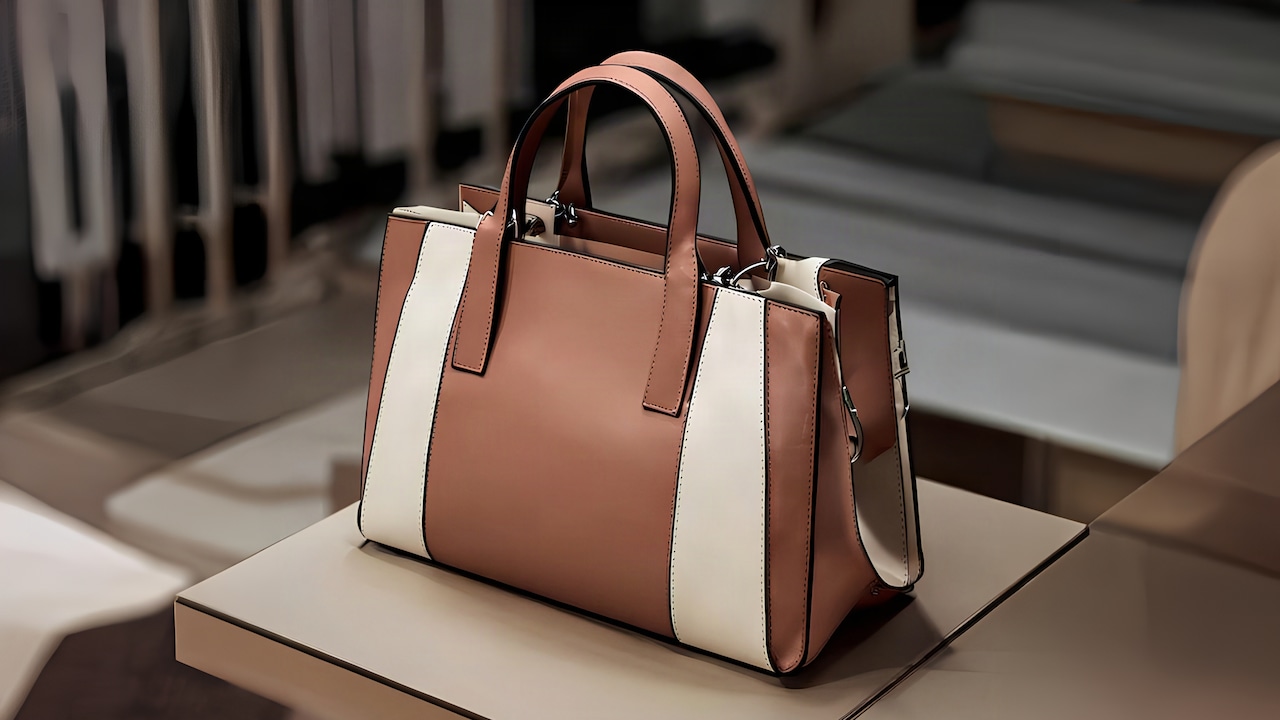
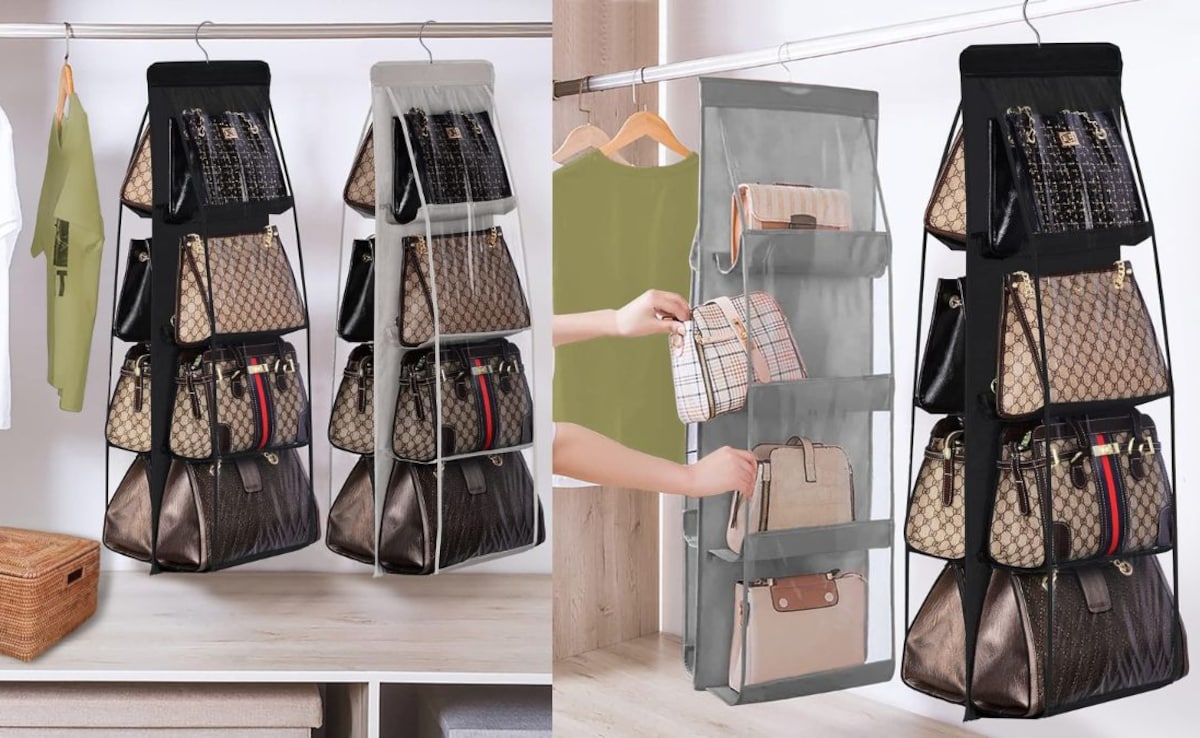
Handbags usually start looking old because of storage, not because they are actually worn out. Handles bend, corners soften, and shapes start collapsing after months of being shoved into crowded wardrobes or left hanging behind doors.
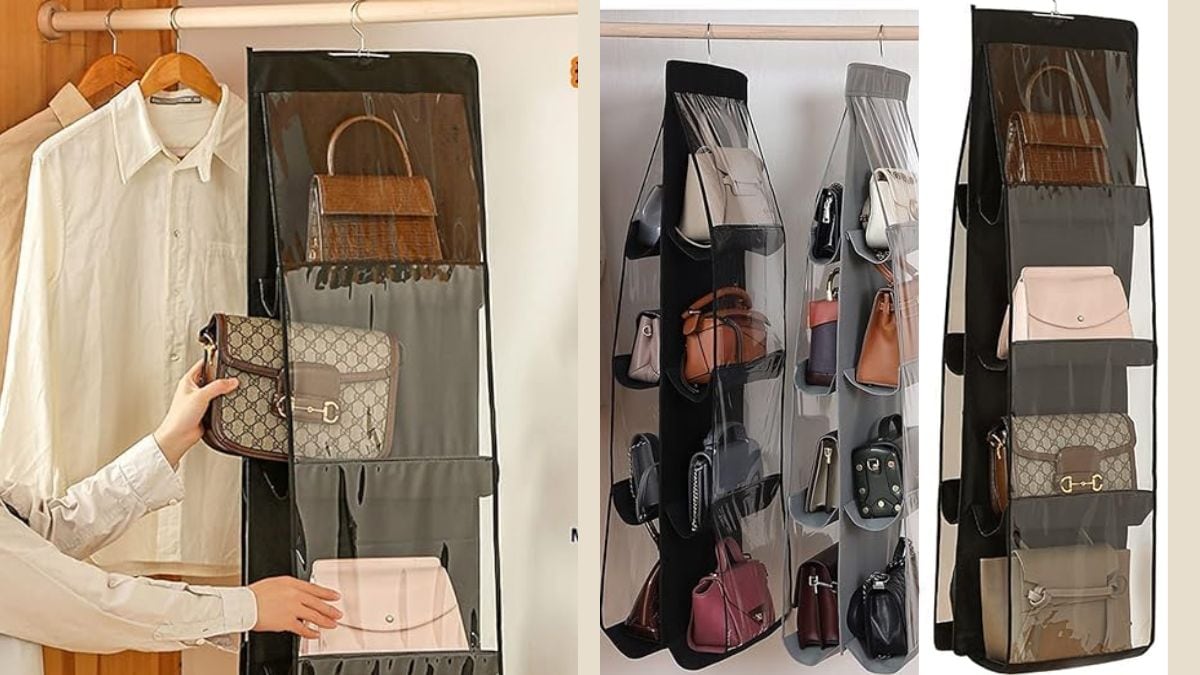
Discover simple ways to store your bags safely to prevent sagging and maintain their shape.
Photo Credit: Amazon
Many people spend well on handbags but barely think about how they store them once they come home. And unlike clothes, bags lose structure pretty quickly if they are folded, overstuffed or crushed underneath other things. The beneficial part is that handbag storage does not have to be expensive or complicated. A few small habits can keep bags looking cleaner, more structured and usable for much longer.
Also Read: Best Handbags for Women on Two-Wheelers: Functional and Stylish Picks
Why Handbag Storage Matters More Than People Think
Most handbags are designed to hold shape while being carried, not while sitting squeezed between piles of clothes. Over time, poor storage weakens the structure around corners, handles, and bases.
Humidity makes things worse, especially during Indian summers and monsoons. Faux leather can start peeling faster; metal hardware can lose its shine; and fabric bags can pick up moisture or odour if they stay packed away for too long. Even everyday tote bags stay in better condition when they are stored properly. They simply look newer for longer.
How To Store Handbags Without Ruining Their Shape
Step 1: Empty The Bag Fully
Before storing a handbag, remove everything inside, including receipts, coins, lipsticks and tissues. Keeping weight inside the bag for weeks slowly changes its shape.
It also prevents stains. Forgotten pens and leaky makeup products damage more bags than people realise.
Step 2: Stuff The Inside Lightly
This is one of the easiest ways to help handbags keep their shape. Soft stuffing supports the structure and stops the bag from collapsing inward.
Old cotton t-shirts, soft fabric pieces or tissue papers work well. Avoid newspaper because the ink can transfer onto lighter interiors over time.
The key is gentle support, not overstuffing.
Step 3: Use Dust Bags
Dustbags protect handbags from scratches, dust, and moisture while allowing airflow. They are especially useful for structured bags with lighter colours.
If you no longer have the original dust bag, even a clean cotton pillowcase works well. Plastic covers are usually not a great idea because they trap humidity.
Step 4: Avoid Overcrowding Shelves
Even well-stored handbags lose shape when they are squeezed too tightly together. Leaving a little breathing room between bags helps prevent dents, scratches and bent handles. If wardrobe space is limited, simple shelf dividers can make a big difference.
Should You Hang Handbags Or Store Them On Shelves?
Hanging handbags may save space, but it can damage the handles, especially with heavier bags. Over time, the weight pulls the shape downward.
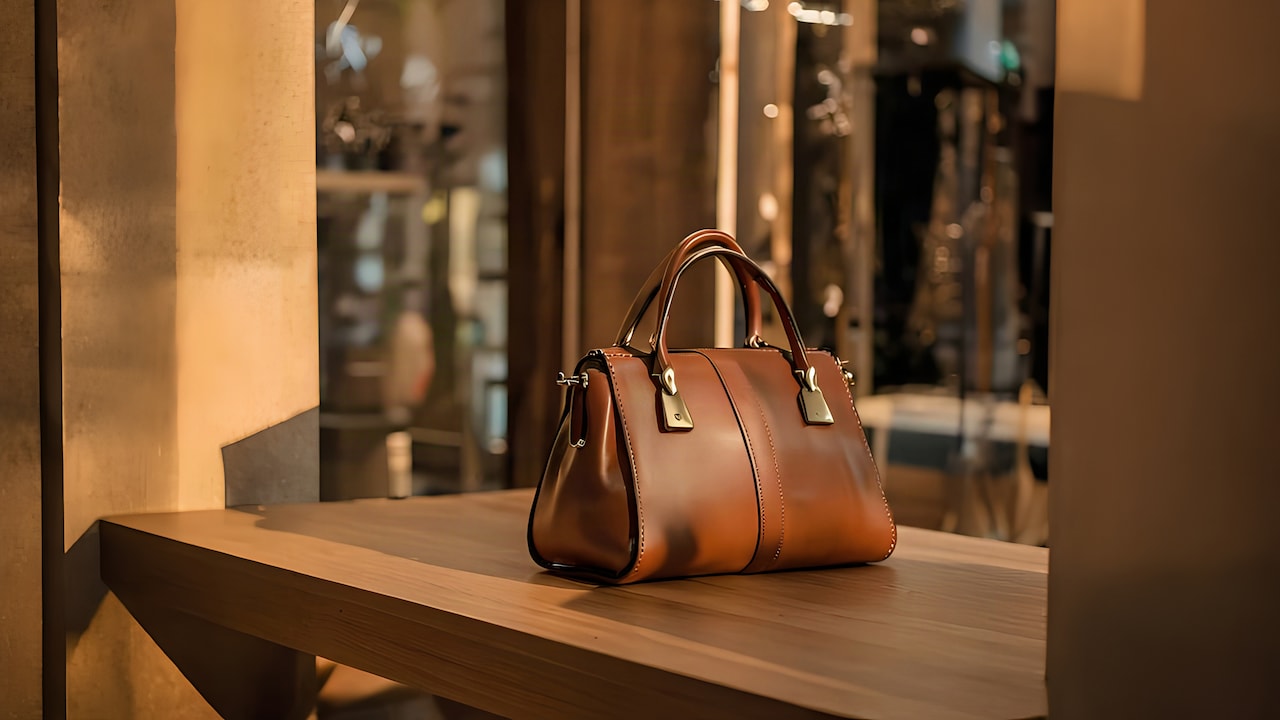
Structured handbags are usually better stored upright on shelves. Smaller sling bags and clutches can be stored flat.
So, keep handles properly positioned. Handles often lose shape when they are bent awkwardly during storage. Try to keep them standing naturally instead of folded underneath the bag. It helps the bag look neater and prevents creasing over time.
If you stack bags, keep heavier ones at the bottom. Otherwise, softer bags end up flattened and creased.
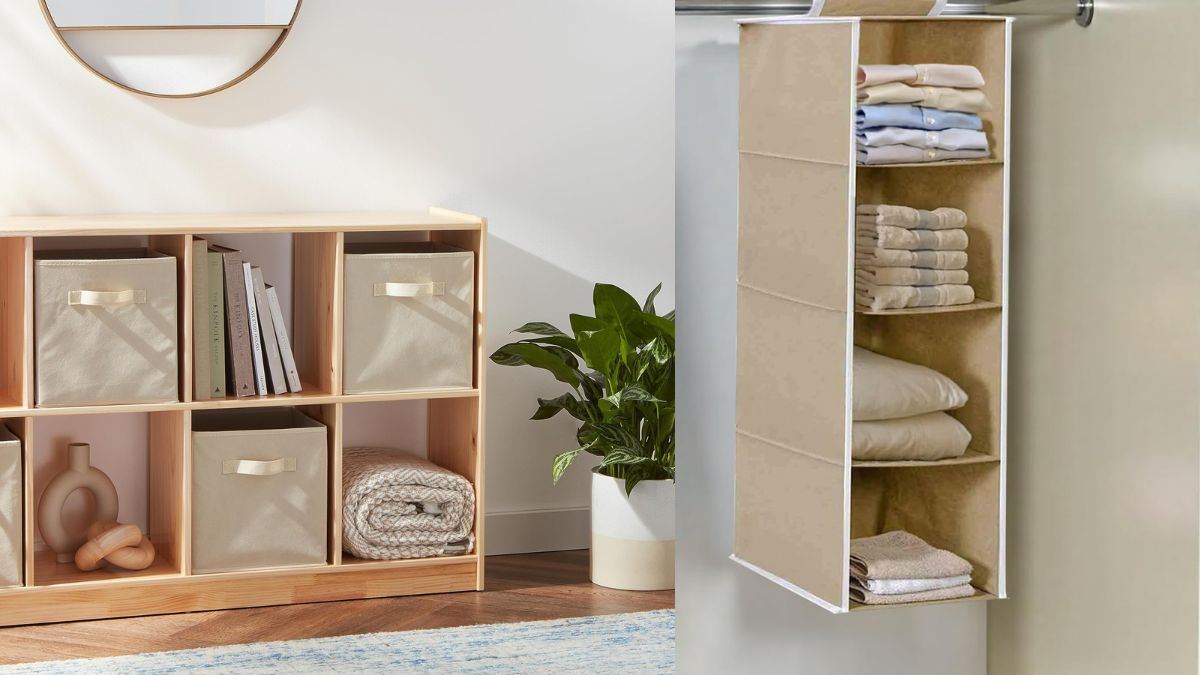
Master the best handbag storage techniques to keep your bags looking brand new for longer.
Photo Credit: Amazon
The Best Place To Store Handbags At Home
Most wardrobes work fine as long as there is decent airflow. Bags stored in damp or overcrowded spaces often end up smelling musty, especially during monsoon season.
It also helps to keep handbags away from direct sunlight. Too much exposure can fade colours and dry out leather finishes.
Keep Moisture Absorbers Nearby
Small silica gel packets or moisture absorbers inside wardrobes can help during humid months. They reduce dampness and help prevent musty smells from building up around stored bags.
If you have multiple bags, simple shelf dividers or organisers will be helpful. They stop bags from rubbing against each other and make the wardrobe look less chaotic too.
How To Store Occasion Bags And Expensive Handbags
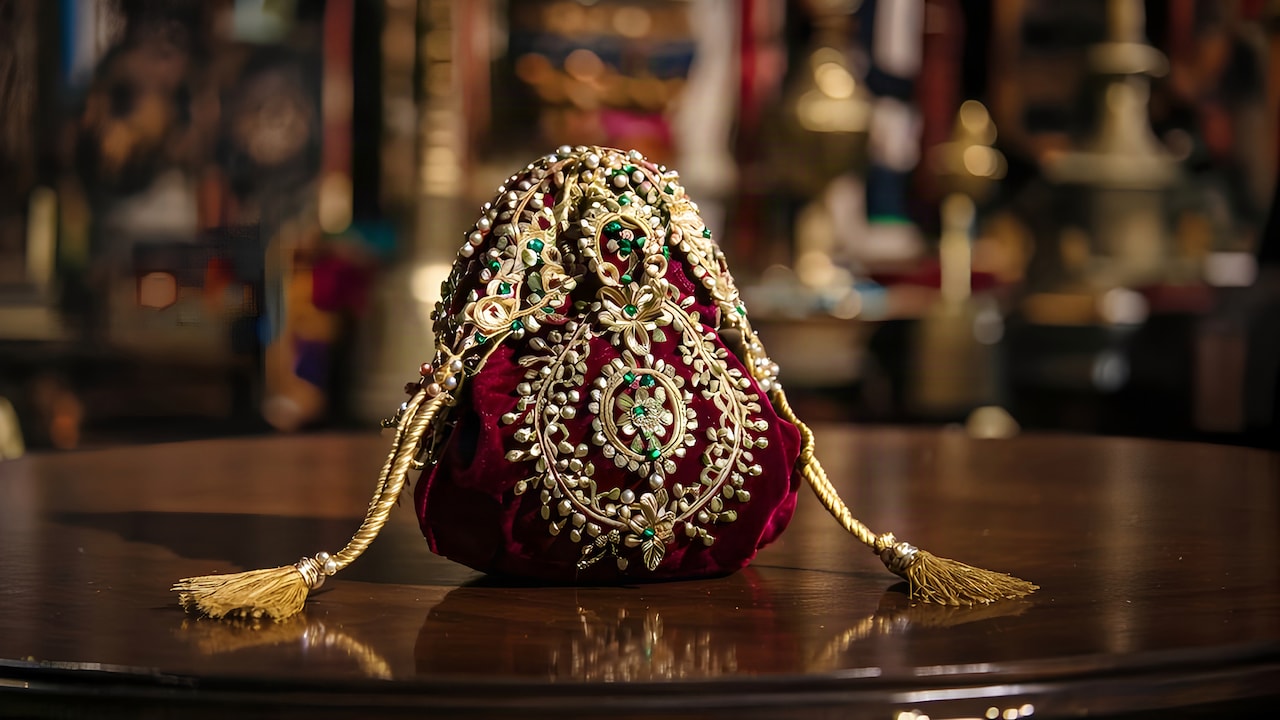
Party bags and occasion clutches usually spend more time in storage than in use, so they need slightly more care. Satin bags, embellished pieces, and structured clutches can lose shape surprisingly fast if they are carelessly tossed into drawers.
Keep metal chains tucked inside the bag so they do not leave marks on the outer surface. Embellished bags can also be wrapped lightly in soft cotton fabric to avoid snagging.
Avoid Folding Structured Bags
Structured handbags should never be folded or pressed under heavier items. Once deep creases form, they are difficult to fix, and the bag rarely returns to its original shape completely. It is also worth checking stored bags every few months. Peeling and moisture damage often begin slowly and become noticeable much later.
Small Habits That Help Handbags Last Longer
Rotating handbags regularly actually helps reduce wear. Using the same bag every day exerts significant pressure on the handles and corners, accelerating wear and tear.
Cleaning handbags before storing them also matters. Dust, sweat and makeup residues gradually affected the material over time.
Store Bags According To Material
Different materials need slightly different care. Structured leather bags usually hold shape better upright, while softer fabric or slouchy bags do better with light stuffing inside. Satin and embellished bags are best stored separately so they do not snag against hardware or zips from other bags.
Another useful trick is shape recovery. If a bag starts looking slightly slouched, proper stuffing for a few days often helps it regain structure naturally.
Some Handbag Storage Products You Might Like
1. Kuber Industries Handbag Storage Organiser
2. Granth Handbag Organiser
3. Storite Wardrobe Shelf Organiser
4. Amazon Basics Square Foldable Storage Cubes
5. ALPHIT Extra Large Storage Box Soft Canvas Storage Bags
6. Clarkia Cotton Dust Bags for Handbag
7. Solimo Storage Organiser With Compartments
8. PrettyKrafts Hanging Closet Organiser
Frequently Asked Questions (FAQs)
1. Should handbags be stored stuffed?
Yes, a little light stuffing can significantly help a handbag maintain its shape when not in use.
2. Is it bad to hang handbags for long periods?
It can be. Heavier bags especially tend to lose their shape around the handles if they are left hanging for too long.
3. Can handbags get damaged inside wardrobes?
Absolutely. Humidity, poor airflow and cramming too many things together can lead to peeling, odd smells, and bags that no longer sit the way they should.
4. What is the best way to store leather handbags?
Stand them upright, pop some soft stuffing inside and keep them in a breathable dustbag. That combination tends to work best.
5. How often should stored handbags be cleaned?
A gentle wipe-down every few months is really all it takes to stop dust from settling in and to keep the material looking its best.
(Disclaimer: This article may include references to or features of products and services made available through affiliate marketing campaigns. NDTV Convergence Limited (“NDTV”) strives to maintain editorial independence while participating in such campaigns. NDTV does not assume responsibility for the performance or claims of any featured products or services.)