How To Tell Genuine Leather From Faux Leather Bags
Want to spot a real leather bag from a fake one? Here are the key signs — from smell and texture to edges and price — to check before you buy.
How To Tell Genuine Leather From Faux Leather Bags
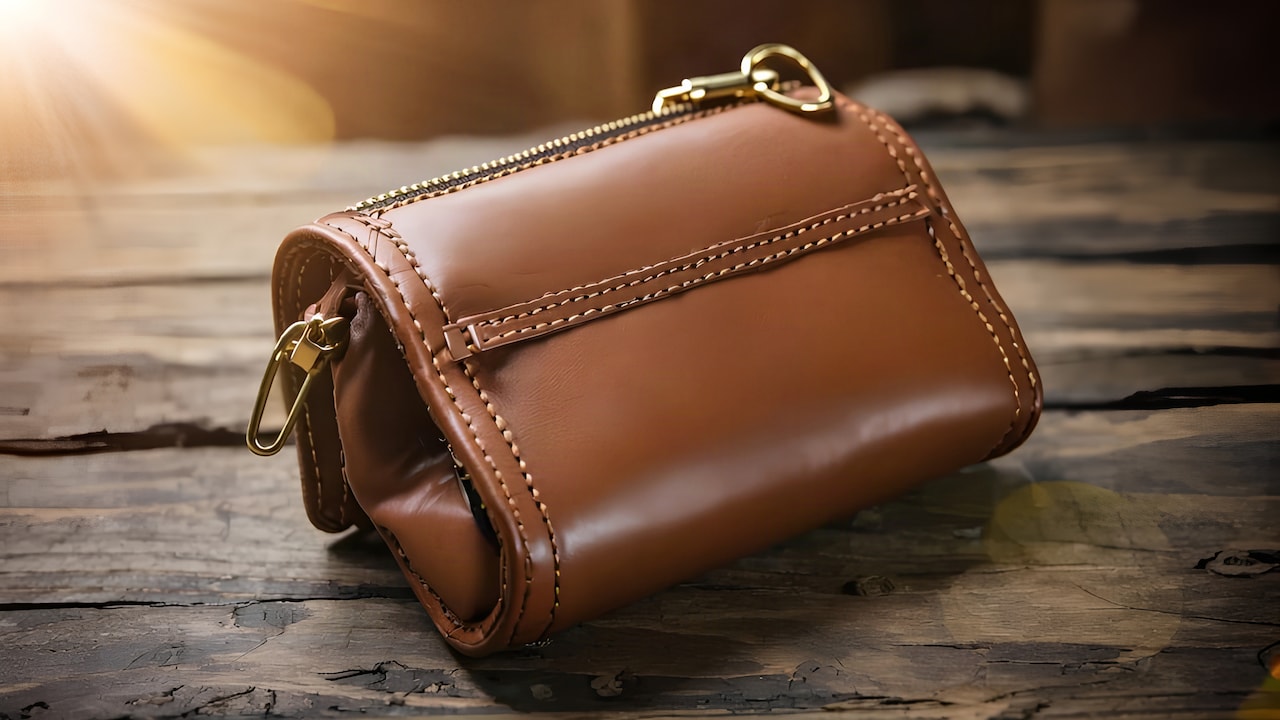
Shopping for a leather bag should be fun, but leaving with a fake leather bag when you thought you were getting a real leather piece is just plain frustrating. Real leather bags age well and get character over time. They are much more durable for everyday use. If you're checking out options on Amazon or in-store and want to make sure you're actually getting what you're paying for, it's worth knowing a few tell-tale signs before you swipe your card.
Why Knowing The Difference Actually Matters
Photo Credit: iStock
At a glance, it can be difficult to tell real leather from faux leather, especially now that synthetics are so convincingly good. But once you know what to look for -- the texture, the smell, the edges, even the price comparison -- it becomes much easier to spot the real deal.
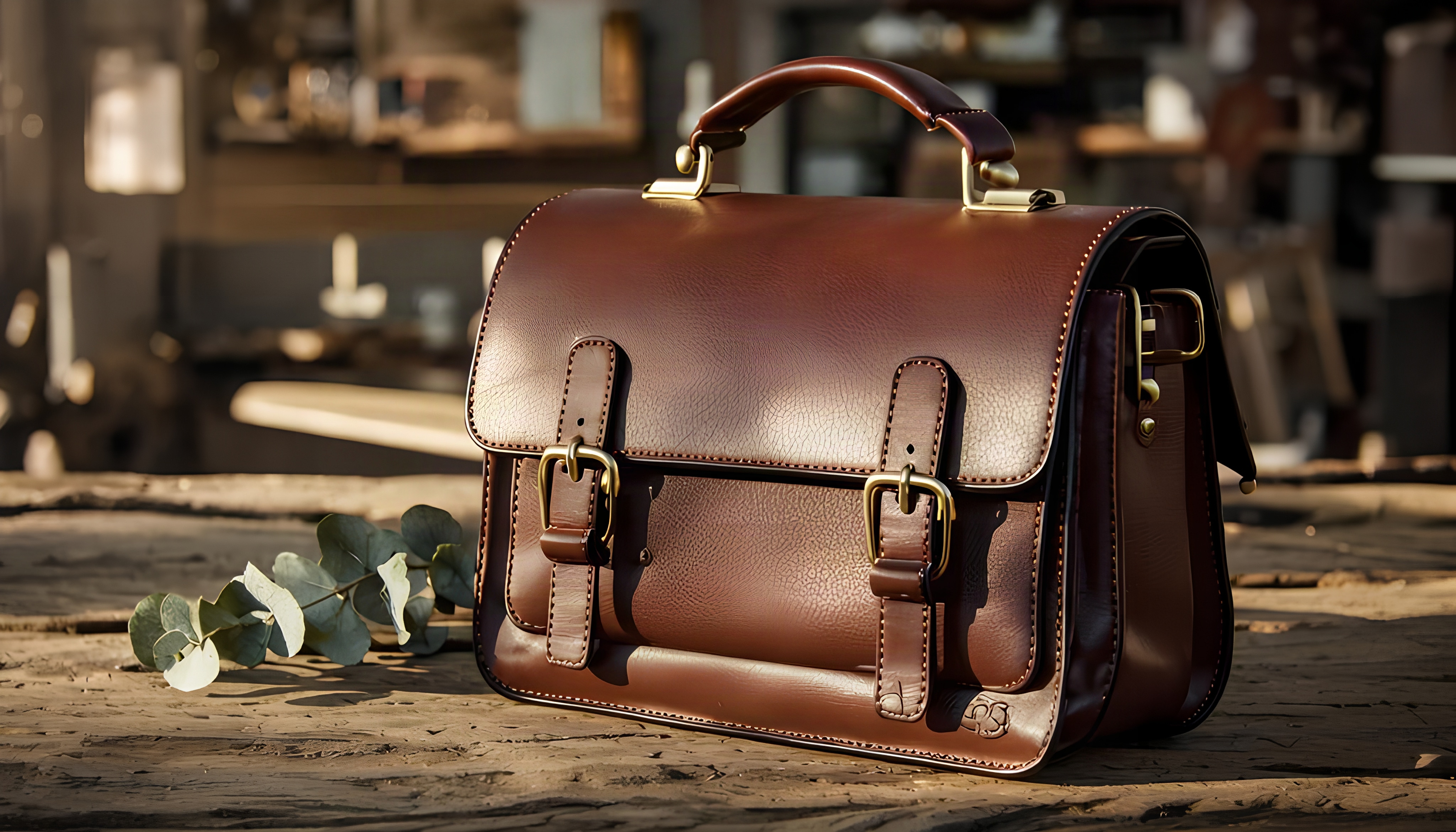
Why Knowing The Difference Actually Matters
Leather and faux leather differ not only in their feel but also in how long they last, their environmental impact and their value for money overall. A good quality genuine leather bag can last for more than a decade, softening and developing a natural patina as it ages. Faux leather, however, tends to crack or peel after a few years of regular use, no matter how convincing it looks on day one.
Then there is the question of price. Some faux leather bags are priced in a way that says otherwise, and this is where it gets confusing. If you know what you're looking for, you can browse through listings or walk into a store with a lot more confidence.
How To Tell Genuine Leather From Faux Leather
There are a few quick checks that will tell you a lot about a bag before you commit to buying it. No special tools are needed for these, just a little attention.
1. The Smell-test
This is probably the most reliable quick test. Real leather has a very distinct, earthy, slightly musky odour that is difficult to duplicate. It is a by-product of the natural tanning process and will tend to stay on the bag for years. Faux leather, however, typically has a plastic or chemical smell – sometimes faint, sometimes very strong. Make a mental note if the bag smells artificial or if no smell emanates from it.
This test is best done in person, which is one of the reasons why it's worth a trip to a brick-and-mortar store if you're unsure about a bag you've been eyeing online.
2. Touch and Texture
Run your fingers over the surface of the bag. Genuine leather is organic in texture; it's not all smooth and consistent and will feel a little warm to the touch. Faux leather is often colder, more plastic and oddly uniform in its texture across the entire surface.
You can also use your thumb to press lightly on a small spot. Real leather wrinkles a little and then slowly returns to shape (like skin does). Faux leather either doesn't take the press at all, or it rebounds a little too quickly.
3. Edge and Stitching Details
Turn the bag over and check the edges and seams. Edges of real leather are usually a bit rough or slightly porous. They are often sanded or painted as a finishing touch, but underneath is the natural fibrous quality. However, the edges of faux leather are almost always perfectly smooth and even; this is because they're made from a base fabric, coated in a synthetic material.
Also look at the stitches. Real leather bags of good quality will have tight, even stitching that will be flush with the material. Bad stitching on any bag is a red flag, but stitching that looks like it's pulling or bunching up against a stiff, plastic-like surface is often a sign of synthetic material.
Visual Clues That Give It Away
There are a few things you can smell and touch but also see closely in a bag. Manufacturers are most likely to skimp on the visual details.
1. The Grain Pattern
Genuine leather will have a natural, uneven grain pattern. Even two pieces cut from the same hide will not be identical – there will be subtle variations in texture, small marks or slight colour shifts that tell the story of a natural material. In contrast, faux leather is made in sheets, and the grain pattern tends to repeat itself very uniformly.
If you glance at a large flat area of the bag and the texture looks almost too uniform – as if it were a printed pattern rather than a natural surface – that's a clue that you might be looking at synthetic material.
2. Colour Consistency
This means real leather absorbs dye in a way that creates depth and variation in colour. With solid coloured bags, real leather has a slight richness to it, areas that have been handled more can look slightly lighter or more worn with time. The reason the colour sits flatter and more evenly is because faux leather is synthetic.
It is easier to see on darker bags. A black or deep brown bag made from authentic leather often looks multidimensional in the light, while a faux leather bag of the same colour can seem flatter and more plastic-like.
Also Read: Chic And Cheap: Find Your Perfect Leather Bag Under ₹1000
3. Hardware and Lining Quality
The hardware and lining of a bag can tell you as much about it as the leather. Genuine leather bags usually have better quality zips, clasps and buckles – heavier, smoother and less likely to feel loose or flimsy. When you're looking at lower price points, faux leather bags tend to come with lighter hardware that might rattle or feel like it won't last long.
The lining inside is also worth a look. A real leather bag will usually have a nicely finished interior — generally lined in fabric, neatly stitched and properly sealed at the seams. A plastic-like outer material coupled with a weak or peeling interior liner is a pretty good giveaway.
Price Tags and Brand Labels
Generally, the higher the quality of the leather bags, the higher the price, but it's not always so straightforward. Labels and price points can still provide useful clues when you can't see a bag in person.
1. What The Label Says
If a product label says “genuine leather", it usually means real animal hide. But it can still be low grade. Labels that say ‘bonded leather' or ‘PU leather' or ‘faux leather' are telling you right out that they're using synthetic or reconstituted materials. The ambiguous ones are labels like ‘leather-like material' or no material mentioned, and they are almost always faux.
For bags sold online, carefully read the product description. Vegan leather" and "eco leather" are marketing terms for faux leather — and while that may be a legitimate choice for some buyers, it's good to know what you're really getting.
2. Price As A Clue
Genuine leather bags made of full-grain or top-grain leather from reputable brands will almost never be affordable. The cost of the raw materials, the craftsmanship and the finishing touches make it difficult to sell at very low price points and still maintain quality. So if you see a bag being marketed as ‘genuine leather' at a price that seems suspiciously low for the category, it's reasonable to be a little sceptical.
That said, price isn't a perfect guide. There are overpriced faux leather bags and well-priced genuine leather ones. Consider it as one factor among many, not the sole thing you look at.
When Faux Leather Is A Valid Choice
Being able to spot fake leather doesn't mean you should stay away from it. Faux leather makes a lot of sense for many people and situations — and knowing how to identify faux leather means you can choose it intentionally, not accidentally.
1. Cases Where Faux Leather Makes Sense
If you're after a bag at a lower price point, or something trendy that you don't expect to use for more than a couple of seasons, or a style that is very on-trend right now, faux leather can be a perfectly reasonable option. It is lighter, easier to clean in some cases and does not need the same care as genuine leather.
Faux leather is also the obvious choice for those buyers who want to avoid animal products. Many well-made PU or microfibre leather bags look slick and stylish. The key is just going in with the right expectations – if you know it's faux, you won't be disappointed if it starts to wear differently from a real leather bag.
What is important is that the choice is an informed one. Whether you go for the real thing or not, knowing what you're getting for your money – and why – is the best way to get a return on your investment.
Some Leather Bag Options You May Like
Photo Credit: iStock
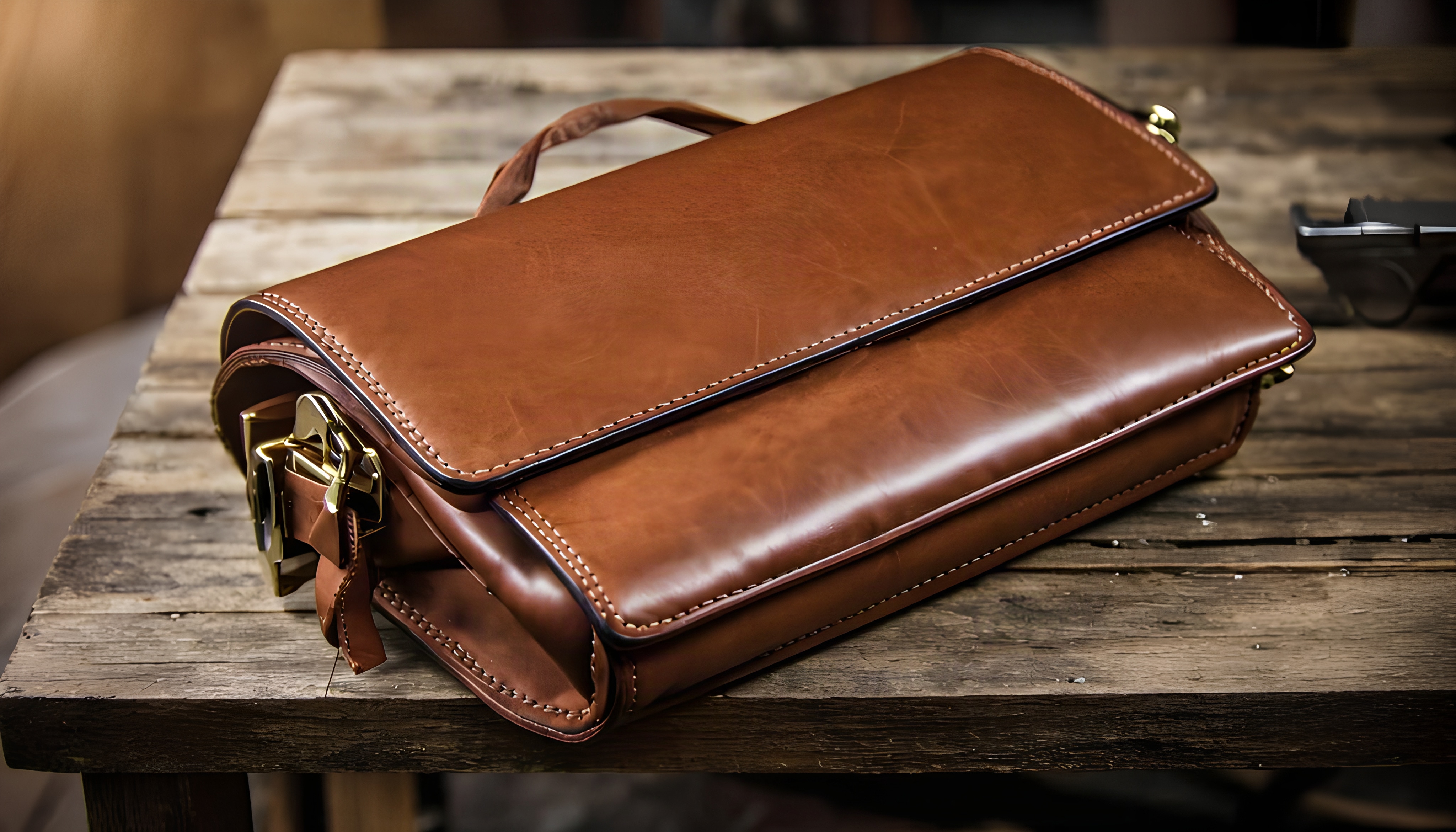
Some Leather Bag Options You May Like
1. HAMMONDS FLYCATCHER Genuine Leather Office Bag
2. SEA MOUNT Vintage Leather Sling Bag
3. Generic Genuine Leather Hand-Made Stylish Designer Small Pouch Bag
4. VISMIINTREND Vegan Leather Laptop Bags
5. The Hide Company Women's Genuine Leather Shopper Handbag
6. WildHorn Genuine Leather Sling Bag for Men
7. DORPER MONEY HILL Durable Pure Leather Satchel Bag
8. Contacts Men's and Women's Genuine Leather Messenger/Crossbody/Sling Bag
Knowing how to spot genuine leather can help you make a smarter purchase and invest in a bag that offers better durability, character, and long-term value. While faux leather has improved significantly in appearance, factors like texture, smell, grain patterns, edges, and water absorption can still reveal important differences. By taking a closer look before buying, you can avoid misleading labels and choose a bag that suits your budget, style, and expectations. A little attention to these details goes a long way in ensuring you get exactly what you're paying for.
Frequently Asked Questions (FAQs)
1. Can you tell real leather from faux leather just by looking at it?
Sometimes yes – the grain pattern, the colour depth and the edge finish can give it away. But touch and smell are more likely the better bet for an answer you can trust.
2. Does genuine leather always last longer than faux leather?
Yes, usually. Good quality genuine leather bags can last decades with simple care. Specifically, the lower-grade PU leather tends to crack or peel after a few years of regular use.
3. Are 'vegan leather' bags the same as faux leather?
Yes – ‘vegan leather' is a marketing term for leather-free materials, usually PU leather or microfibre-based synthetics. It is a different name for fake leather.
4. Is bonded leather the same as genuine leather?
Not really. Bonded leather is scraps and fibres of real leather bonded together with a synthetic adhesive and then coated to look like full leather. It is more like faux leather in durability and will tend to peel or flake over time.
5. What's the best way to care for a genuine leather bag?
Avoid prolonged exposure to moisture and direct sunlight. Apply a leather conditioner every couple of months to keep it supple, and store it in a dust bag when not in use. Don't overfill it, as this can stretch the stitching and shape over time.
(Disclaimer: This article may include references to or features of products and services made available through affiliate marketing campaigns. NDTV Convergence Limited (“NDTV”) strives to maintain editorial independence while participating in such campaigns. NDTV does not assume responsibility for the performance or claims of any featured products or services.)