How To Wear A Pre-Draped Saree For The First Time
Know how to wear a pre-draped saree for the first time. Just follow easy steps to adjust the fit, secure the pallu and style it confidently for any occasion.

How To Wear A Pre-Draped Saree For The First Time
If it's your first time trying a saree, then a pre-draped saree can make wearing the traditional garment much easier. Unlike a regular saree that needs to be wrapped, folded, and tucked several times, a pre-draped saree generally has stitched pleats, a ready-made waistband, and a pallu that is easier to set. It is a perfect choice for Diwali celebrations, weddings, festive parties and family functions. But you also have to get the fit, length, and pallu placement right for a clean look. Depending on the design, it can be worn with hooks, zips, an elasticated waist or adjustable drawstrings. With a bit of prep and a few simple tweaks, pre-draped sarees can look elegant without the aid of a professional draping assistant. This is your beginner's guide to wearing and styling it with confidence.

What Makes A Pre-Draped Saree Different? Photo Credit: iStock
What Makes A Pre-Draped Saree Different?
A pre-draped saree has some or all of its pleats ready-made and sewn. Many styles also have a ready-made waistband or skirt-like bottom, making it easier to wear like a wrap skirt than a conventional unstitched saree. Then the pallu is thrown over the shoulder and tied as per the design.
Also Read: 10 Elegant Blouse Trends Women Are Falling In Love With This Season
What Should Be Prepared Before Wearing One?
1: Choose Accessories That Complement The Draping
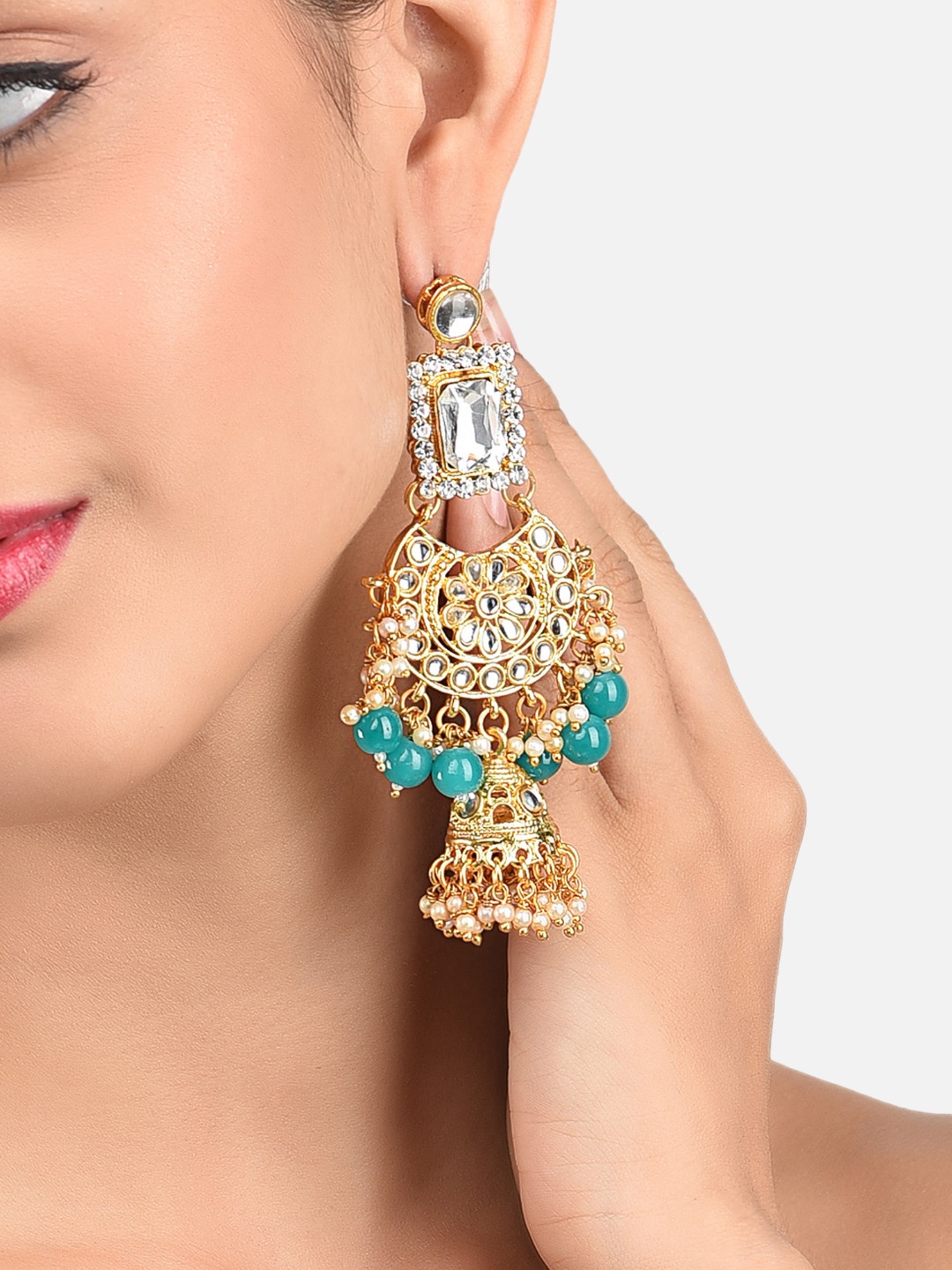
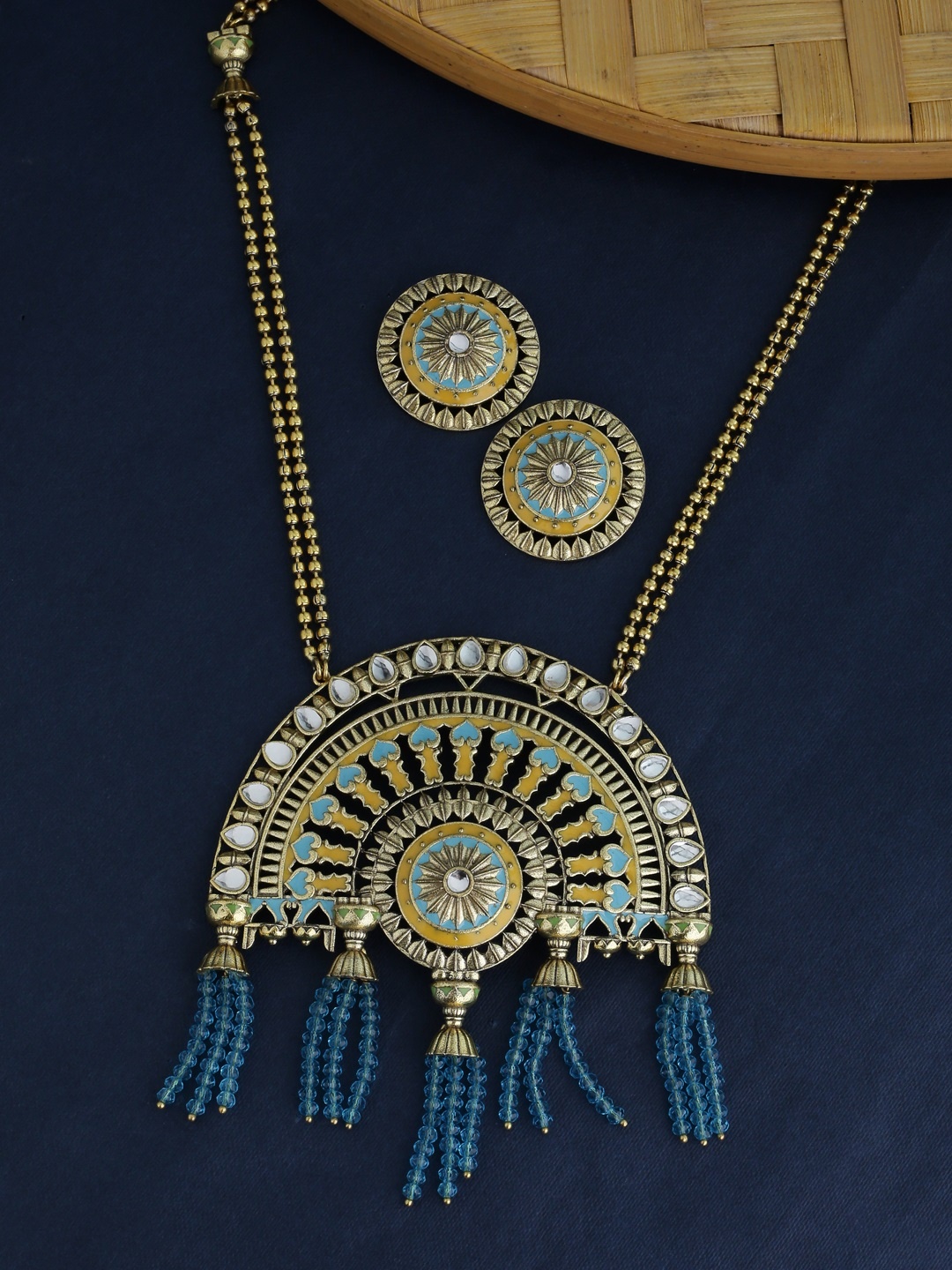
Complete the look with a delicate necklace and bangles or a traditional waist belt, then add a pair of statement earrings. If the saree has heavy embroidery, sequins or a detailed border, opt for simple accessories. A belt can help define the waist, but it should not be so tight that it distorts the stitched pleats.
The blouse and the undergarments should be chosen as per the neckline and fabric of the saree. If the saree is lined or has a skirt attached, you probably don't need a petticoat. Some designs do require one, though, so be sure to check the details of the garment.
2: Practise Moving Before The Occasion
Wear the saree and walk around the house, sit and get up. Make sure the waistband stays in place, and the pallu does not slip off. If the garment is uncomfortable, fix the fastener or try another size instead of using pins to make up for a bad fit.
Have small safety pins, a full-length mirror and the footwear planned for the occasion nearby. It is advisable to try on the intended footwear before adjusting the hem to ensure that the saree is neither too long nor too short. Also, make sure the blouse is comfortable and the waistband is not too tight.
How To Wear A Pre-Draped Saree Step By Step
Step 1: The Right Innerwear And The Blouse
First, put on the blouse and any liner it needs. If your pre-draped saree has an integrated skirt, then assess whether you need extra shapewear. Iron the underlayer to remove creases so they don't show through the saree.
Step 2: Step Into The Saree And Arrange The Pleats
Lift up the waistband and step cautiously into the garment, stitching pleats to the front. Wrap them around the midriff, as they were intended to do. Don't pull the pleats too tight, or they will lose their shape.
Step 3: Fasten The Waistline, Zip, Or Hooks
The side or back closure, depending on the style, should be tight. But it should not be so tight that it cuts into the skin or restricts movement; if the closure has adjustable hooks or a drawstring, choose the one that feels tightest and most comfortable.
Step 4: Fold And Pin The Pallu
Fold the pallu over the shoulder as per the design. Usually, the left shoulder is for a traditional Nivi style; just spread the fabric out flat and lengthen it, and if required, you can discreetly pin it to the blouse with a safety pin so that you do not damage any fine embroidery or zari.
What First-Time Styling Mistakes Should Be Avoided?
1: Skipping The Length And Fit Check
A saree that is too long and drags on the floor can hamper movement, while a saree with a high hem can affect the overall appearance. Try the whole outfit on, with the shoes you intend to wear, and check the front, sides, and back in a full-length mirror. Make adjustments before you leave home.
2: Too Many Pins Or Pulling The Pallu Too Tightly
Too many pins can tear the delicate fabric, and a too-tight pallu can pull the blouse or restrict the movement of the shoulders. Use only the pins needed to hold the drape in place. Before the event, walk around, sit down and gently raise the arms to test the outfit.

Products To Consider From; Photo Credit: iStock
Products To Consider From
1. RATAN Women's Cotton 1-Minute Pre-Draped Saree
2. TEEJH Women's Ravanya Pastel Pink Pre-Draped Saree
3. Sangria Women's Black Grey Floral Pre-Draped Saree
4. QISSA Pleated-Block Imprint Pre-Draped Ready-to-Wear Saree
5. Libas Ombre Orange and Red Printed Pre-Draped Georgette Saree
6. Moda Rapido Floral Printed Pre-Draped Pure Georgette Saree
7. Owlsky Embellished Ready-to-Wear Pre-Draped Saree
8. Swatantra Pre-Draped Minute Rainbow Wine Beads Satin Saree
Wearing a pre-draped saree for the first time is effortless — just slip into the skirt, secure the waist, drape the pallu, and pin neatly. No pleats, no hassle. Choose lightweight fabric, the right length, and comfy heels. Perfect for beginners, it gives flawless festive elegance in under two minutes. Shop now on Myntra
Frequently Asked Questions
1. Is a pre-draped saree a better choice for beginners?
Yes. It is more comfortable to wear than a normal saree, as it is ready with pleats stitched and a ready-made waistband. It takes a little tweaking the first time, especially around the waist and shoulders.
2. Does a pre-draped saree come with a petticoat?
Not all the time. Some designs have a built-in skirt or lining, and others require a separate petticoat or shapewear. Please read the product description before purchasing.
3. How much time does it take to drape a saree?
Once the wearer knows the closures and pallu placement, many designs can be put on within a few minutes. It may take a while for the first attempt because we will have to check the fit and length.
4. Can I wear a pre-draped saree without safety pins?
Some styles have secure stitched pleats and closures, but a discreet pin at the shoulder can help to keep the pallu in place. Follow the garment's instructions and don't pin through delicate embellishments.
5. What is the best fabric for the first pre-draped saree?
Georgette and pancake are particularly useful to consider, as they are likely to fall nicely. Lightweight fabrics are easier to work with. But stiff or ornate fabrics may need to be handled with more care.
(Disclaimer: This article may include references to or features of products and services made available through affiliate marketing campaigns. NDTV Convergence Limited (“NDTV”) strives to maintain editorial independence while participating in such campaigns. NDTV does not assume responsibility for the performance or claims of any featured products or services.)