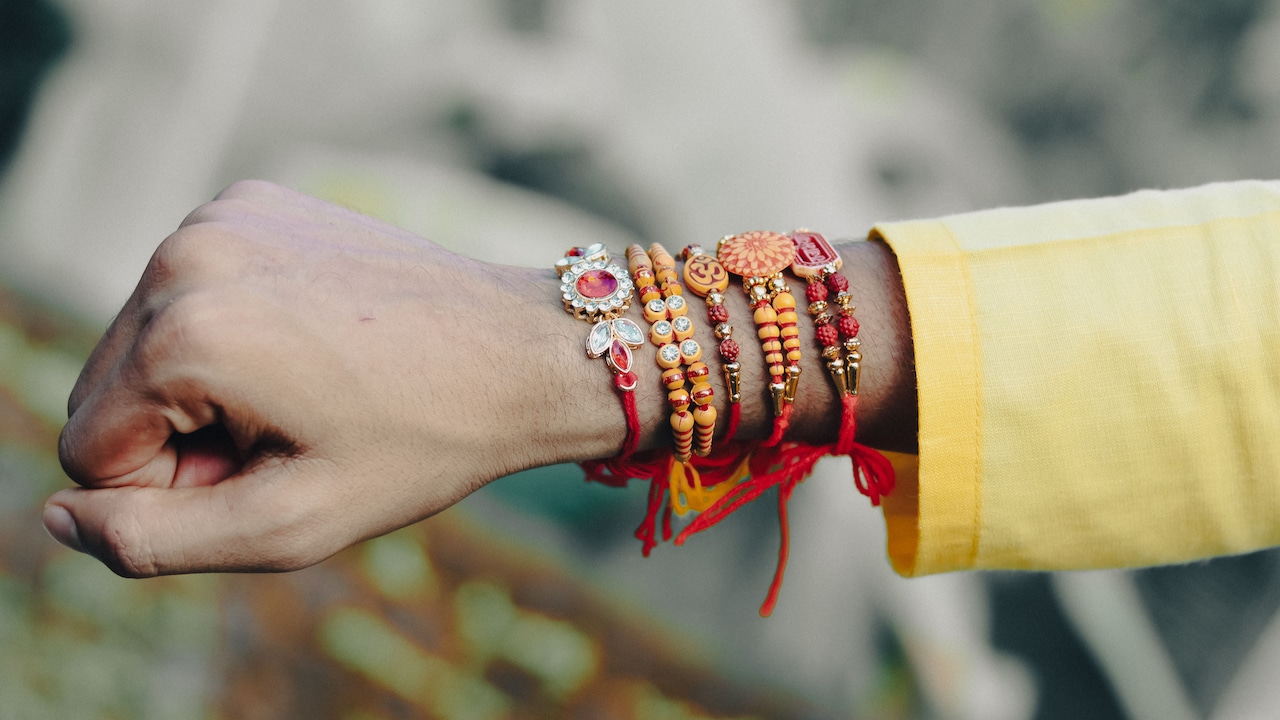
How To Wear Sarees In Winter Without Having To Adjust: Dos And Don'ts
Struggling to stay warm in a saree during winter? These practical dos and donts cover fabrics, layering, blouses and styling tips to keep sarees comfortable, elegant and fuss-free in colder weather. Slay the saree look in winter with these simple fashion tips and stay warm too.
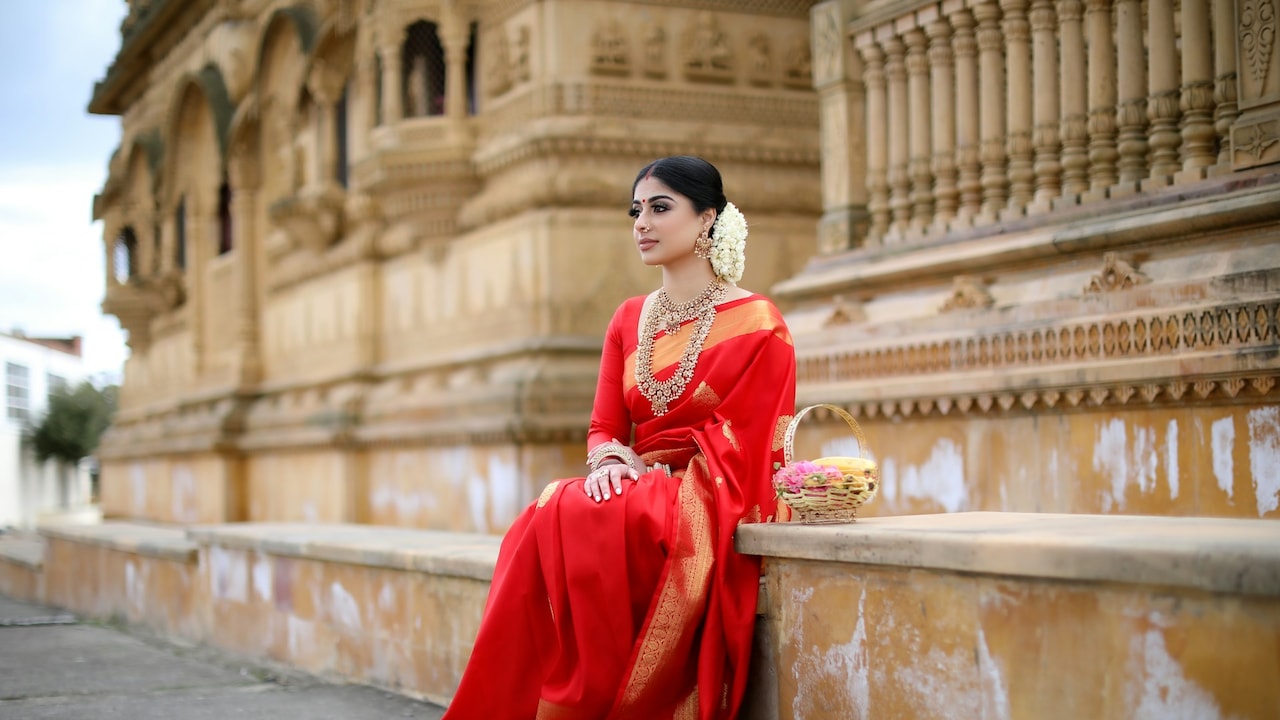
How To Wear Sarees In Winter: Practical Dos And Donts For Staying Warm And Stylish.
Winter brings its own charm, misty mornings, hot chai breaks, and festive evenings wrapped in woollens. But it also brings a familiar dilemma for saree lovers. How does one stay warm without constantly adjusting pleats, pulling pallus, or shivering through celebrations? The answer lies in smart styling rather than adding bulky layers that spoil the silhouette. Sarees have always adapted to seasons, regions, and lifestyles. Winter simply asks for a more thoughtful approach. Fabric, fit, inner layers, and footwear play a bigger role than most realise. A saree worn well in winter should feel effortless, secure, and just as graceful as one worn in summer.
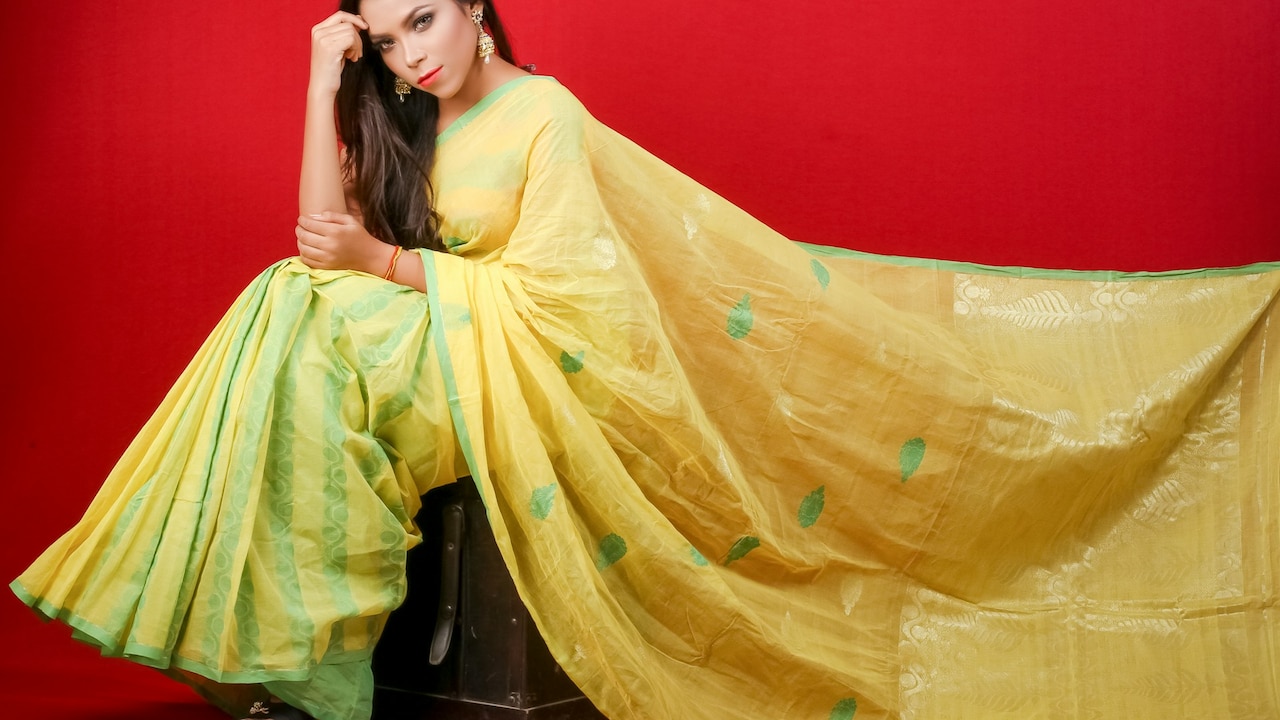
10 easy tips to style sarees in winter and still feel warm; Photo Credit: Unsplash
The following dos and don'ts focus on everyday practicality, festive readiness, and long hours of wear. So, check out for yourself how to wear sarees in winter without having to adjust all the time.
Styling Sarees In Winter Without the Constant Tug And Tweak
1. Do Choose Winter-Friendly Fabrics, Don't Force Light Materials
Fabric selection sets the tone for winter saree comfort. Heavier weaves such as wool blends, silk-cotton, khadi silk, velvet-bordered sarees, and thicker handloom cottons provide natural insulation. These materials sit closer to the body and resist chilly winds better than airy chiffons or georgettes. They also hold pleats firmly, reducing the need for constant adjustments.
Light fabrics may look stunning, but struggle in cold weather. They cling awkwardly when layered and flutter endlessly outdoors. Save them for indoor events or warmer afternoons. Winter-friendly fabrics drape with structure and stay in place, which means fewer distractions and more confidence.
Texture matters too. Slightly rougher weaves grip the blouse and petticoat better than slippery surfaces. This small detail prevents the saree from shifting during long hours. Comfort begins with the right fabric, and winter rewards those who plan ahead rather than dress impulsively.
2. Do Invest in Warm Blouses, Don't Rely on Thin Basics
The blouse often decides whether winter saree dressing feels pleasant or punishing. Long-sleeved blouses, high-neck designs, and thicker fabrics such as raw silk, velvet, or knit blends add warmth without bulk. A well-fitted blouse keeps the torso insulated and supports the saree drape better.
Thin cotton or sleeveless blouses invite cold air and demand constant shawls. Instead of layering endlessly, a warm blouse simplifies everything. Neutral shades like black, maroon, navy, and beige pair easily with multiple sarees and reduce the need for extra styling.
Tailoring plays a key role. A snug fit prevents cold drafts and avoids awkward bunching under the saree. Winter-friendly blouses feel like a secret layer of comfort that stays invisible yet effective. Once tried, returning to flimsy basics feels unnecessary and uncomfortable.
3. Do Layer Smartly, Don't Add Bulky Jackets
Layering works best when it stays discreet. Thermal camisoles, fitted woollen vests, or soft inner pullovers worn under the blouse add warmth without altering the saree's shape. These layers trap heat while remaining invisible from the outside.
Bulky jackets, hoodies, or oversized cardigans disrupt the saree's flow and make movement awkward. They also require frequent removal and adjustment indoors. Instead, opt for tailored shrugs, fitted woollen capes, or elegant shawls that complement the saree.
The trick lies in balance. Each layer should serve a purpose without demanding attention. Smart layering allows sarees to look polished while keeping the body comfortable through fluctuating temperatures. Winter dressing succeeds when warmth feels effortless rather than obvious.
4. Do Secure Pleats Properly, Don't Leave Them Loose
Loose pleats create trouble in winter. Cold winds, long walks, and heavier fabrics demand stronger support. Crisp pleats stitched in place or secured with safety pins ensure the saree stays put throughout the day.
Pre-stitched pleats work particularly well for office wear and long events. They reduce stress and prevent last-minute fixes in public spaces. A neatly secured pallu pinned at the shoulder also avoids constant slipping.
Ignoring pleat security invites distraction. Adjusting sarees repeatedly breaks confidence and comfort. Winter emphasises stability, and well-set pleats offer exactly that. A few extra minutes spent securing the drape saves hours of discomfort later.
5. Do Pick the Right Petticoat, Don't Compromise on Fit
The petticoat often gets overlooked, yet it anchors the entire saree. Winter calls for thicker cotton, flannel-lined, or slightly heavier petticoats that provide warmth and structure. A well-fitted petticoat supports pleats and prevents fabric from sagging.
Loose or flimsy petticoats cause the saree to shift, especially with heavier fabrics. This leads to frequent adjustments and discomfort. Elasticated waistbands with drawstrings offer flexibility while maintaining support.
Colour choice matters too. Darker shades work better under winter fabrics, avoiding transparency issues. A reliable petticoat acts as the backbone of winter saree styling, quietly doing its job while everything else falls into place.
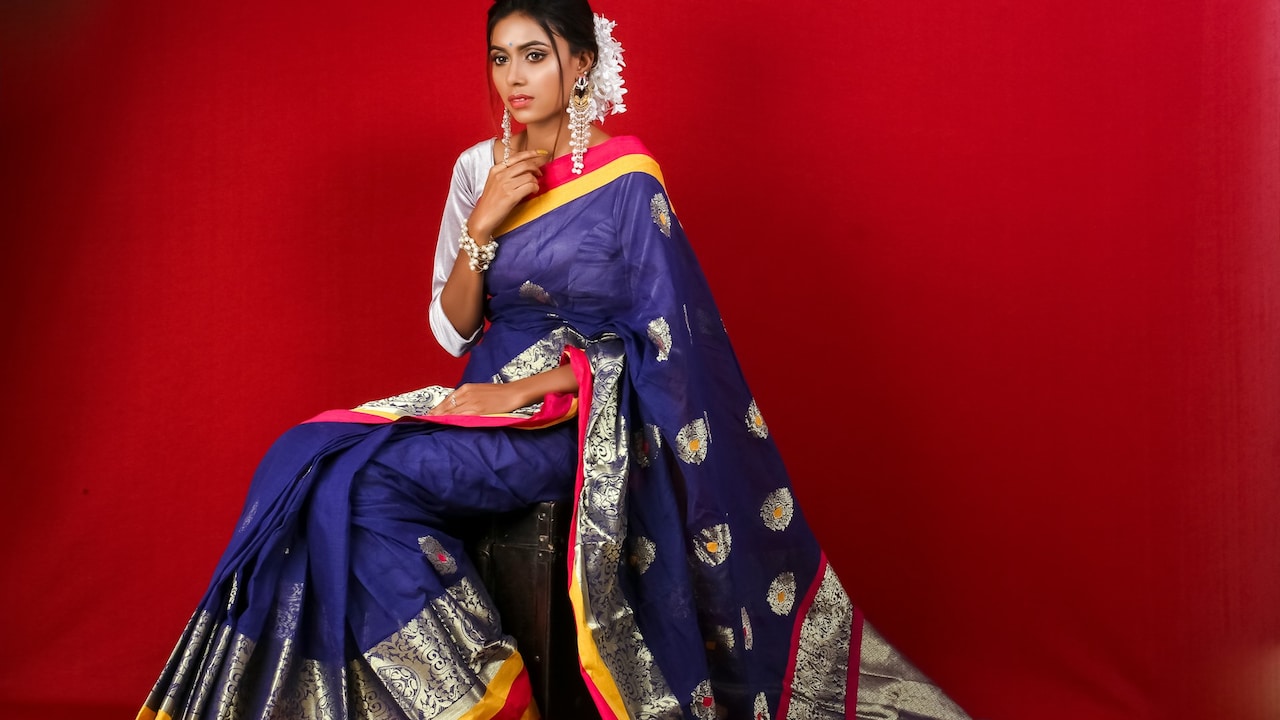
Opt for petticoats with elasticated waistbands or drawstrings for a secure fit; Photo Credit: Unsplash
6. Do Choose Closed Footwear, Don't Ignore Ground Comfort
Cold floors and outdoor pavements can make open sandals uncomfortable during winter. Closed footwear such as mojaris, ankle-length boots, or padded juttis keeps feet warm and provides better support for long hours.
Heels may look elegant, but often feel impractical in winter conditions. Slightly raised flats or block heels offer stability without sacrificing style. Ensure the saree length accommodates footwear comfortably to avoid tripping.
Foot comfort influences posture and movement. When feet stay warm and secure, the entire outfit feels easier to manage. Winter saree dressing works best when practicality guides footwear choices rather than fashion alone.
7. Do Accessorise Thoughtfully, Don't Overdo Layers
Accessories add warmth when chosen wisely. Woollen stoles, silk shawls, or embroidered wraps elevate the saree while serving a functional purpose. Draped neatly over the shoulders, they enhance the look without overwhelming it.
Avoid excessive layering with multiple scarves or oversized wraps. Too many elements create clutter and restrict movement. Instead, select one statement piece that complements the saree's colour and texture.
Jewellery also needs adjustment. Heavy metal pieces feel cold against the skin in winter. Opt for fabric-based accessories, pearls, or oxidised pieces that sit comfortably. Thoughtful accessorising balances warmth, comfort, and elegance.
8. Do Plan Hairstyles for Warmth, Don't Leave Hair Exposed
Hairstyles contribute more to winter comfort than expected. Buns, braids, or low ponytails keep the neck covered and pair well with shawls or high-neck blouses. They also prevent hair from tangling with woollens.
Leaving hair loose may look glamorous, but it exposes the neck to cold air. It also clashes with layered outfits and causes static issues. Winter-friendly hairstyles feel polished and practical at the same time.
Hair accessories such as fabric scrunchies, decorative pins, or soft clips add charm without discomfort. A considered hairstyle completes the winter saree look while offering subtle protection from the cold.
9. Do Consider Occasion and Duration, Don't Dress Impulsively
Winter saree dressing depends heavily on where and how long the saree will be worn. Outdoor weddings, long office hours, or travel-heavy days require sturdier fabrics and stronger layering. Short indoor events allow lighter choices.
Impulsive dressing often leads to regret. A saree that looks beautiful indoors may feel unbearable outdoors. Planning ensures comfort without sacrificing style.
Think about seating, movement, and exposure to cold. Matching the saree to the occasion prevents unnecessary adjustments. Winter rewards foresight, and thoughtful planning always reflects in confident dressing.
10. Do Carry Emergency Essentials, Don't Assume Perfection
Even the best planning benefits from backup. A small pouch with safety pins, a compact shawl, and lip balm can save the day. Winter air dries skin, and fabrics behave differently in cold weather.
Assuming everything will stay perfect invites stress. Preparedness brings peace of mind. A discreet layer stored in a handbag offers warmth when temperatures drop unexpectedly.
Emergency essentials empower wearers to enjoy the moment rather than worry about wardrobe issues. Winter saree dressing becomes enjoyable when small precautions support big style choices.
Products Related To This Article
1. Spensen Enterprise Woven Kanjivaram Jacquard Saree
2. Fabwomen Printed Daily Wear Georgette Saree
3. Fab Silk Woven Paithani Cotton Silk Saree
4. KanjiQueen Woven Kanjivaram Silk Blend, Pure Silk Saree
5. The Stylique Fashion Woven, Floral Print, Self Design Banarasi Silk Blend Saree
6. sadika Printed Daily Wear Silk Blend Saree
7. hitesh pahuja Woven Banarasi Cotton Silk Saree
Wearing sarees in winter does not demand sacrifice or constant adjustment. It simply asks for mindful choices that respect both comfort and style. From fabric and fit to layering and planning, every detail contributes to a seamless experience.
Winter adds depth to saree styling. Rich textures, elegant layers, and thoughtful accessories create looks that feel cosy yet refined. With the right approach, sarees transform into dependable winter wear rather than occasional indulgences.
Confidence grows when comfort follows naturally. Sarees, after all, thrive on grace and ease. Winter becomes just another season where timeless drapes continue to shine, beautifully and effortlessly.
(Disclaimer: This article may include references to or features of products and services made available through affiliate marketing campaigns. NDTV Convergence Limited (“NDTV”) strives to maintain editorial independence while participating in such campaigns. NDTV does not assume responsibility for the performance or claims of any featured products or services.)