How To Wear Tiered Dresses Without Adding Unwanted Volume: 10 Checks For Seam Placement, Fabric And Length
Learn how to choose tiered dresses that flatter without adding bulk. These 10 checks cover seam placement, fabric, gathers and hem length for a balanced, effortless silhouette.
How To Wear Tiered Dresses Without Adding Volume: 10 Styling Checks
A tiered dress can look wonderfully carefree. It swishes while walking, feels comfortable after a generous Sunday lunch and works for everything from a humid afternoon to a festive family gathering. Yet it can also create a frustrating dressing-room moment. The dress looks graceful on the hanger, but once worn, the seams puff out, the summer skirt widens too quickly, and the overall shape starts resembling a decorative lampshade. The problem rarely lies with tiers themselves. It usually comes down to their placement, proportion and construction. A tier that begins at the widest part of the body can draw attention there. Stiff cotton may hold each gathered section away from the frame, while fluid rayon falls closer to it. Even a difference of a few centimetres in hem length can change the entire effect. Choosing well does not mean avoiding volume altogether. Tiered dresses need movement; otherwise, they lose their charm. The aim is controlled fullness rather than fabric that overwhelms the wearer. Before buying, check these ten details to find a dress that feels breezy, balanced, and flattering.
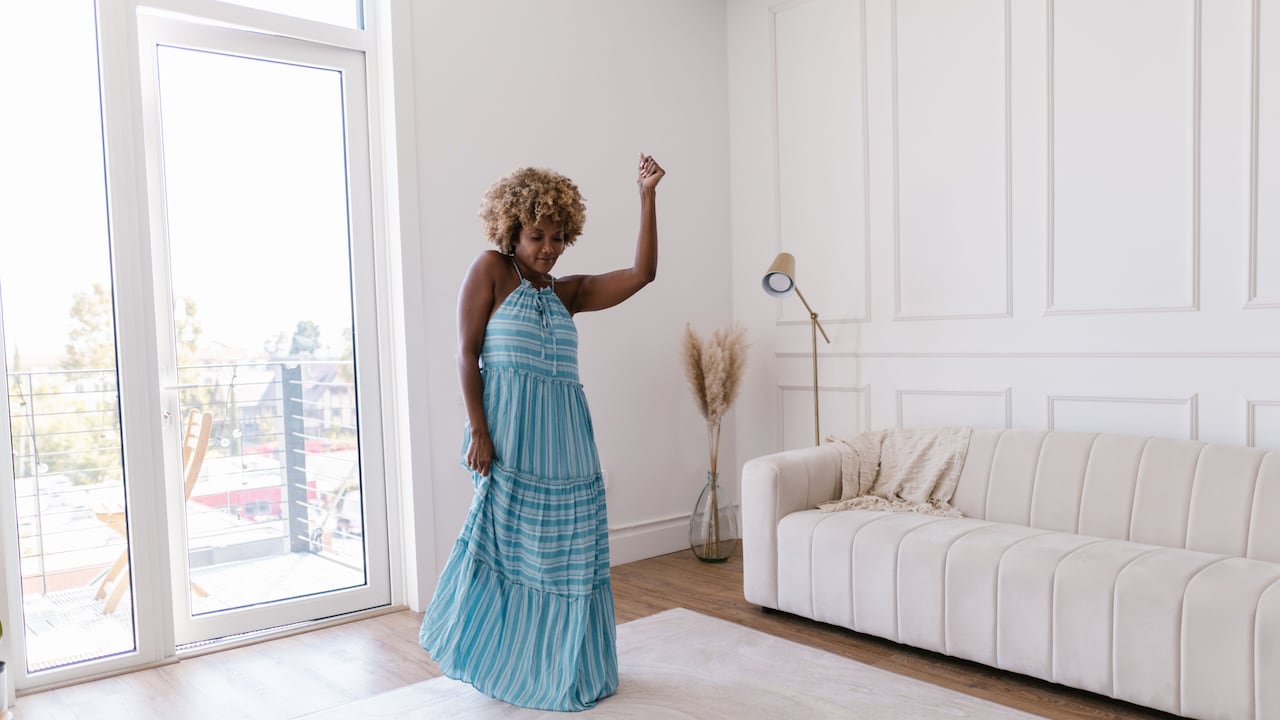
How To Wear Tiered Dresses Without Adding Volume: 10 Styling Checks; Photo Credit: Pexels
10 Details To Check Before Choosing A Tiered Dress
1. Check Where The First Tier Begins
The first seam matters more than any decorative print or fashionable sleeve. It decides where the dress starts expanding, so its position can either lengthen the frame or create sudden width.
A seam placed directly across the fullest part of the hips often adds visual bulk. The gathers begin at the same point where the body already has natural volume, making the skirt project outwards. Look instead for a first tier that starts a little below the hips. This allows the upper section to fall smoothly before the fabric begins to flare.
For pear-shaped figures, a lower first tier can feel especially flattering. Those who carry more fullness around the middle may prefer a seam beginning below the natural waist but above mid-thigh, provided the fabric hangs softly.
Always view the dress from the side as well as the front. A seam may look harmless in the mirror yet stick out noticeably in profile. Walk around the trial room, sit down, and turn once or twice. If the first tier behaves like an eager balcony ledge, the placement probably needs reconsideration.
Also Read: Flowy Tiered Dresses Under ₹1000 Perfect For Beach Days, Brunches, And Getaways
2. Examine How Much Fabric Sits Above Each Seam
Tiered dresses gain their shape through gathered fabric, but not all gathers are equal. Some dresses use gentle fullness, while others pack large amounts of material into every seam. The second type may look dramatic in photographs, but it can feel bulky during everyday wear.
Pinch the fabric just above a tier seam. If a thick bundle sits between the fingers, the dress contains heavy gathering. That fullness will create stronger volume, particularly when the fabric has structure. Fine, evenly spaced gathers tend to fall more smoothly and produce a softer silhouette.
The ratio between tiers also matters. A lower tier can be wider because it needs space for movement. However, each section should expand gradually. A narrow upper panel followed by a dramatically oversized second tier creates an abrupt, tent-like shape.
Try holding the dress away from the body before wearing it. If the skirt appears enormous even when still, it will not suddenly become restrained once worn. Controlled gathering gives a tiered dress its playful bounce without making every doorway feel like an obstacle course.
3. Choose Fluid Fabrics Over Stiff Ones
Fabric determines whether tiers float downwards or stand away from the body. Lightweight rayon, viscose, modal and soft crepe usually create a fluid fall. These materials move with the wearer and allow gathers to settle rather than remain permanently puffed.
Stiff poplin, crisp organza and heavily starched cotton can add noticeable width. They are not automatically unflattering, but they require careful seam placement and less gathering. A structured tiered dress may work beautifully for a festive event, though it can feel exaggerated for a casual coffee run or a crowded metro journey.
When shopping online, phrases such as “flowy drape”, “soft hand feel” or “lightweight weave” can offer useful clues. Customer photographs often reveal more than polished campaign images. Look for whether the skirt hangs close to the legs or forms a wide triangle.
In a shop, scrunch a small section of the skirt in one hand and release it. Soft fabric usually drops back quickly. Very rigid material holds its shape or creates sharp folds. For a slimmer visual line, choose fabric that understands gravity and cooperates with it.
4. Watch The Direction Of The Print
Print placement can either calm the volume of tiers or make every seam appear wider. Horizontal stripes, broad borders and large motifs positioned directly across tier lines emphasise the width of each section. The eye travels from side to side, making the skirt seem more expansive.
Vertical patterns create a different effect. Fine stripes, elongated florals and scattered motifs encourage the gaze to move downwards. This can lengthen the silhouette and soften the breaks created by horizontal seams. Small, evenly distributed prints also work well because they do not highlight one particular area.
Be cautious with dresses that place a contrasting border on every tier. The design may look cheerful, especially in bright summer colours, but repeated bands can divide the body into several short sections. A single border near the hem usually feels more balanced.
Print scale should suit the dress volume too. Huge flowers on an already generous skirt can become visually overwhelming. Medium or small motifs often keep the look lively without turning the outfit into drawing-room upholstery. The goal is charm, not competition between the wearer and the curtain fabric.
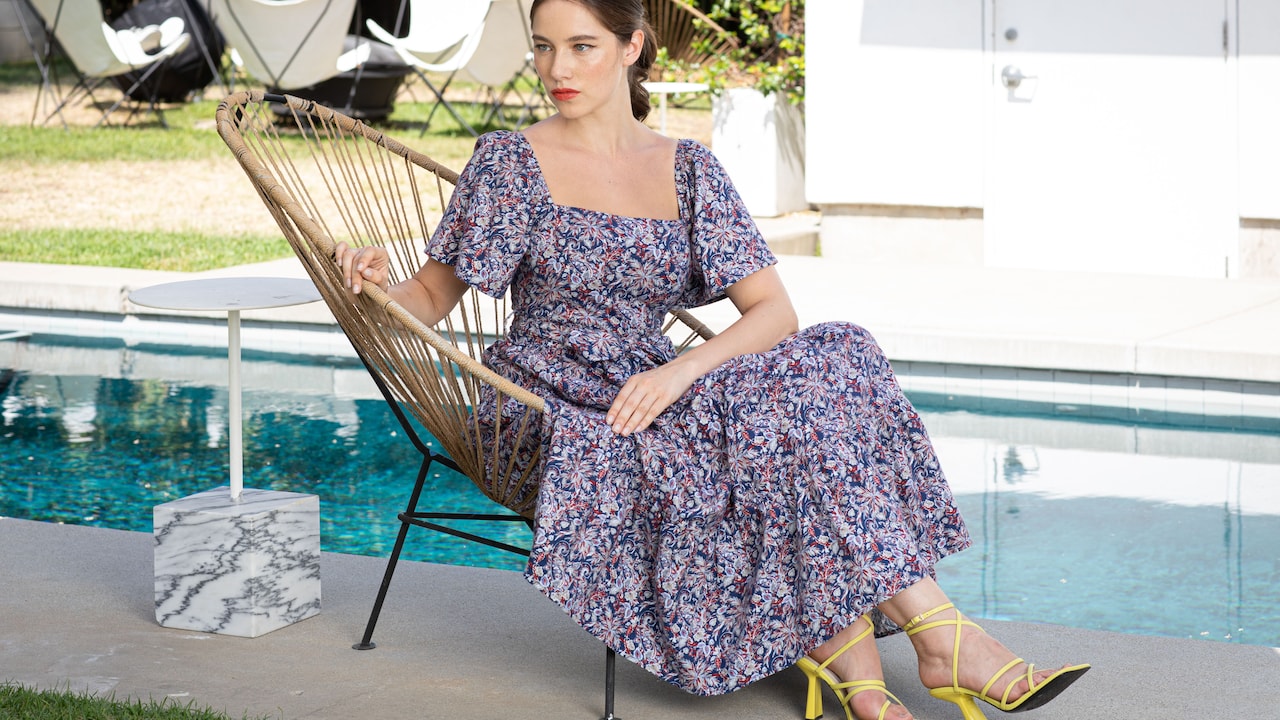
How To Wear Tiered Dresses Without Adding Volume: 10 Styling Checks; Photo Credit: Pexels
5. Check Whether The Bodice Has Enough Structure
A tiered skirt often looks most balanced when the bodice provides some definition. A completely loose dress with dropped shoulders, a wide torso and several gathered tiers can hide the body's natural shape. Comfort remains high, but the silhouette may appear larger overall.
Look for gentle structure around the shoulders, bust or waist. This does not require a tight fit. A clean shoulder seam, neat armholes and lightly shaped bodice can create enough contrast against the fuller skirt. Wrap-style tops, panelled bodices and subtle waist seams often work well.
Empire lines need special attention. A seam placed just below the bust can look elegant, but excessive gathers beginning there may create maternity-style volume. Choose a version where the fabric falls smoothly for several centimetres before widening.
The neckline can also bring balance. V-necks, open collars and modest square necks create vertical space and stop the upper body from looking crowded. Meanwhile, a high frilled neck combined with puff sleeves and multiple tiers may feel like every design idea arrived at once. Let one area provide drama and allow the rest to breathe.
6. Test The Dress With A Belt Carefully
A belt can define the waist, but it does not automatically solve excess volume. In some tiered dresses, adding a belt causes fabric to bunch above and below the waist, creating more bulk rather than less.
The best candidates for belting have a relatively smooth upper section and tiers that begin below the natural waist. A narrow or medium-width belt can then create shape without disturbing the skirt. Place it at the narrowest part of the torso, rather than following a seam that sits awkwardly high or low.
Avoid pulling the belt too tightly. A sharply cinched waist against a very full skirt can exaggerate the difference and make the lower half appear wider. Gentle definition usually looks more polished.
Fabric belts supplied with dresses sometimes twist, collapse or disappear into the gathers. A structured leather-look belt may provide a cleaner line, while a slim metallic belt can suit festive styling. Before buying an extra accessory for ₹1,200, test the dress with something similar already in the wardrobe. Sometimes the most flattering belt is no belt at all.
7. Study The Length Of Every Tier
The length of each panel affects how the eye reads the dress. Several short tiers create frequent horizontal breaks, which can make the body look wider and slightly shorter. Longer panels produce fewer interruptions and often form a smoother vertical line.
Look for dresses with two or three well-proportioned tiers rather than five or six narrow ones. A longer upper panel is particularly useful because it lets the fabric skim over the waist and hips before the first strong flare begins.
Uneven tier lengths can also improve balance. A shorter middle panel followed by a longer final tier creates movement without chopping the silhouette into equal blocks. By contrast, identical stacked sections may resemble layers on a celebration cake, charming in theory but not always subtle in practice.
Petite wearers should pay close attention to crowded tiering. Too many seams can overwhelm a smaller frame. Taller wearers may carry multiple tiers more easily, though proportion still matters.
Take a full-length mirror photograph from a normal distance. Trial-room mirrors can distort perspective. A simple phone picture often reveals whether the panels lengthen the frame or divide it into too many pieces.
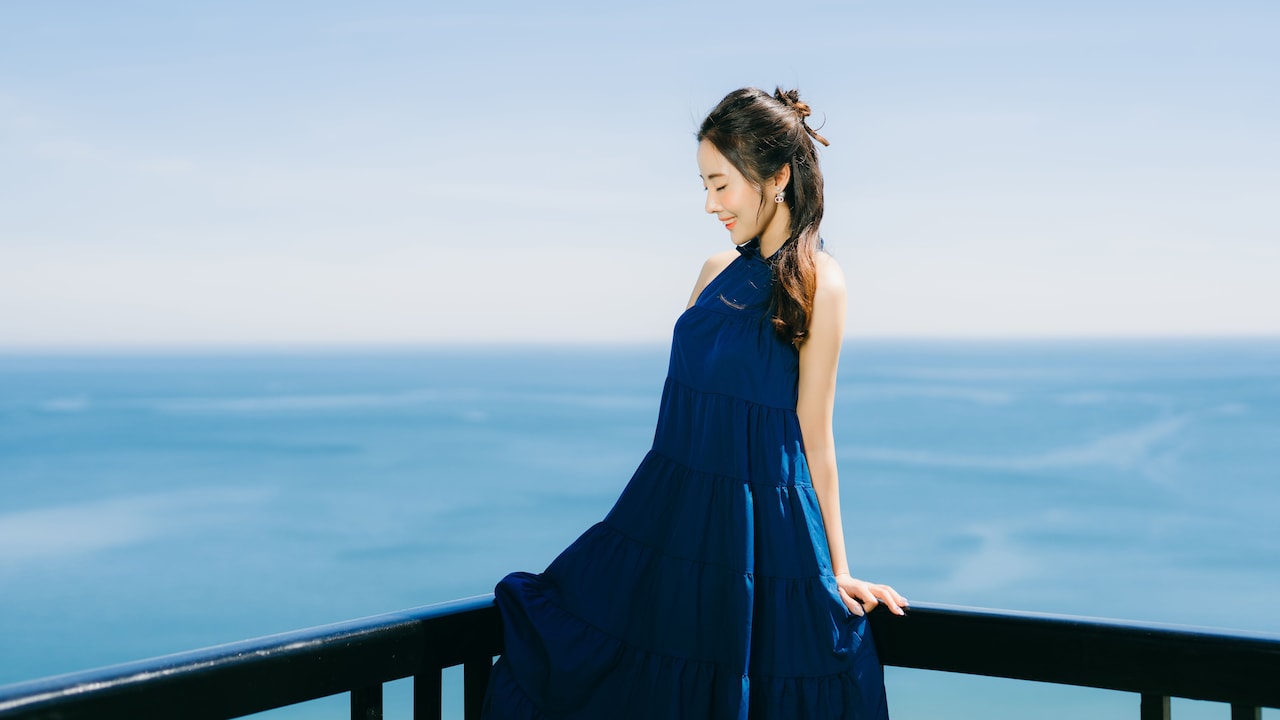
How To Wear Tiered Dresses Without Adding Volume: 10 Styling Checks; Photo Credit: Pexels
8. Choose The Hemline According To Your Height
A tiered dress can change dramatically depending on where the hem ends. A midi length that finishes at the widest part of the calf may shorten the legs, especially when the skirt carries plenty of volume. A hem slightly above or below that point often looks more graceful.
For petite frames, knee-length styles or midis ending just above the ankle can create a clearer vertical line. A small glimpse of the ankle prevents the fabric from swallowing the body. Floor-length styles may also work when the waist sits correctly and the skirt does not drag.
Those with taller frames can experiment with generous midis and maxi dresses, but the hem should still feel intentional. Fabric pooling around flat sandals can make even an elegant dress look untidy.
Footwear changes the result too. Pointed flats, low wedges and sandals with a clean upper line can lengthen the legs. Heavy ankle straps may cut the line at another horizontal point.
Before visiting the tailor for a ₹300 alteration, test the dress with the shoes most likely to accompany it. The ideal hem length depends on the full outfit, not the dress alone.
9. Inspect The Side Seams And Hidden Pockets
Pockets are wonderful until they add two mysterious bumps to the hips. In tiered dresses, side-seam pockets can sit awkwardly if the opening falls near a gathered seam or if the pocket bag uses thick fabric.
Slip both hands into the pockets and then remove them. Check whether the sides return to a smooth line. If the openings gape or remain pushed out, they may add unwanted width even when empty. A phone, keys and a wallet will only make the effect stronger.
The side seams should hang straight from the underarm or waist towards the hem. If they twist towards the front, the dress may not have enough room across the hips. If they swing backwards, the cut could be too generous at the front. Either issue can distort the tiers.
Also inspect where the side seams meet each horizontal panel. Poor alignment can create small peaks at the joins, making the skirt stick out.
Well-made pockets deserve appreciation, but they should not announce themselves before the rest of the outfit. A useful pocket quietly holds a lipstick. It should not create the silhouette of two packed samosas.
10. Move, Sit And Walk Before Deciding
A tiered dress must work in motion. Standing still in front of a mirror shows only part of the story. The fabric may appear sleek until walking causes each panel to bounce outwards. Sitting may pull the first tier upwards or create a large bundle across the lap.
Take several steps, turn, bend slightly and sit on a chair. Notice whether the dress settles naturally or needs constant adjustment. Raise the arms to check whether the whole garment lifts. In some loose styles, high armholes pull the skirt upwards and make the tiers spread.
Pay attention to static cling as well. Very light synthetic fabrics may stick to the legs in dry weather, then puff out suddenly with movement. A breathable lining or anti-static slip can help, though a heavy lining may add its own bulk.
Comfort should remain part of the decision. A flattering dress that restricts movement will spend more time in the wardrobe than at weddings, brunches or office gatherings. The right tiered dress should feel easy, look balanced and move without requiring a personal assistant to manage the skirt.
Products Related To This Article
1. Stylum Women's Black Paisley Printed Pure Cotton Tiered Dress
2. Plus Size Cotton Tiered Dress for Women
3. Women's Cotton Floral Leaf Print Tiered Midi Dress – Square Neck
4. Stylum Women's Abstract Printed Poly Rayon Tiered Dress
5. M.Y. STORE Women's Rayon A-Line Midi Dress
6. Denarius Women's Tiered Midi Dress, V-Neck with Embellished Trim
7. Yash Gallery Women's Rayon Floral Printed Tiered Style Maxi Dress
Tiered dresses do not need to add unwanted volume. The most flattering designs simply place fullness where it can move freely without overwhelming the body. A lower first seam, fluid fabric, gradual gathering and a considered hemline can transform the silhouette.
Before choosing a dress, look beyond colour and print. Study the side view, inspect the pockets, notice how the bodice fits and test the garment while walking and sitting. Small details often matter more than size labels or trend-driven styling advice.
Most importantly, do not treat volume as the enemy. A tiered dress should have movement, personality and a little drama. The goal is not to flatten every fold but to find a design where the fabric follows the body before floating away from it. When the seams, length and material work together, the result feels light rather than bulky, polished rather than fussy and wonderfully easy to wear.
(Disclaimer: This article may include references to or features of products and services made available through affiliate marketing campaigns. NDTV Convergence Limited (“NDTV”) strives to maintain editorial independence while participating in such campaigns. NDTV does not assume responsibility for the performance or claims of any featured products or services.)