How To Choose Jewellery That Doesn't Irritate Skin
Stop jewellery itching, rashes, and redness. Learn how to choose skin-friendly metals, avoid nickel, and wear pieces that look great without irritating your skin.
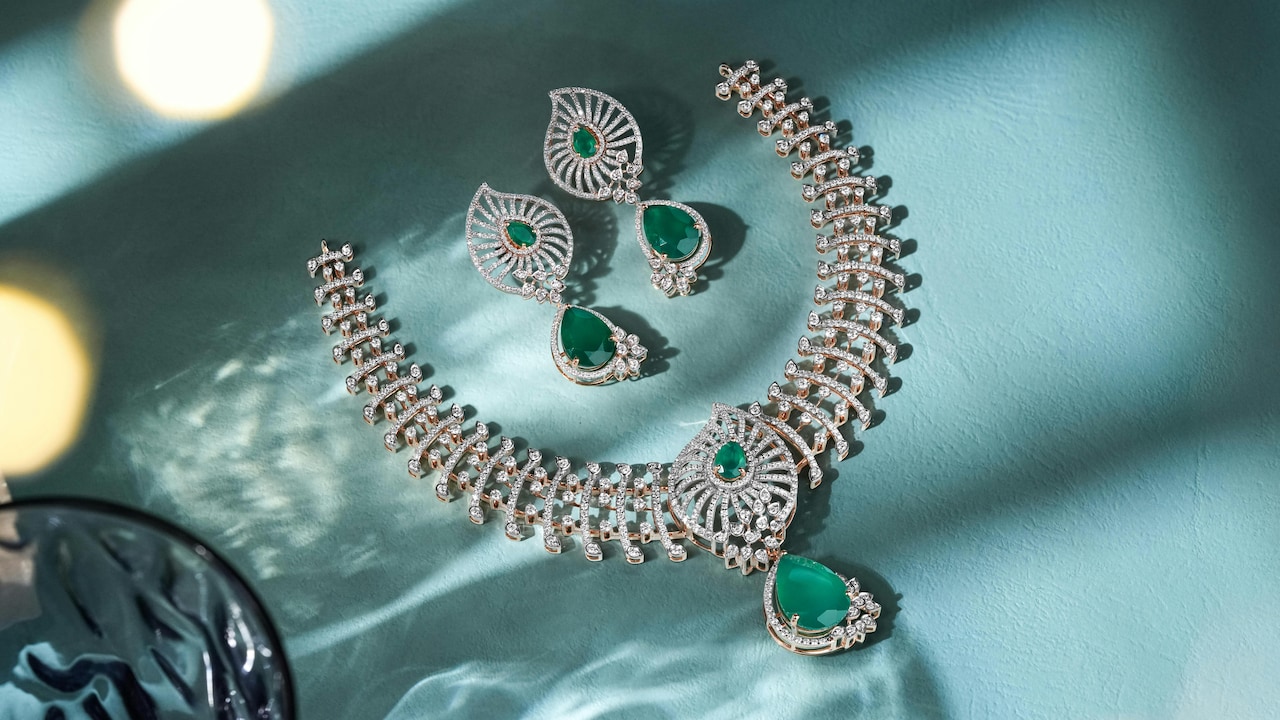
Have Jewellery Allergy? Here's How to Pick Skin-Friendly Earrings, Rings and Chains.
Jewellery has a way of making everything feel more “put together”. A simple chain can make a plain kurta look polished. A pair of studs can rescue a sleepy face on a Monday morning. And bangles… bangles are basically mood enhancers.
But then comes the other side of the story. The tiny itch behind the ear. The ring that leaves a dark mark. The necklace designs that cause a rash exactly where it sits. It's annoying, and it can feel unfair, especially when the piece wasn't cheap or when it was a gift with emotional value.
Skin irritation from jewellery is more common than people admit. Many just quietly stop wearing the piece and let it live in a drawer like a guilty secret. But there's a smarter way. Choosing skin-friendly jewellery isn't about giving up style. It's about knowing what to look for, what to avoid, and how to shop like someone who has been betrayed by a pair of earrings before.
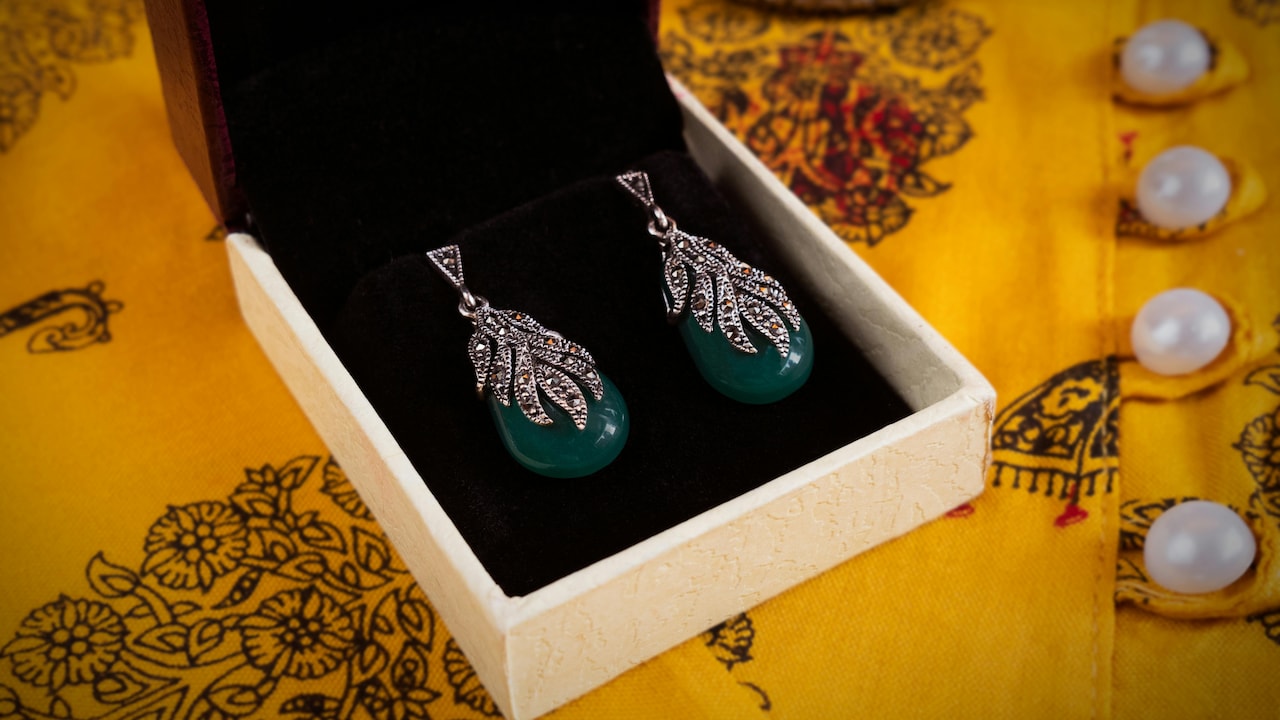
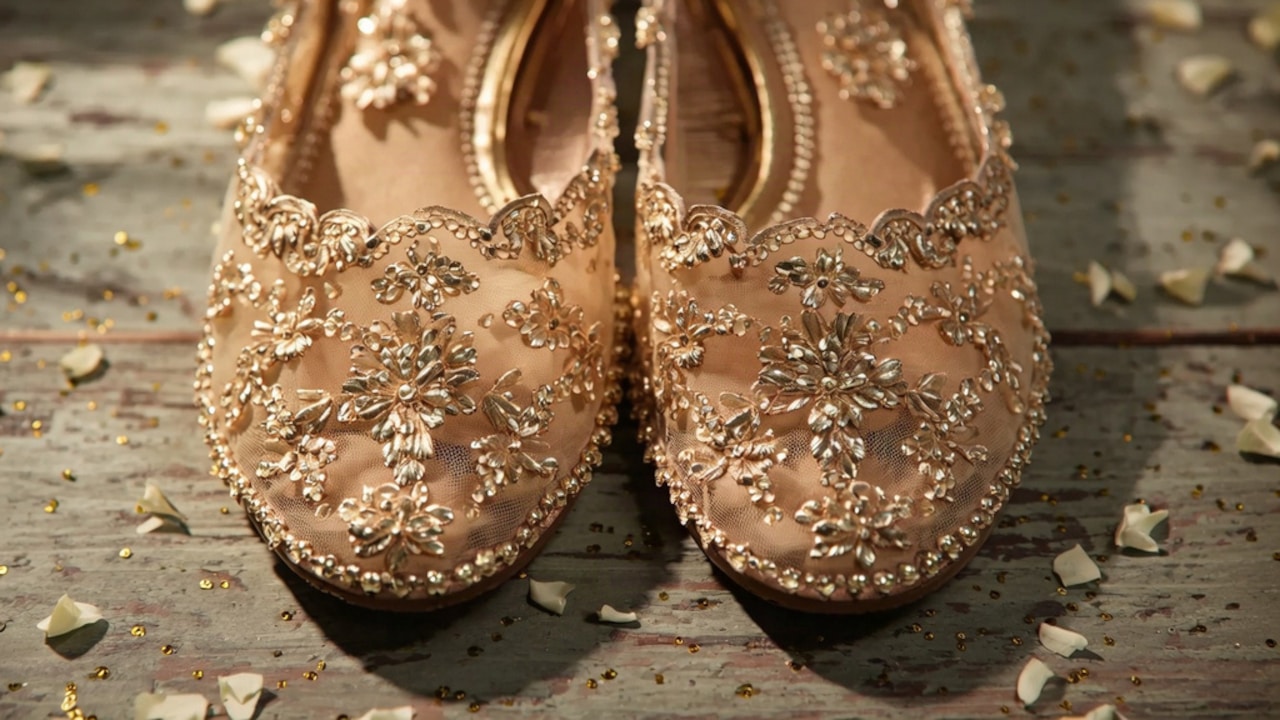
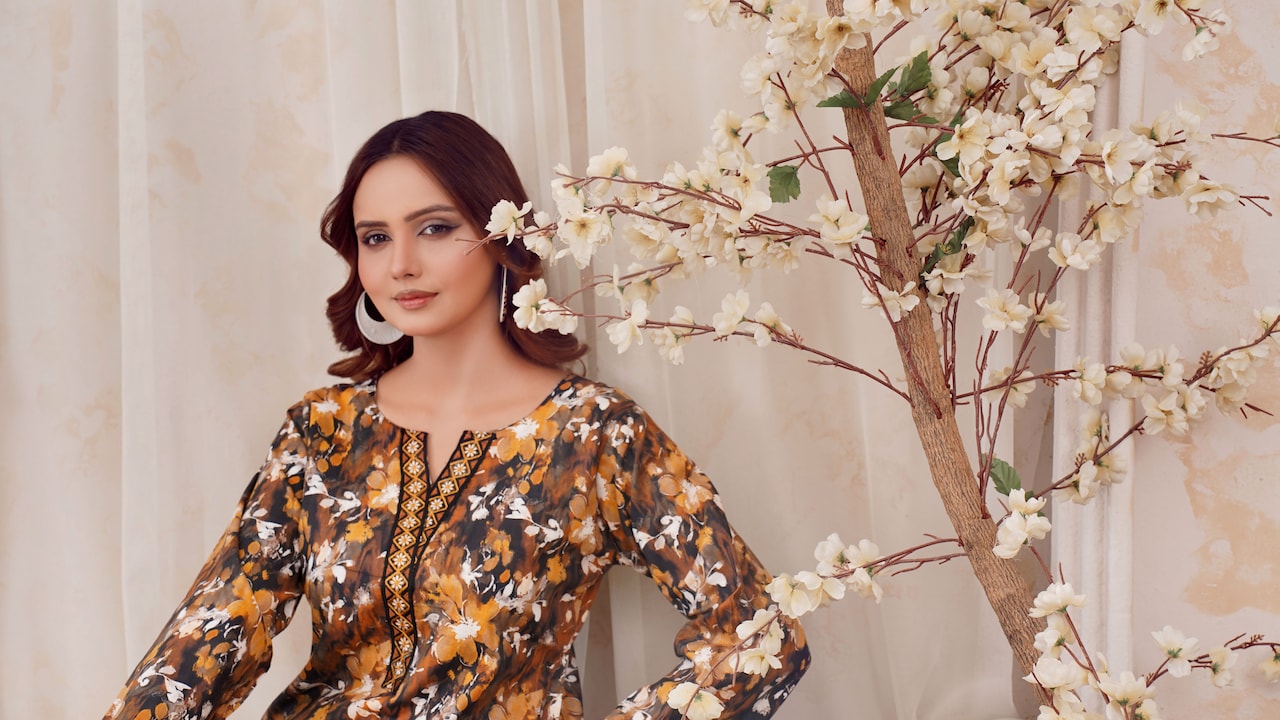
How To Choose Jewellery That Doesn't Irritate Skin; Photo Credit: Pexels
How to Shop Smart: 10 Tips for Jewellery That Won't Itch
1) Understand what “irritation” really means before blaming the jewellery
Not every skin reaction is the same, and this matters because the solution changes. Some people get contact dermatitis, which shows up as redness, itching, flaking, or a rash. Others get a burning feeling, swelling, or small bumps that look like heat rash. Sometimes the skin turns darker where the jewellery sits, especially with rings and chains. That doesn't always mean allergy; it can also be a reaction to sweat, friction, or low-quality plating breaking down.
A common mistake is assuming the skin is “sensitive” and leaving it at that. Sensitive skin is real, but jewellery irritation often comes from a specific trigger. Nickel allergy is one of the biggest culprits. Copper reactions come next. Cheap coatings, mixed alloys, and mystery metals also cause trouble, especially in pieces bought in a hurry before a wedding function.
When the reaction happens quickly, within minutes or hours, a metal allergy becomes more likely. When it happens after long wear in heat, sweat, and trapped moisture may play a bigger role. Once the pattern becomes clear, shopping stops feeling like a gamble.
2) Nickel is the drama queen of metals, so avoid it like an ex
If jewellery irritation had a main villain, nickel would win the role without auditions. It's used in many alloys because it makes metals harder, shinier, and cheaper to work with. Unfortunately, it also causes allergic reactions in a huge number of people. And once the allergy develops, it usually doesn't go away. That means a person who wore costume jewellery happily at 18 may suddenly start reacting at 25 and wonder what changed.
Nickel hides in more places than expected. Many “silver-coloured” pieces contain nickel. Some white gold jewellery uses nickel in the alloy. Even gold-plated jewellery may contain nickel underneath the plating, waiting like a surprise plot twist. The moment the coating wears off, irritation starts.
To shop smarter, look for jewellery labelled “nickel-free”. But don't treat labels like sacred truth. If a brand looks vague about materials, that's a red flag. Also, be careful with bargain jewellery sold in bulk or roadside stalls, especially for earrings and nose pins. Those pieces often use nickel-heavy alloys because they keep costs low.
Also Read: Jewellery Style Guide: Minimalist Elegance or Bold Statement? Find What Suits You Best
3) Choose skin-friendly metals that behave well in heat and sweat
Some metals simply get along with skin better. They don't react easily with sweat, they don't corrode quickly, and they don't shed irritating particles. For everyday wear, sterling silver (92.5) works well for many people, especially when it's well-finished and not mixed with unknown metals. Pure gold (22K) usually behaves nicely, too, though it can be soft for certain designs. Platinum is excellent but comes with a price tag that can make anyone blink twice.
Stainless steel jewellery can also be a safe choice, especially surgical-grade steel. It's strong, affordable, and less reactive for most people. Titanium is another skin-friendly metal, often used in body jewellery and medical-grade products. It's lightweight, durable, and unlikely to trigger allergies.
The tricky part is that many pieces claim to be “silver” or “gold” without actually being pure or even close. That's why buying from reliable jewellers matters, especially for jewellery that stays on the skin for hours. A good metal is like a good friend. It doesn't create chaos every time you spend time together.
4) Plated jewellery can be fine, but only if you treat it like a temporary guest
Gold-plated and silver-plated jewellery looks gorgeous and costs far less than solid metal. It also comes in trendy designs that fine jewellery doesn't always offer. But plated jewellery has one big weakness: the coating wears off. Once that happens, the base metal touches skin, and irritation can begin.
Plating quality varies wildly. Some pieces have a thick, well-done coating that lasts months. Others lose their shine after a few sweaty outings. If the base metal contains nickel or copper, the skin may react quickly once the top layer breaks.
Plated jewellery works best for occasional wear rather than daily use. It's perfect for weddings, parties, festive functions, and photo-heavy days when looking extra matters. But it's risky for long hours in the heat, travel days, or daily office wear.
Also, avoid wearing plated jewellery in the shower, while exercising, or in heavy humidity. Water and sweat speed up the plating damage. A good rule: if the jewellery costs less than ₹300 and claims to be “premium plated”, treat it like fashion, not forever.
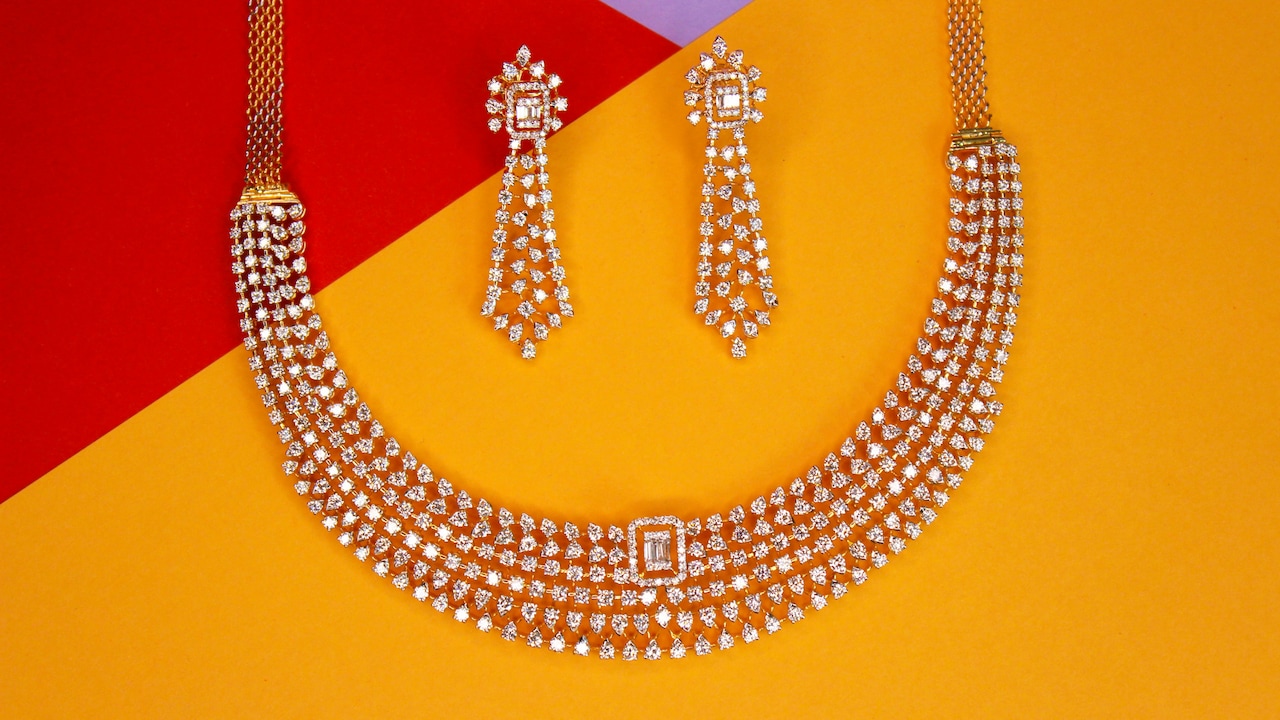
How To Choose Jewellery That Doesn't Irritate Skin; Photo Credit: Pexels
5) Earrings need special attention because piercings don't heal easily
Ears are often the first place jewellery irritation shows up, and for good reason. Piercings create direct contact with skin that is thinner, more delicate, and more likely to react. Even people who tolerate necklaces and rings may struggle with earrings.
The safest everyday earrings usually use sterling silver, surgical steel, titanium, or solid gold. For fresh piercings, the stakes get higher. Cheap studs can cause swelling, pain, and even infection-like symptoms. Many people assume it's just “new piercing discomfort” when it's actually metal sensitivity.
Another issue is the back of the earring. Some designs use cheap butterfly backs that pinch, trap sweat, and rub constantly. That friction can irritate even with decent metal. Flat backs or smooth screw backs often feel more comfortable for long wear.
If your ears itch after wearing earrings, don't ignore it. The reaction can worsen with repeated exposure. And if the ears turn red after a wedding function, it's not always the dance floor's fault. Sometimes it's the earrings quietly starting a rebellion.
6) Pay attention to how jewellery is made, not just what it's made of
Metal choice matters, but so does craftsmanship. Poorly finished jewellery can irritate skin even if the metal is technically safe. Rough edges, sharp prongs, uneven surfaces, and cheap soldering can scrape the skin. Over time, that leads to redness and discomfort, especially around the neck and wrists.
Even chains can be problematic. Some chains pull tiny hairs and create micro-friction. Others have rough links that rub repeatedly. In hot weather, that friction combines with sweat and turns into a rash.
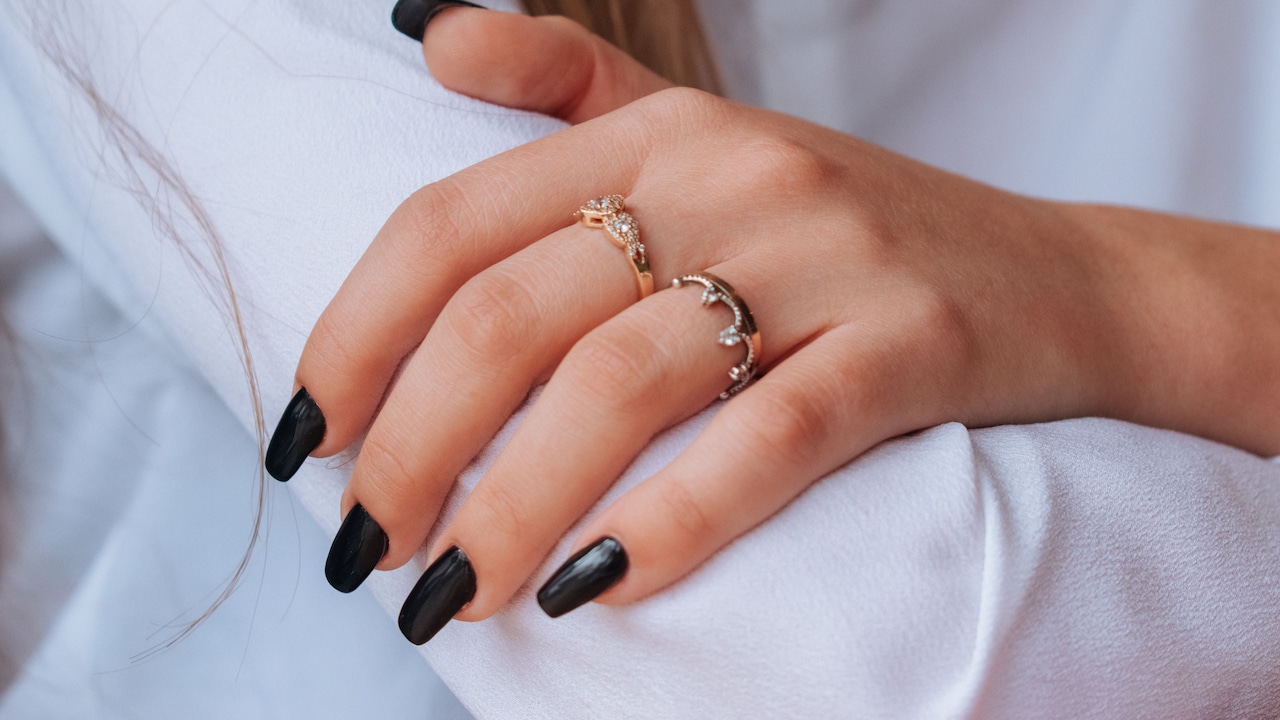
The underside of pendants and lockets also matters. If the back has a rough texture or exposed alloy, it may irritate the skin where it rests. Rings can cause problems too, especially if the inside isn't smooth or if the design traps soap and moisture.
A well-made piece feels comfortable even before wearing it. It sits smoothly. It doesn't scratch. It doesn't snag. When shopping, it helps to run fingers along edges and check the finishing. A jewellery piece shouldn't feel like a tiny weapon.
7) Watch out for “mixed metal” and mystery alloys in trendy jewellery
Trendy jewellery often uses mixed metals because it creates interesting colours and textures. Rose gold tones, antique finishes, oxidised looks, and matte coatings can all be achieved using blends. The problem is that mixed metal often means mixed risk.
Many fashion pieces use alloys containing nickel, copper, zinc, and other metals. Brands sometimes avoid listing exact composition because it's complicated, or because the truth doesn't sound premium. Unfortunately, skin doesn't care about marketing. Skin reacts to what touches it.
Oxidised jewellery can also cause trouble. The dark finish may rub off, stain skin, and trigger irritation. Some people love the look of oxidised silver, but not all oxidised pieces are real silver. Many are base metals with a chemical finish.
If a piece has a strong metallic smell, that's often a warning sign. High-quality metals usually smell neutral. A sharp smell often comes from reactive alloys. If the jewellery leaves marks on the skin after a few hours, it may not be skin-friendly for regular wear.
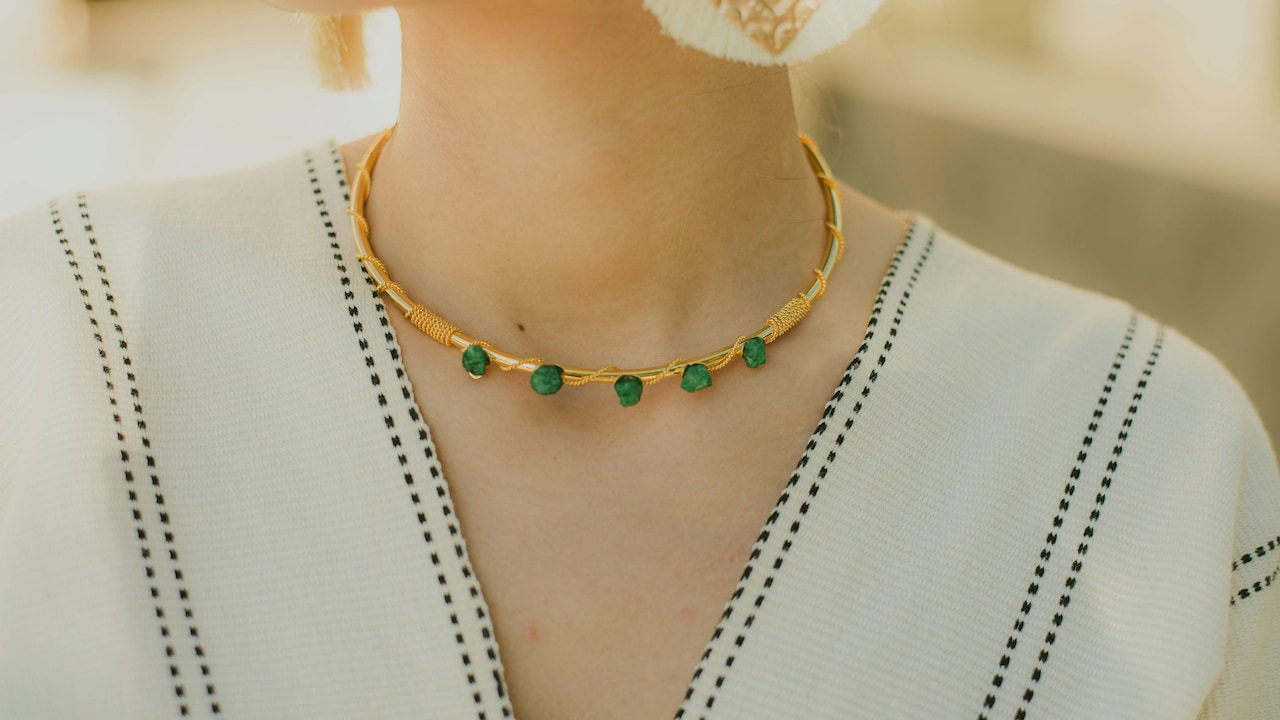
How To Choose Jewellery That Doesn't Irritate Skin; Photo Credit: Pexels
8) Sweat, perfume, and skincare can turn harmless jewellery into a skin irritant
Sometimes the jewellery isn't the villain. Sometimes the environment is. Heat, humidity, sweat, and chemical products can make even decent jewellery cause discomfort. When sweat sits under a chain or bangle, it creates a warm, moist space. That can irritate skin, especially if there's friction too.
Perfume is another troublemaker. Spraying perfume directly on the neck and then wearing a necklace is basically inviting irritation. Many perfumes contain alcohol and fragrance compounds that can trigger reactions. When jewellery traps those chemicals against the skin, the risk increases.
Lotions and sunscreens can also interact with metals. Some ingredients accelerate tarnishing, which can lead to dark marks and irritation. Even hair products can affect earrings if they touch the area.
A simple habit helps: apply skincare and perfume first, wait a few minutes, then wear jewellery. At the end of the day, remove jewellery and wipe it clean. Jewellery doesn't need spa treatment, but it does need basic hygiene, especially in a climate where sweat is a daily reality.
9) Learn the difference between real silver, sterling silver, and “silver look”
Silver jewellery is a popular choice because it looks elegant, suits most outfits, and feels less heavy than gold. But not all silver is the same. Pure silver (99.9) is very soft, so most jewellery uses sterling silver (92.5), mixed with a small percentage of other metals for strength.
Sterling silver usually works well for sensitive skin, but the mix matters. If the alloy includes nickel, irritation can happen. Good jewellers use safer mixes, often with copper, but copper can still cause marks in some cases. The key is quality and finishing.
Then there's “silver look” jewellery. This often means a base metal coated to look silver. It can contain nickel and other reactive metals. It may shine beautifully in the shop, then cause itching within hours.
Checking hallmarks helps. Many sterling silver pieces come stamped with “925”. It's not a perfect guarantee, but it's a useful clue. Buying from a reliable seller matters more than chasing the lowest price. If a “silver” necklace costs ₹150, it's not a miracle. It's an alloy in disguise.
10) Choose jewellery based on how long you plan to wear it, not just how pretty it looks
One of the smartest ways to avoid skin irritation is matching jewellery to the occasion. Not every piece needs to be safe for 12 hours of wear. Some jewellery is meant for short bursts of glamour. Other pieces should be comfortable enough to forget they exist.
For daily wear, chains, studs, nose pins, and simple rings, choose high-quality metals and trusted sellers. This is where investing makes sense. Spending ₹2,000–₹6,000 on a solid pair of earrings can feel steep, but it saves years of irritation and wasted purchases.
For occasional wear, statement earrings, heavy necklaces, bangles, plated or fashion jewellery can work if the skin tolerates it. But wearing it for shorter periods helps. Removing it after the event instead of sleeping in it reduces risk.
For long wedding days, choose pieces that feel smooth and breathable. Avoid jewellery that sits too tightly on the skin. Comfort matters more than people admit. No one looks glamorous while secretly scratching their neck during a family photo.
Products Related To This Article
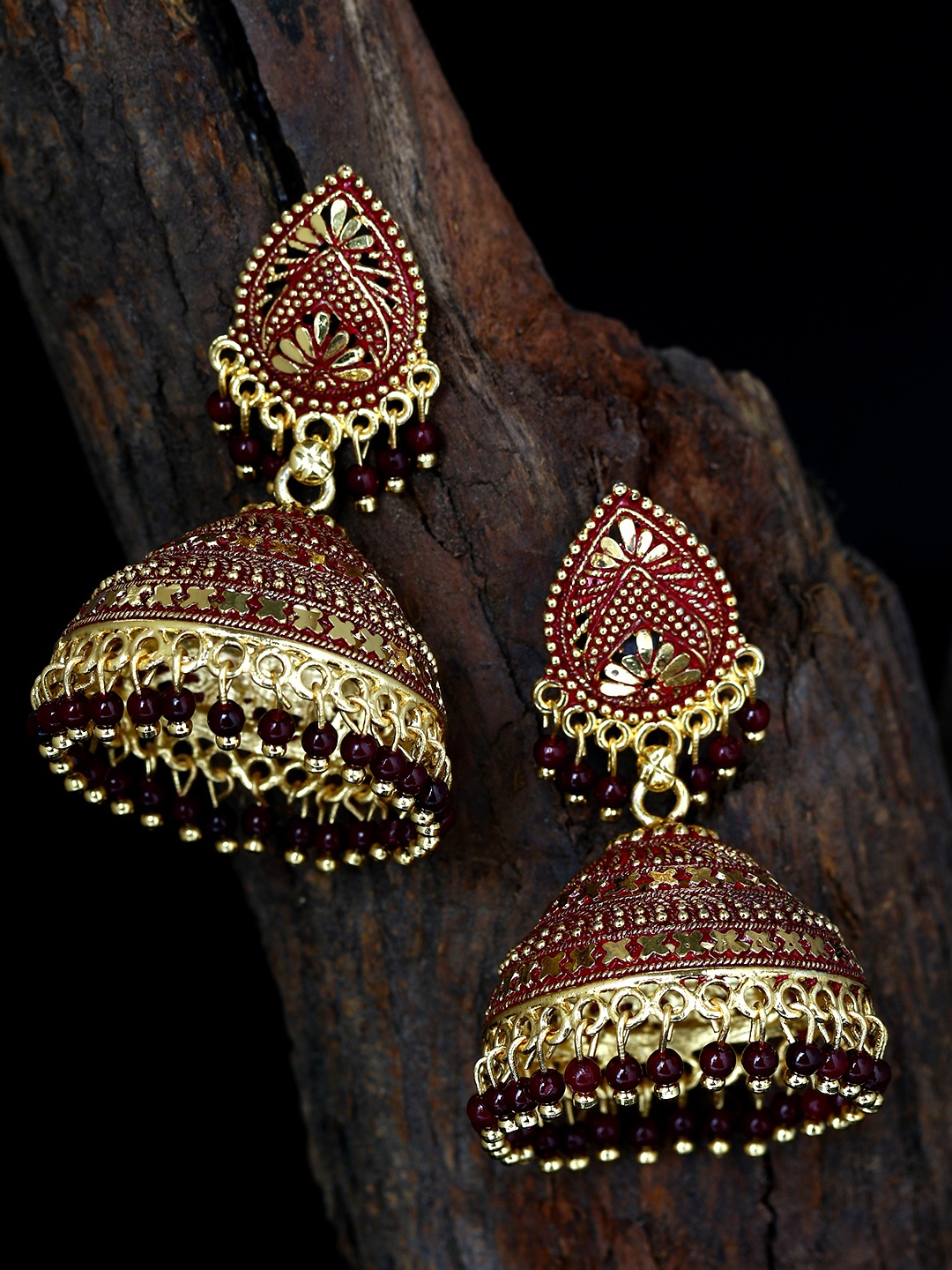
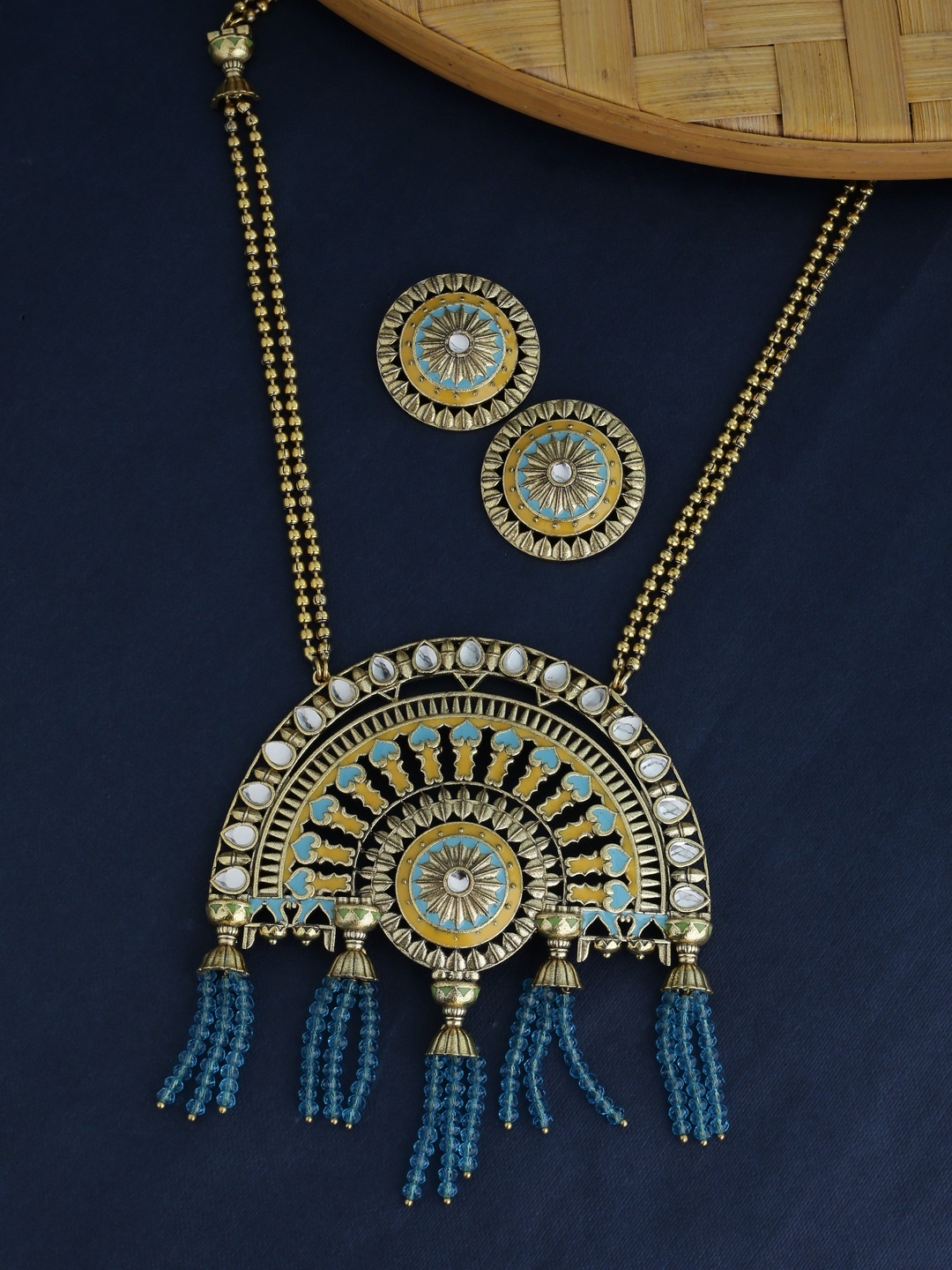
1. Gigev Brass Enamel Gold Plated Pink Jewellery
2. Anouk Brass Gold Plated Multicolor Jewellery
3. Ghazi Collection Brass Gold Plated Gold Jewellery
4. Royallimitation Metal Gold Plated Gold Jewellery
5. Rofarword Brass Copper Gold Plated Gold Jewellery
Jewellery should add joy, not discomfort. Skin irritation isn't something to “adjust to” or ignore. It's the body's way of saying something isn't working, whether it's nickel, poor plating, rough finishing, or a mix of sweat and perfume turning a necklace into a rash factory.
Choosing skin-friendly jewellery becomes easier once the triggers are clear. Better metals, reliable sellers, smart habits, and realistic expectations make a big difference. It also helps to remember that comfort is part of style. A chain that looks stunning but makes the neck itch all day is not a fashion win. It's a slow punishment.
With the right choices, jewellery can go back to being what it should be: effortless, expressive, and something that feels good to wear, right down to the skin.
(Disclaimer: This article may include references to or features of products and services made available through affiliate marketing campaigns. NDTV Convergence Limited (“NDTV”) strives to maintain editorial independence while participating in such campaigns. NDTV does not assume responsibility for the performance or claims of any featured products or services.)