10 Reasons Jumpsuits Pull Uncomfortably Even When the Waist and Bust Fit
A jumpsuit can fit perfectly around the bust and waist yet still tug, ride up or feel strangely restrictive. From torso length to fabric stretch, here are 10 reasons the fit can go wrong.
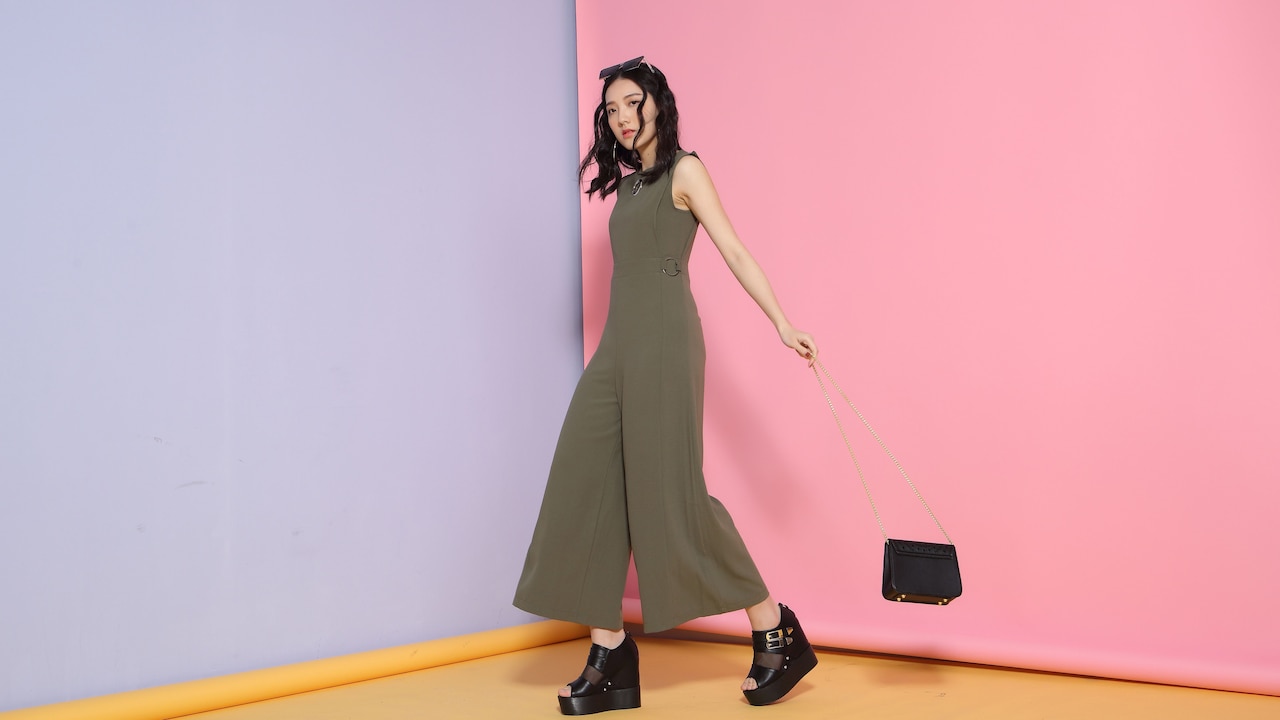
How to choose a jumpsuit that doesn't ride up or feel tight
Jumpsuits have a reputation for making dressing wonderfully simple. One garment, a pair of shoes, perhaps a bag, and the outfit is practically done. Yet anyone who has spent an evening subtly pulling a jumpsuit down at the hips knows that simplicity can disappear the moment the fit feels wrong. The confusing part is that the obvious measurements may look perfectly fine. The bust closes comfortably. The waist sits where it should. The hips don't appear squeezed. Then you sit down, lift an arm or reach for something on a high shelf and suddenly the entire garment seems to travel upwards.
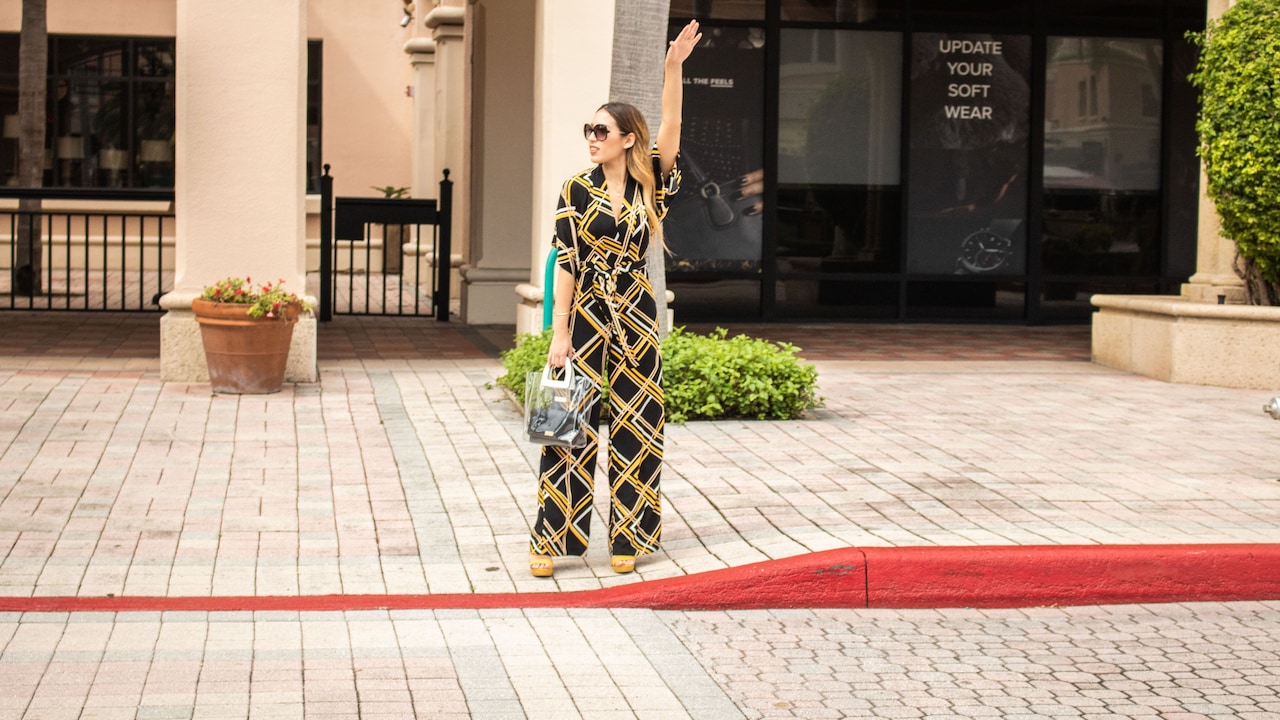
Why do some jumpsuits pull up and feel tight
Photo Credit: Pexels
This happens because a jumpsuit doesn't fit like a dress or a separate top and trousers. It has to accommodate the body vertically as well as horizontally. Torso length, shoulder shape, rise, seam placement and fabric behaviour all affect how freely the garment moves. Even a difference of a few centimetres can turn an otherwise flattering jumpsuit into something that feels oddly restrictive. Before assuming the size is wrong, it helps to understand where that uncomfortable pulling actually comes from.
Also Read: These 5 Clutches Are The Closest Thing To Wearable Art
What Makes A Jumpsuit Pull Even When The Size Seems Right
1. The Torso Length Is Too Short
One of the most common reasons a jumpsuit pulls is also one of the easiest to overlook: the garment simply isn't long enough through the torso.
Most shoppers check the bust, waist and hip measurements before ordering clothes. Torso length rarely gets the same attention. Yet with a jumpsuit, the distance between the shoulder and crotch matters enormously.
If that vertical measurement is too short, the fabric has nowhere to go. The jumpsuit may look perfectly fitted while standing still, but the moment you sit, bend or raise your arms, it starts pulling upwards from the crotch or tugging down from the shoulders.
This can happen even when you've bought your usual size.
Bodies also vary considerably in proportion. Two people with the same height can have completely different torso lengths. One may have longer legs and a shorter torso, while another has the reverse.
A useful clue appears when the garment feels comfortable around the waist but noticeably better after you pull the shoulders down slightly. That usually suggests the problem isn't width. The jumpsuit needs more vertical room.
2. The Rise Does Not Match Your Body
Trouser rise matters in jumpsuits just as much as it does in jeans, except the consequences of a poor fit become more noticeable because the trousers are attached to the top.
The rise refers to the distance from the crotch seam to the waist area. If the jumpsuit has a shorter rise than your body needs, the crotch seam sits too high. The garment may then feel as though it's constantly creeping upwards.
Sometimes this creates the familiar urge to tug the jumpsuit down every few minutes. Other times, the discomfort only becomes obvious while sitting.
A longer rise, meanwhile, allows more room between the waist and crotch. People with fuller hips, a longer pelvis or a naturally higher waist may find this construction considerably more comfortable.
Design also matters. A jumpsuit with a sharply defined waist and fitted trousers gives the rise very little flexibility. Relaxed or drop-crotch styles usually offer more breathing room.
If the waistband seems correctly positioned but the lower half still pulls upwards, changing the size may not solve much. A different rise or cut often works better than simply going larger.
3. The Shoulder-To-Crotch Measurement Is Off
Jumpsuits essentially connect two distant parts of the body: the shoulders and the crotch. That connection makes the shoulder-to-crotch measurement surprisingly important.
Imagine wearing a fitted top stitched permanently to your trousers. If the distance between those two sections is slightly short, something has to absorb the tension. Usually, the shoulders or crotch end up doing the job.
This explains why some jumpsuits feel completely comfortable when the arms stay relaxed but become restrictive when you reach forward. Stretching across a restaurant table for the chutney shouldn't feel like a flexibility test, yet a short shoulder-to-crotch measurement can make it one.
The neckline may also shift backwards while the shoulder seams dig into the skin. Sometimes the trousers ride upwards at exactly the same moment.
Petite, regular and tall sizing can make a significant difference here. Tall sizing isn't only about longer trouser legs. Many brands also add extra length through the body.
So, if regular jumpsuits consistently tug despite fitting elsewhere, trying a taller cut may solve the problem more effectively than sizing up.
4. The Waist Seam Sits In The Wrong Place
A jumpsuit's waist seam might seem like a decorative detail, but its position can affect the entire garment.
Ideally, the seam should settle naturally around the intended waist area without needing to be pulled up or pushed down. When it sits too high, the lower half of the jumpsuit effectively loses some of its available length. When it sits too low, the top may start pulling across the shoulders.
High-waisted styles can be particularly tricky. They may look elegant on the hanger but feel noticeably shorter through the body once worn.
Body proportions matter here too. Someone with a longer distance between the bust and natural waist may find that an empire-style or very high waist seam sits awkwardly, even if the garment technically fits around the waist.
Watch what happens after walking around for a few minutes. If the waist seam gradually travels upwards and the crotch follows with it, the placement probably doesn't suit your proportions.
A slightly lower or less structured waist can give the garment enough room to settle instead of constantly shifting.
5. The Fabric Has Little Or No Stretch
Two jumpsuits with almost identical measurements can feel completely different depending on their fabric.
Materials such as rigid denim, linen blends, poplin and certain woven polyester fabrics may offer little horizontal or vertical stretch. They hold their shape beautifully, but they also expect the wearer to match that shape fairly closely.
That becomes noticeable during movement.
A jumpsuit might feel spacious while you're standing in front of the mirror. Sit down, however, and the body naturally needs extra fabric across the back, hips and torso. If the material doesn't give, the tension travels somewhere else.
Stretch fabrics containing elastane or spandex generally accommodate movement more comfortably. Even a small percentage can make bending and sitting easier.
This doesn't mean every jumpsuit needs to be stretchy. Loose linen jumpsuits, for instance, can work beautifully because their relaxed cut provides movement through extra fabric instead.
Problems usually arise when rigid fabric meets a close-fitting silhouette. If you prefer structured materials, look for slightly more ease around the torso and hips rather than choosing an extremely fitted cut.

Fabric with little to no stretch can also make the jumpsuit feel overly tight
Photo Credit: Pexels
6. The Hips Are Borrowing Fabric From The Torso
A jumpsuit can appear to fit around the hips while still being too snug for comfortable movement.
This sounds contradictory, but clothing fabric moves around the body. When the hip area needs more room, it may pull fabric down from the waist or upper section. That tension can make the crotch rise and the shoulders feel tighter.
Standing still often hides the problem.
The real test comes when sitting, climbing stairs or bending slightly. If horizontal lines suddenly appear across the hips or the pockets flare open, the lower section may need more ease.
Curvier body shapes can encounter this frequently because standard jumpsuit patterns often rely on relatively fixed differences between waist and hip measurements.
Sizing up can sometimes help, although it may leave the bust or waist too loose. In that case, choosing a jumpsuit designed with a fuller hip cut can provide a much better result.
Alterations are another option. Taking in a slightly loose waist usually works more successfully than trying to create extra fabric around hips that already feel constrained.
7. The Back Length Is Too Short
Not all torso length sits at the front of the body. The back of a jumpsuit also needs enough fabric to follow the curve from the shoulders down towards the waist and hips.
If the back length is short, the garment often pulls forwards or upwards.
You may notice the neckline creeping towards the back of your neck. The shoulder seams might shift backwards. Sometimes the waistline feels as though it's being lifted from behind.
This becomes particularly noticeable on people with fuller seats, a curved lower back or more pronounced shoulder blades because the fabric needs additional length to travel over those contours.
The fit can look perfectly respectable from the front, which makes the problem surprisingly difficult to diagnose.
A quick mirror check from the side can reveal more. If the waist seam rises noticeably towards the back rather than sitting relatively level, the garment may lack sufficient back length.
Relaxed silhouettes, elasticated waists and designs with a little extra drape tend to handle these variations more comfortably than tightly tailored jumpsuits.
8. The Armholes Or Sleeves Restrict Movement
Sometimes the crotch isn't actually causing the pulling sensation. The problem begins much higher up.
Armholes that are cut too low, too small or simply in the wrong position can drag the rest of the jumpsuit upwards whenever you move your arms.
This is particularly common with fitted sleeved jumpsuits.
Raise both arms and watch what happens to the waistline. If it travels dramatically towards your ribs, the upper construction probably lacks mobility.
A well-cut armhole allows the arm to move relatively independently from the body of the garment. Poorly positioned armholes make the entire jumpsuit join in.
Sleeve shape can contribute too. Narrow sleeves and stiff fabrics create more resistance than relaxed sleeves or sleeveless cuts.
This is why a jumpsuit can feel comfortable while you're standing with your arms at your sides yet become irritating while driving, shopping or dancing at a wedding.
If upper-body movement causes most of the pulling, focus on shoulder and armhole fit rather than automatically blaming the trousers.
9. The Jumpsuit Was Designed For Different Body Proportions
Clothing sizes are averages, not exact maps of real bodies.
A medium jumpsuit, for example, may assume a particular relationship between bust, waist, hip, torso and height measurements. Very few people match every one of those measurements perfectly.
Someone may need a medium bust, small waist, large hips and tall torso simultaneously. No single standard size can represent that combination exactly.
This explains those frustrating fitting-room moments when everything seems almost right but one section refuses to cooperate.
Different brands also use different blocks, which are the base patterns used to develop garment sizes. One brand's jumpsuits may consistently suit longer torsos, while another may cater better to straighter body shapes.
Instead of treating the size label as the final verdict, pay attention to the brand's actual measurements and fit notes.
Reviews can also offer useful clues, particularly comments mentioning torso length, rise or height.
Finding a jumpsuit that fits beautifully often has less to do with discovering your "correct size" and more to do with finding a pattern that resembles your proportions.
10. The Style Leaves No Extra Room For Movement
Sometimes nothing is technically wrong with the jumpsuit. It simply has very little wearing ease.
Wearing ease refers to the extra space added beyond your body measurements so you can move comfortably. Without enough of it, clothing may fit on paper while feeling surprisingly restrictive in real life.
A fitted jumpsuit with a defined waist, narrow hips and structured fabric can offer almost no spare room. Standing for a photograph might feel fine. Sitting through dinner can become a completely different experience.
This matters because the body changes shape constantly. The torso lengthens when you raise your arms. The hips spread slightly when you sit. The back needs more fabric when you bend forward.
Garments have to accommodate those movements somehow.
Before buying, try the unofficial jumpsuit fitting test: sit down, bend gently, lift both arms and take a few long steps. If everything immediately starts migrating upwards, the style probably needs more ease.
A slightly relaxed cut often looks just as polished and feels dramatically better after several hours of wear.
Products Related To This Article
1. DressBerry Women Green & Pink Printed Basic Jumpsuit with Belt
2. Miss Chase V-Neck Basic Jumpsuit
3. Stylecast X Slyck Paisley Printed Strapless Smocked Wide-Leg Jumpsuit
4. Anouk Shawl Neck Printed Basic Jumpsuit
5. Globus Solid Navy V Cut & Kimono Sleeves Waist Tie-Up Longline Jumpsuit
6. Stylecast X Slyck Basic Jumpsuit
7. ESPYR By Tokyo Talkies Women Colorblocked Layered Wide Leg Jumpsuit
A jumpsuit that pulls isn't necessarily the wrong size. More often, its proportions don't quite match yours. Torso length, rise, shoulder placement, fabric and even armhole construction can all change how comfortable it feels.
The best fit shouldn't require constant tugging or careful movements. When a jumpsuit allows you to sit, walk, reach and move without thinking about it, that's usually the clearest sign that the cut, not just the size on the label, is right.
(Disclaimer: This article may include references to or features of products and services made available through affiliate marketing campaigns. NDTV Convergence Limited (“NDTV”) strives to maintain editorial independence while participating in such campaigns. NDTV does not assume responsibility for the performance or claims of any featured products or services.)