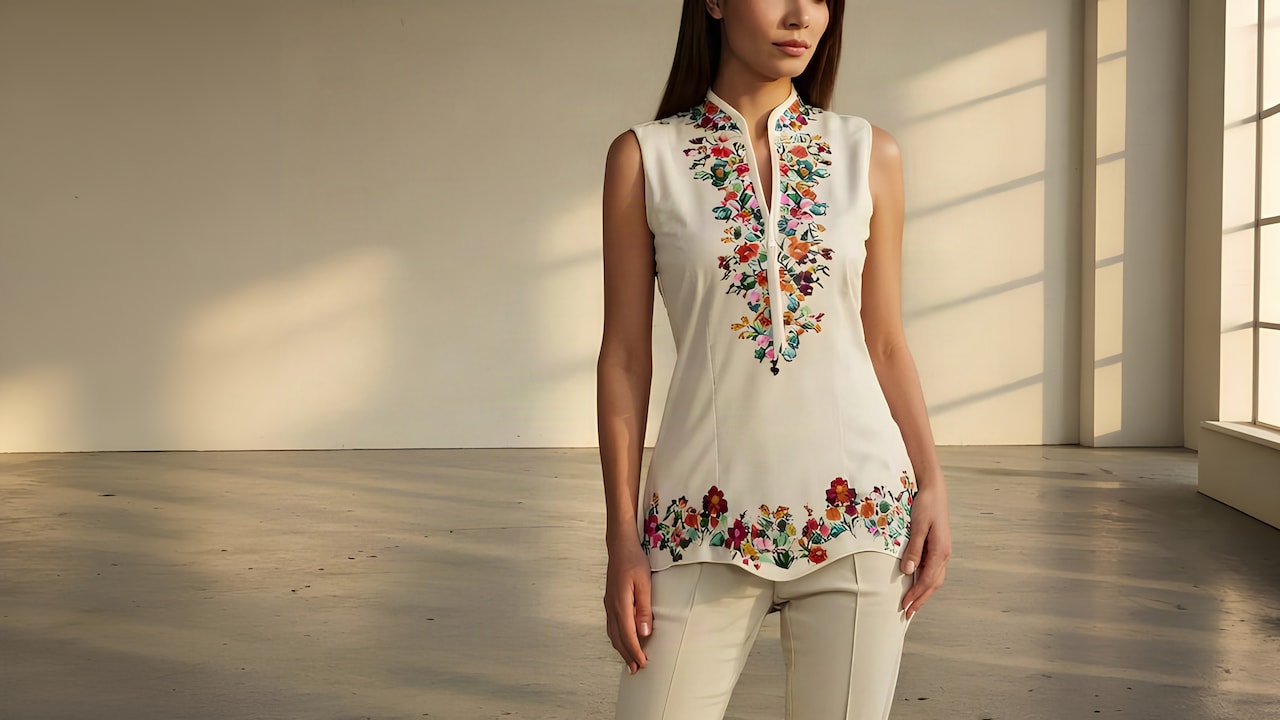
Juttis vs Mojaris: Which Suits A Festive Ethnic Outfit Better
Confused between juttis and mojaris for festive dressing? Discover the key differences, styling tips and how to choose the right pair for every ethnic outfit.
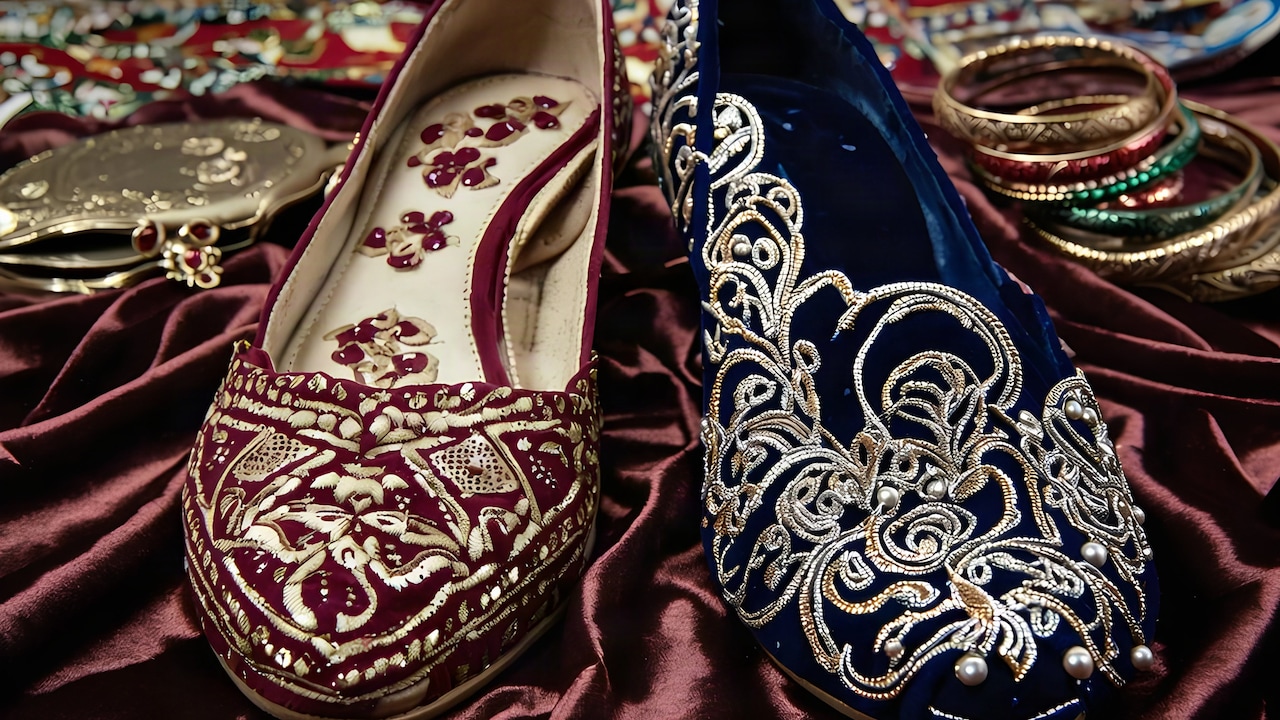
How to choose between jutti vs mojari for festivals
Let's be honest: styling a festive look goes way beyond picking out a gorgeous outfit. You might spend weeks hunting down that perfect saree, heavy lehenga, or classy kurta set, but then comes the classic last-minute panic, what goes on your feet? Too often, we spend a small fortune on traditional wear, only to toss on whatever old pair of flat sandals happens to be lying near the door. The problem?
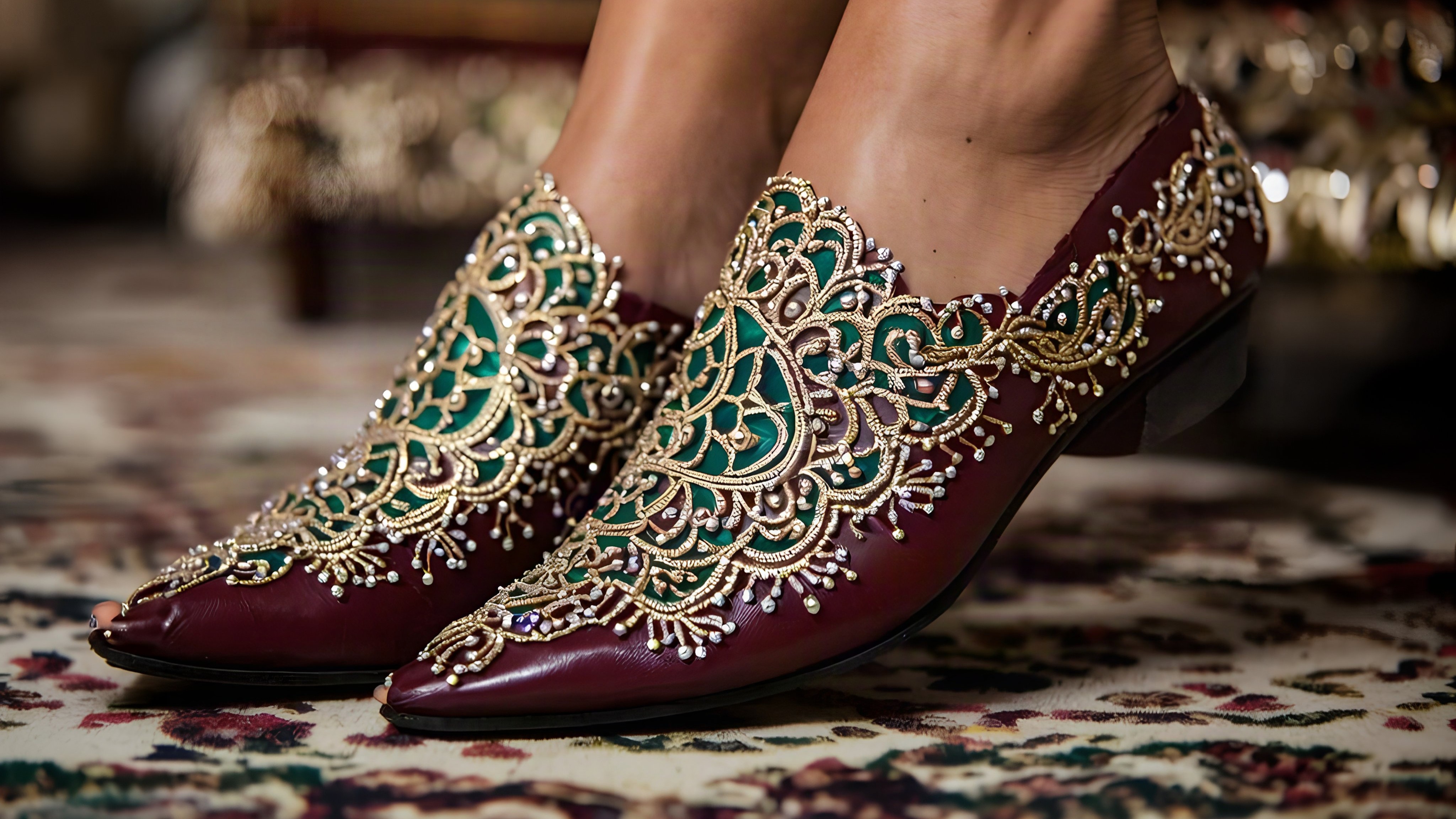
Juttis vs Mojaris
Photo Credit: iStock
Even the most jaw-dropping ensemble ends up feeling a bit flat. That is precisely why juttis and mojaris are true wardrobe heroes. Both have been beloved staples for generations, both showcase incredible Indian handiwork, and both look stunning with traditional clothes. But do they work equally well for every single event? Spotting their subtle differences can help you pick shoes that don't just look fabulous, but also keep your feet happy right up until the last guest leaves.
Also Read: Festive Footwear Edit: Discover Styles That Pair Perfectly With Sarees, Suits And More
Why Choosing The Right Ethnic Footwear Matters
Your footwear is doing a lot more heavy lifting than just matching your clothes. Honestly, they completely dictate how you walk, how comfortable you feel, and how much energy you bring to the room. Festive gatherings and Indian weddings are basically marathon events, you're standing around chatting, snapping endless photos, running around, and dancing for hours on end. Pick the wrong pair, and you'll be hunting for a chair before the starters are even served.
A great pair of traditional footwear should lift your whole outfit without screaming for attention. It's all about context, too. A lightly stitched pair is ideal for a low-key family puja at home, whereas a heavily detailed design feels right at home at a grand wedding reception. So, instead of getting blinded by surface sparkles alone, look out for soft inner linings, proper sole padding, and versatile tones that you can easily match with half your festive wardrobe.
Juttis Vs Mojaris: Which Suits A Festive Ethnic Outfit Better?
Figuring out which pair to go for gets a whole lot easier once you break things down step-by-step.
Step 1: Understand The Difference In Design
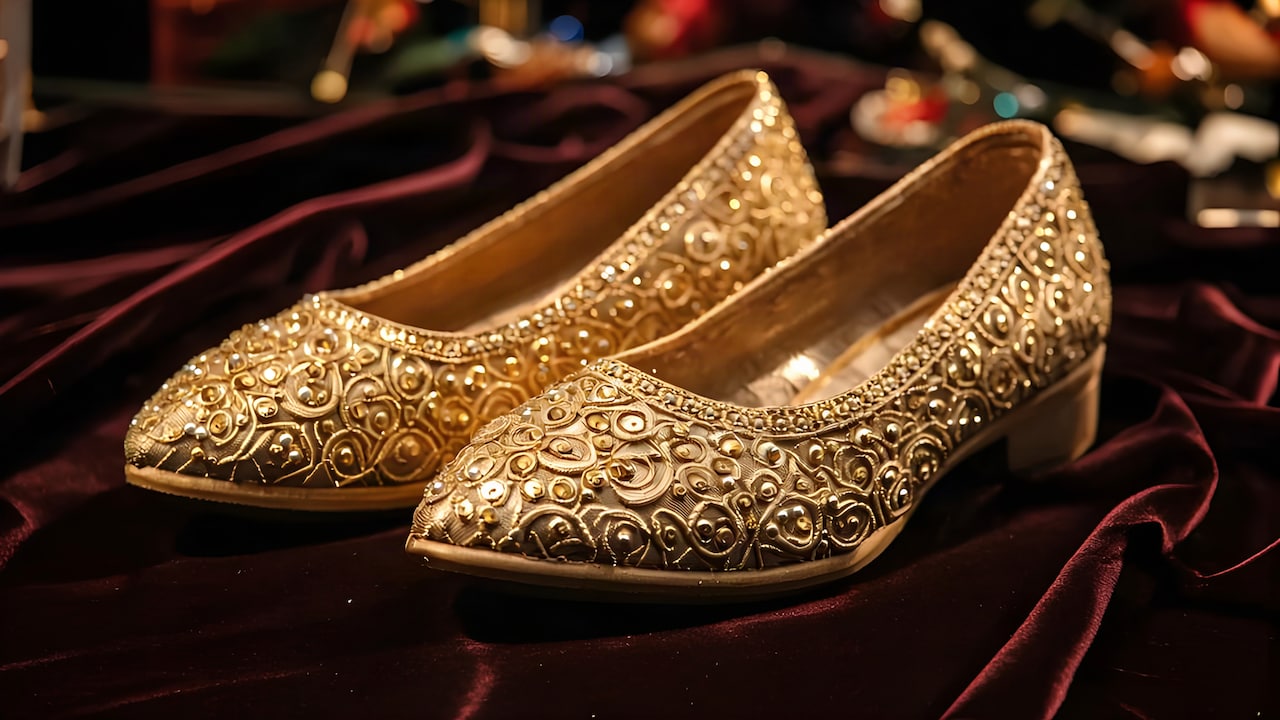
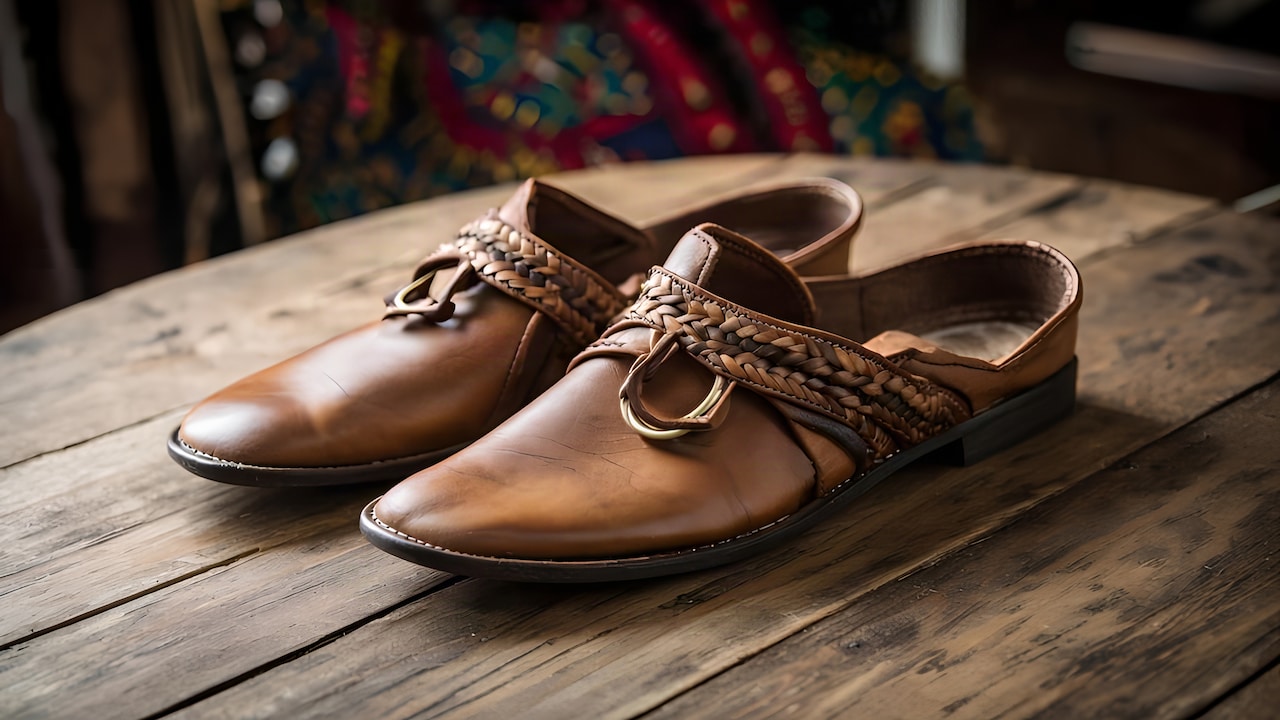
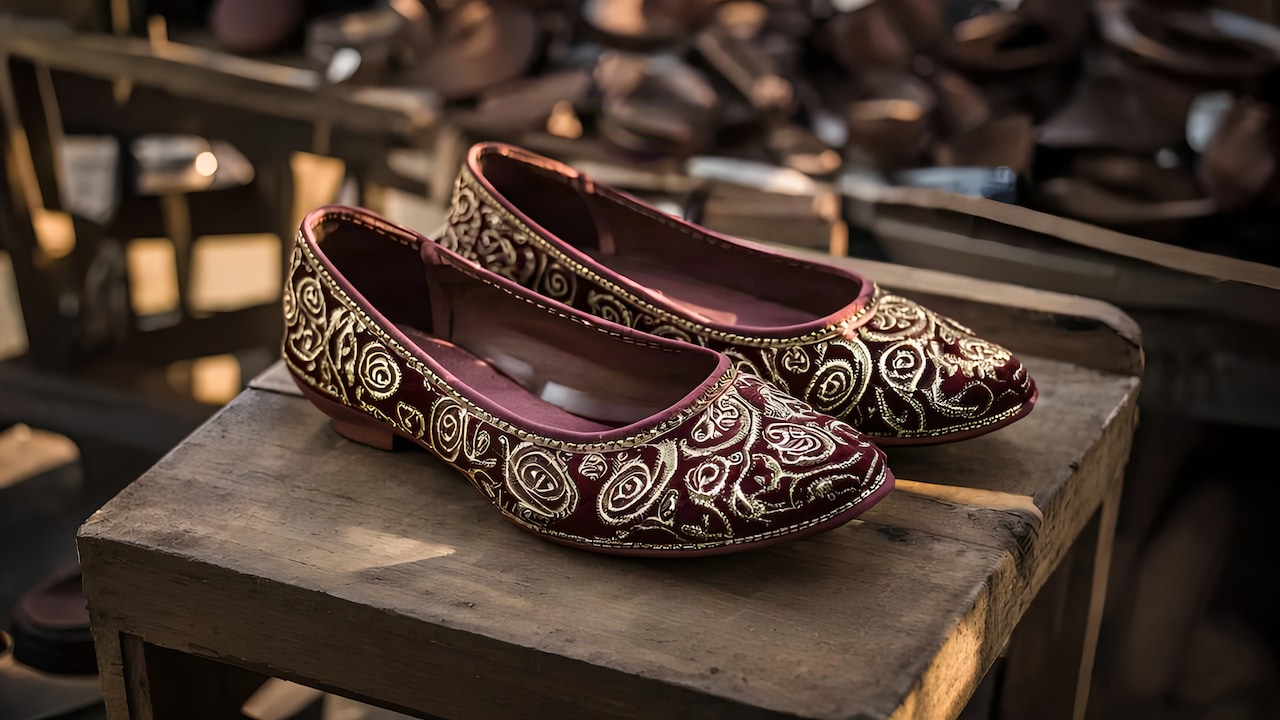
Juttis usually sport a softer, rounded toe shape that gives them a gentle, relaxed feel. Mojaris, on the other hand, carry a more defined structure and often feature that classic pointed toe (sometimes even a curled tip). That small shift in shape radically changes the vibe of your overall outfit.
Step 2: Match The Footwear To Your Outfit
Try slipping into juttis when you're wearing breezy printed kurtas, light cotton salwar suits, or modern Indo-Western fusion pieces. Mojaris tend to pull their weight better with heavier ensembles, think intricately embroidered lehengas, rich silk sarees, sharp sherwanis, or high-drama festive sets loaded with zari work.
Step 3: Prioritise Comfort Before Style
Always glance inside the shoe before buying. Seek out well-cushioned footbeds, gentle inner linings that won't rub your skin raw, and soles that actually bend when you walk. When your feet feel good, you can actually enjoy the party instead of counting down the minutes until you can kick your shoes off.
Step 4: Pick Colours That Offer More Versatility
Classic metallic and neutral tones are always a safe choice. Shades like muted gold, soft ivory, warm beige, and subtle silver effortlessly pair with almost any colour palette. Owning a pair in these flexible shades means you can wear the exact same shoes with multiple outfits throughout the holiday season.
Step 5: Focus On Craftsmanship And Material
Look closely at the stitching, hand-embroidery, and raw material quality. Shoes built with genuine leather or high-grade fabrics don't just last through years of celebration; they bring a polished, high-end feel to your entire attire that cheap plastic pairs simply can't match.
Common Mistakes People Make While Choosing Festive Footwear
Even the most stunning pair of ethnic flats can backfire if you fall into a few sneaky shopping traps. Here are the classic slip-ups to watch out for:
1. Buying Only Based On Appearance
It's incredibly easy to fall in love with a shoe just because it's sparkling under store lights. But flashy embellishments mean nothing if the base is hard as a rock. Always test the sole flexibility, padding depth, and overall fit before committing.
2. Choosing The Wrong Size
People constantly assume tight ethnic footwear will magically stretch out after a couple of wears. Sure, natural materials soften up a tiny bit over time, but starting off with a shoe that pinches is a guaranteed recipe for painful shoe bites halfway through an event.
3. Ignoring The Occasion
Not all festive gatherings carry the same vibe. Dainty, thread-work juttis are brilliant for daytime high-teas or casual home functions, while elaborate, heavy mojaris fit right into grand evening receptions and sangeet nights.
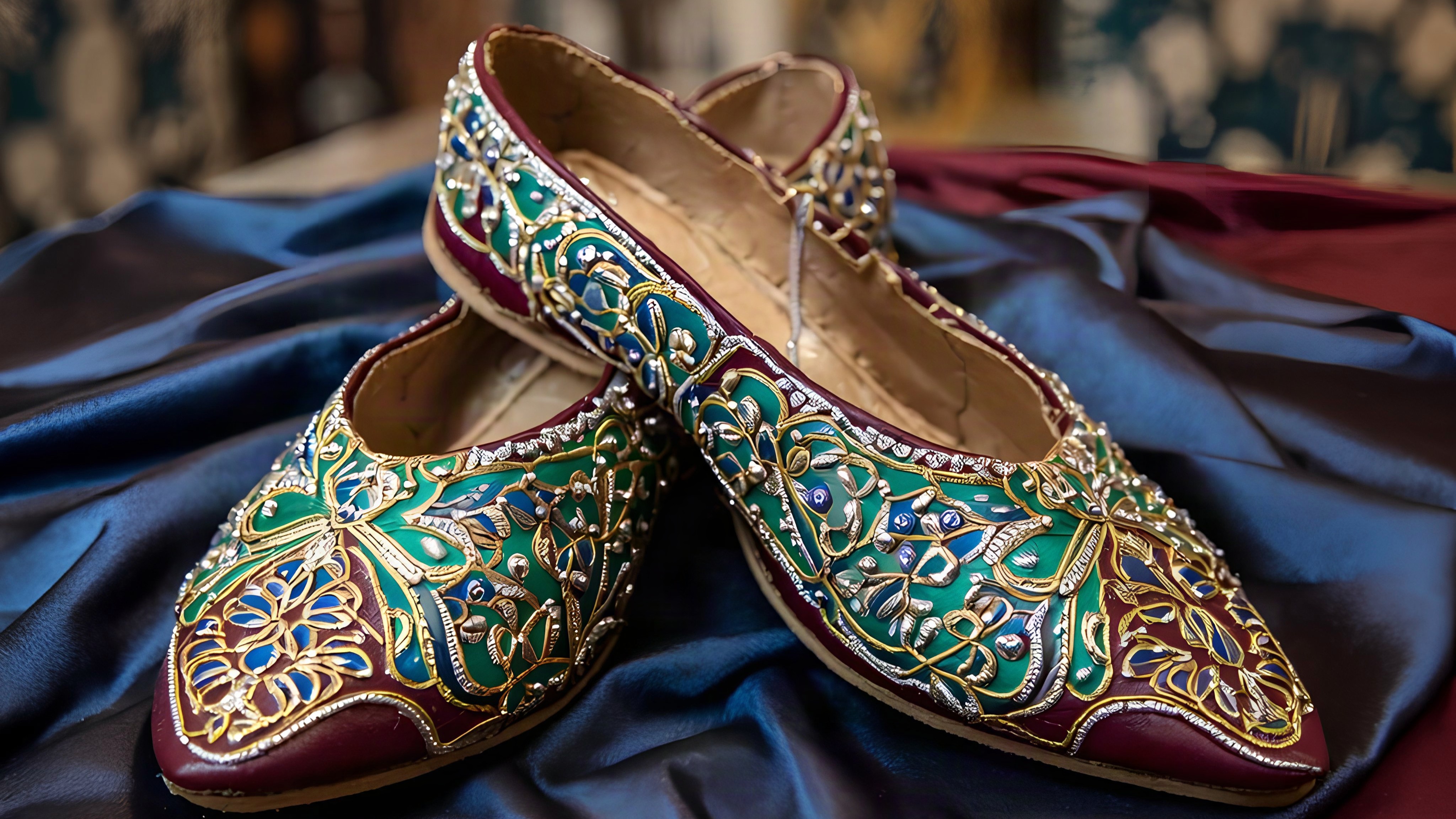
Juttis vs Mojaris: Which Is Best For Festive Ethnic Outfit
Photo Credit: iStock
Some Jutti and Mojari Products You May Like
1. FAUSTO Men Mojari
2. Bata Men's Slip-on Mojari
3. R RJ Trends Men's Brown Leather Mojari Slip-On Shoes
4. DFR Men's Jute Juti
5. Vellinto MONAR Cool Rajasthani Jutis
6. Kraasa Men's Jutis Ethnic Casuals, Slip-on Closure
7. Generic Ekaaya Men's Leather Ethnic Mojari Jutti
8. Flooristo Ethnic Branded Wedding Loafer Mojaris Juttis
Frequently Asked Questions (FAQs)
1. Which is more comfortable for long festive celebrations, juttis or mojaris?
Juttis generally take the crown for sheer comfort during long hours, mostly because their rounded shapes and flexible frames give your toes a bit more breathing room. That said, a well-padded mojari built with quality leather can easily keep you comfortable all night too.
2. Can I wear juttis with a saree?
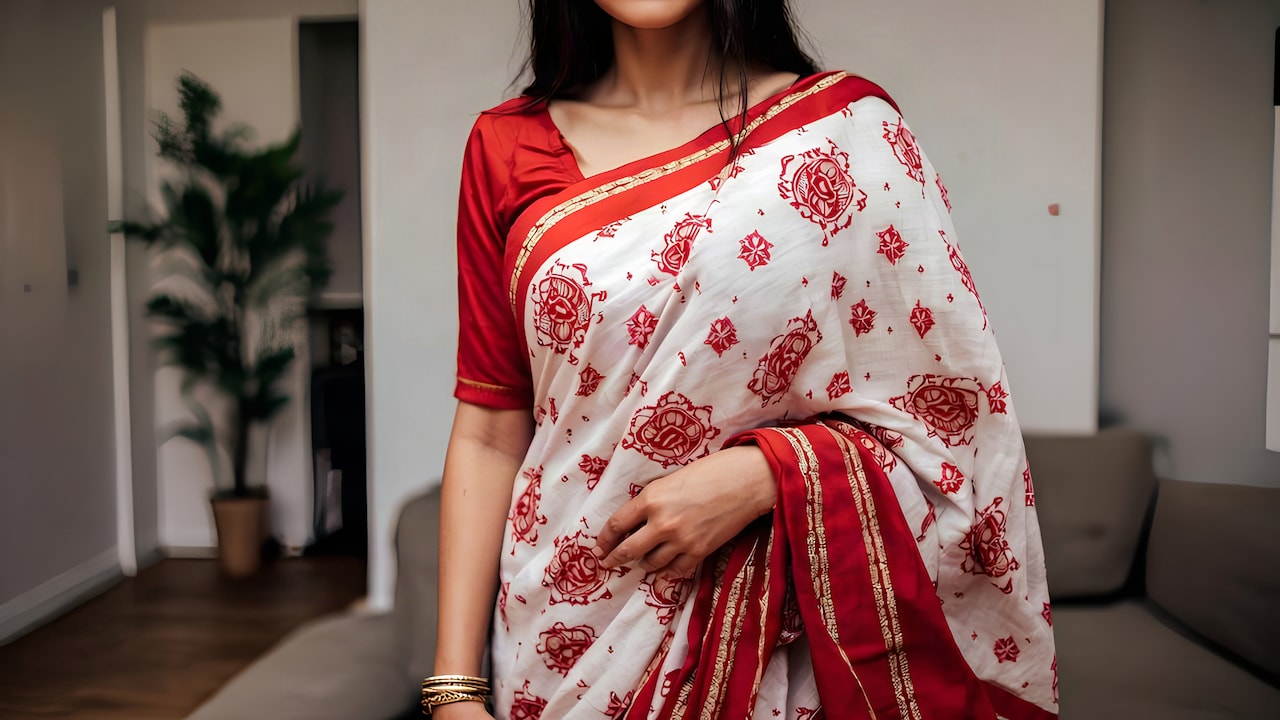
Definitely! Thread-embroidered or delicate beaded juttis look incredible with everything from breezy cottons to heavy festive silks, especially when you want an effortlessly graceful look without committing to heels.
3. Are mojaris suitable for weddings?
100%. Their distinct pointed shape and rich, ornate detailing give them an inherently regal look, making them a fantastic match for wedding functions, receptions, and major celebrations.
4. Which colour should I choose for maximum versatility?
Go for timeless metallic neutrals like classic gold, soft silver, warm beige, or champagne ivory. These shades smoothly blend with virtually any colour combination in your festive wardrobe.
5. What should I look for before buying ethnic footwear online?
Take a close look at the brand's sizing guide, check what materials are used for the lining and sole, confirm if there's built-in cushioning, and read through customer reviews to see how they hold up during real-world wear.
(Disclaimer: This article may include references to or features of products and services made available through affiliate marketing campaigns. NDTV Convergence Limited (“NDTV”) strives to maintain editorial independence while participating in such campaigns. NDTV does not assume responsibility for the performance or claims of any featured products or services.)