Kaftan vs Kurta Set: Which Is Comfier For A Festive Day
Trying to pick between a kaftan and a kurta set from Myntra for your very next festive day out? Here's which one actually holds up better, hour after hour.
How to choose between kaftan vs kurta set
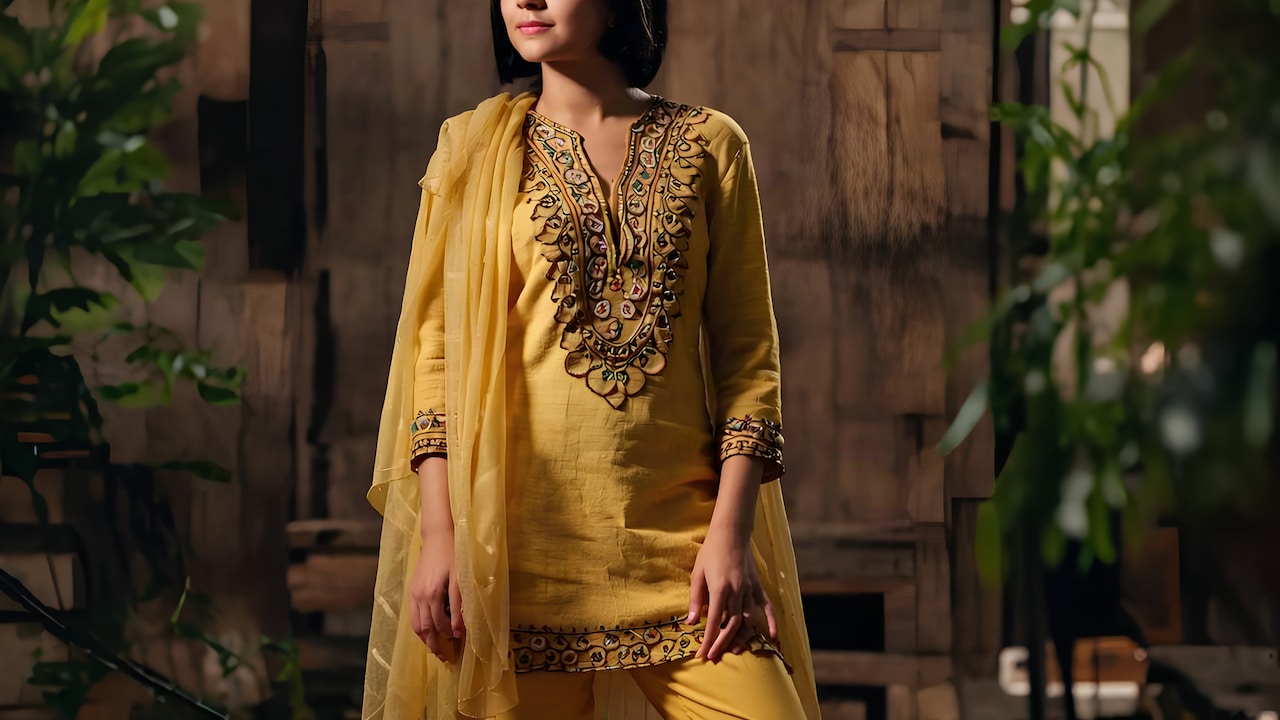
Two hangers, one hour before a haldi, and you still can't decide. A kaftan that skims past your knees sits on the left. A kurta set with trousers, the same one that looked sharp on the Myntra model when you ordered it, sits on the right. Neither is wrong for the day ahead, and both photograph well enough to post about later once you've picked one. What changes is how each one actually behaves after you've been wearing it for a few hours straight, rather than just standing still in front of a mirror deciding.
Kaftan Vs Kurta Set: What's Actually Different
Photo Credit: iStock
A long festive day tests any outfit eventually. Standing time adds up fast, a puja with floor-seating changes things more than people expect, and dancing does its own kind of damage to a fitted waistband by the second hour. Here's what actually happens to each one once the function gets going, section by section, so you're not guessing halfway through the evening.
Also Read: Take Your Routine Offline: The Art Of Curating A Beauty Analog Bag
Kaftan Vs Kurta Set: What's Actually Different
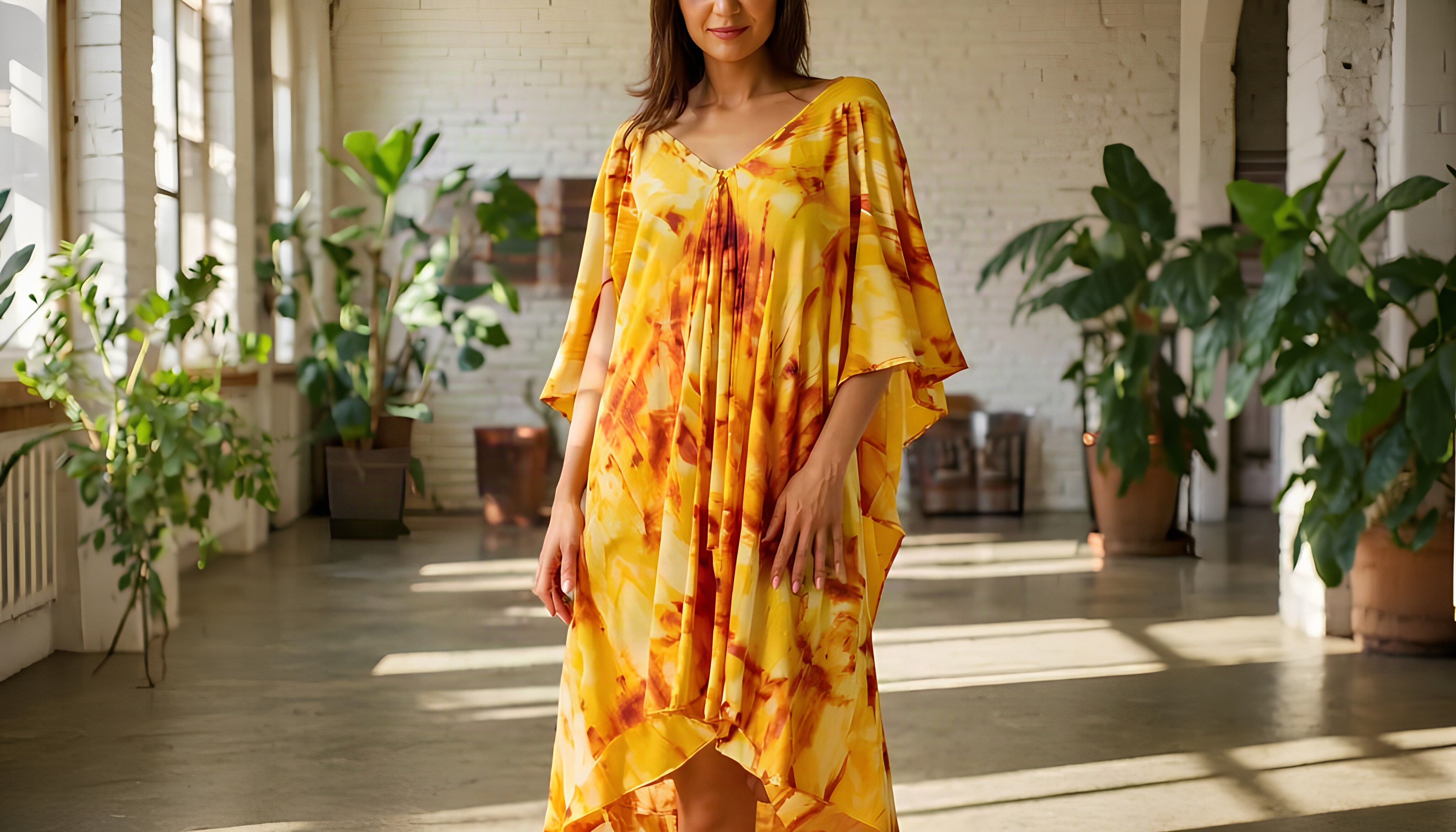
From across the room, both outfits look equally festive. But up close, the construction is very different. A kaftan is a single loose piece. Cut wide from shoulder to hem, with no waist seam anywhere; it slips on without any fitting and swings independently of your body as you move. Crowded hall, warm evening – this is why it stays cool.
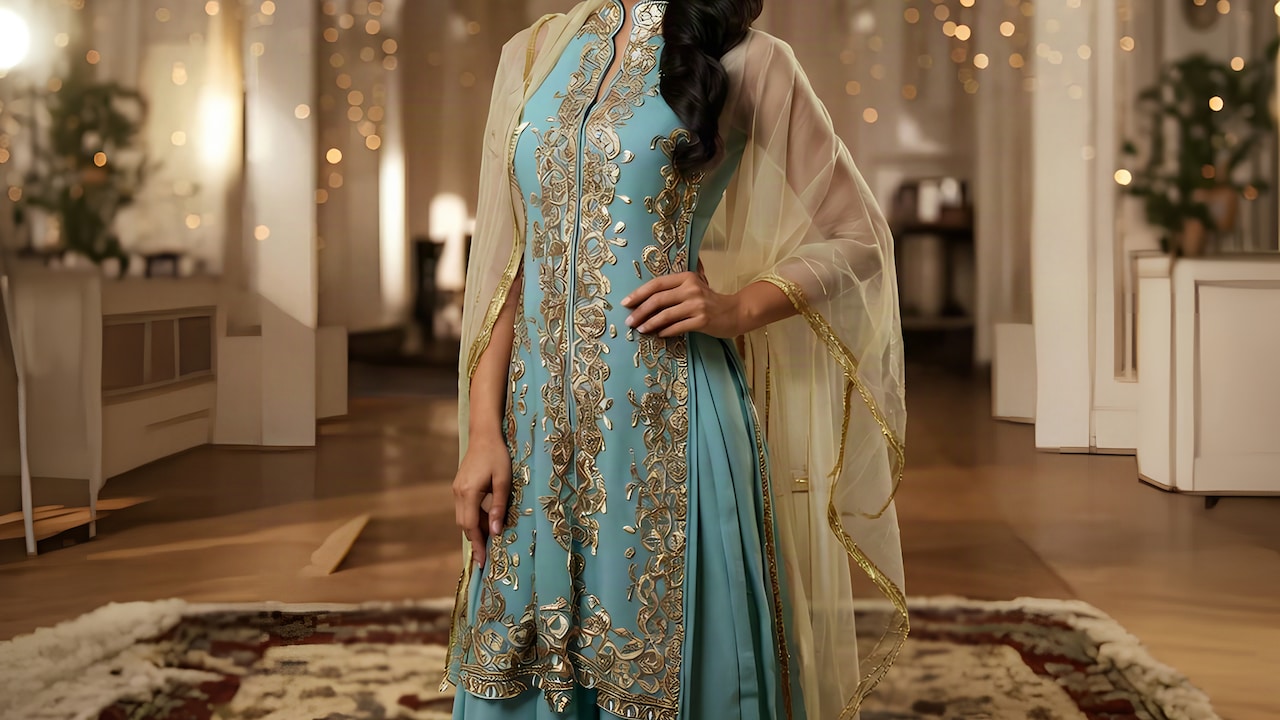
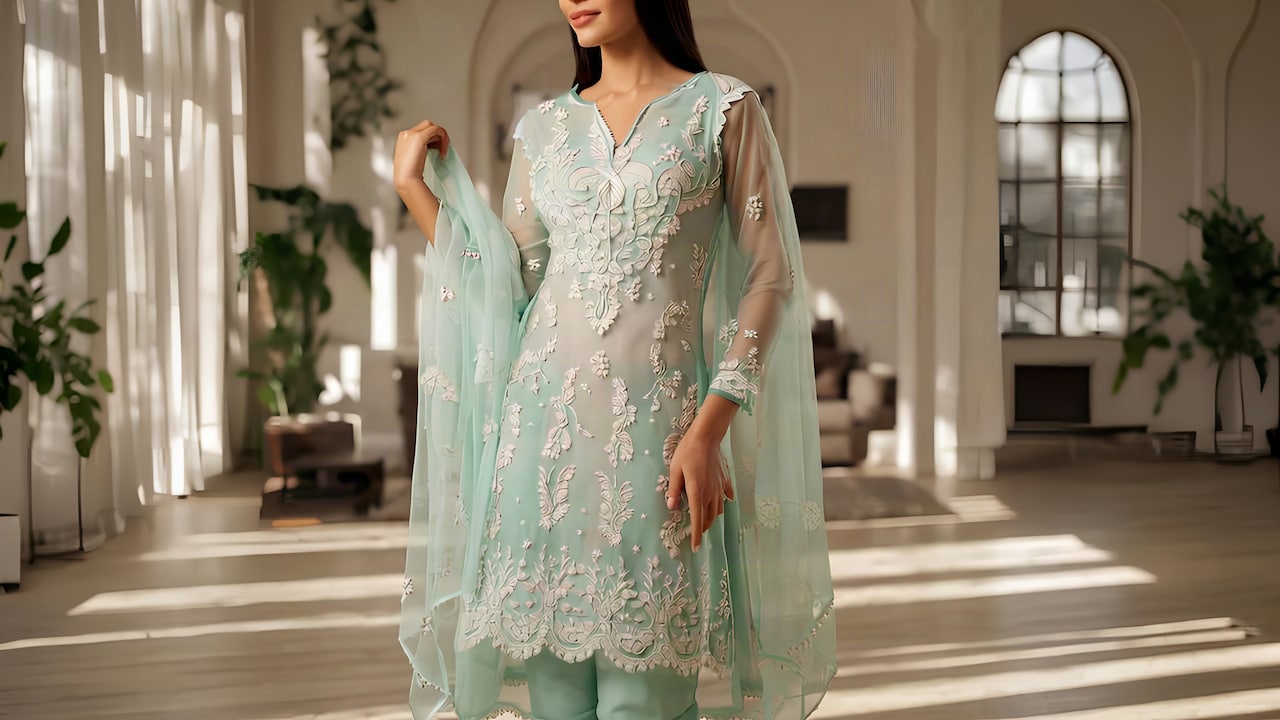
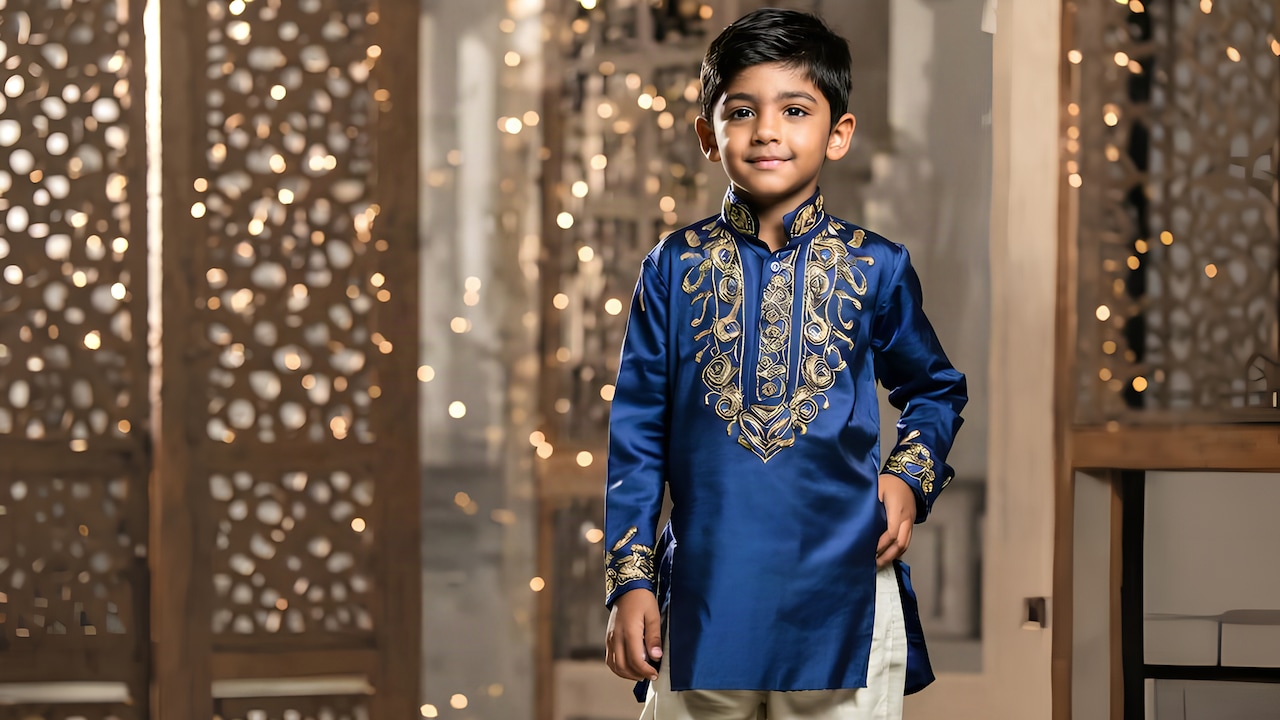
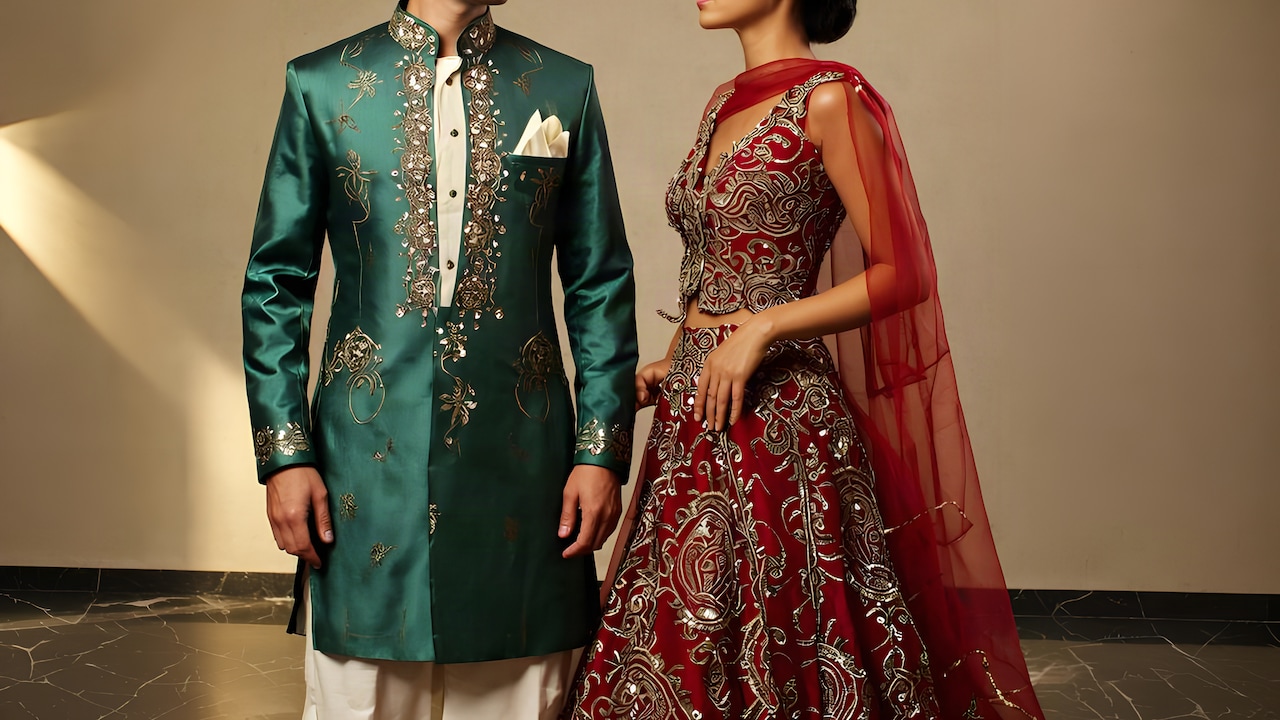
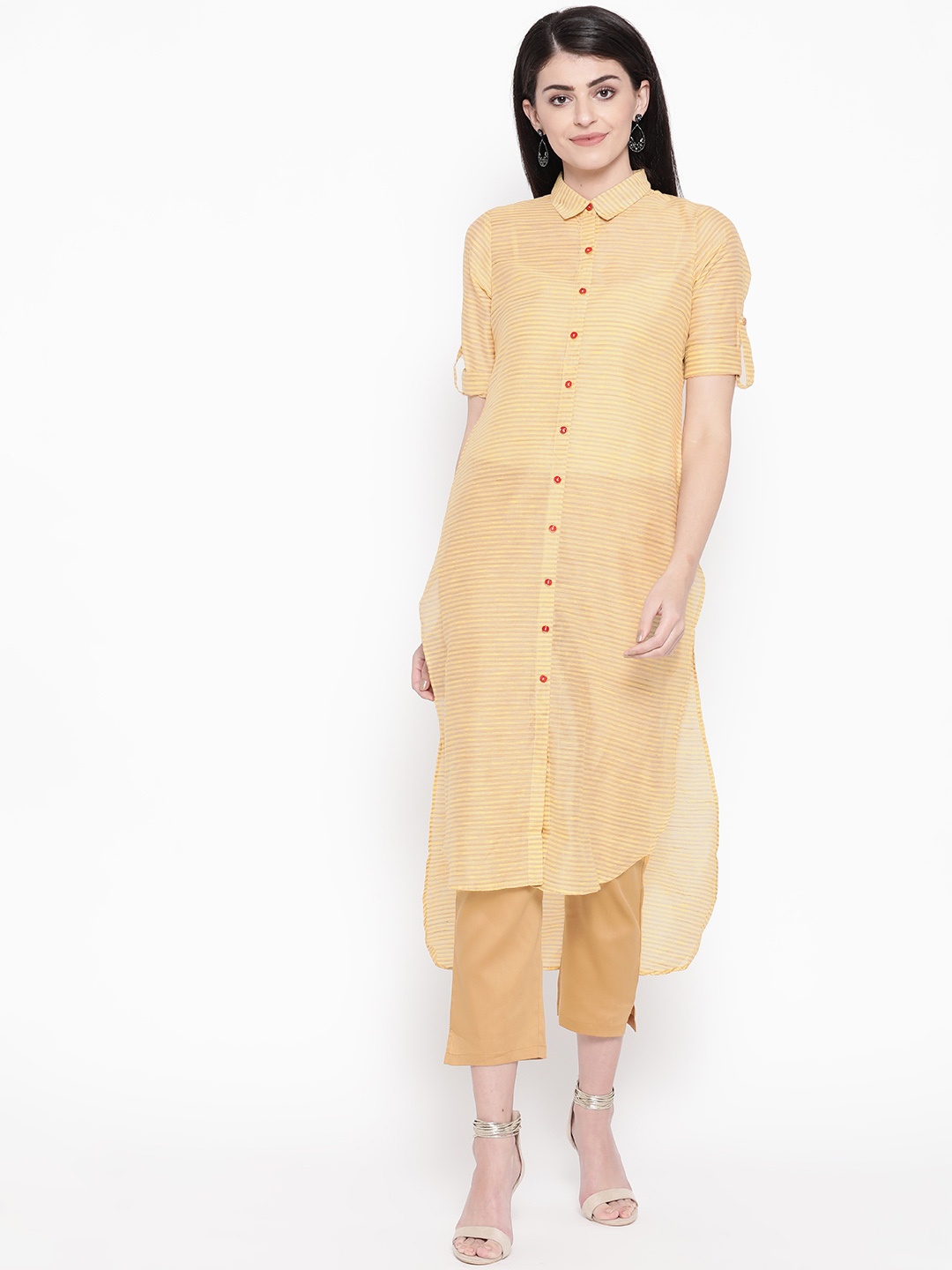
A kurta set is really two or three pieces stacked together, not one. Usually, a kurta is worn on top, trousers below, a palazzo if you're lucky, and a dupatta if the outfit calls for it. Being tailored to your measurements means it keeps its shape all evening. Get the size wrong, though, and there's no loose cut to hide it.
Which One Actually Feels Comfier To Wear All Day
Standing for most of the day? The kaftan tends to win here. Your waist stays free the whole time. You can sit down without anything digging in, and a second helping at dinner doesn't mean unbuttoning anything. The single layer also weighs less to carry through a long, warm evening.
Structure is where it gives something up. Ceremony photos taken while you're standing tend to flatter a fitted kurta set more, since a kaftan can read a little shapeless once the camera's out.
How Each One Actually Holds Up Through A Real Festive Day
Picture the actual hours, not the outfit hanging on the door. A puja on the floor, a dance floor later, and dinner somewhere in between – each one asks something different of what you're wearing.
1. Sitting On The Floor For A Puja
Floor-sitting barely bothers a kaftan. The fabric pools around you instead of pulling at the knees, and standing back up takes no adjusting at all. Fitted trousers under a kurta set are a different story after twenty minutes cross-legged. A palazzo solves most of that. Slim trousers won't.
2. Dancing At A Sangeet
A kaftan flares out with every turn. Nothing about the cut, fights, an arm raise or a spin, no matter how fast the song gets. Pair a kurta set with a flowy palazzo, and it dances almost the same way. The kurta itself is the weak point: give it a couple of hours of movement and it'll start riding up.
3. Standing Through A Long Reception Line
When there are constant guests coming in, you need something comfortable to wear to meet and greet them. That's exactly where a kurta set earns its photos, since it just doesn't lose its shape across a crowded hall. The kaftan holds up just as long physically. Stand next to the tailored kurta sets in the room, though, and yours can start looking a bit too relaxed by comparison.
4. Getting Through A Heavy Meal
No waistband means no loosening anything after seconds. A kaftan simply doesn't register a full plate. An elasticated waist on a kurta set comes close to matching that. A drawstring trouser is the one that eventually gives itself away, usually right around dessert.
What Should Actually Decide Your Choice
Comfort is only half the decision. The function itself, and what your body has always found comfortable to move in, carries just as much weight. Scrolling through last season's photos and picking whatever looked best is how most people end up regretting a choice by the time the day actually speeds up.
1. Check The Venue And Seating
Temple floors and mats favour the kaftan. Chairs. A stage. An actual banquet hall. That's when a kurta set's structure starts to matter.
2. Factor In The Weather
A packed, warm indoor hall is where the kaftan's breathability counts most. The evening cools down, and suddenly those extra kurta set layers aren't working against you anymore.
3. How Long Will You Actually Be Standing
Greeting guests or posing for photos for hours favours whatever holds its shape, which is the kurta set. Sit-down functions flip that back toward the kaftan.
4. Match It To Your Comfort History
Some bodies have always found loose silhouettes easier, trend or no trend. Others have never once minded something fitting. Go with whichever has actually been true for you.
So, Kaftan Or Kurta Set
Floor-seating, heavy food, an unpredictable schedule: that combination is where the kaftan earns its keep, which explains why it's the default for daytime haldi and mehendi functions.
Hand the day over to a stage with good lighting, where you're standing for photos more than sitting, and the kurta set takes that round instead. If the season ahead has both kinds of days on the calendar, packing one of each solves the actual problem.
Some Products You May Like
Photo Credit: iStock
Some Products You May Like
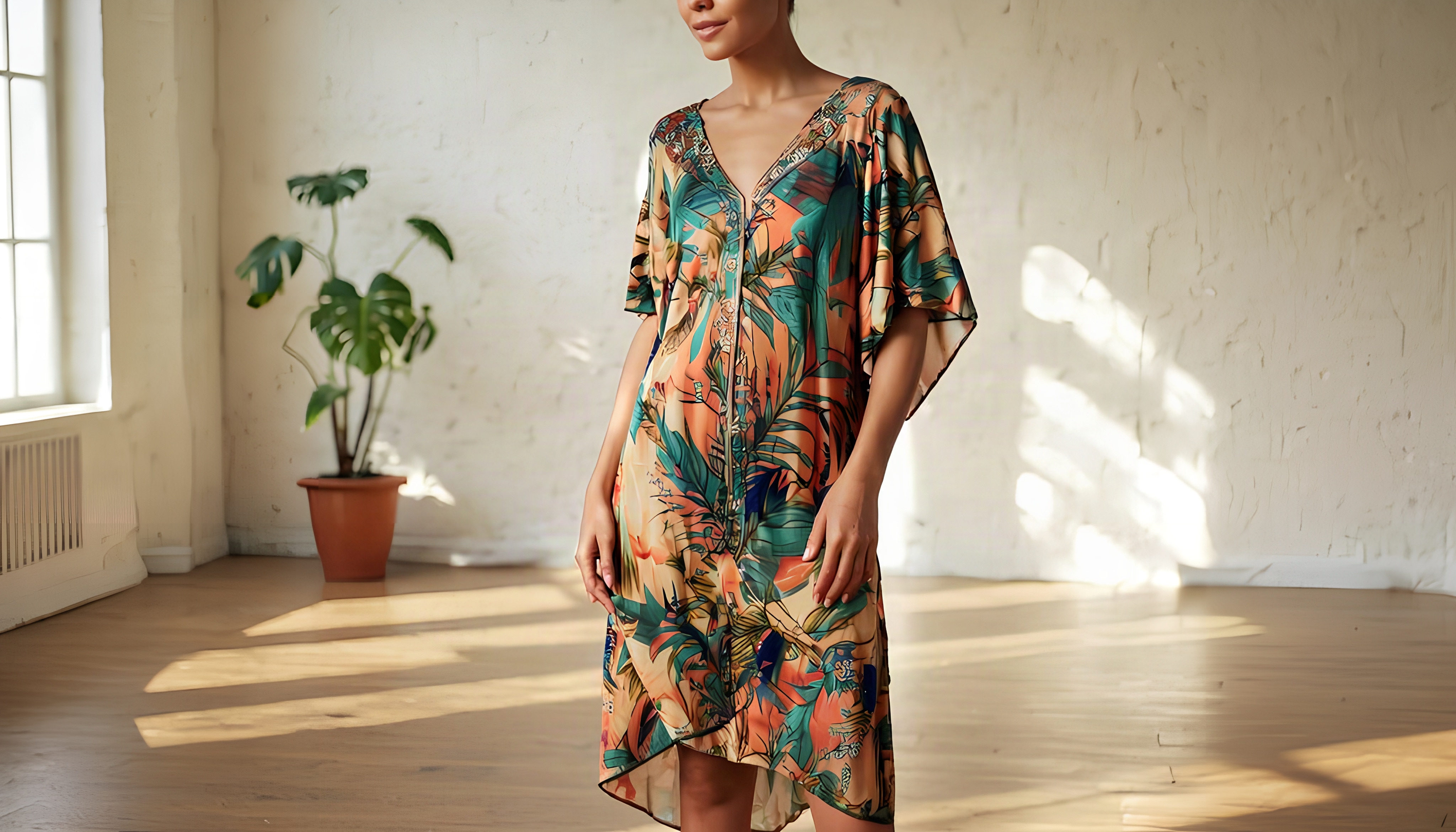
1. Maaesa Women's Yellow & Orange Tie and Dye Kaftan Midi Crepe Dress
2. Divena Women's Printed Midi Kaftan Ethnic Dresses
3. NWH Print Kaftan Midi Dress
4. Taavi Ajrakh Printed Cotton Round Neck Kaftan Dress
5. GoSriKi Women Ethnic Motifs Printed Regular Kurta with Trousers & With Dupatta
6. KALINI Ethnic Motifs Printed Thread Work Straight Kurta With Trouser & Dupatta
7. Sangria Women's Ethnic Motifs Embroidered Regular Thread Work Kurta with Trousers & With Dupatta
8. HERE&NOW Women's Ethnic Motifs Embroidered Regular Mirror Work Kurta with Palazzos & With Dupatta
Frequently Asked Questions (FAQs)
1. Is a kaftan more comfortable than a kurta set?
Depends on the function. Long, seated, or floor-based days go to the kaftan. Structure matters more at a photo-heavy event, and that's where a kurta set tends to win instead.
2. Can a kurta set work for a daytime haldi function?
It can, just not quite as easily as a kaftan handles floor-sitting and second helpings. A kurta set worn with a palazzo splits the difference reasonably well.
3. Which one suits a heavier build better?
Cut decides the fit more than body type does. A kaftan skims past everything, full stop. A well-fitted kurta set with a flowy palazzo isn't far behind it, either.
4. Is a kaftan too casual for a wedding reception?
Not automatically. Under reception lighting, in posed group shots, a structured kurta set usually comes out ahead. A well-cut kaftan is still a good choice.
5. Can't decide which function you'll end up at?
Pack one of each. A kaftan handles daytime, floor-seated functions, and a kurta set takes over for evening receptions.
(Disclaimer: This article may include references to or features of products and services made available through affiliate marketing campaigns. NDTV Convergence Limited (“NDTV”) strives to maintain editorial independence while participating in such campaigns. NDTV does not assume responsibility for the performance or claims of any featured products or services.)