Kids Outfit Mistakes That Make Movement Difficult During Play
Poorly fitted clothes, stiff fabrics and slippery shoes can restrict a child’s movement during play. Discover ten common outfit mistakes that affect comfort, safety and freedom.
How to dress up kids for easy movement and comfort
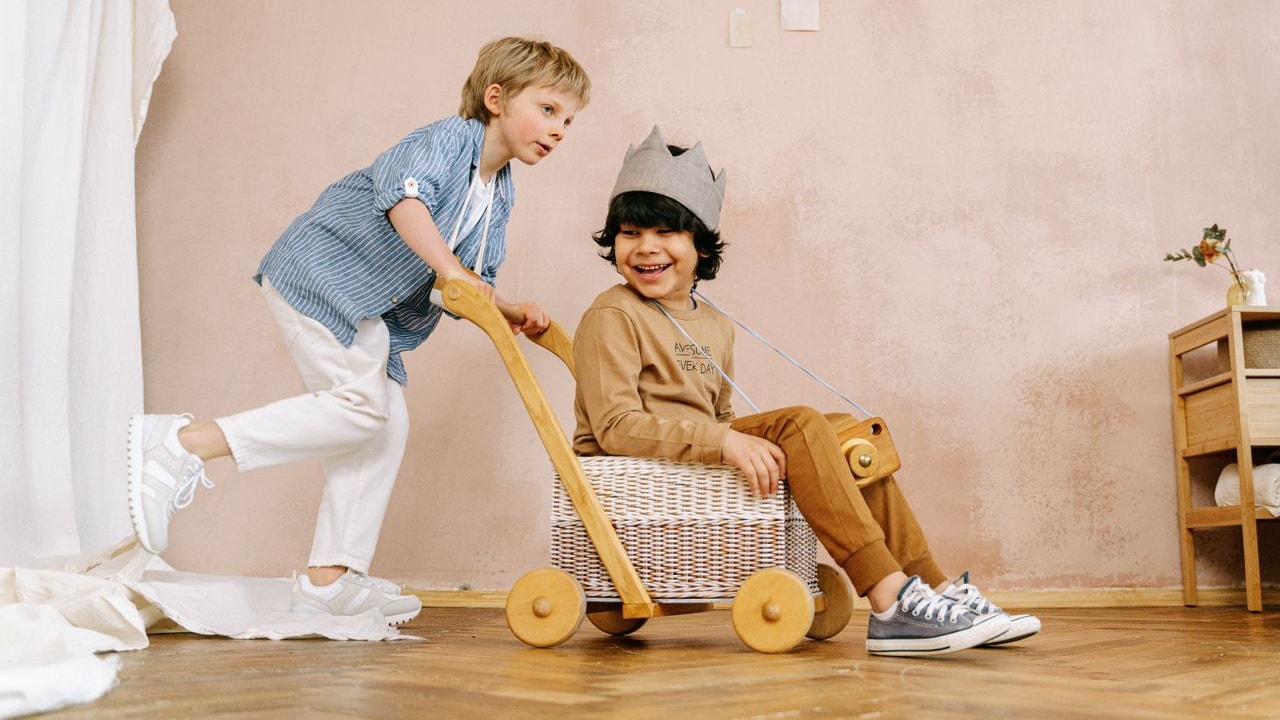
A child getting dressed for play may look like a simple daily routine. Pick a T-shirt, pull on a pair of bottoms, find two matching shoes and head outside. In reality, those choices can shape the entire play experience. Children use their bodies differently from adults. They squat to inspect ants, stretch to reach monkey bars, sprint after a rolling ball and sit cross-legged without warning. Their clothes need to move with them through every sudden twist and turn. An outfit may look charming in a family photograph, yet prove hopeless on a playground. A tight waistband can pinch during a game of kho-kho. A long frock can catch under a shoe. Decorative buttons may press against the skin while a child crawls through a play tunnel. Even a seemingly harmless pair of sandals can become a problem during an energetic race.
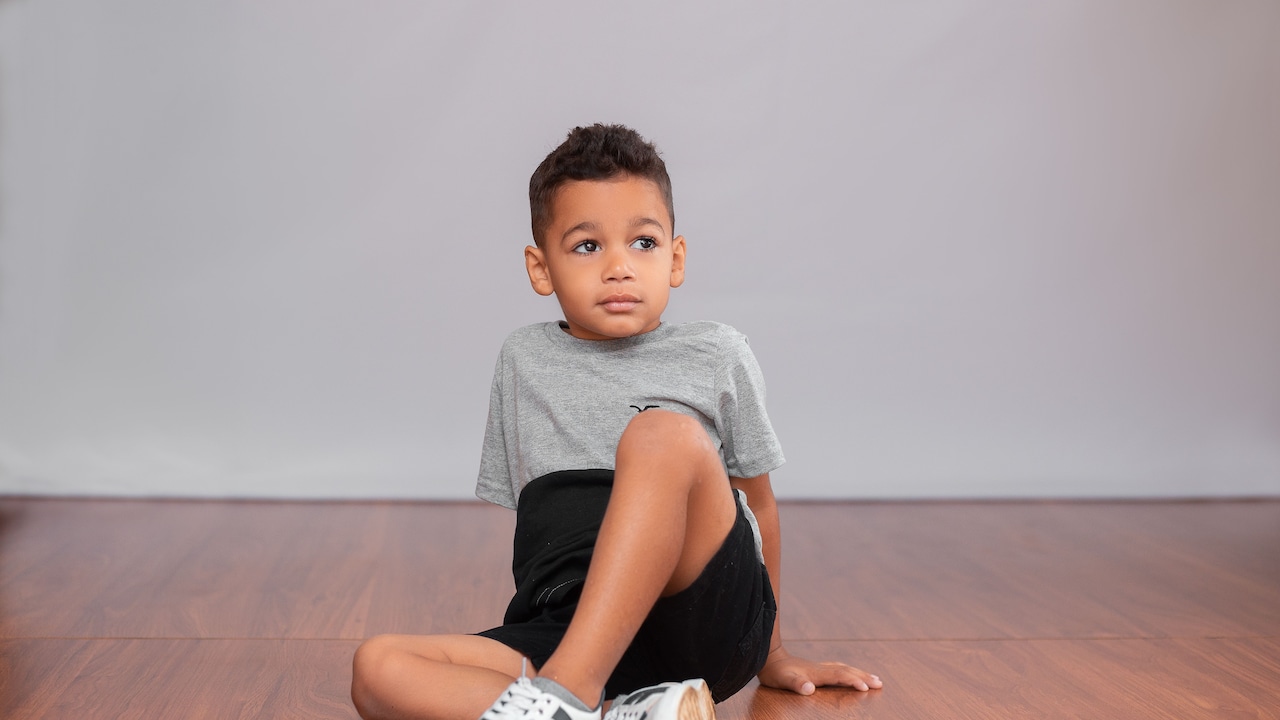
Common outfit mistakes that can disrupt easy movement for kids
Photo Credit: Pexels
Comfort does not mean dressing children carelessly. It means choosing clothes that support movement while still looking neat, cheerful and suitable for the occasion. The following outfit mistakes often go unnoticed until a child starts tugging, tripping or asking to go home early.
Also Read: Adorable Kids' Clothing Combos For Boys Under ₹599 That Will Make You Smile
Common Clothing Choices That Get In The Way Of Play
1. Choosing Clothes That Fit Too Tightly
A snug outfit may look smart at first, but children need room to bend, stretch and breathe. Tight jeans, fitted shirts and narrow sleeves can make ordinary playground movements feel like a wrestling match with fabric.
Imagine a child trying to climb a ladder while stiff trousers pull sharply across the knees. Each step becomes harder than it needs to be. Tight waistbands may also dig into the stomach when the child sits, squats or leans forward. Instead of enjoying the game, the child starts adjusting the outfit every few minutes.
Parents sometimes buy close-fitting clothes because they look polished or because a growing child may soon outgrow a larger size. However, children do not play like miniature office workers. Their clothing needs a little ease around the shoulders, hips, knees and waist.
The right fit should allow a child to raise both arms, touch the toes, squat comfortably and take a long stride. Clothes should not leave deep marks on the skin or require constant pulling. A neat fit works well; a restrictive fit does not.
2. Dressing Children In Stiff Fabrics
Some fabrics seem attractive on a hanger but behave like cardboard once a child starts moving. Heavy denim, rigid brocade, thick synthetic blends and heavily starched cotton can restrict natural movement, especially around the elbows, knees and waist.
Festive clothes often create this problem. A beautifully embroidered kurta set may suit a family celebration, but it can feel awkward during an impromptu game of catch. Children rarely separate “special clothes” from “play clothes” once cousins arrive and someone finds a ball.
Stiff fabric also rubs against the skin. In warm weather, that friction can lead to redness around the neck, thighs or underarms. The child may become irritable without knowing how to explain the discomfort.
Softer cotton, flexible jersey, lightweight linen blends and stretch fabrics usually work better for active hours. They follow the body instead of fighting it. Before buying an outfit, gently pull the fabric, fold it and move the sleeves or trouser legs. If the material refuses to bend in your hands, it will probably refuse to cooperate on the playground too.
3. Picking Trousers That Keep Sliding Down
Loose trousers may appear comfortable, but a weak waistband can create a different kind of restriction. A child who must hold up slipping track pants cannot run freely, climb confidently or use both hands during play.
This problem often appears when parents buy oversized clothes “for growth”. The logic seems sensible. Children grow quickly, and nobody enjoys replacing barely worn clothes every few months. Yet trousers that sit far below the waist may become a safety risk.
During a race, the child may shorten each stride to stop the trousers from falling. While climbing, one hand may leave the railing to pull the waistband up. Drawstrings can help, but long loose strings may catch on playground equipment.
Elastic waistbands should feel secure without pinching. Adjustable waist tabs also offer useful growing room. The child should be able to jump several times without the trousers shifting.
Buying one sensible size with adjustable features often gives better value than choosing an outfit several sizes too large. A bargain loses its charm when the wearer spends the afternoon walking like a penguin.
4. Selecting Skirts Or Dresses That Are Too Long
Flowing dresses look delightful when a child twirls, but extra length can quickly become troublesome during energetic play. A hem that reaches the ankles may get trapped under a shoe while the child runs, climbs stairs or gets up from the ground.
Long skirts can also wrap around the legs during cycling, skipping or chasing games. The child may instinctively take smaller steps, which limits speed and balance. On slides, loose fabric may bunch underneath the body and create an uncomfortable landing.
This does not mean children must avoid dresses while playing. The length and shape simply need careful thought. Knee-length or slightly longer styles often give enough coverage without tangling around the feet. Stretchy shorts underneath can add comfort during climbing and cartwheels.
Parents should also check how the garment behaves when the child squats or steps onto a stool. A dress that seems manageable while standing still may suddenly pull tight or trail across the floor.
Play-friendly clothing should let a child forget about the outfit. The moment a child starts lifting the hem before every step, the dress has become part of the obstacle course.
5. Using Too Many Decorative Details
Sequins, beads, bows, metal charms and oversized buttons can make children's clothing look playful. Unfortunately, too many decorations can turn an outfit into a tiny collection of hazards.
Raised embellishments may press into the skin when a child lies on the stomach, crawls or leans against playground equipment. Loose beads can catch on netting, ropes or another child's clothing. Sharp-edged sequins may scratch the arms, especially during warm weather when skin becomes sweaty and sensitive.
Large bows and fabric flowers often look harmless, but their placement matters. A bulky decoration near the waist may dig into the body while sitting. A heavy ornament on the shoulder can make a bag strap uncomfortable. Decorative tassels may swing into the face during running.
Simple details usually survive active play better. Printed patterns, soft patches and flat embroidery add personality without getting in the way.
Before choosing an embellished outfit, run a hand across the inside and outside of the garment. Check for rough stitching, loose pieces and hard surfaces. If the decoration feels annoying after ten seconds of touching, it may feel unbearable after an hour of play.
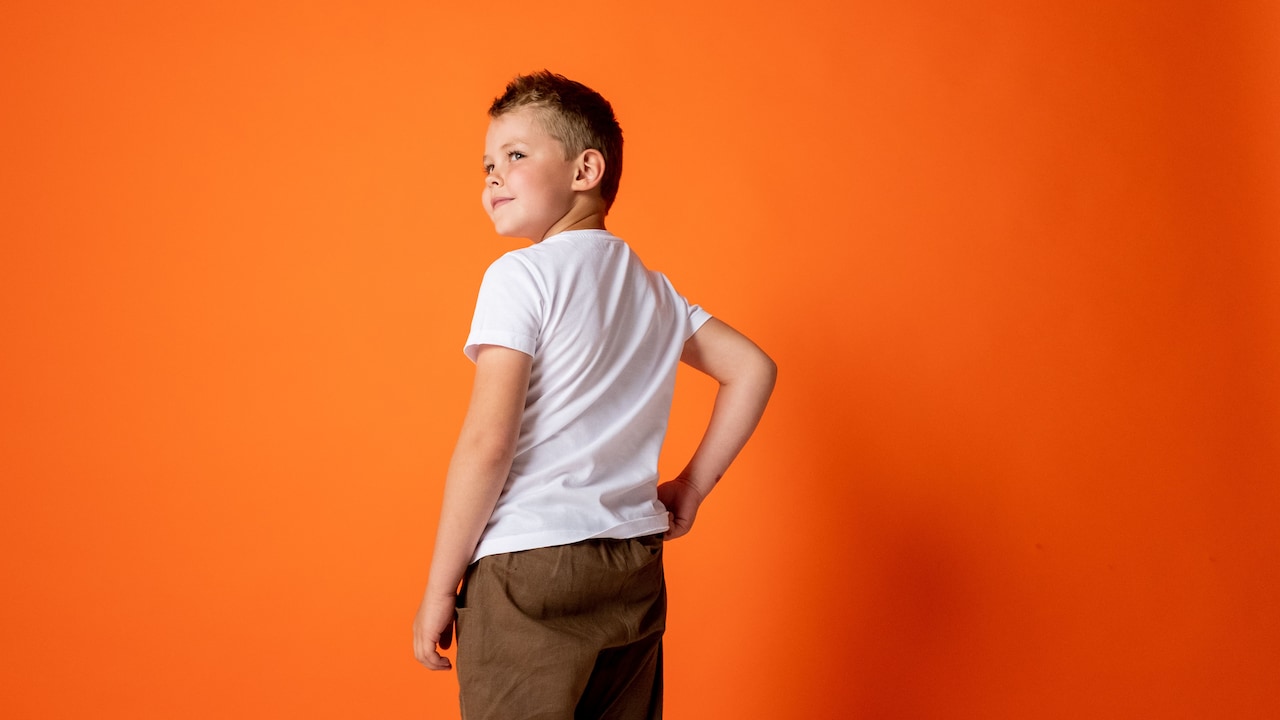
Outfits with too many embellishments can feel uncomfortable; Photo Credit: Pexels
6. Choosing Footwear With Poor Grip
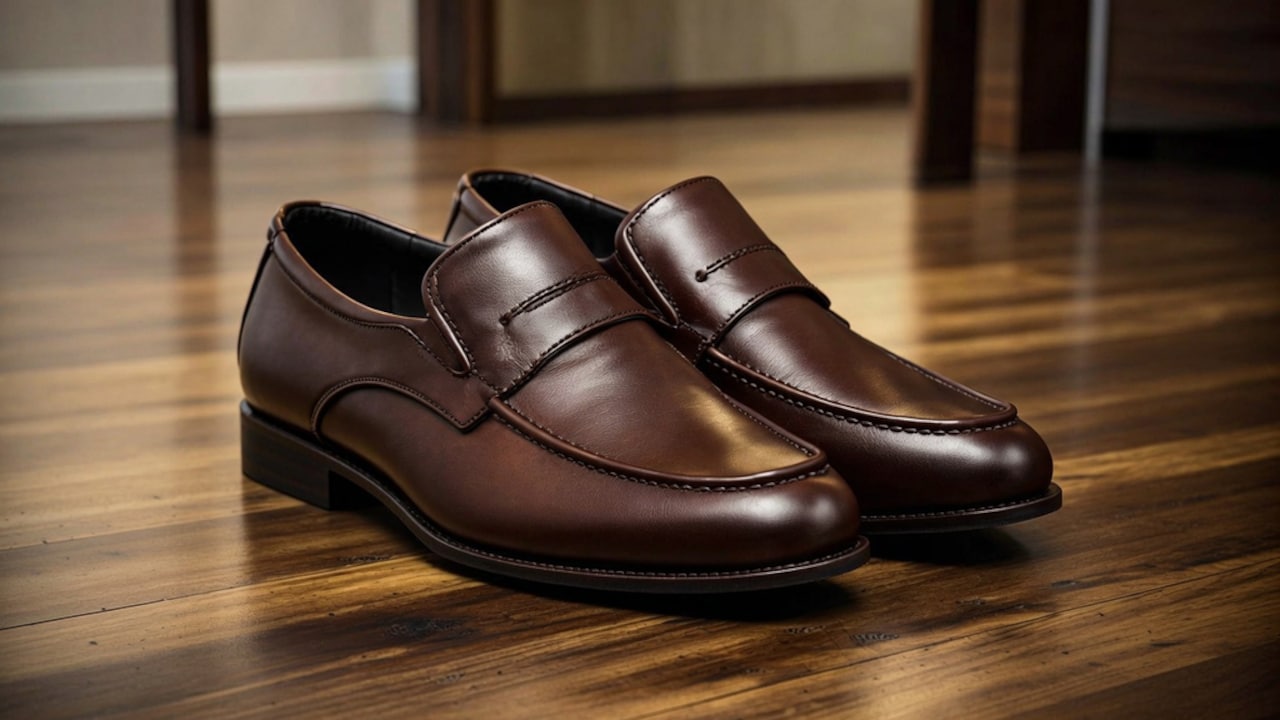
Shoes affect nearly every movement a child makes. Slippery soles, loose sandals and stiff footwear can make running, turning and climbing much harder.
A shiny pair of party shoes may look impressive, but smooth soles offer little grip on polished floors or playground tiles. Flip-flops can slide off during a sprint. Oversized shoes may cause the toes to grip unnaturally, while tight shoes can squeeze the feet and affect balance.
Children also need footwear that bends near the ball of the foot. Shoes that feel rigid like a wooden plank make jumping and quick direction changes uncomfortable. Heavy footwear may tire smaller legs faster than expected.
Secure trainers, flexible canvas shoes and well-fitted sports sandals often suit active play. The heel should stay in place, and the toes should have enough room to move without the foot sliding forwards.
Socks matter too. Thick seams or damp synthetic fabric may cause rubbing and blisters. A child with sore feet will quickly lose interest in even the most exciting game. Good grip, flexibility and fit matter far more than sparkle.
7. Dressing Children In Too Many Layers
Adults often add extra layers because they worry that children may feel cold. The concern comes from a caring place, but active children generate heat quickly.
A vest, full-sleeved T-shirt, sweatshirt and jacket may feel comfortable during the drive to the park. Ten minutes into a football game, the same outfit can feel like a portable oven. Overheating may make a child tired, thirsty, flushed and irritable.
Bulky layers also restrict movement around the shoulders and elbows. A thick jacket can make it difficult to swing the arms freely or grip climbing equipment. Children may remove layers and leave them on a bench, where they begin a separate adventure of disappearing.
Layering still works well when each piece remains light and easy to remove. A breathable base layer with one comfortable outer layer usually offers more flexibility than several heavy garments.
Parents can also check the child's neck or upper back instead of judging body temperature by cold hands. Play clothes should match both the weather and the activity. A child watching a match needs different clothing from a child racing across the field.
8. Ignoring Sweat And Breathability
Warm weather, crowded play areas and constant movement can make children sweat within minutes. Clothing that traps heat and moisture may cling to the skin, cause itching and make movement unpleasant.
Some synthetic fabrics look smooth and dry quickly after washing, yet they may not feel comfortable during long periods of active play. When sweat cannot escape, the child may develop rashes around the neck, back, waistband or thighs.
Dark, heavy clothes can also absorb more heat during outdoor play. A child wearing thick black trousers at midday may feel uncomfortable much sooner than one wearing lighter, breathable clothing.
Cotton and moisture-managing sports fabrics often suit active days better. Loose weaves and lightweight materials allow air to circulate. The outfit should also dry reasonably quickly after sweating or a surprise encounter with a garden hose.
A spare T-shirt can save the day during longer outings. Changing out of damp clothing helps prevent chills once the child stops running.
Breathability may not appear exciting on a shopping label, but it can decide whether playtime lasts twenty minutes or two happy hours.
9. Forgetting About Fasteners And Closures
Complicated buttons, stubborn zips, tight hooks and elaborate belts can frustrate children during play. These details may not restrict running directly, but they can affect independence and comfort.
A child who cannot open a difficult button may struggle during a toilet break. A tight belt buckle may press against the stomach when bending forward. Metal zips without a soft fabric guard can pinch the skin or rub against the neck.
Dungarees and jumpsuits deserve special attention. They can look adorable, but several straps and buttons may turn a quick bathroom visit into a timed puzzle. Younger children may panic when they cannot manage the outfit alone.
Simple elastic waists, easy zips, press studs and child-friendly fasteners usually work better. Closures should stay secure during movement without requiring adult help every few minutes.
Check whether any zip pull, hook or buckle sits directly under a backpack strap or safety harness. Pressure in the wrong place can cause discomfort during travel or outdoor activities.
A practical outfit lets children handle basic needs confidently. Independence feels just as important as style, especially when playtime has no patience for complicated clothing engineering.
10. Prioritising Appearance Over The Activity
The biggest mistake often comes from choosing clothes for the photograph rather than the activity. A perfectly coordinated outfit may earn compliments, but it offers little value if the child cannot move comfortably.
A birthday party at an indoor play zone needs different clothing from a wedding lunch. A picnic may involve grass stains, climbing and spilt juice. A visit to a relative's home can quickly turn into rooftop cricket with cousins.
Parents sometimes hesitate to let children play freely because the outfit cost ₹2,000 or requires delicate washing. The child then hears repeated warnings: do not sit there, do not run, do not touch that and definitely do not go near the mud. The outfit becomes a set of invisible handcuffs.
Good play clothes should survive ordinary mess. They should wash easily, allow movement and suit the setting. Style can still shine through cheerful colours, fun prints and thoughtful combinations.
Before dressing a child, consider the most active thing that might happen that day. Then choose an outfit that can handle it. Childhood rarely follows the programme printed on an invitation.
Products Related To This Article
1. Googo Gaaga Boys Striped Shirt With Trousers
2. Juniors by Babyshop Boys Printed Shirt with Pyjamas
3. BABY GO Kids Embroidered Shirt with Pyjamas
4. Googo Gaaga Boys Rainbow Printed Round Neck Pure Cotton T-Shirt With Joggers
5. HERE&NOW Boys Lion Printed T-shirt With Joggers
6. Carter's Boys Printed T-shirt with Shorts
7. GENIE AND TOM Boys Printed T-shirt with Shorts
Children experience the world through movement. They jump to test their courage, run to join friends, climb to see what lies above and crouch to discover what adults overlook. Clothing should support that curiosity rather than interrupt it.
Most outfit problems come from small, avoidable choices: trousers that slip, shoes that slide, fabrics that refuse to stretch or decorations that scratch. None of these mistakes makes someone a careless parent. Children grow quickly, weather changes and attractive clothes can distract even the most practical shopper.
A simple movement check can help. Ask the child to raise the arms, bend the knees, sit down, take a long step and jump. Watch for pulling fabric, slipping waistbands or uncomfortable shoes. Children may not always explain what feels wrong, but their movements usually reveal it.
The best play outfit does not need to look dull or expensive. It only needs to fit well, feel soft, stay secure and leave room for adventure. When clothing works properly, children stop thinking about what they are wearing. They focus on the important things instead: reaching the next step, catching the ball and racing towards laughter.
(Disclaimer: This article may include references to or features of products and services made available through affiliate marketing campaigns. NDTV Convergence Limited (“NDTV”) strives to maintain editorial independence while participating in such campaigns. NDTV does not assume responsibility for the performance or claims of any featured products or services.)