Kurtas That Look Fine Standing But Awkward Sitting: What to Check Before Buying
A kurta may look perfect standing but feel awkward the moment you sit. From side slits to fabric and fit, smart checks before buying can save discomfort, constant adjusting, and wasted money.
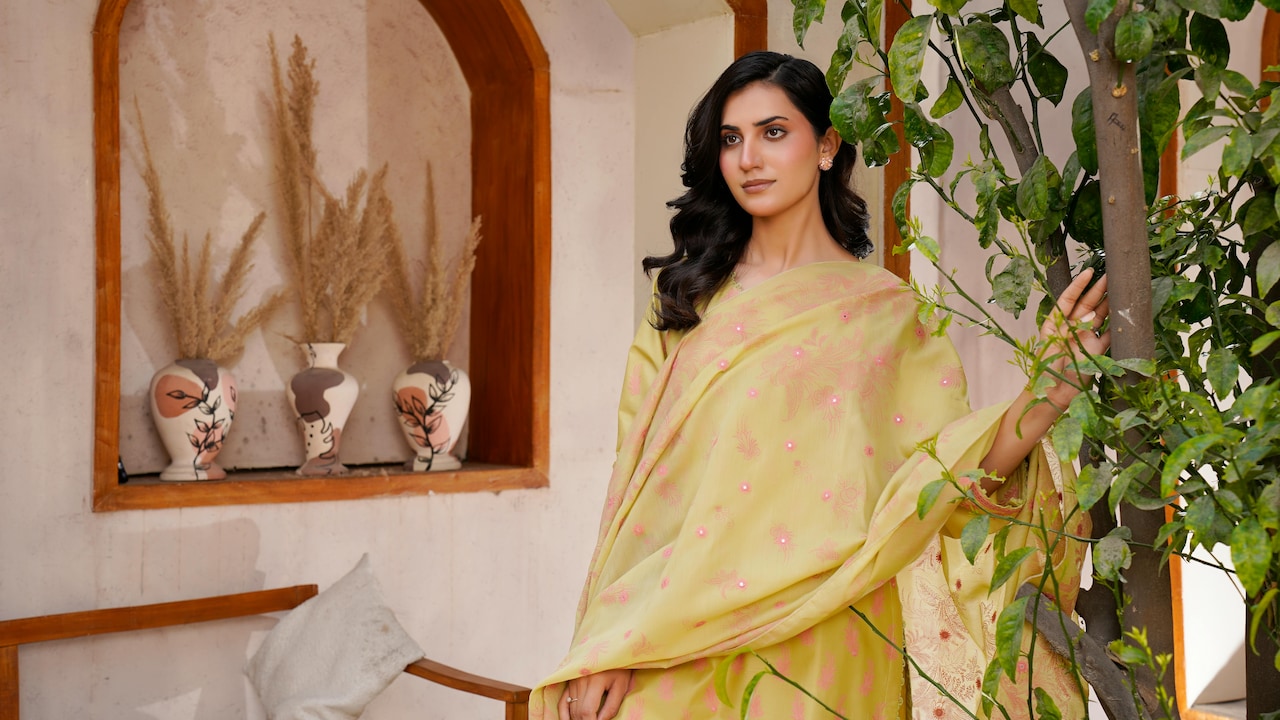
Buying A Kurta? Check These 10 Details Before You Regret It
Few wardrobe pieces balance tradition and versatility quite like a well-made kurta. It suits festive celebrations, office meetings, casual dinners, and even those last-minute family gatherings where dressing well suddenly becomes non-negotiable. Yet many shoppers know the frustration of buying a kurta that seems perfect while standing, only to discover later that sitting turns it into a crumpled, awkward affair. The issue often lies in overlooked details rather than obvious flaws. Trial rooms encourage upright poses, flattering angles, and quick decisions. Real life, however, involves bending, sitting cross-legged, climbing stairs, and enduring lengthy ceremonies where comfort matters just as much as appearance. A kurta that pulls at the stomach, bunches at the waist, or rides up awkwardly can quickly shift from stylish to regrettable.
Smart shopping means thinking beyond first impressions. The best kurtas maintain grace whether standing confidently or settling into a plastic chair at a cousin's engagement. Knowing what to inspect before buying can save money, discomfort, and wardrobe disappointment.
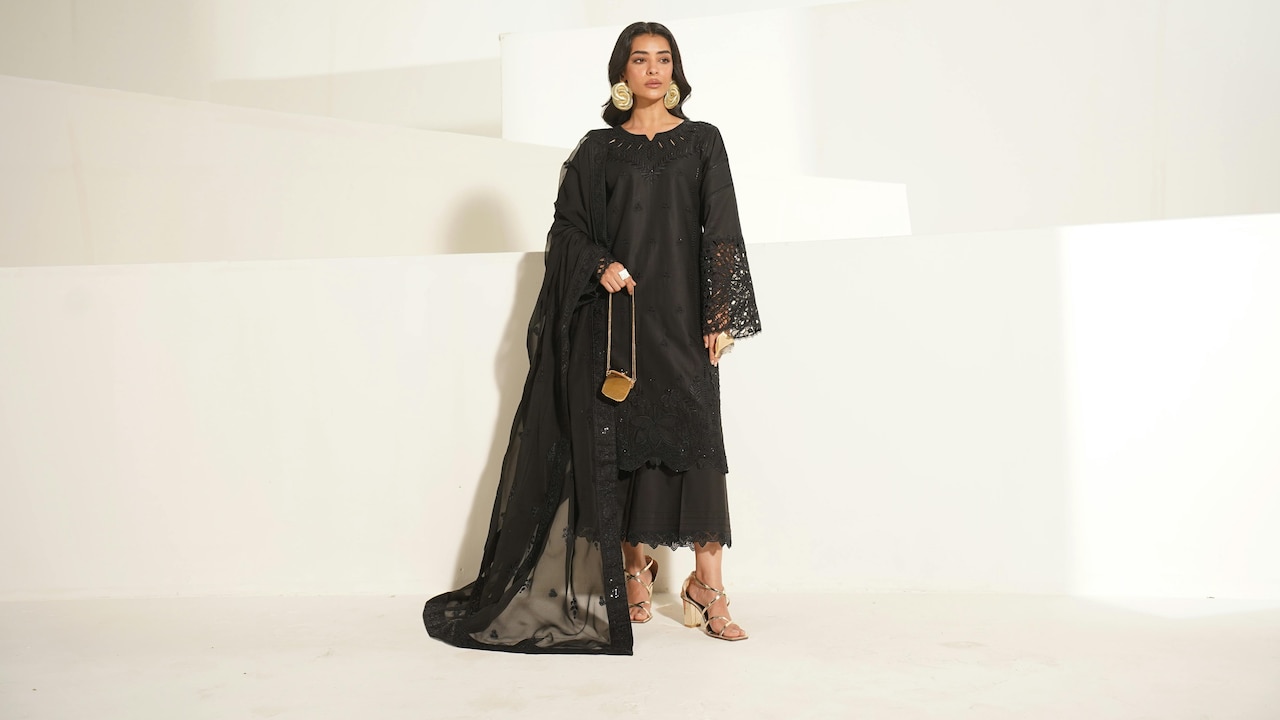
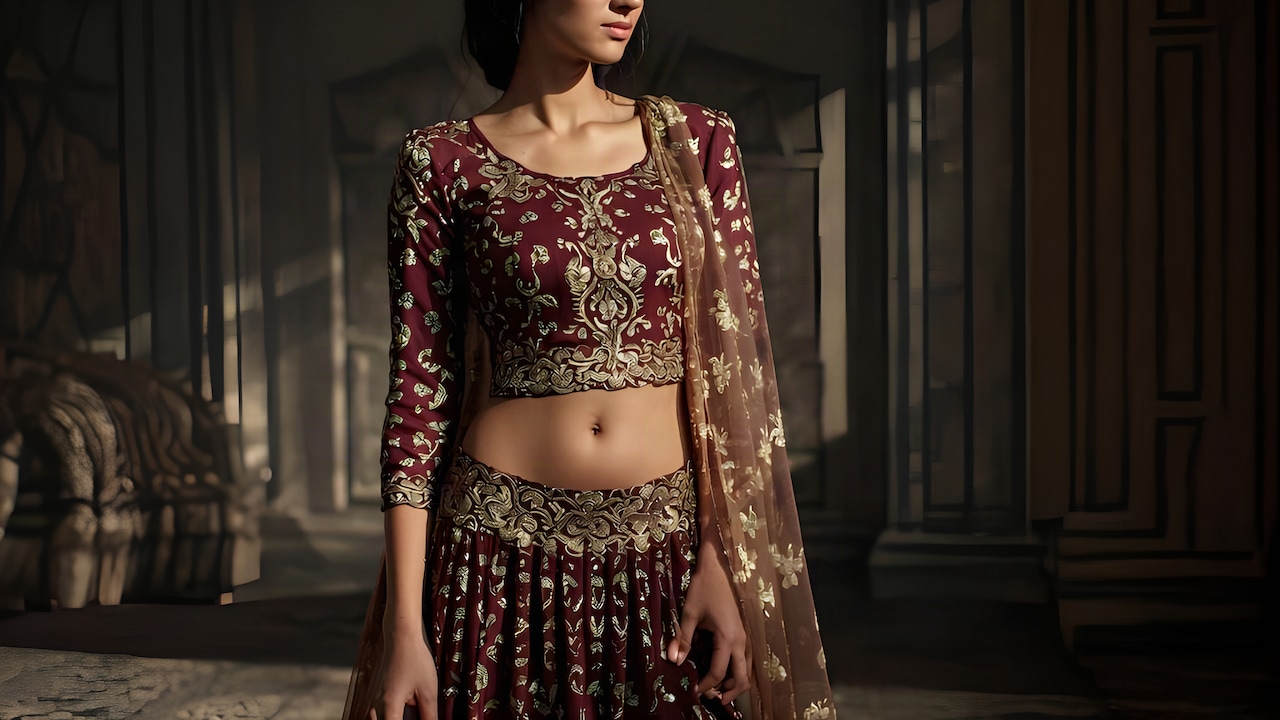
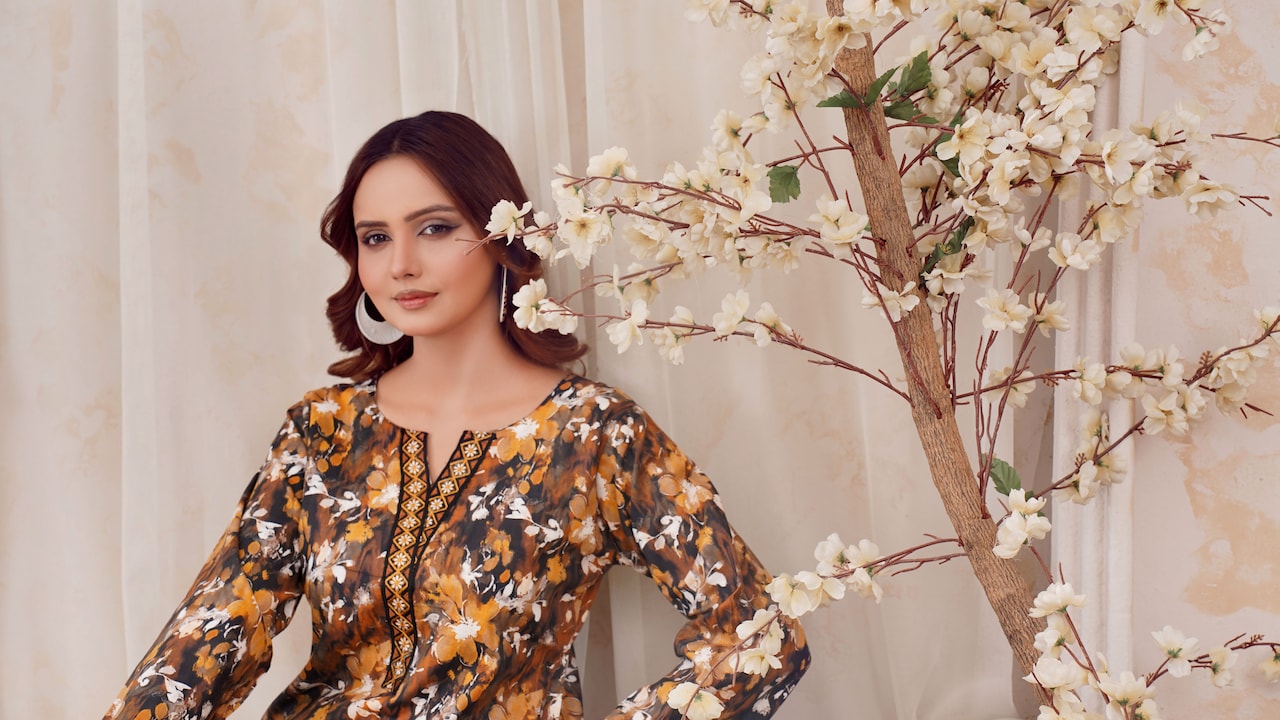
Buying A Kurta? Check These 10 Details Before You Regret It; Photo Credit: Pexels
Key Things To Check Before Buying A Kurta
Check The Side Slits Carefully
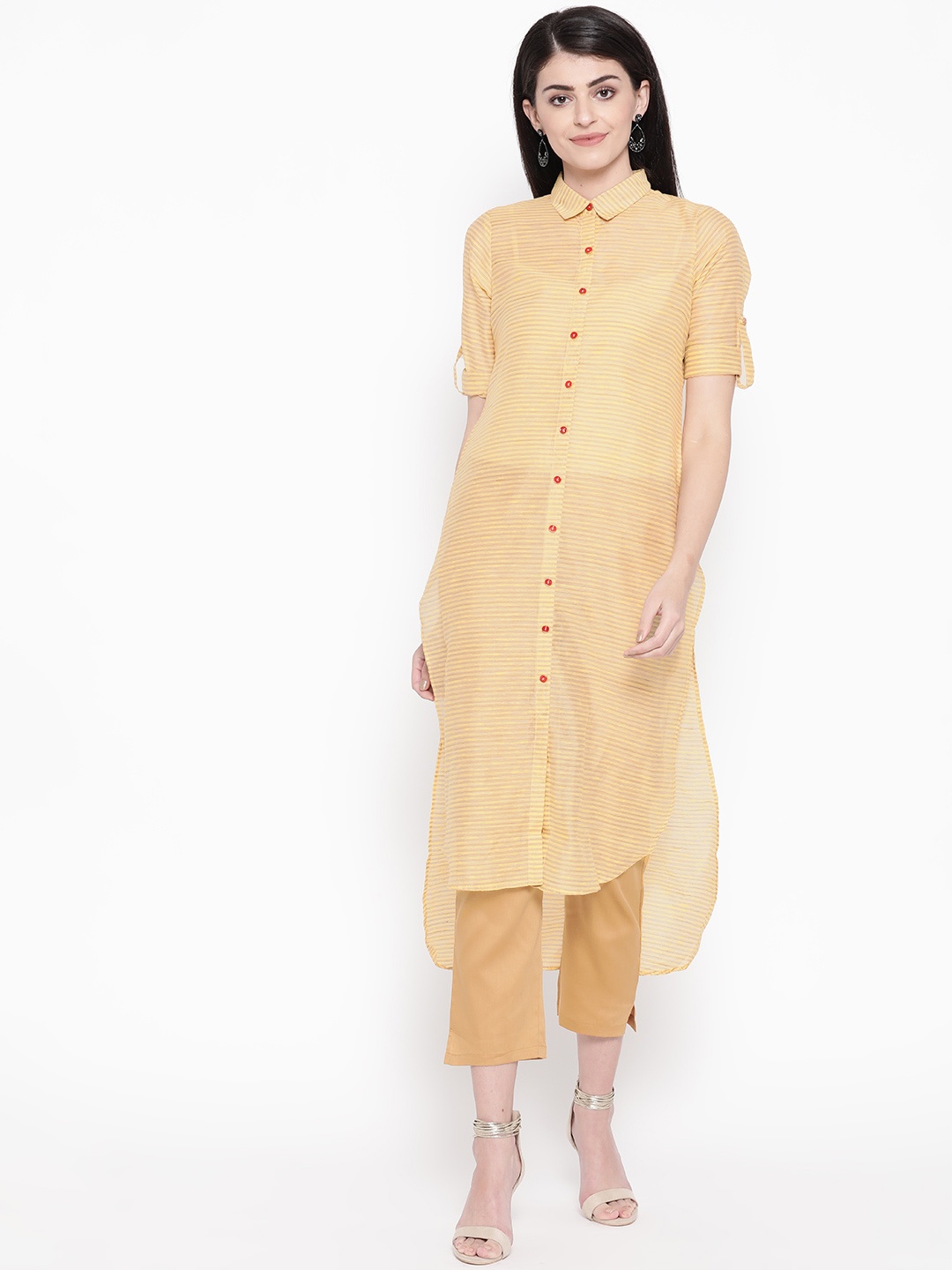
Side slits often seem like a design detail, but they can make or break comfort. Kurtas with slits that are too high may appear fashionable while standing, yet sitting can reveal far more leg than intended. This becomes especially awkward during formal events or religious functions, where constant adjusting feels distracting.
On the other hand, slits that are too short may restrict movement. Sitting down can create tightness around the thighs and hips, causing the fabric to pull in uncomfortable ways. The ideal slit length should allow easy movement while preserving modesty and shape.
A quick fitting room test helps immensely. Sitting on a stool or even mimicking a seated position can expose whether the slits behave properly. For daily wear, balanced side slits offer flexibility without compromising elegance. It is one of those tiny details that separates practical fashion from expensive regret.
Focus On Fabric Flexibility
Fabric can be deceptive under bright shop lighting. Crisp cotton, linen blends, or heavily embroidered materials often look regal when standing still. Yet once seated, stiff fabrics may crease harshly, bunch around the stomach, or feel restrictive.
Soft cotton blends, rayon, or breathable weaves generally adapt better to natural body movement. They drape instead of fighting every bend and fold. This matters greatly during long office hours, festive dinners, or travel days where comfort becomes essential.
Heavy fabrics may still work beautifully for occasions, but checking how they fold while sitting is crucial. A kurta should complement movement rather than punish it. Spending ₹2,500 on elegant discomfort rarely feels worthwhile. Choosing flexible material ensures the outfit remains polished throughout the day rather than looking like it survived a wrestling match with a banquet chair.
Also Read: 5 Elegant Cotton Kurta Sets for Daily Comfort and Style Under ₹1000
Assess The Hip And Seat Area
Many shoppers focus heavily on shoulders and chest fit while ignoring the lower half. This oversight often leads to kurtas that fit wonderfully standing up but strain awkwardly when seated.
The hip and seat area need enough room for natural posture changes. Sitting requires expansion, and overly tailored cuts can create pulling lines, visible tension, or uncomfortable tightness. Nobody wants to spend a family gathering subtly tugging fabric every few minutes.
Straight-cut kurtas especially need proper lower-body allowance. A slightly relaxed silhouette often proves more flattering in motion than an ultra-slim design. Good tailoring should skim the body, not cling desperately to it.
Testing comfort through movement is essential. Walk, bend, and sit during fittings whenever possible. The difference between a flattering fit and a frustrating one often becomes obvious the moment knees bend.
Watch The Hem Length
Length plays a bigger role than many realise. Kurtas that seem perfectly proportioned while standing can become troublesome when sitting if the hem rises excessively or bunches awkwardly around the lap.
Very long kurtas may ride up dramatically, creating bulk and discomfort. Shorter styles, meanwhile, can lose elegance if they shift too high while seated. Mid-thigh to knee-length options often provide the most balanced result for regular wear.
The hem should flow naturally, whether seated on an office chair or a floor cushion. This becomes particularly relevant during festivals, weddings, or community events where seating arrangements vary wildly.
Choosing the right length is not merely about style trends. It is about maintaining visual balance and ease throughout different settings. A thoughtful hemline keeps the kurta looking refined rather than fussy.
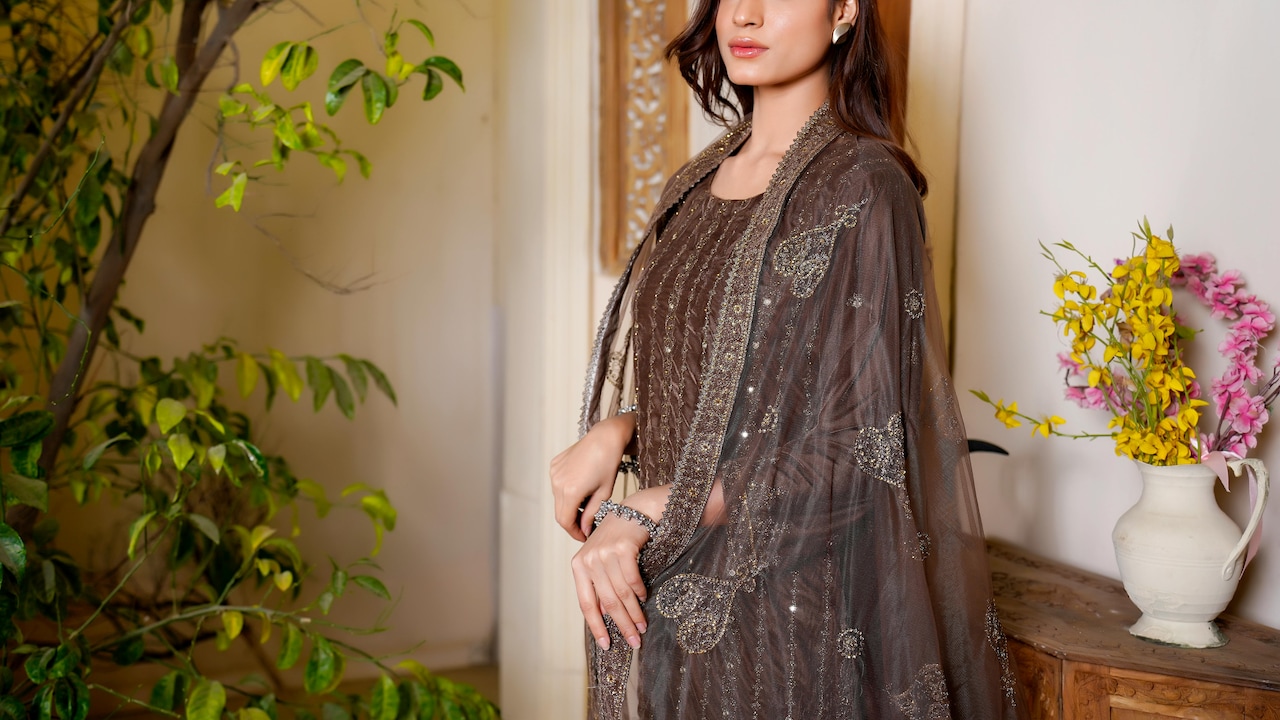
Buying A Kurta? Check These 10 Details Before You Regret It; Photo Credit: Pexels
Inspect Button Placement And Placket Design
Buttons and plackets contribute more to comfort than expected. Poorly placed buttons may gape when seated, especially around the stomach or chest. This can quickly transform a sleek kurta into a source of self-consciousness.
A strong placket design offers structure while preventing awkward pulling. Decorative button arrangements may look appealing, but functionality matters more for repeated wear.
Before buying, checking whether the front remains smooth while sitting is essential. Small gaping issues often worsen over time, particularly after washing. Reinforced stitching and proper spacing improve durability and comfort.
For many, this simple check prevents unnecessary tailoring costs later. Spending a little more upfront for better construction often proves smarter than constant alterations.
Prioritise Shoulder And Armhole Comfort
Although sitting discomfort often feels concentrated lower down, shoulder and arm restrictions can become equally frustrating. Tight armholes or rigid shoulders may look sharp while standing but quickly feel constrictive when reaching, eating, or relaxing.
Family events, office work, and festive meals involve far more arm movement than trial room posing. Poor construction here can lead to pulling across the back or uncomfortable bunching near the chest.
Well-cut shoulders allow natural movement without sagging. Armholes should feel secure yet unrestricted. This creates a polished silhouette while supporting comfort through varied activities.
Ignoring upper-body flexibility can result in a kurta that looks premium but feels exhausting after an hour. Practical elegance depends on mobility as much as aesthetics.
Consider Inner Lining And Layering
Some kurtas include lining for opacity or structure, but poorly designed inner layers can create unexpected sitting discomfort. Thick linings may trap heat, restrict movement, or add unnecessary bulk around the waist and hips.
This issue becomes particularly unpleasant in warmer climates or crowded functions. A beautifully embroidered kurta loses charm quickly when it feels like wearable upholstery.
Checking how the lining behaves while seated is essential. Breathable, lightweight inner construction works best for prolonged wear. If layering is excessive, discomfort often follows.
Choosing smart construction over purely decorative appeal can prevent overheating and awkward bunching. Style should never come at the expense of physical ease, especially during celebrations that stretch for hours.
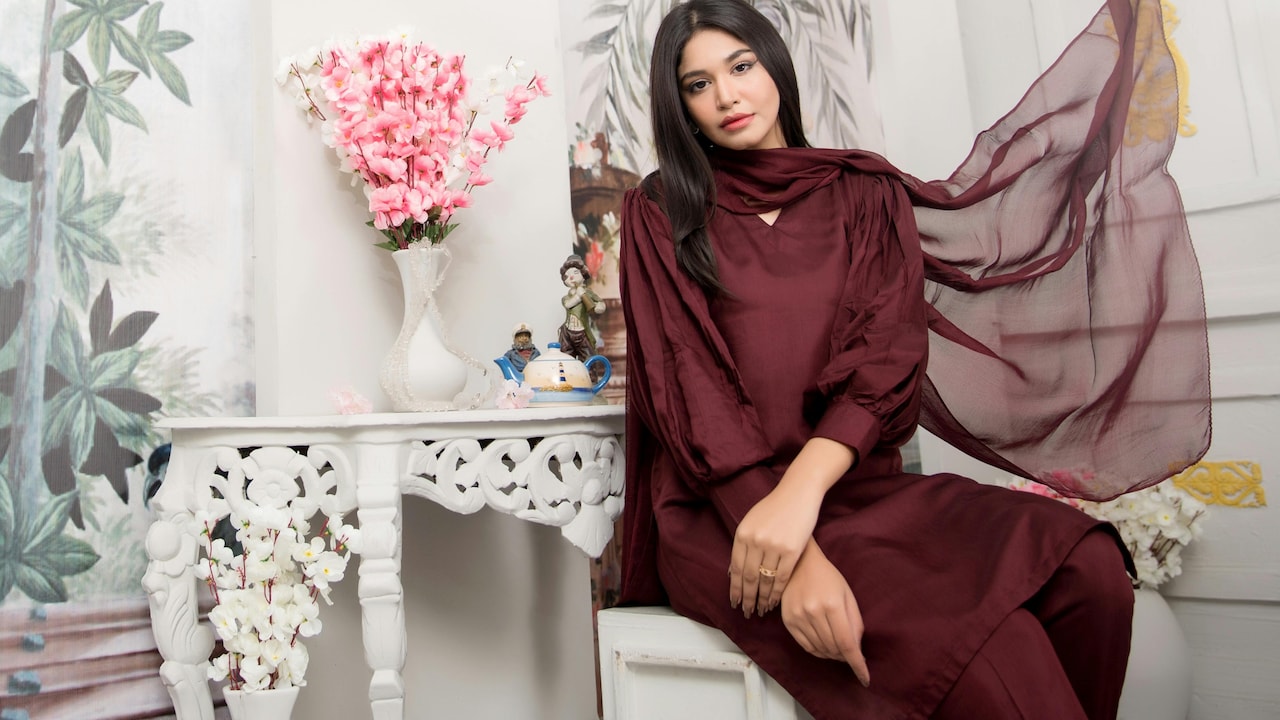
Buying A Kurta? Check These 10 Details Before You Regret It; Photo Credit: Pexels
Examine Stitch Quality And Seams
Seams determine how gracefully a kurta adapts to movement. Weak stitching or poorly placed seams may dig into the body, strain visibly, or even tear under pressure.
Sitting places additional stress on side seams, hip areas, and lower plackets. A kurta that cannot handle these movements may quickly lose shape or durability.
Checking seam strength by gently stretching fabric can reveal construction quality. Smooth, reinforced stitching generally signals better longevity.
Though seam inspection may feel less glamorous than admiring prints or embroidery, it protects against future disappointment. A stylish kurta should survive real life, not just showroom mirrors.
Think About Occasion-Specific Practicality
A festive kurta and an everyday office kurta serve very different purposes. Heavily embellished styles may naturally sacrifice some comfort for appearance, but even occasion wear should remain manageable while seated.
For weddings or celebrations, seating often involves lengthy ceremonies, meals, and socialising. Overly rigid cuts can become unbearable surprisingly quickly.
Daily wear demands even more practicality. Office hours, commuting, and repeated movement call for flexibility and ease.
Matching the kurta's design to actual lifestyle needs helps avoid poor investments. A gorgeous piece worn once due to discomfort rarely justifies its ₹4,000 price tag.
Always Do The Sitting Test
Perhaps the simplest yet most overlooked advice is this: sit down before buying. Trial rooms may lack proper seating, but even a basic seated posture can reveal flaws instantly.
Check for pulling, bunching, riding up, gaping, or stiffness. Observe how the garment feels after several moments, not just the first glance.
This small step often prevents costly mistakes. Fashion should function beyond mirrors and mannequin fantasies.
A kurta that performs beautifully seated as well as standing offers true value. Confidence comes not just from appearance, but from comfort that lasts all day.
Products Related To This Article
1. Sangria Zari Detail Flared Sleeves A-line Kurta
2. Vishudh Floral Printed V-Neck Cotton Straight Kurta
3. Sangria Floral Yoke Design V-Neck Zari Pure Cotton Straight Kurta
4. KKOUTFITS Women Printed Indie Prints Kurta
5. Libas Woven Design V-Neck Pure Cotton Straight Kurta
Buying a kurta should involve more than admiring colour, embroidery, or initial fit. Real style reveals itself through movement, comfort, and practicality. A piece that looks sophisticated standing but feels awkward sitting can quickly become an expensive wardrobe misstep.
Thoughtful shoppers pay attention to side slits, fabric, hip room, hem length, and structural details before committing. These considerations help ensure that a kurta remains flattering during every moment, from festive feasts to office meetings.
Fashion works best when elegance and ease coexist. Choosing wisely means selecting kurtas that feel just as graceful on a banquet chair, sofa, or office seat as they do under showroom lights. In the end, true sophistication lies not merely in appearance, but in wearing comfort with confidence.
(Disclaimer: This article may include references to or features of products and services made available through affiliate marketing campaigns. NDTV Convergence Limited (“NDTV”) strives to maintain editorial independence while participating in such campaigns. NDTV does not assume responsibility for the performance or claims of any featured products or services.)