Does A Tighter Lehenga Waistband Give Better Support? 10 Fit Myths Explained
A tighter lehenga waistband does not always mean better support. Discover 10 common fit myths about waistbands, blouse fitting, cancan, length and comfort so your lehenga stays secure without feeling restrictive.
Does A Tighter Lehenga Waistband Give Better Support? 10 Fit Myths Explained
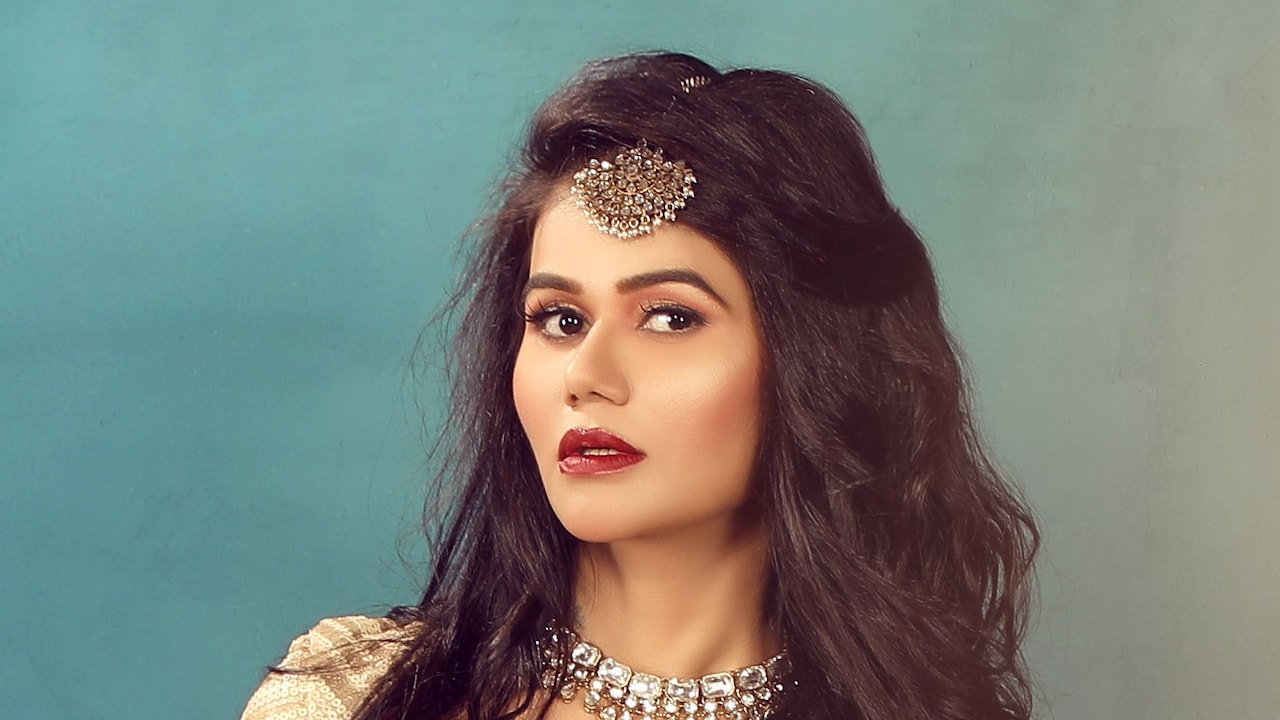
There is a familiar moment during lehenga shopping when someone pulls the waistband tighter, steps back and declares, “Perfect. Now it won't move.” That confidence can be misleading. A lehenga does need to stay in place, of course. Nobody wants to spend an entire sangeet quietly tugging at the waistband between dance numbers. But security and tightness are not the same thing. A well-fitted lehenga distributes weight sensibly, follows the natural waist or chosen wearing position, and allows the wearer to breathe, sit and enjoy a plate of chaat without regretting every tailoring decision. Fit becomes even more important with heavily embroidered skirts, layered cancan, bridal fabrics and elaborate dupattas. These outfits can weigh several kilograms, so the waistband has a genuine job to do. The solution, however, is rarely to squeeze harder. Here are 10 lehenga fit myths that deserve to be retired before the next wedding invitation lands.
10 Lehenga Fit Myths About Waistbands, Comfort And Support Explained
Photo Credit: Copilot
10 Lehenga Fit Myths That Could Be Ruining Your Comfort
1. A Tighter Waistband Always Gives Better Support
This is probably the most stubborn lehenga myth of all. A waistband that feels extremely tight may seem secure during a two-minute trial, but celebrations last much longer than that.
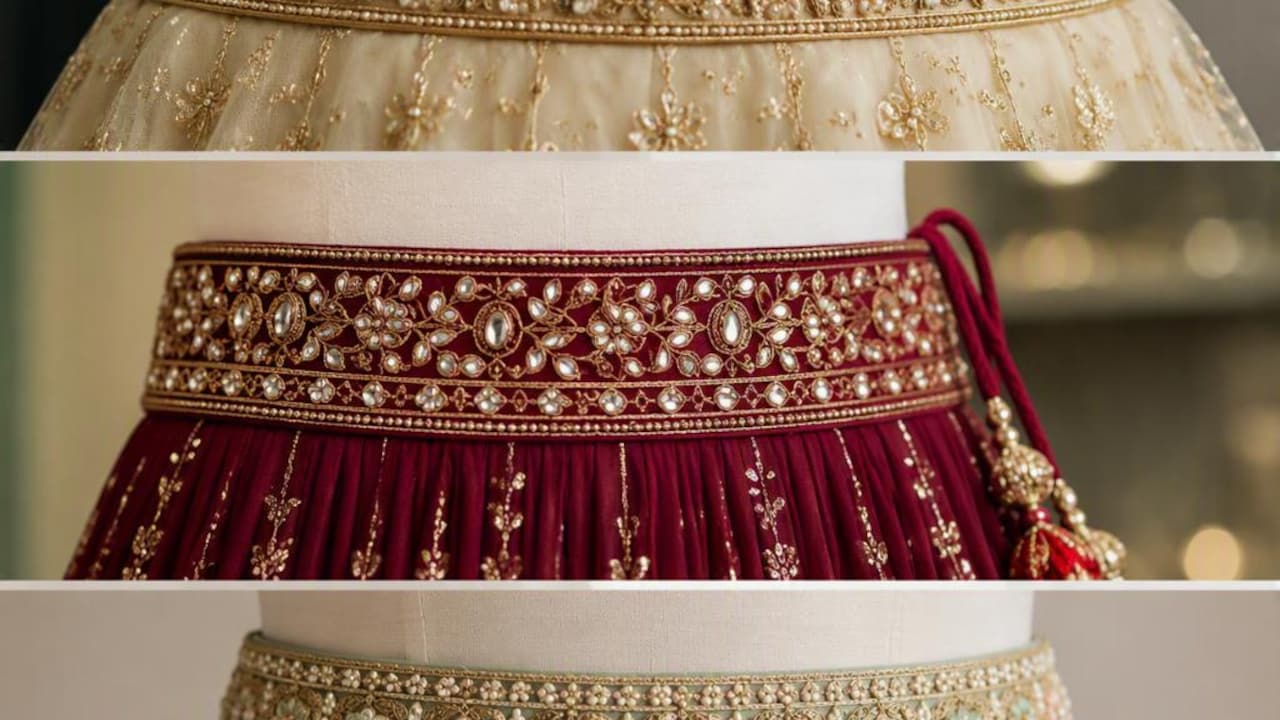
Proper support comes from fit, construction and weight distribution. The waistband should sit firmly against the body without digging into the skin or restricting breathing. If it leaves deep marks after a short trial, the fit may already be too tight.
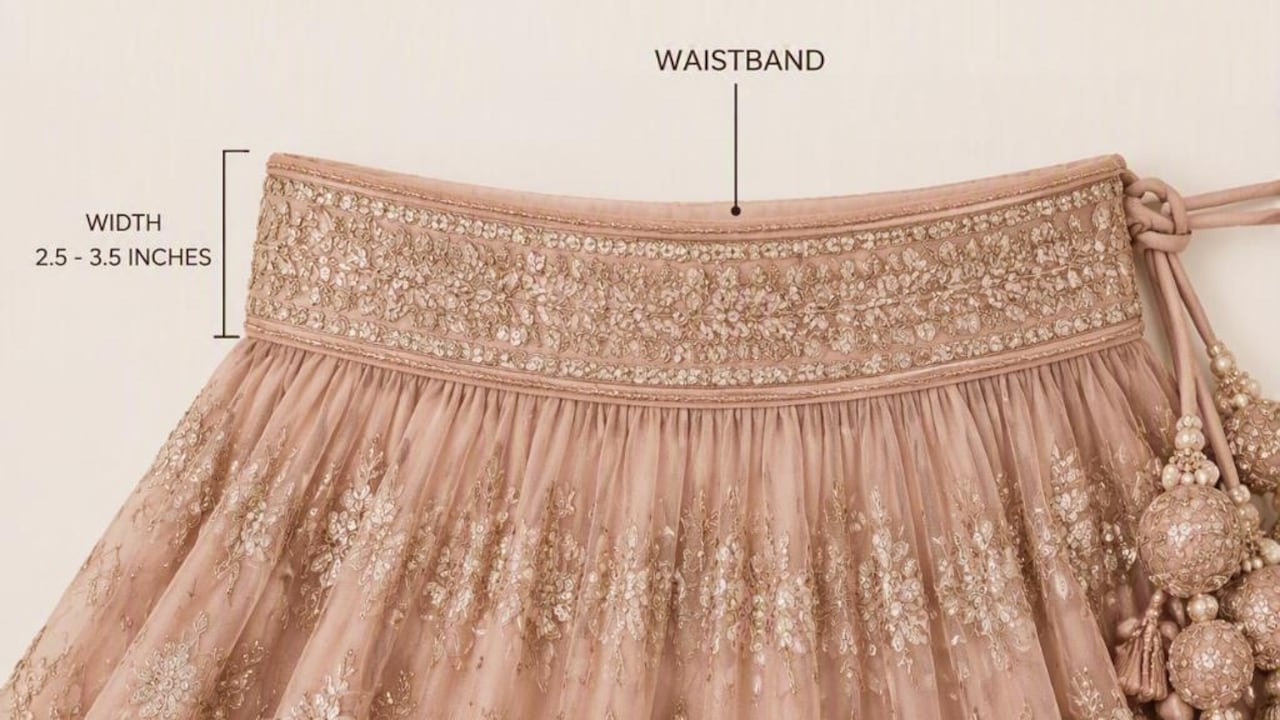
Heavy lehengas need particularly careful tailoring because embroidery, velvet, sequins and cancan add considerable weight. A wider waistband, sturdy inner facing and correctly placed hooks can provide far more stability than simply reducing the waist measurement.
Think about the difference between a supportive hug and someone squeezing the life out of you. Both involve pressure, but only one feels pleasant.
During a fitting, try sitting down, bending slightly and taking a deep breath. If the waistband becomes painfully restrictive, extra tightness is not providing useful support. It is simply creating discomfort that will become harder to ignore after three hours of ceremonies, dancing and dinner.
2. The Lehenga Should Sit Exactly On The Natural Waist
Many tailoring conversations treat the natural waist as though it were the only correct place for a lehenga. In reality, the best position depends on the outfit, body proportions and personal preference.
Some lehengas look elegant slightly above the natural waist, especially when paired with shorter blouses. Others sit beautifully a little lower, creating a longer torso line. The design of the blouse, the width of the waistband and the amount of midriff intended to show all affect where the skirt should sit.
What matters is consistency.
If the lehenga is fitted at one point on the waist but worn somewhere else on the event day, the entire silhouette can change. The skirt may suddenly look too long, the blouse gap may feel awkward and the dupatta drape may no longer fall as planned.
During fittings, wear the lehenga where it will actually be worn. Then walk around and check the mirror from several angles.
Fashion rules can suggest a starting point. Comfort and proportion should make the final decision.
3. Drawstrings Can Fix Any Waistband Problem
The humble dori deserves appreciation, but expecting it to rescue every fitting issue is asking far too much from one piece of cord.
A drawstring can fine-tune the fit and provide extra security, particularly when body measurements fluctuate slightly. It is also helpful during long celebrations when the waistband may shift with movement.
What it cannot do is correct a badly sized waistband.
If the lehenga is significantly loose, tightening the drawstring may cause the fabric to bunch around the waist. Heavy skirts can also pull unevenly, creating uncomfortable pressure where the string sits.
If the lehenga is already too tight, the dori will not magically create breathing room either.
For expensive bridal or occasion wear, especially pieces costing ₹30,000, ₹80,000 or considerably more, proper alteration is usually worth the effort. Hooks, waistband construction and side seams should do most of the fitting work. The drawstring should act as backup support rather than the entire structural plan.
Consider it the supporting actor, not the hero carrying the whole film.
4. A Heavy Lehenga Must Feel Uncomfortable
Heavy embroidery certainly adds weight, but discomfort should not be treated as a compulsory part of dressing up.
A beautifully constructed lehenga can feel surprisingly manageable even when the skirt itself is substantial. Much depends on how the weight is distributed around the waist.
Wide waistbands often spread pressure better than narrow ones. Soft inner linings can prevent scratchy embroidery from rubbing against the skin. Strong hooks, secure stitching and balanced skirt panels also stop the garment from pulling sharply in one direction.
The trial room can reveal a lot. Wear the full lehenga for at least several minutes instead of judging it immediately after fastening the hooks. Walk around, sit down and turn from side to side.
A little weight is expected. Pain is not.
This becomes especially important during weddings where the outfit may stay on through varmala photographs, family greetings, dinner and endless rounds of “just one more picture”.
A lehenga can look dramatic without making every movement feel like strength training.
10 Lehenga Fit Myths About Waistbands, Comfort And Support Explained
Photo Credit: Copilot
5. Cancan Automatically Makes Every Lehenga Fit Better
Cancan can create wonderful volume, but more volume does not automatically mean a better silhouette.
The stiff netting used beneath many lehengas helps the skirt stand away from the legs, giving that sweeping, almost cinematic flare. Yet the quantity and placement of cancan need to suit the fabric and design.
Too much cancan may make a lighter skirt feel bulky around the hips. It can also add unnecessary weight and make sitting in a car, climbing stairs or using a washroom far more complicated than anyone deserves.
Too little cancan, meanwhile, may leave a heavily embellished lehenga looking flatter than intended.
The best approach is balance.
During fittings, check the lehenga from the front and side. Walk normally rather than taking tiny trial-room steps. The skirt should move with the body instead of behaving like an independent architectural structure.
Some outfits look best with generous flare. Others benefit from softer movement.
Cancan should support the design, not compete with the wearer for space at the wedding.
6. Lehenga Length Only Depends On Height
Height matters, but lehenga length involves far more than one measurement from waist to floor.
The shoes planned for the occasion make an obvious difference. A lehenga fitted while wearing flats may suddenly look too short with 8 cm heels. Likewise, switching from heels to juttis later in the evening can leave an overly long hem brushing the floor.
The waistband position also changes the final length. Wearing the lehenga slightly higher than during alterations can lift the hem considerably.
Then there is the shape of the skirt itself. Circular lehengas, panelled designs and heavily structured styles may fall differently once the fabric settles.
Always try the outfit with footwear of roughly the same height as the pair planned for the function.
The front hem should allow comfortable walking without constant lifting. At the same time, the skirt should remain long enough to preserve the intended flow.
Few things test elegance faster than stepping on an expensive hem halfway through a dance performance.
7. The Blouse And Lehenga Must Fit With Equal Tightness
A fitted blouse and a fitted waistband perform very different jobs, so they do not need identical levels of snugness.
The blouse must support the bust, stay stable during arm movement and maintain its shape. Depending on the design, structured cups, boning, lining or secure straps may provide much of that support.
The lehenga waistband mainly needs to hold the skirt at the chosen position.
Trying to make both pieces equally tight can create unnecessary pressure around the torso. This is especially noticeable after a few hours when sitting, eating and dancing make rigid clothing feel even more restrictive.
During the final fitting, test the blouse and lehenga together rather than separately. Raise both arms, twist gently and sit down.
Nothing should ride dramatically upward or dig sharply into the body.
A coordinated outfit should look connected without feeling like a matching set of compression garments. The goal is polish with movement.
After all, the best wedding photographs usually happen when someone is laughing naturally, not secretly wondering when the hooks can finally come off.
8. Hooks Alone Are Enough To Hold A Heavy Lehenga
Hooks are useful, but a heavy lehenga needs more than a tiny piece of metal standing bravely between elegance and disaster.
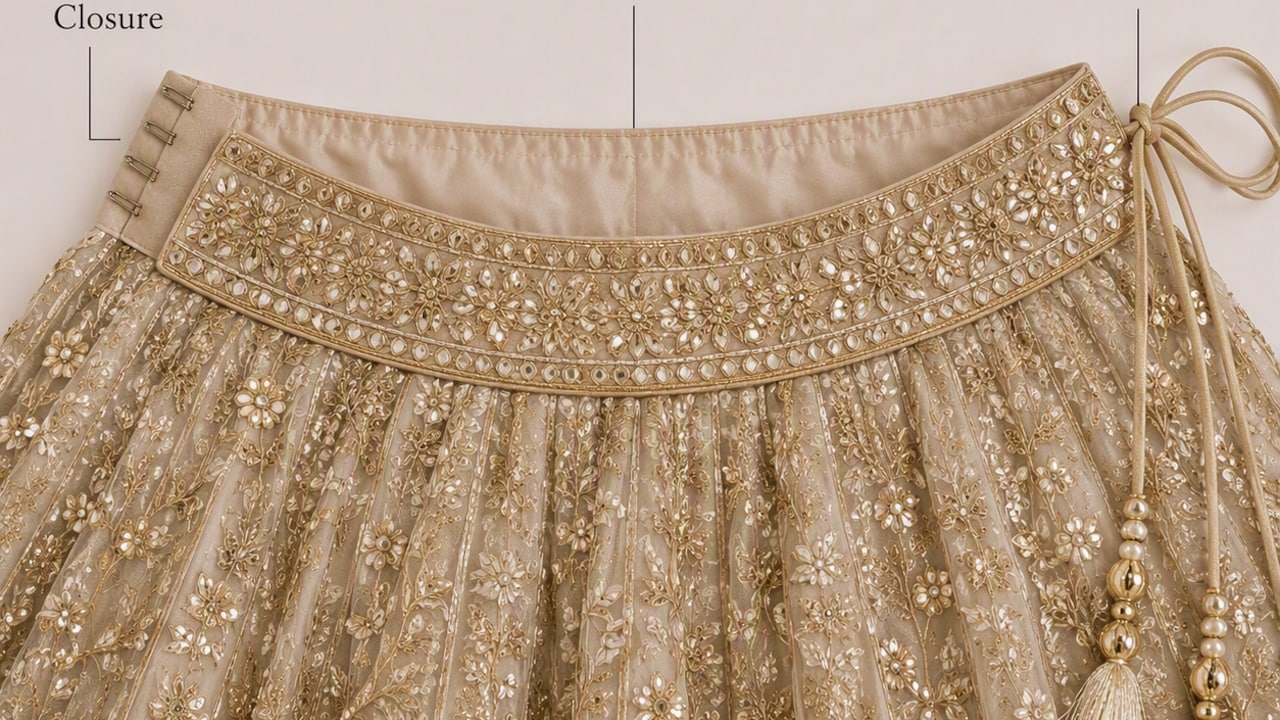
Good waistband construction usually combines several forms of support. Hooks may provide the main closure, while a drawstring offers extra security. Some designs also use concealed buttons, reinforced waist tape or multiple hook positions.
This matters because heavy skirts create downward force throughout the event. Constant dancing, walking and sitting can also place repeated pressure on the closure.
A loose hook can become especially troublesome when the lehenga carries dense embroidery.
Before the function, inspect the stitching around every hook rather than checking only the hook itself. The strongest metal closure is useless if it is attached with weak thread.
Keeping one small safety pin in an emergency pouch is sensible too, although it should remain a backup rather than the official tailoring strategy.
When thousands of tiny beads have already been stitched onto a skirt, giving the waistband a little structural attention seems entirely reasonable.
9. A Perfect Trial-Room Fit Will Stay Perfect All Day
Trial rooms offer controlled conditions. Weddings rarely do.
During a fitting, the wearer may stand straight for five minutes under bright lights. During the actual event, there will be sitting, dancing, eating, hugging relatives, climbing stairs, travelling by car and perhaps chasing a cousin who has disappeared right before the family photograph.
Clothing reacts to all of that movement.
Body measurements can also change slightly throughout the day. Meals, heat and normal bloating can make a waistband that felt comfortably firm in the afternoon feel noticeably tighter by night.
This is why a tiny amount of breathing room can be useful.
Some tailors add multiple hook positions so the waistband can be adjusted subtly. That can be particularly helpful for outfits worn through long functions.
The ideal fitting test should imitate real movement. Sit in a chair. Walk briskly. Lift the arms. Bend gently.
A lehenga that survives those movements comfortably is far more valuable than one that looks technically perfect while nobody moves a centimetre.
10. Comfort Means Compromising On A Sharp Silhouette
Comfort sometimes gets treated like the boring cousin of fashion, but good tailoring proves otherwise.
A lehenga can sit neatly at the waist, create a clean line and still allow comfortable movement. In fact, garments often look better when the wearer is not constantly adjusting them.
The secret is precision rather than pressure.
Proper measurements, supportive construction, balanced skirt weight and thoughtful blouse fitting can create structure without excessive tightness. Even small details make a difference, such as smooth lining inside the waistband or correctly placed side hooks.
Alterations deserve attention too. Spending ₹1,500 or ₹3,000 on careful adjustments may feel unnecessary after purchasing an expensive outfit, but poor fit can affect how the entire ensemble looks.
A stunning lehenga that slips, twists or digs into the waist will rarely feel luxurious.
The sharpest silhouette is usually the one that stays in place naturally.
When the wearer can walk into a function without immediately reaching for the waistband, the tailoring has probably done its job.
10 Lehenga Fit Myths About Waistbands, Comfort And Support Explained
Photo Credit: Copilot
Products Related To This Article
1. MADHURAM Embroidered Ready to Wear Lehenga
2. Sanwari Printed Ready to Wear Lehenga
3. Sangria Embroidered Zari Lehenga Choli
4. Livewear Embellished Ready to Wear Lehenga
5. PAVORA Ready to Wear Lehenga
6. RUNAYA NX Ready to Wear Lehenga
7. HOUSE OF JAMOTI Ready to Wear Lehenga
A secure lehenga should feel dependable, not punishing. That distinction matters because tighter does not automatically mean better supported. The right fit comes from several small decisions working together: accurate measurements, sensible waistband placement, strong construction, appropriate skirt length and enough room for natural movement.
The best fitting sessions also involve more than standing still in front of a mirror. Sit down. Walk around. Raise the arms. Try the intended footwear. Wear the blouse and skirt together. Give the outfit a realistic preview of the celebration ahead.
Lehenga shopping already brings enough decisions, from embroidery and colours to jewellery and dupatta draping. Waistband discomfort does not need to become another tradition.
When an outfit fits well, attention shifts away from adjusting hooks and holding the skirt in place. Instead, there is room to enjoy the music, the food, the photographs and the occasional relative insisting that one more family picture is absolutely necessary.
That is what good fit should offer: support that quietly does its job while the celebration takes centre stage.
(Disclaimer: This article may include references to or features of products and services made available through affiliate marketing campaigns. NDTV Convergence Limited (“NDTV”) strives to maintain editorial independence while participating in such campaigns. NDTV does not assume responsibility for the performance or claims of any featured products or services.)