Lightweight Jackets vs Heavy Coats: Know Which One Is More Practical Than the Other
From comfort and mobility to climate and cost, discover which outerwear option proves more practical for everyday life.
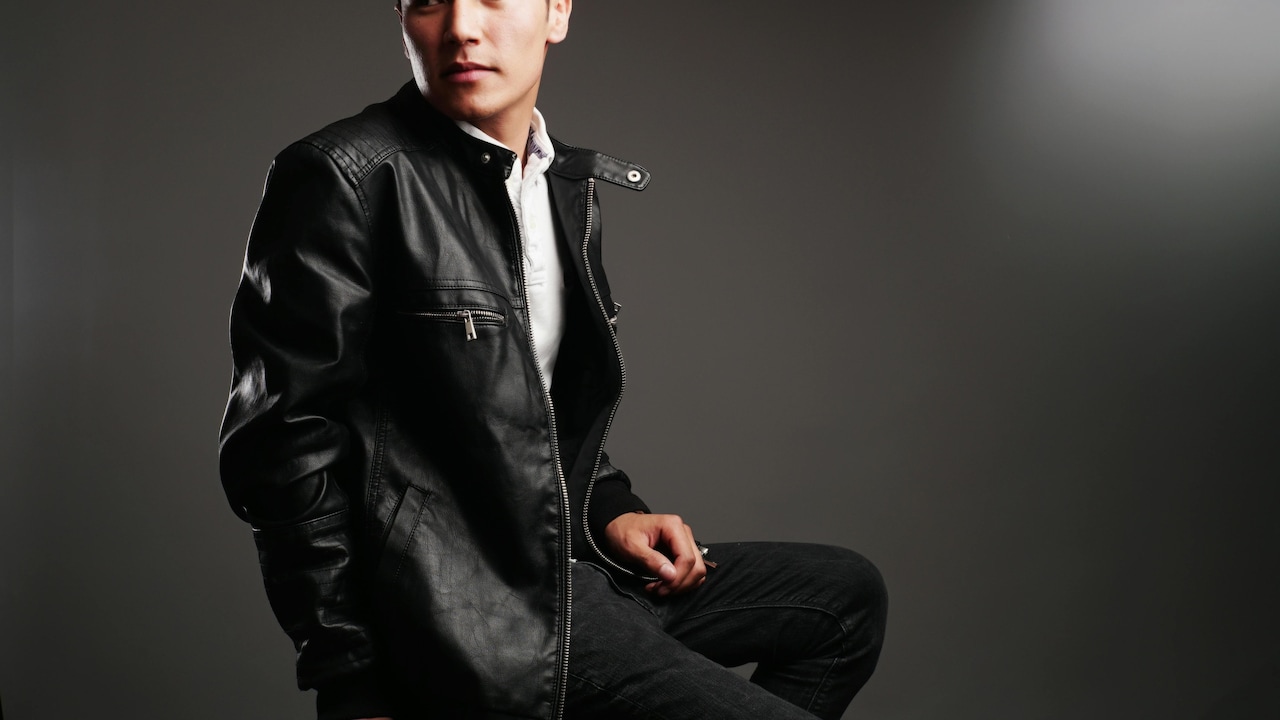
Choosing between lightweight jackets and heavy coats can be tricky during winter.
Winter dressing rarely feels straightforward. A sunny afternoon may quickly turn into a nippy evening, and that sudden shift can leave wardrobes scrambling for the right layer. Some people swear by thick coats that resemble portable blankets, while others prefer lighter jackets that slip on easily and move with the body.
The debate between lightweight jackets and heavy coats often begins with one simple question: which one truly makes sense for everyday life? Fashion magazines celebrate both, but real-life routines involve crowded trains, busy streets, and unpredictable weather patterns. Practical clothing must balance warmth, mobility, storage, and cost.
A college student heading to early morning lectures, a professional commuting through traffic, or someone strolling through a weekend market may all require different levels of protection from the cold. A bulky coat might feel luxurious in freezing temperatures, yet inconvenient during mild winters. A lightweight jacket might appear stylish and flexible, though it sometimes struggles when temperatures dip sharply.
Understanding the strengths and limitations of both options helps create smarter wardrobes. The choice goes beyond style trends and touches comfort, climate, travel habits, and even wardrobe space. With winters becoming increasingly unpredictable, choosing the right outerwear layer has become more important than ever.
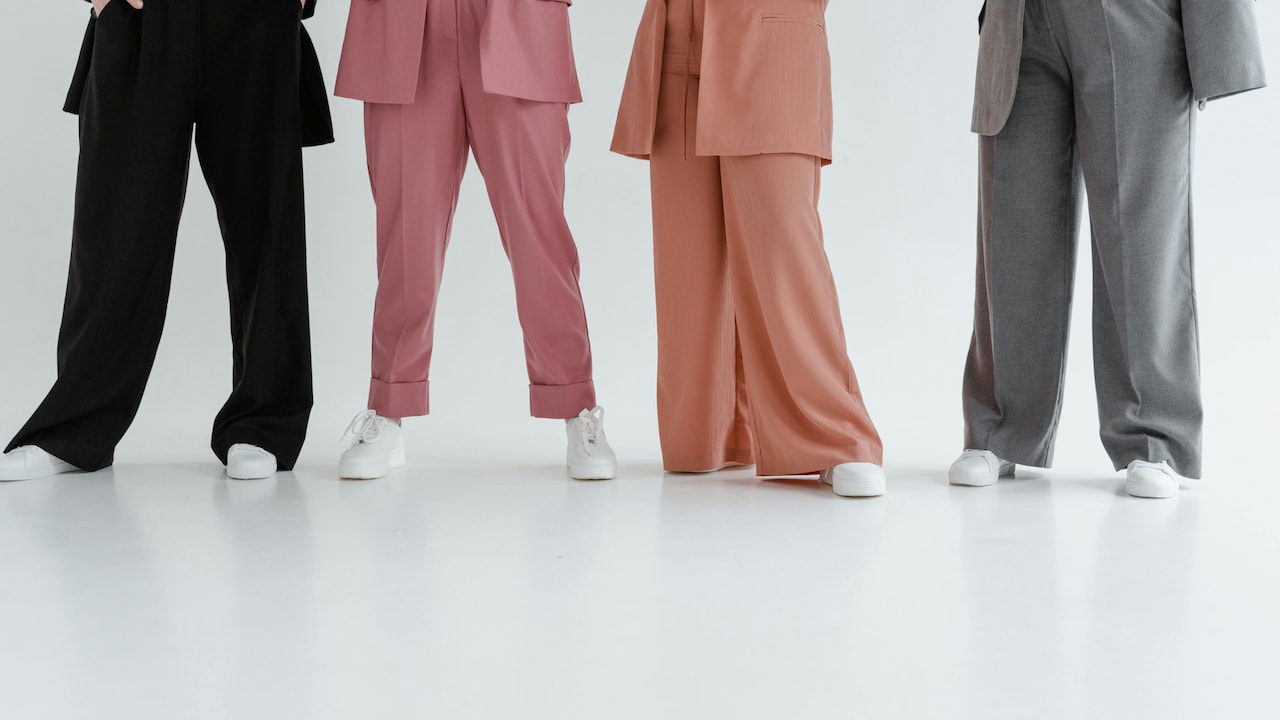
Lightweight Jackets vs Heavy Coats: Know Which One Is More Practical Than the Other; Photo Credit: Pexels
Key Factors That Decide Between Lightweight Jackets And Heavy Coats
Climate Compatibility
Weather remains the biggest factor in deciding between a lightweight jacket and a heavy coat. Winters across the country rarely behave the same way. Some regions experience crisp mornings followed by pleasant afternoons, while others face dense fog and biting cold that lingers throughout the day.
Lightweight jackets often perform well in moderate winter conditions. A breezy evening by the sea or a cool morning commute rarely demands heavy insulation. In such settings, a light jacket keeps the body comfortable without creating the sweaty discomfort that thick coats sometimes cause. People who spend most of their day moving between indoor spaces, cafés, offices, and public transport often find lighter layers far more manageable.
Heavy coats step in when temperatures drop dramatically. Hill stations, northern plains, and foggy winter mornings often demand serious warmth. A well-insulated coat traps body heat and shields against cold winds that slip easily through thinner fabrics. On those mornings when breath turns visible in the air, a lightweight jacket simply cannot compete.
Practical wardrobes often reflect this reality. Many people rely on lighter jackets for everyday errands while reserving heavy coats for colder trips or occasional winter getaways.
Comfort And Mobility
Clothing that restricts movement rarely survives daily use. Comfort often determines whether an outfit becomes a favourite or ends up forgotten in the wardrobe.
Lightweight jackets excel in this area. Their flexible fabrics allow easy movement during everyday activities. Walking through crowded markets, riding a scooter, climbing stairs, or carrying shopping bags feels natural without the stiffness that heavier garments sometimes create. Many modern designs also include stretch materials, making them ideal for active lifestyles.
Heavy coats, on the other hand, prioritise insulation over flexibility. Thick padding, wool layers, and structured designs can feel restrictive, particularly during long commutes or busy days. While the warmth feels comforting outdoors, wearing such coats indoors often leads to overheating and discomfort.
Imagine navigating a packed metro carriage during rush hour while wrapped in a bulky coat. The situation quickly becomes awkward and uncomfortable. A lightweight jacket, however, adapts better to fluctuating temperatures and crowded environments.
For people who spend much of their day moving, commuting, or running errands, comfort often tilts the balance in favour of lighter outerwear.
Also Read: Best Lightweight Jackets For Men That Look Sharp And Feel Easy
Layering Possibilities
Winter fashion rarely relies on a single garment. Smart layering often proves far more effective than one heavy piece.
Lightweight jackets support layering beautifully. A sweater, hoodie, or thermal top beneath a light jacket creates adjustable warmth throughout the day. When temperatures rise, one layer can easily come off without feeling overdressed. This flexibility works particularly well in cities where mornings start cold but afternoons feel surprisingly mild.
Heavy coats reduce that flexibility. Their insulation often replaces the need for multiple layers, which sounds convenient but limits adjustment. Once temperatures rise or indoor heating kicks in, wearing a thick coat can feel overwhelming. Carrying it around afterwards becomes another inconvenience.
Layering also allows personal style to shine. A colourful scarf, patterned sweater, or stylish hoodie adds variety beneath a simple jacket. Heavy coats, while elegant, often hide most of the outfit beneath them.
The layering advantage explains why lightweight jackets remain a wardrobe staple. They offer adaptability, comfort, and style without locking the wearer into a single temperature setting.
Storage And Travel Convenience
Packing winter clothing can quickly turn into a logistical puzzle. Suitcases fill up faster than expected, especially when thick coats enter the equation.
Lightweight jackets win decisively when travel convenience matters. Many designs fold neatly into small spaces, making them easy to pack in backpacks or overnight bags. Some modern jackets even compress into compact pouches, leaving room for other essentials.
Heavy coats rarely offer such convenience. Their bulk demands significant suitcase space and adds weight during travel. Carrying one through airports or railway stations can become tiring, particularly during longer journeys.
Consider a weekend trip to a hill town. Packing a heavy coat may feel necessary, yet it occupies space that could otherwise hold sweaters, scarves, or extra clothes. A lightweight jacket combined with layered clothing often solves this problem while maintaining warmth.
Storage at home also becomes easier with lighter outerwear. Smaller wardrobes, common in city apartments, benefit from clothing that folds easily rather than hanging like oversized blankets.
Cost And Value For Money
Winter clothing often involves careful budgeting. Outerwear, especially quality pieces, rarely comes cheap.
Heavy coats tend to command higher prices due to thicker materials, insulation layers, and complex tailoring. Premium wool coats or padded winter jackets can easily cost ₹6,000 or more in popular stores. While they provide excellent warmth, they may only see limited use during short winters.
Lightweight jackets often sit in a more accessible price range. Stylish options appear in markets and retail stores between ₹1,500 and ₹3,500, depending on fabric and brand. Because they adapt to both cool evenings and mild winter days, they often receive far more regular use.
Practical value matters more than price tags alone. A garment worn frequently throughout the season delivers better value than an expensive coat worn only a handful of times.
For budget-conscious shoppers building versatile wardrobes, lightweight jackets often provide greater returns for the money spent.
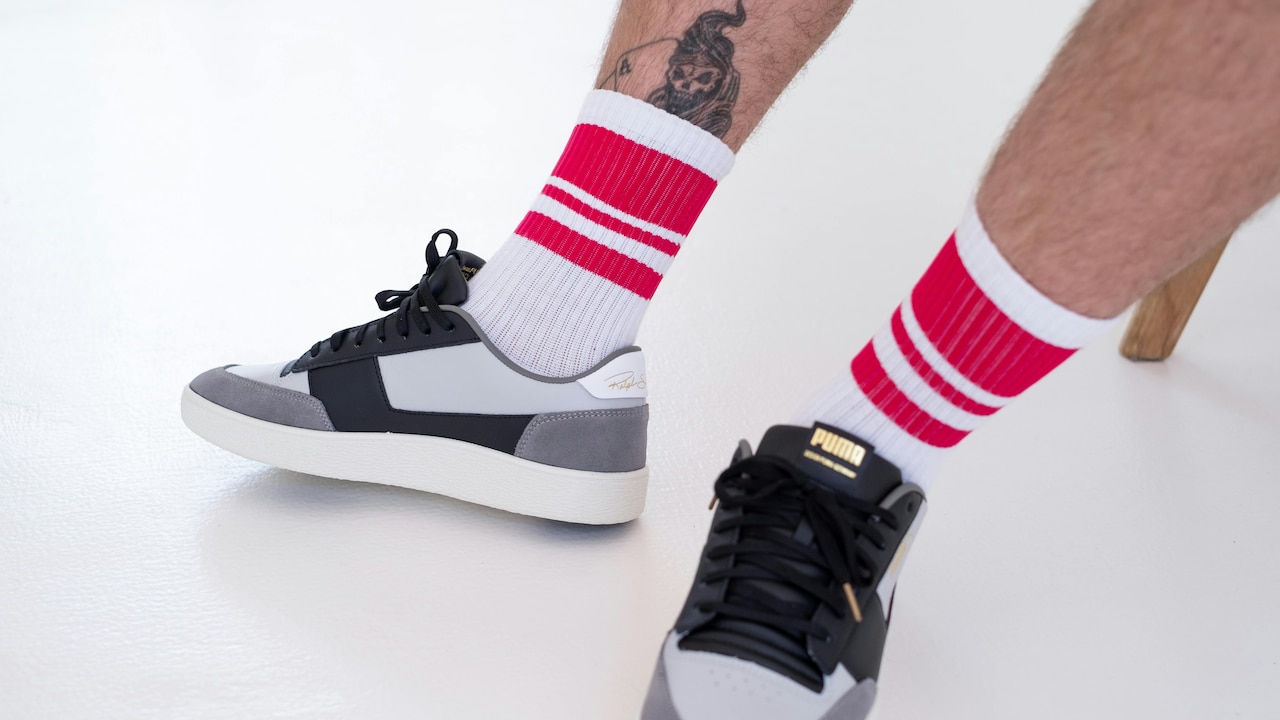
Lightweight Jackets vs Heavy Coats: Know Which One Is More Practical Than the Other; Photo Credit: Pexels
Fashion Versatility
Outerwear does more than provide warmth; it shapes the entire outfit. A well-chosen jacket or coat can elevate everyday clothing effortlessly.
Lightweight jackets offer remarkable versatility in fashion. Denim jackets, bomber styles, quilted pieces, and casual windbreakers pair easily with jeans, dresses, or even office wear. Their lighter structure allows experimentation with colours and textures without overwhelming the overall look.
Heavy coats bring elegance and drama. Long wool coats, structured trench styles, and padded winter coats often create a polished appearance suitable for formal settings. They complement tailored outfits and formal events beautifully.
However, versatility still favours lighter jackets. They transition easily from casual outings to relaxed office environments. A simple black jacket can accompany a morning meeting, an evening dinner, and a late-night walk without looking out of place.
Fashion thrives on flexibility, and lighter jackets adapt to changing occasions far better than most heavy coats.
Maintenance And Care
Winter garments require proper care to maintain warmth and appearance. Cleaning routines often influence which clothing stays in regular rotation.
Lightweight jackets usually demand minimal maintenance. Many modern fabrics allow easy machine washing, quick drying, and simple storage. This convenience suits busy households where frequent dry cleaning may feel impractical.
Heavy coats often require specialised care. Wool coats frequently need dry cleaning to maintain shape and fabric quality. Padded winter coats may demand careful washing instructions to prevent damage to insulation layers. These additional steps increase both effort and expense over time.
Maintenance also affects daily use. A garment that requires complicated cleaning often remains reserved for special occasions rather than everyday wear.
Lightweight jackets, therefore, enjoy a practical advantage. Their ease of care allows regular use without worrying about costly cleaning routines.
Suitability For Commuting
Daily travel introduces a unique set of challenges for winter clothing. Crowded buses, long walks, and fluctuating indoor temperatures all influence comfort levels.
Lightweight jackets suit commuting environments extremely well. Their breathable fabrics prevent overheating during crowded rides, while still offering protection against chilly winds outdoors. They also allow quick removal when entering warm indoor spaces such as offices, cafés, or shopping centres.
Heavy coats sometimes struggle in these situations. Their thick insulation traps heat effectively outdoors but quickly becomes uncomfortable in crowded or heated environments. Carrying a bulky coat during the rest of the journey can feel inconvenient.
Commuters often prioritise practicality over extreme warmth. A jacket that adjusts easily to different conditions proves far more useful than a coat designed solely for freezing temperatures.
For everyday travel through busy streets and public transport, lightweight jackets often provide the most comfortable solution.

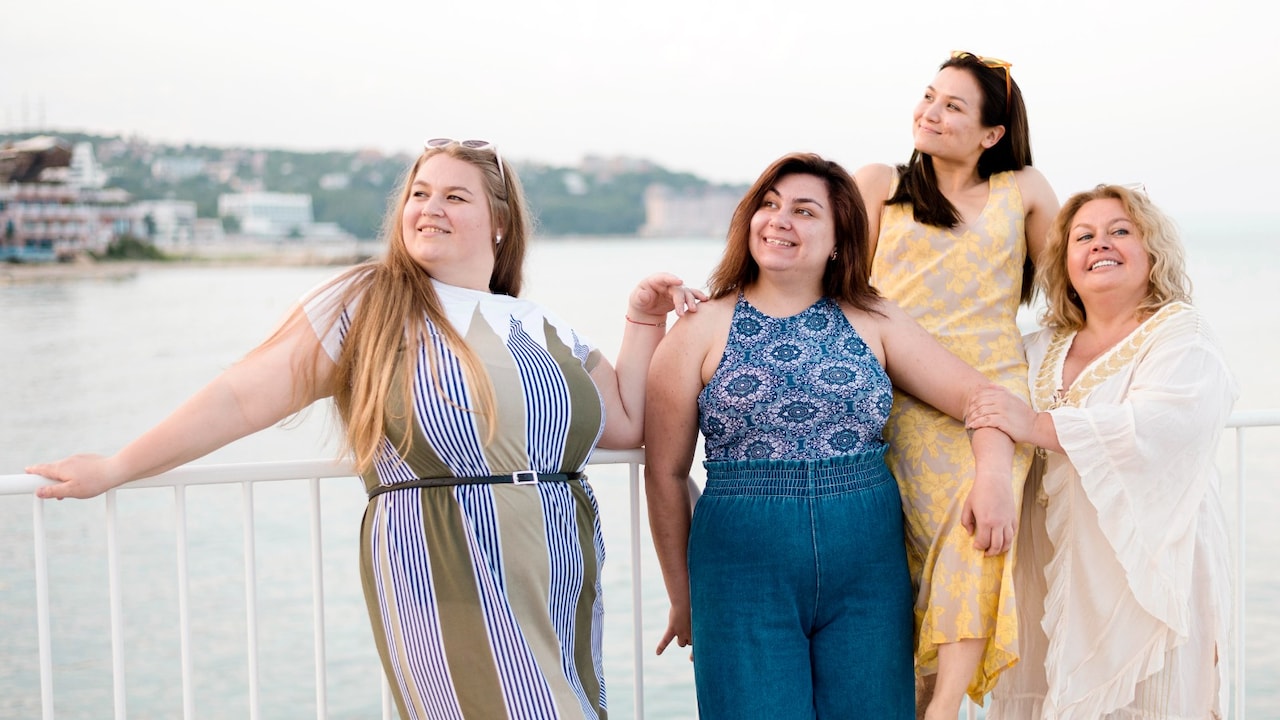
Lightweight Jackets vs Heavy Coats: Know Which One Is More Practical Than the Other; Photo Credit: Pexels
Weather Protection
Cold weather rarely arrives alone. Wind, fog, and occasional drizzle often accompany winter days, demanding reliable protection.
Heavy coats deliver excellent defence against extreme cold and strong winds. Thick fabrics, padded linings, and long designs cover more of the body and prevent cold air from penetrating through clothing layers. In harsh winter conditions, this extra protection makes a significant difference.
Lightweight jackets provide moderate protection rather than full insulation. Many designs include wind-resistant fabrics or light water resistance, which proves helpful during sudden weather changes. However, when temperatures drop sharply, they may require additional layers underneath.
This difference highlights the core contrast between the two options. Heavy coats act like armour against severe winter conditions, while lightweight jackets function as adaptable everyday layers.
The practical choice often depends on how intense the winter season becomes in a particular region.
Everyday Practicality
Practical clothing supports daily routines rather than complicating them. Outerwear must adapt to work schedules, social outings, errands, and unpredictable weather.
Lightweight jackets often dominate everyday practicality. Their balance of comfort, style, affordability, and flexibility allows them to blend seamlessly into daily life. They handle mild winters, changing temperatures, and active routines without causing inconvenience.
Heavy coats still play an important role, particularly during colder trips or harsh winter mornings. Their warmth offers unmatched comfort when temperatures fall dramatically. However, their bulk and limited flexibility make them less suitable for regular daily wear in moderate climates.
Many wardrobes ultimately include both options, though lightweight jackets often receive far more use throughout the season. Their versatility allows them to transition effortlessly between casual days, office hours, and evening outings.
Practical wardrobes rarely revolve around a single garment, yet lightweight jackets frequently become the most dependable winter companion.
Products Related To This Article
1. XYXX Men's Solid Ozone UV Protection Quick Dry Chrome White Hooded Parka Jacket
2. JOLGER Women's Ultimate Sun Protection UPF 50+ Dry Fit Jacket
3. Urbano Fashion Men's Light Blue Regular Fit Washed Full Sleeve Denim Jacket
4. Cava Pink Sculptor Jacket
5. Raxedo Men Lightweight Running Sporty Jacket
Choosing between lightweight jackets and heavy coats rarely comes down to fashion alone. Real-world practicality depends on climate, lifestyle, comfort, and daily routines.
Heavy coats provide unmatched warmth during severe winter conditions. Their thick insulation protects against icy winds and low temperatures, making them essential in colder regions or during winter travel. Yet their bulk, maintenance requirements, and limited flexibility often reduce everyday convenience.
Lightweight jackets offer a more adaptable solution for most winter days. They support layering, allow comfortable movement, travel easily, and fit naturally into busy routines. Their versatility across casual and semi-formal settings further strengthens their practicality.
For many wardrobes, the smartest approach lies in balance. A reliable lightweight jacket covers most winter situations, while a heavy coat waits patiently for those rare moments when serious warmth becomes essential.
Winter fashion may evolve each year, yet practical clothing always follows the same principle: the best outerwear supports everyday life rather than complicating it.
(Disclaimer: This article may include references to or features of products and services made available through affiliate marketing campaigns. NDTV Convergence Limited (“NDTV”) strives to maintain editorial independence while participating in such campaigns. NDTV does not assume responsibility for the performance or claims of any featured products or services.)